
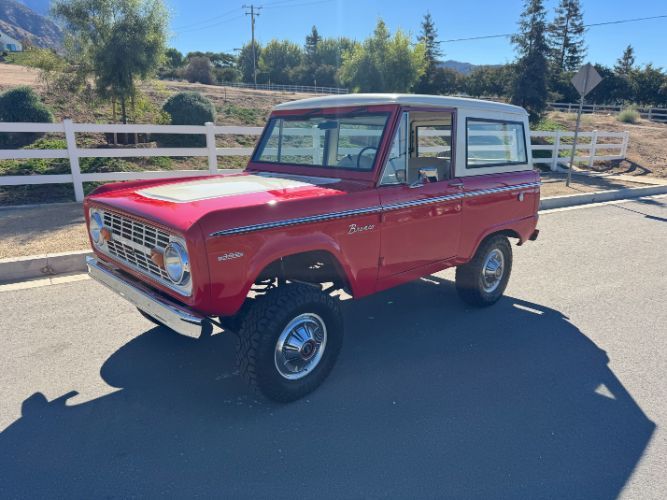
Of the three body styles Ford offered when the Bronco launched, one pulled ahead of the other two almost immediately and never really let go of that lead. The ford bronco 1966 u15 wagon gave buyers a fully enclosed cabin on the same rugged chassis as its roadster and half-cab siblings, and that single decision made it the truck most people actually wanted to live with.
Car Features
6 min read
The 1966 Bronco U15 Wagon That Buyers Loved Most
The ford bronco 1966 u15 wagon outsold its roadster and half-cab siblings and became the body style most associated with the Bronco name.
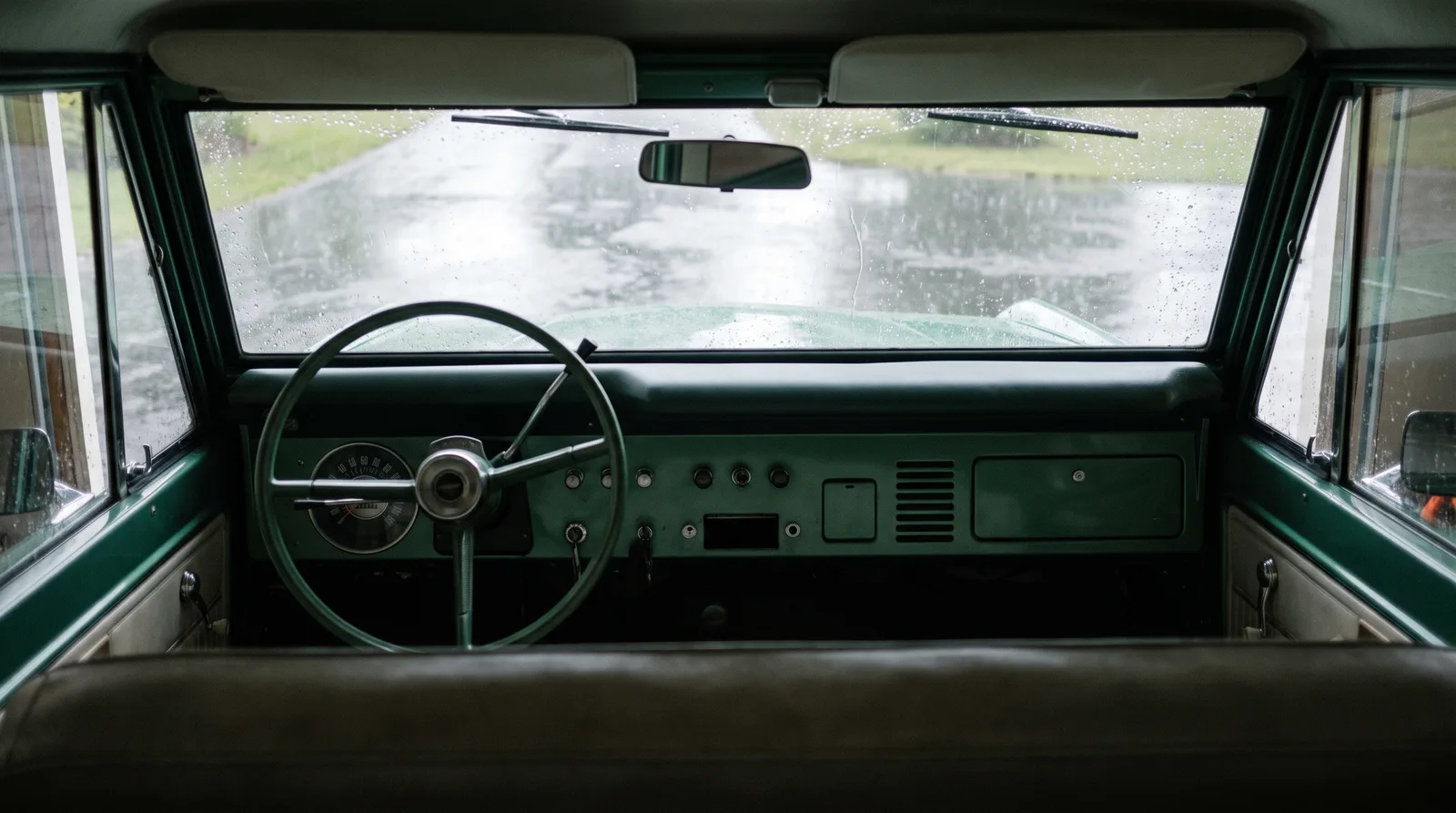
Enclosed, practical, and exactly what most buyers needed
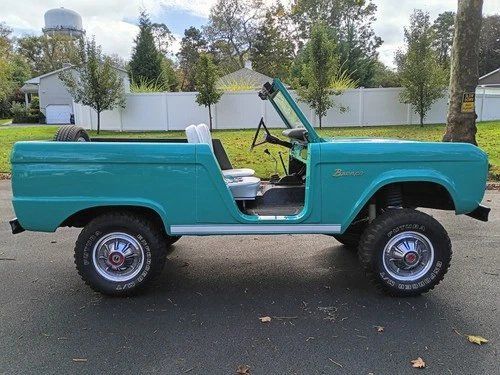
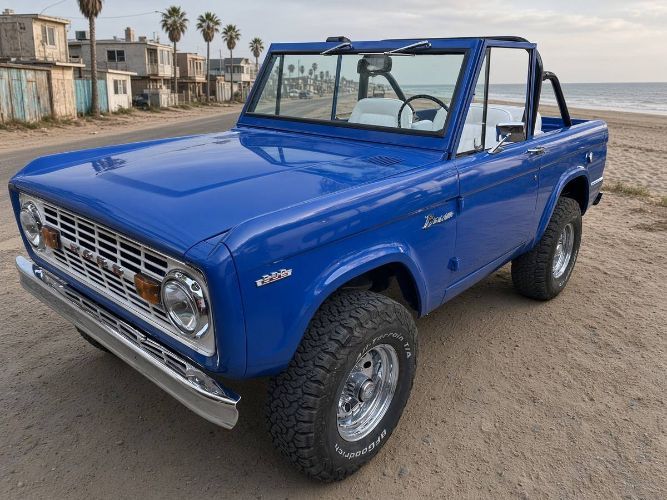
The U15 wagon took the 92 inch wheelbase chassis, the 170 cubic inch six, and the coil-spring front suspension shared across all three original body styles, then wrapped them in a fully enclosed body with a roof, doors, and rear cargo area sealed from the elements. Where the roadster stripped everything back and the half-cab split the difference with an open bed, the wagon offered something closer to a genuine daily-use vehicle that also happened to be a capable off-roader.
That combination mattered more than it might seem at first glance. A rancher still needed to run errands in town. A family that wanted a rugged vehicle for weekend trips also needed something the kids could ride in without weather exposure. The wagon answered both needs at once, and Ford's dealers found it an easier sell across a broader customer base than either of the other two body styles.
Why buyers chose it over the alternatives
Part of the wagon's appeal came down to simple math. Buyers cross-shopping the Bronco against the Jeep CJ-5 or International Harvester Scout were often weighing enclosed utility vehicles against Ford's new entry, and the wagon let Ford compete directly on those terms rather than asking customers to accept a more spartan experience than what competitors already offered. The roadster and half-cab appealed to narrower use cases, but the wagon competed head-on in the segment's most popular configuration.
Comfort played a role too. Road trips and daily errands were far more tolerable in a sealed cabin than in a doorless roadster, and reviewers of the period frequently praised the Bronco's ride quality relative to its rivals, a quality that mattered more to wagon buyers who spent significant time on pavement between off-road outings.
Female buyers and families cross-shopping utility vehicles for the first time in this period also gravitated toward the wagon specifically, according to dealer accounts from the era, since the enclosed cabin removed much of the intimidation factor that a doorless, topless roadster presented to buyers less experienced with rugged off-road vehicles. That broader appeal across different kinds of buyers, not just the traditional rural, working customer Ford originally targeted, helped push wagon sales ahead of the other two body styles by a meaningful margin almost from the moment all three reached dealer lots together. That broadening of the customer base beyond the original rural, working buyer Ford had first imagined turned out to be one of the more significant, if underappreciated, results of offering the wagon body style at all. It effectively proved to Ford's product planners that a rugged utility vehicle could be sold on comfort and everyday usability just as successfully as on raw capability, a lesson that would go on to shape utility vehicle design across the industry for decades after the original Bronco left production, informing everything from later Bronco generations to entirely unrelated SUV programs at other manufacturers who studied closely what made the wagon body style resonate so widely with such a varied and unexpected customer base back in 1966.
"People forget the wagon wasn't the exciting choice in 1966, it was the sensible one. And sensible choices are usually the ones that end up defining a nameplate's whole identity, because that's what most people actually bought."
- Nora Beckett
What the wagon body actually offered
Beyond the basic fact of having a roof and doors, the U15's enclosed body brought a set of practical details that mattered enormously to buyers weighing daily usability. A proper rear cargo area with a tailgate meant groceries, tools, and gear could be secured and protected from weather, something neither the roadster nor the half-cab offered in the same way. Roll-up windows, a genuine heater, and a more finished interior trim than either sibling body style made the wagon feel like a complete vehicle rather than a stripped platform with weather protection bolted on as an afterthought.
Ford also offered the wagon with a broader range of interior trim and comfort options than it did the roadster, recognizing that wagon buyers were more likely to cross-shop against passenger vehicles and wanted a cabin that did not feel like a pure work truck. That flexibility let a single dealer stock wagons ranging from a basic work-oriented spec to a more comfort-focused configuration, widening the customer base even further within this one body style alone.
The wagon's lasting influence on the Bronco identity
Because the U15 outsold its siblings so consistently through the first generation's run, it became the body style most associated with the Bronco name in the public imagination. When people picture a classic Bronco today, they are far more likely to picture the enclosed wagon than the roadster or half-cab, a direct result of how the original sales numbers played out in the truck's earliest years on the market.
That popularity has carried through into the collector market as well. Wagons remain the most commonly found original body style today, which makes them a more accessible entry point for buyers new to classic Bronco ownership, even as scarcer roadster and half-cab examples command their own dedicated followings for different reasons.
Understanding the wagon in context
The U15's success only makes full sense alongside the story of the other two body styles Ford launched it against. You can read the full story of how all three fit into Ford's original strategy for the truck's debut year, and see why the wagon's practicality proved to be the winning formula almost from the start.
If you are drawn to that same enclosed, do-everything appeal that won buyers over in 1966, you can browse classic Bronco listings to see wagon examples currently available.
For a first-time classic Bronco buyer, the wagon remains the most sensible starting point for reasons that have not really changed since 1966. Parts availability tends to be somewhat better simply because more wagons were built and more have survived in usable condition, and the enclosed cabin makes the truck far more practical for regular use than either the roadster or half-cab. Enthusiasts who want the rarer body styles often work their way up to a roadster or half-cab after starting with a wagon, learning the platform's quirks on the most forgiving version before committing to something scarcer.
Sources and notes
Related Reading

About the author
Nora Beckett
Automotive features writer and photographer who tells the human stories behind the cars, from show fields to cross-country road trips.
Related Listings - Ford Bronco




Comments (1)
D
Don Metzger
1 day ago
Per the 1966 production split usually cited, the wagon was roughly 12,700 of about 23,800 Broncos, so roughly 54 percent. That is a majority, but only barely more than the other two combined.