
The ford bronco 1973 explorer package rarely gets the attention that later Bronco special editions do, but the paperwork tells a clear story. Ford used the Explorer name on the Bronco in the early 1970s as a mid-tier appearance and convenience option, distinct from the more upscale Ranger trim, and by 1973 it had carved out a specific niche for buyers who wanted a step up from base equipment without paying for the full Ranger treatment.
Car Features
7 min read
The Bronco Explorer Special and Its Limited Charm
The ford bronco 1973 explorer package was a modest mid-tier trim option, sitting between base equipment and the upscale Ranger package on the order sheet.
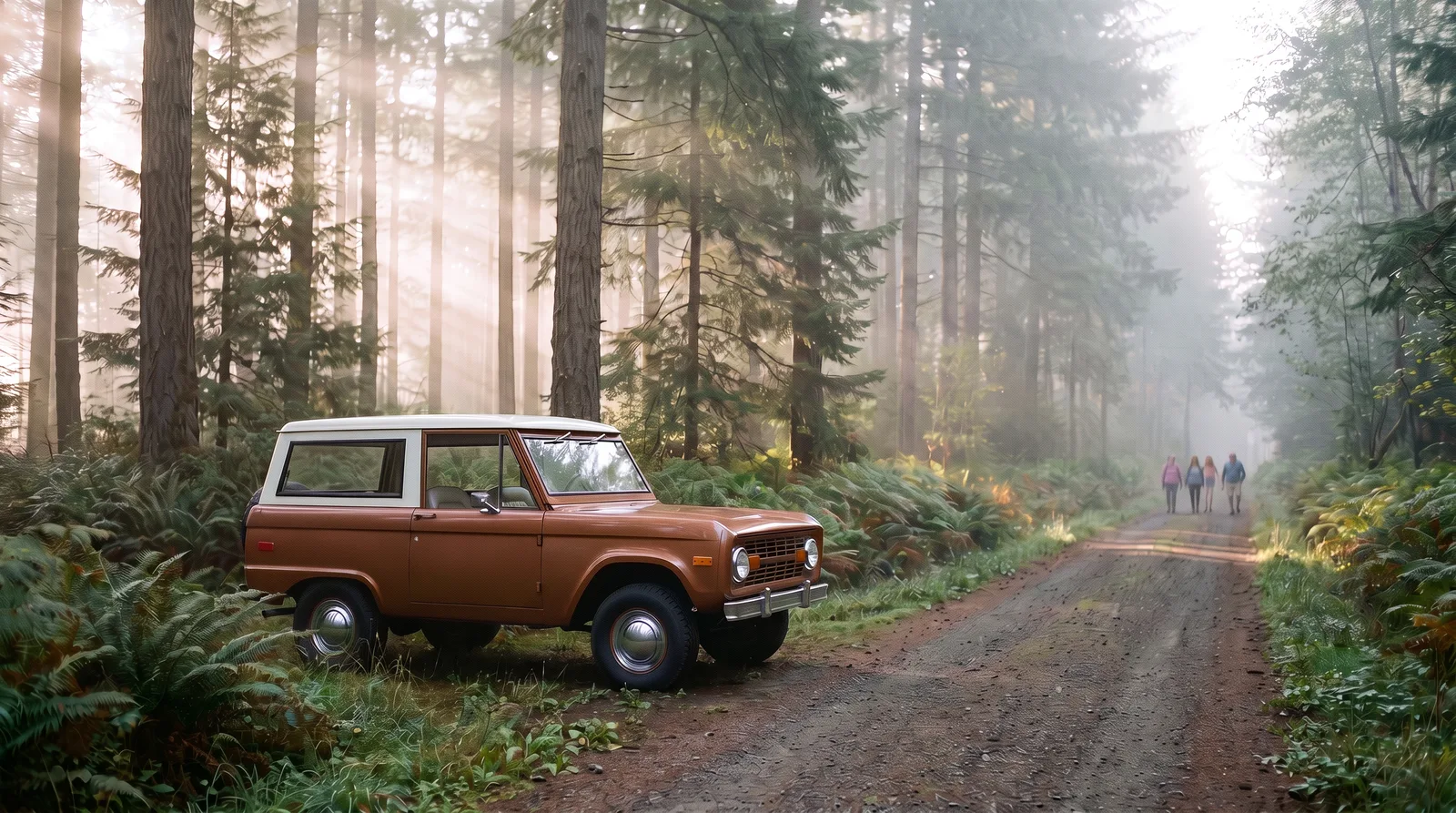
What Explorer meant on a 1973 order sheet
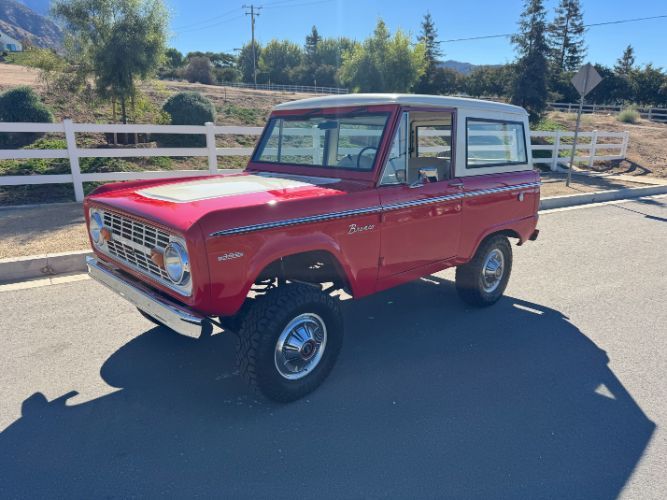
Contrary to what some casual Bronco history repeats online, Explorer was not a full luxury package in 1973. Introduced for 1972, the same model year as Ranger, it was a lighter option group centered on color-keyed body and hood stripes, distinct exterior color choices, and interior trim matched to the exterior scheme, a modest bump over the plainest base configuration. Production records and surviving dealer literature from the period place it as an in-between choice, cheaper than Ranger but more finished than the stripped work-truck spec that fleet buyers often ordered.
Ford's own documentation from this era is inconsistent about exact take rates for individual option packages, and the Bronco's paperwork trail is thinner than passenger car lines from the same period, so precise Explorer package production numbers should be treated as an estimate rather than a confirmed figure.
Why the package existed at all
Ford's small truck lineup in the early 1970s was under real competitive pressure. The Chevrolet K5 Blazer had launched a few years earlier with a noticeably more comfortable base cabin, and Dodge was preparing its own full-size Ramcharger entry for the middle of the decade. Ford's response across several product lines, the Bronco included, was to layer optional trim packages onto an existing platform rather than fund an entirely new design. The Explorer package let dealers offer a mid-price, mid-comfort Bronco to buyers who were not quite ready to spend Ranger money but still wanted the truck to look finished on a dealer lot.
This tiered approach, base, Explorer, Ranger, gave Ford's sales staff more room to close a deal at whatever budget a customer walked in with, a fairly common strategy across the industry at the time and one that shaped how compact 4x4 buyers shopped throughout the decade.
How rare are surviving Explorer-package trucks
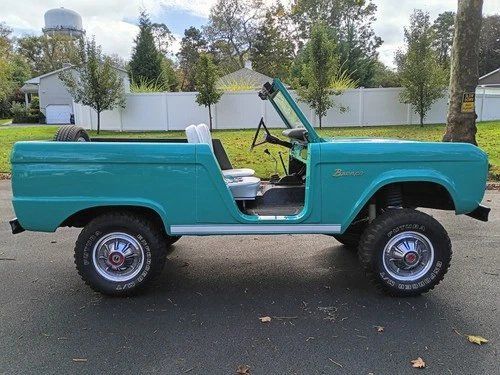
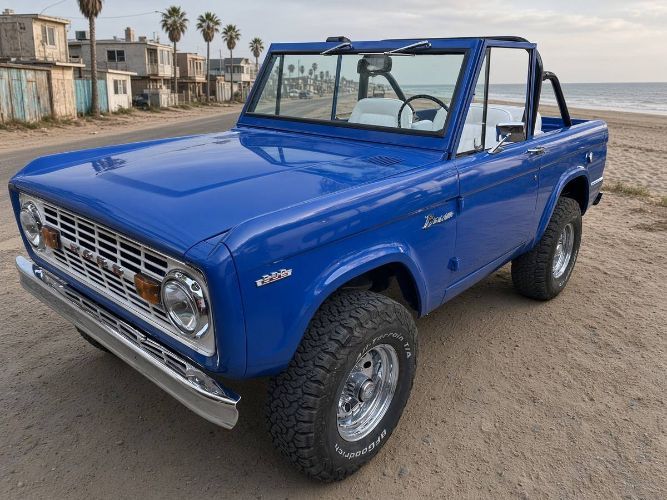
Genuine, documented Explorer-package 1973 Broncos are harder to find today than base trucks, largely because the badging and trim pieces specific to the package were low-cost items that got lost, damaged, or discarded during decades of ownership changes and amateur restorations. A buyer encountering a Bronco advertised with Explorer badging should ask for supporting documentation, since reproduction badges have circulated in the aftermarket parts world for years and a badge alone does not prove factory originality.
Collectors researching the model year in depth, including how the Explorer package fit alongside the era's other changes, will find the fuller picture covered in the story on where this started, which walks through the drivetrain, steering, and trim developments that defined the 1973 season as a whole.
"People assume every trim package name from this era meant something huge, but the Explorer badge on a 1973 Bronco was a modest mid-tier option. The real story is in what Ford's dealer network needed to close sales against Chevrolet, not in some hidden rarity."
- Tom Ramirez
How Explorer compared to its closest rivals on the order sheet
Set next to the Ranger package, Explorer's positioning becomes clearer. Where Ranger buyers received noticeably upgraded upholstery and more extensive chrome trim, Explorer buyers got a lighter version of the same idea, enough to distinguish the truck from a bare-bones work configuration without the full cost of the top package. Set against the plain base truck, Explorer buyers still gained real, visible upgrades that made a difference on a dealer lot, particularly badging that signaled the truck was not the cheapest configuration available.
This middle position meant Explorer-package trucks appealed to a fairly specific type of buyer: someone who wanted their new Bronco to look intentional and finished, without necessarily caring about every comfort feature Ranger buyers prioritized. That buyer profile, practical but not indifferent to appearance, is part of why the package persisted on order sheets even as Ranger absorbed more of Ford's marketing attention during this period.
What the Explorer package means for buyers now
For today's buyer, an Explorer-trimmed 1973 Bronco offers a middle ground worth considering. It typically presents better than a stripped base truck without carrying the full price premium that a documented Ranger example commands. That makes it a reasonable target for someone who wants a Bronco with a bit of period character but does not need top-tier trim to be satisfied with the purchase.
As with any option-package claim on a decades-old truck, verification matters more than the badge itself. Buyers should look for supporting paperwork, matching trim codes where available, and consistency between the claimed package and the truck's actual equipment before paying a premium for Explorer status. Shoppers ready to compare actual inventory can look at current listings and find a classic Bronco for sale to see how these mid-tier trucks are priced against base and Ranger examples in today's market.
The Explorer package is a small footnote in Bronco history, but it is a genuine one, reflecting a period when Ford was actively fine-tuning how to sell a compact 4x4 to an increasingly comfort-conscious buyer without losing the truck's core identity.
Why the footnote is worth taking seriously
Small option packages like Explorer often get dismissed by casual researchers as marketing noise, but they carry real information about how a manufacturer read its own customer base at a specific moment. Ford's decision to maintain three distinct trim tiers on a low-volume truck like the Bronco, rather than simplifying to a single configuration, shows a company still willing to invest in granular customer segmentation even on a niche product. That level of attention did not last forever. By the time the redesigned, larger Bronco arrived for 1978, trim strategy across Ford's truck lineup had shifted toward broader packages that consolidated many of these smaller distinctions.
That makes the 1973 Explorer package, and the era it represents, a genuinely useful data point for anyone trying to understand how Ford's approach to the compact Bronco evolved across its production run, right up until the platform itself changed for good later in the decade. It is a footnote worth reading closely rather than skipping past on the way to the bigger, more obvious model year stories.
Collectors who take the time to document these smaller option packages properly are doing a real service to the wider Bronco community, since detailed, accurate records of low-volume trims like Explorer become harder to reconstruct every year as original owners and dealers pass on and paperwork gets lost. A well-sourced writeup, backed by build sheets or period dealer advertising rather than assumption, is worth more to future buyers and researchers than any amount of confident guessing about what a badge on a fender actually represents.
Sources and notes
Related Reading
Have a
Ford Bronco
for Sale?
Reach thousands of serious classic car collectors across the US.
Sell It Here →
Selling a classic? Here's how: compare the places to sell classic cars
Are You a Classic Car Dealer?
List your full inventory and connect with targeted classic car buyers.
Join as a Dealer →

About the author
Tom Ramirez
Corvette researcher and historian based in Bowling Green, Kentucky. Two decades documenting Corvette production history from original factory records.
Related Listings - Ford Bronco
Comments
Be the first to comment on this article.