
The ford bronco 1973 model year sits at an odd hinge point in Ford's small utility truck. It is still the same compact, round-fendered rig that debuted for 1966, but it is also the last Bronco built before federal emissions rules and safety mandates started reshaping the platform in earnest. Production records place the 1973 run at 21,894 units, a healthy number for a niche truck competing against the Jeep CJ-5 and the established Chevrolet K5 Blazer, which had been on the market since 1969. Anyone researching the 1973 ford bronco history quickly learns that this was the year Ford quietly matured the truck without touching its basic shape.
Car Features
7 min read
The 1973 Bronco at the Peak of the First Generation
The 1973 Ford Bronco added power steering and quiet refinements to a formula Ford had been perfecting since 1966, making it one of the most livable early Broncos.
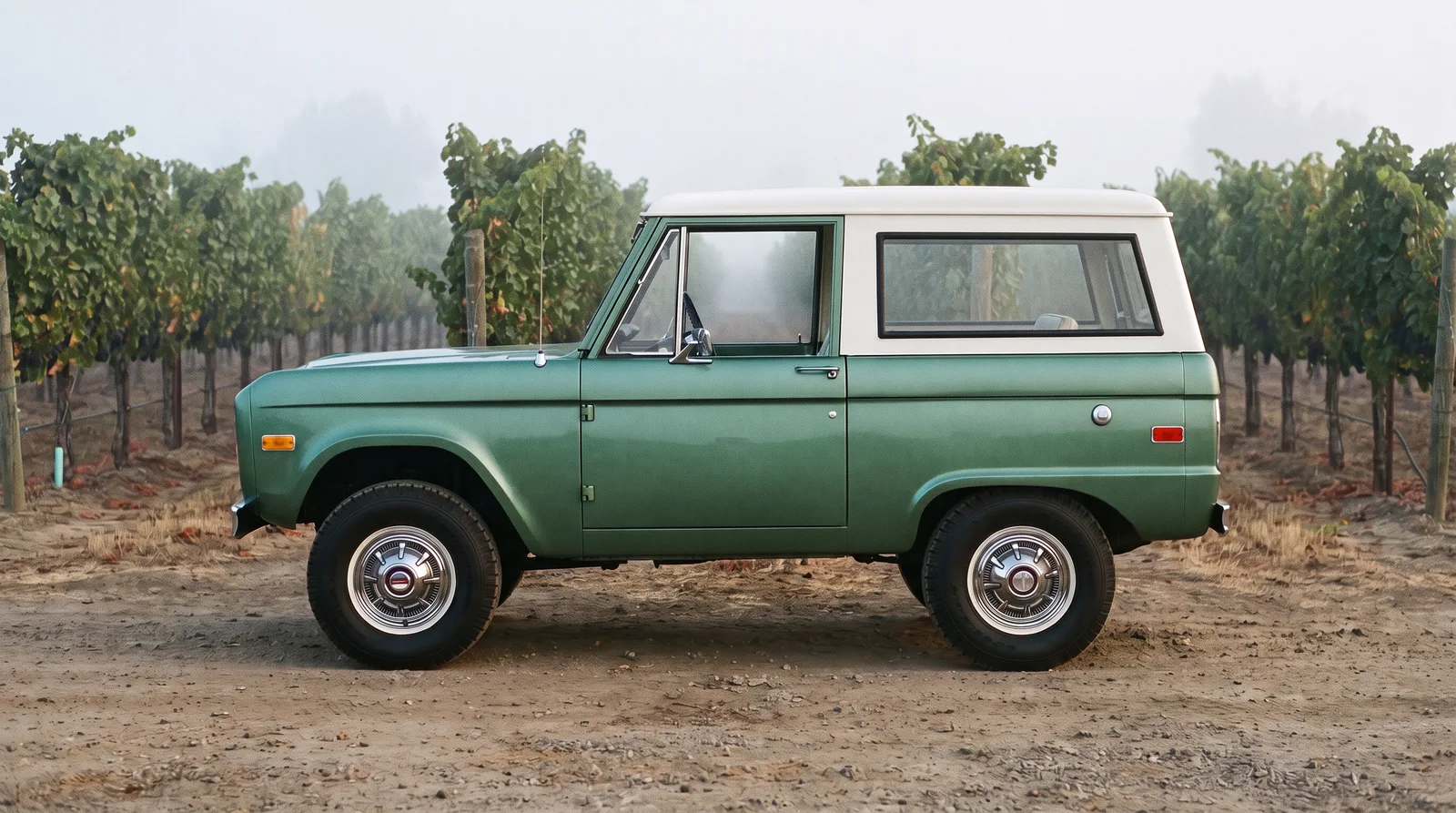
A model year of small, deliberate changes
Ford did not redesign the Bronco for 1973. The wheelbase stayed at 92 inches, the body remained the compact removable-top design, and the drivetrain choices carried over largely intact. What changed were the details that make a truck livable day to day. Power steering became a factory option this year, a genuine shift for a vehicle that had previously demanded real arm strength at parking-lot speeds. Ford also refined the door hardware, updated some interior trim, and continued phasing in the safety items that federal regulators had been pushing since the late 1960s, including shoulder belts and revised switchgear.
None of this reads as dramatic on paper. But collectors who study build sheets closely will tell you the 1973 trucks feel noticeably more refined than a 1969 or 1970 example, even though the sheet metal looks nearly identical. That is the story of the early Bronco in a nutshell: incremental engineering hiding inside a shape that barely moved for over a decade.
Engines and the reality of a compact truck platform
Buyers in 1973 chose between the 200 cubic inch inline six and the 302 cubic inch V8, the same basic pairing Ford had offered for several seasons by this point. The six was the honest choice, a low-stress engine that suited farm and ranch duty. The 302 gave the Bronco enough grunt to feel like a real truck rather than a glorified Jeep, though fuel economy and low-end torque were never the V8's strong suit in this application. Published horsepower figures moved around as Ford adjusted compression and emissions equipment through the early 1970s, so exact output numbers from period literature should be treated with some caution.
Three-speed manual transmissions were standard, with a heavier-duty option and Ford's automatic available depending on configuration. Four-wheel drive came through a two-speed transfer case, and the Dana front axle setup that Bronco buyers relied on for genuine off-pavement capability was unchanged from prior years.
Body styles and how buyers actually spec'd their trucks
The 1973 catalog still offered the wagon, the half-cab pickup, and the stripped-down roadster, though the roadster was fading in popularity by this point in the run. Most buyers chose the wagon body, which offered a lockable rear cargo area and, with the removable top installed, real weather protection for a family or work crew. The half-cab appealed to buyers who wanted an open bed for hauling feed, tools, or firewood, while keeping the enclosed front seat.
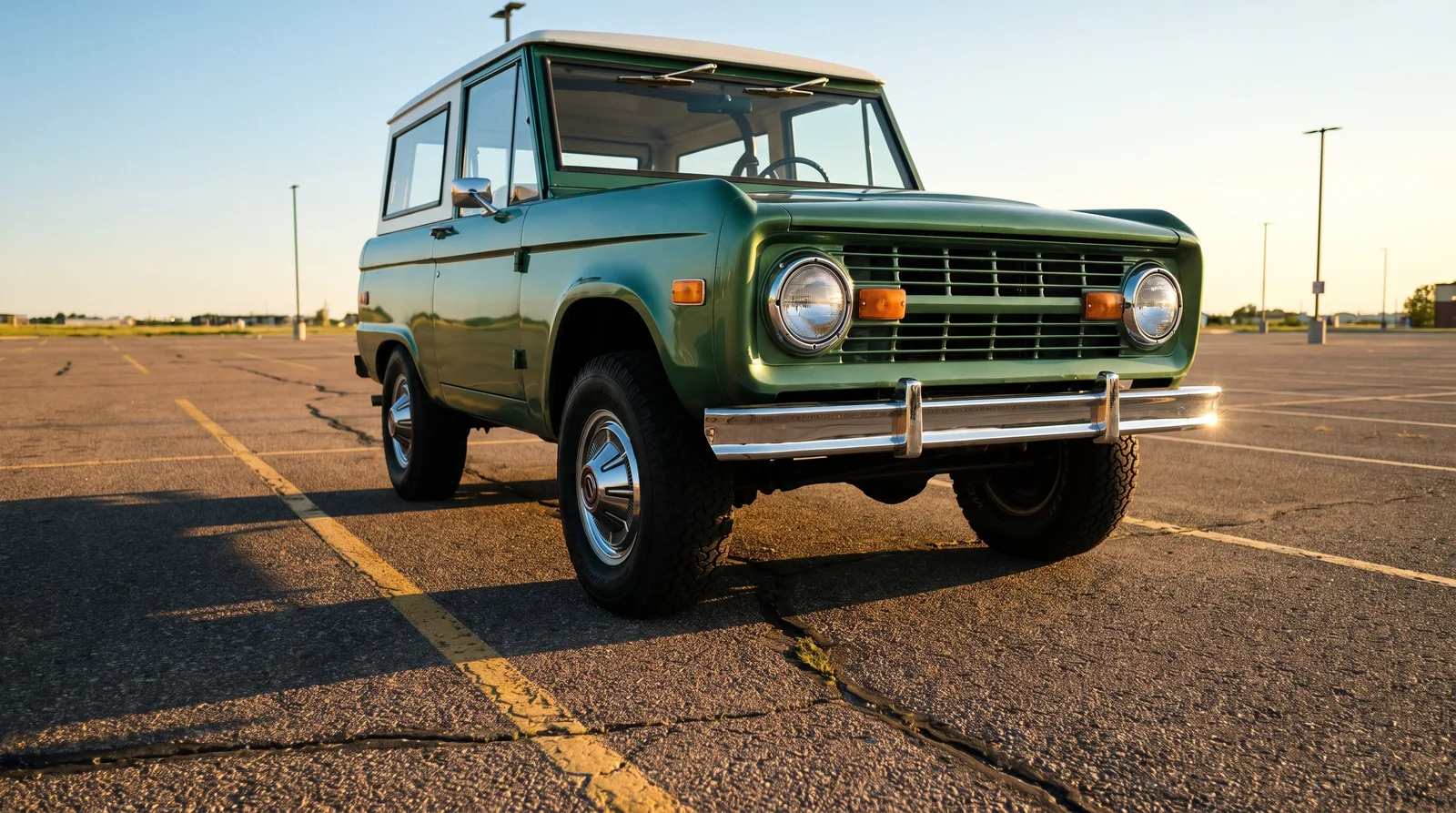
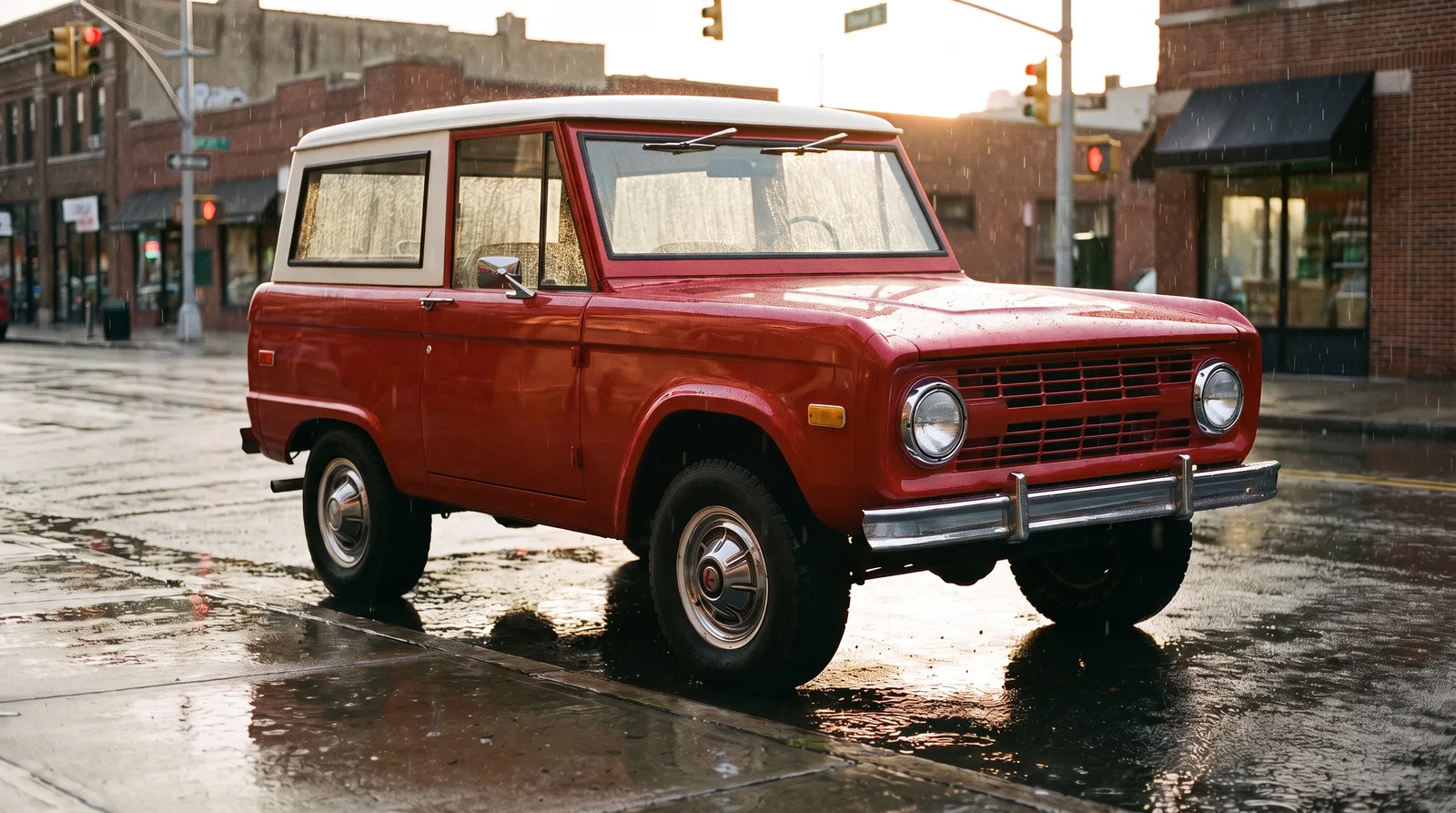
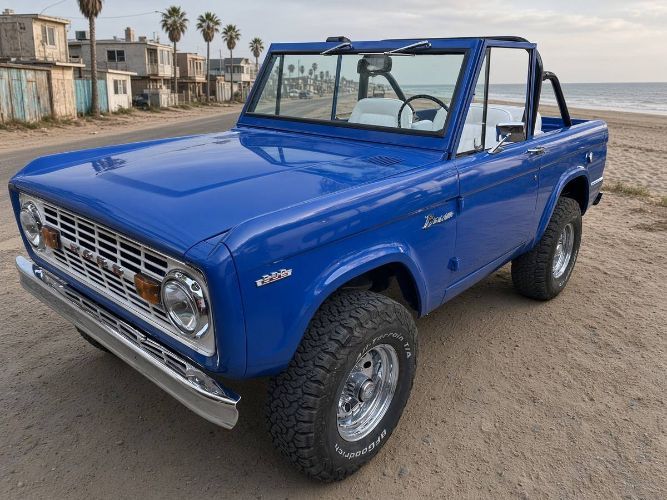
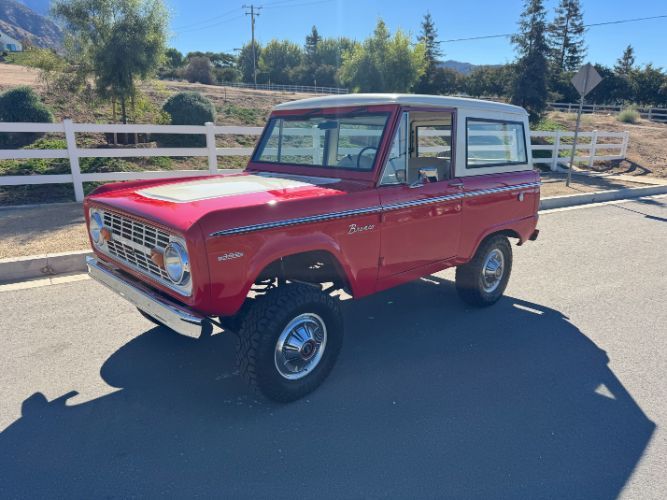
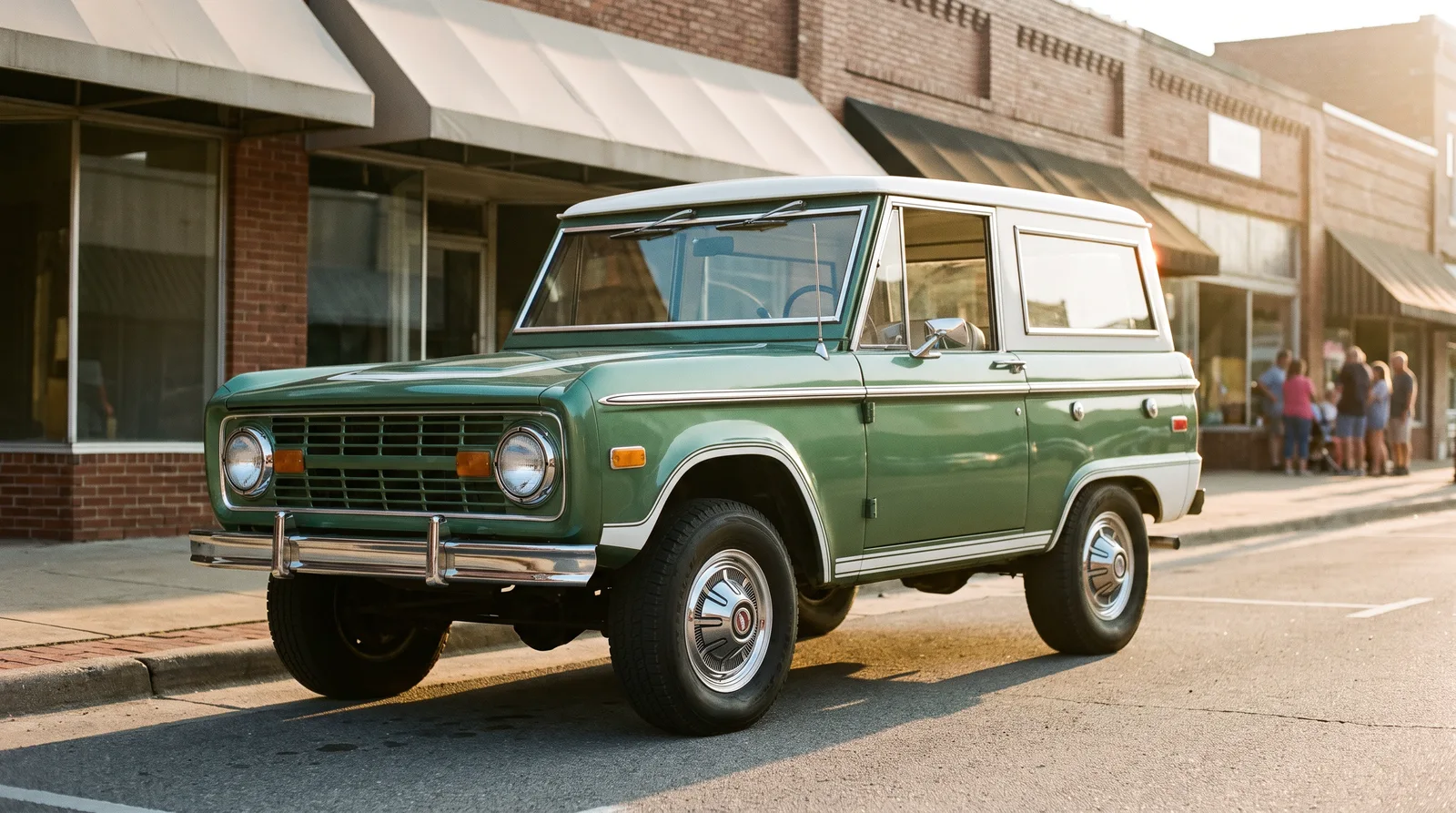
Color choices for 1973 leaned into Ford's earthy early-70s palette. Options like Medium Yellow Gold and various greens showed up frequently on surviving trucks, alongside the more conservative whites and blues that dominated fleet and ranch orders. The Ranger package, a factory trim level introduced in 1972 and continuing for 1973, added chrome trim and better upholstery for buyers who wanted a Bronco that did not look purely utilitarian.
"The 1973 trucks get overlooked because nothing about them screams for attention. But if you pull the build sheet, you see Ford working out exactly what a compact 4x4 needed to be before the whole segment got bigger and heavier later in the decade."
- Tom Ramirez
Why the 1973 model year matters to collectors today
Collectors value 1973 Broncos for a specific reason: they represent the last full season before Ford began layering on more federally mandated hardware that added weight and complexity. A well-documented 1973, especially one with the newly available power steering and clean early build codes, tends to draw strong interest from buyers who want a driver-quality early Bronco without hunting for the rarest first-year 1966 examples.
Rust remains the biggest threat to survival. Early Broncos were not particularly well rustproofed from the factory, and floor pans, rocker panels, and the rear tailgate area are the usual failure points. A 1973 example with solid structure and matching numbers on the engine and axle codes commands a real premium over a rough driver.
For readers chasing the wider context, a related story digs deeper into how that power steering option changed the ownership experience for everyday drivers. And for anyone actually shopping, Broncos for sale now is the place to see what solid 1973 examples are actually trading for in today's market.
Regional patterns in how the 1973 Bronco sold
Dealer records and surviving registration data suggest the 1973 Bronco sold unevenly across the country, with the strongest concentrations showing up in rural western and mountain states where genuine off-road capability still mattered to buyers, alongside a smaller but steady presence in agricultural regions of the Midwest. Coastal and urban markets took a smaller share, generally favoring the roomier Blazer or full-size trucks for buyers who valued cargo space over compact maneuverability. That regional skew explains why so many surviving 1973 Broncos today trace their history to Colorado, Wyoming, Montana, and similar dry, low-rust climates, a fact that collectors actively use when evaluating a truck's likely structural condition before ever inspecting it in person.
Dealers in those western markets also tended to order trucks with the four-wheel-drive Dana axle setup and heavier-duty options more often than dealers in flatter, more urban territories, where two-wheel-drive and lighter-duty configurations sometimes appeared on lots aimed at buyers who wanted the Bronco's looks without needing serious trail capability. That variation means two 1973 Broncos built the same month can carry meaningfully different equipment depending on which region originally ordered them.
Production numbers and where 1973 fits in the timeline
By 1973, the Bronco was seven model years into its run, and Ford's engineers understood the platform's strengths and weaknesses intimately. Total production for the year landed just under 22,000 units, a figure consistent with the truck's steady, if modest, sales pace throughout the early 1970s. It would take until the 1978 redesign, when the Bronco grew into a full-size platform built off the F-Series, for sales to jump dramatically. That later truck was a different animal entirely, sharing none of the compact charm that defines the 1973 model.
Understood in that light, the 1973 Bronco is a snapshot of Ford at its most confident with the original formula, adding comfort features without abandoning the basic recipe that made the truck work in the first place. It is also a useful reference point for anyone trying to date an unmarked or partially documented Bronco, since the combination of available power steering, updated switchgear, and the still-compact 92-inch body places a truck squarely within a narrow, identifiable window in the model's long production run.
For collectors doing their own research, cross-referencing engine codes, axle tags, and trim details against known 1973 specifications remains the most reliable way to confirm a truck's true model year when paperwork has been lost. That kind of detail work is tedious, but it is exactly what separates a confidently documented 1973 Bronco from one that merely looks the part.
Sources and notes
Related Reading
Have a
Ford Bronco
for Sale?
Reach thousands of serious classic car collectors across the US.
Sell It Here →
Selling a classic? Here's how: sell my classic car
Are You a Classic Car Dealer?
List your full inventory and connect with targeted classic car buyers.
Join as a Dealer →

About the author
Tom Ramirez
Corvette researcher and historian based in Bowling Green, Kentucky. Two decades documenting Corvette production history from original factory records.
Related Listings - Ford Bronco
Comments
Be the first to comment on this article.