
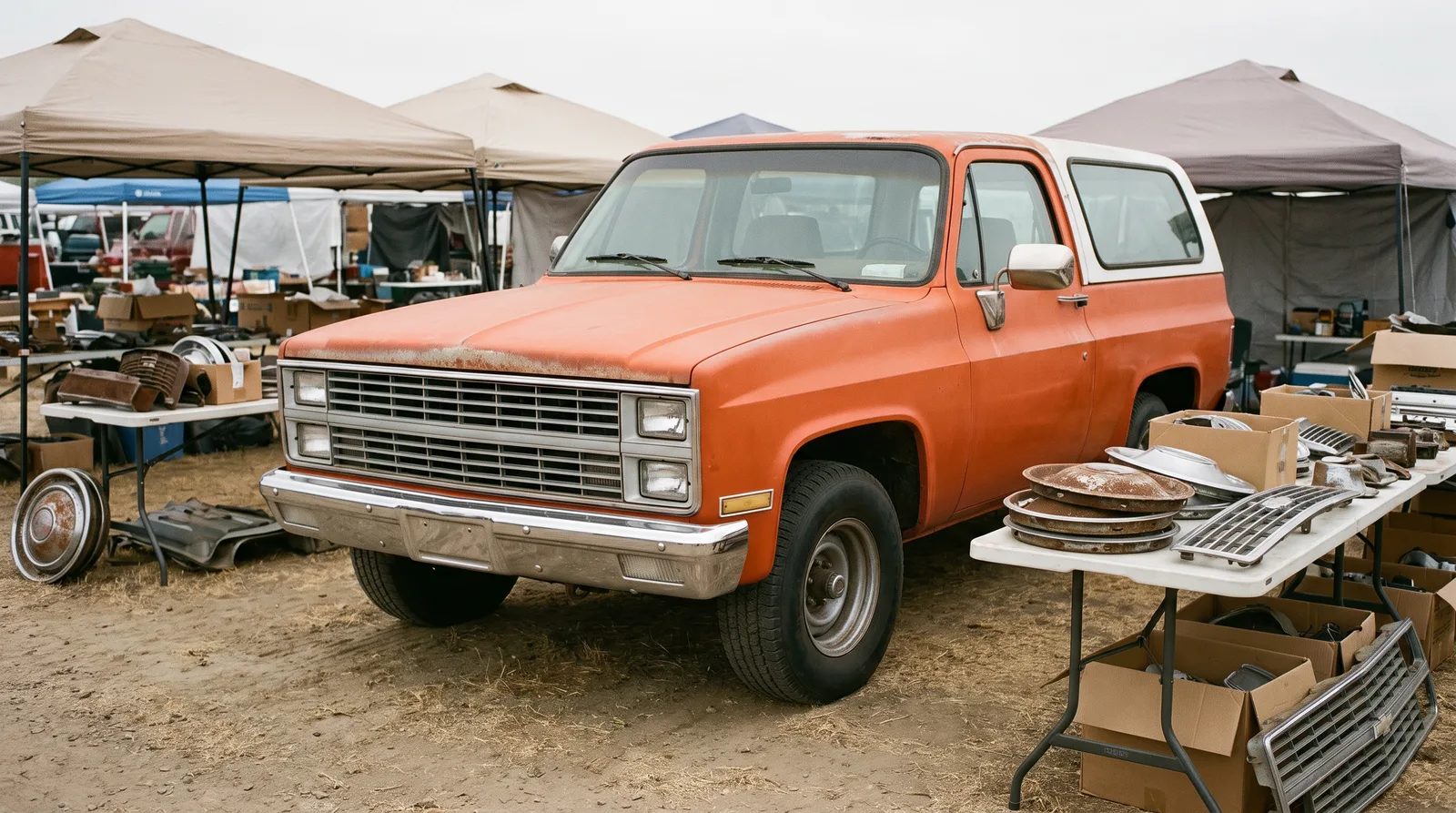
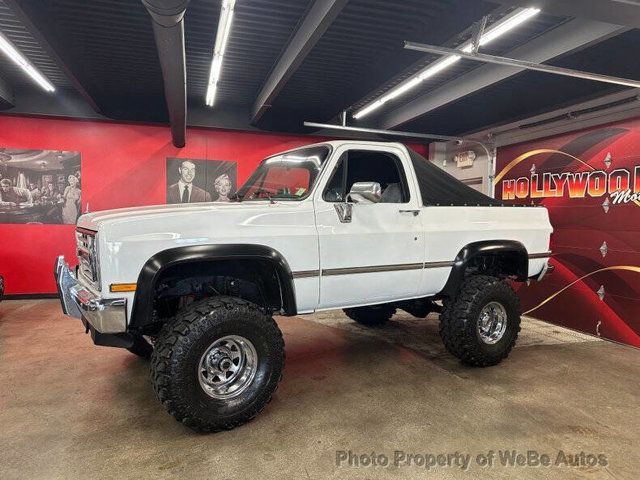
A kid in Bakersfield posted a photo of his dad's faded orange K5 Blazer on a truck forum in the early 2000s, asking if anyone knew what the "squarebody" people online were talking about. Twenty replies later he had a name for the truck he grew up riding in, a community that wanted to see more photos, and the first thread of what would become one of the most durable niches in American truck culture. Squarebody Chevy culture did not start with a marketing campaign. It started with people like that kid, noticing that the trucks their families already owned were suddenly worth paying attention to.
Car Features
7 min read
The Squarebody Movement: How the K5 Built a Culture
How the boxy 1973 to 1987 GM trucks earned the squarebody nickname and how the K5 Blazer became a centerpiece of a culture built on social media, patina, and restomods.
What "squarebody" actually means
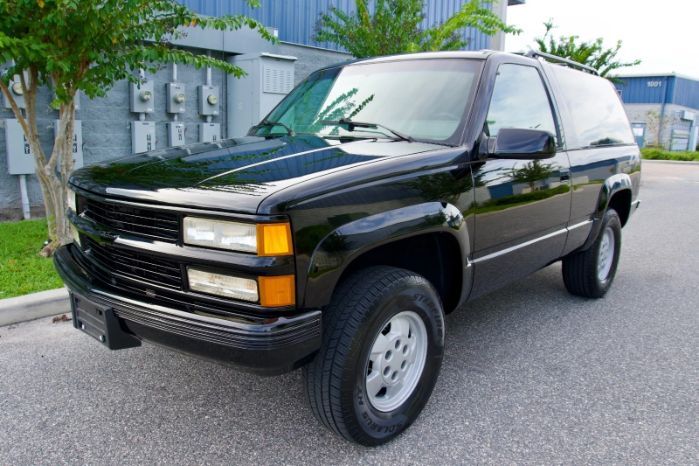
The term refers to the generation of GM trucks built from 1973 through 1991, the boxy, flat-paneled successors to the rounder trucks that came before. GM's pickups moved to a new body style in 1988, but the K5 Blazer stayed on the older squarebody platform through the end of its run. The K5 rode on that same platform starting in 1973, sharing its cab, its frame architecture, and most of its drivetrain options with the C/K pickup line. Enthusiasts adopted the nickname because the sheet metal is, quite literally, square. Where earlier trucks had curves and later trucks would chase aerodynamics, the squarebody trucks are honest right angles, and that honesty turned out to be exactly what a generation of builders wanted to work with.
The K5 sits in an interesting spot inside that broader squarebody world. It is not a pickup, so it does not compete directly with the C10s and K10s that dominate a lot of squarebody chatter, but it shares almost everything mechanical with them. That overlap means K5 owners get access to the same enormous aftermarket, the same swap knowledge, the same forums, while still standing out as something a little rarer and a little more distinctive on a show field full of pickups.
How social media turned a truck into a culture
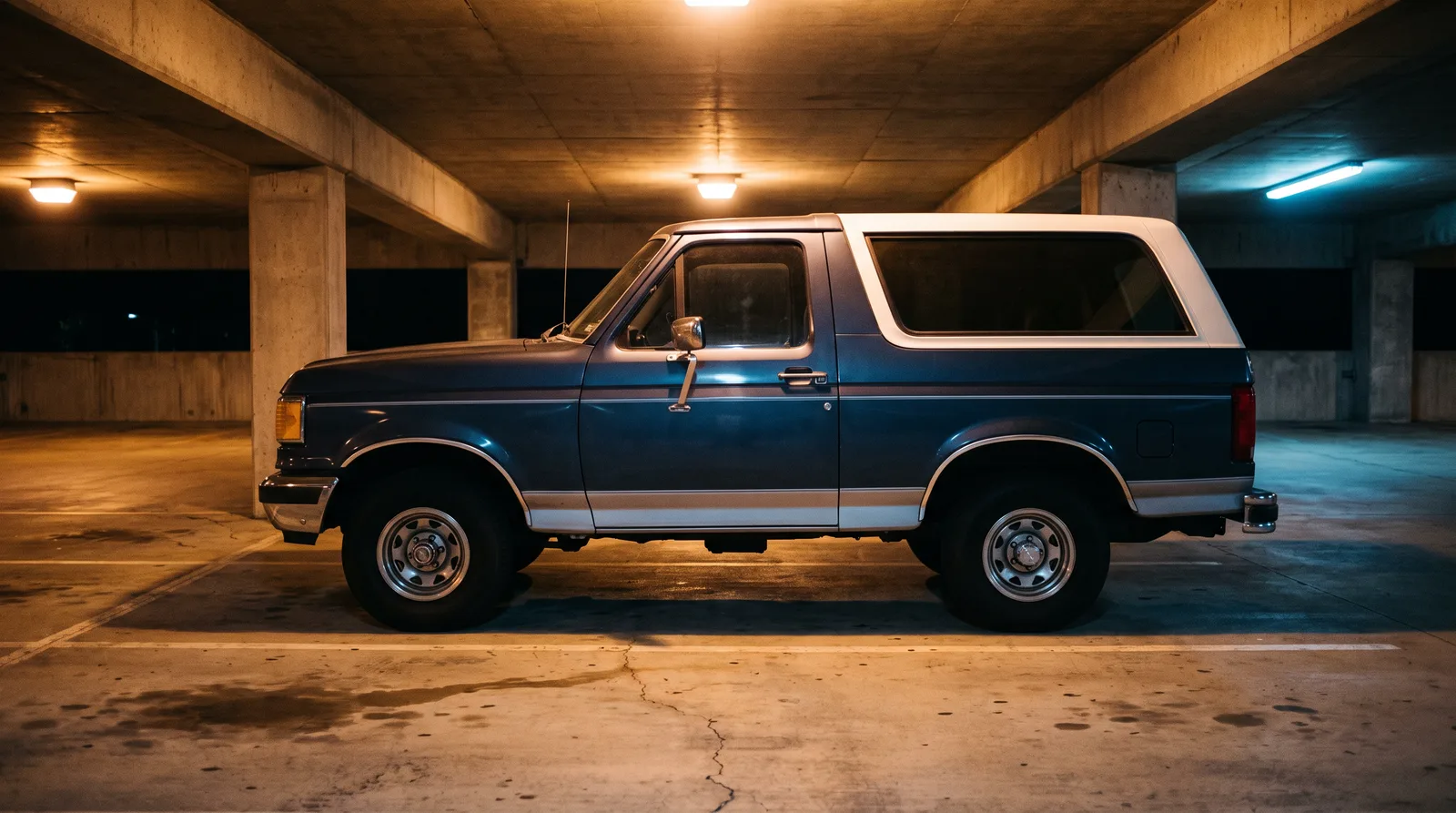
Instagram did for squarebody Chevys what car magazines never managed to do at that scale. A well-shot photo of a patina'd K5 Blazer parked at a trailhead, or a lowered squarebody pickup rolling through a Sunday meet, spreads in a way that a print feature never could. Hashtags built entire micro-communities around specific builds, patina trucks, lowriders, off-road rigs, restomods with modern drivetrains stuffed under the original sheet metal. The K5 Blazer became a favorite subject because it photographs well from almost any angle and because the removable-top early trucks and the boxy later ones both have passionate, slightly different fan bases. If you want the whole picture of how the squarebody generation of K5s came together mechanically, that history is worth reading before you go further down this rabbit hole.
The three tribes of squarebody culture
Anyone who has spent time at a squarebody meet has seen the tribes sort themselves out without anyone announcing rules. There are the patina purists, who treat original paint, faded and cracked as it may be, as something to be preserved rather than fixed. There are the restomod builders, who drop modern LS engines, four-wheel disc brakes, and air ride into a shell that looks period-correct from ten feet away but drives like a new truck. And there are the lowrider and custom crowd, who treat the K5's flat panels as a canvas for paint and hydraulics the same way earlier generations treated Impalas and Monte Carlos. All three groups show up at the same events, park next to each other, and argue happily about which approach respects the truck more.
None of that argument existed in any organized way thirty years ago. The K5 Blazer, like the rest of the squarebody family, spent the 1990s and early 2000s as a cheap used truck, the kind of thing you bought because it was affordable and reliable, not because it had cultural cachet. The shift happened gradually, driven by a generation that grew up around these trucks as kids and came back to them as adults with disposable income and a nostalgia that social media gave a place to live.
"Nobody planned squarebody culture. It grew out of a few thousand people posting photos of trucks their grandparents used to own, and somewhere along the way it became a whole scene with its own rules and its own heroes."
- Patrick Walsh
Where the K5 Blazer fits in the bigger picture
Every squarebody culture story eventually has to circle back to where the K5 Blazer itself started, because the truck's identity was formed years before any of this online scene existed. The removable hardtop, the short wheelbase, the way it split the difference between a work truck and a family hauler, all of that groundwork was laid in 1969 with the original K5. If you have not read where this started, it explains why the truck had the raw material to become a culture icon decades later instead of just another forgotten used SUV.
What keeps the movement alive now is supply and demand running in opposite directions. Clean squarebody K5s are getting harder to find every year, rust and neglect having taken a real toll on trucks that were never treated as anything special in their working lives. Meanwhile the audience for them keeps growing, fed by the same social feeds that made the culture in the first place. Anyone serious about joining that scene should start where the trucks actually are, and there are usually a few worth chasing if you browse classic K5 Blazer listings before the best examples get scooped up by builders who already know what they are looking at.
The economics that shaped the scene
Prices for clean squarebody K5s have moved in a direction nobody would have predicted twenty years ago. A truck that traded for a few thousand dollars in the early 2000s now regularly commands five figures if it is rust-free and mechanically sound, and a genuinely exceptional example can go well beyond that. That shift did not happen because the trucks got rarer overnight. It happened because demand caught up to a shrinking supply of survivors, most of which spent decades as cheap work vehicles before anyone thought to preserve them.
That price climb has changed who participates in the scene. Early squarebody culture was built by people who could afford a rough truck and the time to fix it themselves. The current market increasingly rewards people who can afford a finished build or a clean survivor outright, which has created some real tension inside the community between builders who value the process and buyers who mostly want the result. Both groups keep the scene funded and visible, even if they do not always agree on what a squarebody truck is supposed to represent.
What the movement gets right
The best thing about squarebody culture, and the reason it has outlasted plenty of trendier truck scenes, is that it never fully abandoned function for looks. Even the wildest custom builds tend to keep the truck driveable, towable, usable in some real sense. That practicality traces straight back to what the K5 Blazer was built to do in the first place. A culture built around a truck that actually works tends to have staying power, and thirty years into its second life, the squarebody scene shows no sign of slowing down.
Sources and notes
Related Reading

Have a
Chevrolet Blazer
for Sale?
Reach thousands of serious classic car collectors across the US.
Sell It Here →
Selling a classic? Here's how: the best sites to sell a classic car
Are You a Classic Car Dealer?
List your full inventory and connect with targeted classic car buyers.
Join as a Dealer →

About the author
Patrick Walsh
Automotive journalist covering classic car shows, events, and the enthusiast community across North America.
Related Listings - Chevrolet Blazer
Comments
Be the first to comment on this article.