
Every Ford Bronco owner has heard it at some point, usually from someone leaning against a fender at a car show: the Bronco stands for Goes Over Any Terrain. It sounds like the kind of thing a copywriter dreamed up in 1966 to sell trucks to weekend ranchers and hunters. The truth of the G.O.A.T. code is stranger and more interesting than the slogan itself, and it says as much about how Ford built its early off-road reputation as it does about the little SUV that carried it.
Car Features
8 min read
The G.O.A.T. Code: The Bronco's Goes-Over-Any-Terrain Name Story
The Ford Bronco's famous Goes Over Any Terrain acronym never appeared on a factory sticker. Here is where the G.O.A.T. legend actually came from and why it still fits.
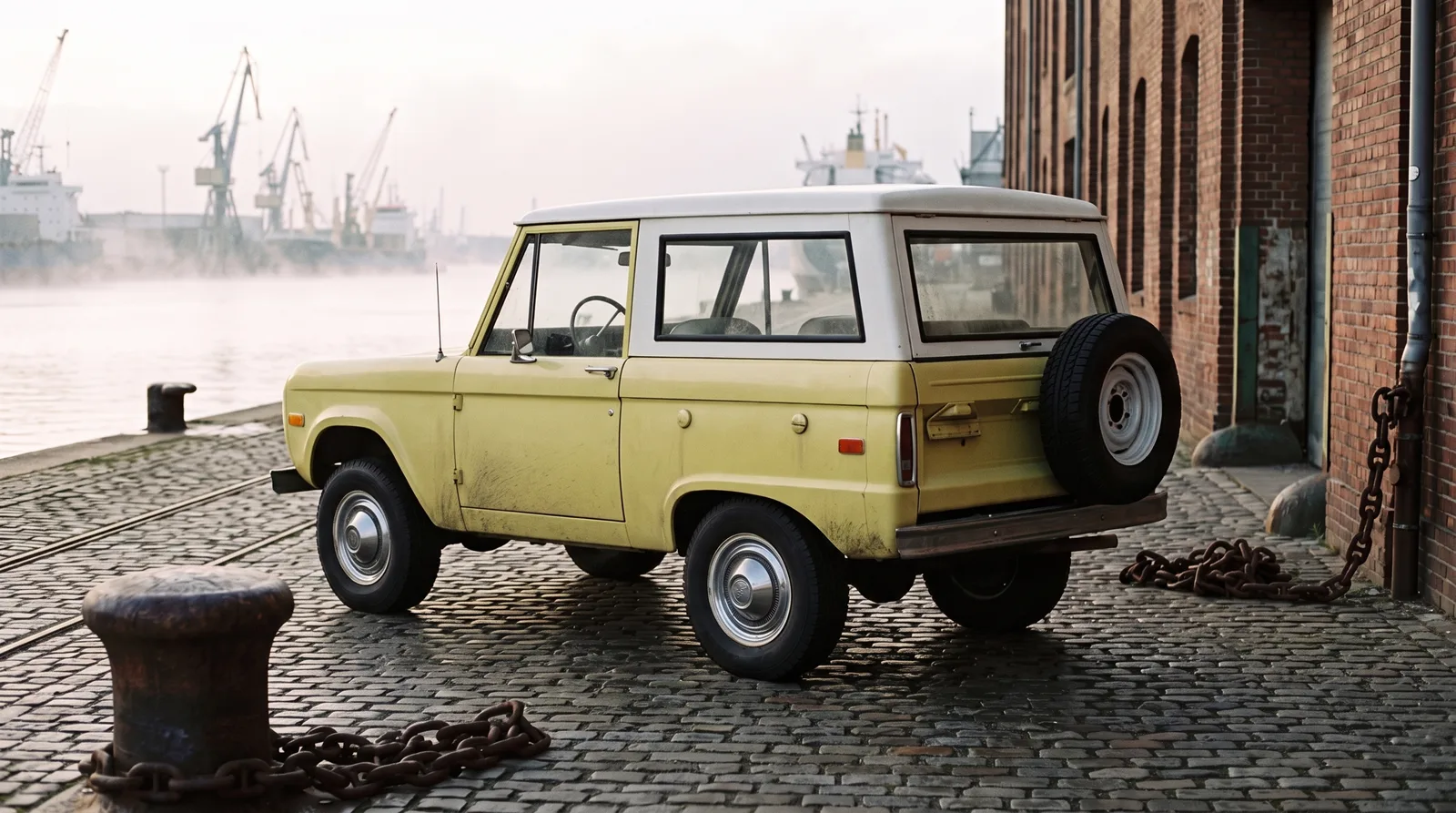
Where the phrase actually came from
Ford's own 1966 sales literature never spelled out an acronym. The brochures talked about "go-anywhere" capability, "sports utility" versatility, and a truck that could handle a construction site on Monday and a duck blind on Saturday. Nowhere in the archival paperwork does Dearborn officially declare that Bronco is short for Goes Over Any Terrain. The G.O.A.T. reading is a piece of enthusiast folklore, born sometime after the fact, that stuck because it fit so well. Ford would not put the letters to official use until decades later, when the modern Bronco's terrain management system was badged "G.O.A.T. Modes," short for Goes Over Any Type of Terrain, on the sixth-generation truck launched for 2021. No factory document ties the acronym to the original 1966 model.
That does not make it meaningless. Marketing language and community language are different animals, and the Bronco's community wrote its own footnote to the official record. Owners' clubs, swap meet vendors, and eventually T-shirt printers turned a nickname into something closer to gospel. By the time a new buyer walks into a Bronco meet today, they hear the G.O.A.T. story before they hear the actual specification sheet.
Why the name stuck when other truck slogans faded
Plenty of 1960s trucks had catchy ad copy that nobody remembers now. The Bronco's phrase survived because it described something real. This was a rig built on its own dedicated chassis, not a stretched car platform or a re-skinned pickup cab. Ford's engineers gave it short overhangs front and rear, a tight wheelbase, and a live front axle setup that let it climb and articulate in ways a full-size wagon simply could not. When a nickname matches the hardware underneath it, it earns the right to outlive the marketing budget that spawned it.
There is also the matter of timing. The mid-1960s off-road market was still being invented. International Harvester had the Scout, Jeep had the CJ, and Chevrolet had not yet answered with the Blazer. Ford needed the Bronco to sound like it belonged in the woods and on a ranch road at the same time, and a phrase suggesting it could go over anything did exactly that job, whether or not it was ever printed on an owner's manual.
What the badge and the paperwork actually say
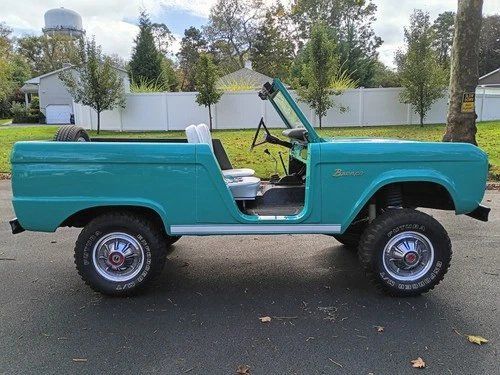
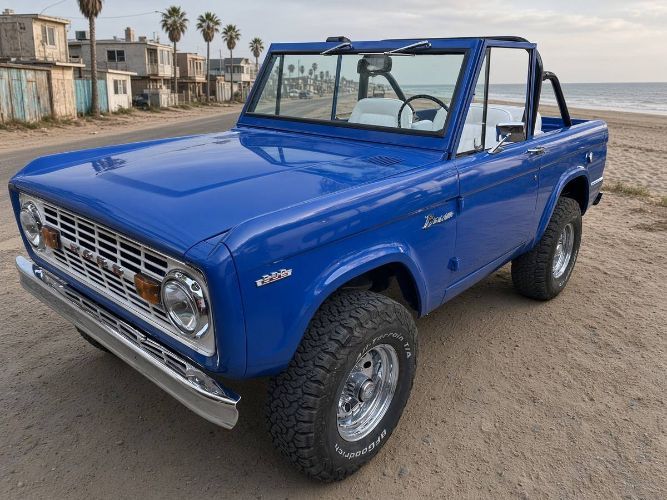
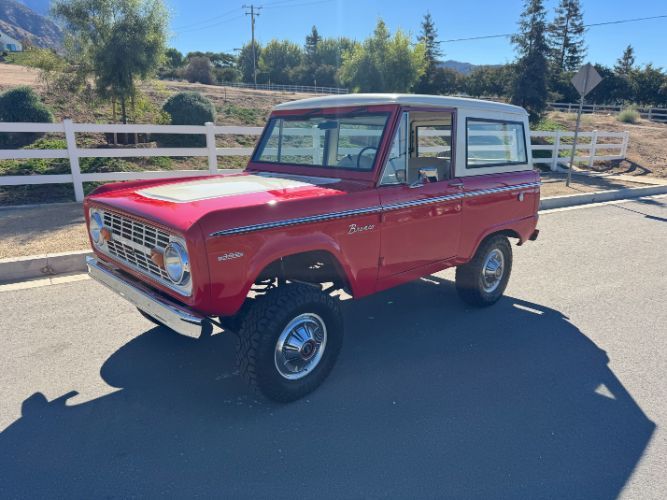
Look at an original Bronco's dash plaque, glovebox literature, or the window sticker and you will not find the letters G.O.A.T. spelled out anywhere. What you will find is the model name alone, borrowed from the term for a wild, unbroken horse, which fits a rugged little truck built to buck convention just as well as any acronym could. Ford's designers reportedly wanted something short, memorable, and a little untamed, and "Bronco" delivered that without needing a backronym at all.
None of this makes the G.O.A.T. story a fraud. It makes it a piece of oral history, the kind that circulates at car shows and gets repeated in forum threads until it feels as official as a build sheet. Car culture runs on stories like this. They fill in the emotional register that a spec sheet cannot reach, and they give owners something to say when a stranger at a gas station asks what the badge means.
Living with the legend today
Collectors and casual owners alike have made peace with the fact that the acronym is folklore rather than fact, and most of them repeat it anyway, because it is a good story and it is not wrong about the truck's character. A first-generation Bronco really will climb a rutted fire road, ford a shallow creek crossing, and still look at home parked outside a diner. The nickname survives because the machine keeps proving it right, decade after decade, regardless of whether Ford's copywriters ever intended the letters to line up that way.
This is worth remembering whenever the ford bronco goat code comes up at a swap meet or in a forum argument. Nobody is lying when they repeat it. They are passing along a piece of enthusiast history that has become inseparable from the truck's identity, the same way plenty of nicknames outgrow their origins in any hobby built on memory as much as documentation.
"Nobody wrote G.O.A.T. on a dealer invoice in 1966. We wrote it into the truck's reputation ourselves, one trail run at a time, and honestly it fits better than anything Dearborn could have scripted."
- Nora Beckett
Where the story fits in the bigger picture
The G.O.A.T. nickname is a small thread in a much larger story of Bronco history, one that includes a debut built to challenge the Scout and the CJ, a run of engineering choices that made the little truck genuinely capable, and a fan base that has kept the story alive for six decades. If you want to see how the acronym legend connects to the truck's actual first year on dealer lots, keep exploring the debut coverage, where the marketing language Ford really used gets its own close look.
For anyone who has read this far and started thinking about ownership rather than folklore, the search usually ends the same way it always has: finding a truck that still backs up the legend. A classic Bronco for sale is still the fastest way to find out whether the old nickname holds up on your own driveway, one trail at a time.
Comparing G.O.A.T. to other truck nicknames of the era
The Bronco is not the only classic off-roader to pick up a nickname the factory never printed. Jeep owners have spent decades arguing over what CJ actually abbreviates, and International Harvester's Scout collected its own set of unofficial names among ranch hands long before any of it appeared in a dealership window. What sets the G.O.A.T. story apart is how completely it has replaced the actual name origin in casual conversation. Ask ten Bronco owners at a show why the truck is called what it is called, and most will lead with the acronym before they mention the wild horse the name was actually drawn from.
That says something about how folklore behaves inside a hobby this old. Facts compete with good stories, and good stories tend to win when they are repeated often enough by people who genuinely love the subject. Nobody set out to mislead new owners. The story simply filled a gap that the factory literature left open, and it filled it so well that few people ever bothered checking the paperwork.
None of that changes what the truck actually is underneath the nickname. A well-kept Bronco from the first generation still rides on the same short-wheelbase chassis, still uses the same basic live axle layout, and still climbs a grade the way it did when the badge was new. The G.O.A.T. code is decoration on top of a machine that never needed the acronym to prove its point in the first place. It earned its reputation the same way it always does, one trail at a time, with or without a backronym attached to the badge.
Sources and notes
Related Reading
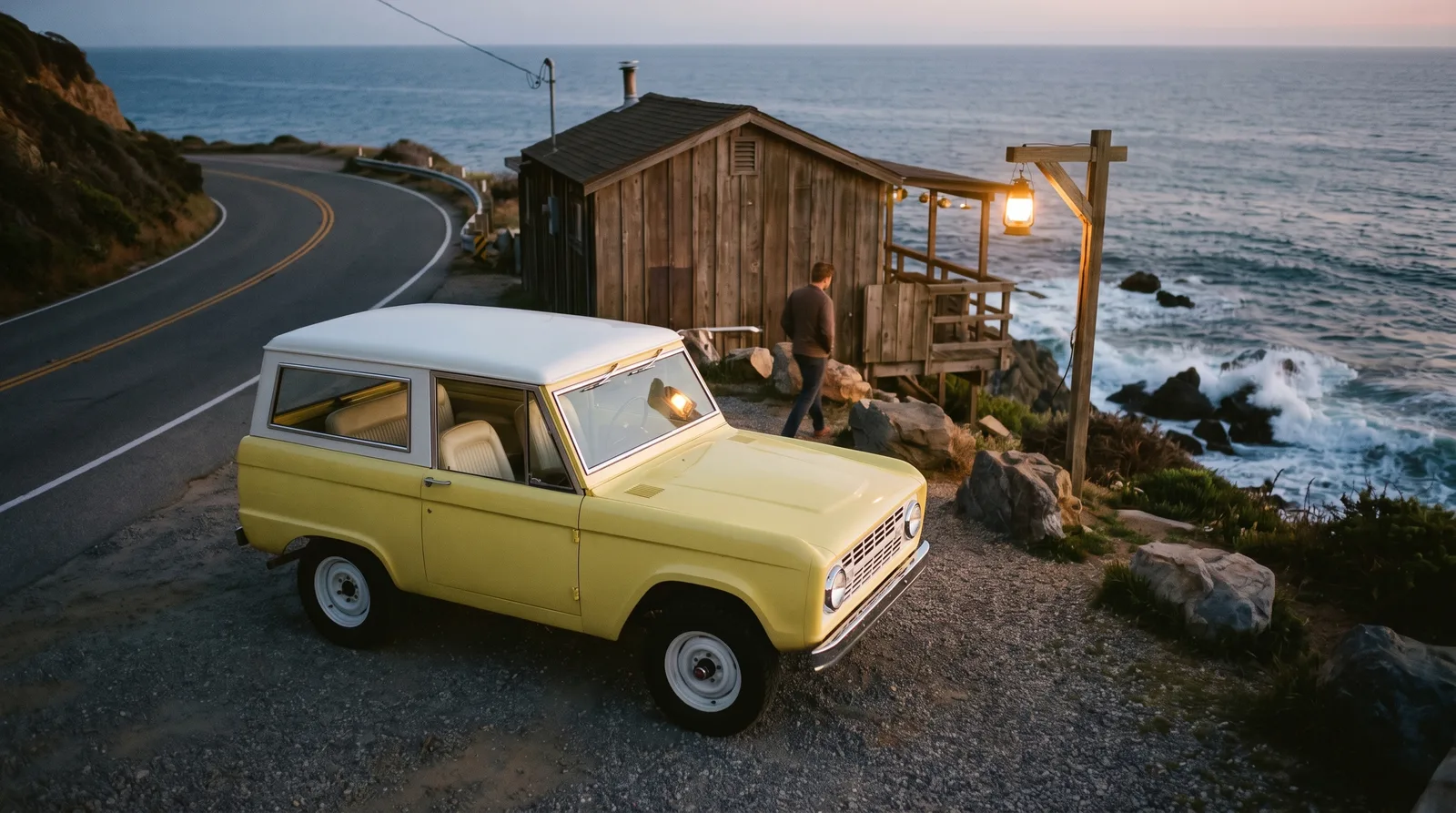
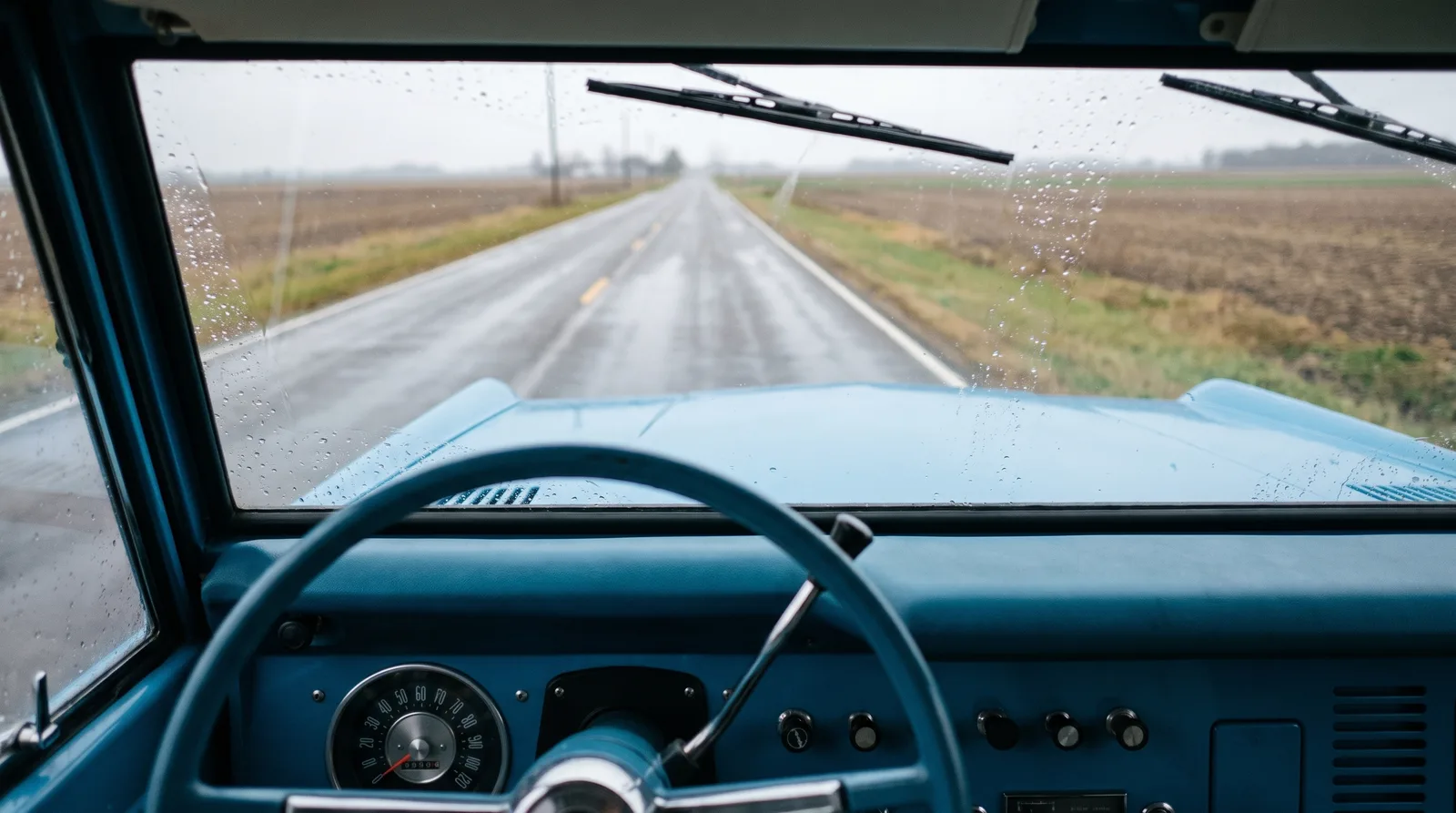
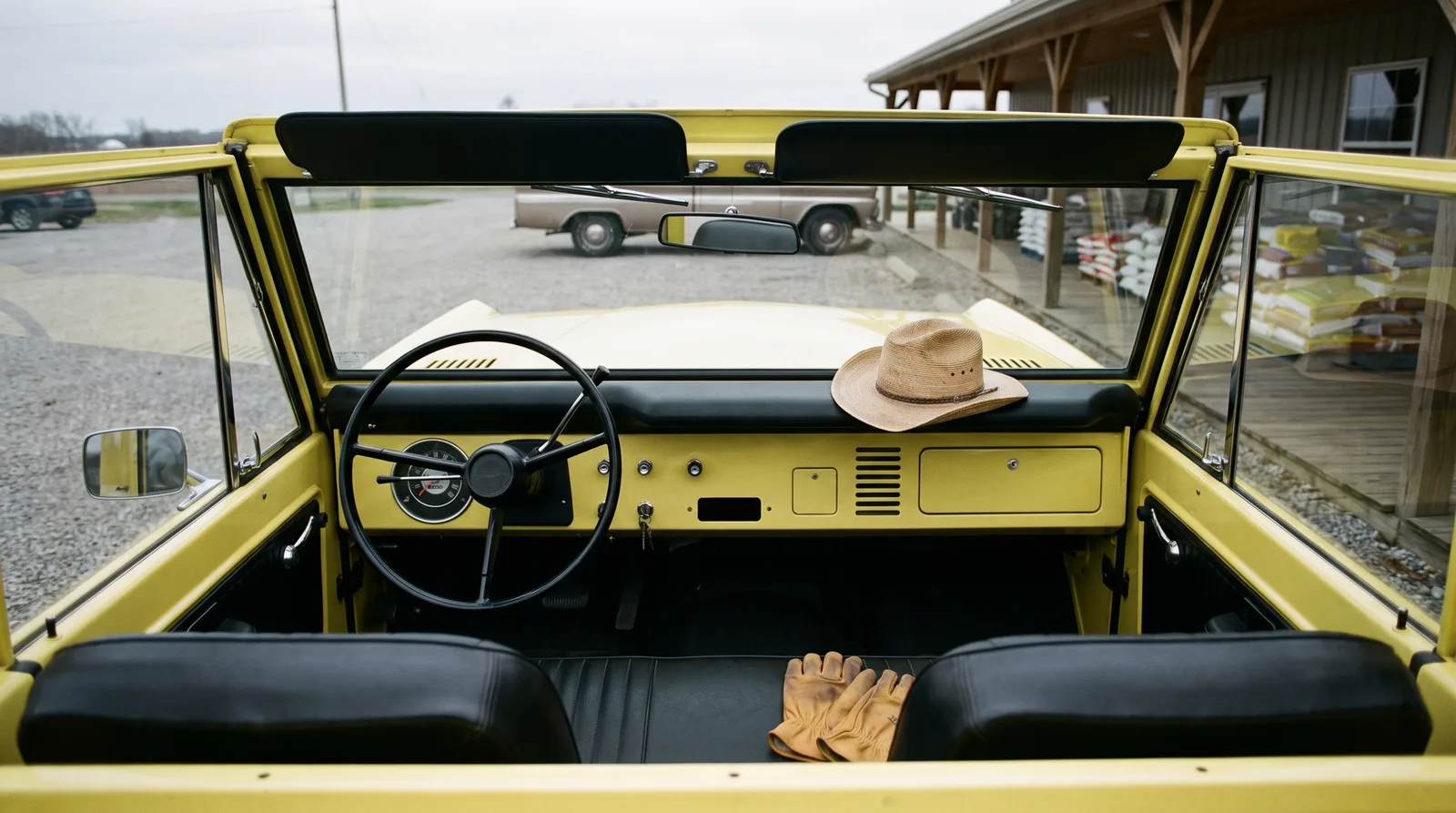
#Ford Bronco
#off-road heritage
#1966 Ford Bronco
#Bronco history
#classic SUV lore
#Bronco nickname

About the author
Nora Beckett
Automotive features writer and photographer who tells the human stories behind the cars, from show fields to cross-country road trips.
Related Listings - Ford Bronco




Comments
Be the first to comment on this article.