
Dealer records, period classified ads, and surviving build sheets from the fall of 1965 tell a fairly consistent story about who actually bought the new truck first. Ford Bronco 1966 first owners were not, for the most part, the recreational buyers the launch advertising increasingly targeted. They were ranchers, utility crews, rural mail carriers, and a smaller but notable group of outdoor recreation buyers who saw the truck as something genuinely new in the marketplace. Reconstructing that ownership picture from surviving documentation is one of the more useful exercises for understanding how the model actually functioned in its own moment, rather than how it is remembered now.
Car Features
7 min read
The First 1966 Bronco Owners and How They Used Them
Dealer records and build sheets from the 1966 launch reveal two distinct buyer groups: working ranchers and utility crews, and recreational buyers close behind.
The utility buyer came first
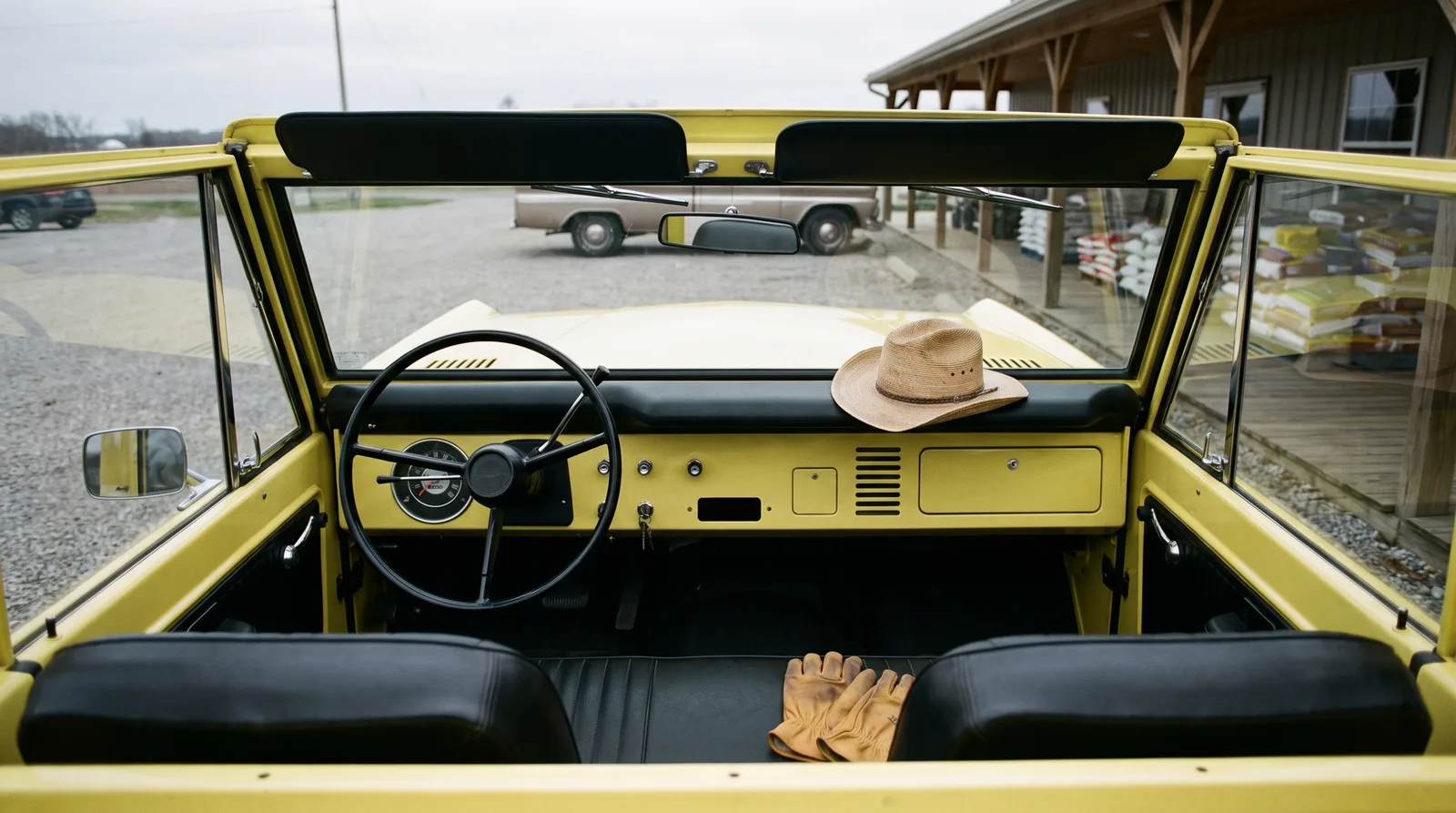
Ford's own dealer training materials from the launch period emphasize agricultural and utility applications heavily, more heavily than the consumer facing advertising did. Early adopters in this category used the Bronco much as they had used earlier utility vehicles, for fence line work, moving equipment across uneven ground, and general property use where a standard pickup struggled. The optional power takeoff, available from launch, points directly at this buyer. It is not an option a recreational driver would typically request, and its presence on a meaningful share of early build sheets confirms that working buyers were a real, not incidental, part of the first ownership wave.
Rural mail carriers and utility company crews also show up with some regularity in period records, drawn to the truck's four wheel drive as standard equipment and its relatively compact footprint compared to full sized trucks of the era. For routes that crossed unpaved or seasonally difficult terrain, the Bronco offered a genuine practical advantage over the alternatives available at the time.
The recreational buyer arrived quickly behind them
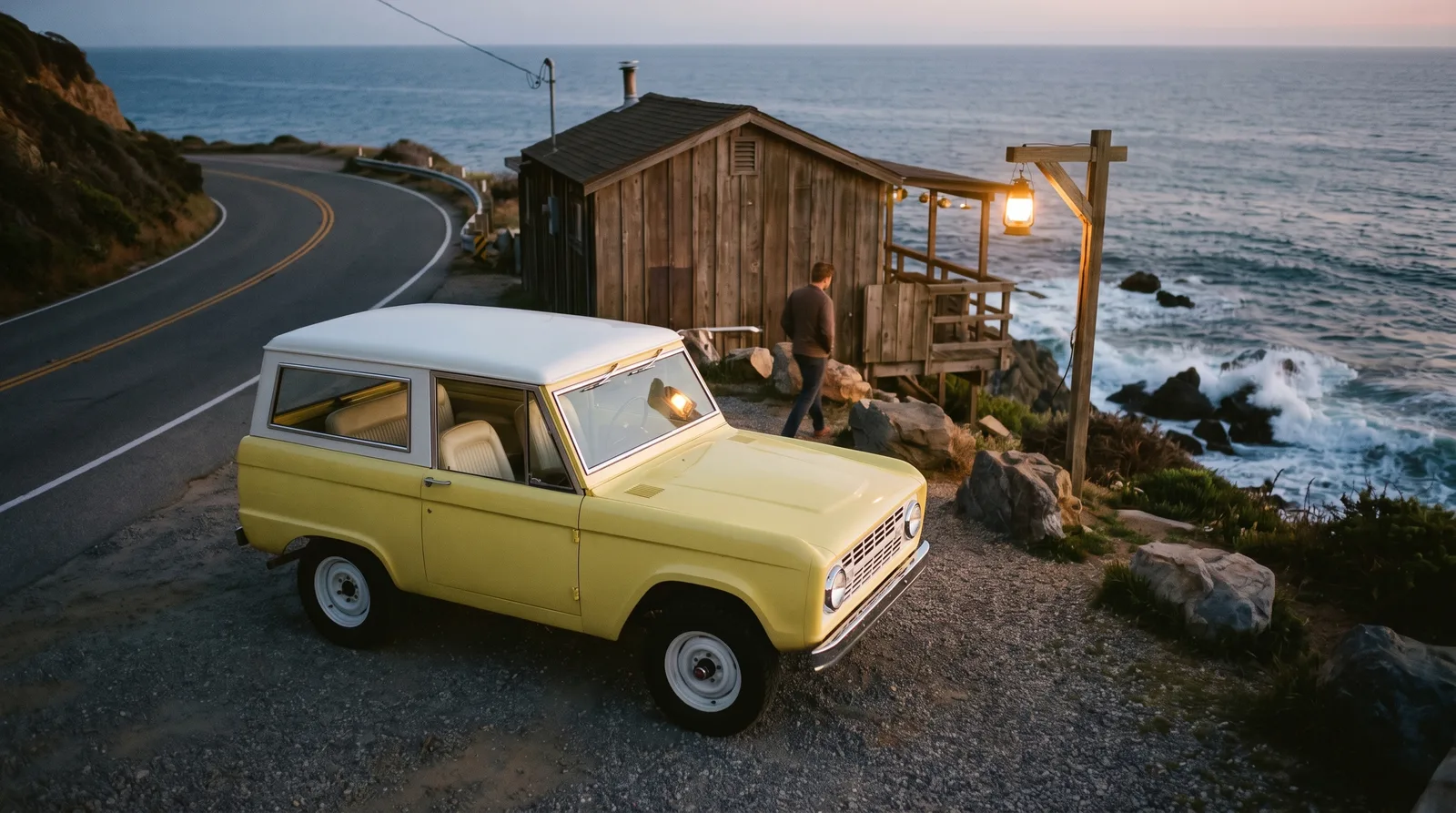
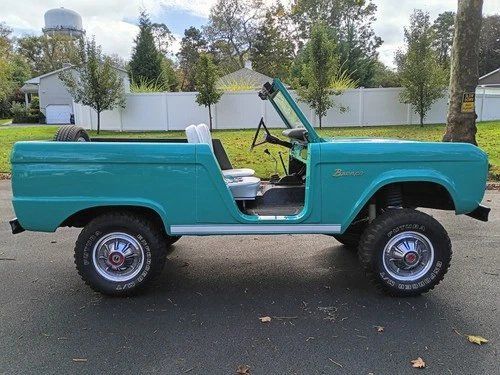
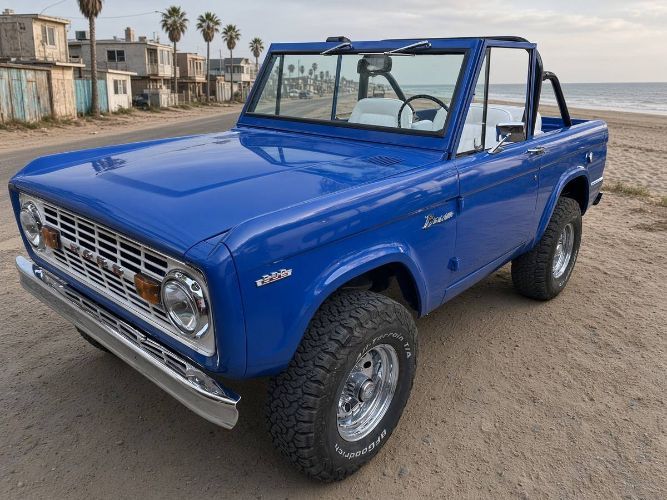
Within the same model year, dealer correspondence and regional sales patterns start to show a second, distinct buyer profile: hunters, fishermen, and outdoor recreation enthusiasts responding directly to Ford's advertising campaign. This group skewed toward the Roadster and Wagon body styles over the utility oriented half cab, and toward the brighter end of the factory color palette. Where the utility buyer optioned a Bronco for the job at hand, this buyer optioned it closer to how Ford's marketing had framed the truck from the start, as a vehicle for reaching places a standard car could not.
Regional patterns worth noting
Ownership records also show geographic clustering that lines up sensibly with how the truck was marketed and sold. Western and mountain states, where unpaved roads and ranch properties were common, produced a disproportionate share of early utility oriented buyers relative to their population. Coastal and lake region dealers, meanwhile, reported stronger early interest from the recreational buyer segment, particularly in areas with active hunting and fishing communities. Midwestern sales patterns split fairly evenly between the two groups, reflecting both the region's agricultural base and its own strong outdoor recreation culture.
These regional patterns are not simply trivia. They help explain why certain surviving 1966 Broncos carry very different equipment profiles depending on where they were originally sold and titled, and why researchers tracing a specific truck's history often start by looking at where its original dealer was located before assuming anything about how the truck was likely used.
Reading the evidence carefully
Any reconstruction of first owner patterns has to be treated with appropriate caution. Surviving build sheets and dealer records are a fraction of total 1966 production, and the trucks whose paperwork survived are not necessarily a representative sample of the whole run. What this evidence supports is a reasonably confident picture of two overlapping buyer groups rather than a single dominant customer type, and it supports the observation that Ford's own internal expectations for who would buy the truck evolved over the course of the model year as the recreational market responded faster than anticipated to the launch campaign.
"The paperwork does not lie the way memory does. A build sheet with a power takeoff option tells you something a fond family story about weekend camping trips cannot, and both kinds of owners genuinely existed side by side in that first model year."
- Sarah Whitfield
Second owners changed the picture quickly
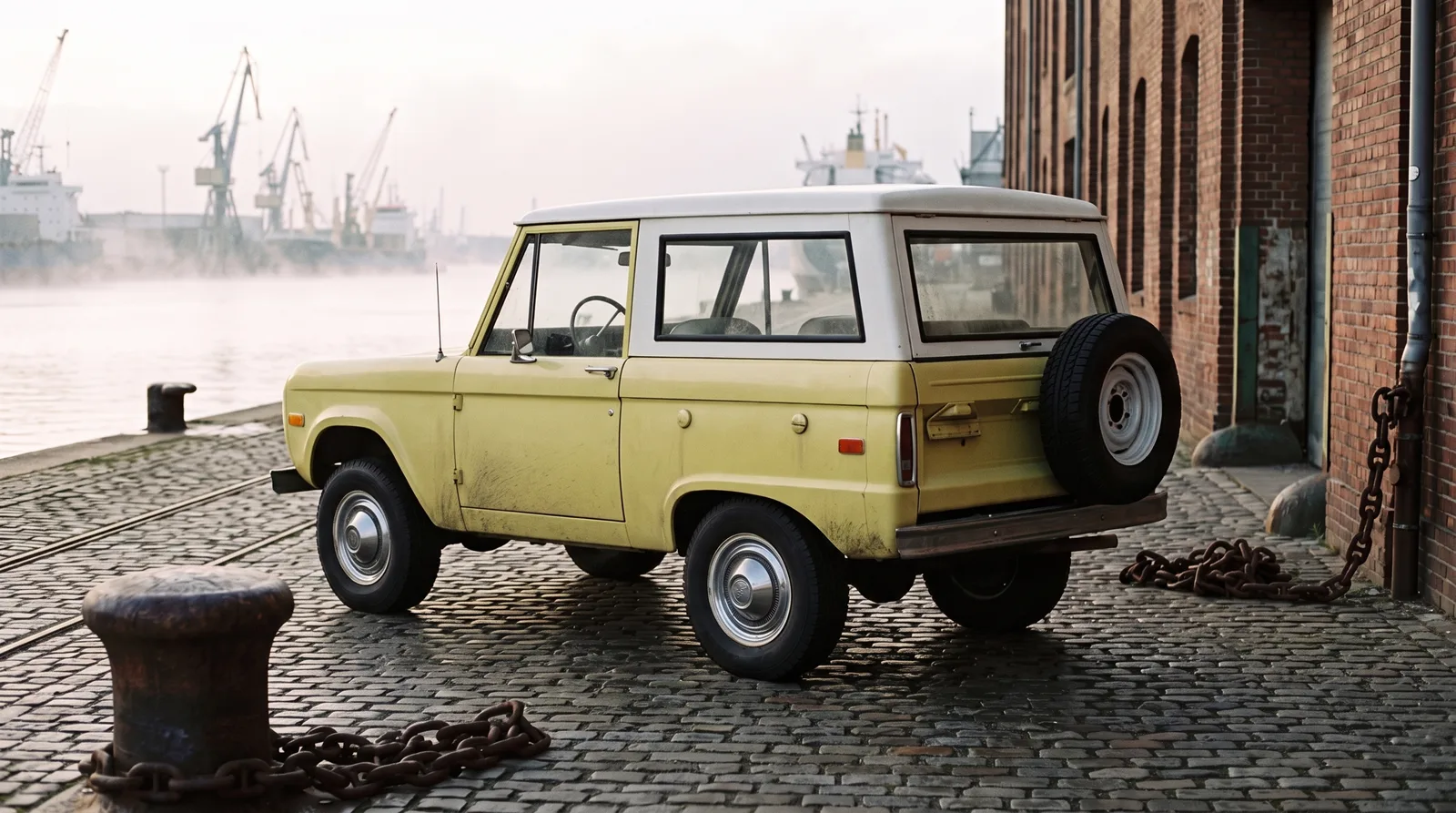
By the early 1970s, a meaningful share of 1966 Broncos had already changed hands at least once, and the second owner profile often looked different from the first. A rancher who bought a Sports Utility half cab for property work might sell it a few years later to a younger buyer drawn to the truck's growing reputation as an off road recreation vehicle, adding aftermarket wheels, lift components, or trail equipment the original owner never would have installed. That second wave of modification, layered on top of whatever the first owner had done, is part of why so few 1966 Broncos survive in a condition that closely matches their original build sheet. Tracing a specific truck's full ownership chain, when records allow it, often reveals two or three distinct chapters of use before the vehicle ever reached the collector market at all.
That layered history is not a problem for every buyer, and plenty of collectors value a truck's full lived history, modifications included, as much as they would value pure originality. But it does mean anyone researching a specific example should be cautious about assuming current equipment reflects how the truck left the factory, since the gap between those two states was often established within the truck's first decade on the road, long before anyone thought of it as a collectible.
Why first owner research still matters
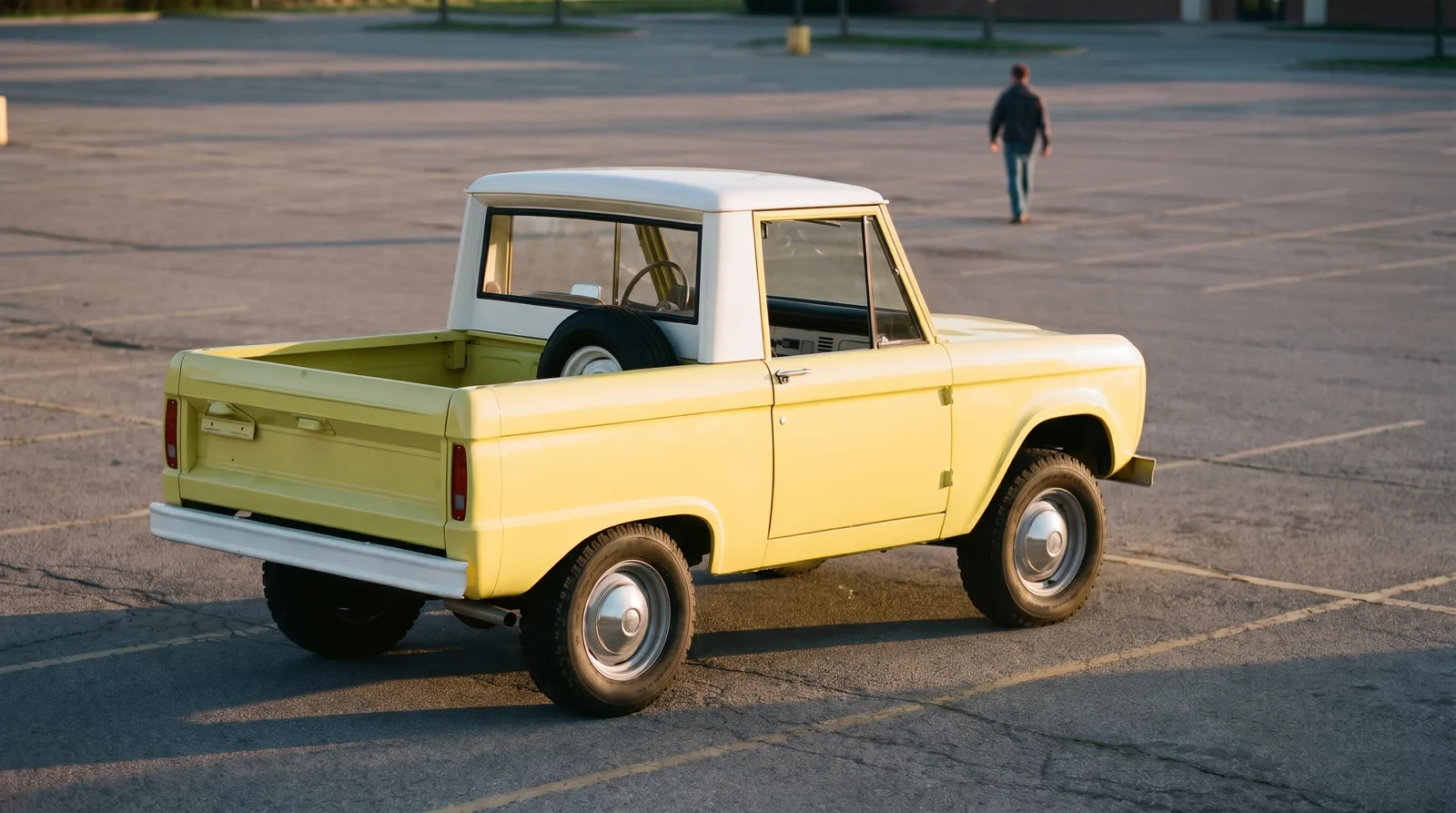
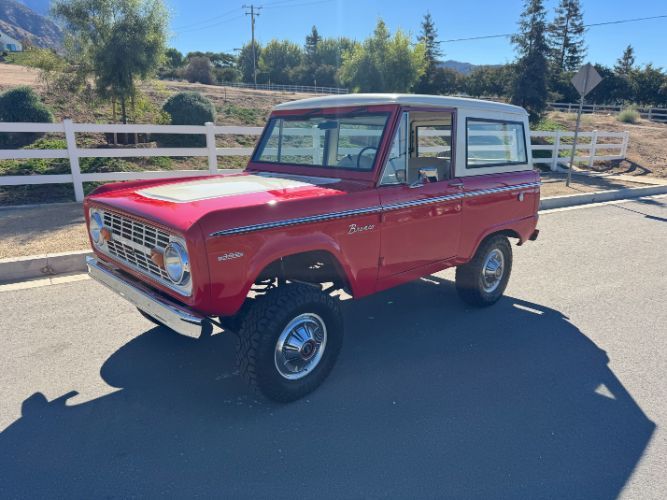
For collectors and restorers, understanding the original buyer profile of a specific truck, when the documentation allows it, adds real depth to its history and often clarifies decisions that otherwise look puzzling. A half cab Sports Utility with a power takeoff and no whitewalls almost certainly began its life as a working truck rather than a recreational one, and that context should inform restoration choices as much as any factory specification sheet does. Readers who want the broader development history behind these ownership patterns can find more on the 1966 ford bronco covering how the truck was designed and launched in the first place, and our complete history traces the full arc of the nameplate well beyond this single model year.
What this means for today's buyers
Understanding who originally bought these trucks, and why, gives today's shoppers a useful framework for evaluating a specific example's history. A truck with documented utility origins may carry different modifications, wear patterns, and equipment than one with recreational origins, even from the same model year and body style. That distinction is worth asking about directly when researching any specific truck under consideration. Readers ready to start that search can review current classic Broncos on the market with this same original ownership context in mind.
Sources and notes
Related Reading
#Ford Bronco
#classic truck research
#1966 Bronco
#Bronco ownership history
#Ford dealer records
#Bronco provenance

About the author
Sarah Whitfield
Third-generation classic car collector specializing in pre-war American and European coachbuilt automobiles. Researcher and concours enthusiast.
Related Listings - Ford Bronco




Comments
Be the first to comment on this article.