
Picture a Ford product planning meeting in 1964, a stack of proposed names on the table, and a small rugged utility truck that did not yet have an identity. The ford bronco name origin is one of those stories that sounds almost too simple once you hear it, but the choice said exactly what Ford wanted this new truck to be before a single customer ever climbed inside one.
Car Features
6 min read
Where the Bronco Name Came From at Ford
The ford bronco name origin traces back to Ford chasing the same Western, animal-driven branding magic that made Mustang a hit a year earlier.
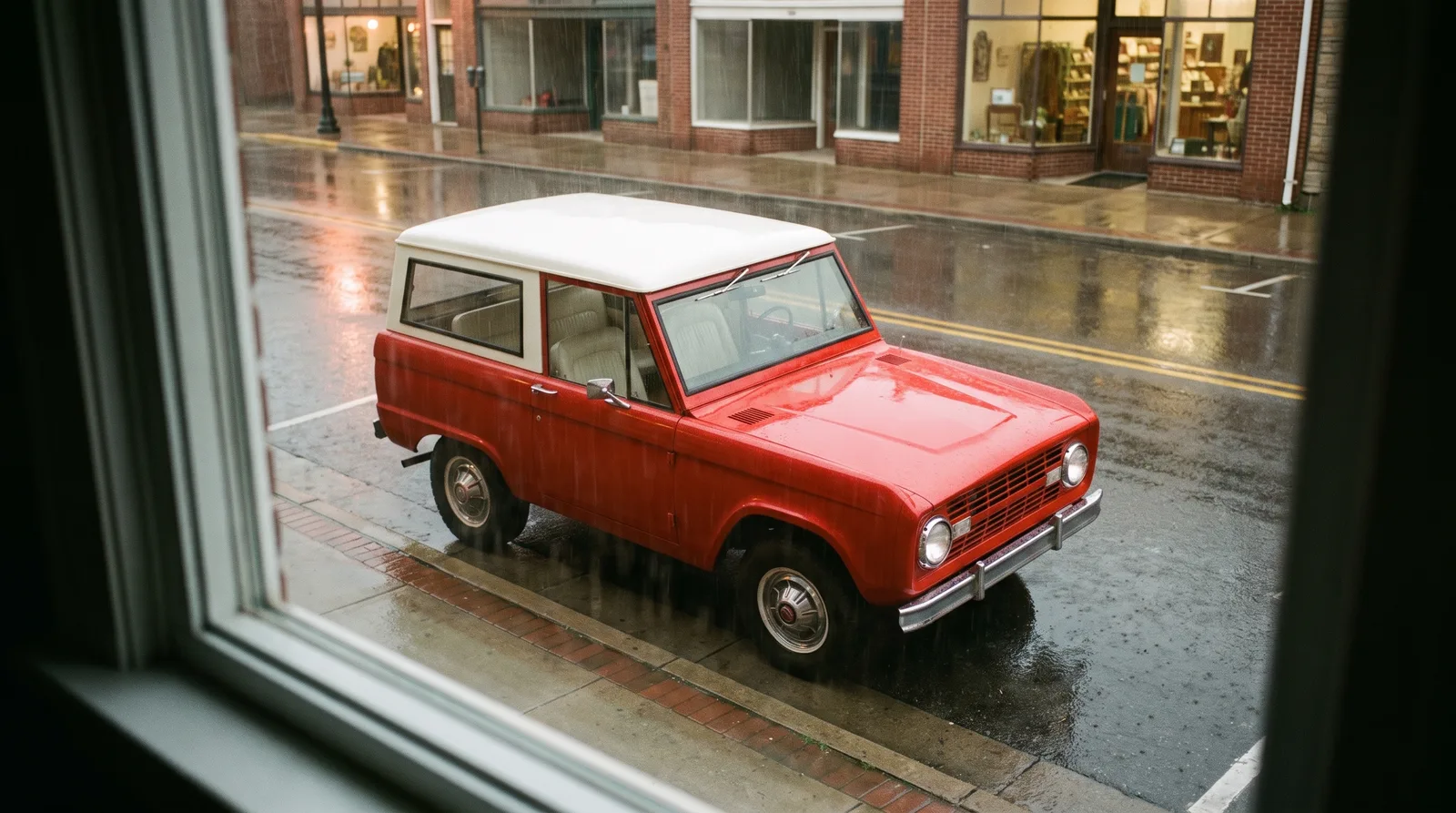
A name chosen to sell an idea, not just a vehicle
By the mid 1960s, Ford's naming conventions leaned heavily on words that suggested motion, freedom, and the American West. Mustang had already proven, a year earlier, that an animal name tied to speed and spirit could define a car's entire personality before customers even drove it. When Ford's product team turned to its new compact 4x4, they wanted a similar shorthand, something that told buyers instantly this was a vehicle built for rough, open country rather than commuting.
A bronco, an untamed range horse, fit that brief almost perfectly. It suggested toughness without aggression, wildness with a sense of humor, and it tied neatly into the same well of Western imagery that had already worked for Mustang. Ford's marketing department leaned into that connection hard, running early print advertising that put the truck alongside horses, ranch scenes, and open desert rather than city streets.
Following Mustang's lead, deliberately
The timing was no accident. Mustang launched in April 1964 to enormous success, and by the time the Bronco was ready for its own debut in 1965, Ford's executives had seen firsthand how much a well-chosen animal name could do for a vehicle's identity. Where Mustang suggested speed and youth on paved roads, Bronco needed to suggest ruggedness and unpredictability off them. The naming logic was consistent even though the vehicles served completely different customers.
This was part of a broader pattern at Ford during this period, using short, evocative, single-word names instead of alphanumeric codes or descriptive phrases. It made the trucks and cars easier to advertise, easier to remember, and easier to build a personality around, something competitors selling vehicles under flatter, more utilitarian names struggled to match.
"You put a horse in the name and a horse in the ad copy, and suddenly a utility truck has a personality. That was not luck. That was Ford figuring out what Mustang had just taught them and applying it again within a year."
- Patrick Walsh
How the name shaped the truck's culture
Once the Bronco name stuck, it started shaping how the truck was perceived well beyond the showroom floor. Owners leaned into the Western branding themselves, and the truck found a natural home with ranchers, hunters, and outdoorsmen who saw the name as an accurate description of how the vehicle behaved off pavement, not just a marketing flourish. That authenticity mattered. A name only works long term if the product backs it up, and the Bronco's genuine off-road capability meant the branding never felt hollow.
Compare that to competitors of the same period who leaned on descriptive or alphanumeric model designations rather than a name with built-in personality. A truck simply labeled by a series number invites no emotional attachment, no shorthand for owners to use when talking about their vehicle among friends, no easy hook for advertising copy beyond listing specifications. Bronco owners, by contrast, had a name that did half the storytelling work for them. Say the word to another owner at a gas station or a trailhead and the shared understanding was immediate, a small but real advantage that alphanumeric-named competitors simply could not replicate no matter how capable their trucks were mechanically.
Decades later, that same name carried enough cultural weight that Ford revived it for a modern SUV in 2021, betting that the original truck's reputation still meant something to buyers who had never owned a classic one. That bet paid off, and it is a testament to how well the original 1965 naming decision aged, even if the current Bronco is a very different machine mechanically. For the full account of how the truck itself came together around that name, our complete history covers the engineering side in detail.
The naming process behind the scenes
Ford's naming committees in this era typically worked through long lists of candidate words before settling on a final choice, weighing trademark availability, pronunciation across regional dialects, and how a name photographed in print advertising alongside the actual product. Bronco was not the only Western-themed name under consideration for the new truck. Internal discussions reportedly circled several other animal and frontier-themed options before Bronco emerged as the clear favorite, chosen partly because it was short enough to work well on badging and partly because it did not overlap awkwardly with any existing Ford or competitor nameplate.
That care in the selection process reflected how seriously Ford's marketing department had come to take naming decisions after watching Mustang's identity become inseparable from the car's sales success. A name that felt forced or that required explanation would have undercut the truck before it ever reached a dealer lot. Bronco needed no explanation. Anyone who had grown up around Western films, rodeos, or basic American vocabulary understood immediately what the word implied, and that immediate recognition was exactly what Ford's planners were chasing. Testing candidate names with dealer panels and internal focus groups was standard practice at Ford by this point, and Bronco reportedly tested well precisely because it required zero explanation across regional and generational lines, a rare quality among the longer list of alternatives that had been floated earlier in the process.
A name that outlasted its era
Most product names from the 1960s automotive world have faded, replaced by newer models with newer branding priorities. Bronco did not fade. It survived nearly six decades, several ownership generations of the vehicle itself, and one full discontinuation and revival, all while keeping the same essential meaning it had in 1965. Few names in Ford's history, or in the broader industry, have held up that consistently.
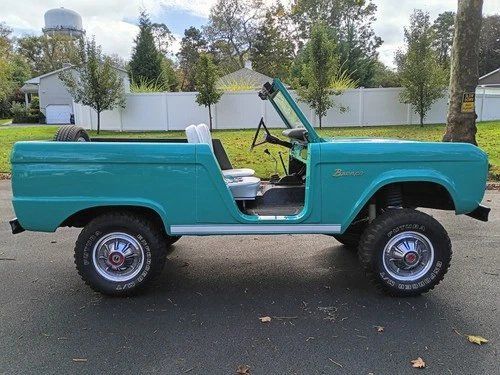
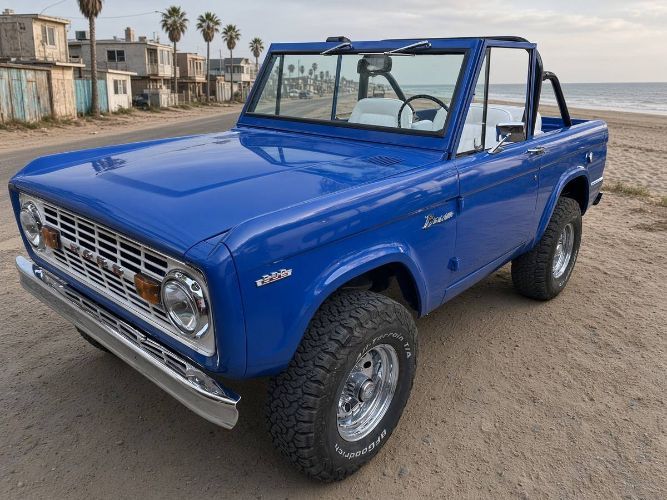
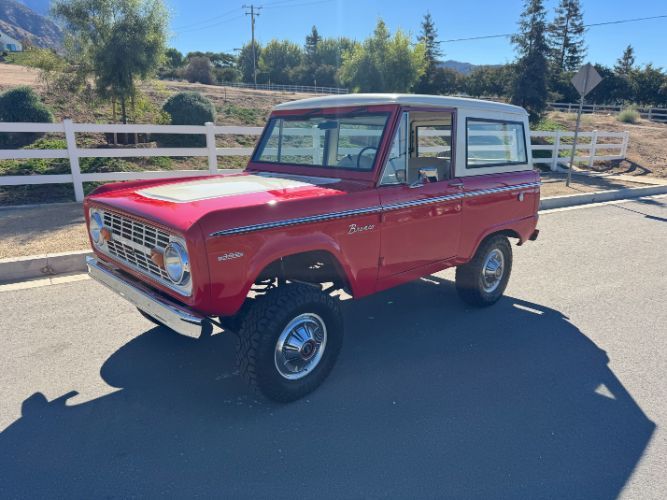
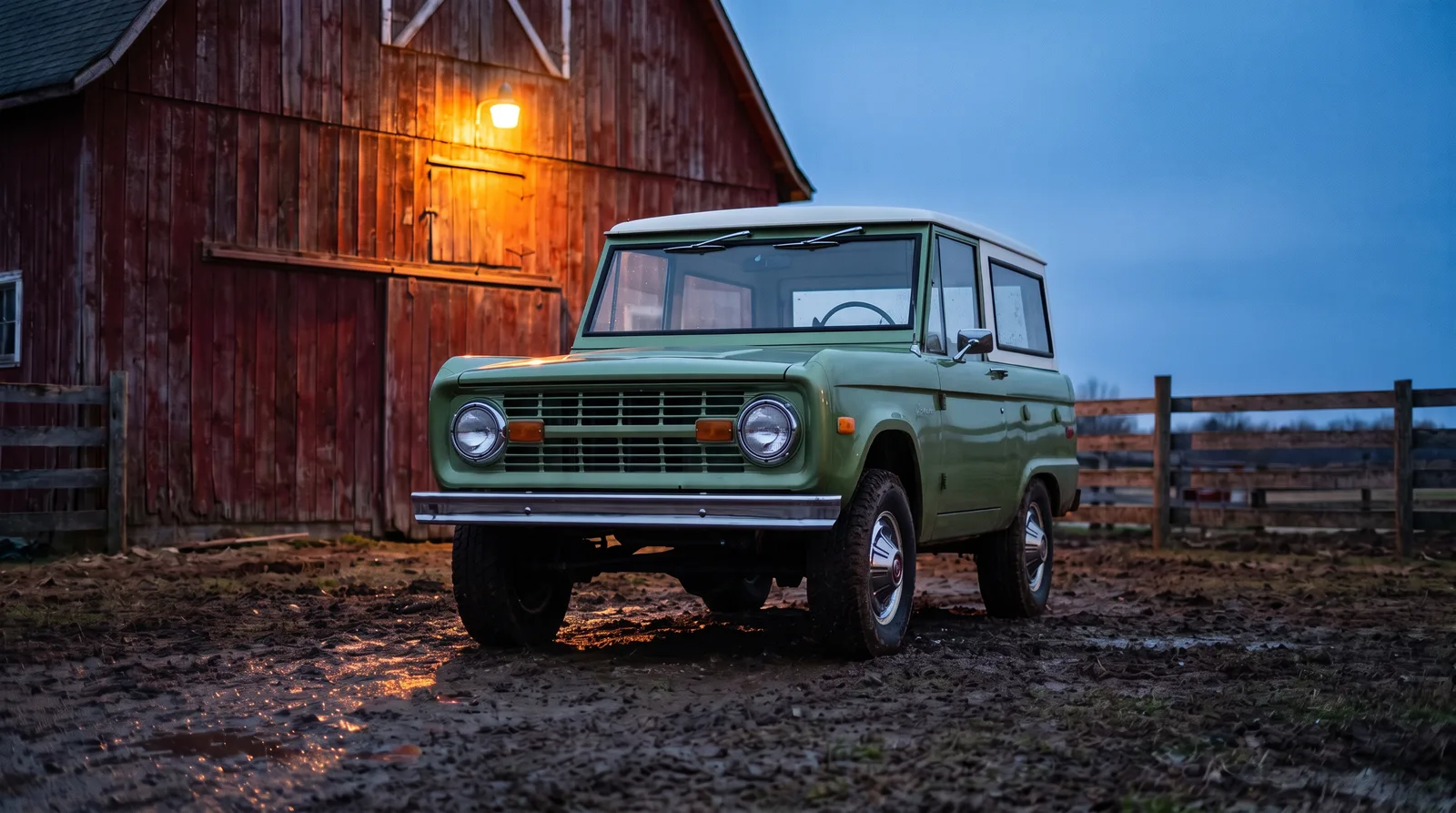
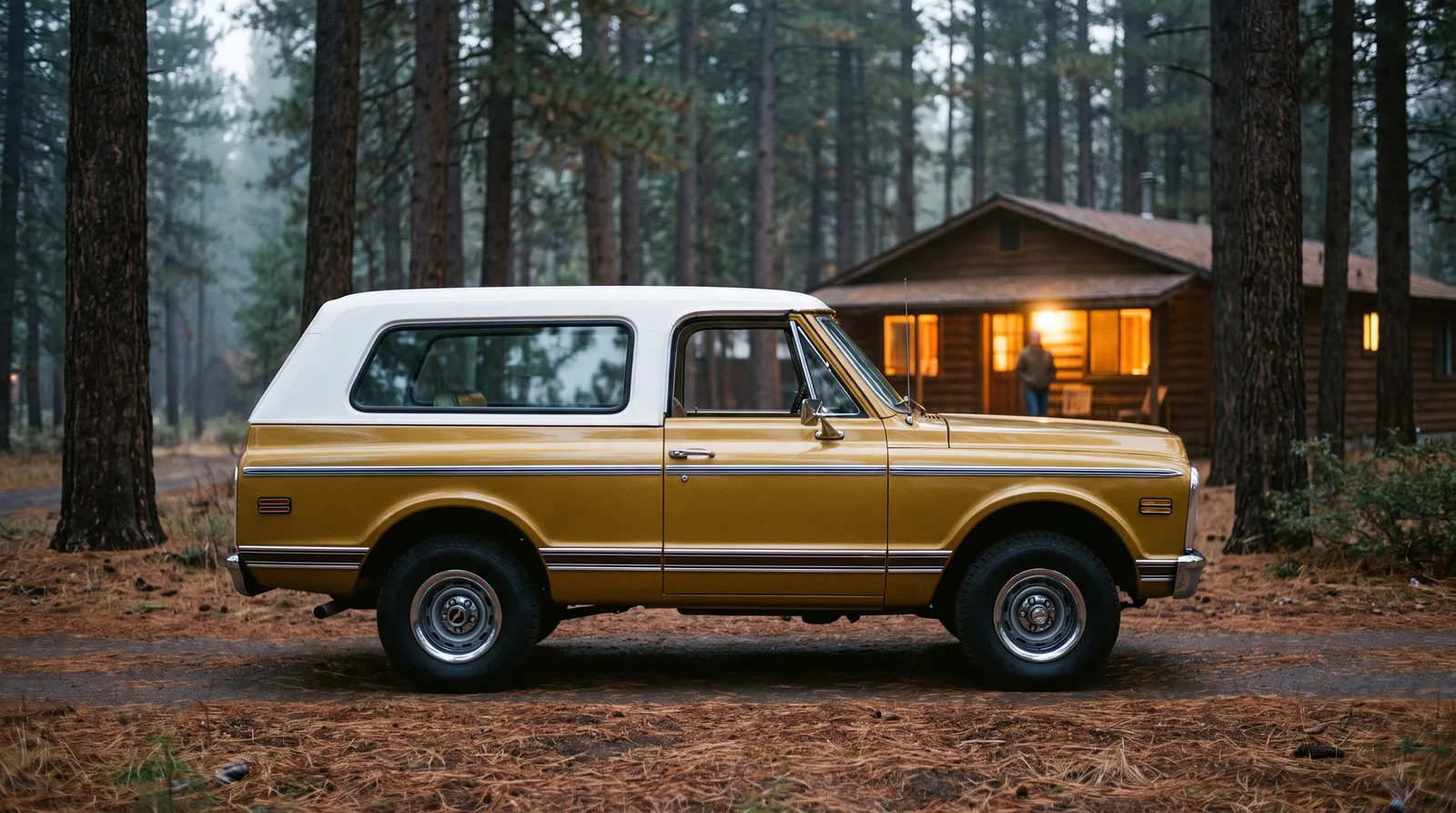
If that history has you curious about owning a piece of it, you can find a classic Bronco currently on the market, whether you are after an early wagon, a half-cab, or a later full-size model. The name still means exactly what it meant the day Ford chose it, and that consistency across nearly sixty years is rare enough in the automotive world that it deserves more credit than it usually gets. Plenty of nameplates get retired, reused for unrelated products, or quietly abandoned when a company rebrands. Bronco never needed rescuing from irrelevance. It simply waited, and when Ford decided the market was ready again, the name was still doing exactly the job it was hired to do back in 1965.
Sources and notes
Related Reading

About the author
Patrick Walsh
Automotive journalist covering classic car shows, events, and the enthusiast community across North America.
Related Listings - Ford Bronco

Comments
Be the first to comment on this article.