
Two names sit behind the ford bronco donald frey iacocca decision, and neither one is who most people expect when they hear the Bronco's origin story. Lee Iacocca gets the credit for Mustang in most retellings, and rightly so, but the Bronco owes its existence to a different kind of push, one built on engineering conviction more than showroom flash.
Car Features
6 min read
Donald Frey, Lee Iacocca and the Bronco Green Light
The ford bronco donald frey iacocca story explains how a product planner's case for a small 4x4 got the executive backing it needed to reach production.
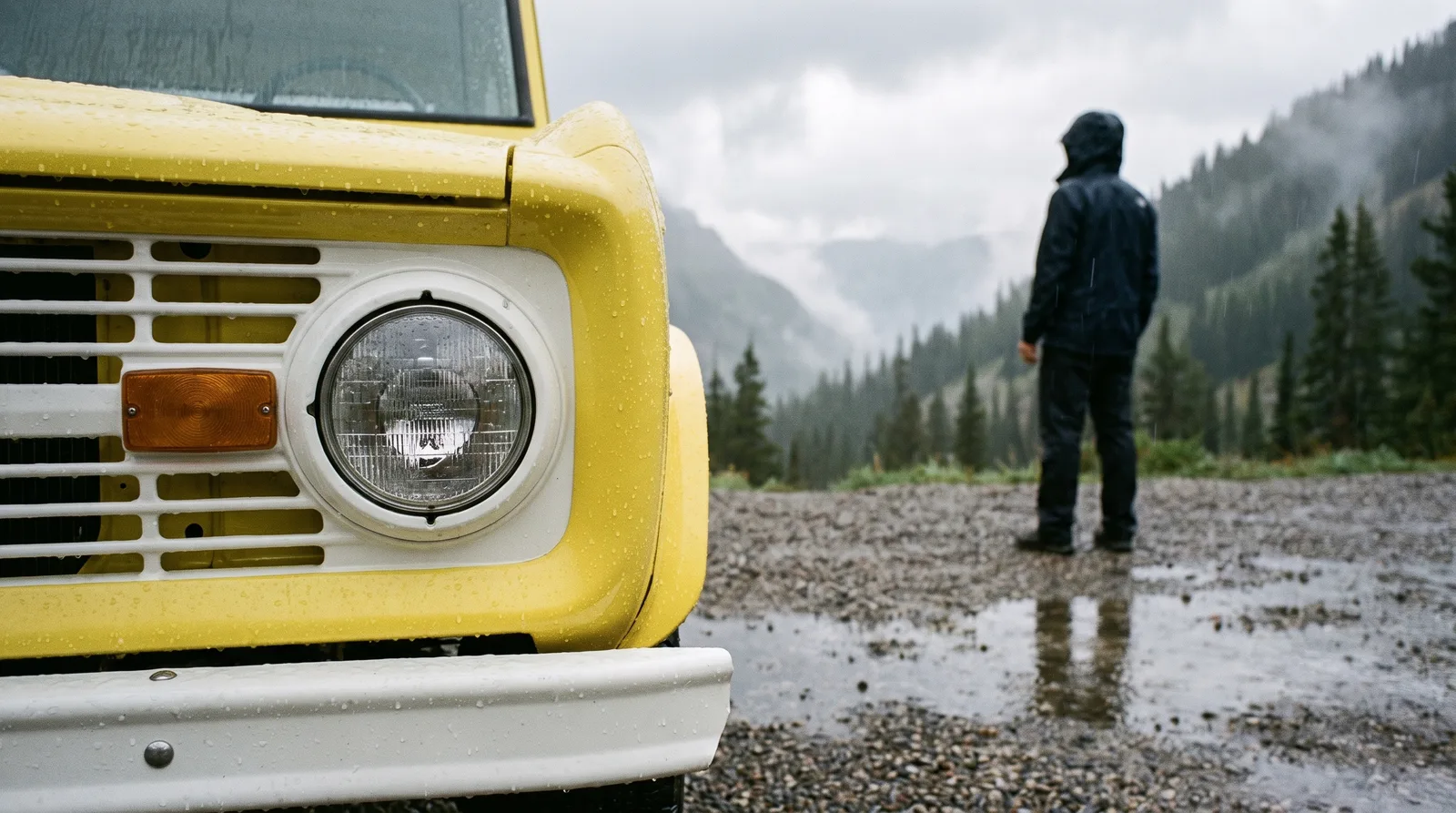
Donald Frey's case for a small 4x4
Donald Frey ran product planning at Ford in the early 1960s, the same role that put him at the center of the Mustang program before he ever touched the Bronco. Frey had a reputation for spotting gaps in Ford's lineup before the sales numbers proved they existed, and the compact off-road segment was one he flagged repeatedly. International Harvester's Scout and the Jeep CJ-5 were selling steadily to a customer base Ford had no answer for, and Frey argued internally that building a dedicated small 4x4 was worth the investment even though it would compete against nothing else in Ford's own catalog.
That argument was not automatic. Ford's engineering resources in the early 1960s were stretched across a full-size truck lineup, a growing car business, and the Mustang program itself. Frey had to make the case that a niche utility vehicle deserved a dedicated chassis, not a reskin of something Ford already built, and that meant convincing people above him that the investment would pay off in a market Ford had never directly served.
Where Iacocca fit into the picture
Lee Iacocca, by this point Ford's rising general manager and the driving force behind Mustang's success, held enormous influence over which programs got resources and which got shelved. The Bronco needed his sign-off to move from proposal to production reality, and Iacocca's backing mattered less for the Bronco's specific engineering than for clearing the internal path that let Frey's team actually build it.
Iacocca understood something that mattered here: Ford had just proven with Mustang that a well-targeted niche vehicle could outperform expectations if it nailed the brief. That success made it easier to greenlight another purpose-built vehicle a year later, even one aimed at a completely different customer than Mustang's buyers. The Bronco was not a hit off the back of Iacocca's personal vision the way Mustang was, but it benefited from an executive suite that had just learned niche vehicles could work.
"Frey did the convincing. Iacocca did the approving. That is not a knock on either guy, that is just how big companies actually get new trucks built, and it is a more honest version of the story than the one where one person invents a whole vehicle by themselves."
- Mike Sullivan
What the green light actually authorized
Once approved, the Bronco program moved fast by the standards of the era, with a dedicated 92 inch wheelbase chassis, a 170 cubic inch six, and three separate body styles developed within a tight timeline. Engineers pulled proven components where they made sense, the 170 six chief among them, precisely so the truly novel parts of the program, the dedicated chassis and the three body variants, could get the bulk of the development attention without the whole project stalling on unproven technology. That speed reflected confidence at the top of the company. Programs that face internal resistance tend to move slowly, get diluted, or get canceled outright. The Bronco moved from approval to dealer lots in under two years, evidence that Frey's internal case and Iacocca's backing had genuinely aligned the company behind the project rather than just tolerating it. Cross-departmental cooperation of that kind rarely happens by accident inside a company the size of Ford, and it typically signals that the executives involved were actively clearing obstacles rather than simply approving a budget line and stepping back.
You can read the background on how that approved program turned into the finished 1966 truck, including the engineering decisions that followed once Frey's team had the resources to build what they had proposed.
The internal politics behind the approval
Getting a new vehicle program funded at a company the size of Ford in the 1960s meant navigating competing priorities across multiple divisions, each with its own budget requests and its own executives fighting for resources. Frey's proposal for a dedicated small 4x4 chassis was, on paper, a harder sell than it might look in hindsight. It asked for engineering resources to build something entirely new, with no existing platform to lean on and no guaranteed customer base the way an updated version of an existing truck might have offered.
What made the difference was Frey's ability to frame the Bronco not as a speculative gamble but as a defensive move against competitors who were already capturing customers Ford had no way to serve. That framing, protecting market share rather than chasing a new trend, tends to move faster through corporate approval processes than pure innovation proposals, and it likely explains part of why the program secured backing as quickly as it did. Iacocca, already juggling the demands of Mustang's runaway success, did not need to be sold on the concept of niche vehicles working. He needed to be shown that this particular niche was worth Ford's engineering capacity, and Frey's data on the compact 4x4 segment's growth made that case effectively.
A less famous decision that still mattered
History remembers Iacocca for Mustang because Mustang was the bigger cultural moment. But the Bronco decision shows a different side of how Ford operated in this period, willing to greenlight a smaller, more specialized vehicle on the strength of a product planner's argument rather than a guaranteed blockbuster. That willingness to take a calculated risk on a niche segment is part of what let Ford build a truck that outlasted nearly every direct competitor from its own era.
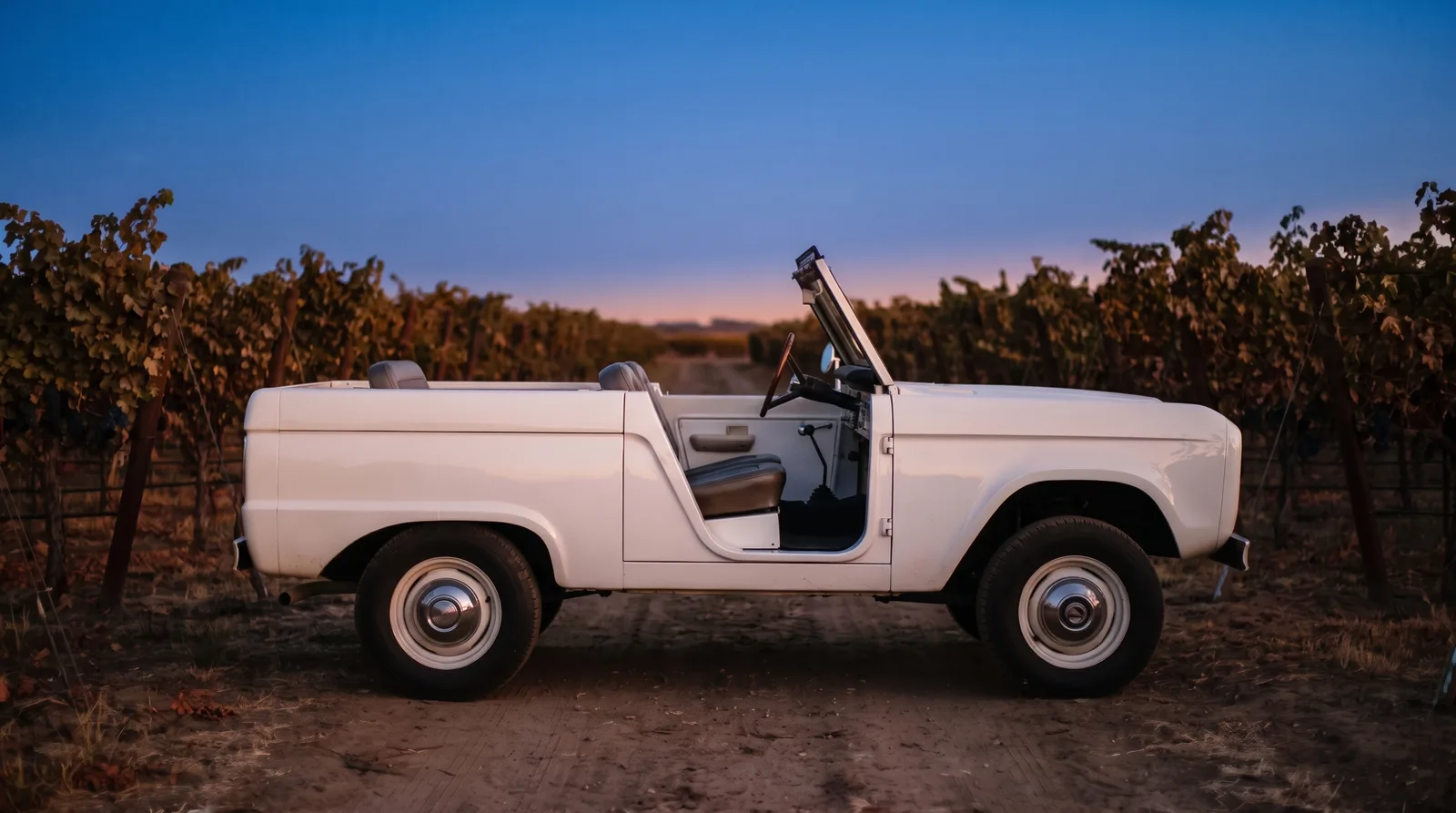
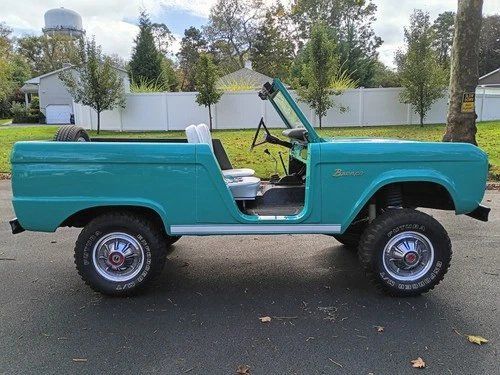
If that early gamble interests you, the original roadster body that came out of this same approval process is worth a look too, since it represents the rawest version of what Frey originally pitched. For those actually looking to own a piece of this history, you can shop classic Bronco listings and see what is currently available.
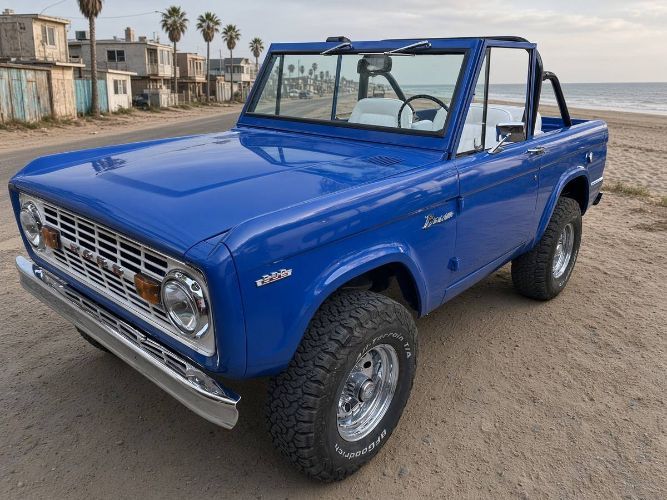
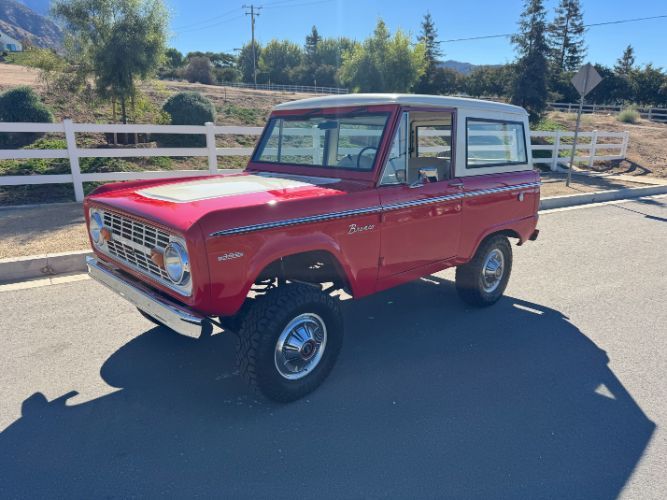
Every original Bronco on the road today, regardless of body style or model year, traces its existence back to that specific internal approval process. Without Frey's case and Iacocca's willingness to back it, the compact 4x4 segment of the mid 1960s might have remained a two-player field, Jeep and International Harvester, with Ford watching from outside for another decade or more. Understanding that context changes how you look at even a rough, well-used surviving example, since it is not just a truck, it is the physical result of one product planner successfully arguing his case at exactly the right moment in company history.
Sources and notes
Related Reading

About the author
Mike Sullivan
Detroit-area muscle car enthusiast and restoration specialist with three decades of hands-on experience working on American iron.
Related Listings - Ford Bronco




Comments
Be the first to comment on this article.