
Ford Bronco OBS collector value used to be a punchline among people who wrote checks for first-generation trucks. OBS, short for Old Body Style, is shorthand the truck world uses for the 1980 to 1996 full-size Bronco, the generation that spent two decades as the cheap, plentiful alternative to the early trucks everyone actually wanted. I have appraised enough of these in the last three years to say the joke is over. The math changed, and it changed faster than most sellers noticed.
Car Features
7 min read
Why OBS Broncos Are the New Collector Darlings
An appraiser's read on why the 1980-1996 full-size Bronco stopped being the cheap alternative and started setting its own price.
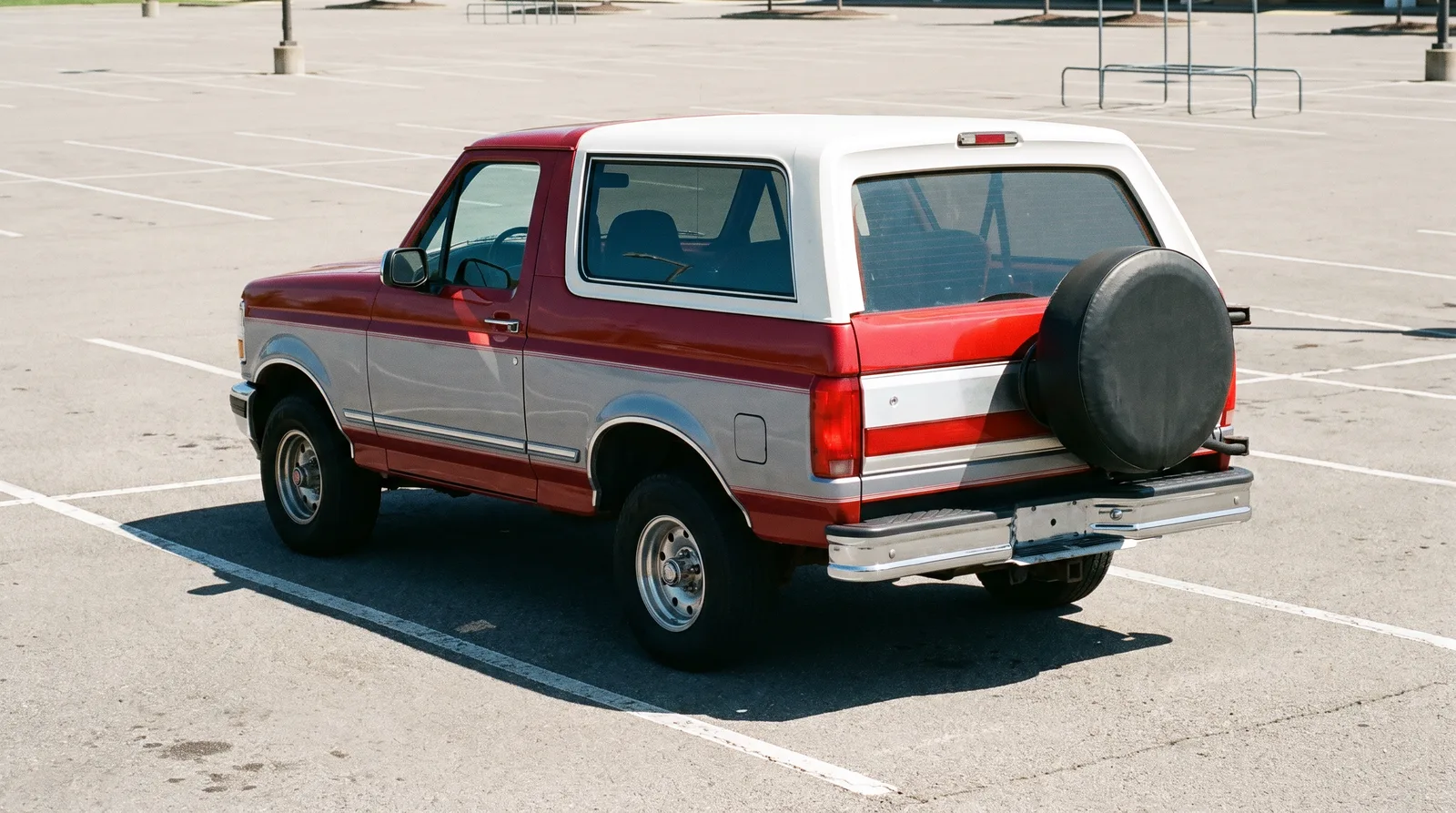
What OBS actually covers
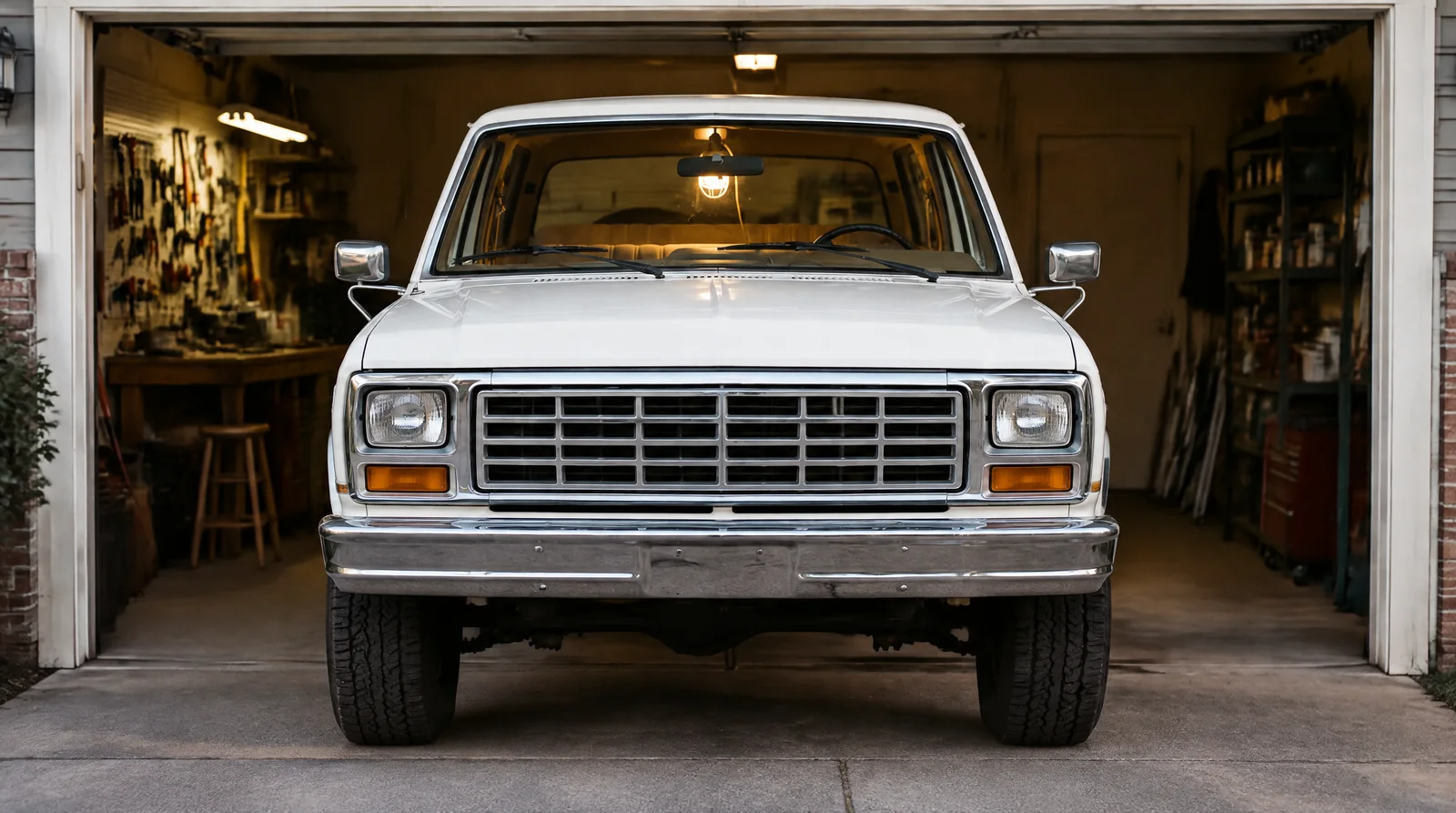
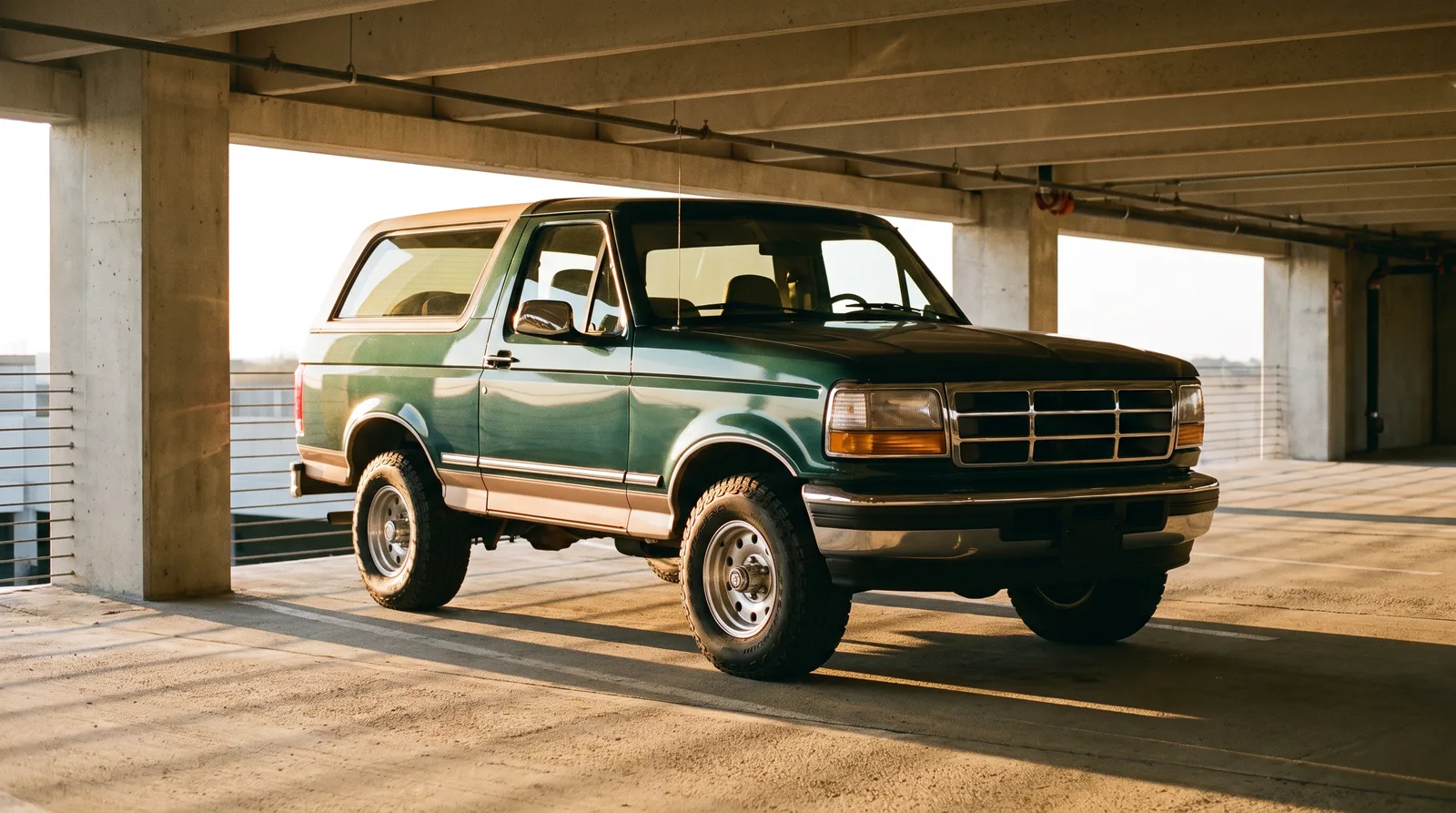
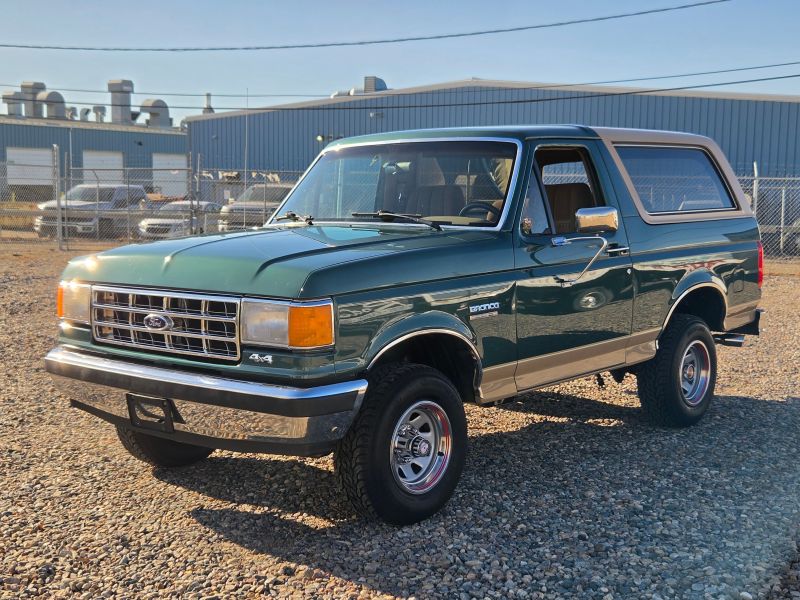
The term gets used loosely, so let me be precise about it, since precision is most of my job. OBS Broncos split into two visually distinct eras: the bullnose trucks built from 1980 through 1986, with their squared-off grille and F-Series-shared front clip, and the aero-nose trucks from 1987 through 1996, which softened the styling to match the redesigned pickup line. Both eras ride the same full-size chassis, both offer the 302 and 351 Windsor V8 options, and both are frequently lumped together under one collector label even though a clean 1996 Eddie Bauer and a rough 1981 XLT are not competing in the same bracket at all.
Where the money actually moved
Three years ago, a solid driver-quality OBS Bronco sold in the low teens. Today the same truck, if it has clean sheet metal and a documented engine, sells well into the twenty thousand range, and the best documented examples with desirable trim and low miles have cleared forty thousand at auction. That is not a modest bump. It is a repricing, and it happened because buyers who got priced out of first-generation Broncos and out of clean square-body Chevrolet trucks looked at the full-size Bronco and realized it was the last full-size classic SUV still available at a rational number. Once that realization spreads through a buyer pool, prices do not creep, they jump.
Condition and documentation, not nostalgia, set the price
Nostalgia gets a truck noticed at a show. It does not set the hammer price. What sets the price on an OBS Bronco is rust history, drivetrain originality, and paperwork that proves both. Ford used a lot of body-on-frame steel that was never treated for a market like the modern collector one, and rear quarters, floor pans, and rocker panels on these trucks tell the real story no matter what the seller says at the tailgate. A truck with a clean Carfax, a build sheet, and photos of the frame before the last owner bought it will out-price an unverified twin by a wide margin, sometimes by more than the cost of the paperwork itself would suggest is reasonable.
I tell every client the same thing before they bid: buy the documentation first and the truck second. A pristine-looking paint job on a truck with no service history is a truck I cannot rule out having a hidden problem, and unknown problems are what erase collector value fastest.
"People ask me if the OBS market is a bubble. It isn't a bubble, it's a market finally pricing the truck for what it actually is: the last affordable full-size classic Bronco. Bubbles pop. This one just found its floor."
- Marcus Feld
What still limits the upside
Ford bronco obs collector value has room to grow, but it is not unlimited, and an appraiser earns their fee by saying so out loud. These trucks were built in real volume for sixteen years, so supply is not scarce the way it is for early Broncos or for genuine Baja-badged trucks. Liquidity is decent at the moment because demand is rising, but a truck that only appeals to a niche trim or an unusual color combination will sit longer than a plain XLT in white. Downside risk mostly lives in two places: bodies that were repaired with filler instead of metal, and engines that were swapped without records. Either one can cut a sale price by a third with no warning to a buyer who did not check first.
A quick value framework
| Condition tier | Typical range | What separates the tiers |
|---|---|---|
| Project / parts truck | $4,000 - $8,000 | Rust through floor or frame, incomplete drivetrain |
| Solid driver | $14,000 - $22,000 | Runs and drives, minor surface rust, no major accident history |
| Documented, clean trim | $25,000 - $38,000 | Original drivetrain, service records, desirable Eddie Bauer or XLT package |
| Concours or rare option | $40,000+ | Low miles, matching numbers, exceptional paperwork trail |
If you want the longer version of how this generation fits into the whole Bronco story, our bullnose ford bronco retrospective covers the production history in more depth than a value column has room for. And if the numbers above have you thinking about buying rather than just reading about it, there are Broncos for sale now worth a closer look before the next price step happens.
How OBS compares to the early Bronco market
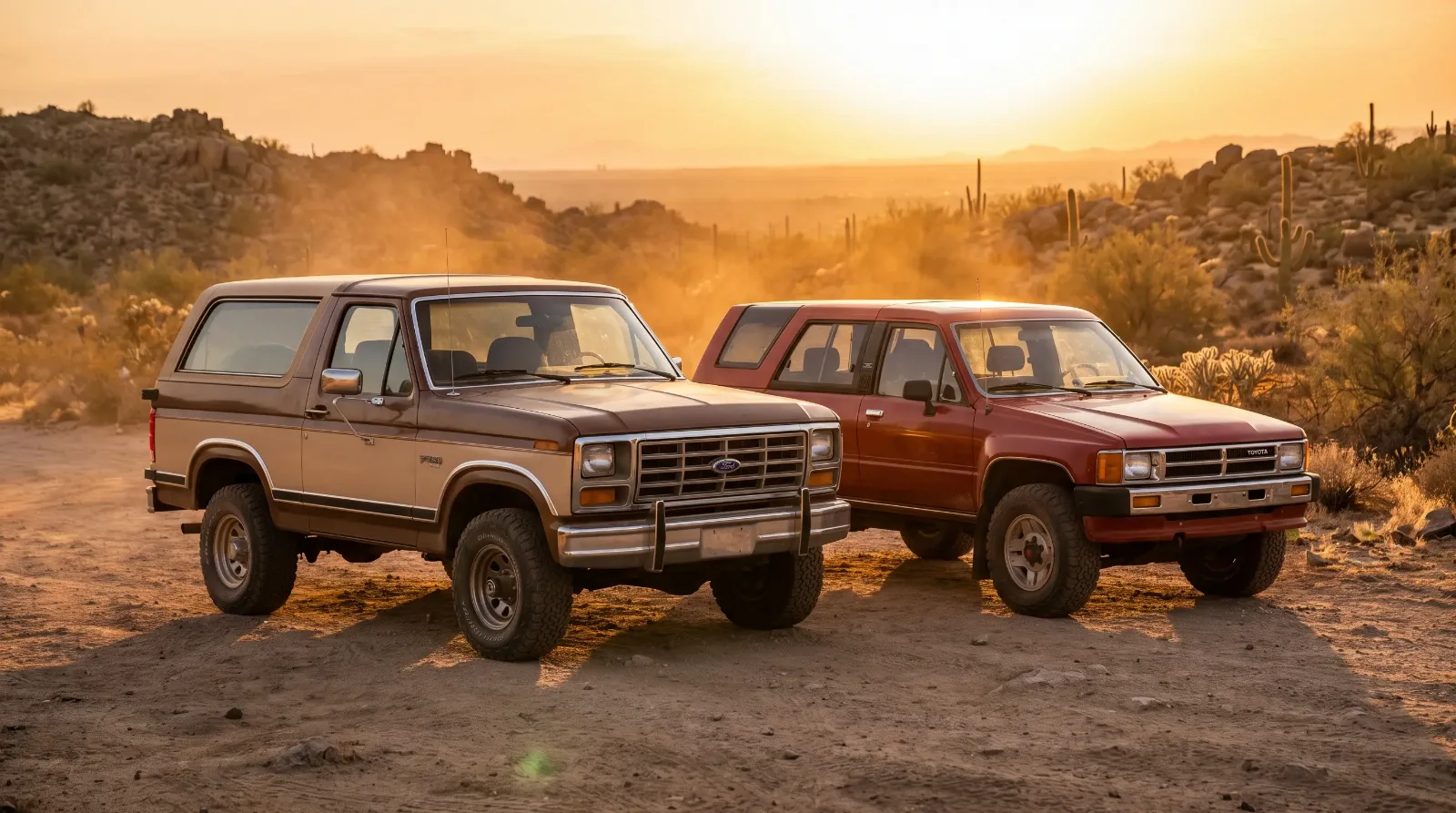
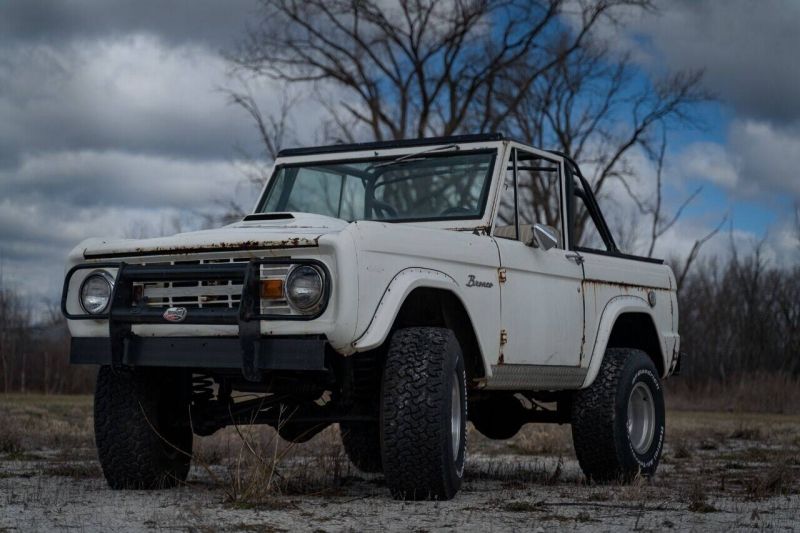
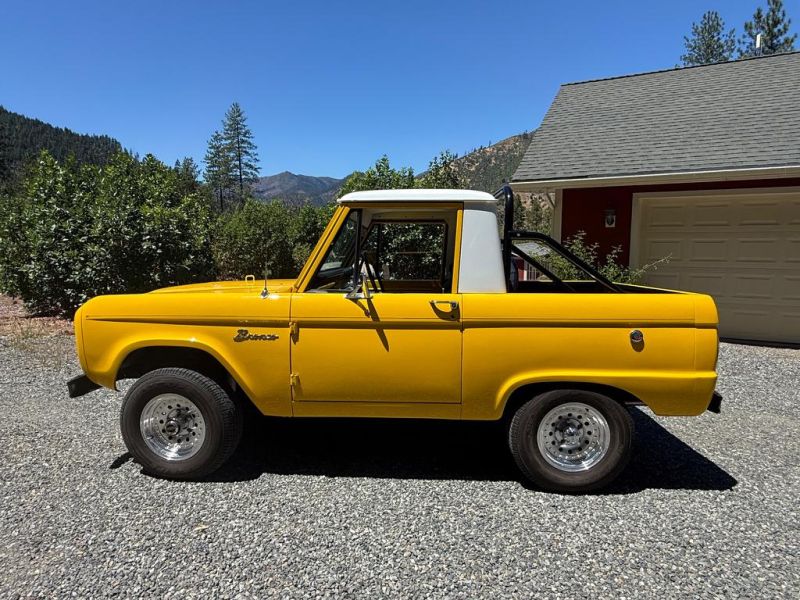
Buyers new to the Bronco world often ask me why they should look at an OBS truck instead of a first-generation 1966 to 1977 Bronco, since the early trucks carry more name recognition and a longer collector track record. My answer is always about entry cost relative to usability. A comparable early Bronco in clean, documented condition now regularly clears sixty thousand dollars, sometimes well past that for a numbers-matching example, which puts it out of reach for a large share of buyers who still want a full-size, body-on-frame classic SUV. The OBS truck gives that same basic experience, V8 power, real off-road capability, a Ford badge with genuine history behind it, at roughly half the entry cost of the early truck in equivalent condition. That price gap is not going to close overnight, but it is narrowing, and narrowing gaps are exactly what an appraiser watches for when trying to call the next few years of a market rather than just describing the last few.
Regional differences matter more here than most buyers expect. A rust-free OBS Bronco out of Arizona, Nevada, or West Texas commands a real premium over an equivalent truck that spent its life in the Rust Belt or coastal Northeast, simply because the odds of hidden frame or floor damage are so much lower in a dry climate. I have seen two nearly identical trucks, same year, same trim, same mileage bracket, sell eight thousand dollars apart purely on the strength of where each one spent its working life. Buyers who ignore that factor and focus only on the photos in a listing are the ones most likely to overpay for a truck that looks clean in pictures but was never inspected on a lift.
The bottom line for buyers and sellers
Sellers should stop pricing off what a truck sold for two years ago, because that number is stale. Buyers should stop assuming an OBS Bronco is still a bargain-bin project truck, because in clean, documented condition it no longer is. The generation earned its collector status the slow way, through two decades of being genuinely useful before anyone thought to collect it, and that kind of value tends to hold better than value built on hype alone.
Sources and notes
Related Reading
Have a
Ford Bronco
for Sale?
Reach thousands of serious classic car collectors across the US.
Sell It Here →
Selling a classic? Here's how: the best sites to sell a classic car
Are You a Classic Car Dealer?
List your full inventory and connect with targeted classic car buyers.
Join as a Dealer →

About the author
Marcus Feld
Accredited collector-car appraiser who reads the market through hammer prices, condition tiers and risk.
Related Listings - Ford Bronco




Comments
Be the first to comment on this article.