
Not every Bronco left the factory looking ready for the trail and nothing else. The ford bronco sport package gave buyers a way to dress the truck up without giving up any of the mechanical substance underneath, and it deserves a closer look than it usually gets from people who assume every early Bronco was a bare-bones farm rig.
Car Features
7 min read
The Bronco Sport Package and Its Chrome Appeal
The ford bronco sport package added chrome bumpers, trim, and upgraded interior touches to a truck that could otherwise be ordered bare bones. Here is how to spot a genuine one.
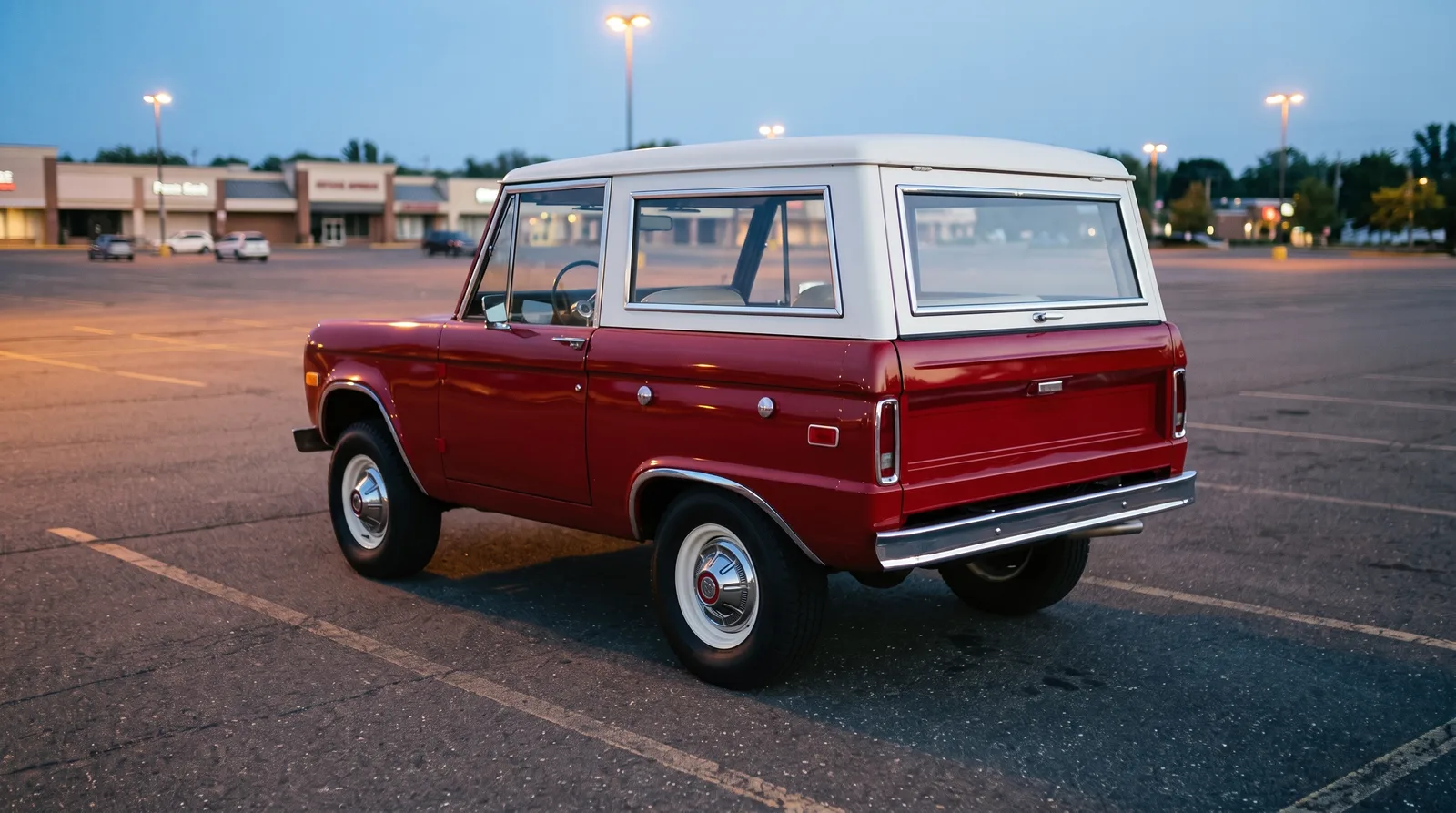
What the Sport package actually added
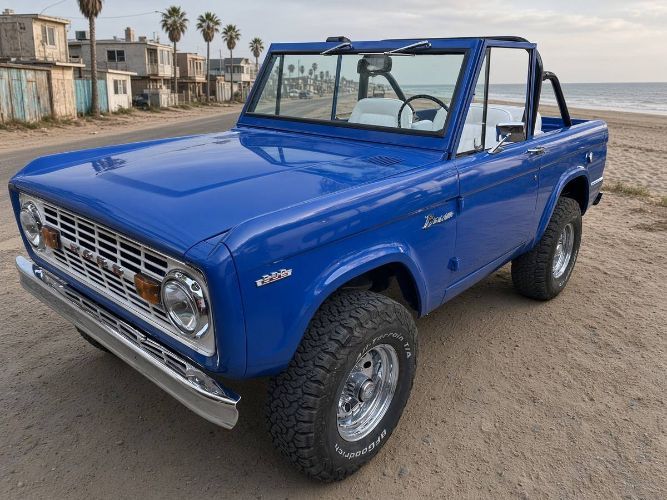
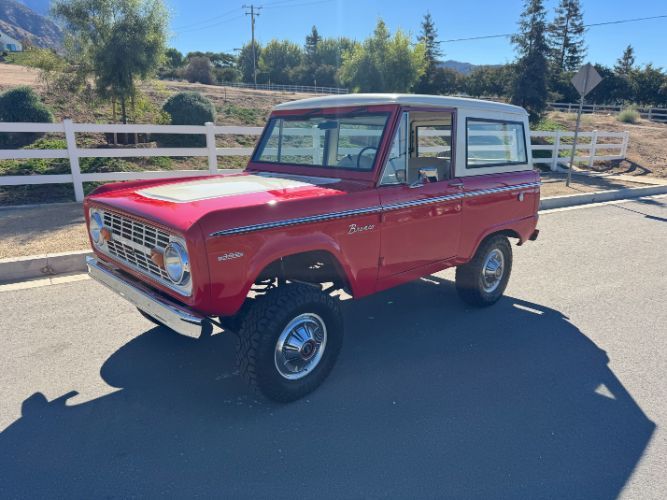
Ford's Sport trim brought chrome bumpers, chrome grille surround, extra brightwork around the wheel openings, and upgraded interior trim to a truck that otherwise could be ordered close to stripped down. This was not a performance package. It did not touch the engine, the axles, or the transfer case. It was a statement package, aimed at buyers who wanted their Bronco to look sharp parked outside a restaurant just as much as they wanted it capable on a weekend trail. Ford introduced the Sport trim in 1967, and by the tail end of the decade it sat alongside the workaday base truck as the dress-up option on the order sheet.
I have pulled apart enough of these trucks to know the difference between a genuine Sport-equipped Bronco and a base truck somebody dressed up later with aftermarket chrome. The factory trim has specific mounting points, specific bracket designs, and a fit that aftermarket parts rarely replicate exactly, even when the finished look is close.
Why Ford bothered with a chrome package on a work truck
The early SUV market was not just ranchers and hunters. Ford saw buyers who wanted a rugged-looking vehicle for suburban duty just as much as it saw buyers who needed real trail capability, and the Sport package let one platform serve both audiences without splitting engineering resources. That is smart product planning, and it is the same logic that keeps showing up in truck lineups today, decades after the Bronco proved the formula worked.
Chrome trim also had a practical side that gets overlooked. Bumpers and brightwork of that era were often more durable than painted equivalents, resisting the kind of chips and scratches that dulled a base truck's look after a season of use. Buyers were not just paying for appearance. They were paying for parts that held up.
Spotting a genuine Sport package truck today
Anyone shopping a Bronco advertised with Sport trim needs to check the details, not just take the listing photos at face value. Bracket mounting points, the specific chrome grille casting, and interior trim badging all tell you whether a truck left the factory this way or was upgraded decades later by an enthusiast with a parts catalog and some patience. Neither history is dishonest, but they are different trucks with different collector implications, and the price should reflect which one you are actually buying.
I always tell people the same thing when they ask about a Sport-badged truck: get under it, not just around it. A factory install leaves consistent, factory-quality welds and brackets. A garage install, even a good one, usually leaves some tell if you know where to look.
| Feature | Base truck | Sport package |
|---|---|---|
| Bumpers | Painted steel | Chrome plated |
| Grille surround | Plain | Chrome trimmed |
| Interior trim | Basic | Upgraded materials |
For context on how this fits into the broader 1969 model year story, including where the Sport package sat alongside the year's other running changes, read the background before you go shopping for one of these trucks.
How the Sport package compares to the truck's other farewell trim options
The Sport package was not the only trim decision Ford made in this window of Bronco production. Buyers who like tracking how the truck's option sheet evolved year to year should also look at how the roadster body style was fading from the lineup around the same period, a shift that is worth a look too for anyone building a complete picture of the truck's late-1960s configuration choices.
"I have pulled Sport bumpers off trucks that still had factory paint marks on the backside. That is how you know it left the plant that way, not how a listing describes it."
- Mike Sullivan
Buying one for yourself
If chrome trim and a sharper stance matter to you as much as capability, a genuine Sport package truck is worth seeking out over a base model with aftermarket add-ons. The premium is usually justified once you account for factory fit and the harder-to-replicate details underneath the visible chrome. Serious buyers should start by browsing current listings and comparing trim details directly against known factory references before committing to a purchase. You can shop classic Bronco listings and cross-check what you find against the details covered here.
What restoration shops get wrong about Sport trim
I have seen more than one otherwise careful restoration ruined by reproduction chrome that almost fits. Almost is not good enough when you are trying to bring a truck back to factory spec. The bolt spacing is slightly different, the casting has a little more flash on the edges, or the plating has a look that reads more like a modern show truck than a period-correct example. None of these differences show up in a photograph taken from across a parking lot, but they show up the moment you get close, and they show up even more clearly to a judge at a concours event who has handled the real thing.
My advice to anyone tackling a Sport package restoration is simple: source original parts whenever you can find them, even if it costs more and takes longer than ordering a reproduction set overnight. A slightly weathered original bumper with correct casting marks tells a more honest story than a shiny reproduction that never came within a thousand miles of a Ford assembly line. Buyers who know what they are looking at will pay for that honesty, and buyers who do not know yet will learn to appreciate it once someone points out the difference.
The bottom line on Sport trim restoration is patience. Chase the right parts, verify them against known factory references, and resist the temptation to take a shortcut just because a reproduction part is sitting in a catalog ready to ship. The truck will look better for it, and it will be worth more to the next owner who actually knows what they are looking at.
I have watched buyers pay a premium for a truck wearing beautiful reproduction chrome, only to realize a year later that the resale market simply does not value it the same way it values a truck with original parts intact. That is not a judgment on the owner's taste. It is a straightforward market reality, and it is worth knowing before you spend money, not after. Reproduction parts have their place, especially on a driver-quality truck that sees real use, but they are not a substitute for originality when it comes to long-term value.
None of this should scare a first-time buyer away from a Sport package Bronco. It should just make you a sharper shopper. Learn the difference between original and reproduction chrome before you start looking seriously, bring a flashlight and a willingness to get on your knees at the show or the seller's driveway, and treat every claim of factory originality as something to verify rather than something to accept on faith.
Sources and notes
Related Reading


About the author
Mike Sullivan
Detroit-area muscle car enthusiast and restoration specialist with three decades of hands-on experience working on American iron.
Related Listings - Ford Bronco



Comments
Be the first to comment on this article.