
Say the words "white Bronco" to almost anyone in America, car enthusiast or not, and you will get instant recognition before you finish the sentence. That is a strange kind of fame for a truck to carry, and the ford bronco white bronco icon status did not build the way most automotive reputations do, through decades of reviews, motorsport wins, or word of mouth among owners. It happened in a single evening in 1994 and then never fully faded from the culture, resurfacing again and again in ways that had almost nothing to do with the truck's actual design or engineering.
Car Features
6 min read
How the White Bronco Became a Pop Culture Symbol
Why the white Bronco outgrew its 1994 news moment to become lasting cultural shorthand, and how that fame differs from the truck's actual reputation.
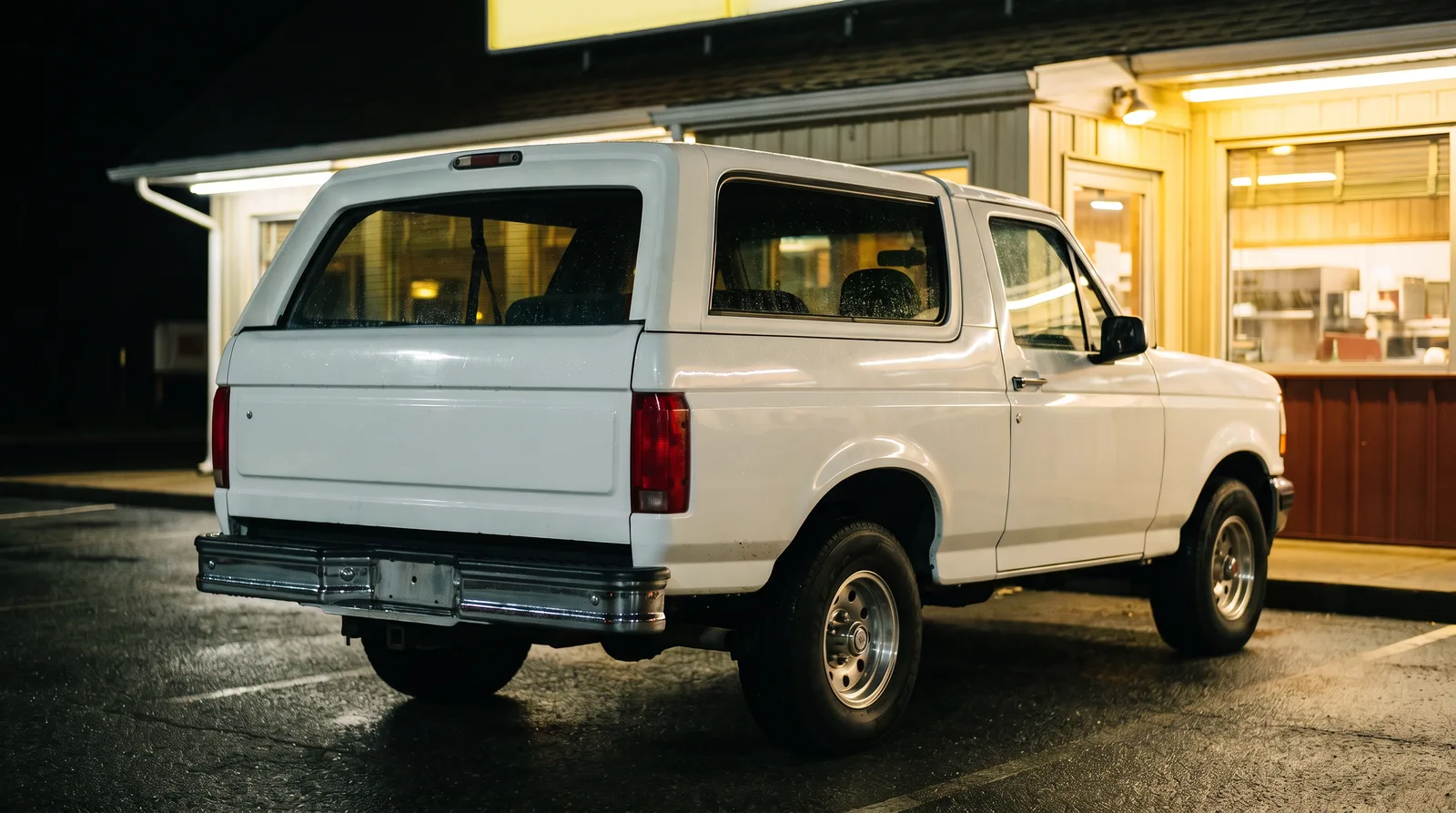
From news footage to cultural shorthand
What made the white Bronco different from most vehicles that briefly appear in a major news story is how long the reference stayed active in popular culture afterward. Within months of the 1994 televised pursuit, "white Bronco" had become a stand-alone cultural reference, invoked in television comedy, referenced in music, and repeated in casual conversation by people who could not have named a single other Ford truck model. That kind of staying power is rare. Most news-cycle vehicles fade from memory once the story that made them famous stops being current. The white Bronco kept getting referenced years, then decades, after the original event, evidence that it had crossed over from news footage into something closer to permanent cultural shorthand.
For readers who want the full lineage of the Bronco nameplate that carried this unexpected fame, the full story traces the truck's development from its very different 1966 origins.
Why the color specifically mattered
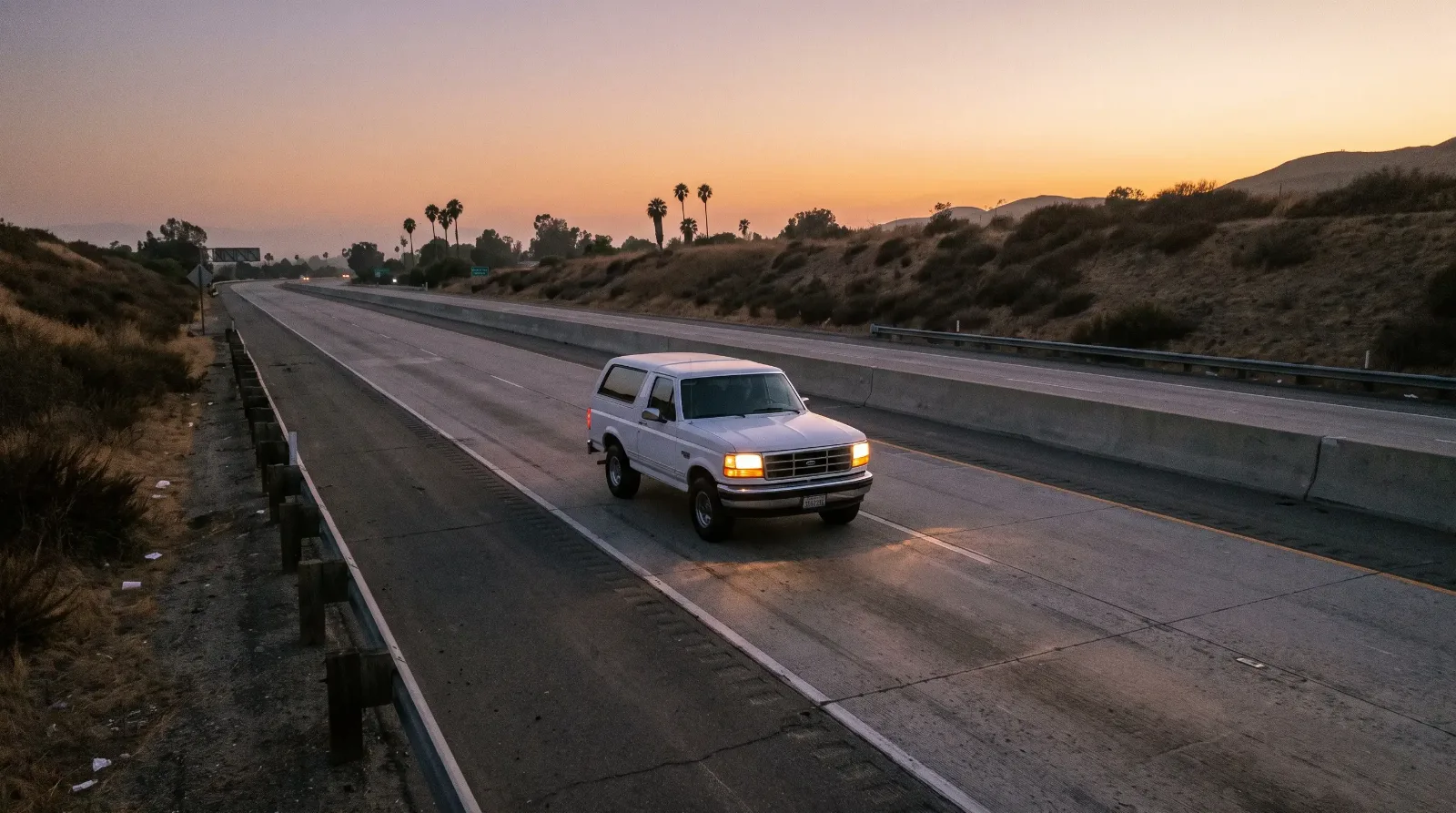
Part of what made the image so durable was how visually simple it was. A white vehicle, tracked from directly overhead by television helicopters against dark asphalt, created an image that read clearly even on the smaller, lower-resolution television screens common in American living rooms at the time. That visual clarity is part of why the color became inseparable from the story itself. A Bronco in a darker color, tracked the same way, would not have created nearly as distinct or as reproducible an image, and it is unlikely the phrase "white Bronco" would have entered the cultural lexicon with the same permanence if the truck involved had been any other shade.
How the image traveled outside the United States
What made this particular news moment unusual is how far its reach extended beyond the American television audience that watched it live. International broadcasters picked up footage of the pursuit, and the image circulated globally in a way most purely domestic American news stories never do. Visitors to the United States from countries with little cultural exposure to American truck nameplates have, for decades since, arrived already familiar with the phrase "white Bronco" purely through this single event, often with no idea the Bronco name referred to a real production vehicle with its own independent sixteen-year history. That global reach helped cement the image well outside the audience that would have otherwise recognized it, extending the icon's cultural footprint far past where a typical American news story, however large, usually travels.
The gap between the symbol and the actual truck
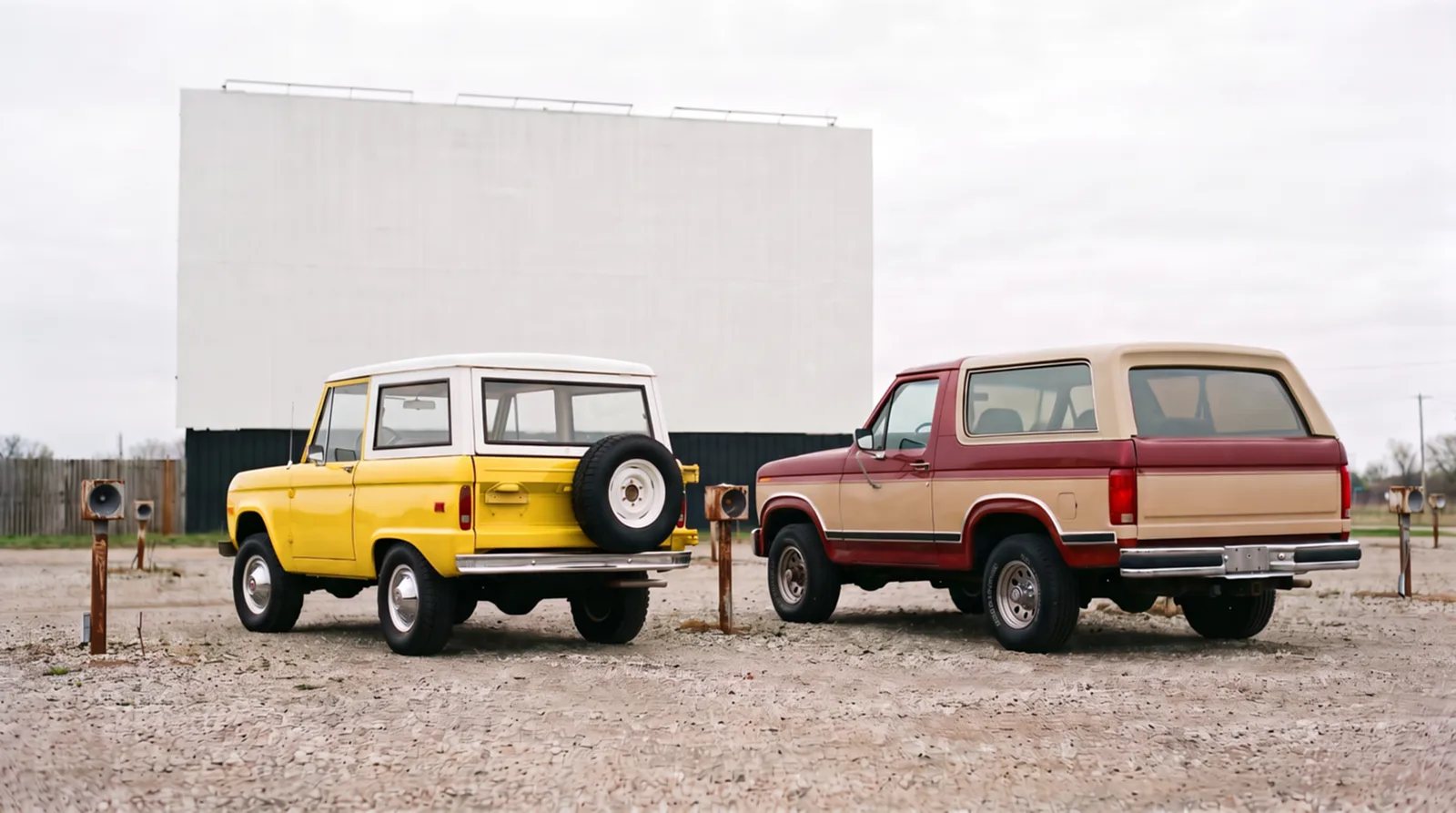
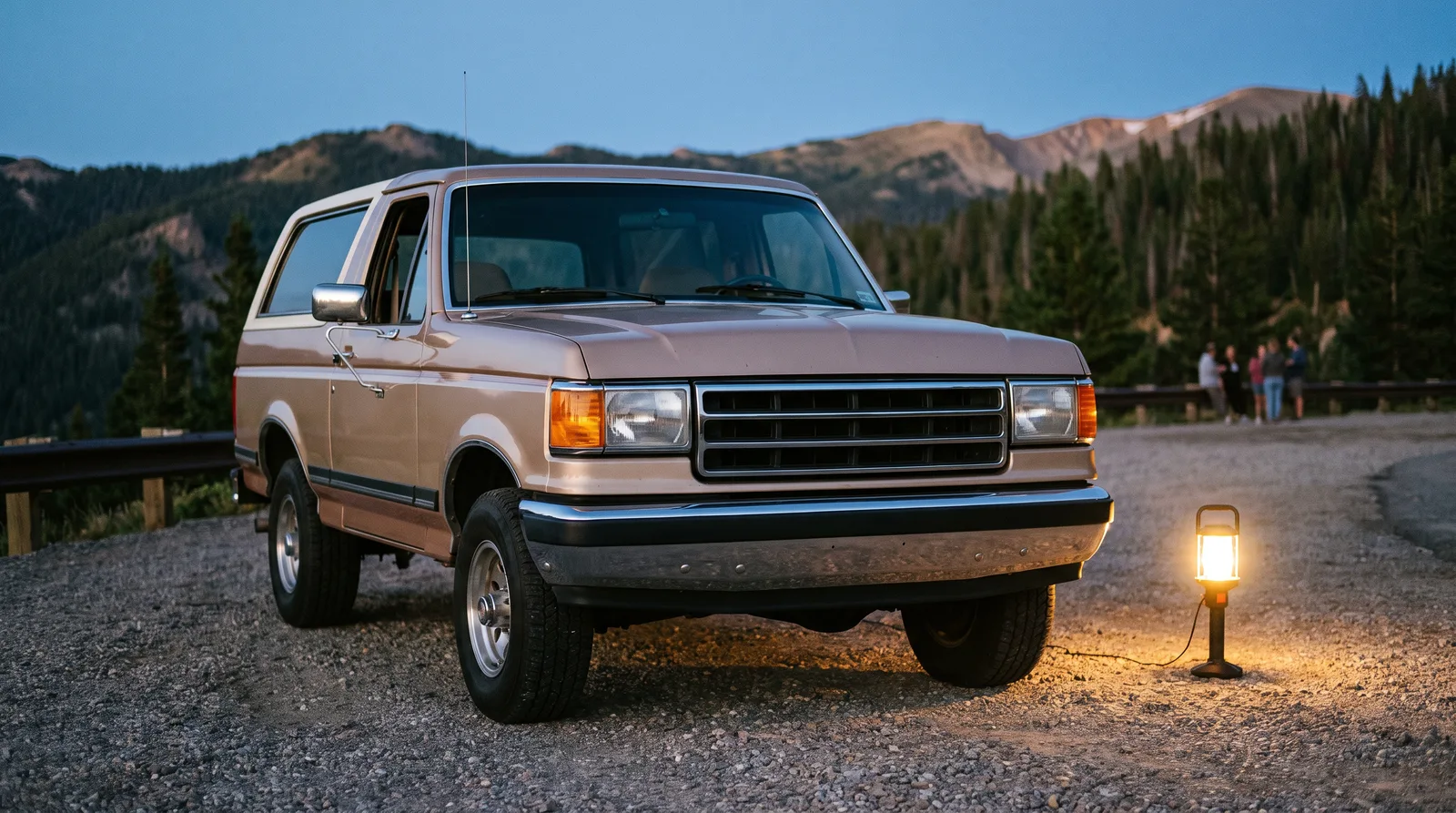
What tends to get lost in the symbol's staying power is the actual vehicle underneath it, a 1993 full-size Ford Bronco built on a genuine truck frame with real off-road capability, part of a full-size Bronco line Ford had built and refined since 1978. The cultural icon and the mechanical object are, in a real sense, two separate things that happen to share a name and a color. The icon exists almost entirely in television and cultural memory. The actual truck, and the broader full-size Bronco line it came from, has its own separate reputation among people who actually drove and worked these trucks, largely disconnected from the fame the specific color and body style picked up that one evening.
"People show up asking to see 'the' white Bronco like there was only ever one built. Ford made these things for sixteen years. The symbol is one truck's evening. The engineering behind it is a much longer, much less famous story."
- Patrick Walsh
What the icon status means for the market
Interestingly, the cultural fame has not translated into a straightforward value premium for white full-size Broncos generally. Serious collectors and buyers evaluate these trucks the same way they evaluate any full-size Bronco, on condition, mechanical health, and originality, largely independent of paint color or any association with the 1994 event. If anything, some buyers specifically steer away from white examples simply to avoid the inevitable jokes at car shows, a small but real quirk of how the icon status plays out in practical ownership rather than in headline auction prices.
How the reference kept renewing itself
Most cultural references have a natural half-life, growing fainter with each passing year as the audience who remembers the original event ages out and newer generations have no direct memory to draw on. The white Bronco reference has resisted that pattern more stubbornly than most, partly because it gets periodically reintroduced to new audiences through documentaries, retrospective television specials, and anniversary news coverage revisiting the 1994 event on its major decade markers. Each of these moments reintroduces the image to viewers who were too young to have experienced it live, effectively resetting the cultural clock on a reference that might otherwise have faded the way most single-event news images eventually do. That cycle of periodic rediscovery is unusual, and it is a large part of why the phrase has remained legible to audiences decades removed from the original broadcast.
Toy and model manufacturers have occasionally leaned into the recognition as well, producing die-cast and scale replicas of full-size Broncos in white that trade, whether explicitly marketed this way or not, on some degree of that same instant recognizability. This is a strange kind of commercial afterlife for a vehicle whose fame originated entirely outside of any marketing effort, and it illustrates just how thoroughly the color and shape combination embedded itself in the broader visual vocabulary of American pop culture.
A symbol that outlived its moment
Few vehicles in American history have carried a single evening's fame this far into ordinary cultural vocabulary. The white Bronco icon status says less about the truck's engineering than it does about the power of a simple, clear television image to embed itself permanently in a national memory. For buyers more interested in the truck than the symbol, the better starting point is always the vehicle itself, and shoppers ready to look past the reference can browse classic Bronco listings and evaluate these trucks on their own genuine merits, judged by frame condition, drivetrain health, and history rather than by a single evening of television footage from three decades ago.
Sources and notes
Related Reading

Have a
Ford Bronco
for Sale?
Reach thousands of serious classic car collectors across the US.
Sell It Here →
Selling a classic? Here's how: sell my classic car
Are You a Classic Car Dealer?
List your full inventory and connect with targeted classic car buyers.
Join as a Dealer →
#Ford Bronco
#classic truck culture
#full-size bronco
#Bronco history
#Bronco pop culture
#white Bronco

About the author
Patrick Walsh
Automotive journalist covering classic car shows, events, and the enthusiast community across North America.
Related Listings - Ford Bronco
Comments
Be the first to comment on this article.