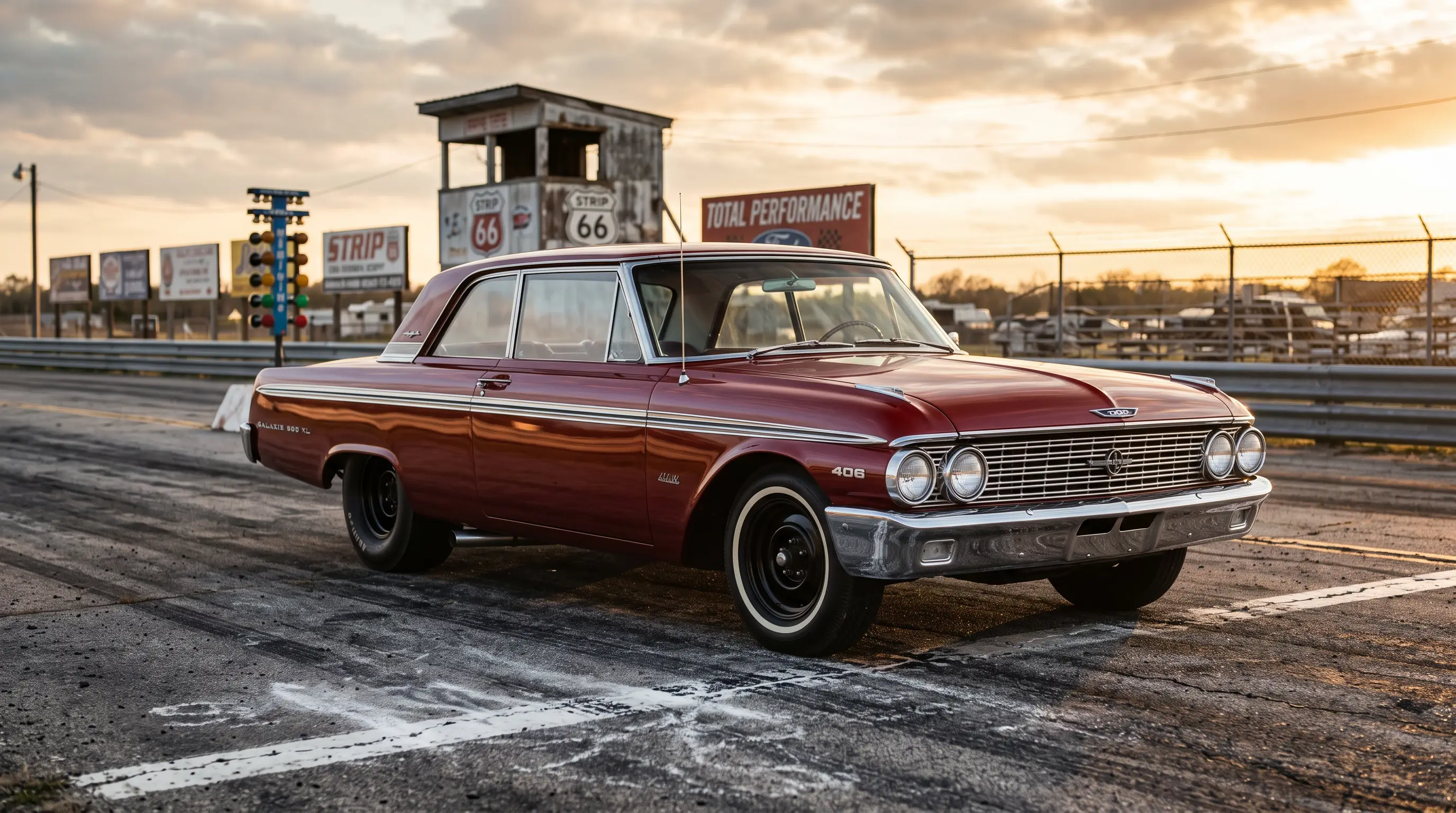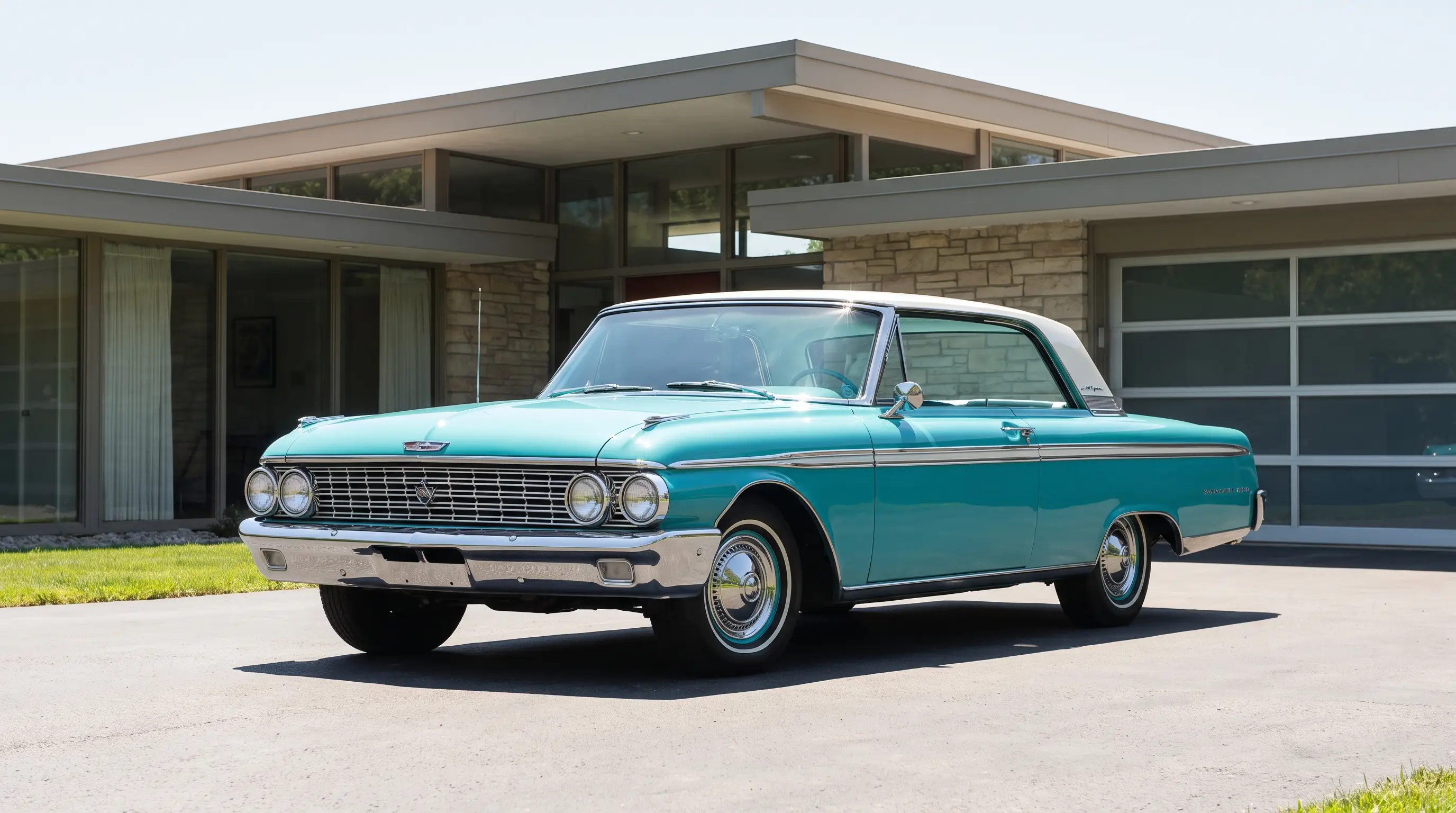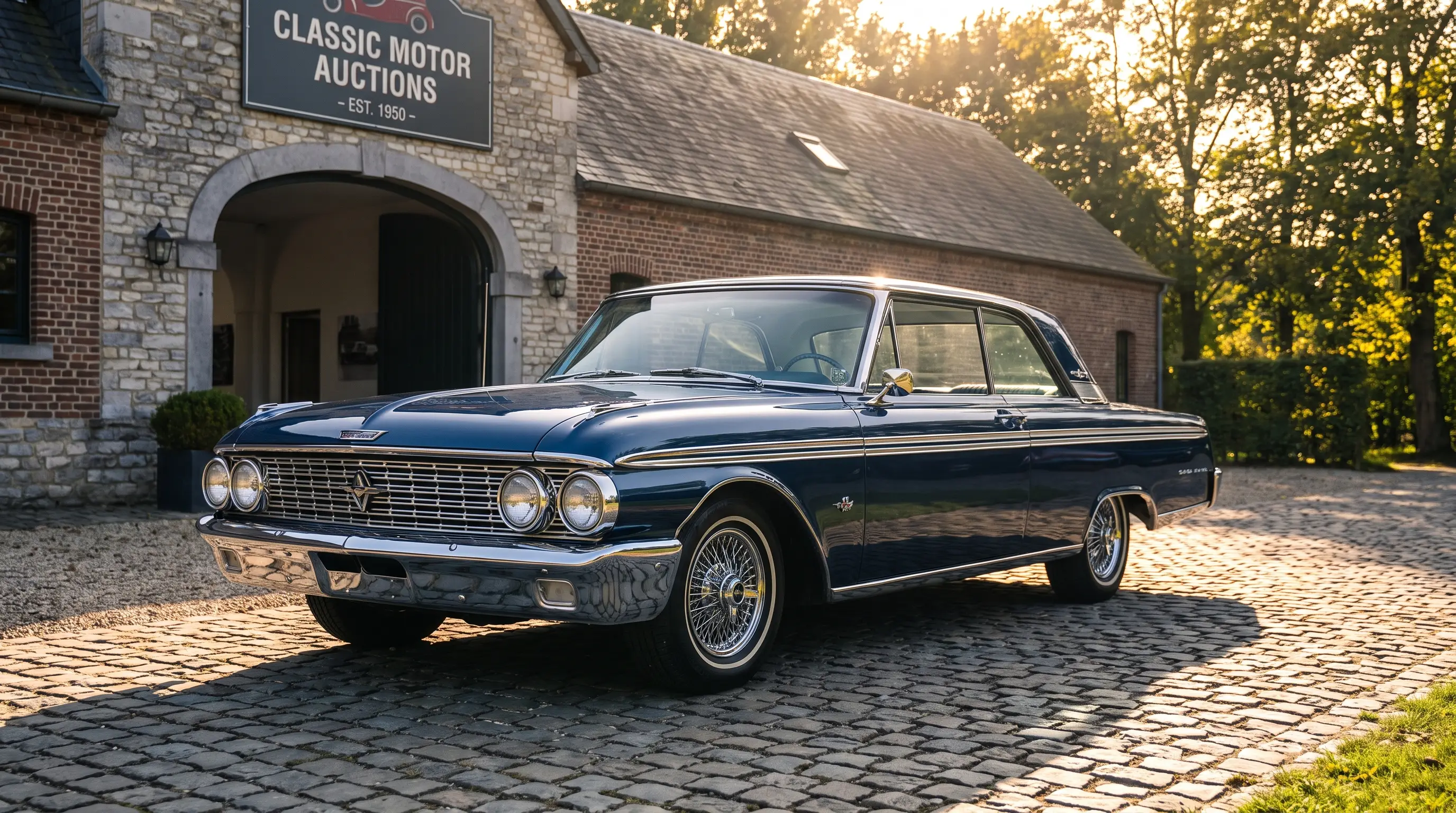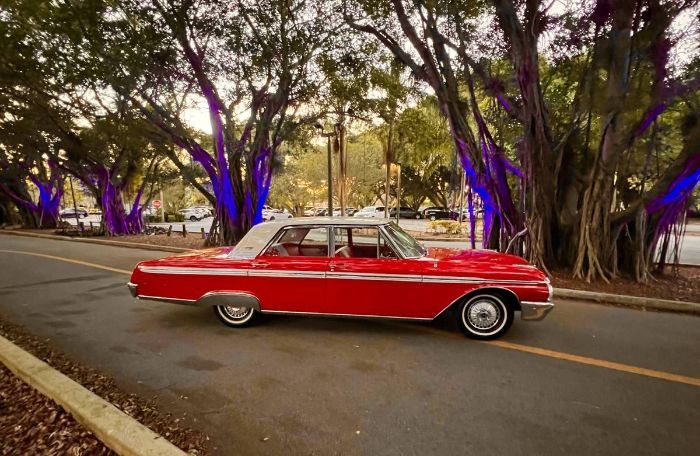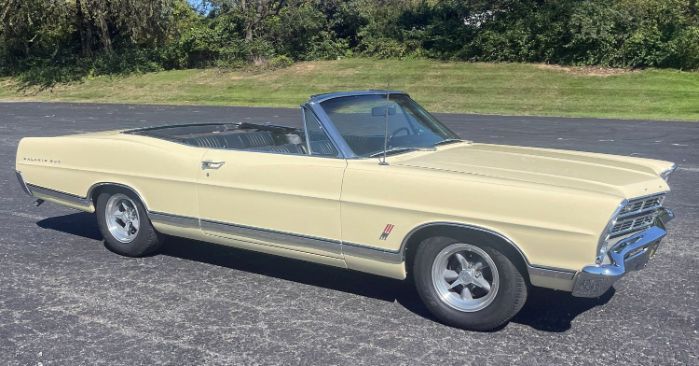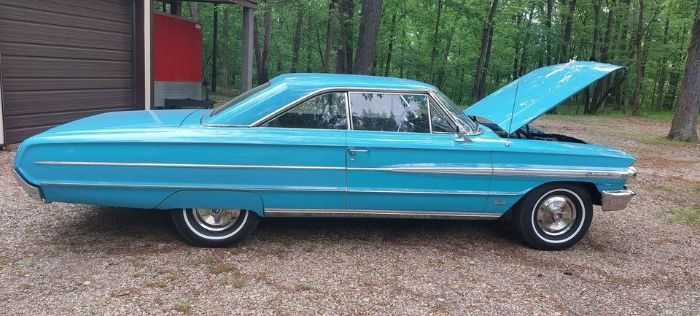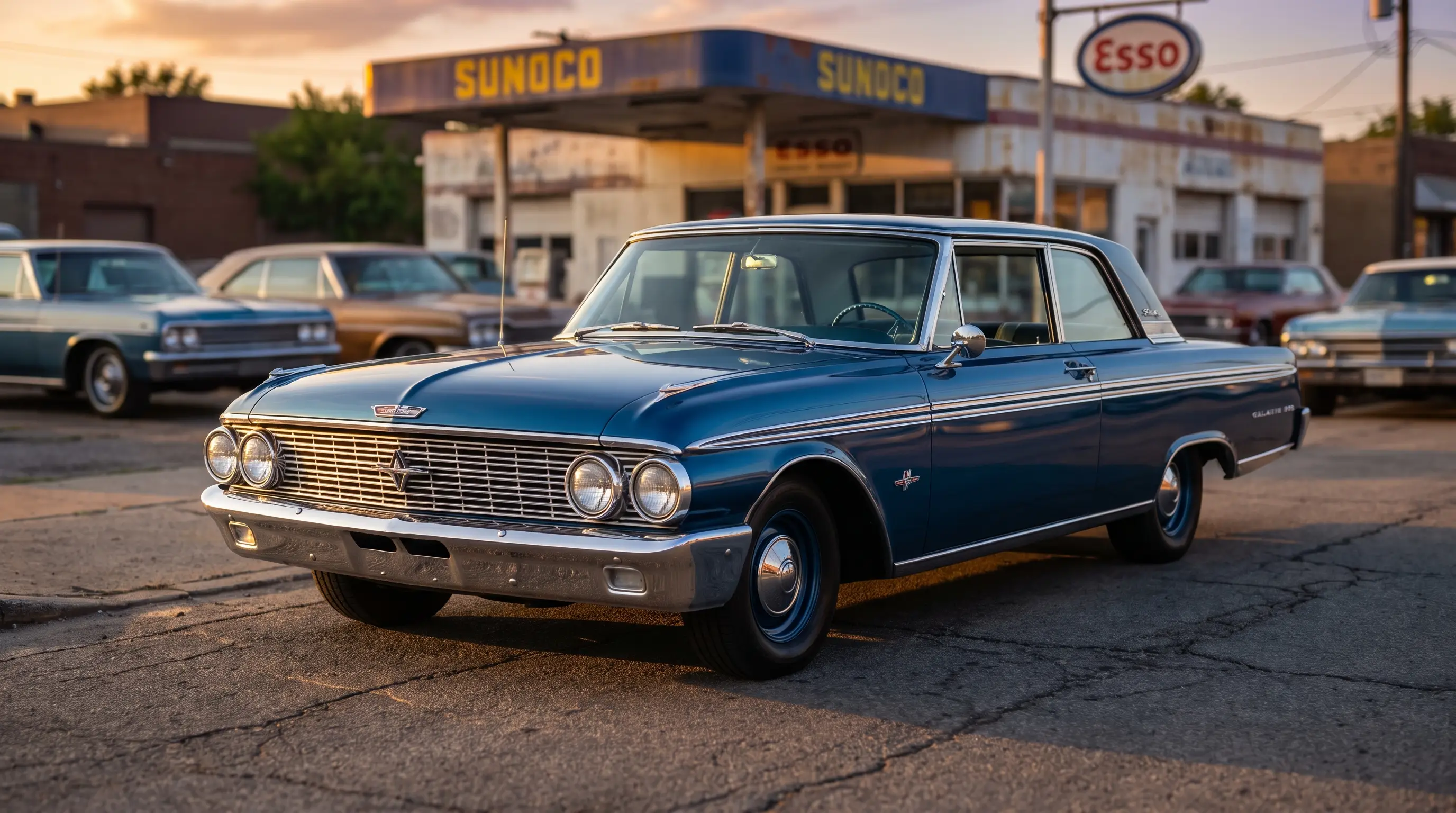
The ford galaxie 1962 ownership scene today looks very different from the way this car was owned when it first left the showroom, and understanding that shift matters as much as understanding the car's original specifications. What was once a mainstream family sedan, bought without much fanfare by ordinary buyers, is now a documented collector object supported by a network of clubs, parts specialists, and judges who take the small details of this specific model year seriously. Owning one properly in the present day means engaging with that whole ecosystem, not just the car itself.
From daily driver to documented artifact
For most of the 1962 Galaxie's life, ownership was a practical matter rather than a curatorial one. Cars were driven, traded in, modified for whatever the owner needed at the time, and eventually scrapped or passed down without much thought given to originality. That pattern has reversed for the surviving population of these cars, and today's owners are far more likely to be thinking about correct trim codes and original casting numbers than their counterparts were in 1968. Where this started lays out the full model year background, but the ownership culture around the car has its own separate arc worth understanding on its own terms.
Clubs and the knowledge they actually preserve
Full-size Ford clubs and broader early 1960s Ford enthusiast organizations have become the primary keepers of institutional knowledge about cars like the 1962 Galaxie, and that role has grown more important as the people who worked on these cars professionally in period have aged out of active participation. Club newsletters, forum archives, and organized technical sessions now carry information that used to live informally in dealer service departments and independent garages, a genuine transfer of expertise from a commercial context into a hobbyist one. Anyone seriously restoring or maintaining a 1962 Galaxie today benefits enormously from tapping into this network rather than trying to work everything out independently.
Judged shows built around Ford's full-size cars from this era have also sharpened what "correct" actually means for a given trim and body style, pushing owners toward more rigorous documentation than casual restoration standards from decades past ever demanded.
Parts availability, honestly assessed
The reproduction parts market for full-size early 1960s Fords is genuinely uneven, strong in some categories and thin in others, and any honest accounting of the ownership experience needs to say so plainly. Trim pieces and interior soft goods for the more common configurations have decent reproduction support today, while specific hardware tied to less common trims like the Galaxie 500 XL or specific engine-related components for 406-powered cars remain harder to source and often depend on the used parts market rather than reproduction manufacturing, a gap that owners and club members consistently report and that shoppers should confirm against current supplier catalogs before assuming a part is readily available. Owners entering this hobby today should budget both money and patience accordingly, since a straightforward restoration timeline on paper can slow considerably once a specific original part proves difficult to locate.
This unevenness has, in turn, created its own small economy of parts cars, salvage specialists, and swap meet relationships that experienced owners rely on more than any single reproduction catalog.
Who is actually buying these cars now
The ownership demographic has shifted meaningfully over the past two decades, moving away from buyers with a direct personal memory of the car's original era and toward a mix of dedicated marque enthusiasts and younger collectors drawn to the car's design and history rather than personal nostalgia. That shift changes what buyers actually want from a car. Original-era buyers often prized outright performance or modification potential. Today's buyers, on average, weight documentation, originality, and historical significance more heavily, which is part of why properly documented 406 and 500 XL cars have moved further ahead of base trim cars in the market than the underlying engineering difference alone would explain.
Insurance, storage, and the practical side nobody markets
Beyond parts and community, the practical mechanics of modern ownership have changed the calculus in ways that rarely make it into nostalgic writing about these cars. Agreed-value collector insurance policies have made it considerably easier to protect a documented, well-restored 1962 Galaxie without paying standard market-rate premiums built around daily driven vehicles, provided the owner keeps appraisal documentation current. Climate-controlled storage, once a luxury reserved for the most valuable collector cars, has become a realistic option for a much wider range of owners, and that shift matters specifically for a full-size Ford body prone to the same rust patterns that affect every unibody-adjacent structure of this era around wheel arches, rocker panels, and trunk floors.
None of this is glamorous information, but it is exactly the kind of unglamorous groundwork that separates an owner who keeps a car for decades from one who loses it to a problem that proper storage and insurance would have prevented or at least caught early.
What a new owner should actually expect
Anyone considering entering this ownership scene today should expect a genuine, well-supported hobby rather than an orphaned one. There is real community, real accumulated expertise, and a real, if occasionally patchy, parts supply chain. What buyers should not expect is a simple, low-effort ownership experience free of the documentation and sourcing challenges described above. Going in with realistic expectations about both the rewards and the friction points makes for a far better first year of ownership than going in expecting the car to behave like a modern collector vehicle with a deep, uniform parts catalog behind it.
If this ownership landscape sounds like one you are ready to join, you can shop classic Galaxie listings and start the search with a clearer picture of what supporting the car will actually look like once it is in your driveway.
It is also worth saying plainly that entering this scene today is easier in some respects than it was even fifteen years ago, thanks largely to how much documentation and technical discussion has migrated online. Where a new owner in an earlier decade might have needed years to find the right regional contacts, today's owner can often locate a specific casting number reference, a correct trim code chart, or a knowledgeable parts source within a single evening of searching club archives and enthusiast forums. That does not eliminate the friction points described above, but it does compress the learning curve considerably, letting a genuinely motivated new owner get up to speed on this specific model year faster than the hobby's reputation for slow, word-of-mouth knowledge transfer might suggest.
The tradeoff is that this same online visibility has made documentation claims easier to fabricate as well as easier to verify, which loops back to a theme that runs through every serious conversation about this car's ownership today. The tools for verification have improved. So has the incentive to skip using them. New owners who take the extra hour to actually check a claim against a club's known reference material, rather than trusting a forum post at face value, consistently end up better served than those who do not.
"The clubs are doing the work that dealer service departments used to do. That is not a downgrade, it is just a different, slower kind of institutional memory, and it works if you actually plug into it."
- Tom Ramirez