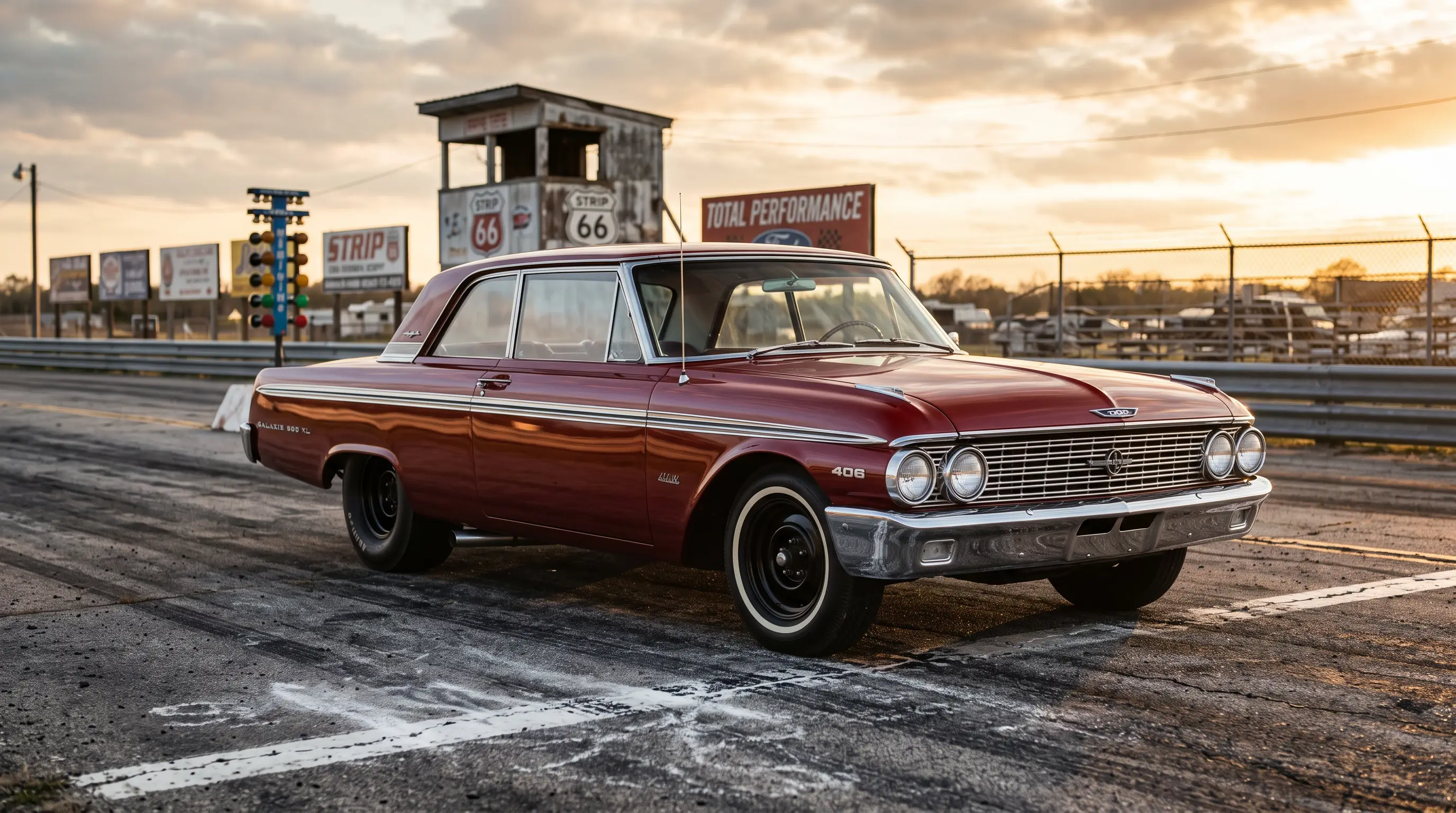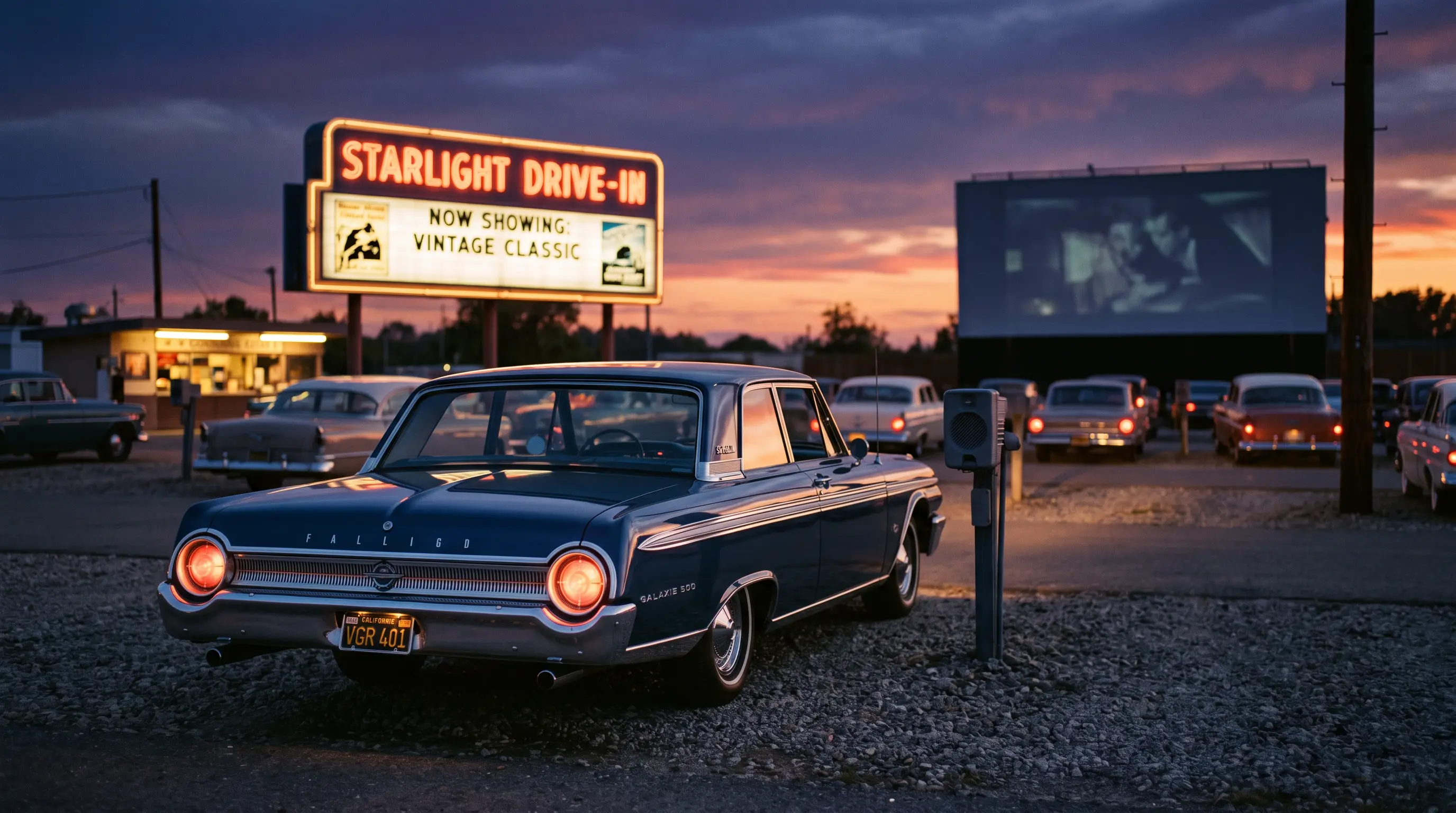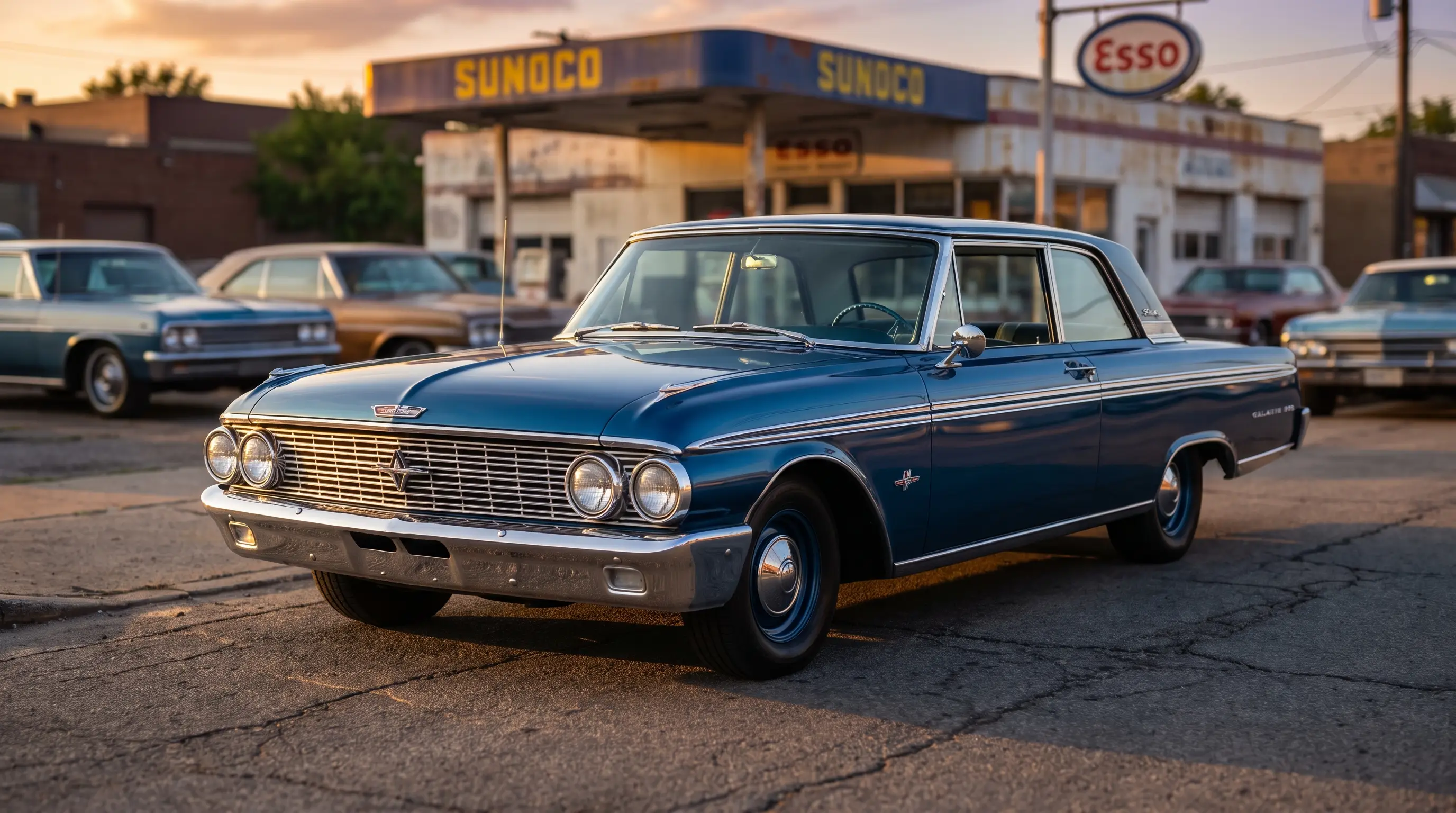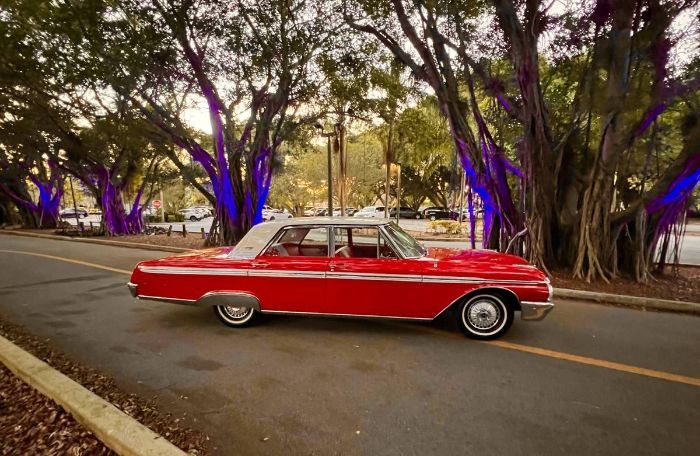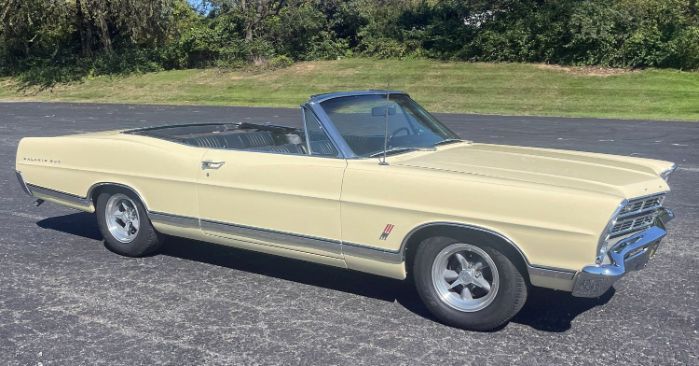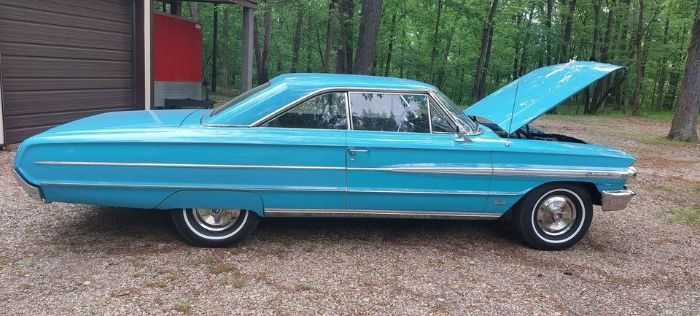
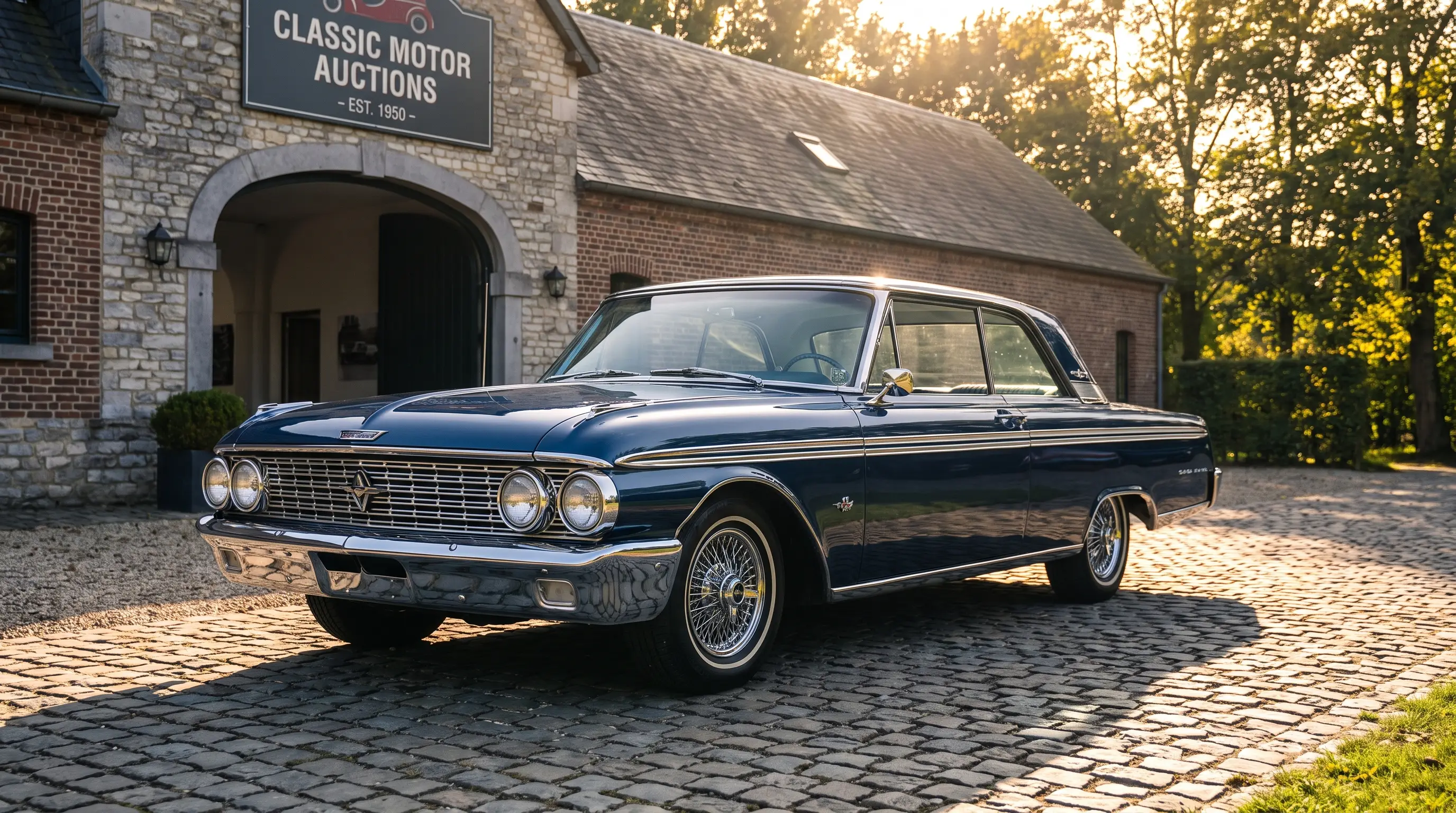
Every serious ford galaxie 1962 collectibility narrative eventually has to answer one blunt question, why this particular year out of a full-size Ford run that spanned more than a decade. The short answer is that 1962 sits at a genuine inflection point, the debut year for the sportier Galaxie 500 XL trim, the first year for the 406 engine, and a car built during Ford's transition from a comfort-first brand into one that wanted a real performance reputation. That combination of firsts is exactly what collectors reward, and the auction results back it up.
Why 1962 specifically sits above the surrounding years
Collectibility in this segment usually tracks a simple formula, rarity multiplied by significance. A 1962 Galaxie with the 406 engine checks both boxes in a way that a 1961 or 1964 example generally does not. The 406 was only offered for two model years before Ford moved on to the 427, which means 406-powered cars are inherently scarcer than the small-block or 390-powered cars that made up the bulk of Galaxie production. Layer the debut of the 500 XL trim on top of that scarcity and you get a genuinely narrow, genuinely desirable slice of the model year that collectors have started pricing accordingly, though exact auction premiums shift with each sale season and are best checked against current results rather than treated as fixed.
For the fuller model year context behind this collectibility case, the whole picture lays out the specifications and history, but the market data is what actually separates 1962 from being just another full-size Ford year in the eyes of a serious buyer.
What the auction results actually show
Clean, documented 406 Galaxies, particularly Tri-Power cars with manual transmissions, have consistently commanded a real premium over comparable 390-powered cars at auction, a gap that has widened rather than narrowed as the pool of correctly documented 406 cars shrinks. Galaxie 500 XL examples with bucket seats and console, especially convertibles, sit in their own tier above standard Galaxie 500 hardtops and sedans, reflecting both the lower original production numbers for that trim and the genuine collector appetite for the sportiest configuration Ford offered that year.
Base six-cylinder sedans, by contrast, remain affordable entry points into the model year, and that split, premium performance cars at one end and accessible daily driver candidates at the other, is a healthy sign for the segment's overall liquidity. It means there is a real market at every price point rather than a thin market concentrated entirely at the top.
The honest risks buyers need to weigh
No collectibility case is complete without the downside, and the biggest one here is documentation fraud. Because 406-powered cars and XL trims carry a genuine premium, the incentive to misrepresent a standard car as one of the rarer configurations is real, and buyers who do not verify casting numbers, data plates, and build sheets against the actual car in front of them are exposed to real financial risk. This is not a theoretical concern, it is the single most common way buyers overpay in this segment, and it deserves more attention than most casual buying guides give it.
The second risk is liquidity timing. Collector car values move in cycles, and a car bought at the top of an enthusiasm wave for a specific model year can sit for a long time before the market catches back up if a buyer needs to sell. 1962 Galaxies are not immune to that broader cyclicality just because their specific story is strong.
Reading condition against configuration
Configuration alone does not determine value, and treating it as if it does is one of the more common mistakes buyers make in this segment. A rough, needs-everything 406 XL and a crisp, well-sorted 390 Galaxie 500 hardtop are not automatically priced in the order their configuration would suggest. Restoration cost on a rare configuration car is not meaningfully lower than restoration cost on a common one, since the labor and materials involved in bodywork, paint, and mechanical rebuilding do not care what engine or trim code the car carries. What changes is the ceiling once the work is done, not the floor while the work is being priced out.
Buyers who skip this step and simply pay a rarity premium on a car that also needs a full mechanical and cosmetic overhaul often end up with total investment numbers that exceed what a comparable finished car would have cost outright. Running the actual math on purchase price plus realistic restoration cost, rather than anchoring on the rarity premium alone, is the single best habit a buyer in this segment can develop, and it is the habit that separates disciplined collectors from buyers who end up disappointed at trade-in time.
My actual read on this segment
Documented 406 cars and genuine Galaxie 500 XL examples are a buy, provided the paperwork checks out and the price reflects genuine scarcity rather than a seller's optimistic guess. Undocumented cars claiming rare specifications without paper support are a pass at any meaningful premium, since the downside risk of buying a misrepresented car outweighs the upside of hoping it turns out legitimate. Base trim, base engine cars remain a reasonable buy purely as usable classics, not as an appreciation play, and buyers should treat them that way rather than expecting outsized returns.
That is the honest shape of this market. If the documented, higher-tier end of it is what you are targeting, you can find a classic Galaxie in that range, but bring the same skepticism to a listing that you would bring to any other collectible with a real premium attached to a specific, verifiable configuration.
One more factor worth building into the analysis is where the broader full-size muscle segment sits in the collector cycle right now relative to two-door pony cars and pillarless coupes from the later 1960s. Full-size performance cars from the early part of the decade have historically traded at a discount to their smaller, sportier successors, largely because the culture's popular memory skews toward the pony car boom rather than the full-size era that preceded it. That discount has been narrowing as buyers with genuine period knowledge age into serious purchasing power and specifically seek out the cars they remember or the cars their fathers actually owned, rather than the cars that later became famous through mass media. A 1962 Galaxie 406 sits squarely in the path of that generational rediscovery, which is part of why I expect the current pricing gap to keep closing rather than staying flat over the next several seasons of auction activity.
"The premium on a documented 406 XL is real and it is earned. The premium some sellers try to charge on an undocumented car claiming the same thing is not, and buyers need to be able to tell the difference."
- David Mercer