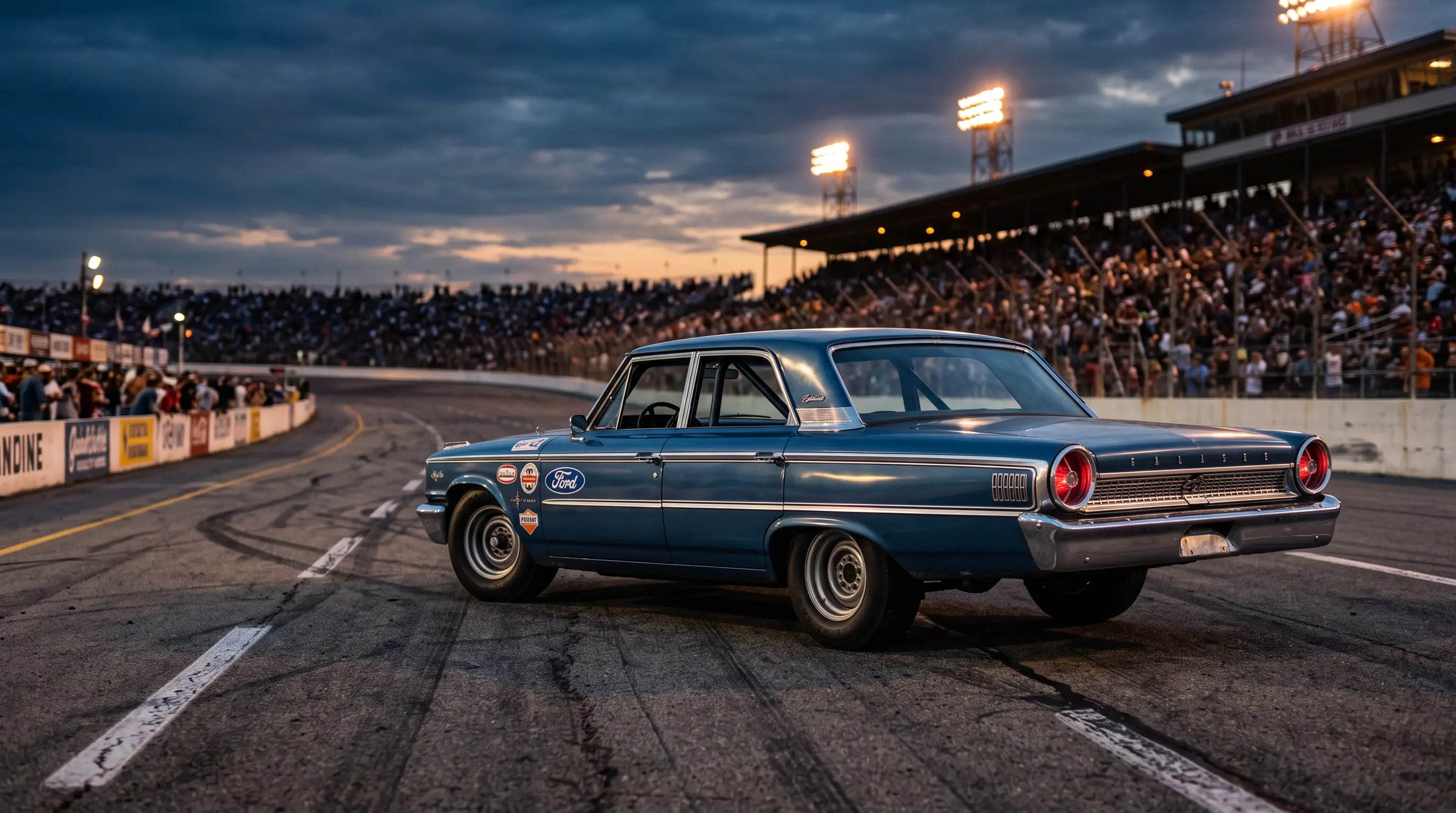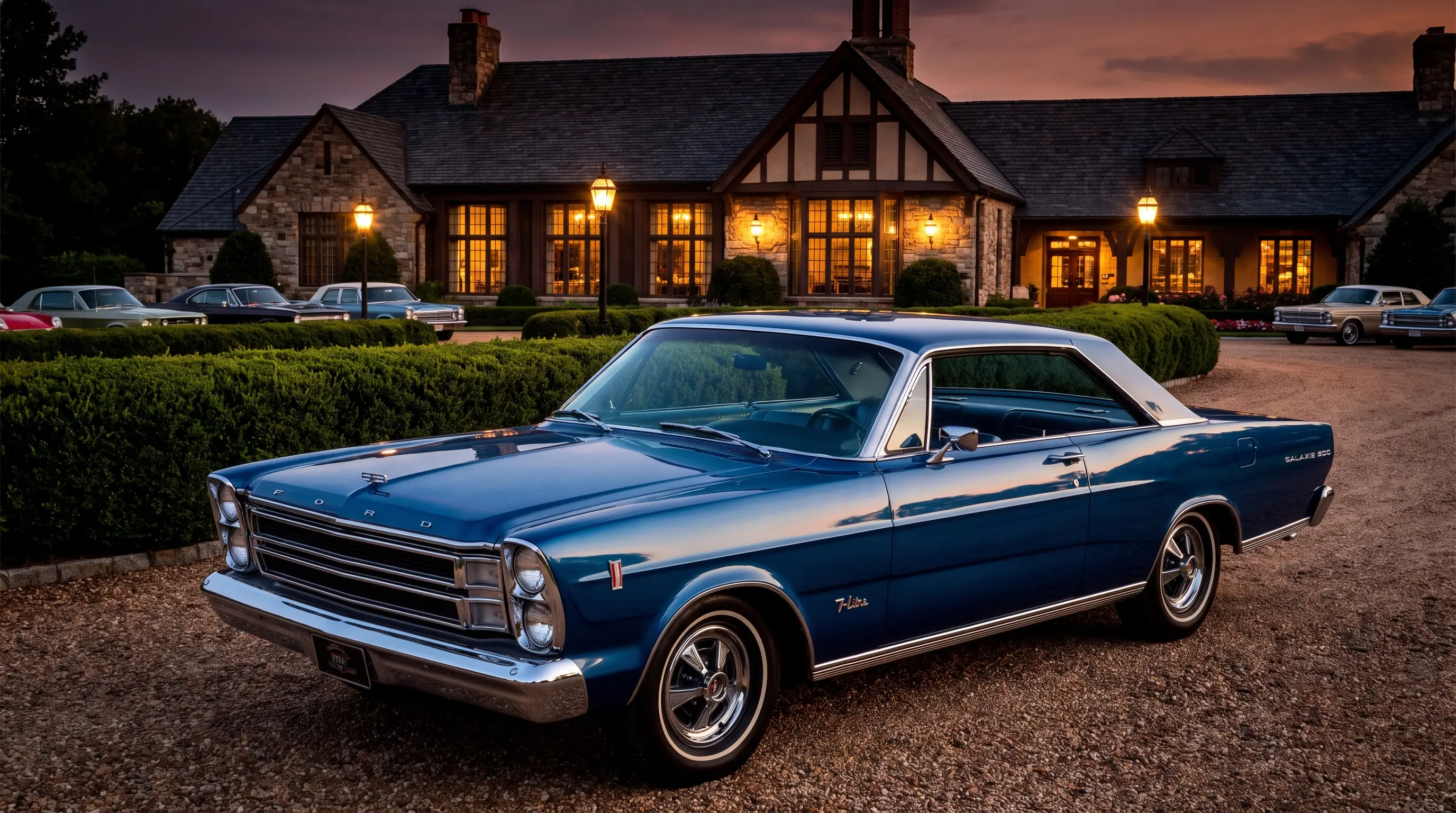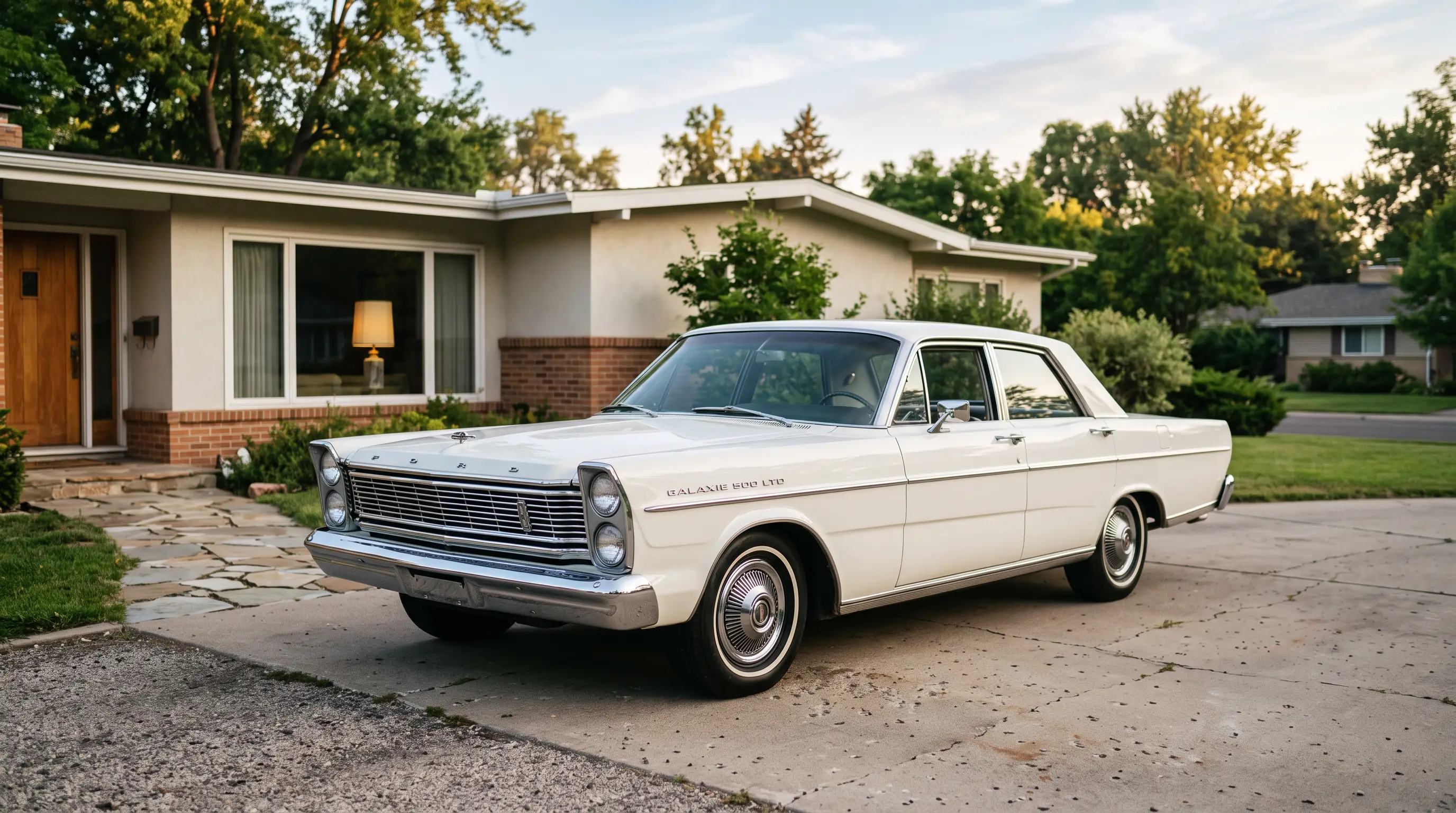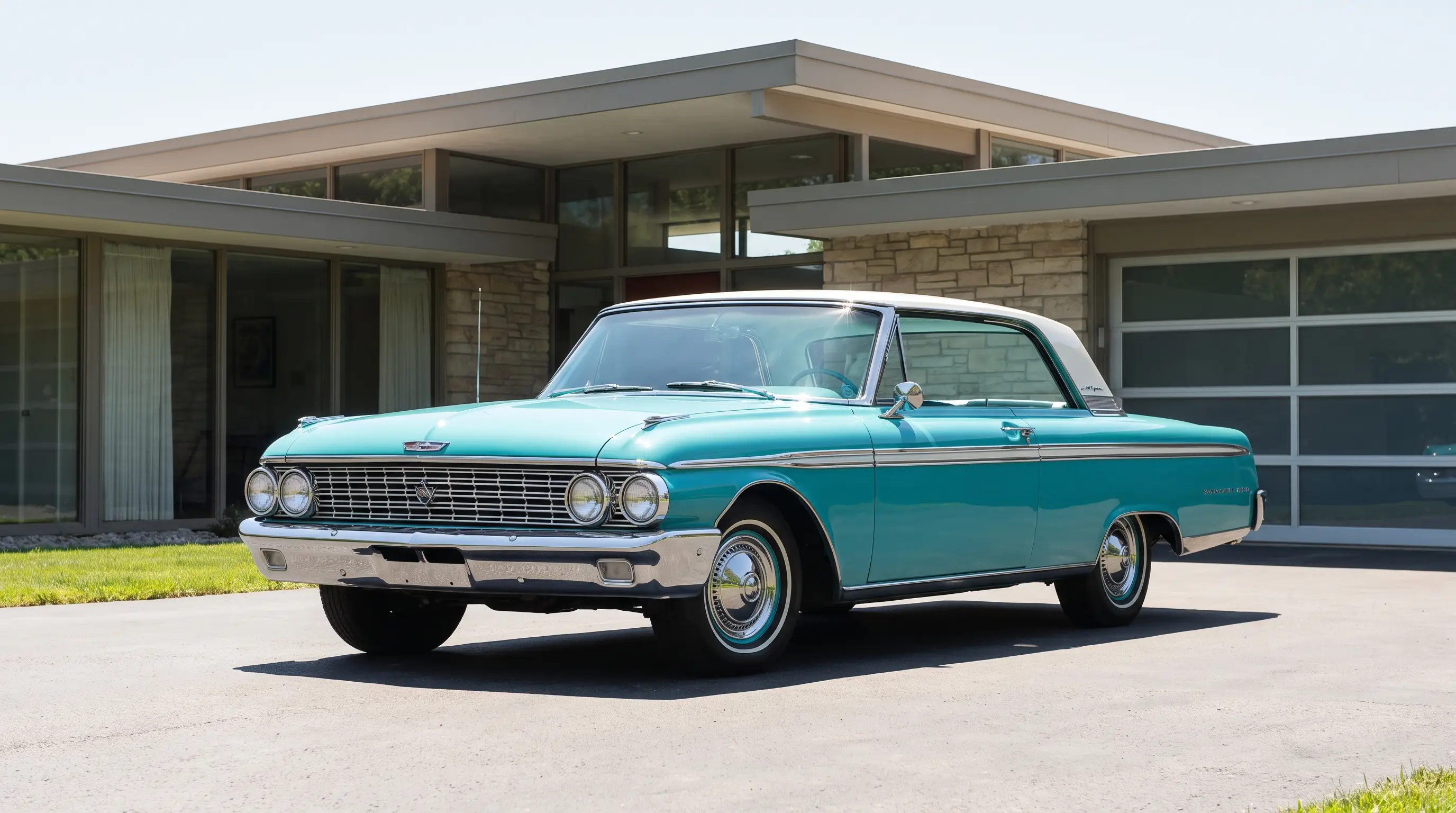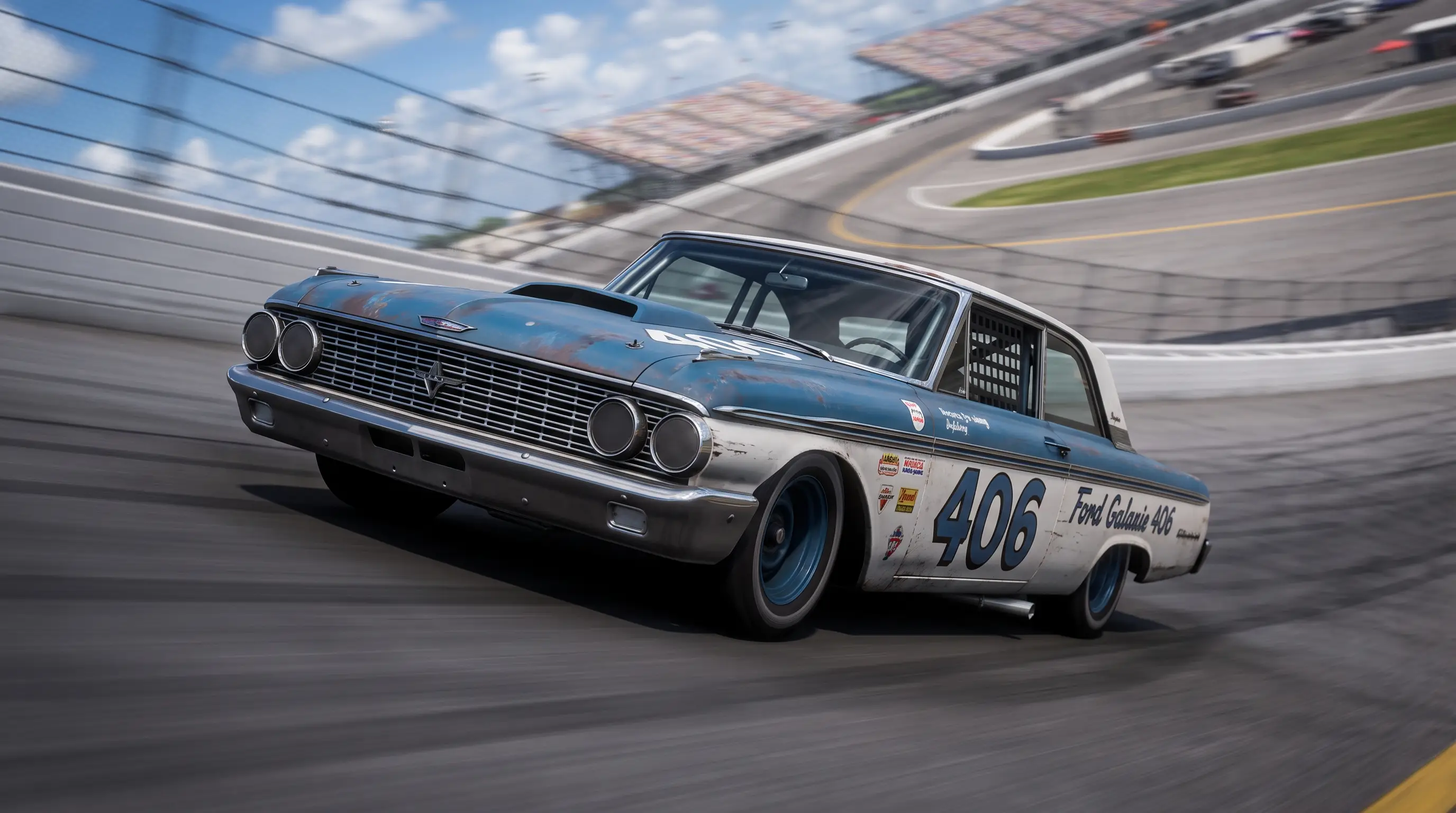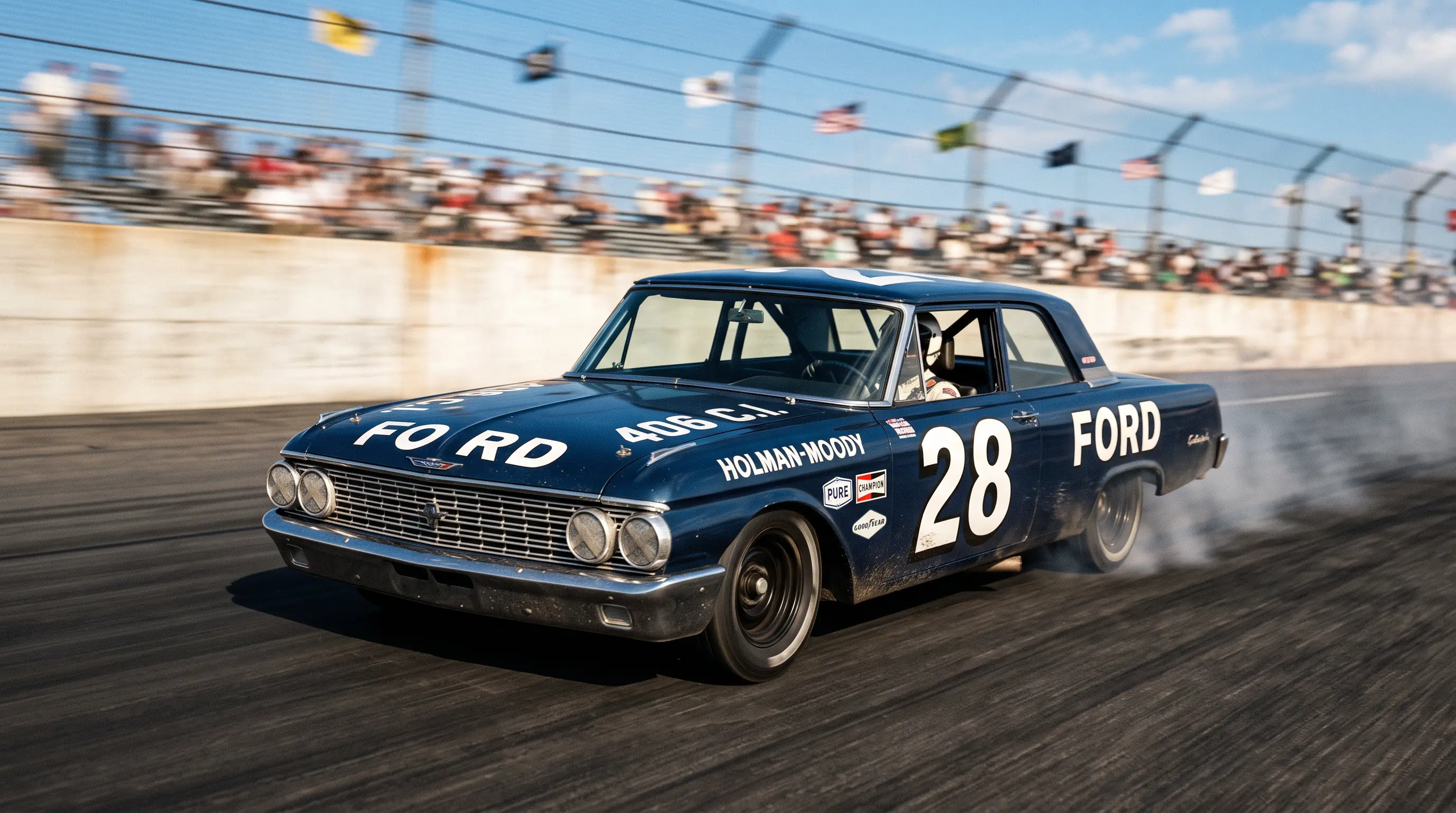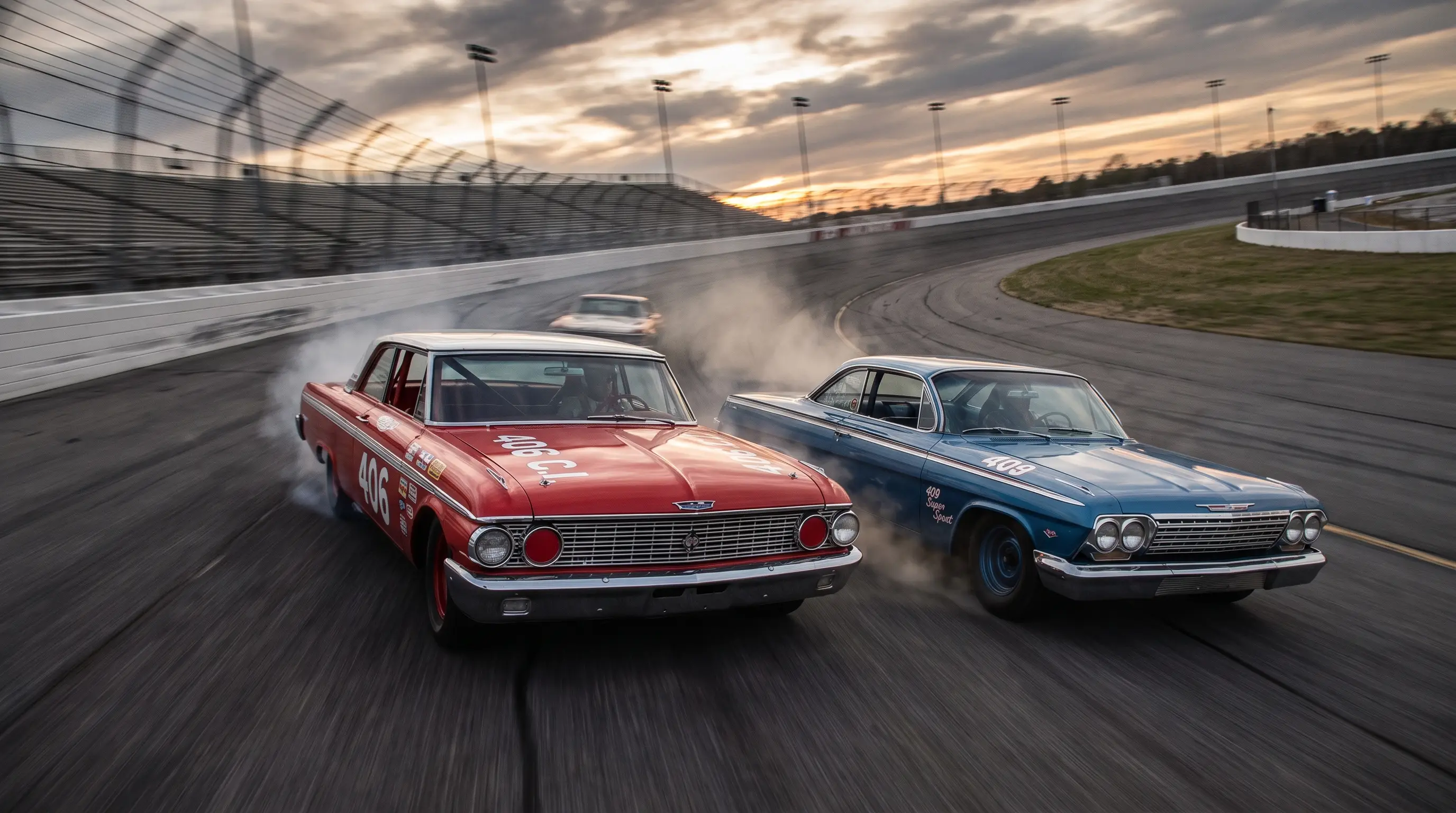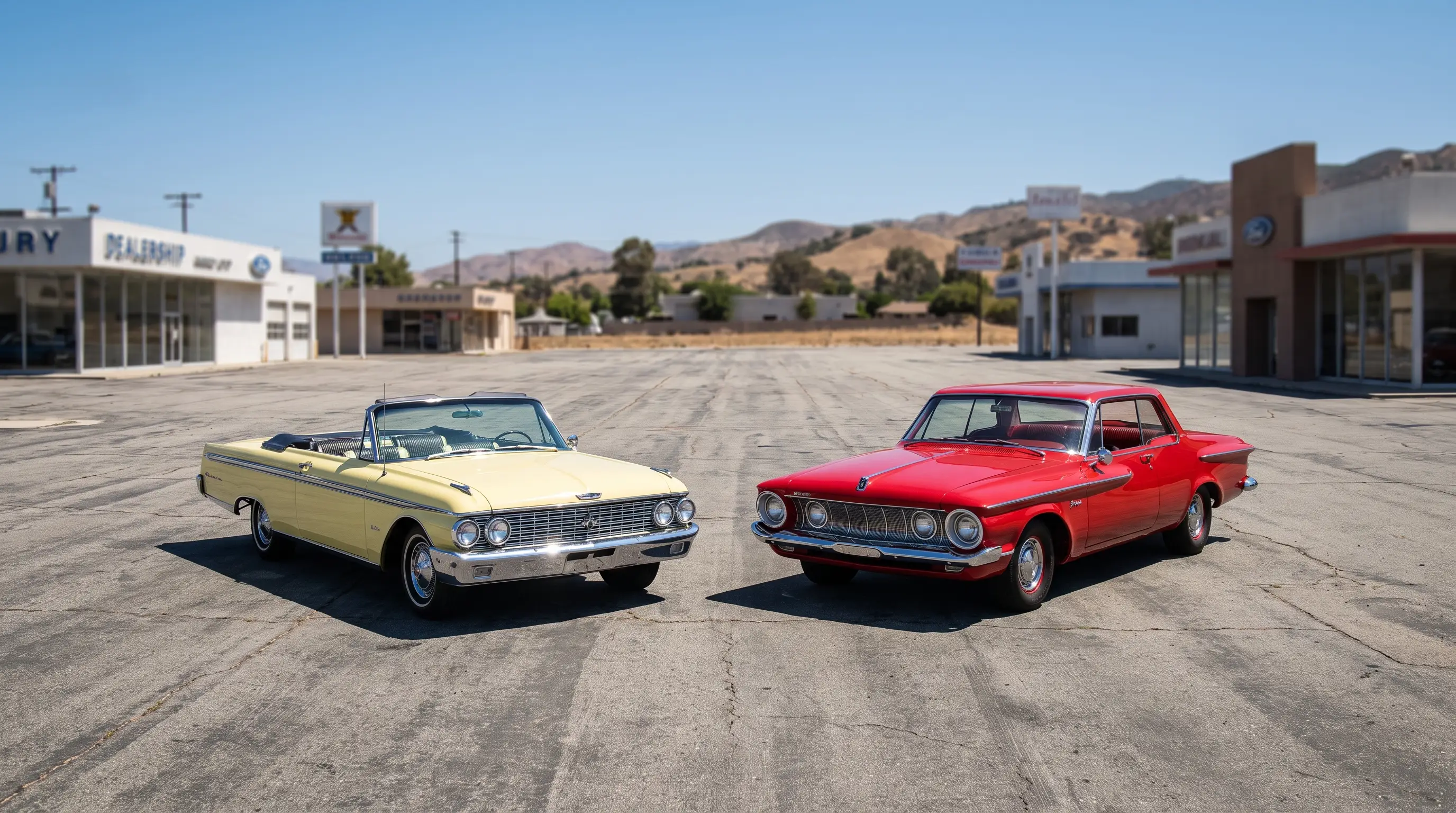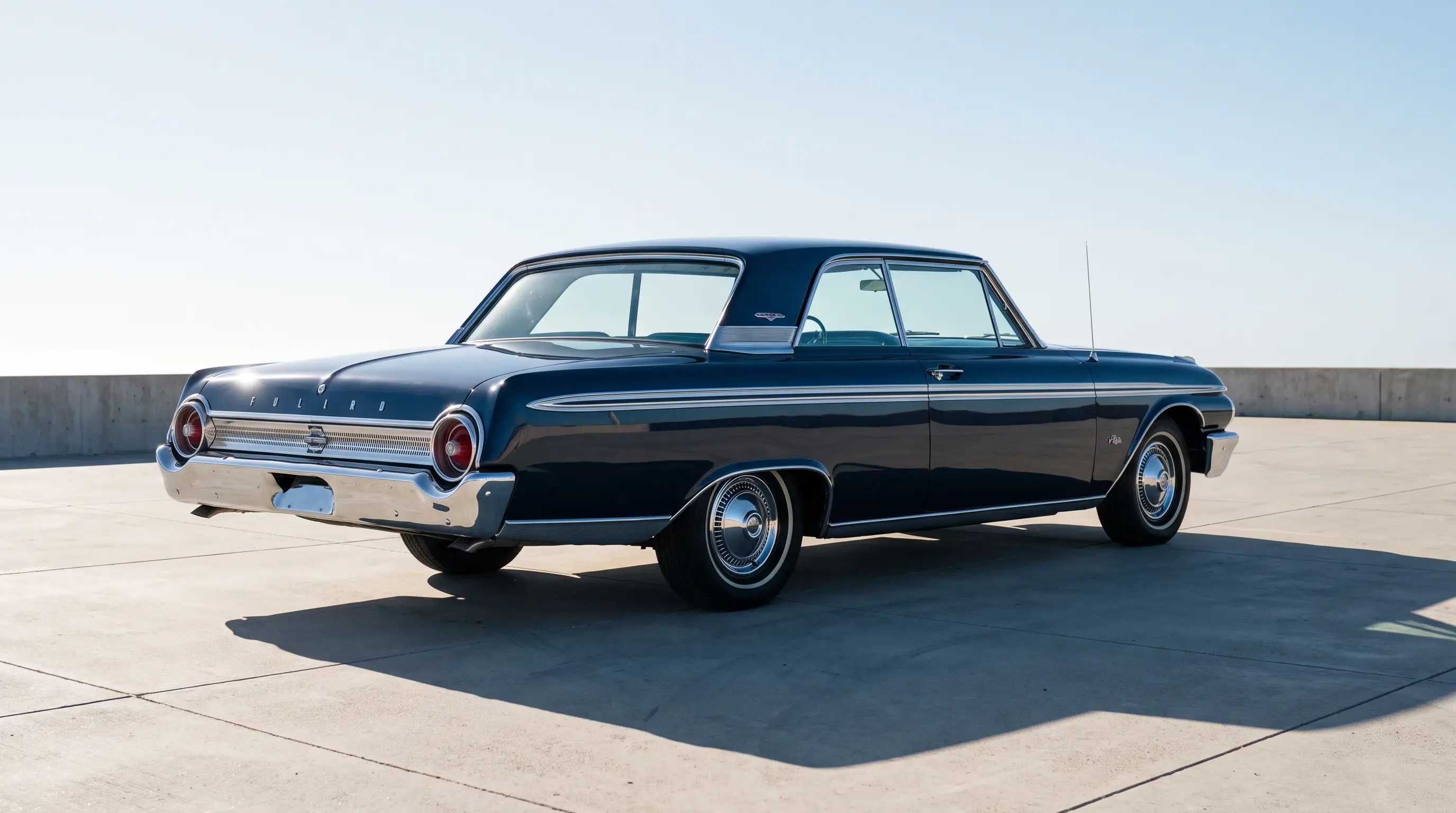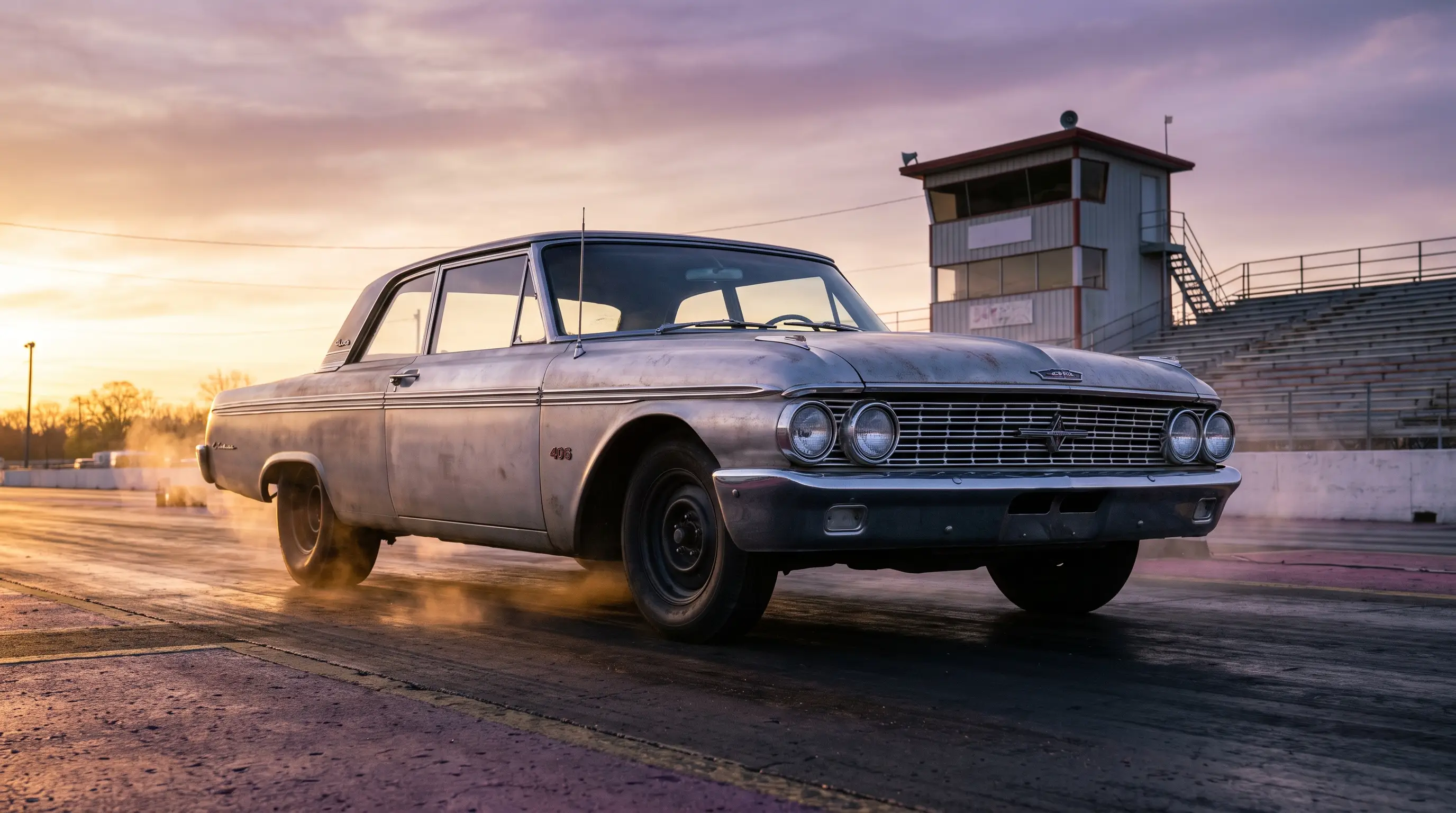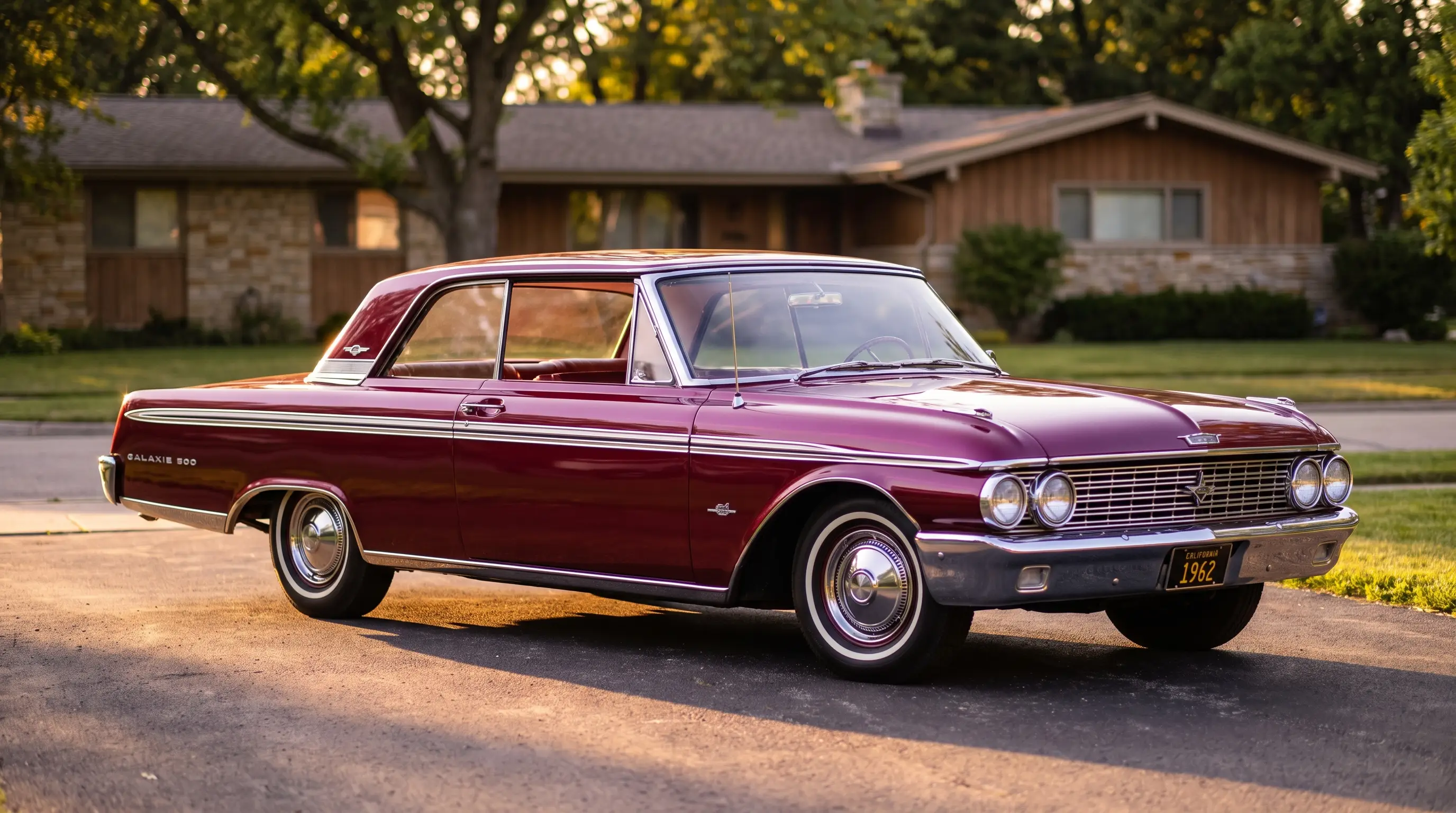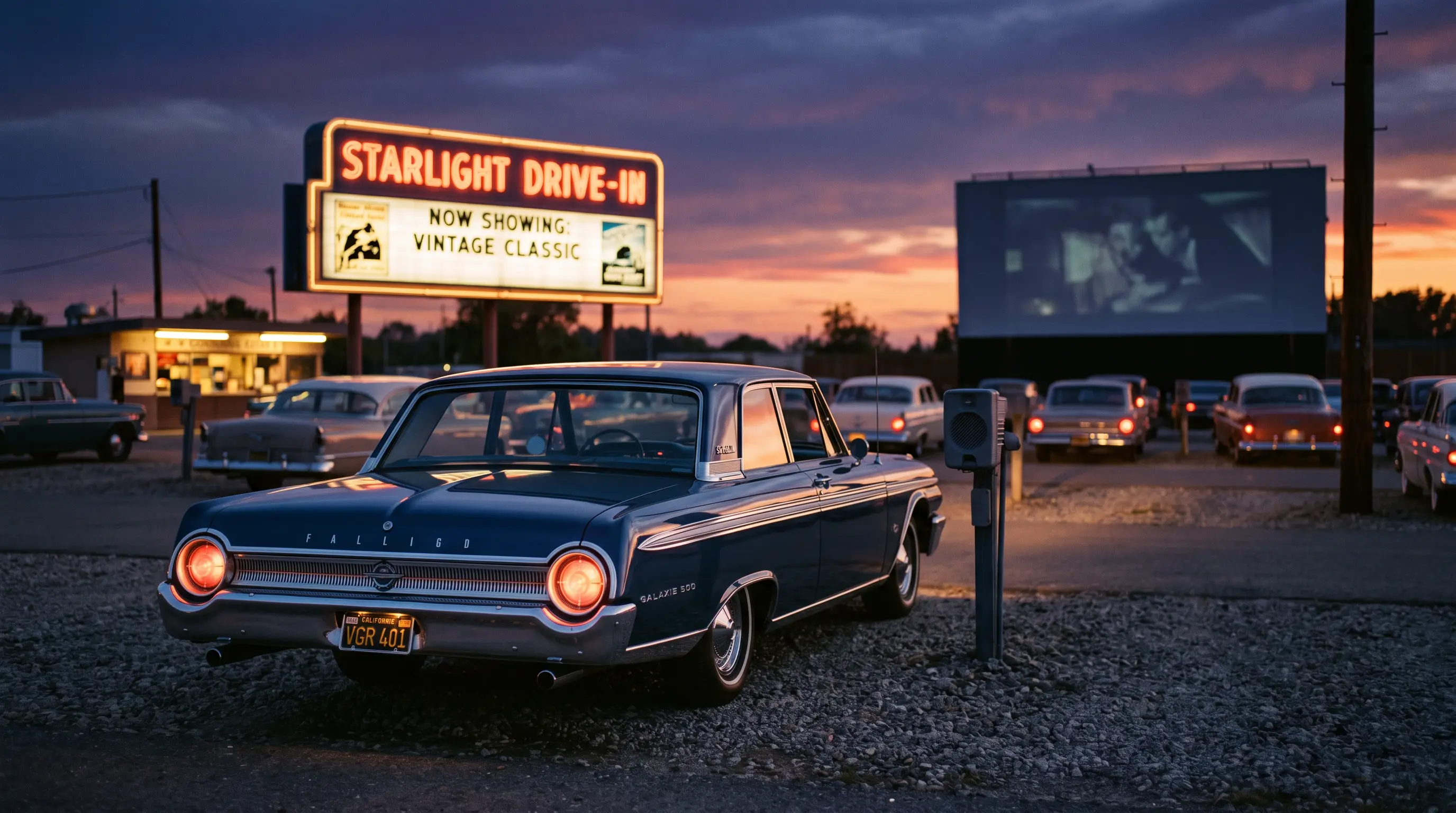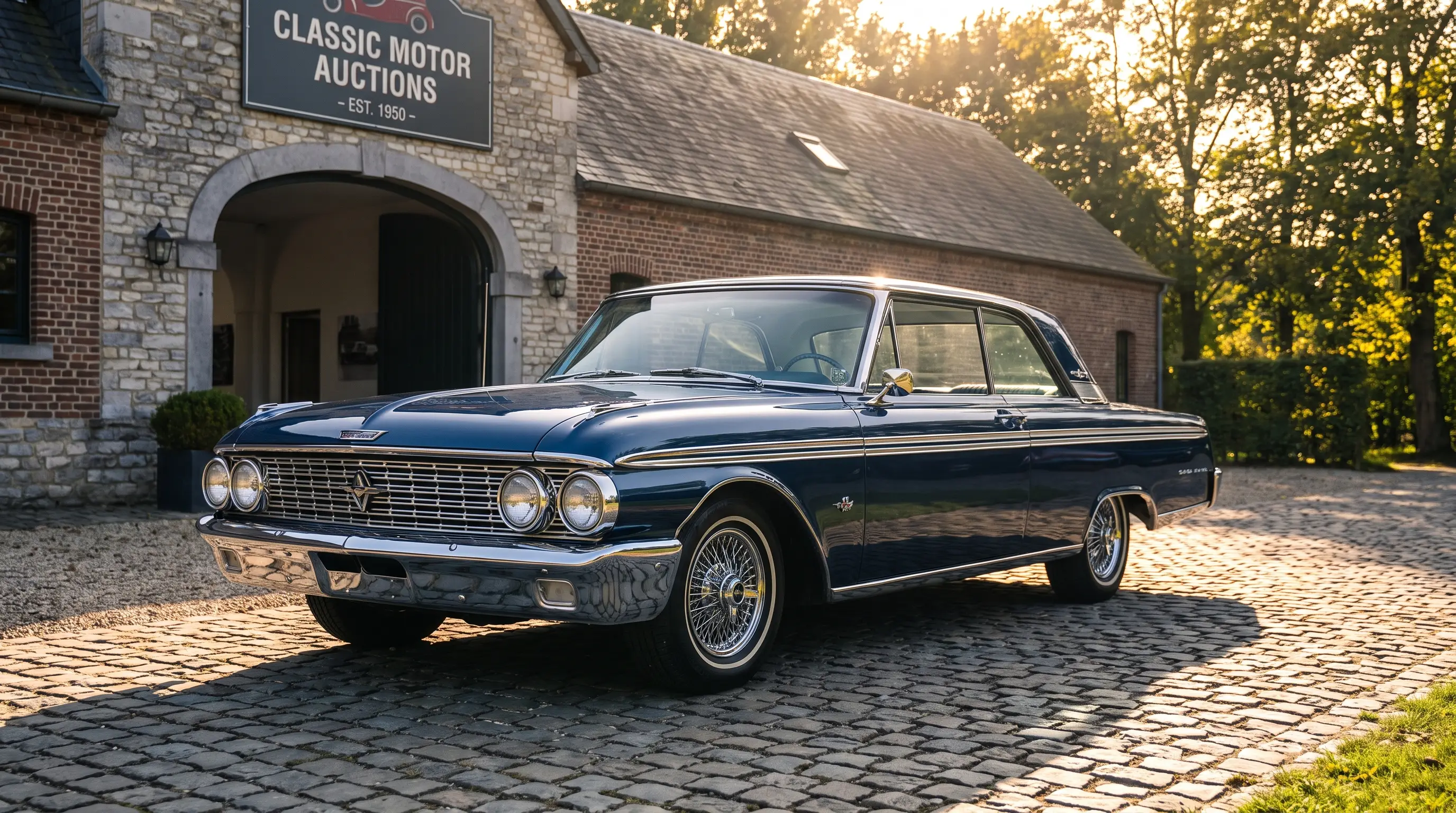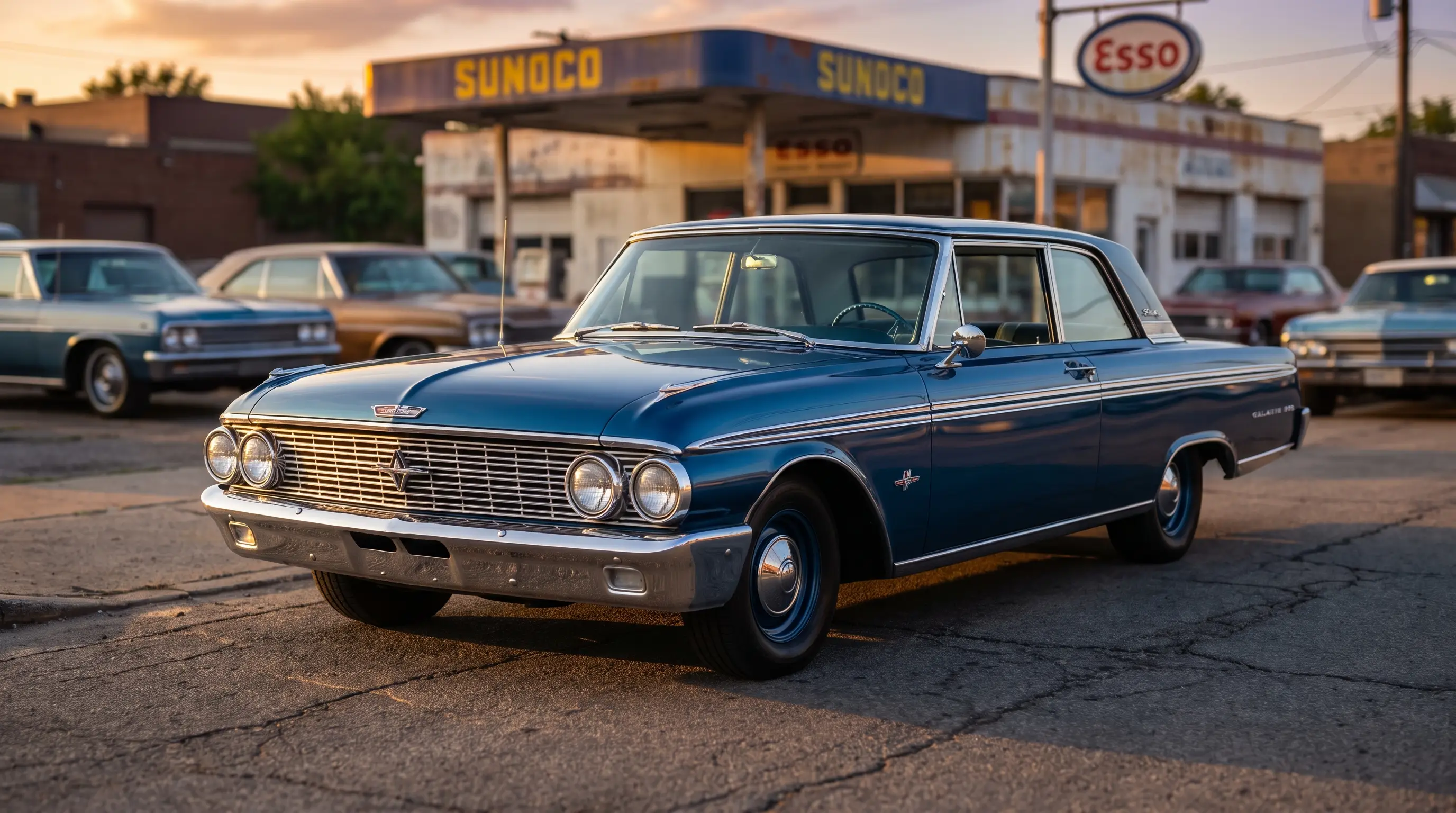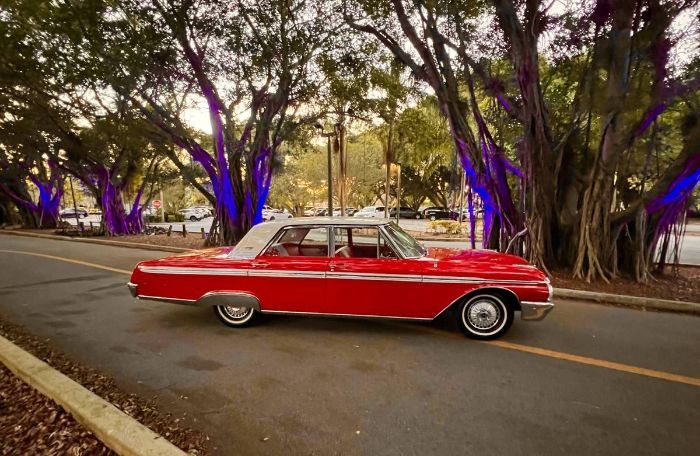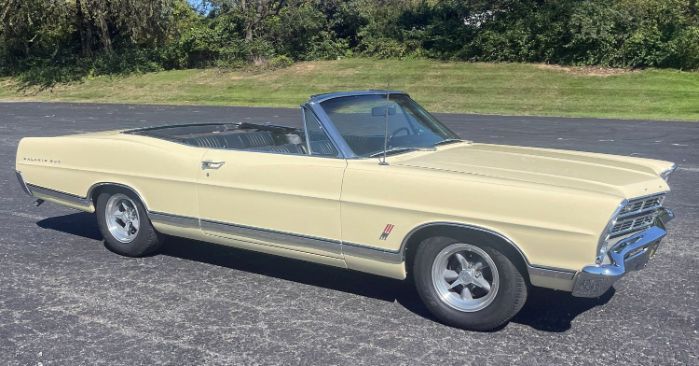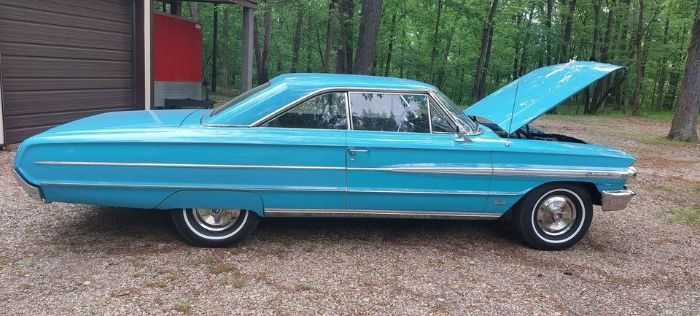
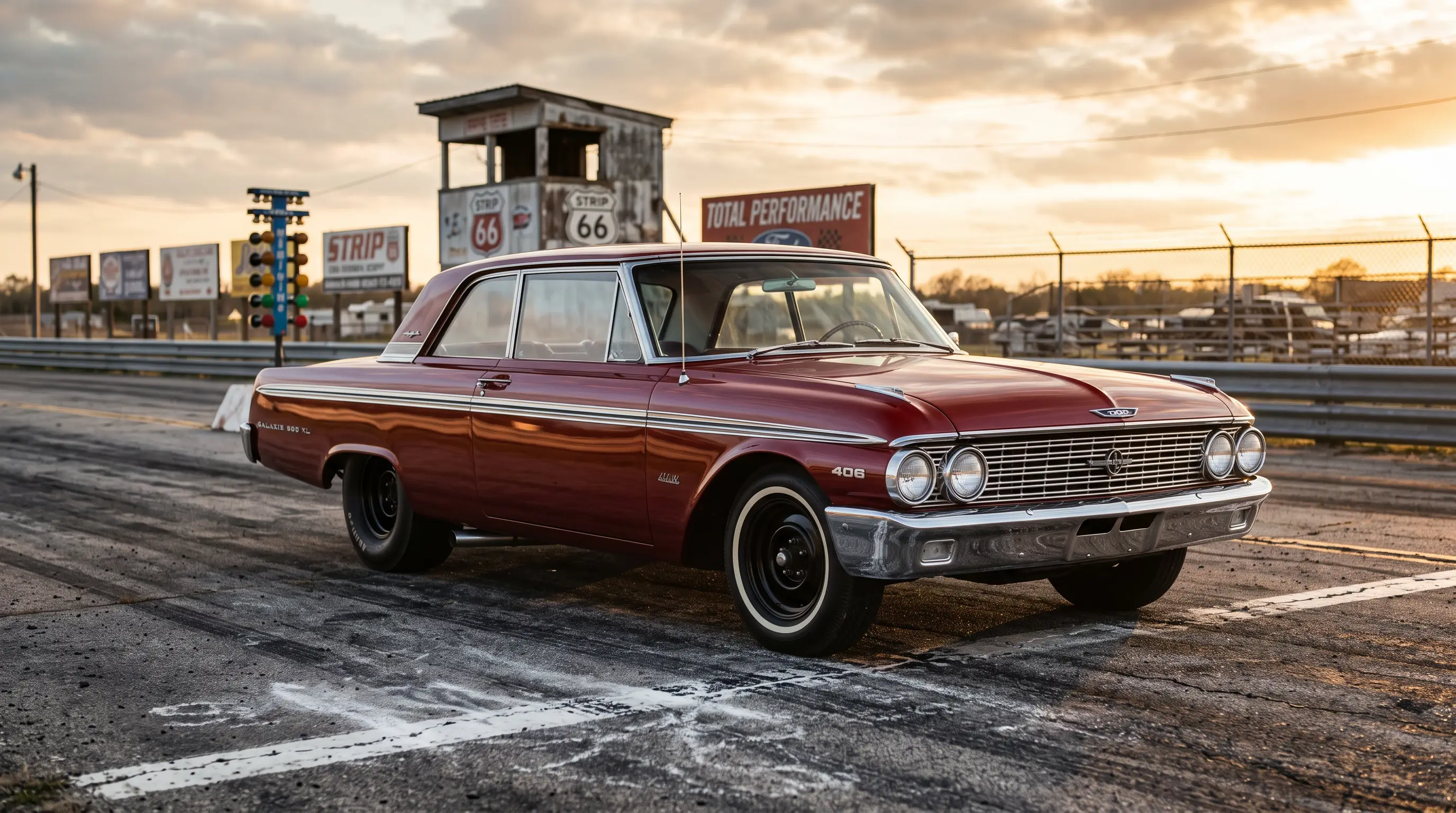
The 1962 Ford Galaxie is the car where Ford stopped apologizing for its full-size line and started winning with it. For most of the 1950s the company built sensible, well-assembled family sedans that sold in the millions and stirred almost no one. Then came a fresh name at the top of the range, a bigger engine than anything Dearborn had offered a private buyer before, and a corporate slogan that would define the rest of the decade. If you want to understand how Ford got serious about the street and the speedway at the same time, the 1962 model year is where the paper trail begins.
I spend a lot of time correcting stories about this era, because the legend runs ahead of the documents. So let me lay the 1962 Ford Galaxie out the way the factory literature and the production records actually describe it, and separate what happened from what people wish had happened.
A new name at the top of the range
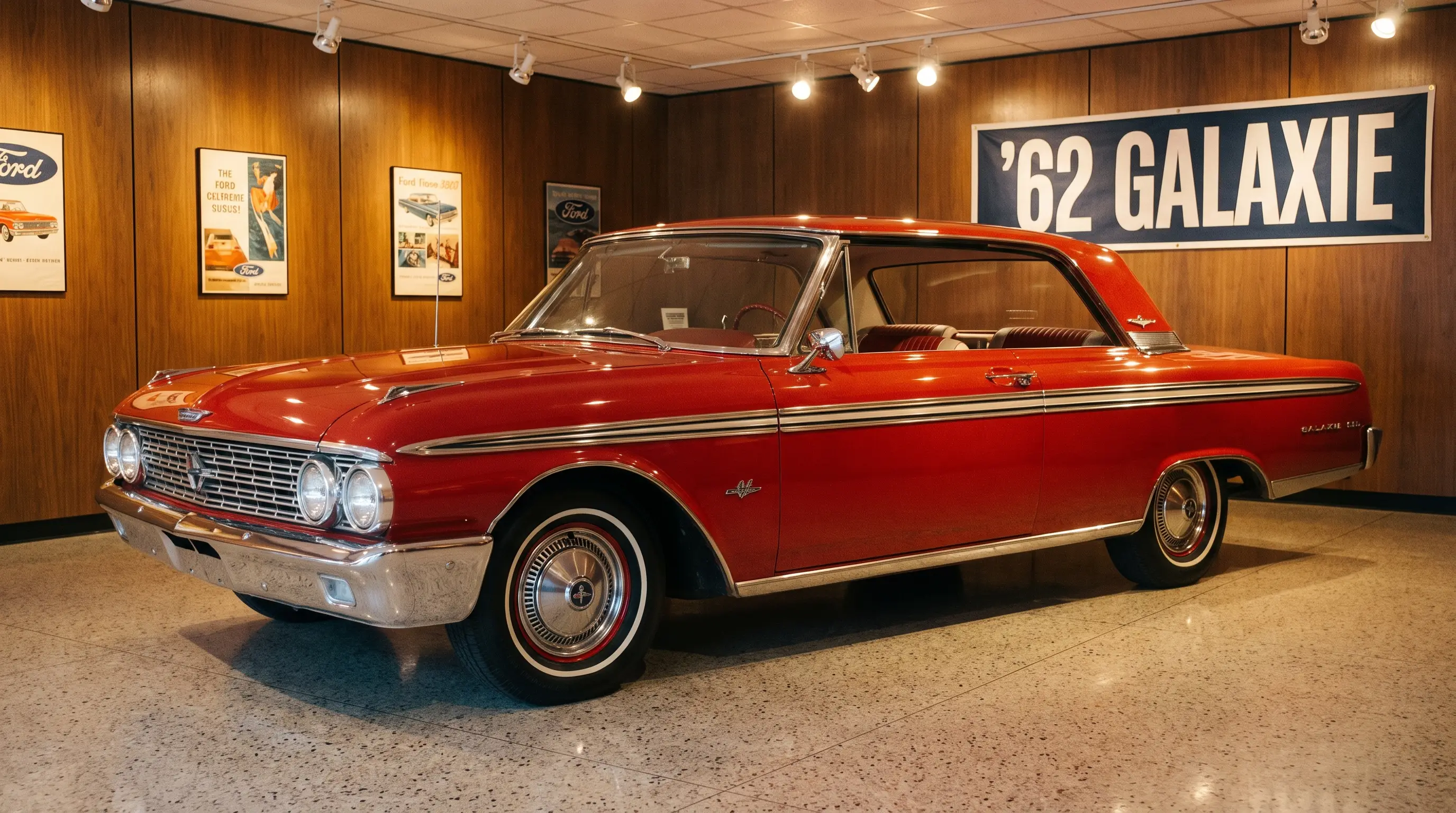
The Galaxie name arrived in 1959, but for 1962 Ford reorganized the whole full-size hierarchy, and the shuffle matters. The plain Galaxie became the mid-level series, and a new top trim, the Galaxie 500, took the crown. The 500 was not a random badge. It pointed straight at the 500-mile stock car races that Ford wanted to dominate, and the marketing department knew exactly what it was doing by putting a racing number on a family car.
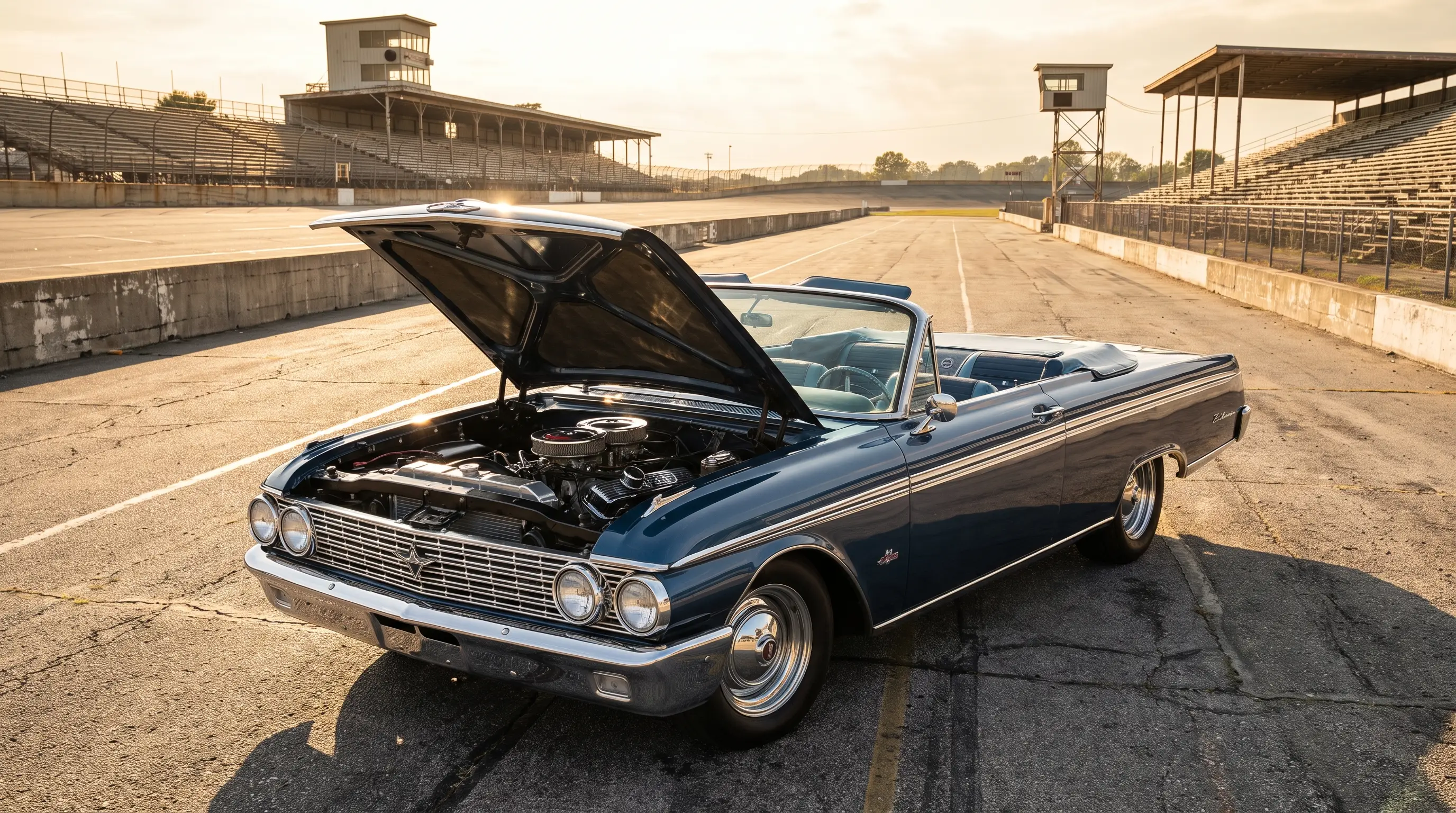
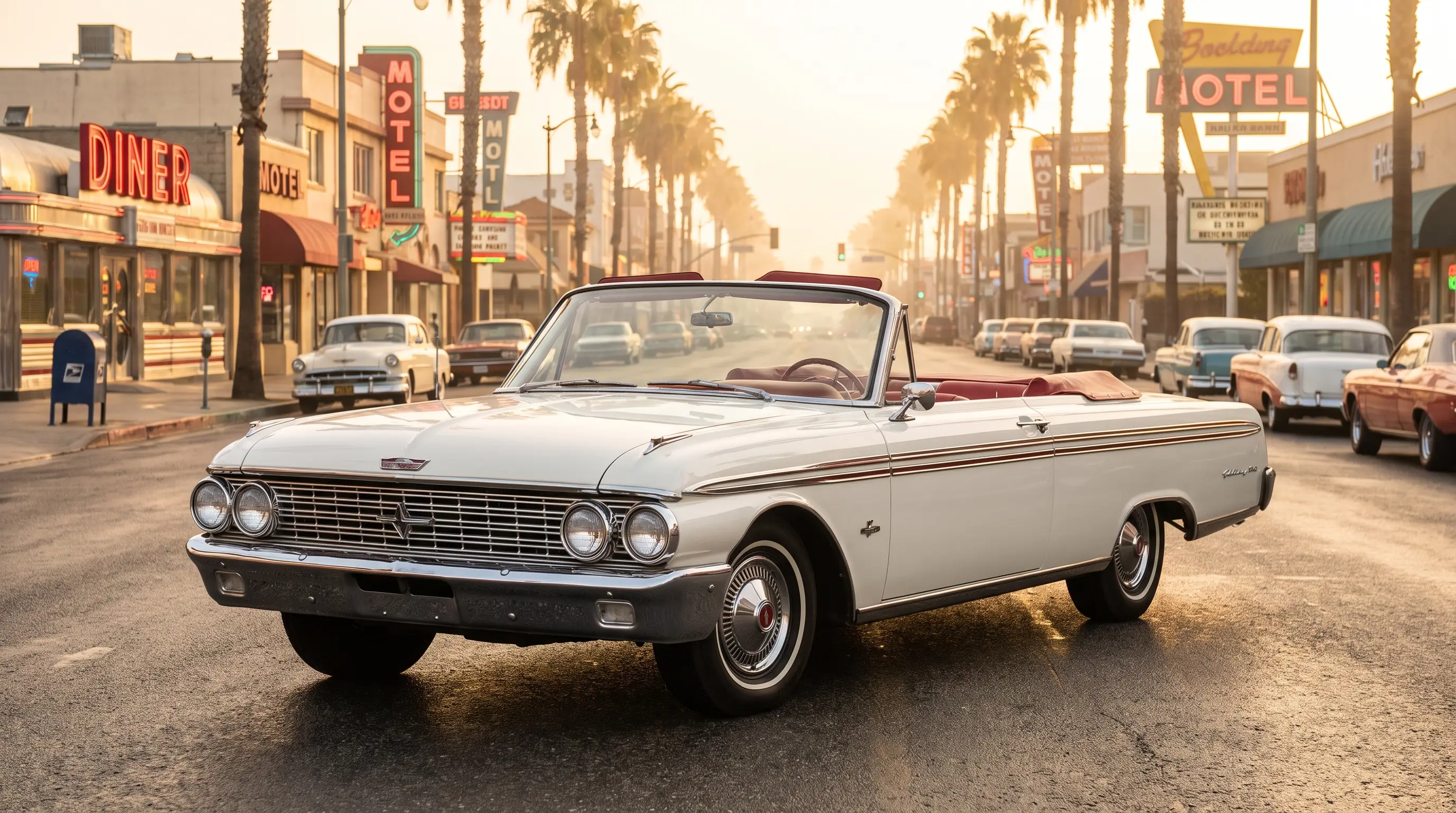
Underneath, the 1962 cars wore a cleaner restyle. The lines were straighter and calmer than the chrome-heavy 1961, with round taillights that became a Ford signature. Body styles ran from the two-door sedan and the four-door Town Sedan up through the Sunliner convertible and the two-door hardtop the factory called the Club Victoria. The convertible and the hardtop are the shapes collectors chase now, and they were the volume performance bodies then too.
One misconception worth clearing up: 1962 was also the year Ford launched the intermediate Fairlane, so the Fairlane name left the full-size cars entirely. If you ever hear someone call a full-size 1962 a Fairlane, they are a year and a size class off. For the deeper background on how the model line grew, our ford galaxie history traces the whole arc.
The 406 and Ford's answer to cubic inches
The headline of 1962 is the 406 cubic inch V8. Ford had introduced the big 390 in 1961, but the competition kept raising the displacement stakes, and Dearborn responded by boring and reinforcing the FE block to reach 406 cubic inches partway through the year. This is the engine that gives the 1962 Ford Galaxie its reputation.
The 406 came two ways. A single four-barrel version was rated at 385 horsepower, and a tri-power setup with three two-barrel carburetors was rated at 405 horsepower at 5,800 rpm. Both used a solid-lifter camshaft, a stronger crank, and beefed-up internals, because Ford knew a good share of these engines were headed for a starting grid, not a grocery run. A 406 Galaxie was a genuinely quick full-size car for its day, and it was sold to anyone with the money and the nerve.
The numbers tell a builder's story. This was not a small, high-revving engine making power through cleverness. It was cubic inches, compression, and carburetion, the American recipe, applied to a car that weighed close to two tons. The 406 is why the 1962 model earns a place in performance history rather than just family history.
| Detail | 1962 Ford Galaxie |
|---|---|
| Top series | Galaxie 500 (500 XL added midyear) |
| Headline engine | 406 cubic inch FE V8 |
| 406 power ratings | 385 hp (4-barrel), 405 hp (tri-power) |
| Base V8 family | 292, 352, and 390 FE options |
| Signature bodies | Sunliner convertible, Club Victoria hardtop |
| Corporate theme | Total Performance, taking shape |
The XL arrives midyear
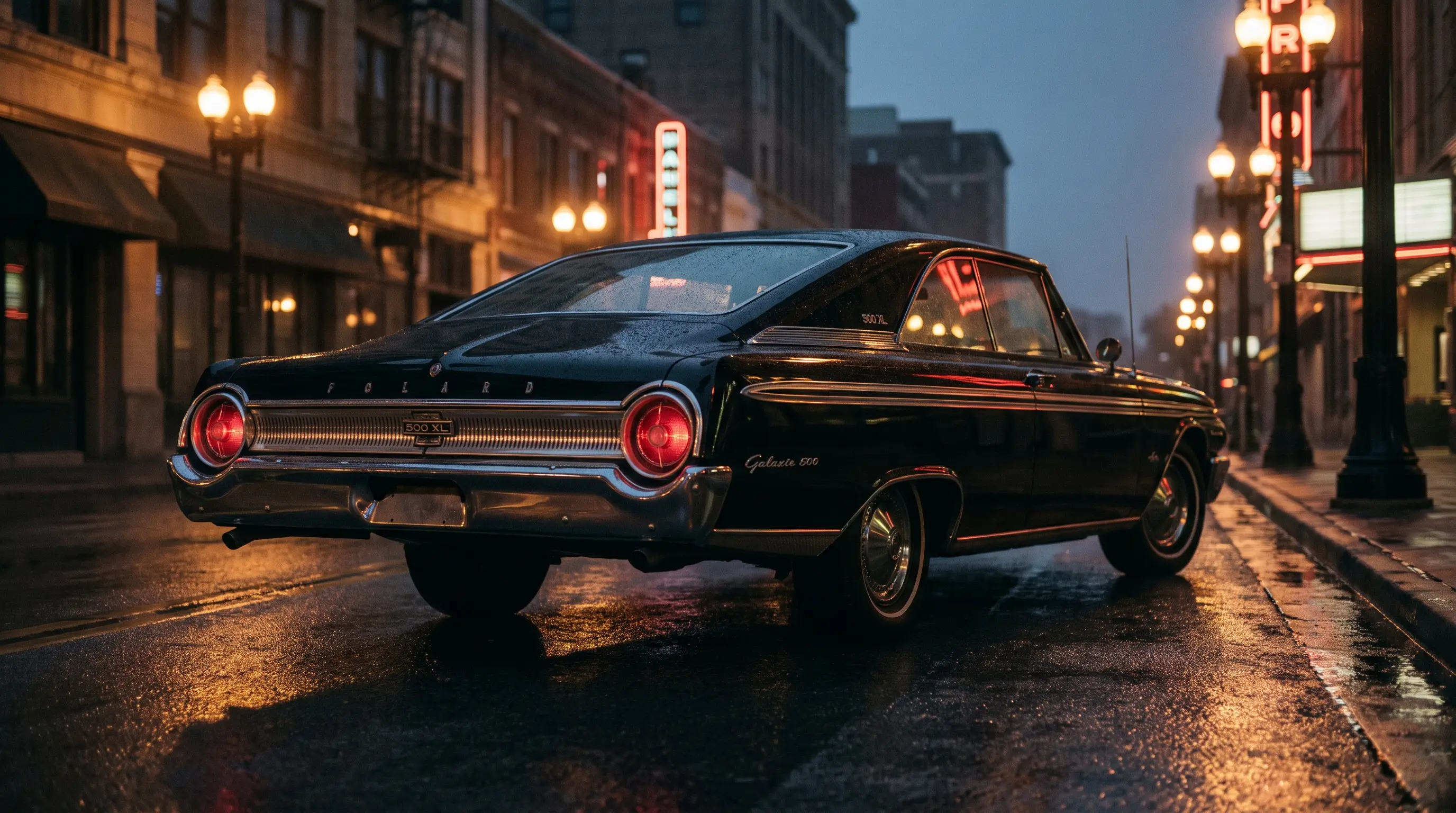
Partway through 1962 Ford added the Galaxie 500 XL, and it changed what a full-size Ford could be. The XL brought bucket seats, a center console, a floor shifter, and special trim to a car that had always been a bench-seat cruiser. It was Ford acknowledging that buyers wanted the look and feel of a sporting car even when they were shopping for something large enough to carry the whole family.
The XL was a package on top of the 500, not a separate engine story, so you could order one with a mild 390 or with the fire-breathing 406. That flexibility is exactly why the XL matters historically: it decoupled sporty appearance from raw performance and let each buyer choose the dose. The idea proved durable, and the XL badge carried on through the middle of the decade as the personal-sport version of the big Ford.
The roofline problem nobody planned for
Here is where the factory record gets honest. The formal, upright roofline on the 1962 hardtop looked handsome in a showroom, but on a NASCAR superspeedway it behaved like a parachute. Air stacked up against that near-vertical rear glass and slowed the car at exactly the speeds where races were decided. Ford engineers watched Galaxies get outrun on the long tracks and knew the shape, not the engine, was the limit.
The fix did not arrive in 1962. It came the following year with the midyear 1963 fastback, the roofline Ford called the Sports Roof, which let the air flow cleanly off the back of the car. That means the 1962 Galaxie sits at a fascinating hinge point. It had the power to compete and the will to compete, but not yet the aerodynamics, and the company learned that lesson in public, one lost race at a time. Readers tracking that recovery will find the 1963 and 1964 chapters where the shape finally caught up to the engine, and the worth a look too for how the story matured a few seasons later.
Total Performance takes shape
Total Performance is the slogan people attach to this whole era, and 1962 is the year it stopped being a phrase and started being a program. Ford committed to competing across stock car ovals, drag strips, and eventually international road racing, and the 406 Galaxie was the full-size half of that commitment. The company decided that winning on Sunday genuinely did sell cars on Monday, and it backed the belief with engineering budget rather than just advertising copy.
What I want to correct here is the tendency to treat Total Performance as a marketing invention. The production records show real hardware behind it: the reinforced 406 block, the heavy-duty driveline parts, the special order codes for competition-minded buyers. Marketing gave it a name, but engineering gave it substance, and the 1962 Galaxie is one of the first cars where you can hold both halves in your hand at once.
The order sheet, from mild to wild
One of the things I like to do with a car like this is read the whole order sheet rather than just the famous line at the bottom of it. The 1962 Galaxie was sold as a full range, and the range is what tells you who was actually buying these cars. Below the 406 sat the 390 in several states of tune, and below that the 352 and the small 292, the engines that moved the vast majority of Galaxies off dealer lots. Most buyers wanted a comfortable, good-looking family car, and Ford was happy to sell them one.
That spread is why the surviving population looks the way it does. For every 406 car that left the factory, there were a great many ordinary V8 sedans and wagons doing quiet duty, and those are the cars that turn up most often today. The people who tick the top box on an order sheet have always been a minority, and in 1962 they were a very small one. When I hear a claim that a barn find is a factory 406, my first instinct is to reach for the records, because the odds alone say it probably left Dearborn with something more modest under the hood. The paperwork settles it, and with these cars the paperwork almost always exists somewhere if you are willing to look.
What the 1962 Galaxie means to collectors today
In the current market the 1962 sits in an interesting spot. A 406 car, properly documented, is a legitimate piece of performance history and is priced accordingly. A clean Galaxie 500 or 500 XL with a 390 delivers most of the presence and nearly all of the period charm for a fraction of the money, which makes it one of the more approachable ways into early-1960s big-Ford ownership. The convertible and the hardtop hold value better than the sedans, as they always have.
The thing I tell people is to buy the documentation, not just the badge. The 406 was a low-production engine that arrived midyear, so honest paperwork separates the real cars from the hopeful ones. When the story checks out, a 1962 Ford Galaxie is a satisfying thing to own, because it represents the exact moment Dearborn decided that a big car could also be a serious one. Anyone ready to start looking can shop classic Galaxie listings and see how the survivors are trading.
"People want the 406 to be the whole story, but the real headline of 1962 is that Ford finally decided its full-size car deserved a performance program at all. The engine was the proof, not the point."
- Tom Ramirez
The 1962 Ford Galaxie is a car that reads better with the records open than with the legend alone. It is the year the name got serious, the engine got big, and the company decided the full-size Ford would go racing whether or not the roofline was ready. That honesty, the ambition running slightly ahead of the aerodynamics, is exactly what makes it worth understanding today.