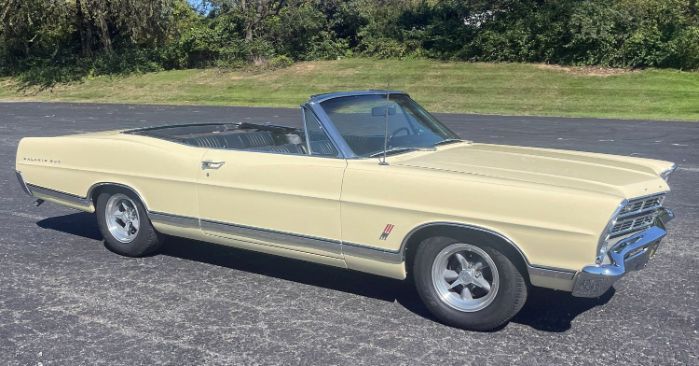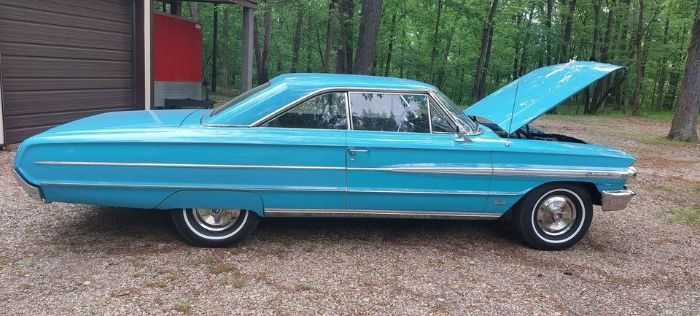
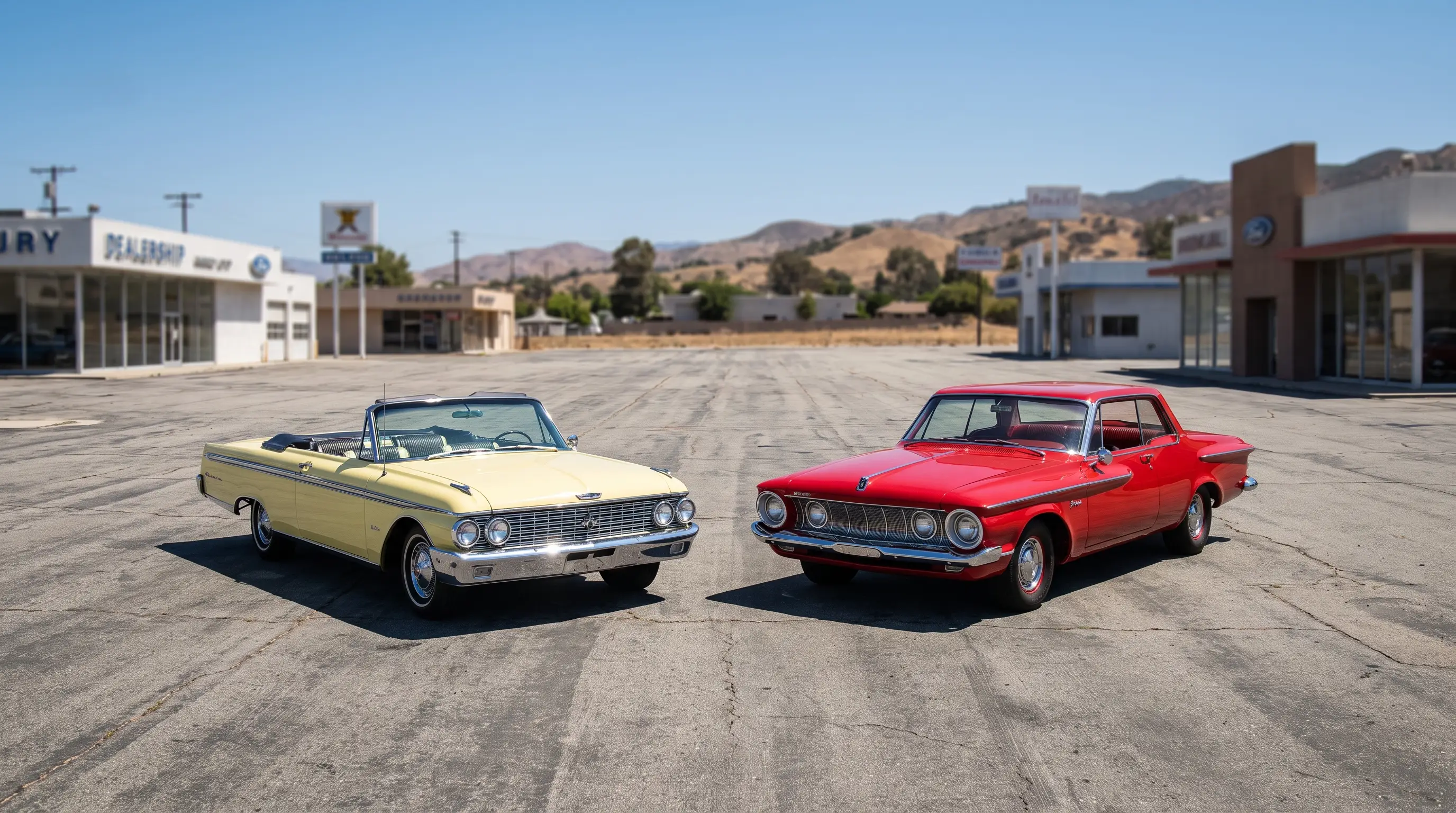
Put the ford galaxie 1962 vs plymouth sport fury question in front of a Mopar person and a Ford person at the same swap meet table and you will get two completely different histories of the same model year. That is because 1962 was not a normal year for either brand. Ford held its full-size line steady while Chrysler's engineers, working off a bad rumor about what General Motors was planning, shrank the entire Plymouth and Dodge line down a size class. The Sport Fury that resulted from that decision is one of the more misunderstood cars of the era, and putting it next to a Galaxie 500 shows exactly why.
Two answers to a shrinking market question
Chrysler's product planners in the late 1950s heard word that GM was planning smaller full-size cars for 1962 and moved to get ahead of it, downsizing the Plymouth and Dodge full-size lines onto a shorter wheelbase with a body that many buyers found awkward looking next to the competition. The rumor turned out to be wrong. GM kept its full-size cars full-size, Ford never wavered from its own full-size Galaxie, and Plymouth ended up alone with a car that was noticeably smaller than the Impalas and Galaxies parked next to it on the lot. The Sport Fury was Plymouth's attempt to put the best possible face on that miscalculation, dressing the compact-for-its-class body in bucket seats, a center console, and genuine performance hardware.
For the fuller Galaxie history behind this comparison, the whole picture is worth reading, since the Galaxie's steadiness in 1962 only makes sense against the backdrop of what its competitors were doing wrong at the same time.
The Galaxie's steady-as-she-goes case
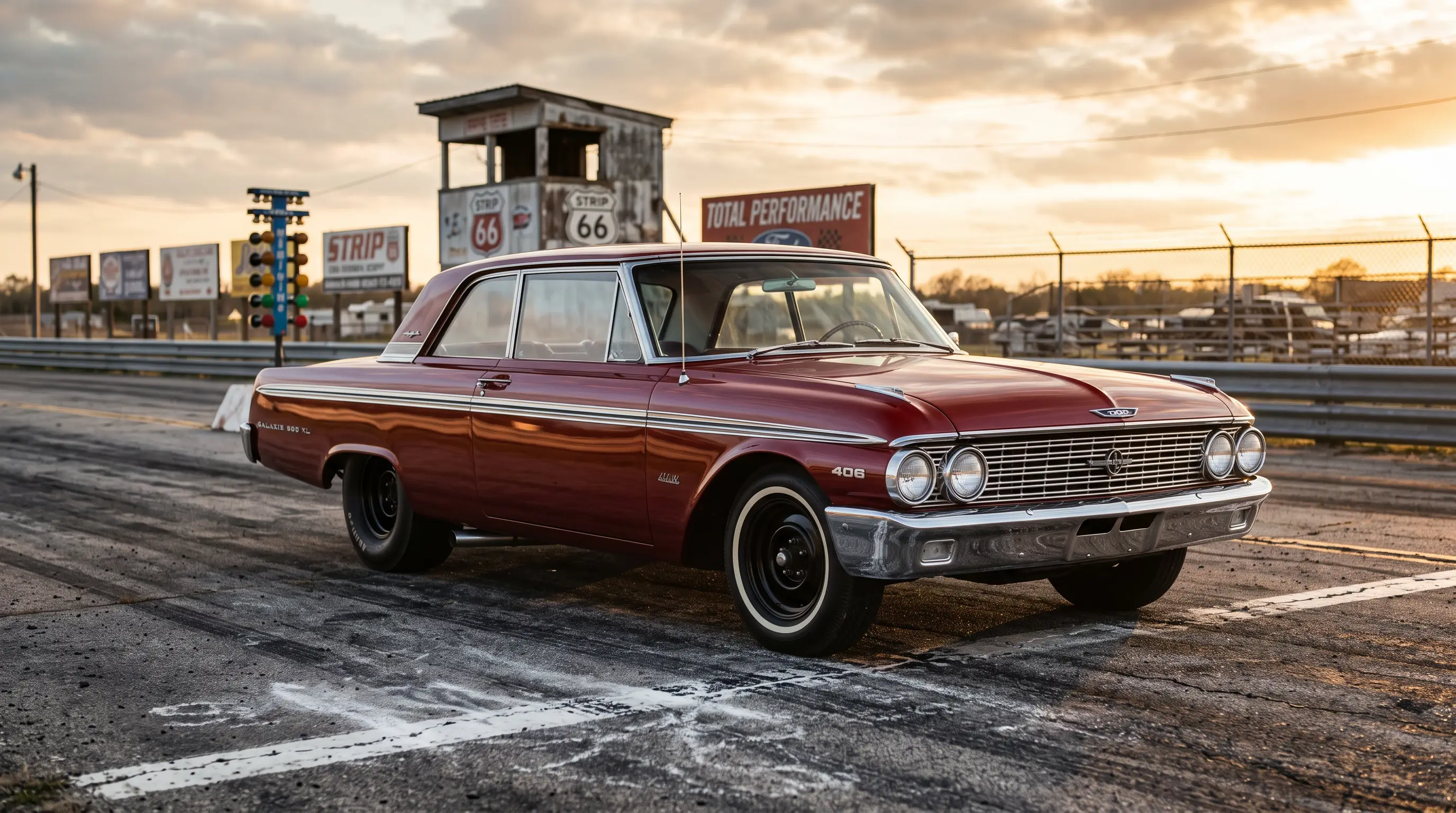
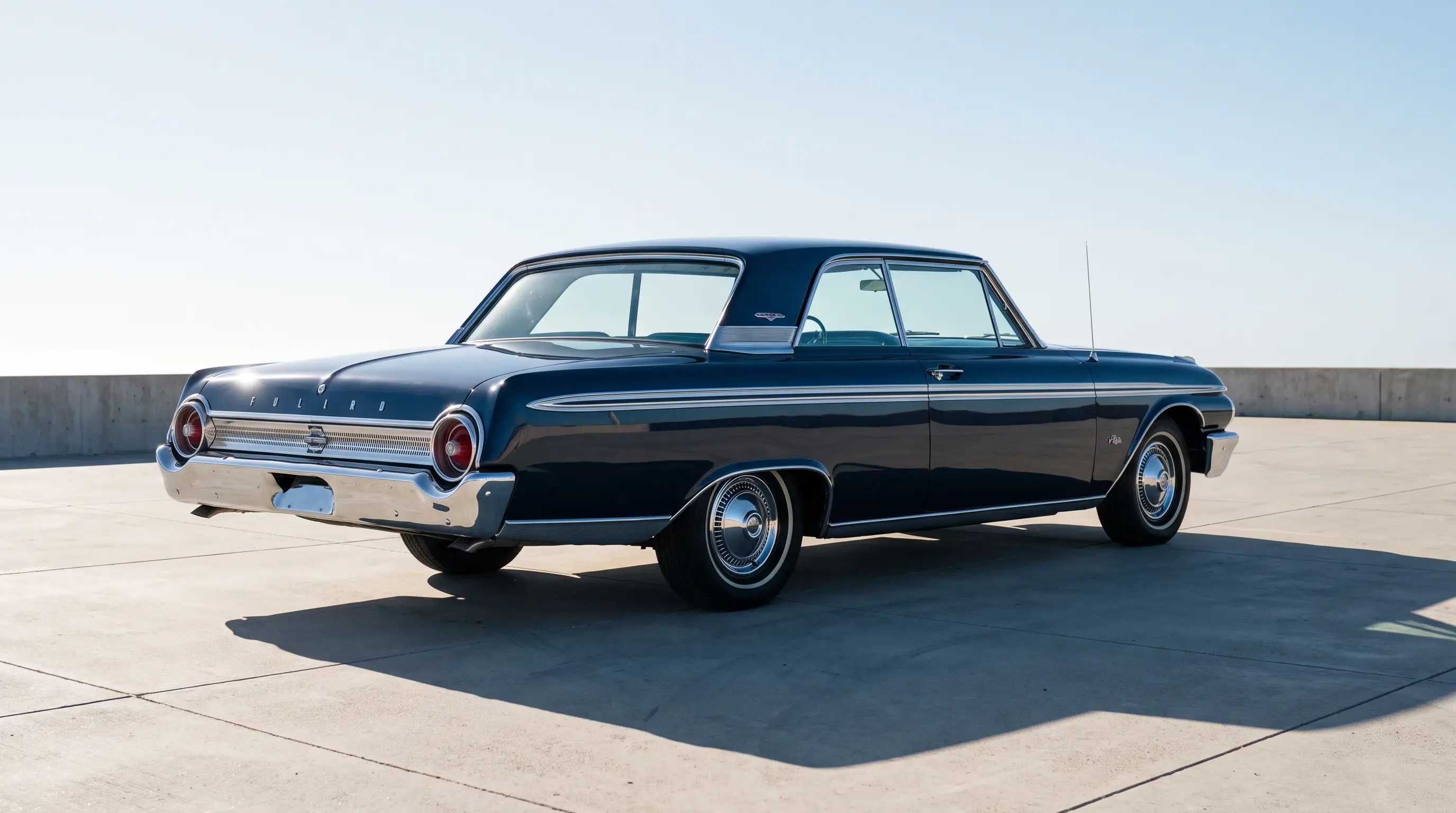
Ford's approach in 1962 was almost the opposite of Plymouth's. The Galaxie carried over its full-size platform largely unchanged from the prior year, refined trim and detailing rather than reinvented sheet metal, and a genuinely broad range of engines from a mild six-cylinder up through the new 406 for buyers who wanted to race on Sunday. There was no gamble here. Ford's engineers and product planners had watched the market reward conservative, well-built full-size cars for two straight seasons and simply kept doing what worked, refining build quality and adding the Galaxie 500 XL as a sportier trim rather than reinventing the whole car.
That conservatism is easy to undersell in hindsight, but it meant Ford did not have to apologize to a single 1962 buyer about the size of the car they were getting. The Sport Fury could not say the same.
The Sport Fury's gamble
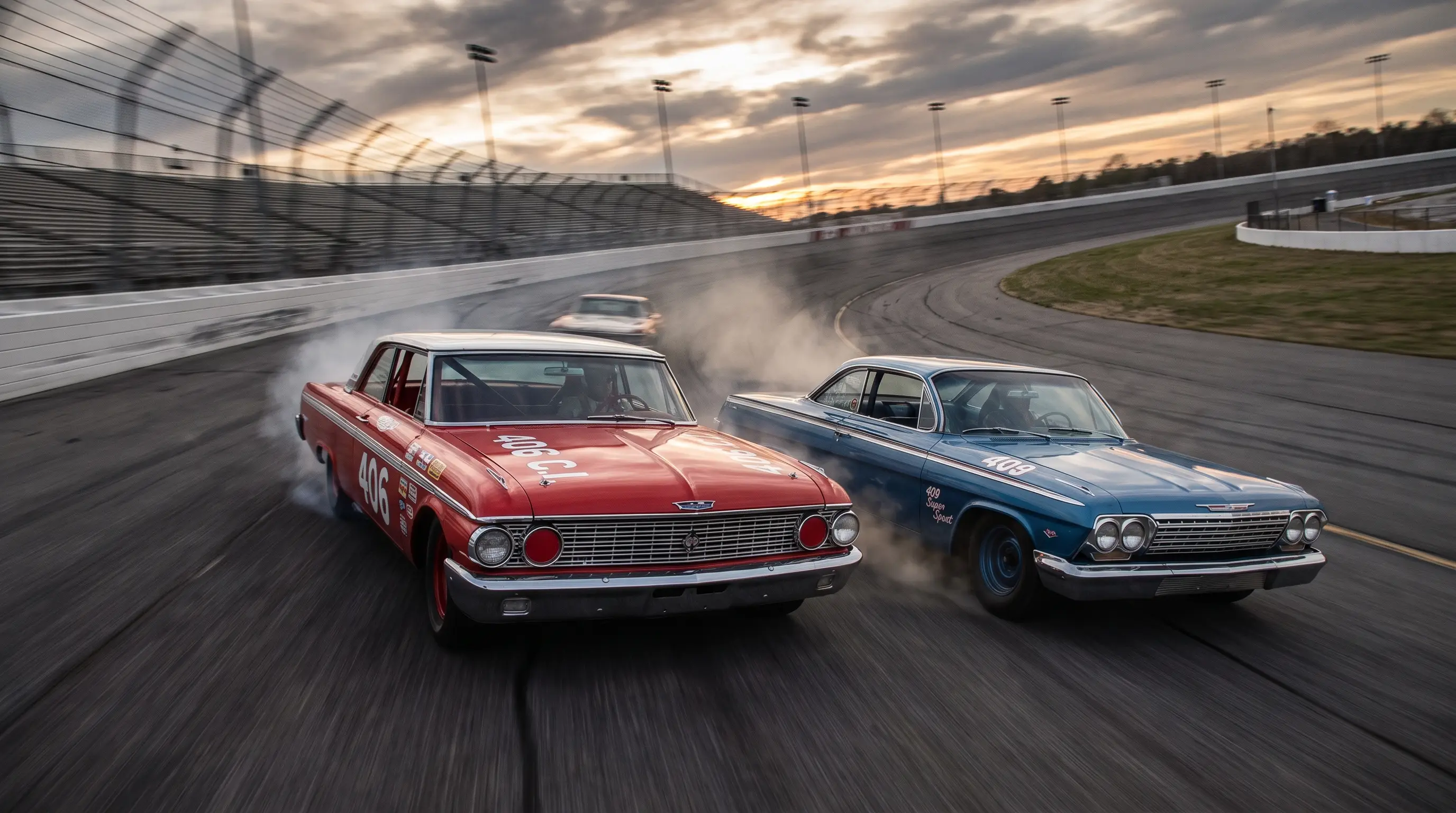
Plymouth deserves credit for not simply hiding the smaller body and hoping nobody noticed. The Sport Fury got the division's best interior treatment of the year, real bucket seats, a floor-mounted shifter option, and access to Chrysler's 413 cubic inch Max Wedge engine for buyers who wanted genuine strip performance in a package most people assumed was a secretary's car. On paper the Max Wedge 413 could embarrass a lot of bigger, heavier full-size cars at the stoplight, the Galaxie included in certain states of tune.
What the Sport Fury could not do was convince mainstream full-size buyers that a smaller car was still a full-size car, and Plymouth's total sales for the year reflected that. Chrysler corrected course for 1965, moving Plymouth back into a genuine full-size body, which is itself a quiet admission that the 1962 gamble did not pay off the way the product planners hoped.
Production numbers tell the real story
This is where the two cars' stories diverge most sharply, and where a factory historian's instinct is to go straight to the build sheets rather than the marketing copy. Ford built roughly 575,000 Galaxies across its range of body styles for 1962 (excluding wagons), a figure that dwarfed Plymouth's entire Sport Fury output of about 5,555 cars that year, split between roughly 4,039 hardtops and 1,516 convertibles, because Ford's dealer network and its buyer base simply did not blink at the car the way they blinked at Plymouth's smaller, oddly proportioned entry. Sport Fury production, and dual-quad Max Wedge Sport Fury production specifically, was low enough that surviving documented examples are now genuinely rare, more so than most Galaxie 500 or 500 XL variants from the same model year.
That rarity has a cost attached to it for anyone trying to verify a car today. Fewer built means fewer surviving records, fewer parts cars to cannibalize for reference, and a higher premium on any paperwork that ties an engine and body together correctly.
What survives and what it is worth
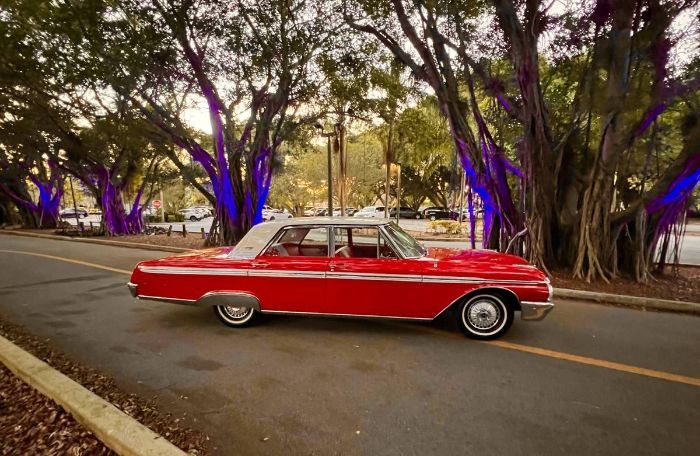
Today the Sport Fury's rarity works in its favor at auction, where a documented Max Wedge car can bring serious money precisely because so few exist and because the story behind the car's downsized year is now a well-known piece of Mopar lore rather than an embarrassment. The Galaxie's advantage is a different kind entirely. There are simply more of them left, in more configurations, at more price points, which means a buyer who wants a 1962 full-size Ford has real choices rather than a hunt for one of a handful of surviving cars.
If the Galaxie's steadier story and broader availability sound like the better fit for where you are in collecting, you can shop classic Galaxie listings and find something in a price range that a rare Sport Fury simply cannot match.
There is a records lesson buried in this comparison that goes beyond the two cars themselves. Whenever one manufacturer makes a strategic mistake and a competitor holds steady, the mistake tends to generate the more interesting collector story decades later, while the steady car generates the more livable one. Sport Fury buyers today are often paying for a narrative, the small dramatic year Plymouth misjudged its market, on top of the car's genuine performance credentials. Galaxie buyers are paying for a car that was right the first time and has stayed reliably right ever since, which is a less romantic story but a considerably easier one to verify against the factory record.
Body codes and build tags matter more here than most casual shoppers realize. A 1962 Galaxie's data plate will confirm body style, trim level, and original color combination against Ford's own production ledgers, and because so many Galaxies survive, cross-referencing a specific car against known casting and stamping patterns is straightforward. Sport Fury shoppers face a harder task, since the smaller surviving population means fewer comparable cars exist to check questionable claims against, and a seller's story about a "numbers matching" Max Wedge deserves more scrutiny than the same claim on a common Galaxie 500.
None of this makes the Sport Fury a bad buy. It makes it a different kind of buy, one where the homework carries more weight relative to the purchase price than it does with the Ford. Buyers who enjoy that kind of detective work often gravitate toward the Plymouth precisely because the stakes of getting it wrong are higher, and the satisfaction of getting it right is correspondingly greater.
"The build sheet does not lie about which gamble paid off. Ford's conservatism in 1962 looks obvious now, but it was a deliberate bet on a buyer who did not want surprises."
- Tom Ramirez