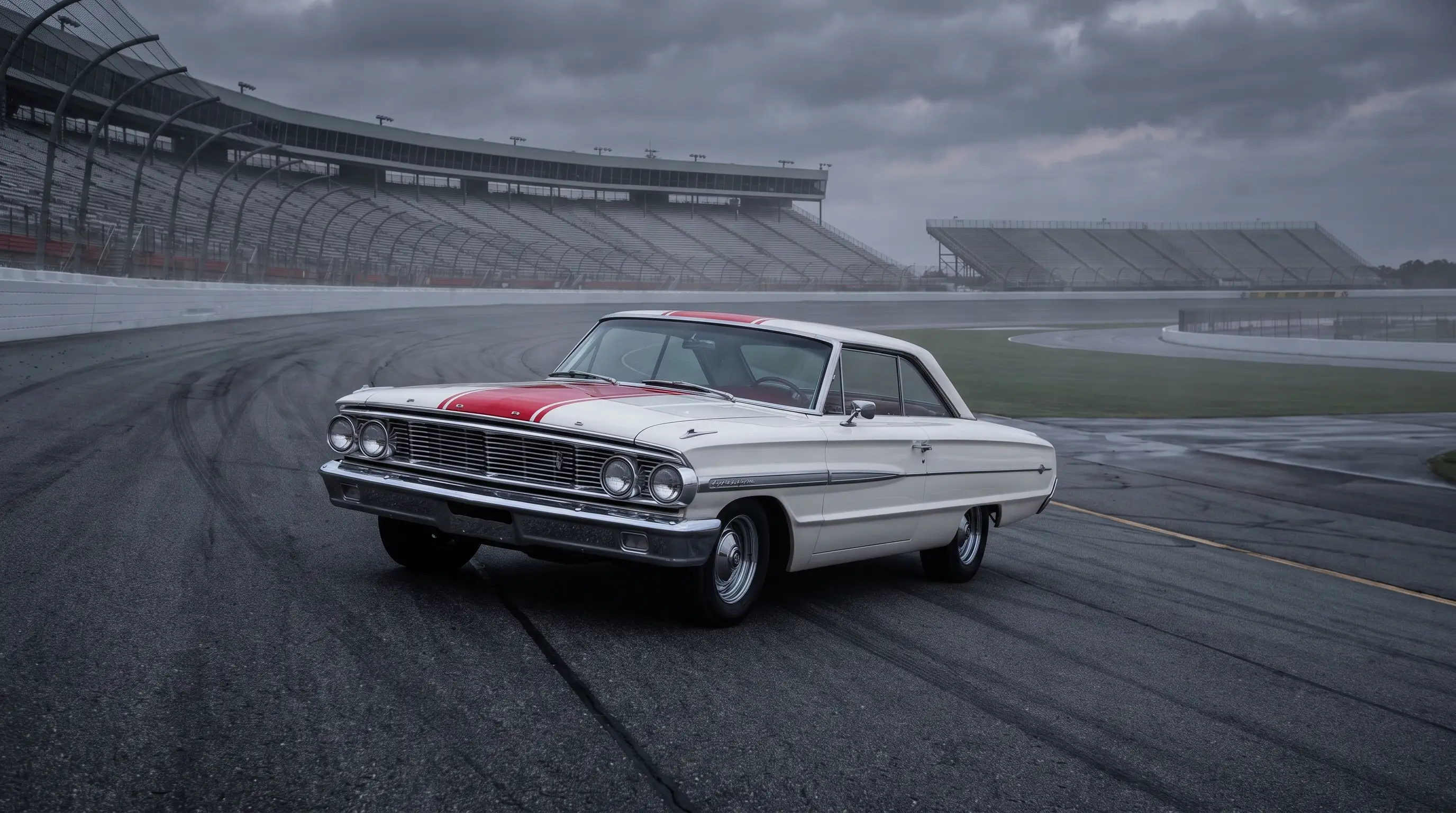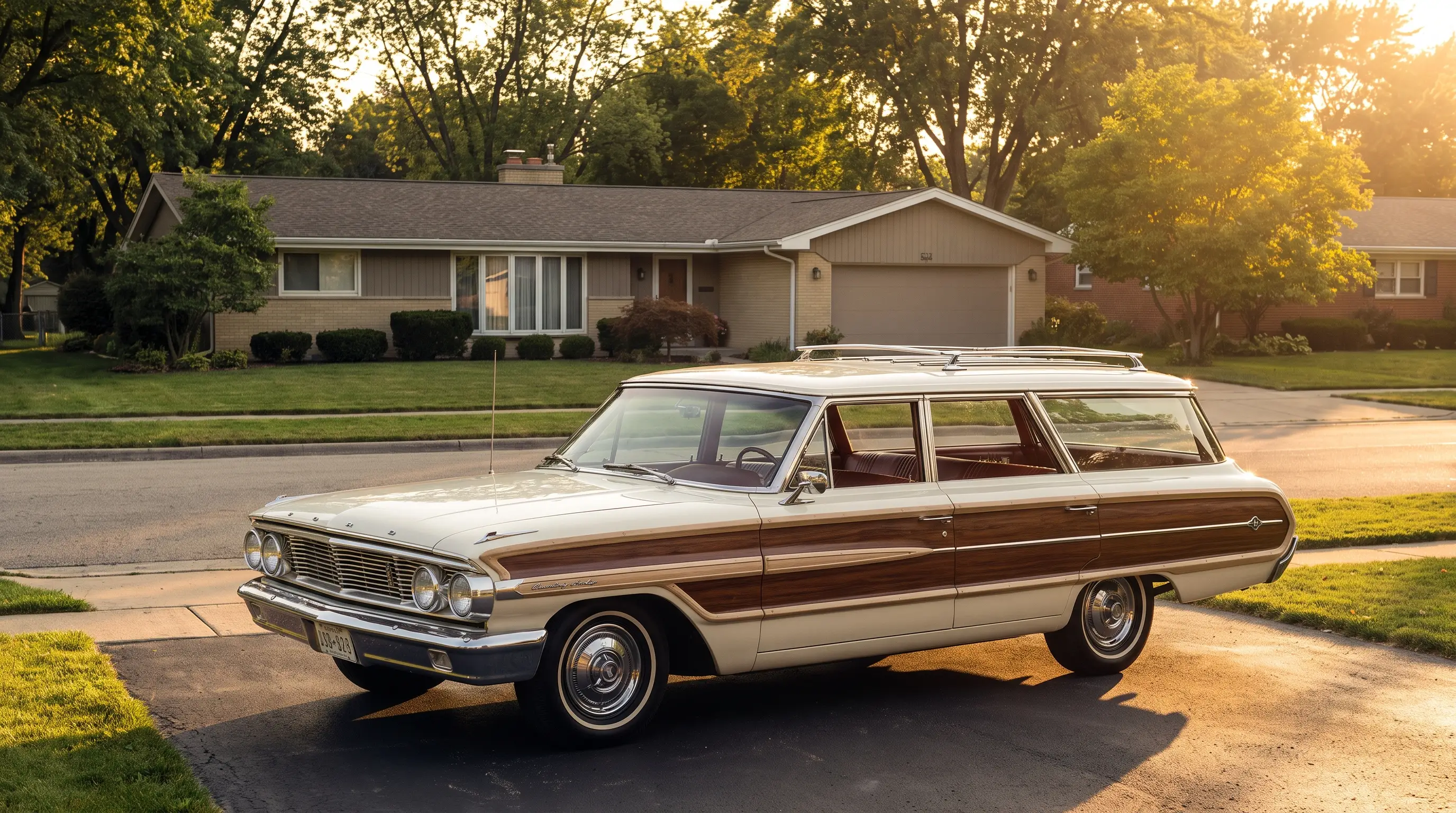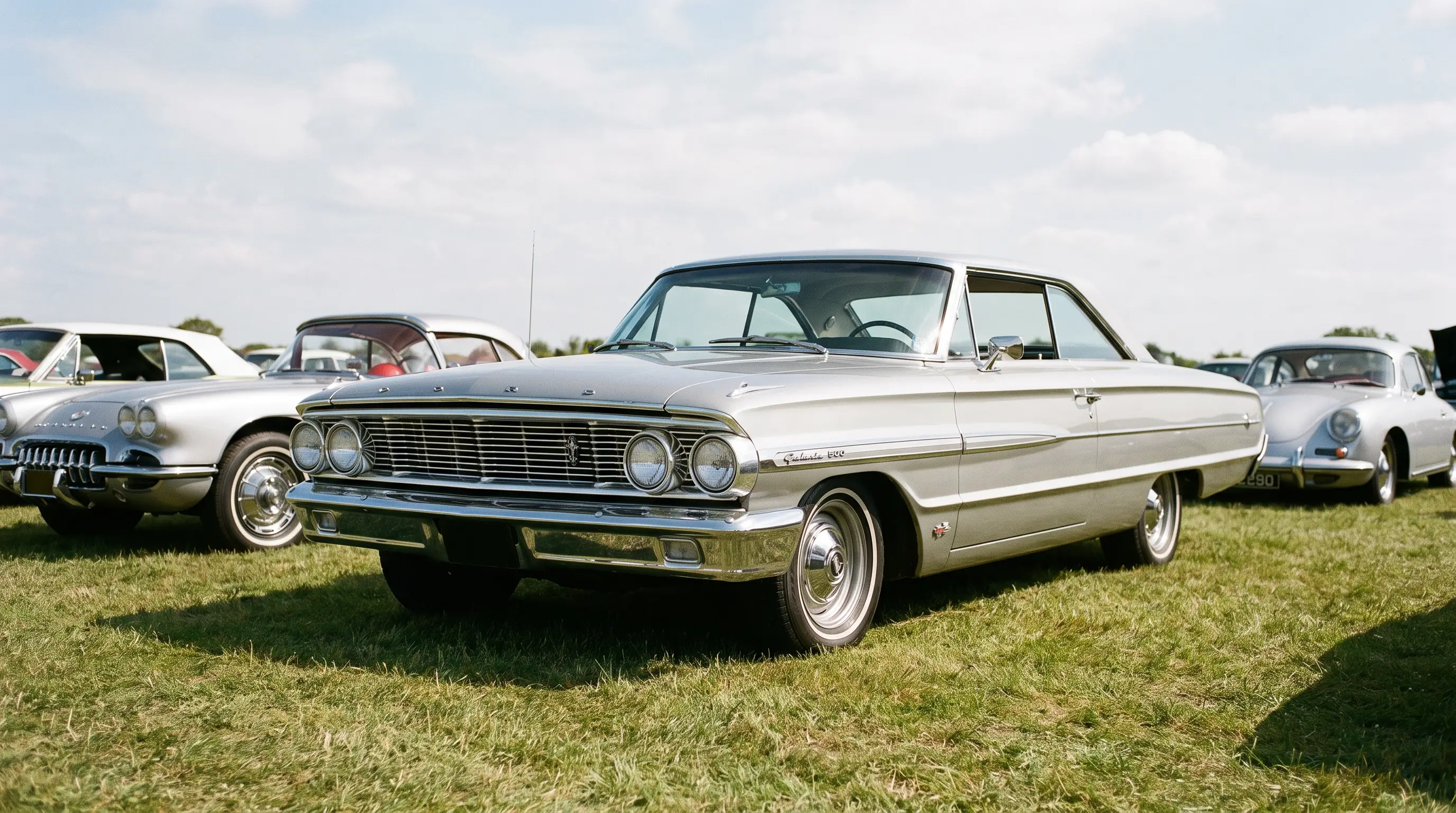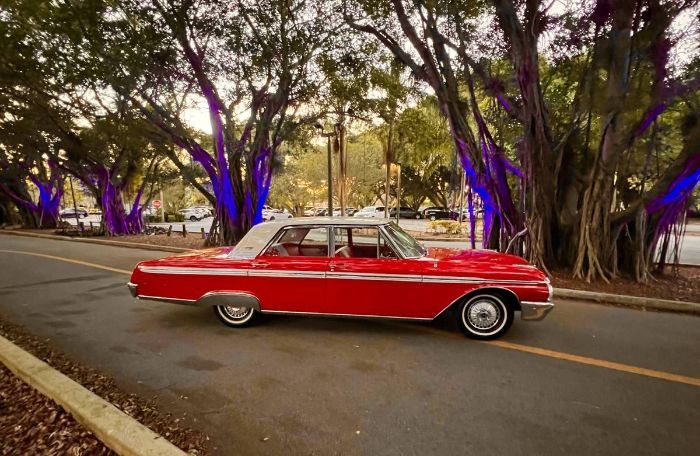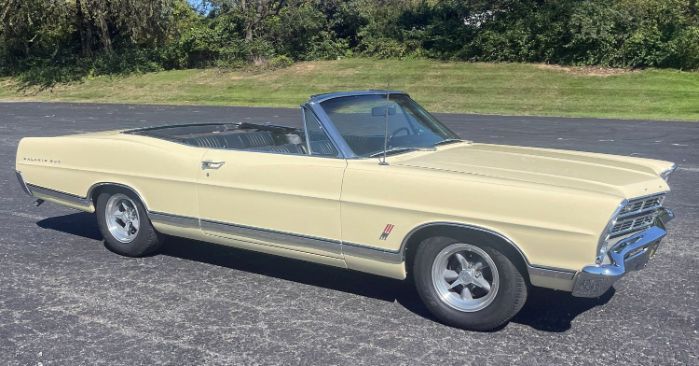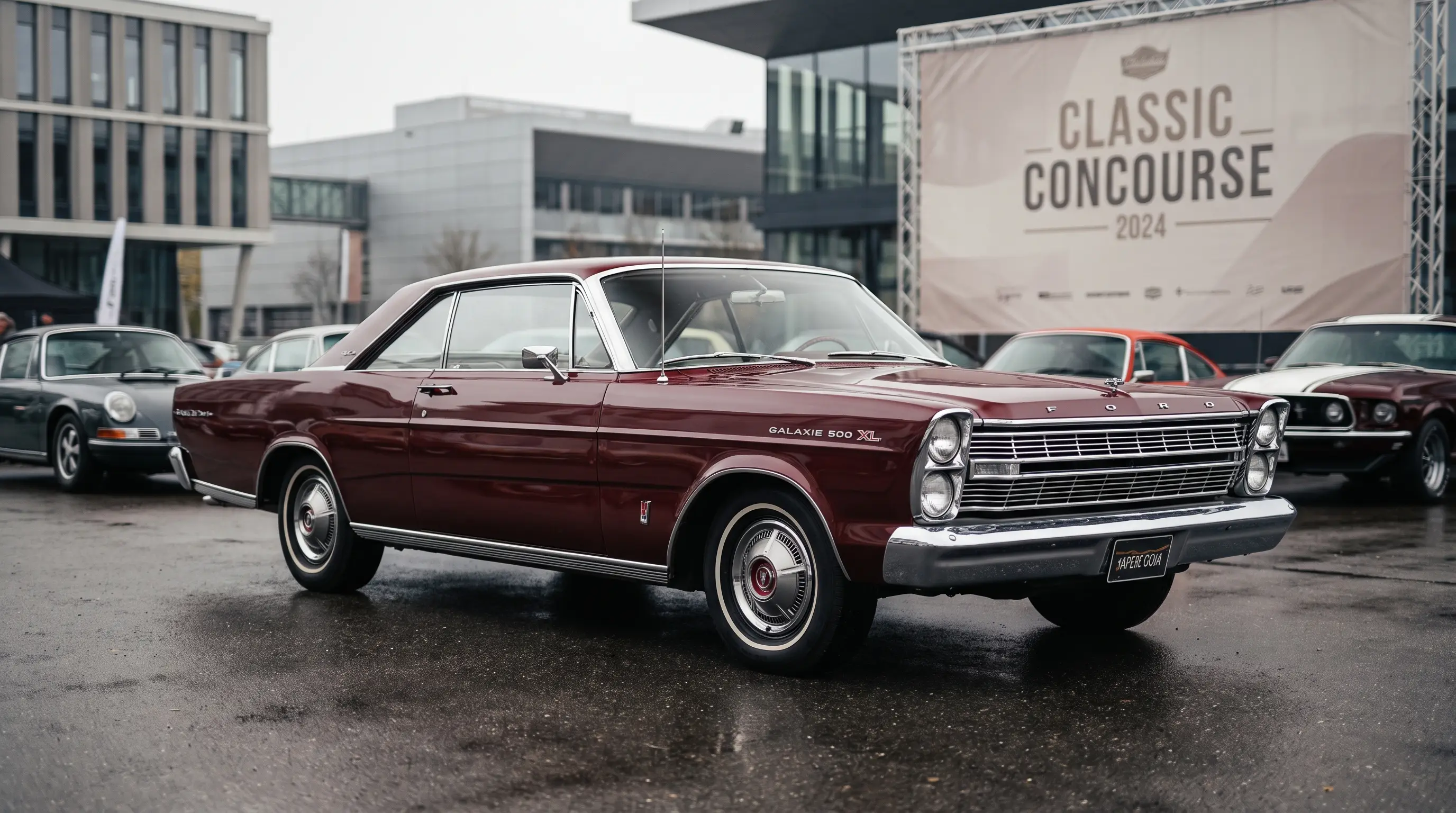

Every appraisal eventually comes down to a question nobody wants to answer with a simple yes or no: is this the year to buy, or is there a better one sitting one model year away. The ford galaxie 1964 collectibility narrative deserves a straight answer, and my straight answer is that this is a genuinely underrated entry point into full-size 1960s Ford ownership, with real upside for buyers willing to do the documentation work that less patient collectors skip.
Why 1964 gets overlooked
The 1964 model year sits in an awkward position within Ford's broader full-size story. It follows 1963's design and precedes the more dramatic changes coming in 1965, which means it rarely gets singled out as a defining year the way flagship model years do. Buyers chasing headline recognition tend to gravitate toward years with a cleaner marketing hook, leaving 1964 slightly underpriced relative to what the car actually offers mechanically and historically.
That gap between recognition and substance is exactly where I look for value as an appraiser. A car that is genuinely good but slightly out of fashion carries less competition at auction and in private sale, which tends to produce better entry prices for buyers who understand what they are actually looking at rather than chasing whatever year currently has the most social media attention.
What the risk profile actually looks like
Risk in this segment breaks down into three categories worth separating clearly: mechanical risk, documentation risk, and liquidity risk. Mechanical risk on a well-maintained 427 or smaller-displacement 1964 Galaxie is comparable to any full-size Ford of the era, manageable with a competent inspection and no worse than what a buyer should expect from any sixty-year-old vehicle. Documentation risk is more variable and depends heavily on which specific trim and engine combination a buyer is chasing, with R-code 427 cars carrying higher documentation stakes than a standard six-cylinder sedan simply because the premium attached to genuine performance cars creates more incentive for misrepresentation.
Liquidity risk is where 1964 genuinely earns its underrated reputation. Because the year carries less name recognition than some of its neighbors, a well-documented example sometimes takes longer to find the right buyer at the right price, which is a real cost for anyone who might need to sell quickly but a non-issue for a patient long-term holder.
Condition and documentation weighted against each other
My general framework for any full-size 1960s Ford weighs condition, documentation, liquidity, and downside risk against each other rather than treating any single factor as decisive on its own. A 1964 Galaxie with strong original condition but incomplete paperwork sits in a different risk category than one with average condition but a complete, verifiable ownership and build history. I have seen buyers overpay for the former while underpaying for the latter, largely because visual condition is easier to assess at a glance than documentation depth, which requires actual homework.
For a car in this specific model year, I weight documentation slightly higher than I would for a more universally recognized flagship year, precisely because the lower general market attention means fewer knowledgeable buyers are actively cross-checking claims. That creates both risk and opportunity depending on which side of the transaction a person sits on.
"An underrated year is not automatically a bargain. It is a year where the paperwork matters more, because fewer people are checking it for you."
- Marcus Feld
How this year compares to its immediate neighbors
Set against 1963, the 1964 Galaxie offers cleaner styling and the same access to big-block performance, which makes the case for 1964 over 1963 fairly straightforward on aesthetic grounds alone. Set against 1965, the comparison gets more complicated, since 1965 introduced a genuinely new body, frame, and a coil spring rear suspension in place of the earlier leaf springs, a change some buyers consider a meaningful engineering improvement. That improvement carries a price premium in the current market that is not always justified by the actual difference in ownership experience, which is part of why I keep coming back to 1964 as the more efficient buy for someone who wants period-correct full-size Ford character without paying for a marketing narrative built around the following year's redesign.
None of this is an argument that 1965 or 1963 are bad choices. It is an argument that 1964 gets undervalued in relative terms by buyers who have not sat down and actually compared the mechanical and cosmetic differences year over year rather than simply following whichever model year currently has the most enthusiast attention.
My actual buy or pass verdict
My verdict on the 1964 Galaxie as a collectibility play is a qualified buy, with the qualification being that a buyer needs to prioritize documentation over cosmetic condition in a way that less experienced buyers often resist doing. A visually average car with strong paperwork is the better long-term hold in this specific year, and a buyer who understands that distinction is positioned to do genuinely well here, particularly relative to more fashionable model years where the same logic applies but the entry price is already higher.
The downside case is manageable too. Even in a soft resale scenario, a well-documented full-size 1964 Ford has enough underlying demand from the broader Ford collector community to avoid the kind of value collapse that genuinely obscure or poorly regarded models can suffer. That floor, combined with the upside case for buyers who do the documentation work properly, is what makes this a year I am comfortable recommending rather than merely tolerating.
For anyone weighing this verdict against actual inventory, it is worth taking the time to shop classic Galaxie listings and apply this same documentation-first framework to whatever specific cars are currently available. And for the broader context behind why this model year developed the reputation it has, where this started covers the full 1964 lineup in detail.
| Risk factor | Typical severity | Mitigation |
|---|---|---|
| Mechanical | Low to moderate | Competent pre-purchase inspection |
| Documentation | Moderate to high on performance trims | Verified build sheets, broadcast records |
| Liquidity | Moderate | Patient holding period, targeted marketing |
Underrated does not mean undervalued in some automatic sense, and it certainly does not mean risk-free. It means the work of separating genuine value from surface appeal falls more heavily on the buyer, which is exactly the kind of situation where a careful appraisal earns its keep.
I would rather hand a client a clear-eyed assessment of a slightly less fashionable year than talk them into overpaying for a headline model year simply because it photographs well in an auction catalog. The 1964 Galaxie rewards that kind of patience, and the buyers who apply it tend to end up with a better car for less money than those chasing whichever year has the loudest reputation this particular season.
Sources and notes
- Ford Galaxie - Wikipedia
- 1965 Ford Full Size Cars Fact Sheet - Over-Drive Magazine
- 1965-66 Ford Full-Size Cars Frame Replacement - 7litre.org
- 1964 Ford Galaxie 500 Specs & Buyer Guide - Classic Car Authority
- 1964 Chevrolet Impala Valuation - Hagerty (comparable era context)
- Ford Galaxie Club of America - Statistics