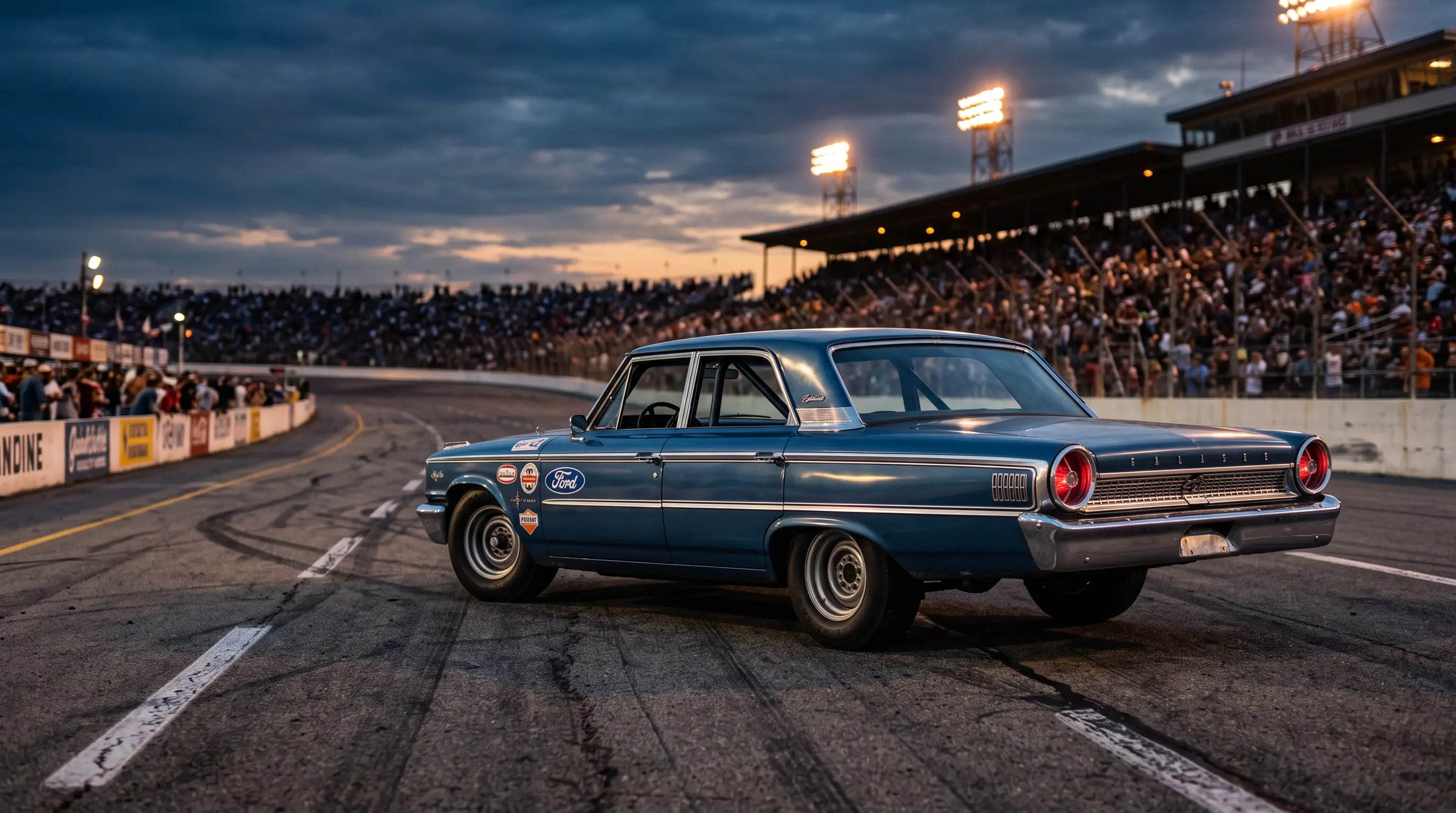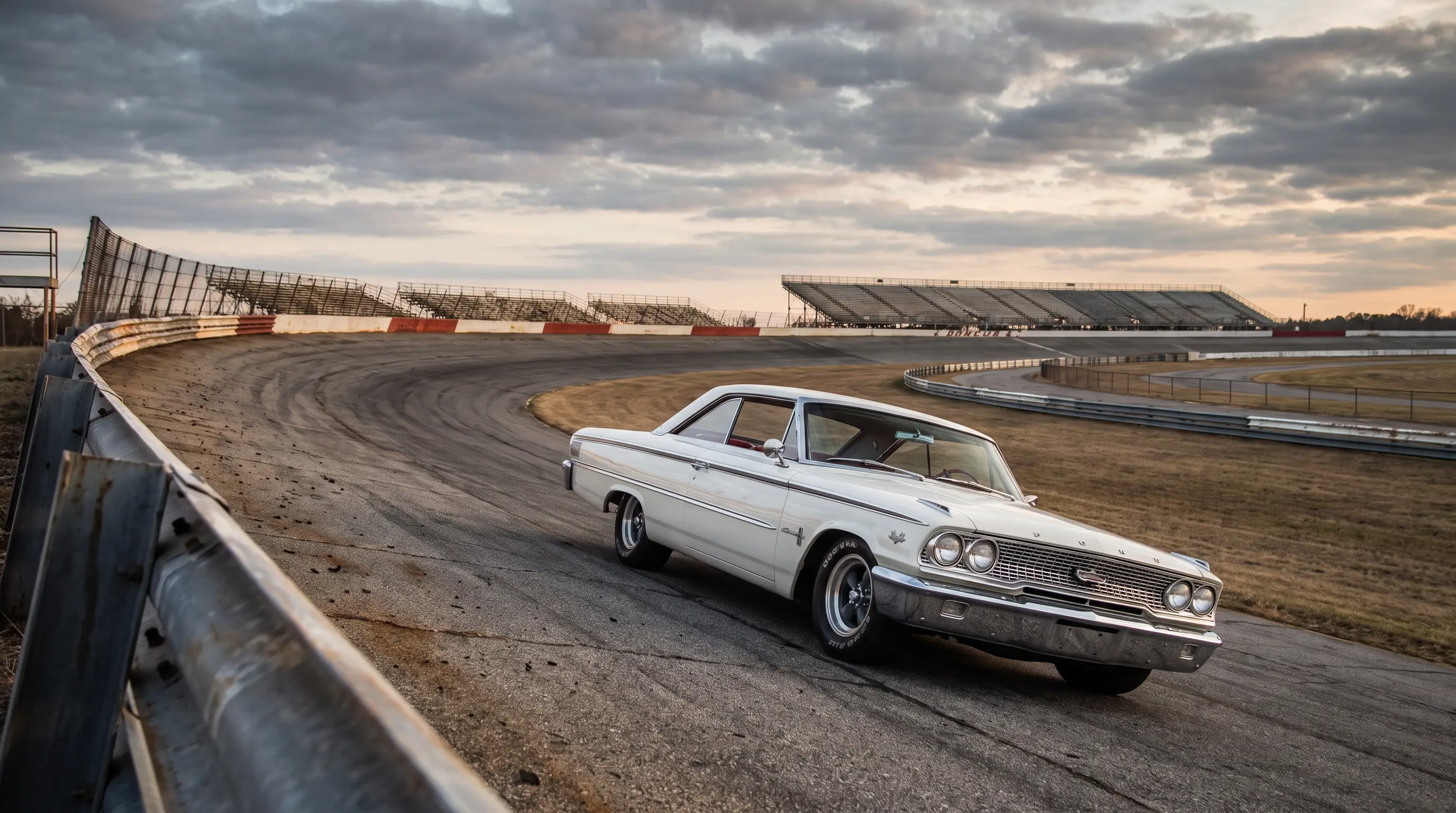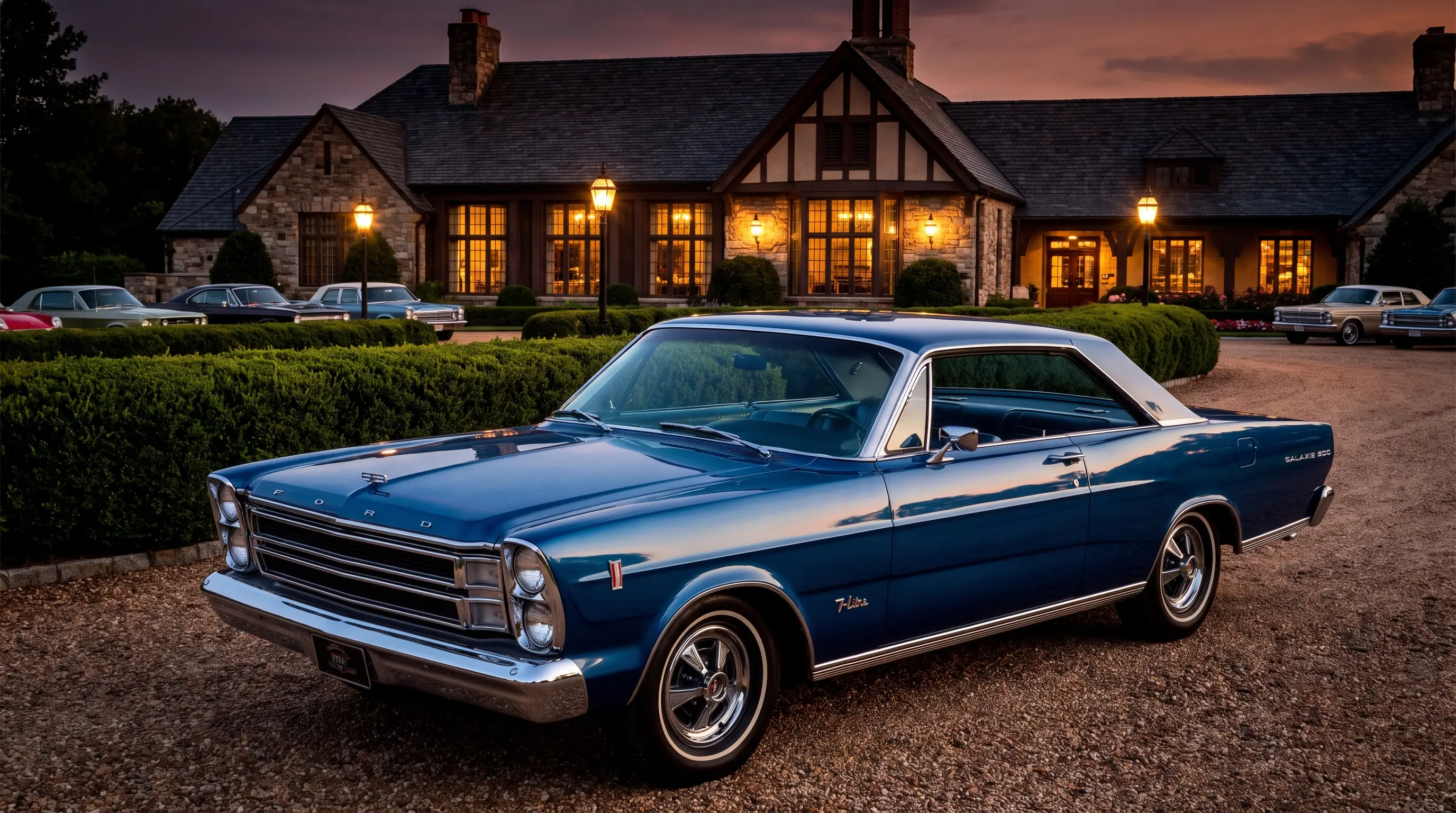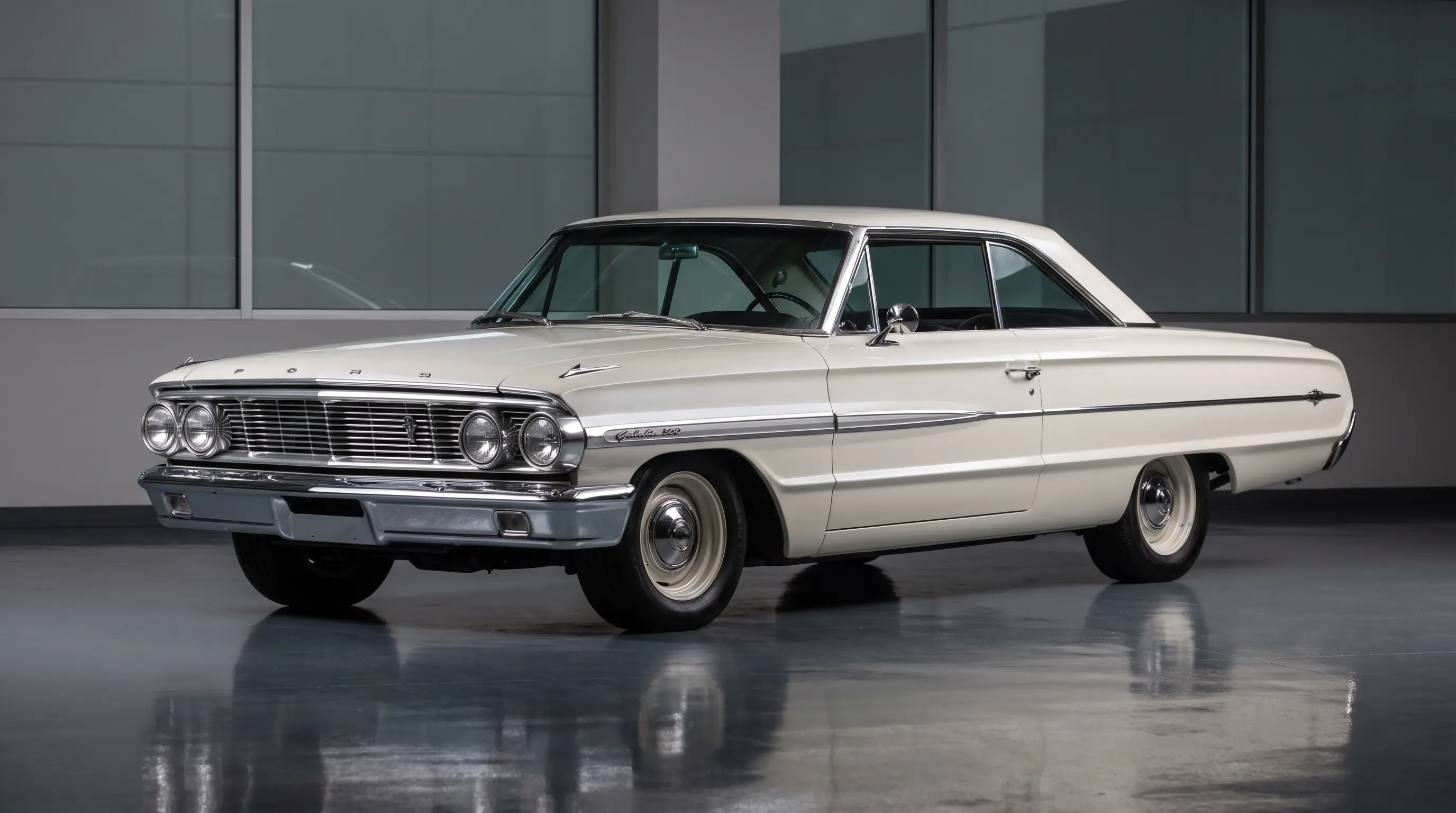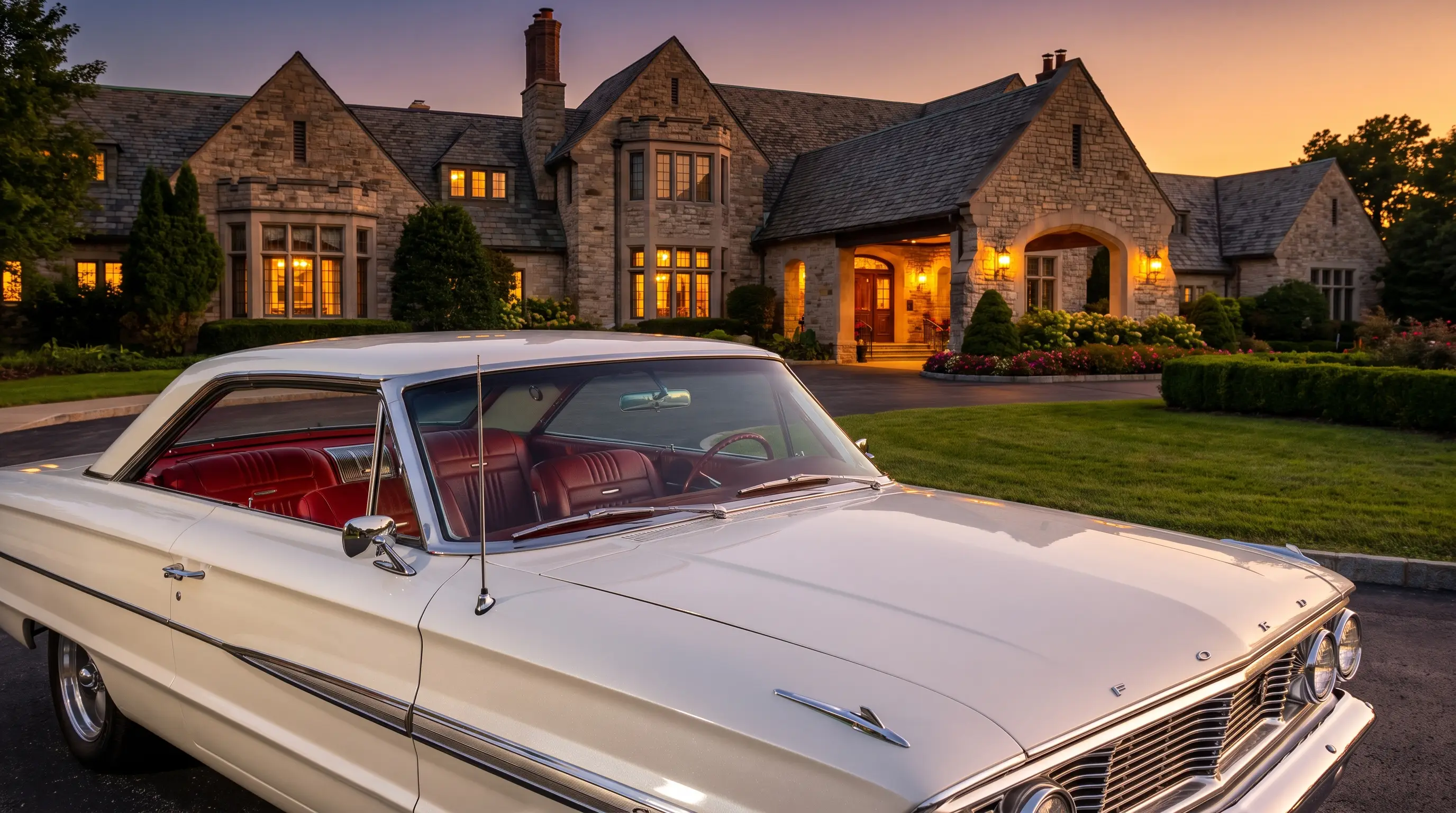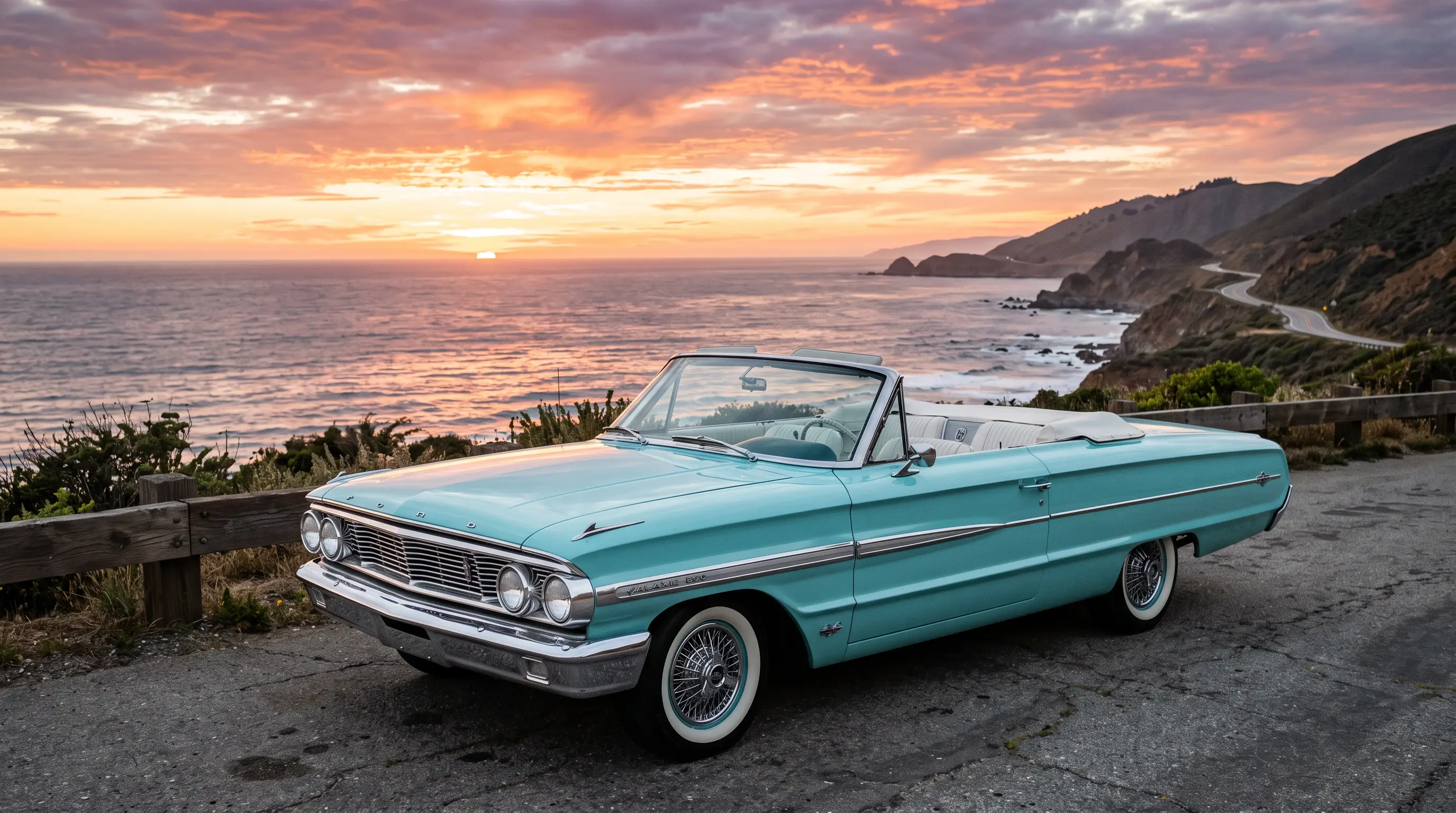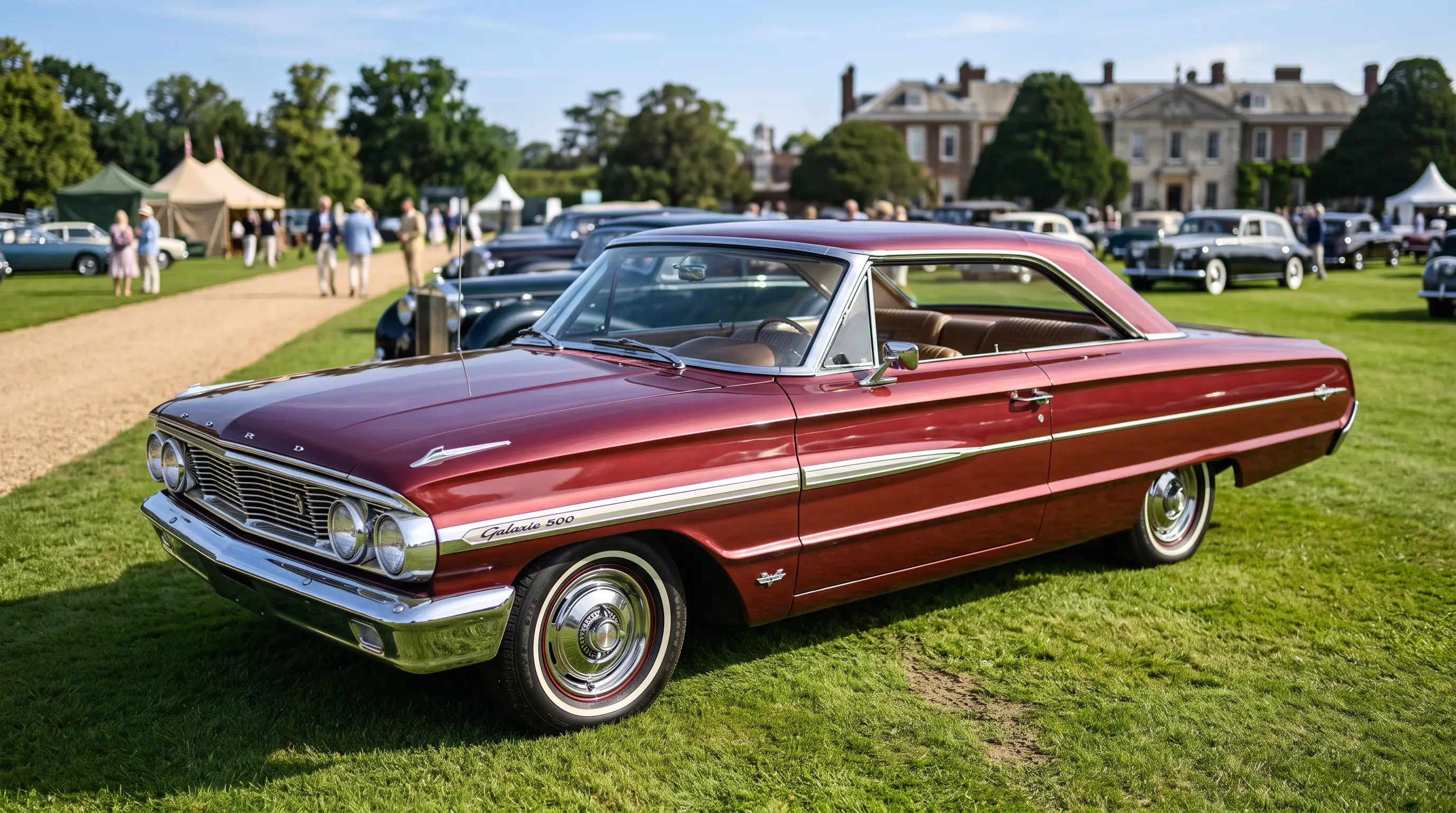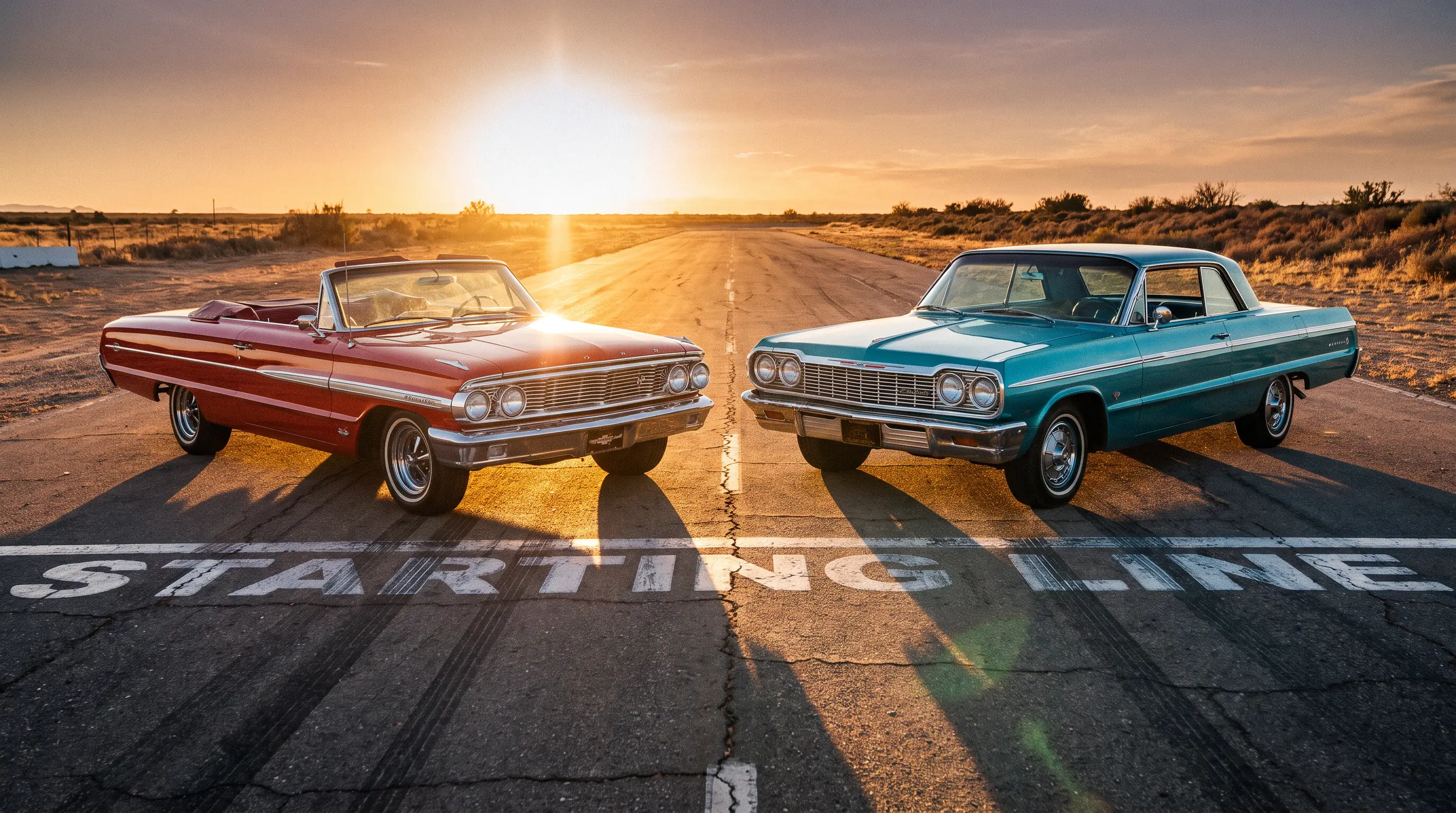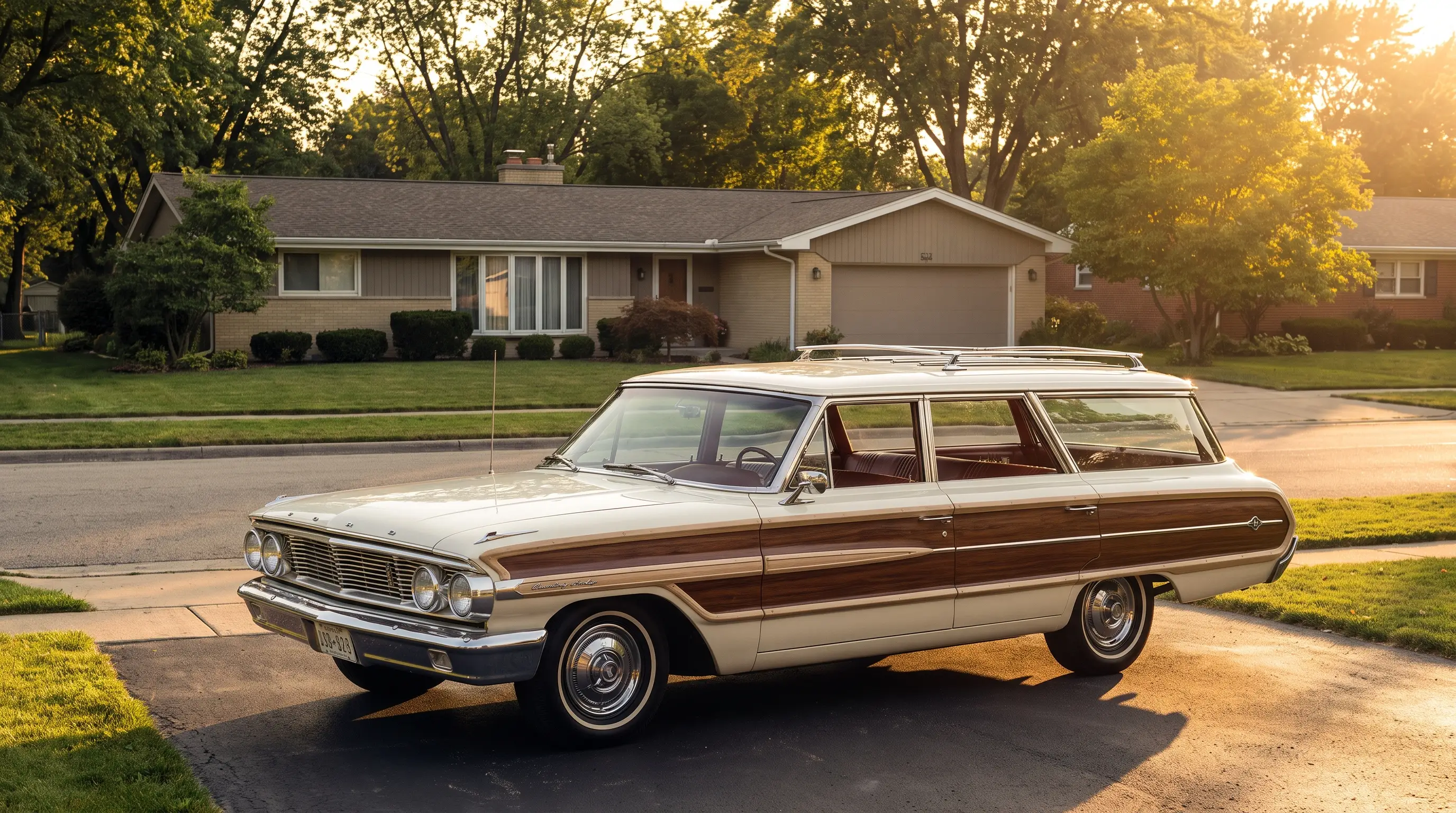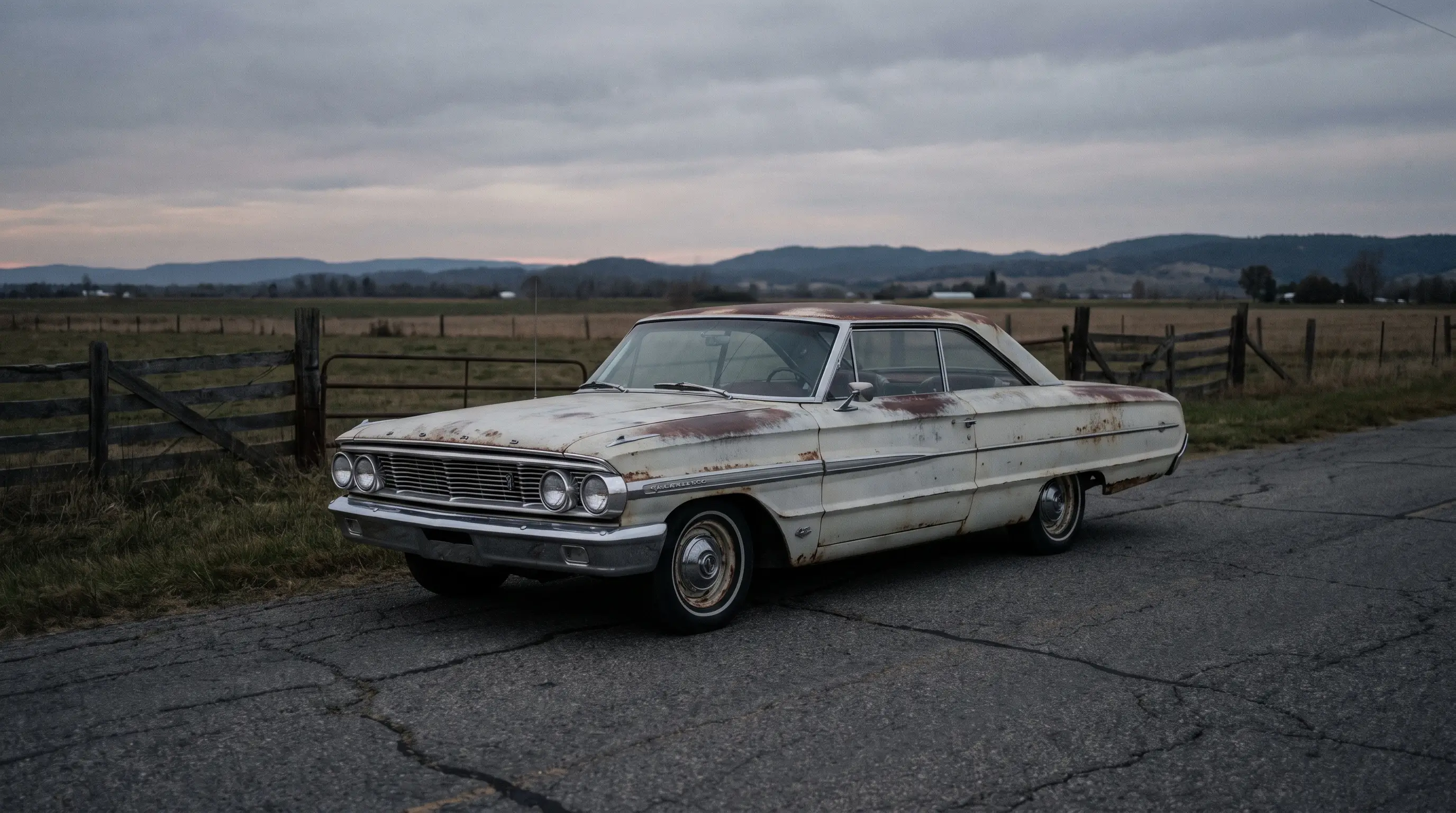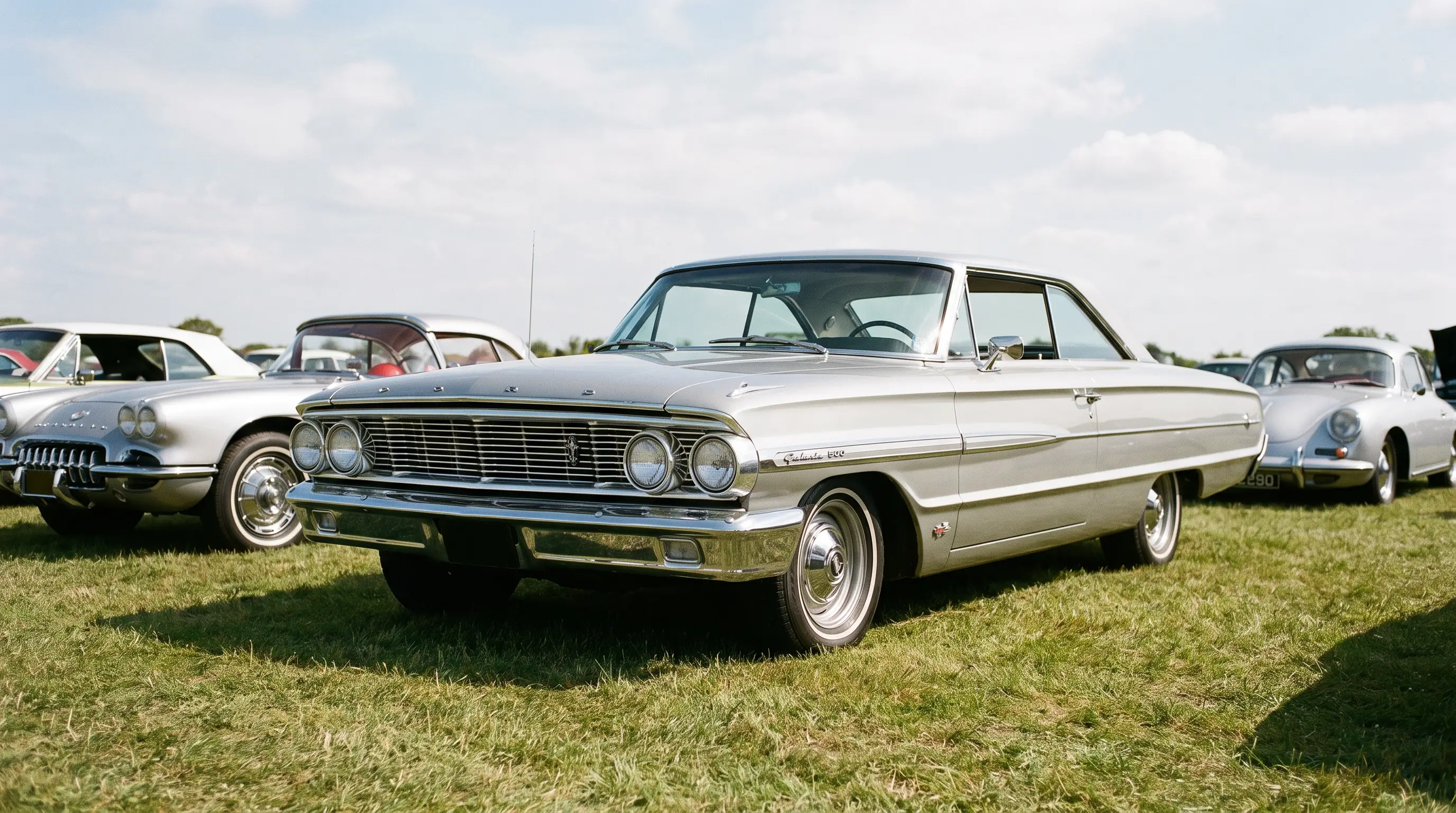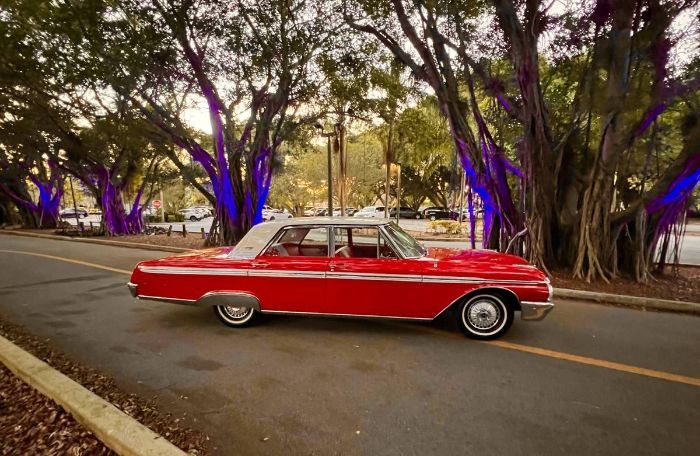
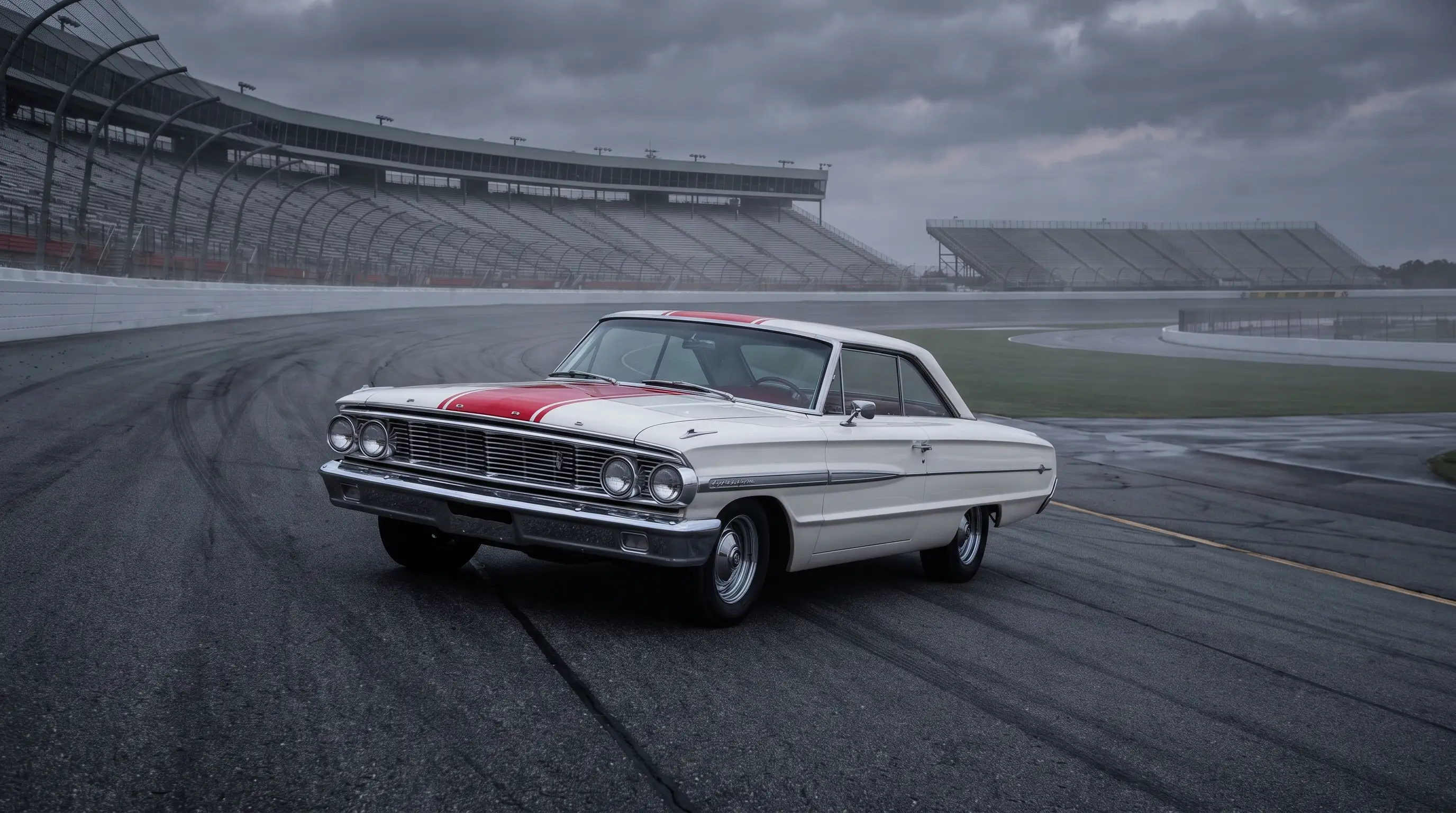
The 1964 ford galaxie deserves to be studied as an artifact of a specific and short-lived moment, the last season in which a full-size American sedan sat at the very front of stock car racing. By the time these cars left the factory, the ground was already shifting beneath them. The intermediate-size cars were coming, the racing rules were tightening, and the whole logic of running a two-ton flagship on a high-banked oval was about to expire. Held against that timeline, the 1964 Galaxie reads as a closing statement, and a confident one.
What survives today are the cars themselves, and they repay careful attention. The 1964 model year refined the styling that had carried Ford through its Total Performance push, and it retained the big-block engines that made the full-size Ford a competitor. To place the car correctly, it helps to treat it not as an isolated model but as one entry in a longer sequence, which our our ford galaxie retrospective sets out in order.
A car built at the end of an era
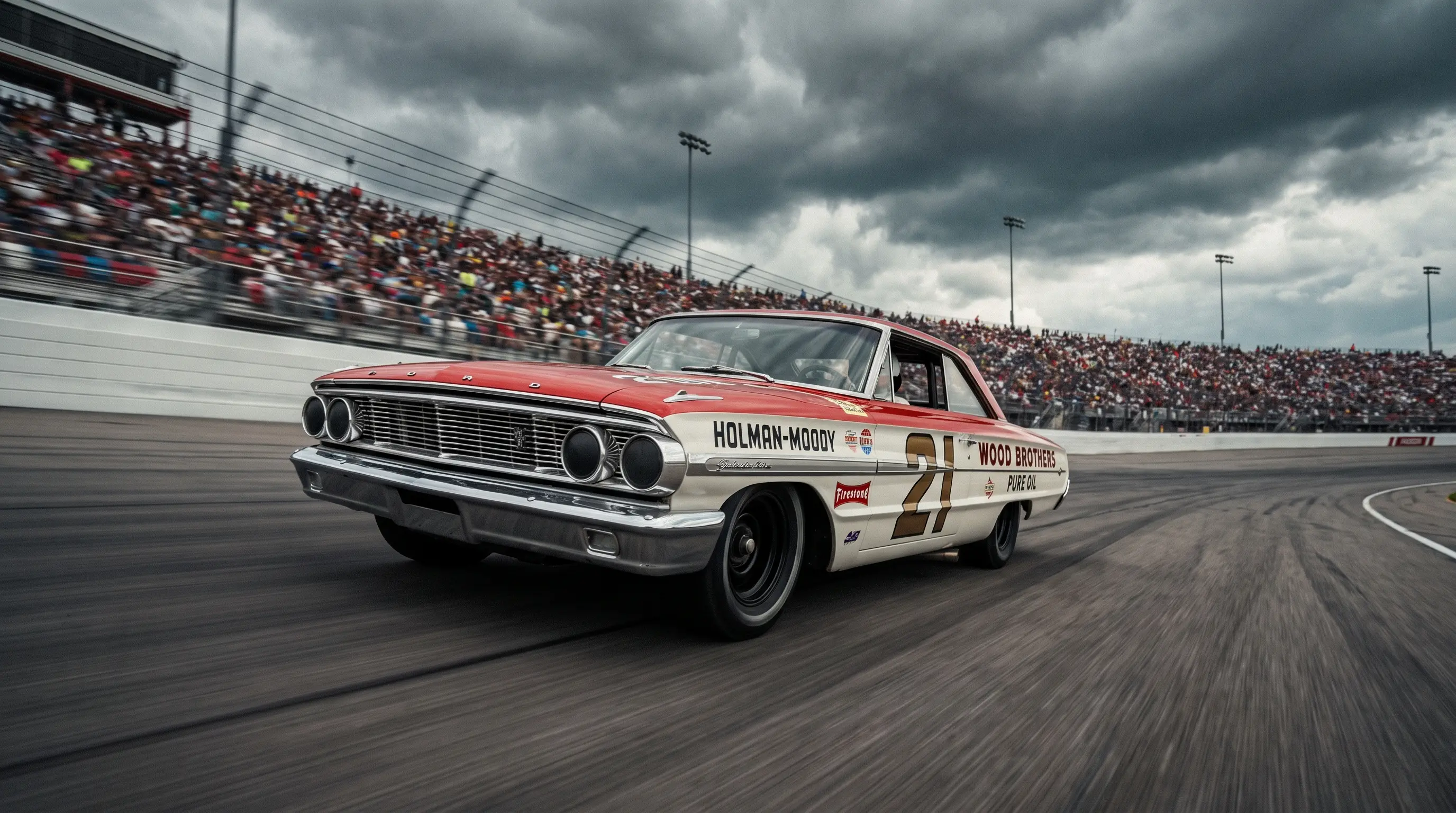
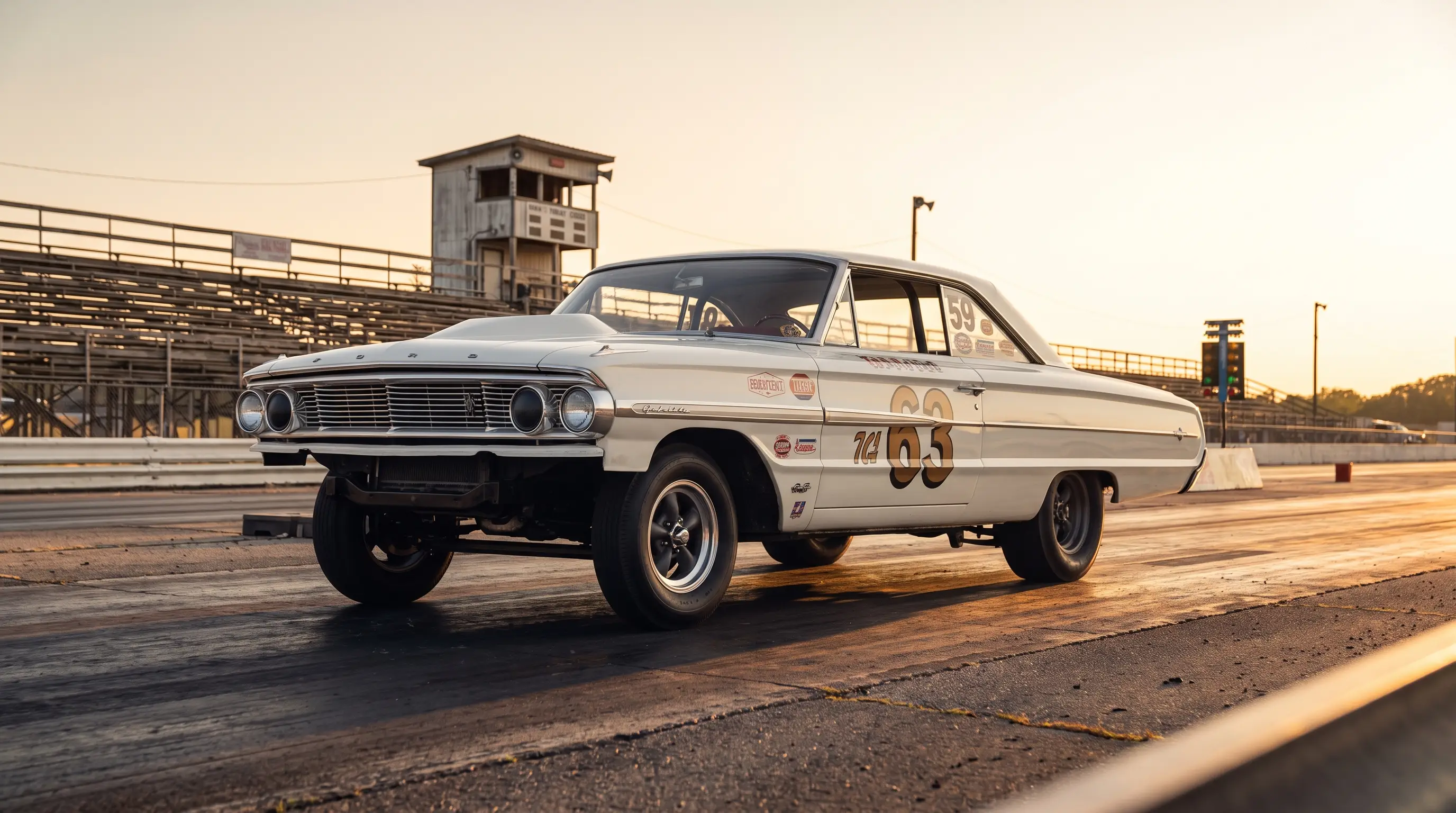
The 1964 Galaxie occupies a narrow and important window. Ford had committed hard to full-size stock car racing in the early 1960s, and 1963 had shown what the combination of a big engine and a slippery roof could do. By 1964 that formula was mature, and the cars were as developed as the full-size approach would ever get. What the buyers of the day could not fully see was that the approach itself was nearing its end. Within a couple of seasons, the competition center of gravity would move to lighter intermediate cars, and the full-size Ford would step back from the front lines.
This is why period context matters so much with the 1964 car. It is not simply an old Ford. It is the most refined version of an idea that was about to be retired, which gives even an ordinary example a certain finality. Reading the car this way, as the last of a line rather than one of many, changes how you weigh its details and its survivors.
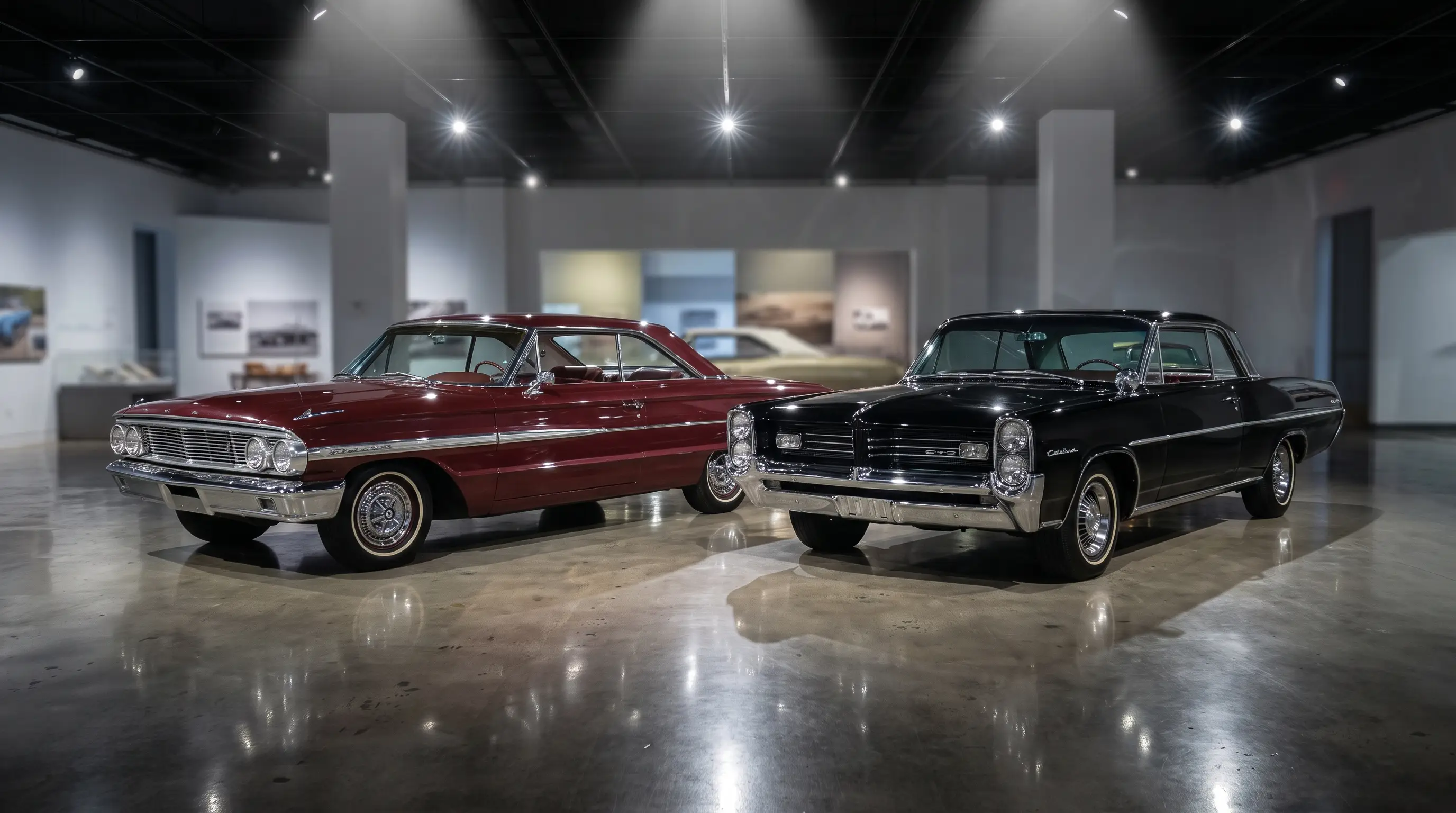
Styling and the crisper 1964 lines
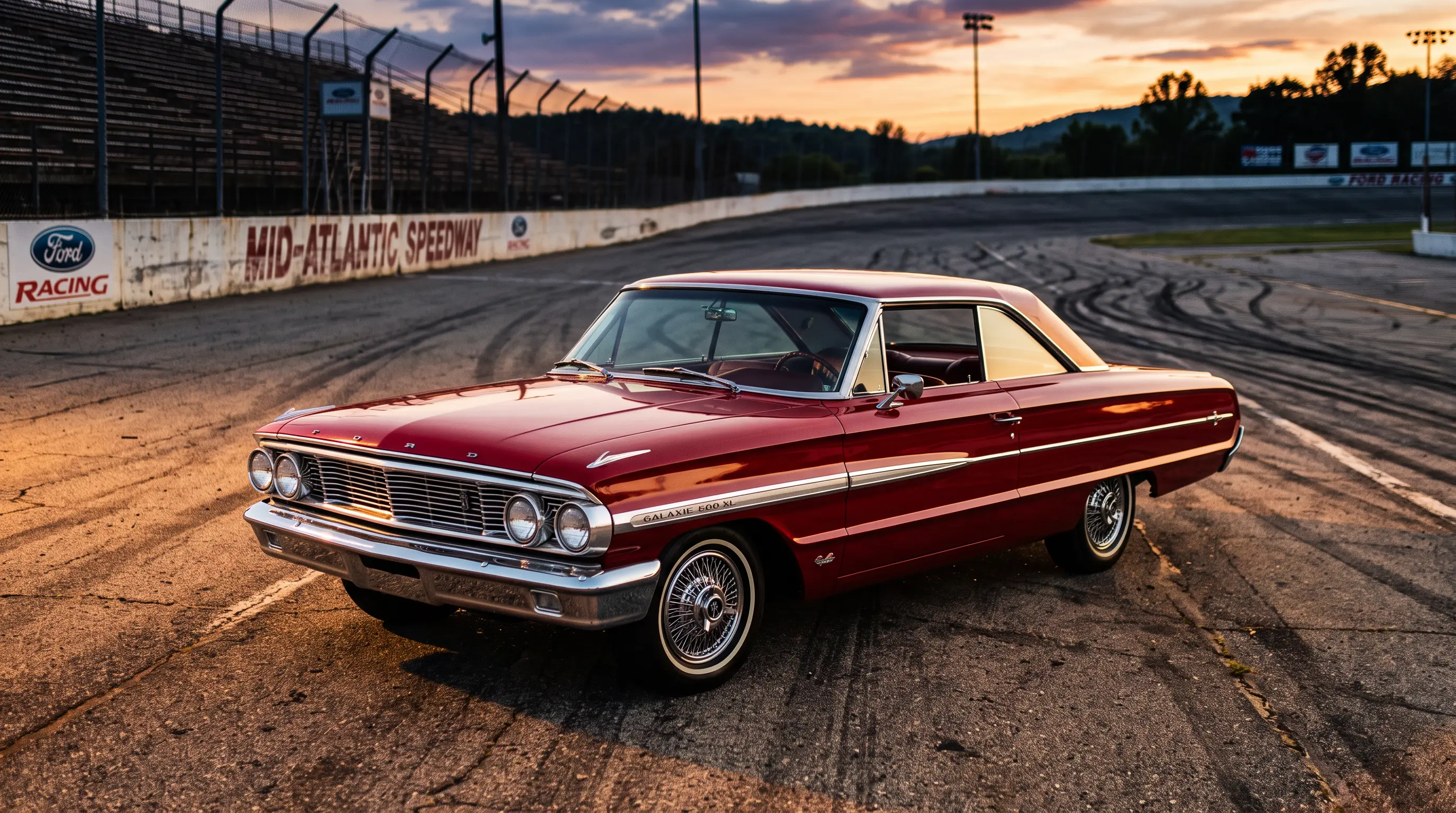
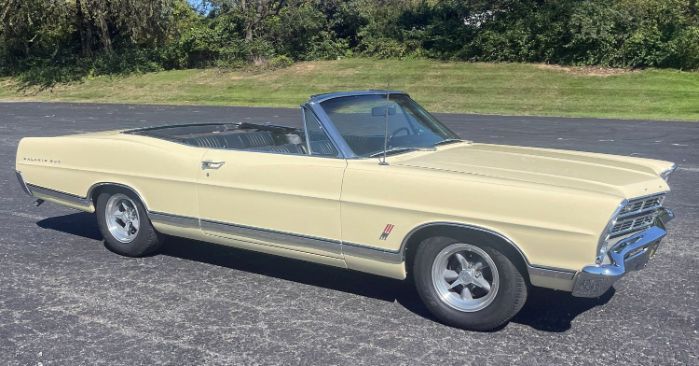
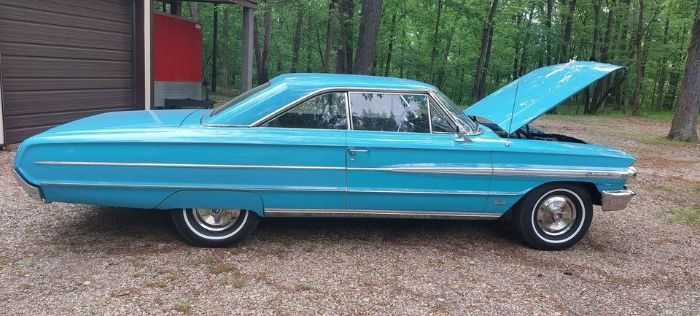
For 1964 Ford sharpened the full-size body, giving it cleaner sculpturing along the sides and a more formal front. The fastback roof that had arrived midway through the previous year continued, and it remained the shape that mattered to anyone thinking about competition or the look of it. The formal-roof hardtops and the convertibles rounded out a range that still spanned the full spread from plain sedan to sporting flagship. The Galaxie 500 and 500/XL trims carried on, with the XL keeping its bucket-seat cabin as the personal-car option.
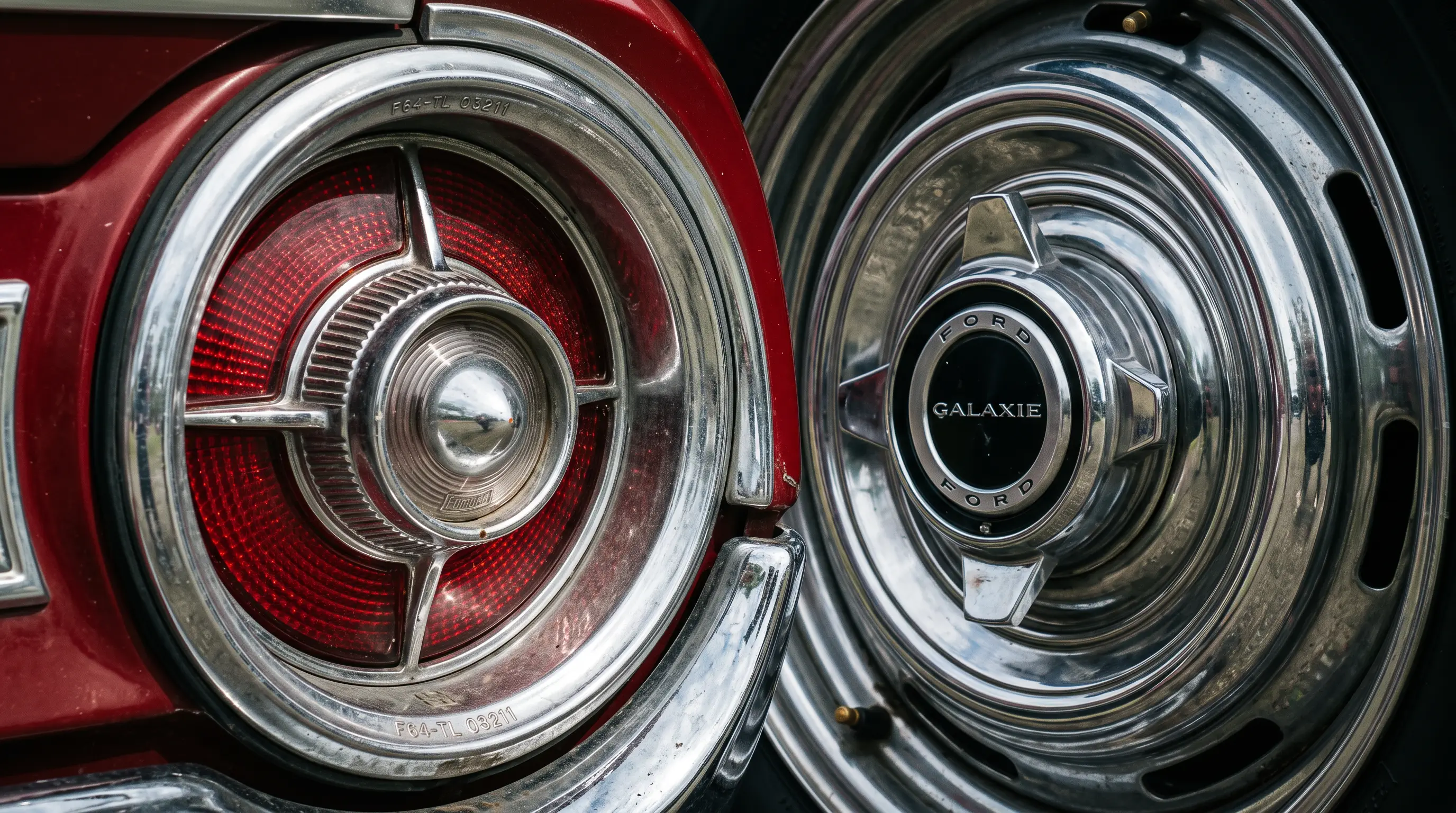
The styling is worth studying closely because it is one of the clearest ways to date and place a car. The 1964 lines are distinct from the 1963 cars, and a researcher can read the year off the sheet metal with confidence. That precision matters at the concours level, where a correct 1964 car should present its own year honestly rather than being blended with the model years around it. The details are the record, and the 1964 details tell their own story.
The 427 and the full-size racer's final form
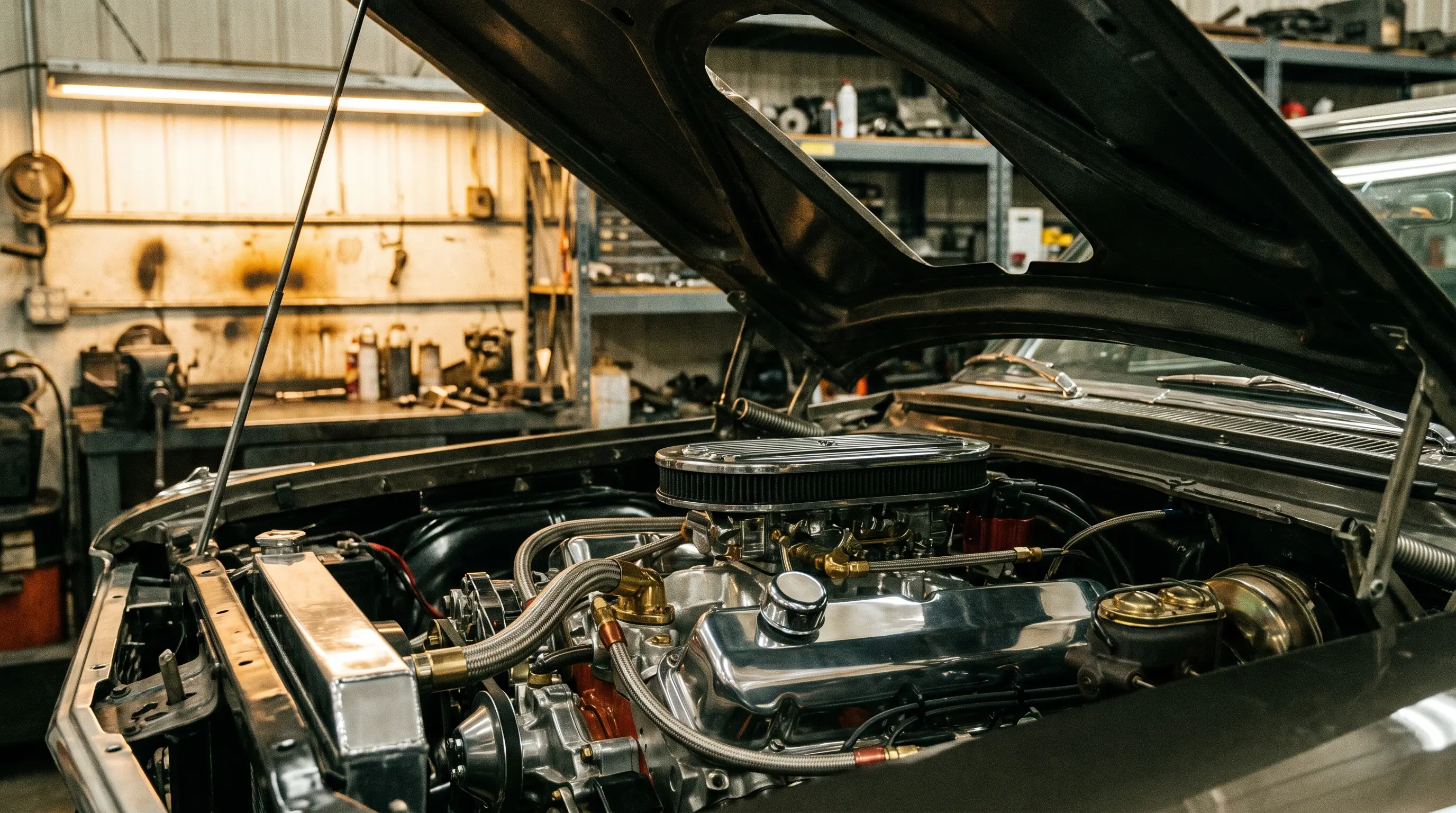
Under the hood, the 1964 Galaxie kept the engines that had earned its reputation. The 427 big block remained the top performance choice, available as the Q-code single four-barrel (410 hp) built to NASCAR's carburetor rules and the R-code dual four-barrel (425 hp advertised) built for drag racing, both giving the full-size car genuine competition capability. Below it, the 390 served as the volume performance engine for buyers who wanted presence without the top-tier hardware. These were the same engine families that had carried Ford through its racing push, and in the 1964 car they represent the full-size approach at its most developed.
Treated as an artifact, the 427-powered 1964 Galaxie is the clearest physical expression of a strategy that was ending. The engineering that went into making a large sedan competitive on the ovals reached its practical limit here, and the surviving cars carry that engineering as evidence. When the racing moved to smaller bodies, this level of full-size performance became a historical endpoint rather than a starting position, which is exactly what makes these cars significant to study.
| Attribute | Detail |
|---|---|
| Model year | 1964, refined full-size body |
| Top engine | 427 FE big block, Q-code (410 hp) and R-code dual four-barrel (425 hp) |
| Volume performance engine | 390 FE big block |
| Sporting trim | Galaxie 500/XL with bucket seats |
| Historical role | One of the full-size Ford's strongest NASCAR seasons before the shift to intermediates |
The interior record and period equipment
The cabin of a 1964 Galaxie is as much a document as the sheet metal, and it repays the same careful reading. The base Galaxie interiors were plain by intention, trimmed for durability rather than display. The Galaxie 500 lifted the materials and brightwork a step, and the 500/XL went further with its bucket seats, console, and the more personal treatment that set the sporting car apart. Period options ran to the conveniences a full-size buyer of the day wanted, from power assists to radios and heaters that were still worth specifying. Each of these choices left a trace, and a researcher can reconstruct much of a car's original specification from what remains inside it.
This is where originality reveals itself most clearly. Exterior restoration can hide a great deal, but an interior that matches the year's correct materials, patterns, and hardware tells a truer story about how a car was ordered and how it has been kept. When I assess a 1964 Galaxie, the cabin is one of the first places I look, because it is harder to fake convincingly than a repaint. A correct interior anchors the rest of the claim.
Documentation and the concours perspective
From a concours standpoint, the 1964 Galaxie lives or dies on documentation. The most valuable examples come with a paper trail that supports what the metal claims, whether that is build records, early registration history, or period photographs. For the performance cars in particular, documentation separates a genuine article from a car that has been assembled to look the part. The market has learned this lesson, and it now rewards the well-documented survivor far more than the merely presentable one.
The reason is straightforward. A car of this age has usually passed through many hands, and the honest ones are those whose history can be traced rather than assumed. A researcher treats every claim as a hypothesis to be tested against evidence, and the 1964 Galaxie gives plenty of evidence to work with if the paperwork survives. When the documentation and the car agree, you have something worth preserving. When they do not, you have a puzzle, and the value follows the certainty.
This discipline is not pedantry. It is what keeps the historical record honest, and it is what allows a 1964 Galaxie to function as more than a pleasant old car. Treated properly, it is a primary source for how Ford built and sold its full-size line at the close of the racing era, and sources deserve to be verified. The collectors who understand this are the ones preserving the model's real history.
Production, trim, and reading a survivor
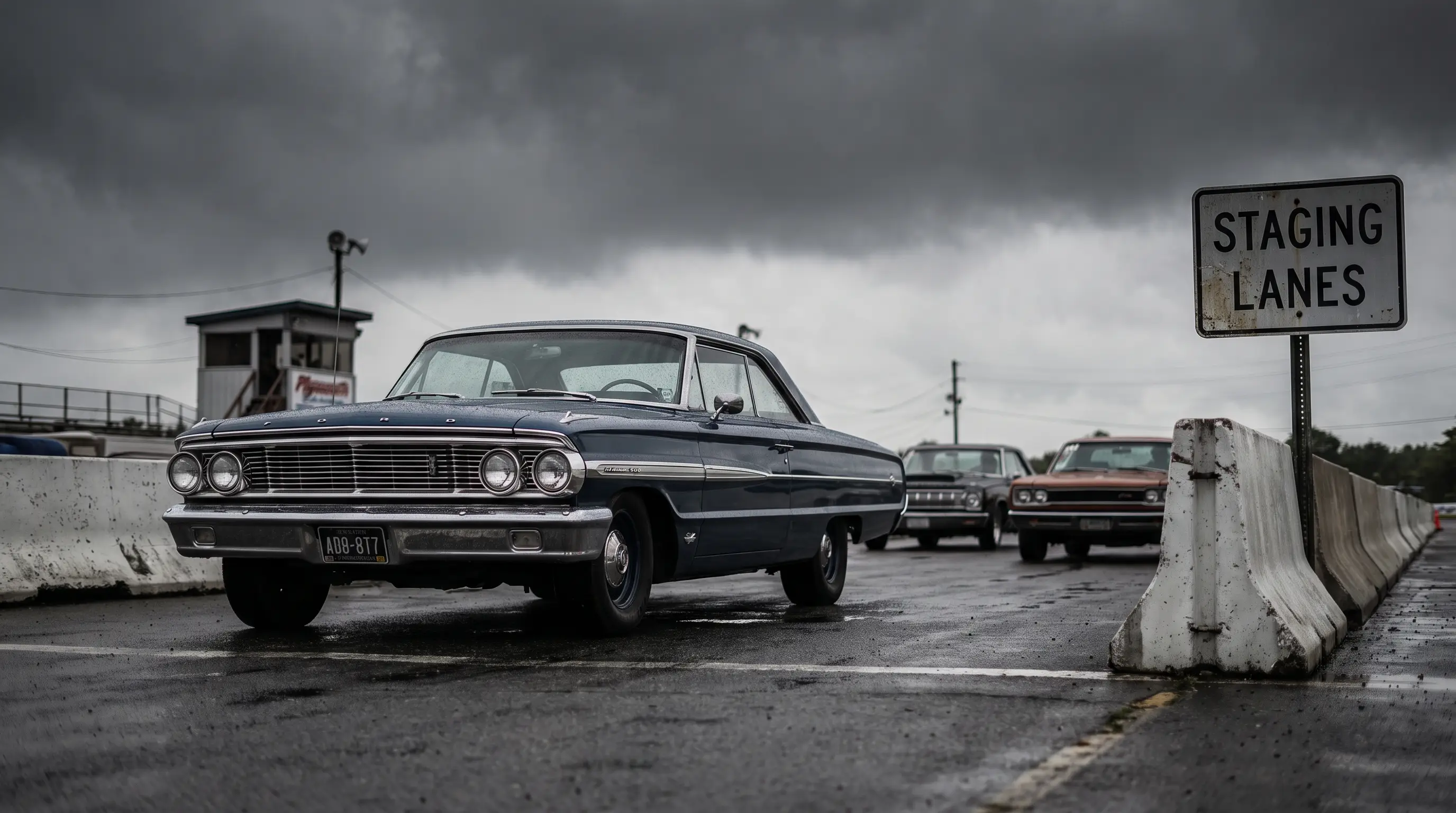
Approaching a 1964 Galaxie as a historian means reading its trim and equipment against the factory record. The series hierarchy remained clear, with the base Galaxie below the Galaxie 500, and the 500/XL above that as the personal-luxury choice. A survivor's badges, interior, and roofline should agree with each other and with the year, and any disagreement is a signal worth investigating. Cars from this period were frequently modified in the decades since, so an honest, correctly trimmed example is more valuable as a document than a dressed-up one.
The population of survivors is healthy enough that a patient buyer can find a car that presents its year truthfully. That availability is a gift to the researcher, because it allows direct comparison between examples and against the printed record. For anyone weighing what the market holds, there are Galaxies for sale now that show how the year's trims and engines are valued against one another today.
"I read the 1964 Galaxie as a closing document. It is the most finished version of an idea Ford was about to abandon, and the surviving cars still carry that sense of an era ending."
- Sarah Whitfield
Why 1964 rewards the careful collector
The 1964 Galaxie rewards the collector who cares about placing a car precisely in time. It is not the loudest year in the model's history, and it does not have the midyear drama of the 1963 cars. What it offers instead is a clean, developed expression of the full-size performance idea at the exact point before that idea was retired. For a collector who values history over noise, that makes the 1964 car quietly compelling.
There is also the satisfaction of owning an endpoint. When the racing moved on, the full-size Ford entered a different phase, one defined more by comfort and luxury than by lap times, and that shift produced its own memorable cars. Readers tracing where the Galaxie went next will find a related story in the mid-decade cars, when the priorities changed and the model turned toward refinement. You can follow that thread in a related story, which picks up after the racing chapter closed.