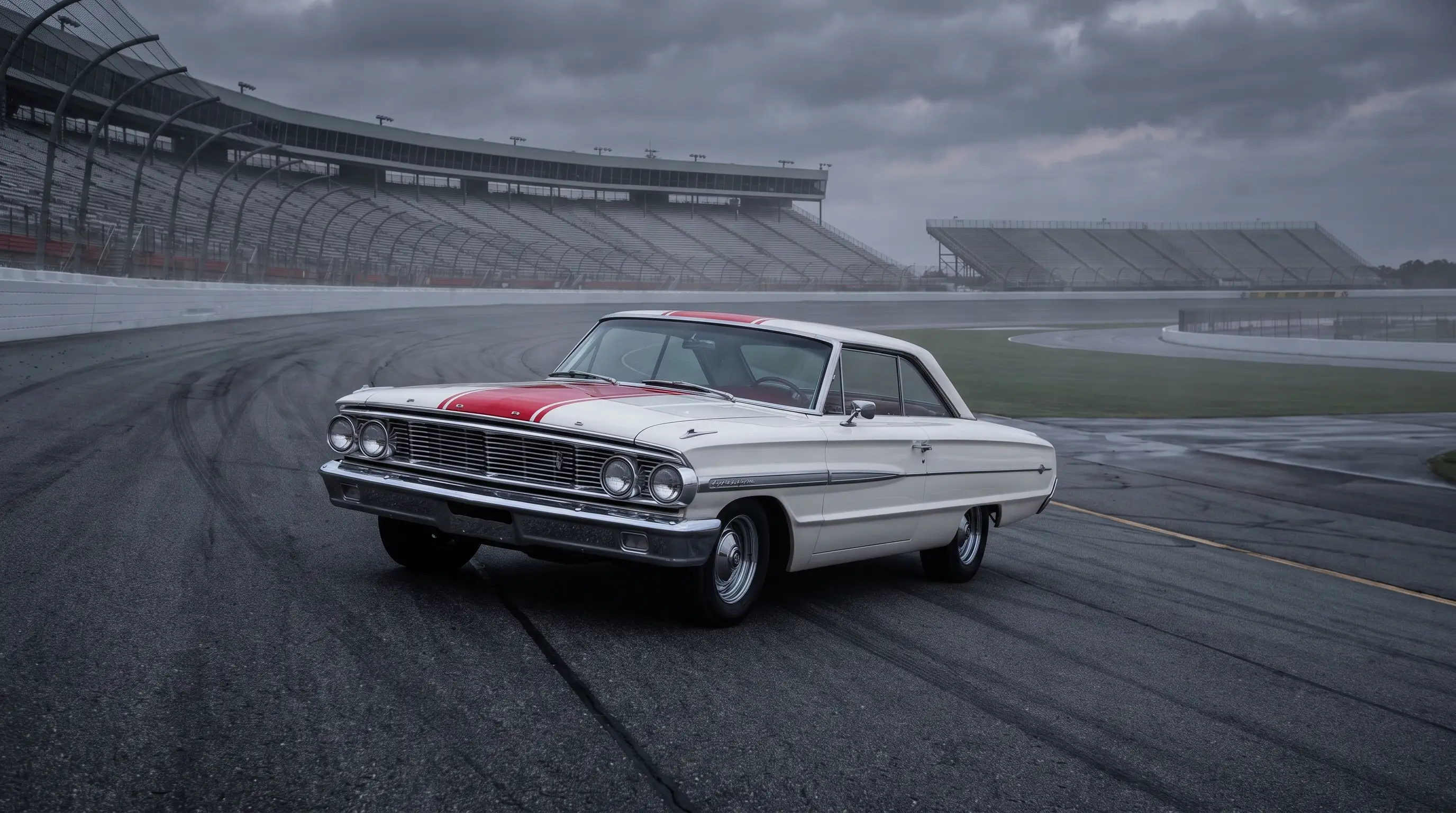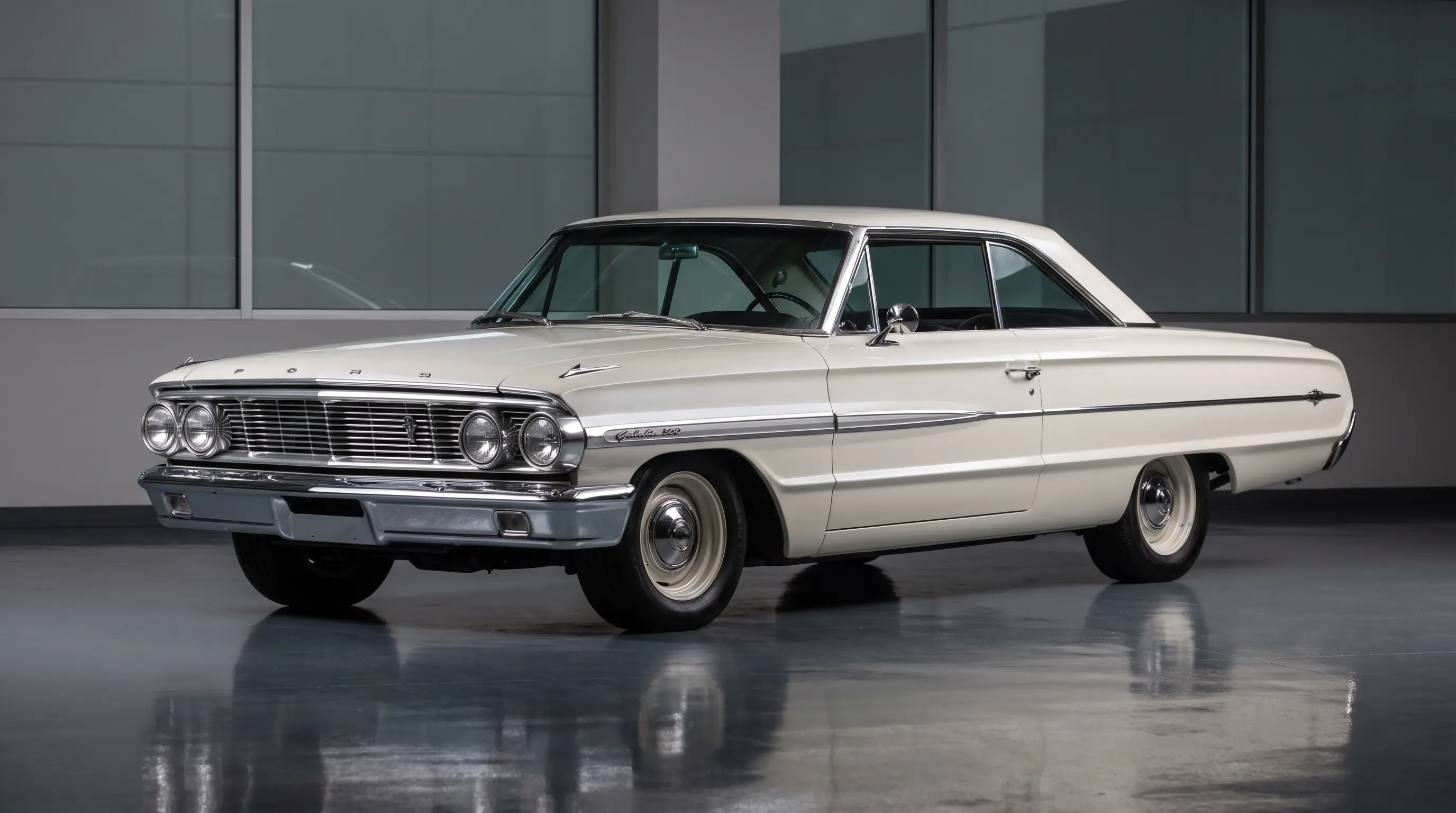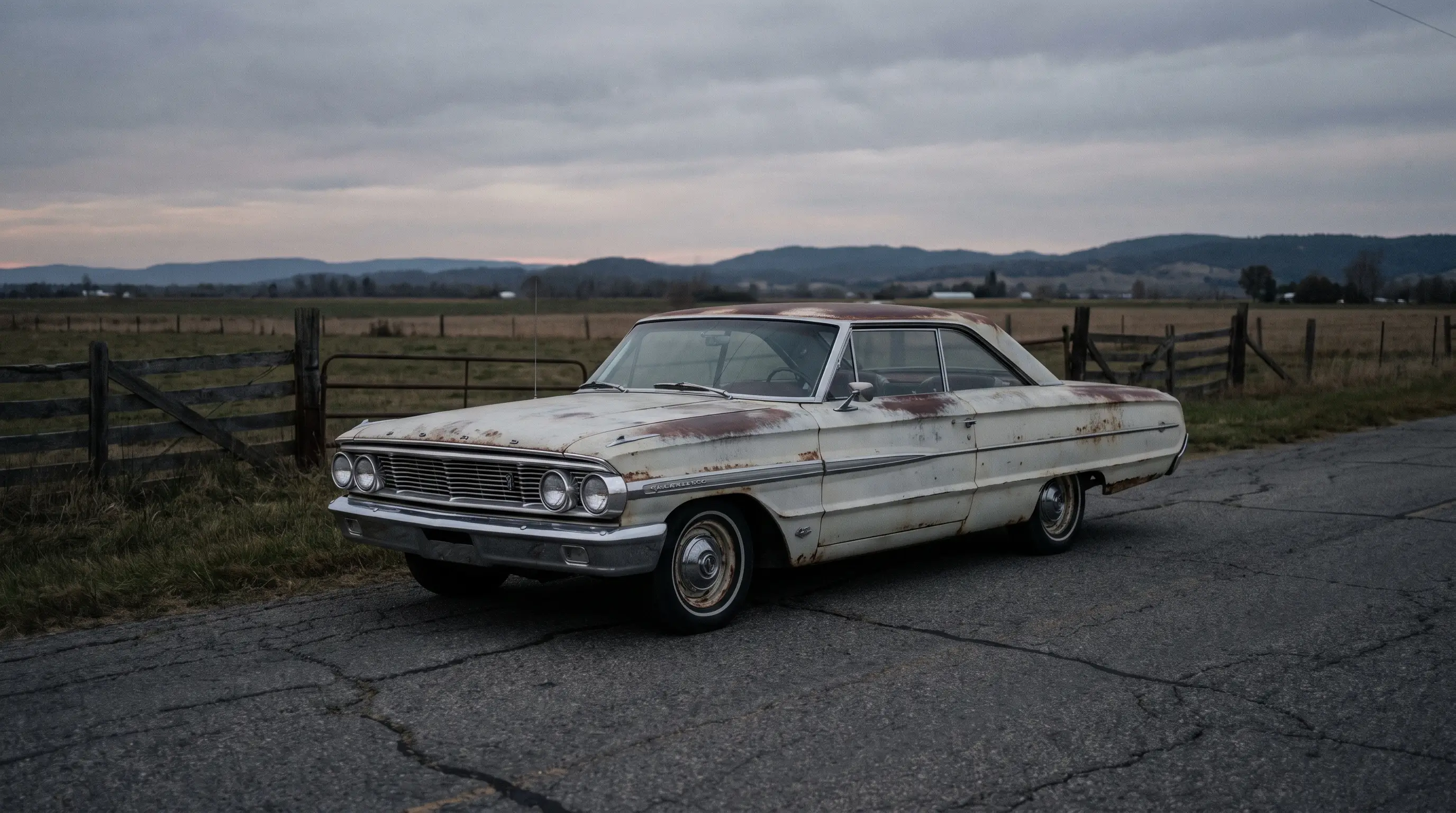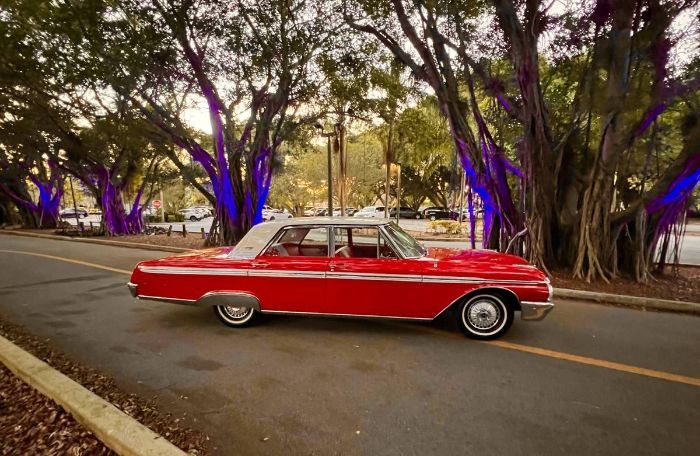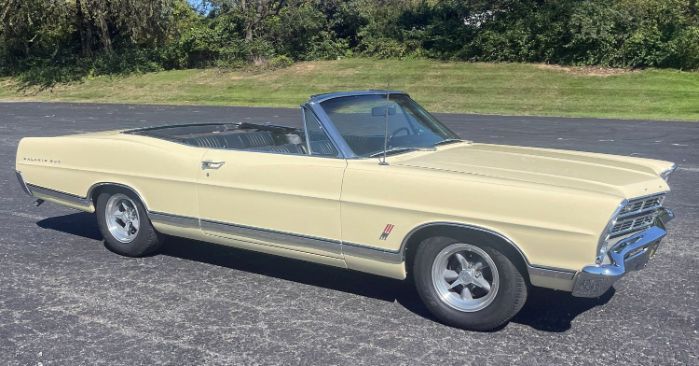
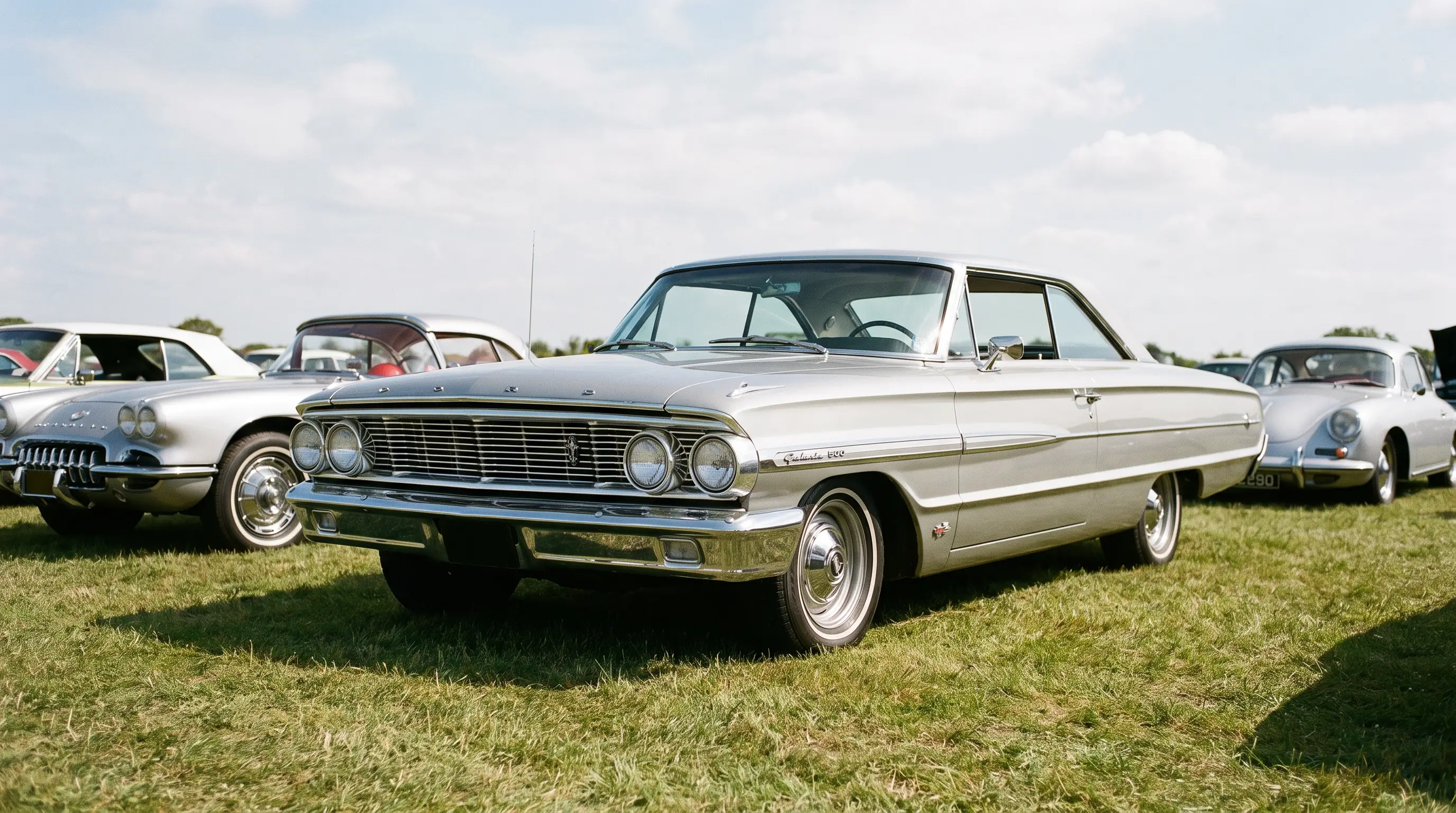
Walk through the swap meet at a regional Ford club gathering and the ford galaxie 1964 ownership scene today reveals itself in small, telling details, a folder of build sheets protected in a plastic sleeve, a conversation about correct trim tag stamping that goes on for twenty minutes, a willingness among strangers to trade phone numbers over a shared interest in one specific model year. This is a community built as much around documentation and research as it is around driving, and understanding how it actually functions matters as much as understanding the car itself.
The clubs and registries that anchor the hobby
National and regional Ford enthusiast organizations maintain registries specifically tracking full-size Fords from this era, and the 1964 model year benefits from decades of accumulated research shared across these networks. Members compile production data, trace individual vehicle histories, and cross-reference broadcast sheets in a collective effort that no single owner could replicate alone. That collaborative documentation work is arguably more valuable to the hobby's long-term health than any individual restoration, since it builds the reference material against which every future claim of originality gets measured.
Regional clubs supplement the larger national registries with local knowledge, connecting owners with parts sources, trusted specialists, and the kind of institutional memory that only accumulates through years of members helping each other solve the same recurring problems. A new owner joining one of these clubs today gains access to decades of accumulated expertise that would otherwise take years to assemble independently.
How research standards have changed
Documentation expectations within this community have tightened considerably compared to even a decade or two ago. Claims about matching numbers or original equipment that once passed on a seller's word alone now routinely draw requests for build sheets, broadcast records, or other primary source verification before serious buyers or researchers take them at face value. That shift reflects a broader maturation across the classic car hobby generally, but it shows up with particular intensity around well-documented model years like 1964, where enough reference material exists that careless claims get caught quickly.
This tightening has real practical consequences. Cars that once traded informally on reputation now require actual paperwork to command top prices, which has raised the research bar for everyone participating in the market, sellers and buyers alike.
Events, shows, and where the community actually gathers
Beyond registries and paperwork, the ownership scene around this specific model year plays out at regional car shows, marque-specific gatherings, and increasingly through online forums where photographs of trim tags and broadcast sheets get dissected in detail by members scattered across the country. These digital spaces have, if anything, accelerated the documentation culture described above, since a photograph posted online invites immediate scrutiny from dozens of experienced eyes rather than the handful of people who might examine a car at a single regional show.
That said, in-person events remain important precisely because they allow the kind of close physical inspection that photographs cannot replicate, checking stamping depth, casting numbers, and other physical details that require handling a car directly rather than viewing it through a screen.
"The best research happens when someone brings a car to a show specifically so three other people can argue about whether the trim tag stamping looks right. That is not a criticism. That is the hobby working exactly as it should."
- Sarah Whitfield
Parts availability and what it means for daily ownership
Because the full-size Ford platform was produced in such large numbers through the 1960s, the ownership scene today benefits from a reasonably deep parts supply for common mechanical components, brakes, suspension, and standard trim items shared across the broader model range. That commonality has kept routine ownership more manageable than it is for lower-volume cars from the same era, and it is one of the practical reasons this specific model year continues to attract new owners rather than only long-time collectors.
Trim-specific and body-style-specific parts tell a different story. Items unique to the 500 XL interior, the Country Sedan's wagon-specific hardware, or the R-code 427's particular engine components are considerably harder to source and often require the same club and registry networks discussed above rather than a simple parts counter transaction. New owners are often surprised by this split, expecting a mainstream 1960s Ford to be uniformly easy to source parts for, only to discover that the easy parts and the hard parts sit on opposite ends of the same car depending on trim and configuration.
This reality reinforces why community connections matter so much in this specific ownership scene. A parts search that might take an afternoon for a common mechanical component can take months for a correct trim-specific piece, and knowing which registries and specialists to contact first often makes the difference between a quick repair and a prolonged search.
Advice for someone entering the scene now
A new owner or prospective buyer entering this specific corner of the hobby today should start by connecting with a registry or club focused on full-size 1960s Fords before making any significant purchase decision, since the collective expertise available through these networks far exceeds what any single dealer or private seller is likely to volunteer unprompted. Asking pointed questions about documentation early, rather than after a purchase, saves considerable frustration later.
For readers who want the fuller context behind the model year generating all this documentation and community interest, more on the 1964 ford galaxie covers the lineup in detail, while our complete history traces the nameplate across its full production run. And for anyone ready to actually join this ownership community, it is worth taking time to review classic Galaxies on the market with the documentation standards described here firmly in mind.
The ownership scene around the 1964 Galaxie today is healthier and more rigorous than it was a generation ago, driven by patient collectors who treat documentation as seriously as they treat the cars themselves. That culture, more than any single feature of the car, is what makes this such a rewarding model year to get involved with now.
New owners sometimes find the documentation culture intimidating at first, expecting a hobby built around suspicion rather than welcome. In practice, the opposite tends to be true. Experienced club members are generally eager to share knowledge with newcomers who show genuine interest in getting the details right, and the same rigorous standards that can feel demanding to a first-time buyer become a source of real satisfaction once an owner has done the work to properly document their own car. That transition, from intimidated newcomer to confident contributor, is a fairly common arc within this specific community, and it speaks well of how the hobby has matured around this model year.
Sources and notes
- Ford Galaxie Club of America - Statistics
- Ford Galaxie - Wikipedia
- 1964 Ford Galaxie 500 Specs & Buyer Guide - Classic Car Authority
- 1964 Ford Galaxie Factory R-Code 427 - David's Classic Cars
- 1964 Ford Galaxie Country Sedan - 427 Garage
- 1964 Ford Country Sedan Catalog and Guide - Metro Moulded Parts