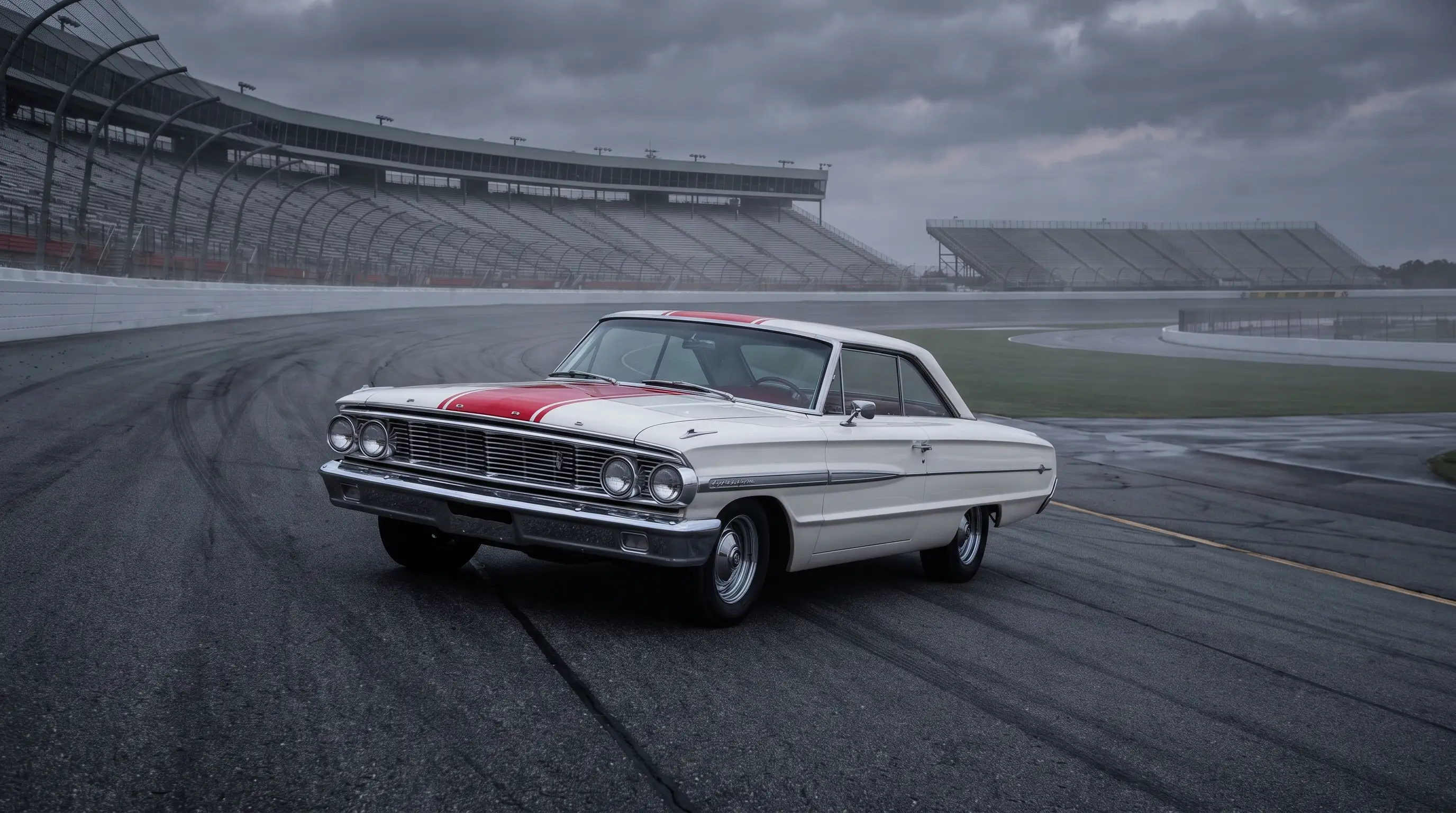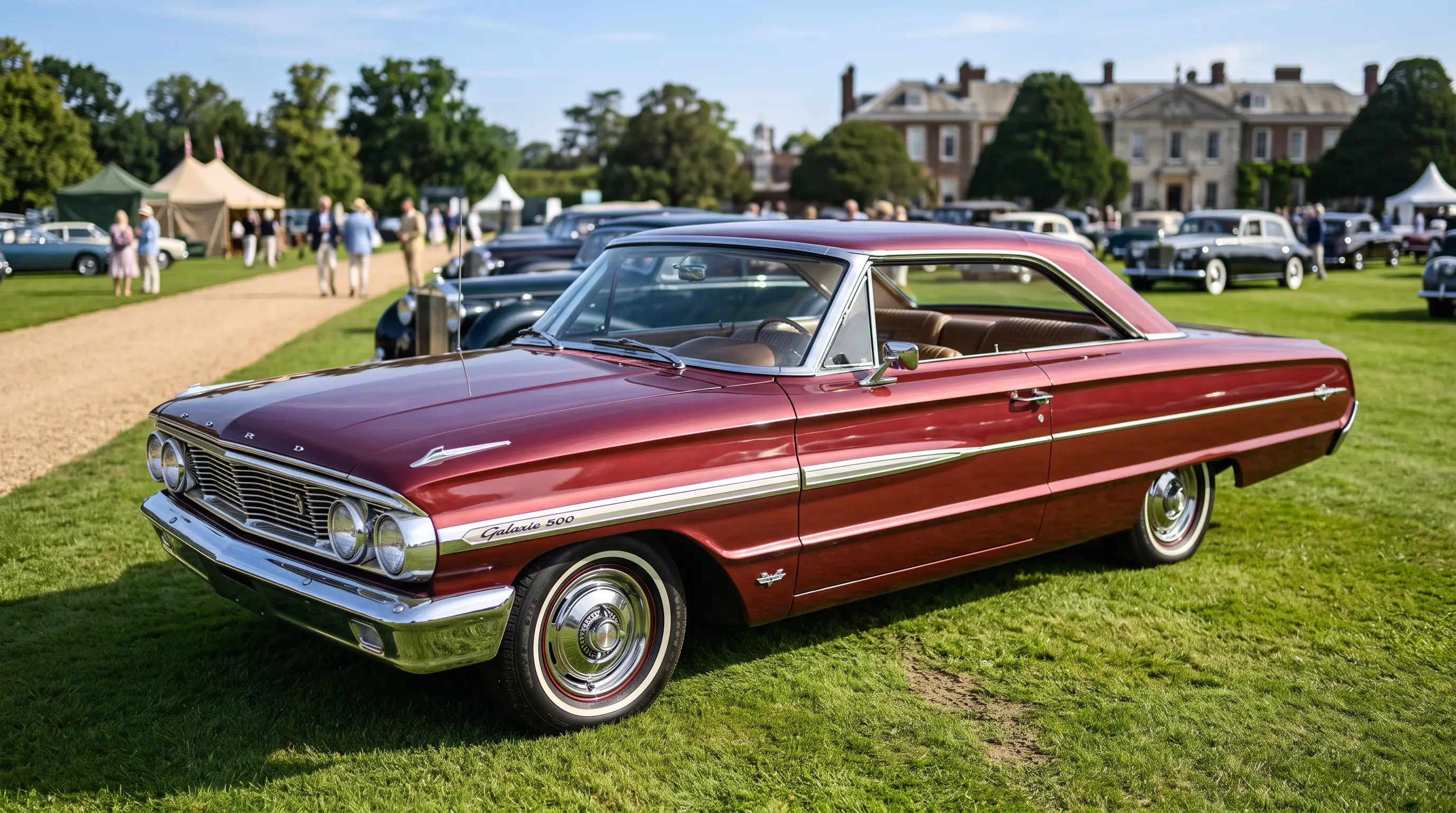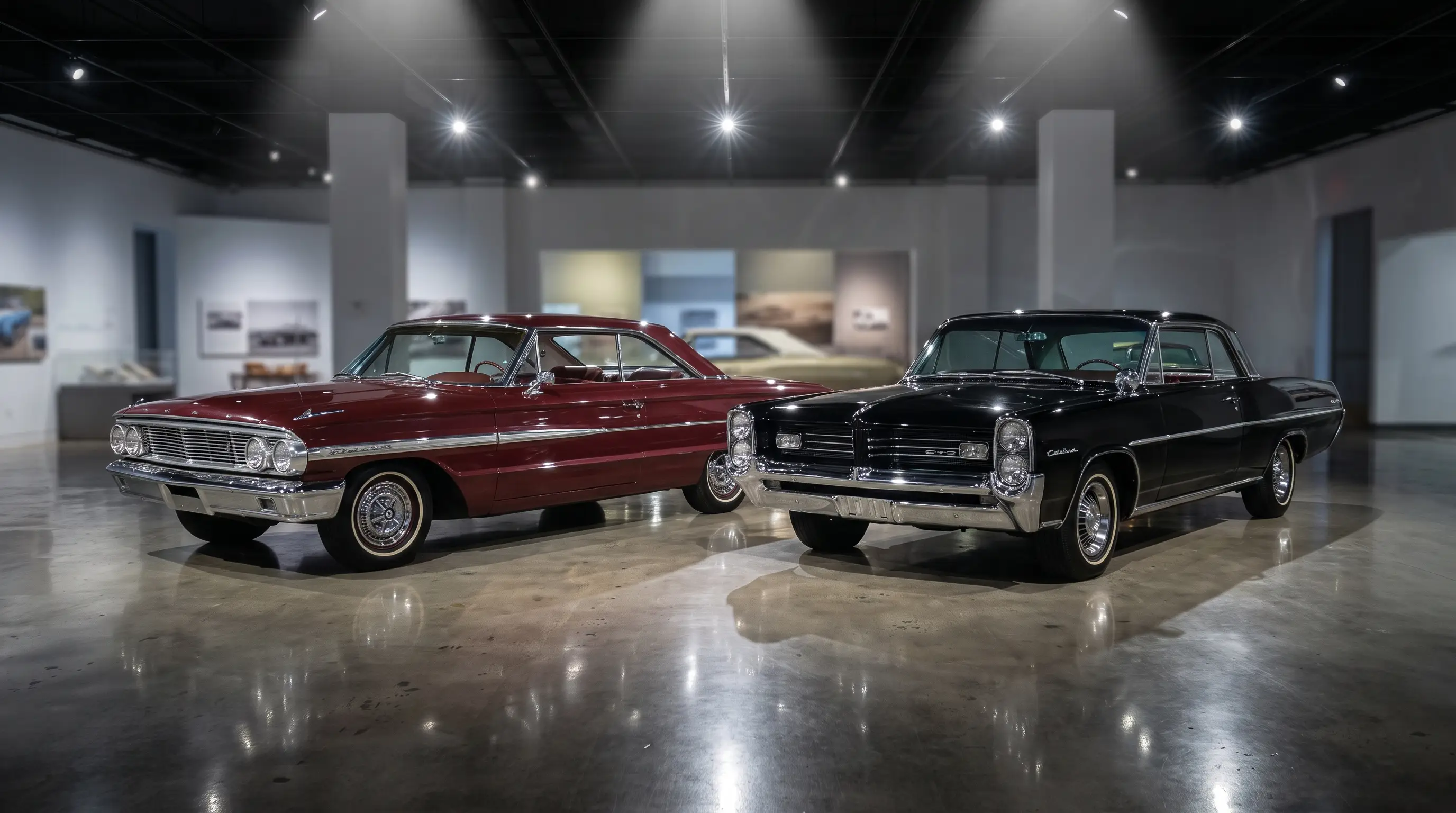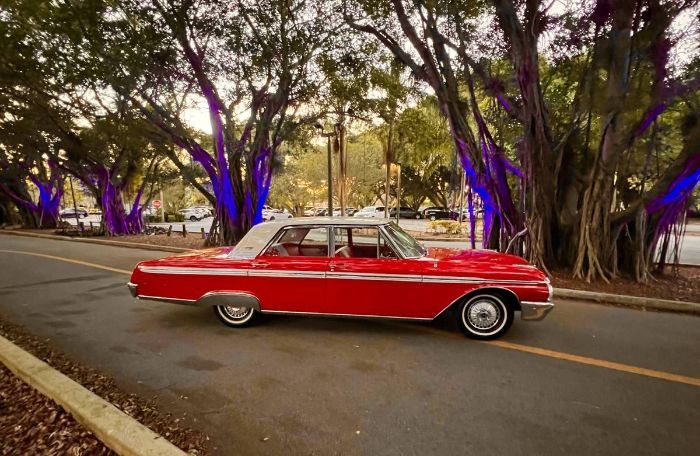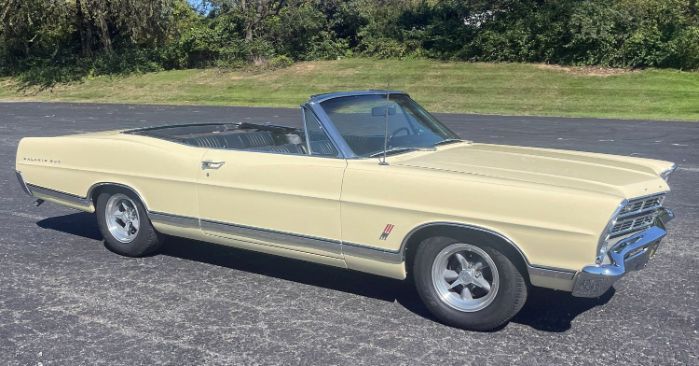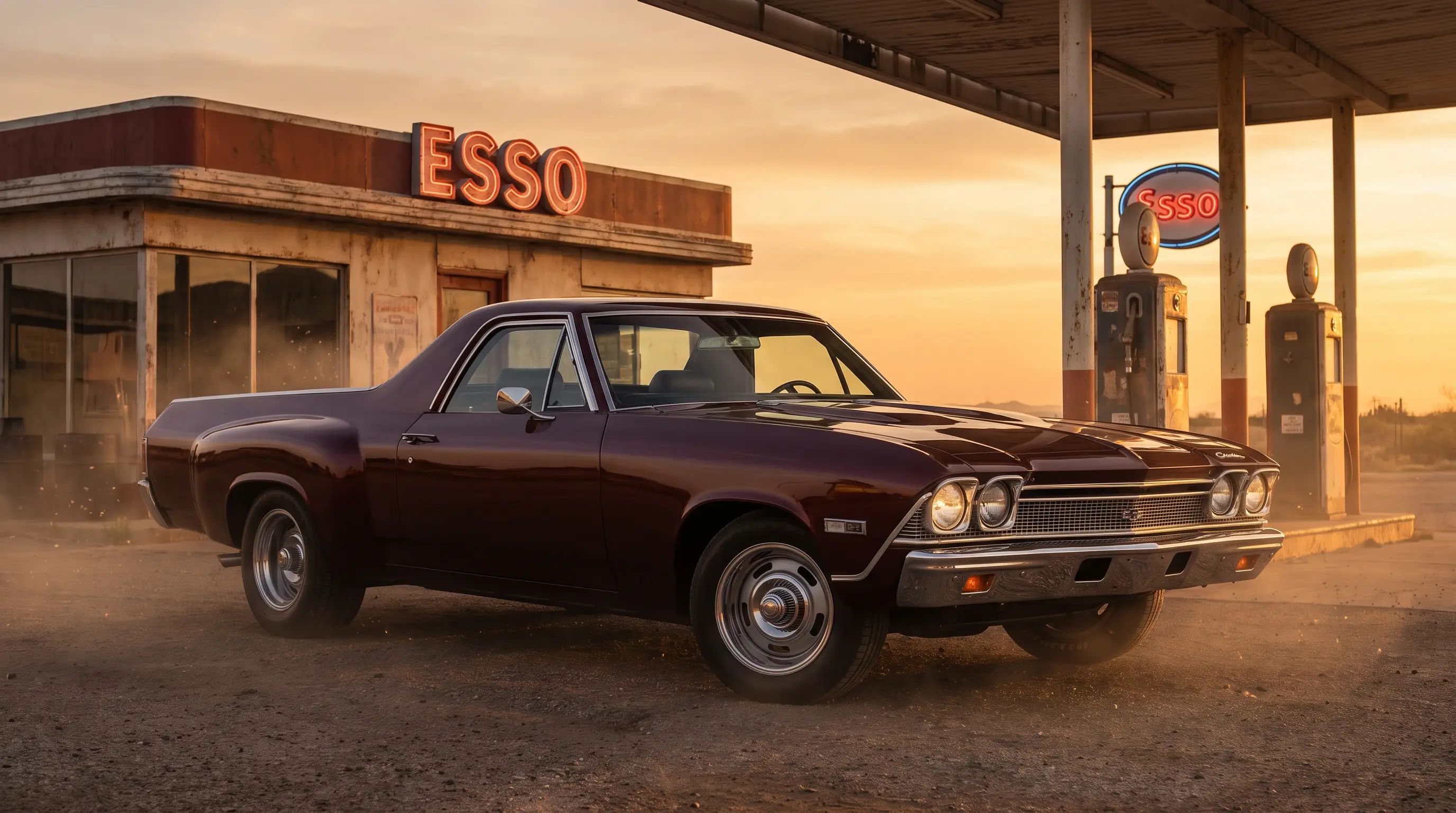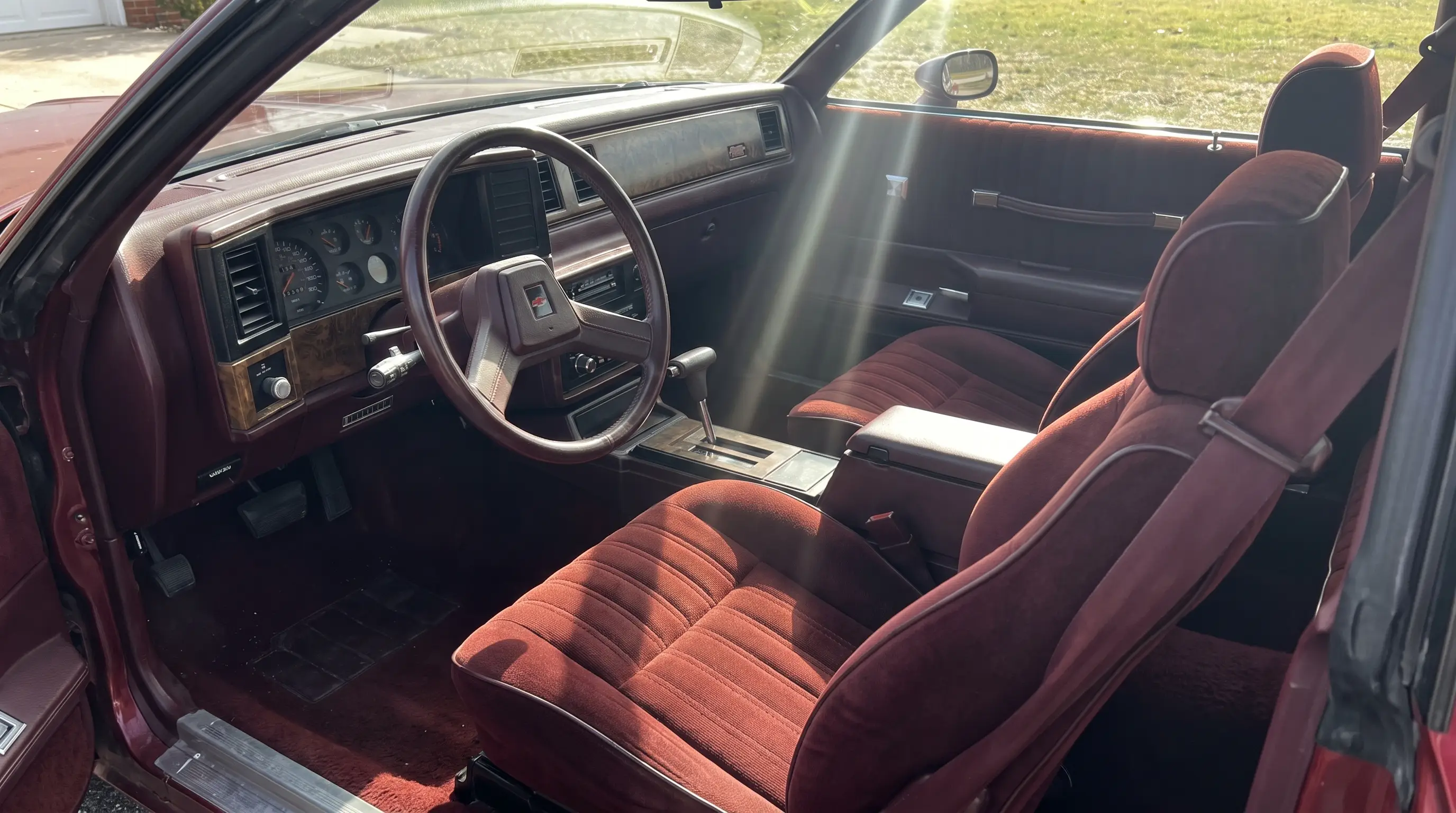
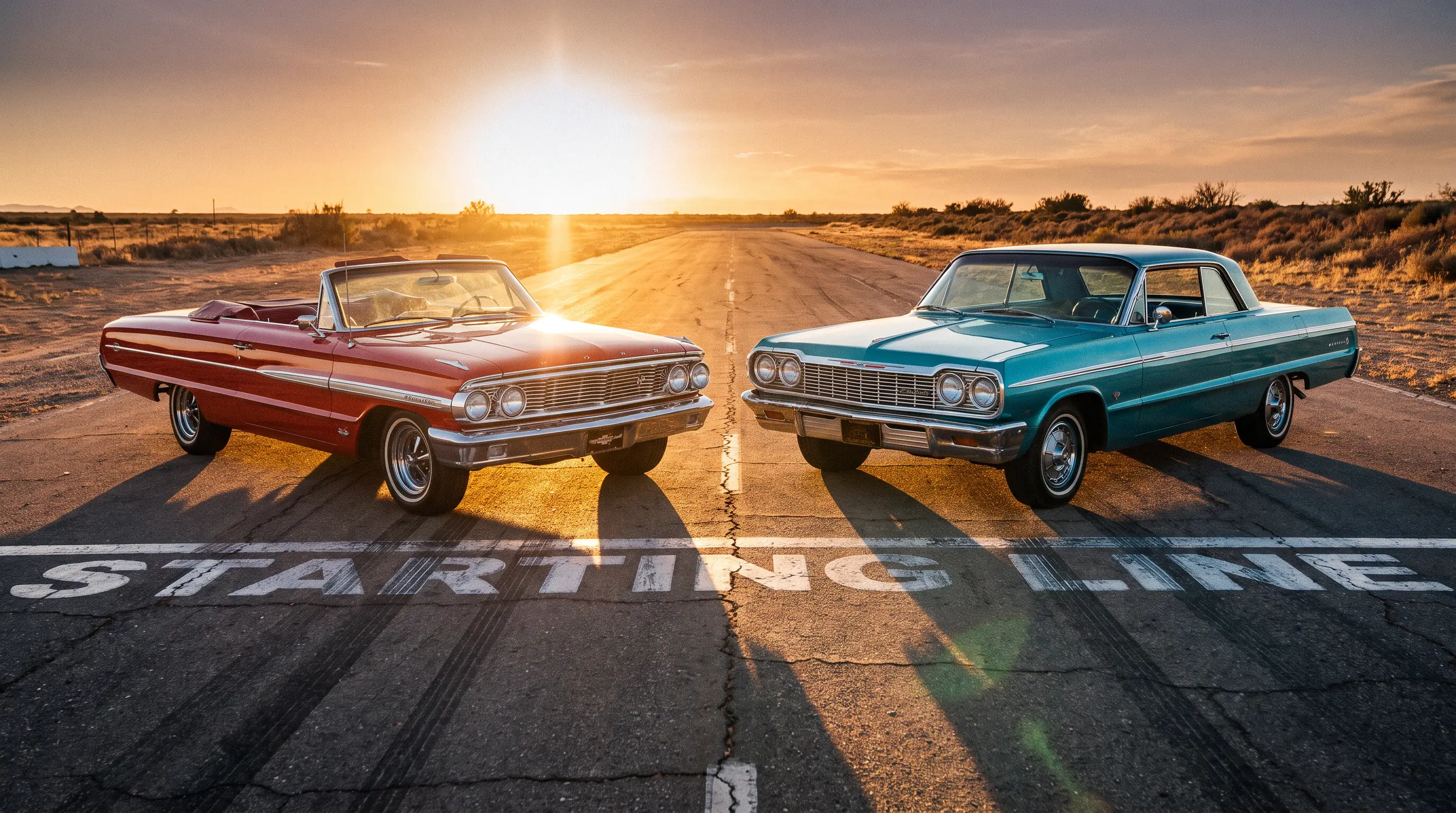
The 1964 model year put two of Detroit's biggest sellers on a direct collision course. Ford's full-size Galaxie and Chevrolet's Impala had spent the early 1960s trading the sales crown back and forth, and by 1964 both companies had sharpened their weapons for the next round. A close look at the ford galaxie 1964 vs 1964 impala matchup shows two very different philosophies wearing similar sheet metal, and the differences tell you almost everything about how the two companies saw their own customers.
Two approaches to the same market
Ford's engineers treated the 1964 Galaxie as a platform for demonstrating engineering muscle. The 427 cubic inch V8, in single four barrel or dual quad form, was available across the Galaxie 500 and 500 XL lines, and it existed largely because Ford wanted stock car credibility on Sunday afternoons that would translate into showroom traffic on Monday morning. Chevrolet took a broader view with the Impala. The 409 was still on the order sheet, and it had cultural cachet the 427 did not, but Chevrolet spread its attention across a wider range of trims, from the workaday Biscayne-adjacent models up through the Impala SS, betting that comfort and styling would sell more cars than raw output.
That difference in strategy shows up in the numbers. Ford built the Galaxie in enormous volumes in 1964, but Chevrolet still outsold it, largely on the strength of the Impala's reputation for a smoother ride and a more resolved interior. Neither company was wrong. They were just optimizing for different buyers.
Styling philosophy: crisp versus curvaceous
Visually, the 1964 Galaxie is a study in restraint. Ford's designers pulled back from the more baroque details of 1962 and 1963, giving the car a cleaner greenhouse, a simpler grille, and stacked round taillights that would become a Ford signature for the rest of the decade. The Impala, by contrast, kept more sculptural body sides and a wider, lower stance that read as sportier from the curb even when the drivetrain underneath was identical to a much tamer six cylinder car.
Buyers who wanted their full-size sedan to look conservative and businesslike leaned Ford. Buyers who wanted a car that photographed well at the drive-in leaned Chevrolet. Both instincts were rational, and both cars aged into equally strong collector followings, which is part of why this comparison still generates arguments at car shows six decades later.
Under the hood: 427 versus 409
The engine comparison is where enthusiasts spend most of their time, and for good reason. Ford's 427 was a big-block descendant of the FE family, engineered from the outset for high RPM durability with cross-bolted main bearings and a forged bottom end in its highest states of tune. Chevrolet's 409 was an older design by 1964, a W-series big block that had earned its reputation years earlier and was, by this point in its life, being pushed about as far as it could reasonably go. The 427 had more room to grow. The 409 had more mythology already attached to it, thanks in no small part to a song that made its displacement famous before most Americans could tell a big block from a small block.
On the street and at the strip, a well-sorted 427 Galaxie could generally embarrass a 409 Impala, and NASCAR results from the period back that up. Ford's Total Performance push was not marketing fluff. It reflected a real gap in outright capability at the top of each maker's lineup, even as the two cars remained close in everyday driving character.
"Everyone remembers the 409 because of the radio. Nobody put a song on the charts about a cross-bolted 427, and that's a shame, because the Ford was the better race engine by 1964."
- Tom Ramirez
Inside, Chevrolet leaned harder into the appearance of luxury at every price point. The Impala's dashboard and door panels used more brightwork and a more integrated look, and the SS trim added bucket seats and a console that made the car feel like a personal cruiser rather than a family hauler. The Galaxie 500 XL matched that formula almost feature for feature, but Ford's execution read as slightly more formal, with flatter surfaces and less chrome flourish.
Neither approach was better in an absolute sense. Buyers cross-shopping the two in period frequently described the Impala as feeling a touch sportier at rest and the Galaxie as feeling a touch more solid at speed, a distinction that still shows up in owner accounts today. For a deeper look at how the Galaxie's 1964 lineup developed across its various trims, see the whole picture.
Dealer floor tactics and how buyers actually chose
Sales literature from both companies in 1964 tells a story that the specification sheets alone miss. Ford's brochures leaned on performance language, engine displacement figures printed in bold, and photographs that put the car on a track or a wide open highway. Chevrolet's materials for the Impala spent more space on interior appointments, fabric choices, and the idea of the car as a family's primary vehicle that could still turn heads at church on Sunday. Dealers on the Ford side were trained to talk about torque and stock car wins. Dealers on the Chevrolet side were trained to talk about ride quality and resale value, since Impala already had a reputation for holding its price better than most full-size competitors.
That difference mattered more than most retrospectives admit. A buyer walking onto a Ford lot in early 1964 was often already leaning toward performance, having read about Daytona results in the newspaper. A buyer walking onto a Chevrolet lot was more often comparing trim levels within the Impala range itself, deciding between a plain sedan and something closer to the SS. The two dealer networks were not really fighting over the same customer as often as popular memory suggests. They were each defending their own share of a market that was large enough for both companies to set sales records in the same calendar year.
Regional preference played a role too. Ford's NASCAR program built loyalty in the South and parts of the Midwest where stock car racing had genuine cultural weight, while Chevrolet's broader dealer network and long standing reputation for value carried more influence on the coasts and in larger cities. Neither pattern was absolute, but it shaped which car ended up parked in which driveway more than either company's advertising department probably wanted to admit.
Where values sit today
Modern collectors are less loyal to either bloodline than dealers in 1964 assumed buyers would be. Plenty of Impala owners have a soft spot for a well-kept Galaxie, and the reverse is just as common, since both cars represent the same broad moment in American automotive history rather than opposing tribes. That crossover appreciation has helped keep both markets healthier than a strict brand rivalry might otherwise produce.
In the current collector market, 427 R-code Galaxies and 409-powered Impalas occupy similar territory, with documentation and originality driving most of the price spread rather than badge loyalty. Six-cylinder and small-block versions of both cars remain accessible entry points into full-size 1964 iron, which keeps the hobby healthy at multiple price levels rather than pricing out everyday buyers.
Anyone chasing a 1964 full-size Ford specifically, rather than debating which brand did it better, can shop classic Galaxie listings to see what condition and originality currently commands in the market.
| Category | 1964 Galaxie 500 XL | 1964 Impala SS |
|---|---|---|
| Top factory V8 | 427 cid, up to 425 hp | 409 cid, up to 425 hp |
| Design theme | Squared, formal lines | Sculpted, lower stance |
| Racing focus | NASCAR superspeedways | Drag strip and street |
| Signature detail | Stacked round taillights | Trio of round taillights |
The rivalry between these two cars was never really about which one was objectively superior. It was about two competing visions of what a full-size American car should feel like in 1964, and both visions still have passionate defenders in the hobby today.