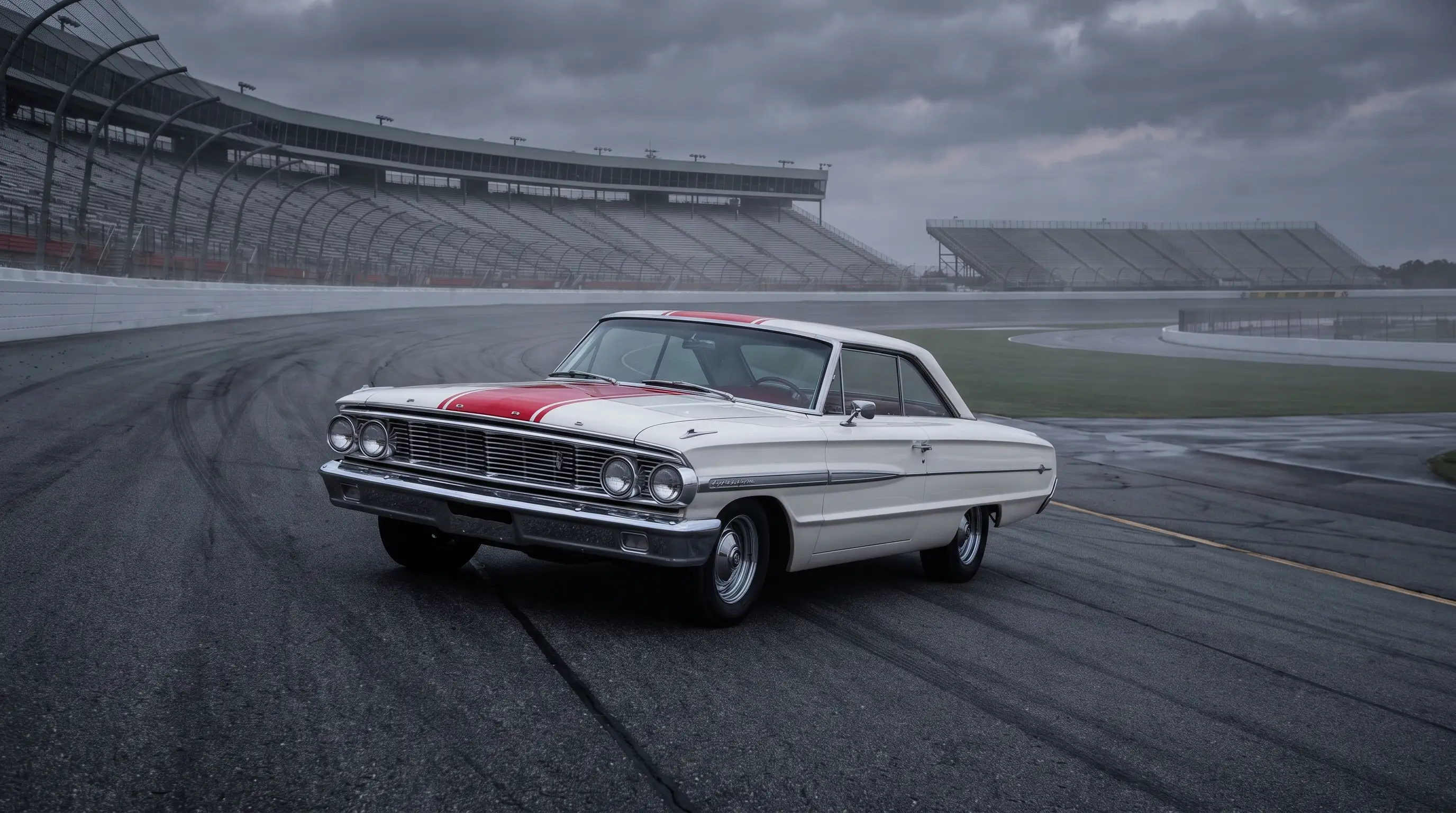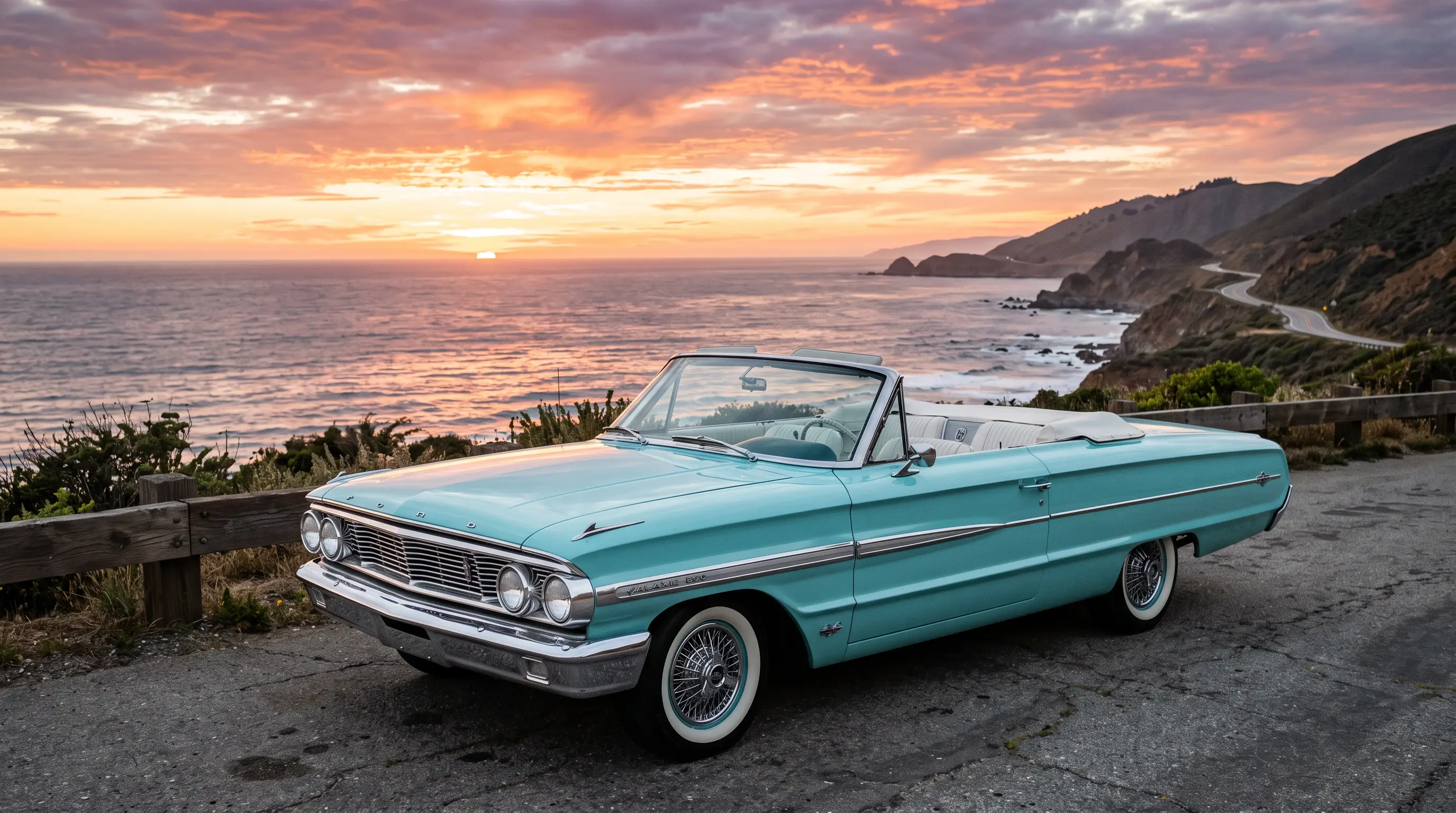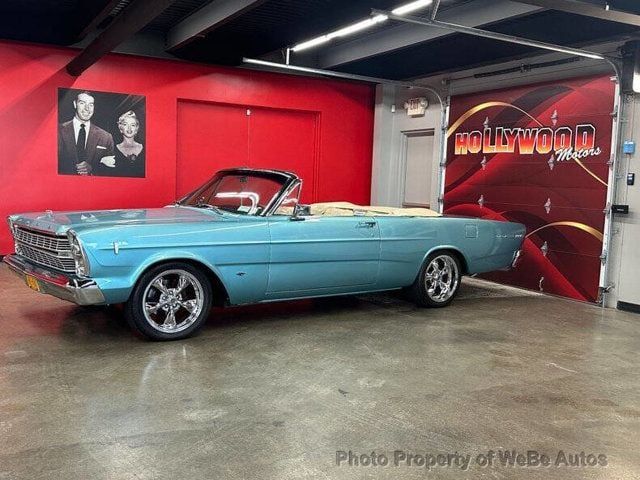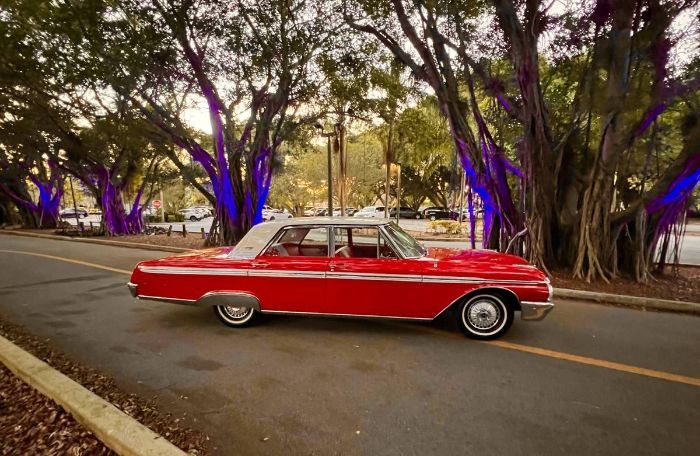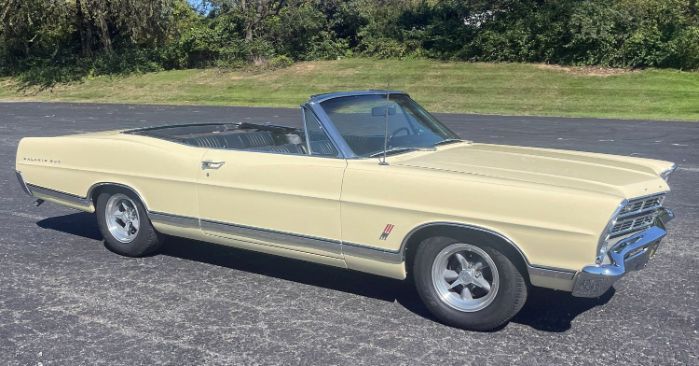
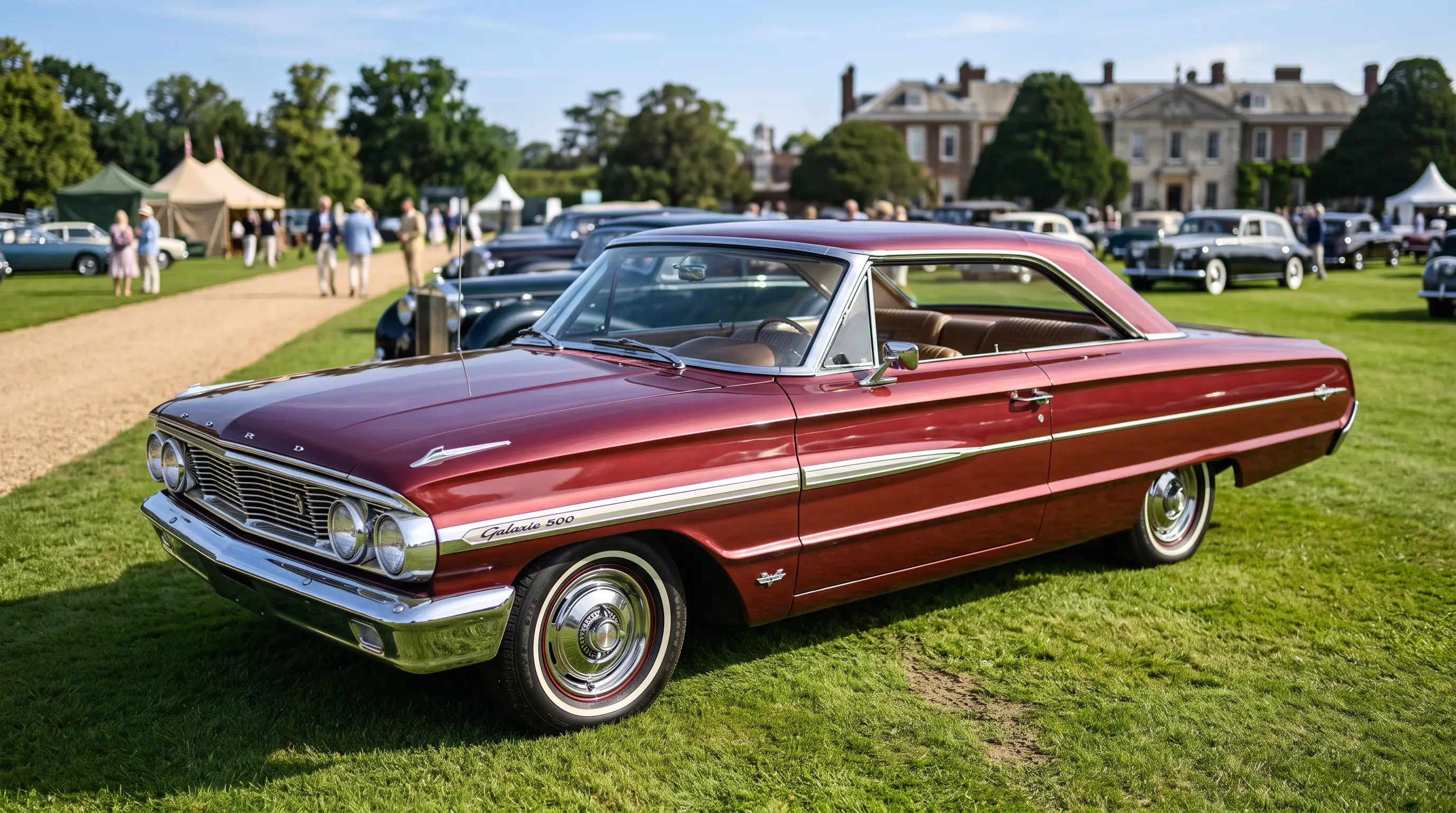
Concours judging rewards precision, and few full-size Fords test that precision as thoroughly as the two-door hardtop from this era. Cataloguing the ford galaxie 1964 club victoria hardtop feature correctly means being exact about body style naming, trim level, and the specific pillarless hardtop construction that defined this variant within Ford's broader 1964 full-size lineup. Club Victoria was Ford's factory designation for the two-door hardtop that year, offered on both the Galaxie 500 and the Galaxie 500 XL, per period Ford literature and reference catalogs.
What "hardtop" actually meant on this platform
The two-door hardtop body style, distinguished from a true coupe or sedan by its absence of a fixed center pillar between the front and rear side windows, was a significant engineering and styling achievement carried forward from earlier in this body generation into the 1964 model year. With both windows down, the pillarless design created an open, uninterrupted glass area along the side of the car, a look Ford and its competitors across the industry had spent much of the previous decade refining and marketing aggressively to buyers who wanted a sportier profile without giving up the practicality of a full-size body.
Achieving that pillarless structure without sacrificing body rigidity required specific reinforcement engineering that a sedan of the same platform did not need, built into the door frames, roof structure, and rocker panels. This is worth noting for anyone evaluating a surviving example today, since a hardtop that has been in a significant collision and repaired incorrectly can develop structural issues, a sagging door line or misaligned glass gaps, that a similarly aged sedan built on the same chassis would not exhibit in the same way.
Trim level and equipment on this specific body style
The hardtop body style was offered across multiple trim levels within the 1964 Galaxie range, from the standard Galaxie 500 configuration up through the sport-luxury 500 XL package with its bucket seats and console. This meant a buyer researching this body style in period could specify anything from a modestly equipped hardtop intended for practical family use up through a more heavily trimmed example clearly positioned as a sportier personal car, all sharing the same fundamental pillarless roof structure. For cataloguing and judging purposes, correctly identifying which trim level a given surviving hardtop was originally built to matters as much as identifying the body style itself, since the two variables combine to determine what equipment and trim details should actually be present on a correctly restored example.
Interior appointments varied accordingly. A standard hardtop carried the same basic bench seat and upholstery treatment found across other Galaxie 500 body styles, while an XL-trimmed hardtop carried the same distinct bucket seat and console arrangement offered on the convertible and other XL-trimmed body styles that year. Judges and researchers cataloguing these cars should treat trim level and body style as two separate, equally important variables rather than assuming a single, uniform hardtop specification applies across the entire model year. Exterior brightwork followed the same layered logic, with standard hardtops carrying more modest rocker and beltline trim while XL-badged examples added the same distinctive brightwork found on other XL body styles, meaning two hardtops parked side by side can look meaningfully different depending purely on how each was originally ordered.
"A hardtop is a body style, not a trim level, and conflating the two is one of the more common cataloguing errors I see on cars from this era."
- Sarah Whitfield
Comparing the hardtop against its siblings on the same platform
Placed alongside the sedan and convertible built on the same 1964 full-size platform, the hardtop occupies a specific middle position worth understanding clearly for cataloguing purposes. It offers the visual drama of the convertible's open glass area along the beltline without the top mechanism, weather sealing complications, and structural reinforcement demands that the convertible required. Compared to the sedan, it trades the fixed center pillar's structural simplicity and slightly quieter cabin for a distinctly sportier profile that appealed to buyers who wanted style without the added cost and complexity of a full convertible. Understanding where the hardtop sits between these two related body styles helps explain both its historical sales appeal and its present-day desirability among collectors who want a period-correct sporty look without taking on convertible-specific maintenance concerns.
This middle position also affected original production volume relative to the sedan, since a hardtop's added structural engineering carried a real manufacturing cost even without a convertible's folding top mechanism. That cost differential is part of why surviving hardtop populations, while more numerous than convertibles from the same model year, remain meaningfully smaller than the plain sedan population, a detail worth keeping in mind when assessing how genuinely scarce any specific surviving example actually is.
Why documentation matters more on this body style
Because the hardtop shares its basic mechanical platform with the sedan and convertible variants of the same model year, correctly documenting a surviving example depends heavily on period paperwork rather than visual inspection alone. Door tag codes indicating body style and trim level, combined with any surviving factory invoice or window sticker, provide the most reliable basis for confirming exactly what a given car was built as, since visual cues alone can be altered or misrepresented over decades of ownership changes. Read the background on the broader 1964 model year for additional context on how this body style fit within Ford's full-size lineup that year.
For anyone approaching this specific body style from a preservation or judging standpoint, the priority should always be documentation first, cosmetic condition second. A well-documented hardtop in honest, original condition tells a more complete and defensible story than a heavily restored example with an unclear or incomplete paper trail, regardless of which one looks better under show lighting.
Where to find a documented example
Surviving, correctly documented hardtops from this specific model year are not common, and buyers or researchers seeking one should expect to invest real time confirming trim level and body style details against period paperwork before treating any given car as fully verified. Find a classic Galaxie and look specifically for sellers who can produce door tag information and any surviving factory documentation alongside the vehicle itself, since that combination is what actually separates a properly catalogued example from an educated guess.
A final note for anyone building a formal record on a specific car: photograph and log the door tag, cowl tag, and any deck lid or fender stampings before any bodywork begins, even cosmetic work that seems unrelated to identification. Restoration shops working quickly can inadvertently remove or obscure these details during otherwise routine repairs, and a car that arrives at a show or a sale without that documentation intact loses provenance value that no amount of paint quality can fully restore. Treat the identification record as part of the restoration, not a separate task to handle later.
Sources and notes
- 1964 Ford Galaxie 500 Club Victoria full range specs - Automobile Catalog
- 1964 Ford Galaxie 500XL Club Victoria full range specs - Automobile Catalog
- 1962 Ford Galaxie 500 Club Victoria - Curbside Classic
- 1963 Ford Galaxie 500 Club Victoria - Hagerty Valuation Tools
- 1964 Ford Galaxie 500 - conceptcarz.com