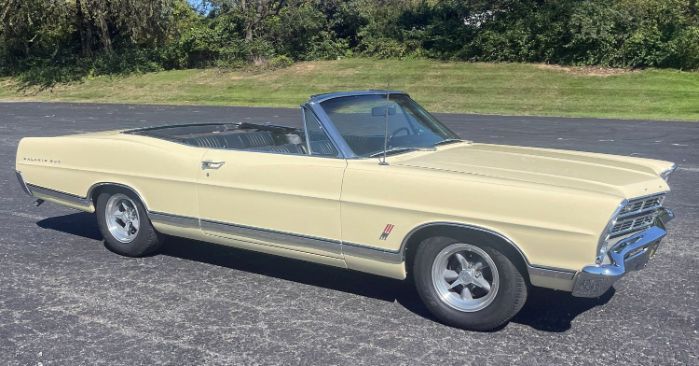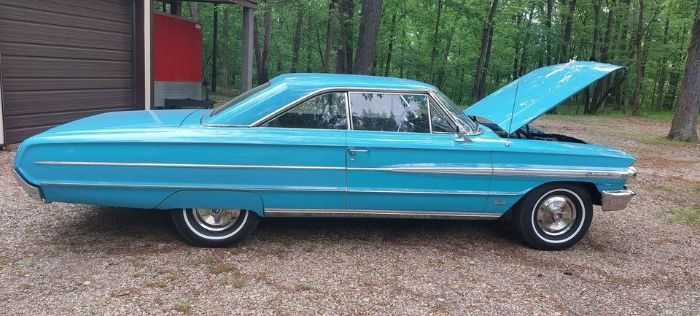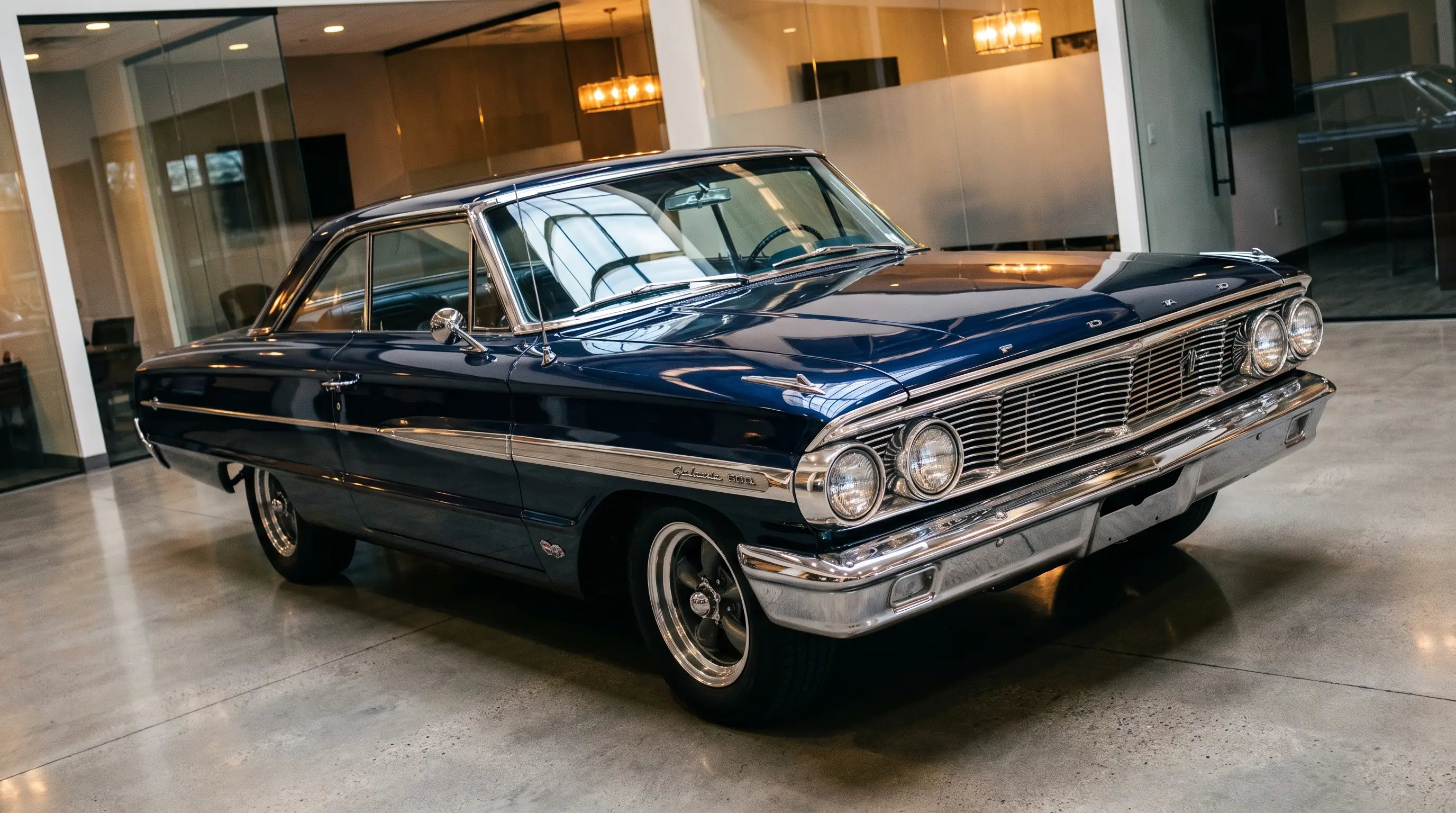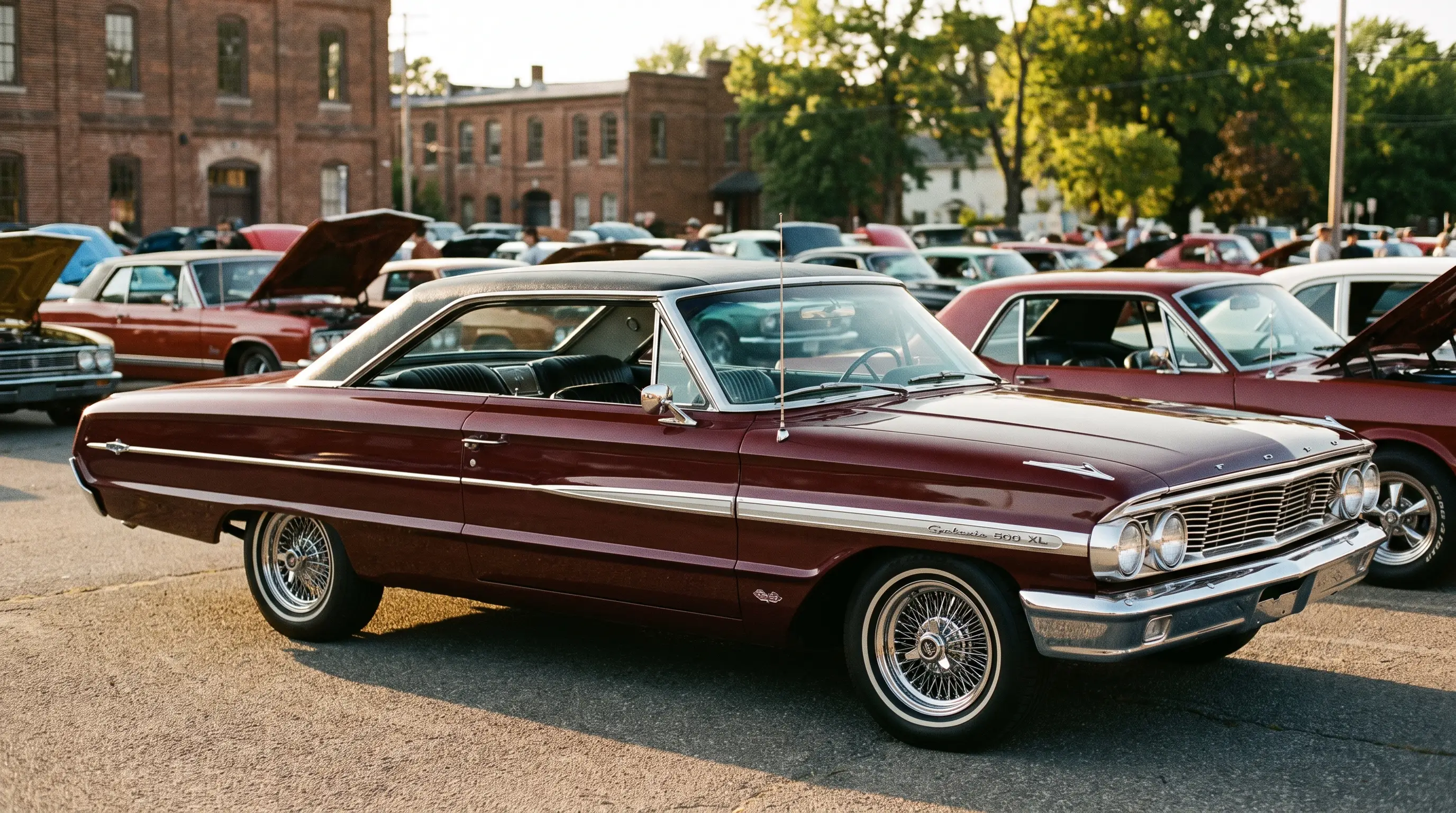
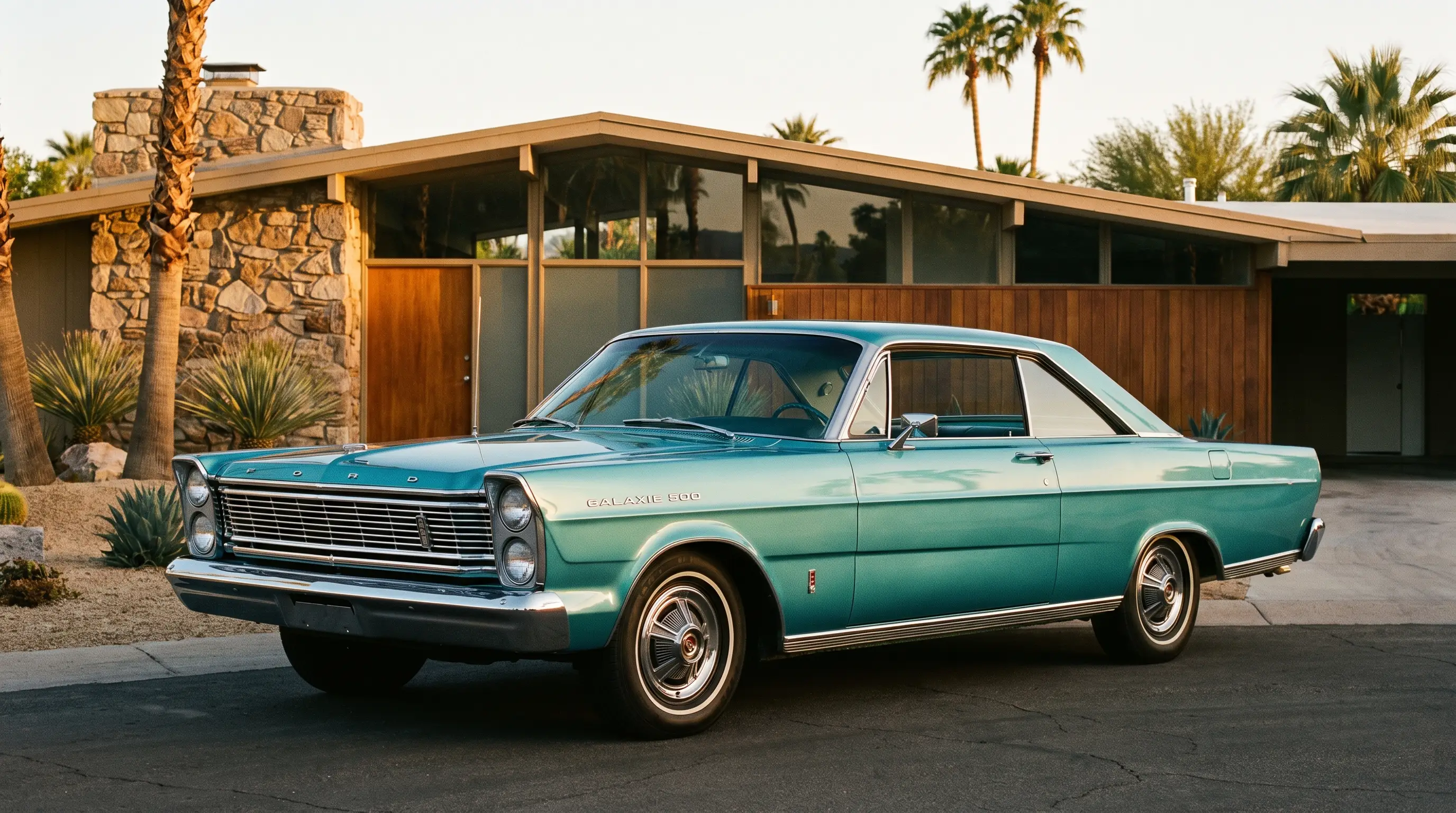
I get asked fairly often whether a 1965 Galaxie is a smart thing to buy, and my honest answer depends entirely on what the buyer actually wants out of ownership. The ford galaxie 1965 collectibility narrative is not a straightforward growth story the way a documented 427 muscle car might be. It is a slower, quieter case built on design merit and genuine scarcity of well-preserved examples, and that case only works if you understand what you are actually buying into.
What actually drives value here
Condition, documentation, and drivetrain sit at the top of any honest appraisal of a 1965 Galaxie, in roughly that order. A car with its original engine, correct trim, and paperwork tracing back to its build sheet will always outvalue a nicer-looking car missing that documentation, because paperwork is what separates a genuine example from a plausible one. I have seen buyers pay a premium for a car that looked worse in photographs simply because the seller could produce a factory build sheet and period ownership records. That is the right instinct. Cosmetics fade. Documentation does not.
Drivetrain matters almost as much. A 427 R-code car occupies a different collectibility tier entirely from a six-cylinder or small-block Galaxie, regardless of trim level or condition. That gap in value is not going to close, and buyers chasing appreciation should understand upfront which tier they are actually shopping in before they fall for a nice-looking car with the wrong engine under the hood.
The liquidity problem nobody mentions
Here is the part sellers do not always volunteer. A 1965 Galaxie, even a well-documented one, does not sell as quickly or as easily as a comparable muscle car from a more famous nameplate. The buyer pool is genuinely smaller. That means longer time on the market when you eventually decide to sell, and it means you should not buy a Galaxie expecting to flip it quickly if your circumstances change. This is a car for someone planning to hold it, not someone hoping to trade in and out for quick profit.
That liquidity constraint is not a reason to avoid the car. It is a reason to be honest about your own timeline before you buy. Where this started, back when Ford first restyled the Galaxie for 1965, has almost nothing to do with today's resale speed, but understanding that history does help explain why the buyer pool skews toward genuine enthusiasts rather than casual flippers, which is exactly why the market moves slower.
The design case, made honestly
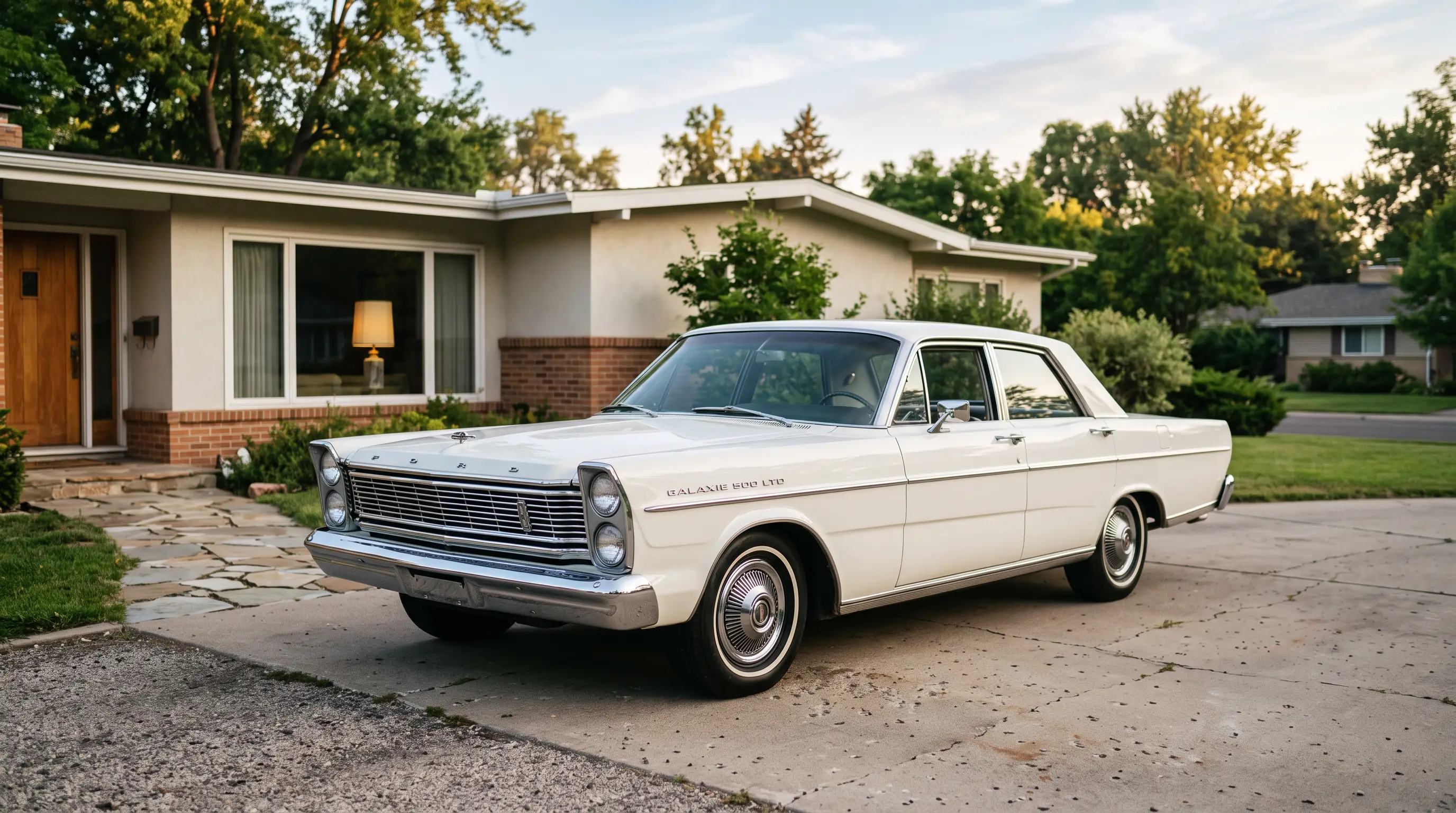
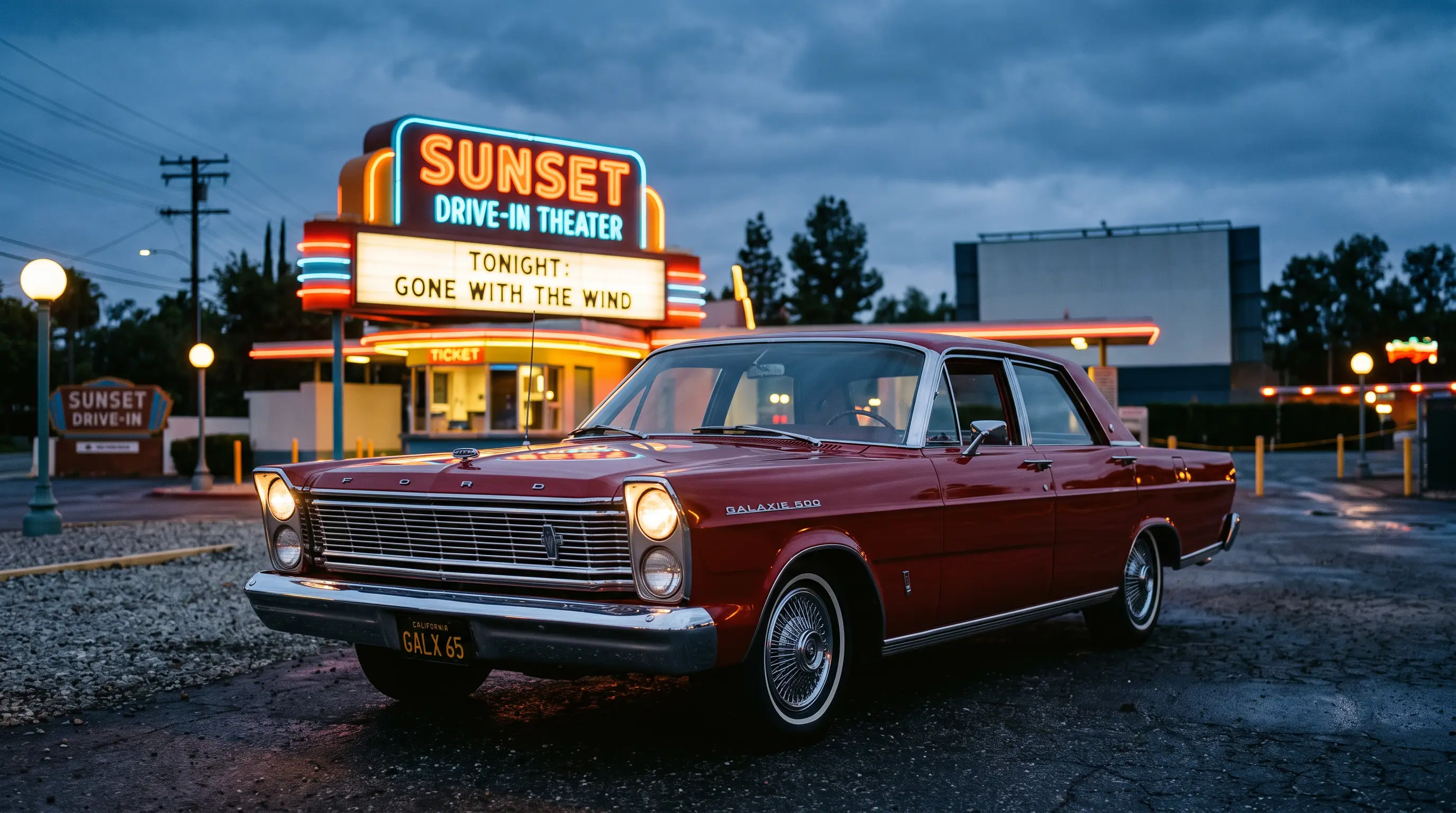
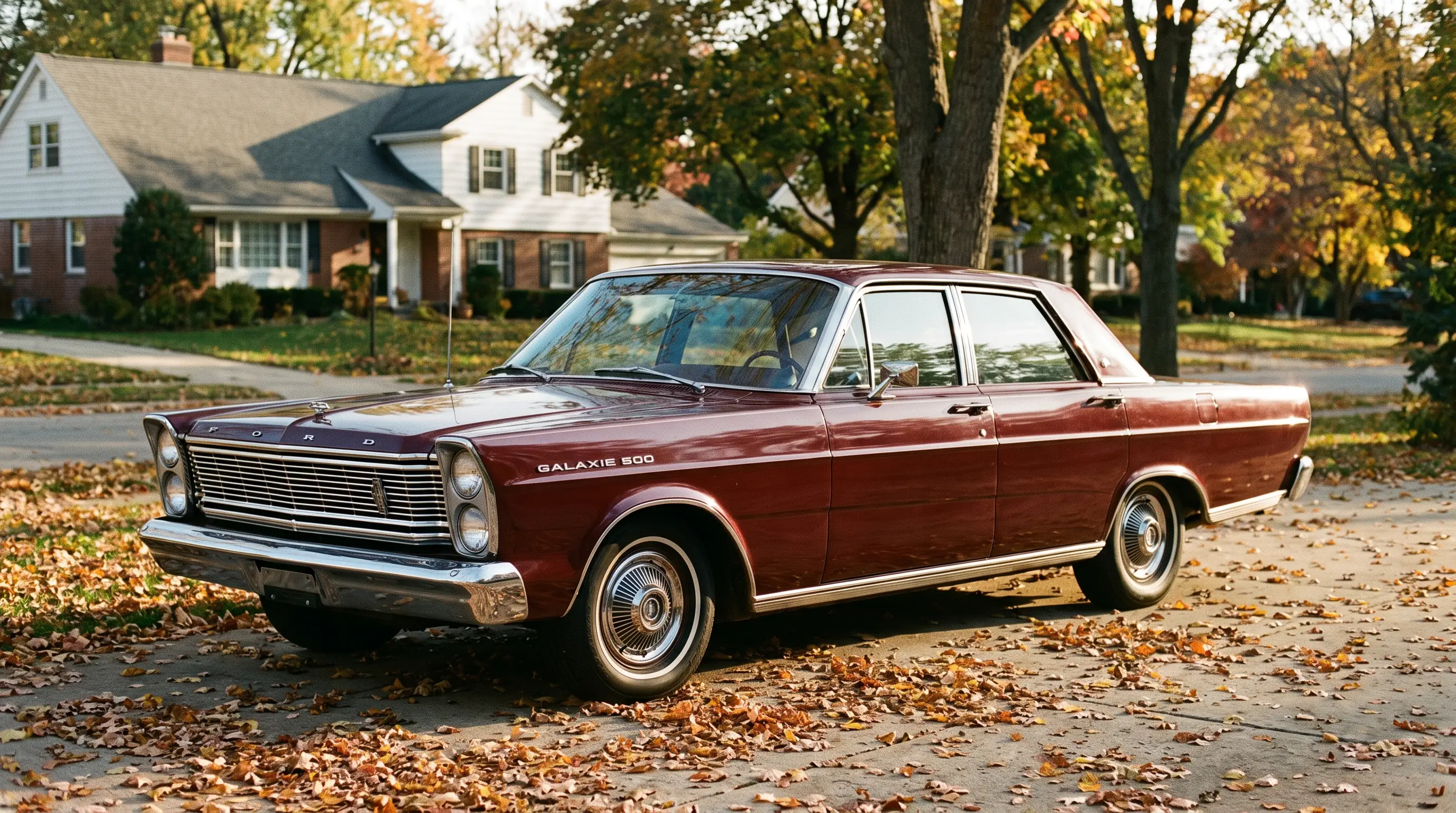
Set aside the numbers for a moment. The 1965 Galaxie's restyle, the stacked headlights, the new perimeter chassis, the cleaner body lines, represents a genuine high point in Ford's full-size design language of that decade. Buyers drawn to the car for its looks and engineering rather than its investment potential are, in my professional opinion, making a more honest purchase than someone chasing a speculative return. The design case does not depend on the market agreeing with you. It depends on whether you actually like looking at the car in your own garage.
That distinction matters more than most buyers admit to themselves upfront. A car bought purely as an investment that fails to appreciate as hoped becomes a source of regret. A car bought because you genuinely admire its design rarely does, regardless of what it is eventually worth on paper.
"I tell every client the same thing about a 1965 Galaxie. If the number on the appraisal is the only reason you want it, buy something else. If you actually like looking at it, the number will take care of itself eventually."
- Marcus Feld
How this compares to the 427 muscle car market
It is worth being explicit about the contrast between a standard 1965 Galaxie and a documented 427 R-code example, because the two occupy almost entirely separate markets despite sharing a badge. The 427 cars trade in the same conversation as other serious performance collectibles, with buyers who understand engine codes and are willing to pay real money for verified originality. A standard six-cylinder or small-block Galaxie, even in LTD trim with excellent documentation, is playing a different game entirely, one judged more on design and preservation than on raw performance credentials.
I bring this distinction up because I regularly see buyers confuse the two markets, assuming that because a 427 Galaxie commands strong money, any well-kept 1965 Galaxie will follow the same trajectory. It will not. The design-lovers case for a standard Galaxie is real, but it is a fundamentally different, more modest financial proposition than the performance-car case for a 427. Anyone entering this market should know clearly which case they are actually making before they set their price expectations.
What documentation actually needs to include
When I appraise a 1965 Galaxie professionally, I am looking for a factory build sheet where available, dealer invoice or window sticker if the seller has preserved one, and a clear ownership chain that accounts for the car's whereabouts across the decades rather than large unexplained gaps. Service records, even incomplete ones, add real value because they demonstrate the car was maintained rather than simply stored and forgotten. A car with genuinely comprehensive paperwork will consistently outperform a cosmetically nicer car with none, and buyers who skip this step are essentially appraising a car on vibes rather than evidence.
Risk factors worth naming plainly
Parts availability for less common trims can be a genuine headache, particularly interior and trim pieces specific to the LTD line. Rust in the usual full-size Ford problem areas, lower quarters and floor pans, remains a real concern on any surviving example that spent decades in a wetter climate. And the smaller collector base means you are relying on a narrower community of specialists for both parts sourcing and expert appraisal work than you would with a more mainstream muscle car nameplate.
None of these risks are disqualifying. They are simply the honest downside of a car that is genuinely collectible without being broadly liquid. If you go in understanding both sides of that equation, a well-documented 1965 Galaxie remains a defensible purchase for the right buyer.
My final word on this, as someone who appraises these cars for a living rather than sells them for a commission, is that the 1965 Galaxie rewards patience and punishes impulse, and it will not reward anyone shopping it like a speculative flip. Buy it because the design genuinely moves you and because you are prepared to hold it for years, not because you expect a quick flip or a dramatic return. Anyone weighing this decision seriously should shop classic Galaxie listings and evaluate documentation and drivetrain honestly before letting styling alone make the decision for them.