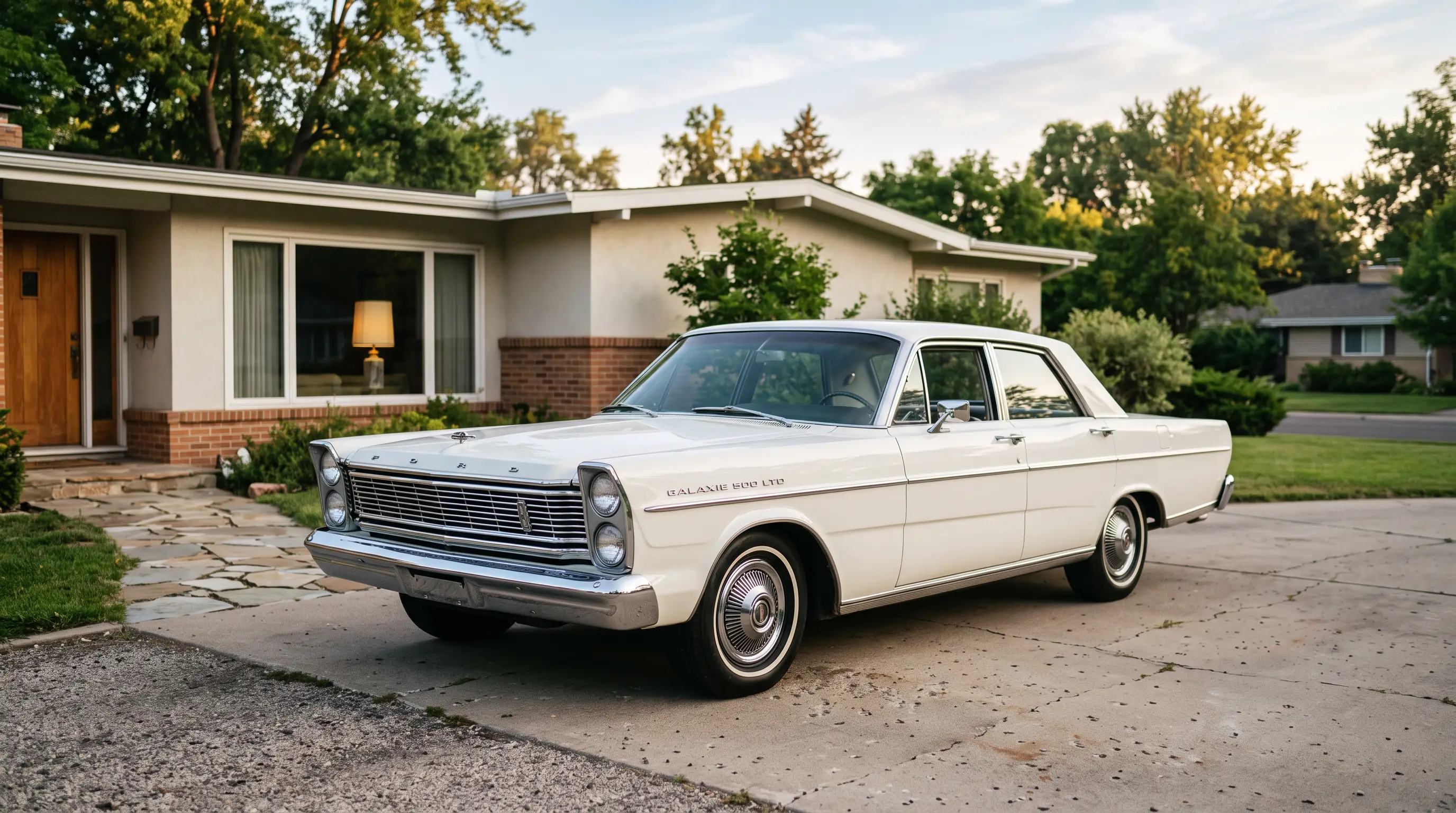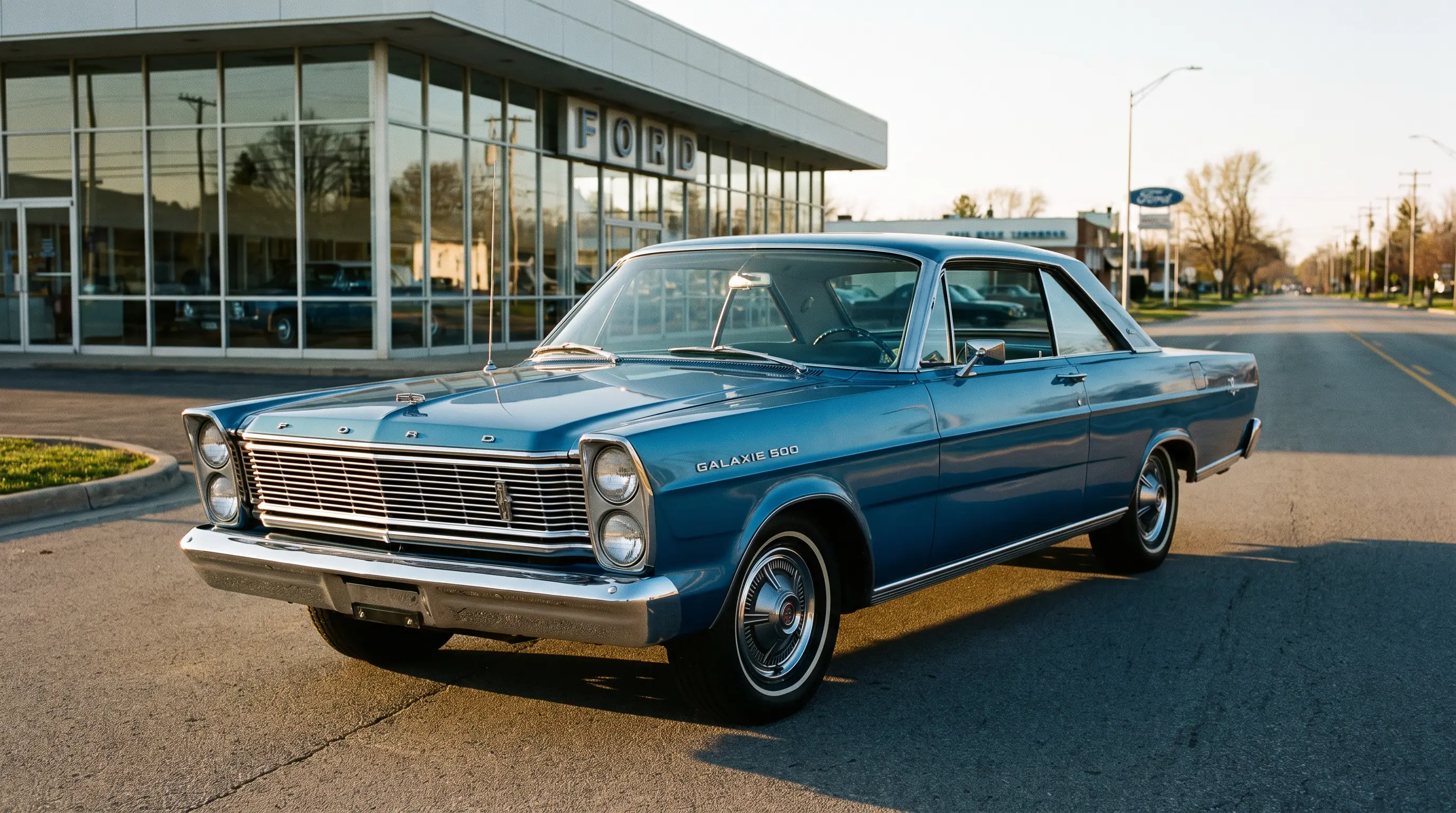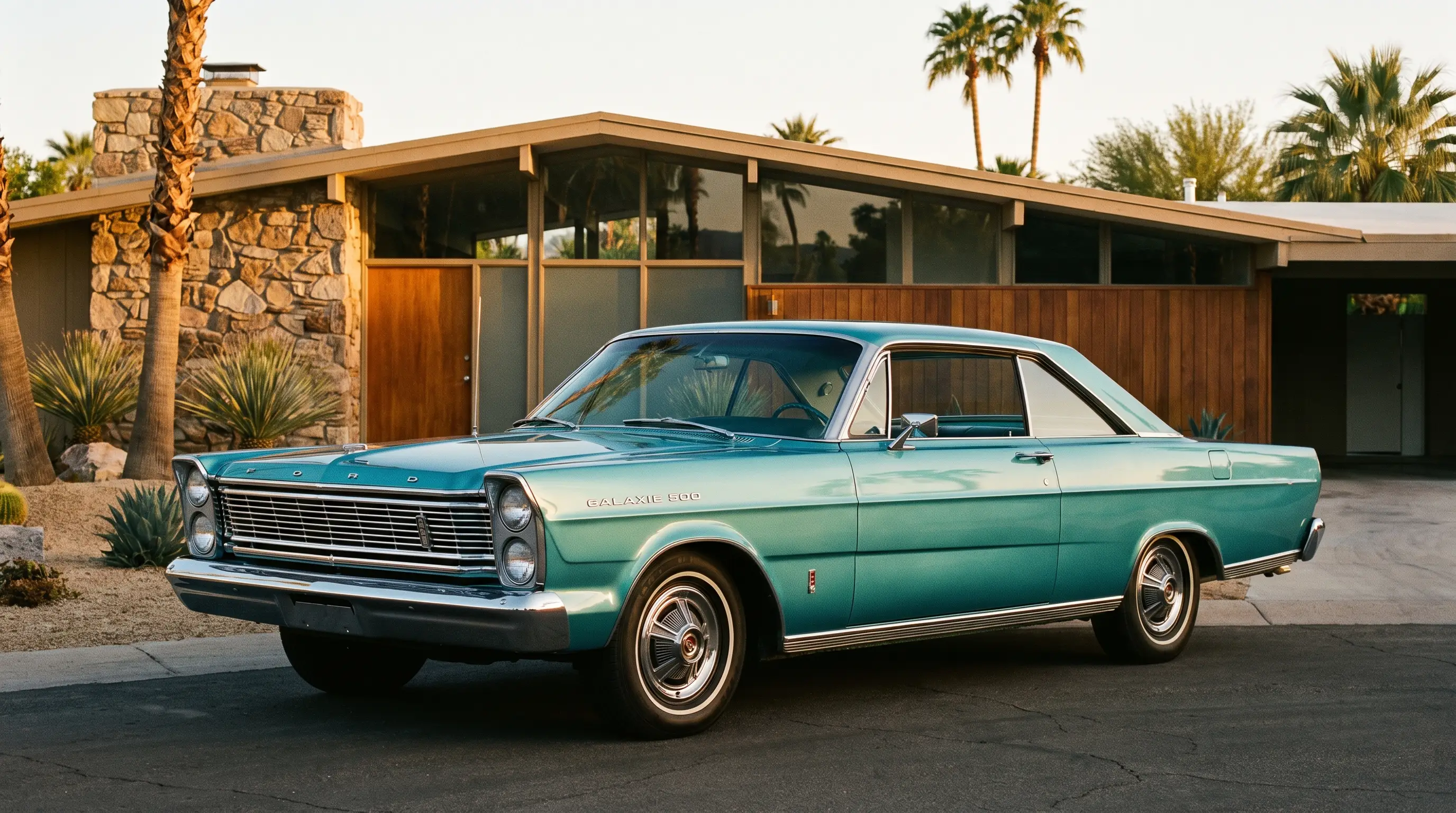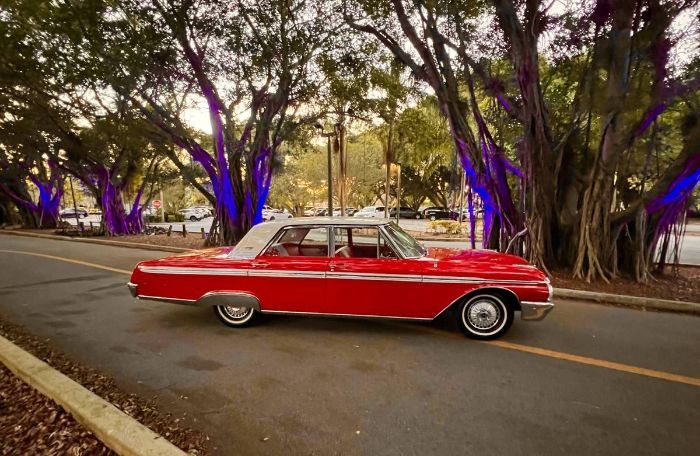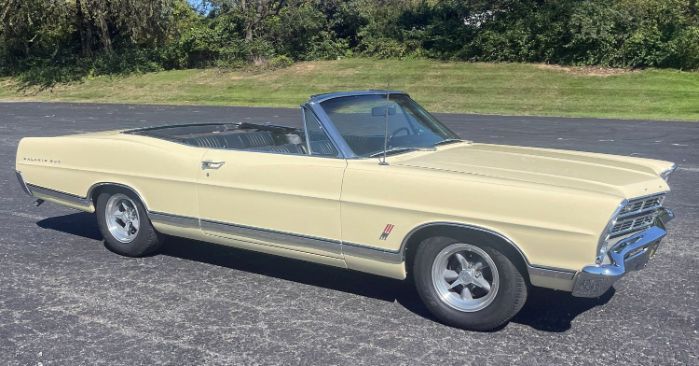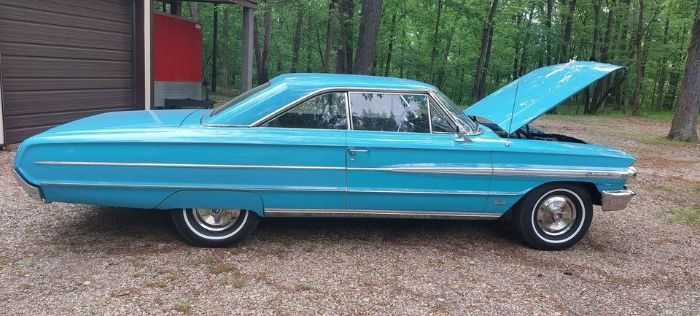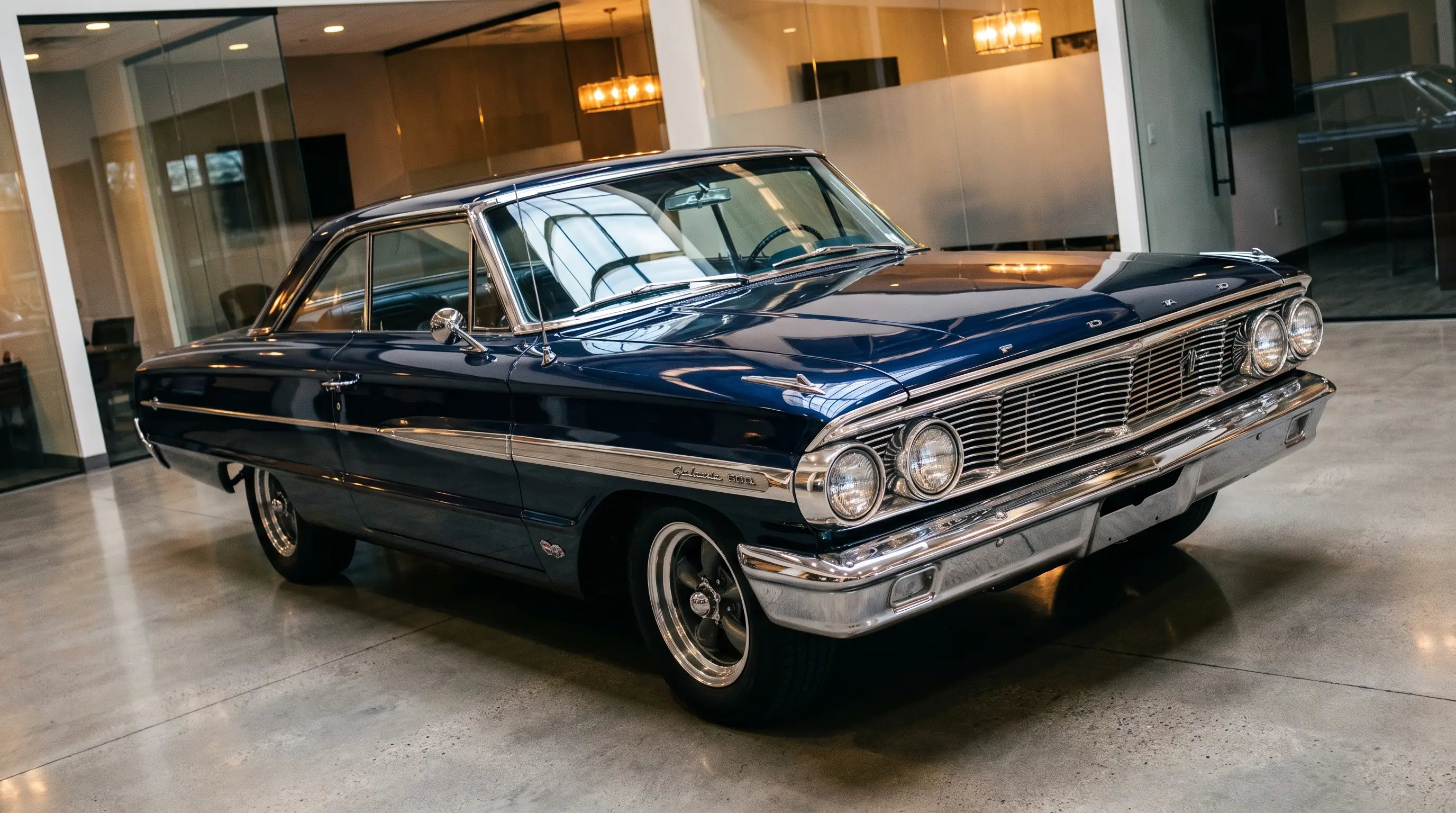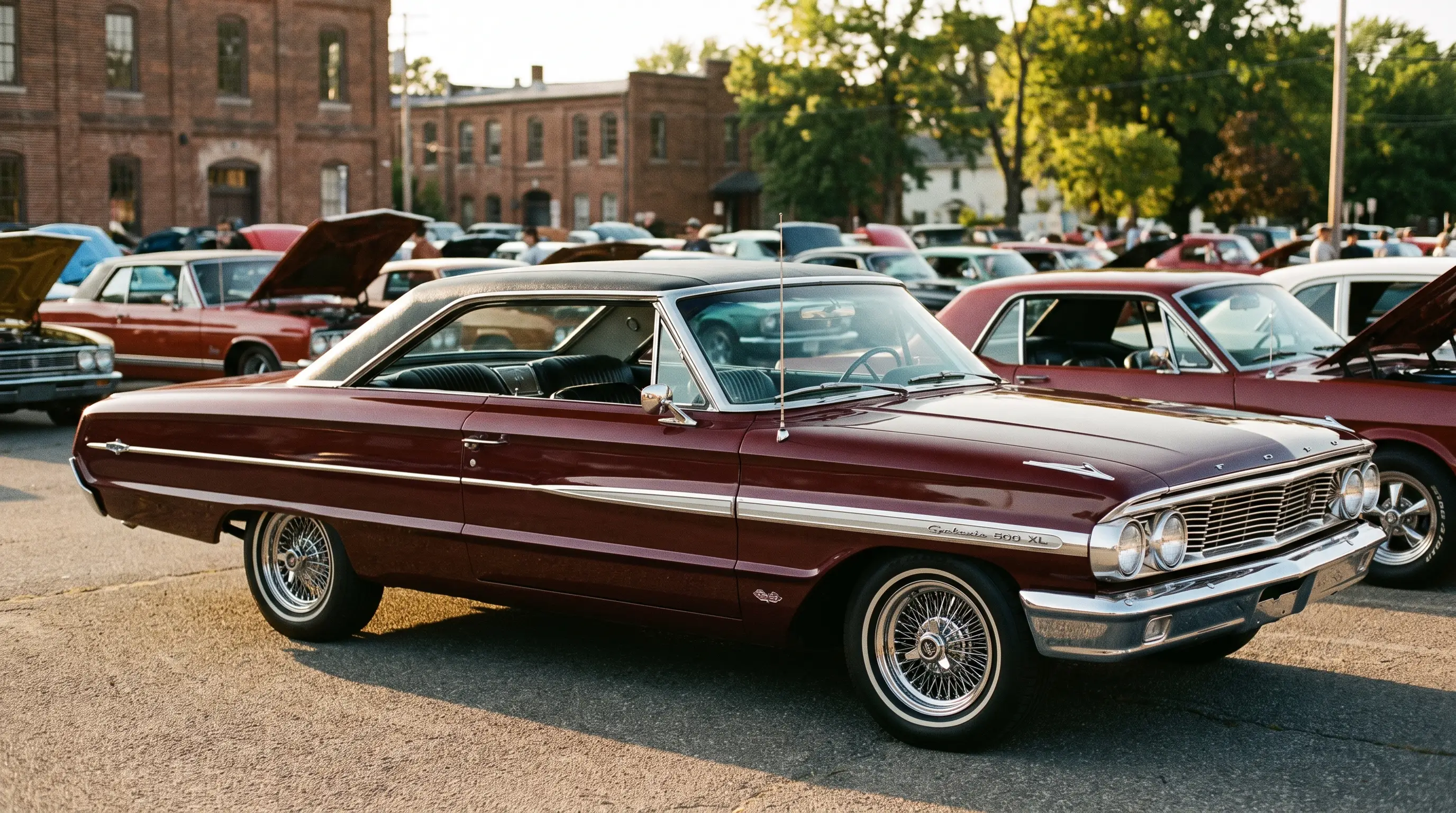
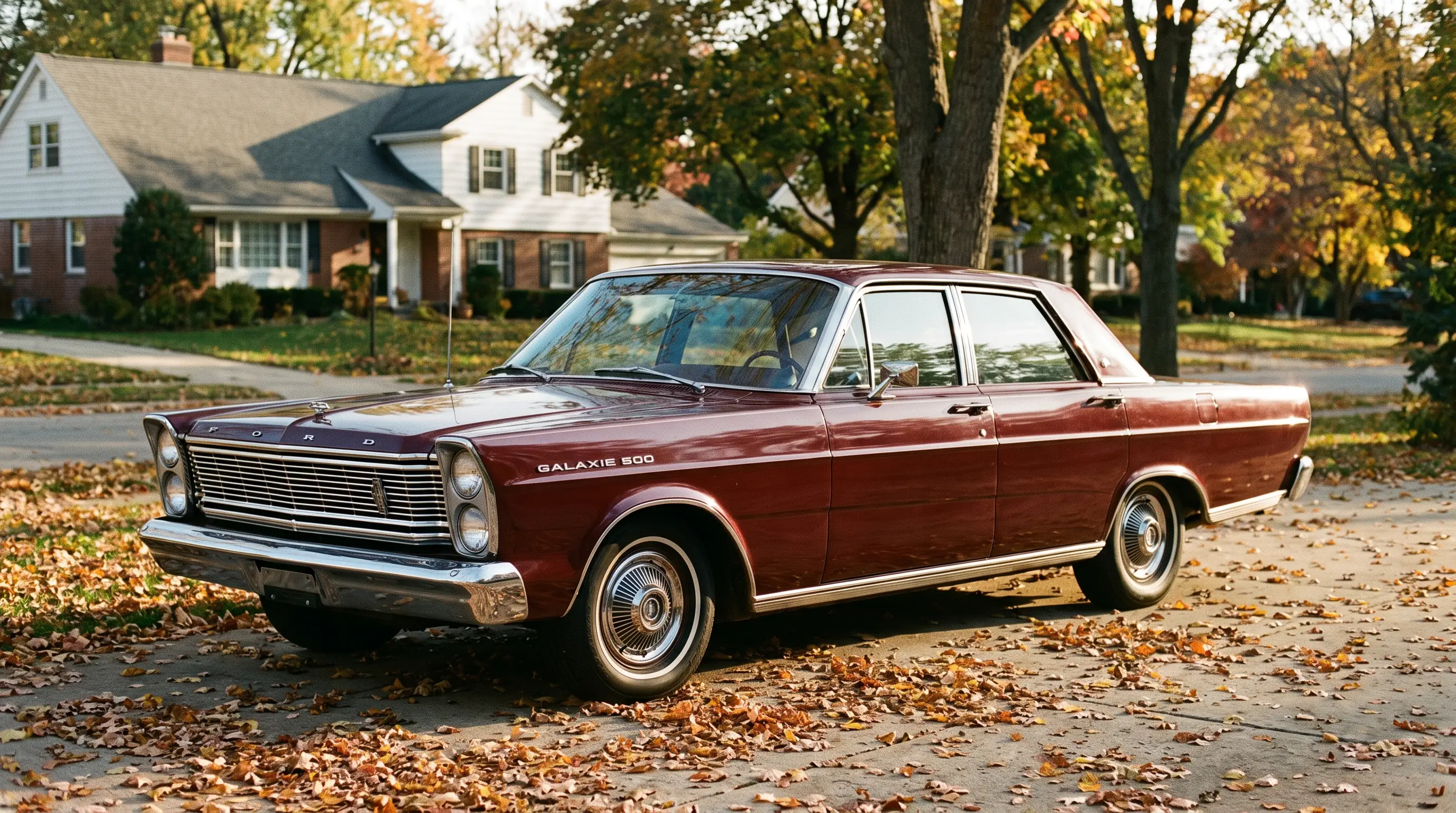
The ford galaxie 1965 ownership scene today looks nothing like the market it belonged to in period, and that shift tells you as much about who owns these cars now as it does about the cars themselves. Sixty years ago, a 1965 Galaxie was simply a family sedan. Today, owning one places you in a small, tightly connected community that treats the same car as a documented piece of Ford's design and racing history.
A smaller world than muscle car ownership
Compared to the crowded, heavily commercialized world surrounding certain muscle car nameplates, the 1965 Galaxie community is modest in size and correspondingly close-knit. Regional Ford clubs and full-size Ford specific groups tend to fold Galaxie owners in alongside owners of related nameplates, rather than supporting a dedicated Galaxie-only club structure the way some more famous models enjoy. That smaller footprint means owners often know each other by name at regional shows, and information about parts sourcing or documentation tends to travel through personal relationships rather than large anonymous forums.
There is a real upside to that intimacy. New owners entering the scene tend to get folded into the community quickly, absorbing institutional knowledge about the car from people who have owned examples for decades. The downside is that this knowledge base is not always well documented publicly, which means a genuinely new collector has to do more legwork building relationships than they might with a more mainstream nameplate's ownership community.
What shows up at shows, and what does not
At regional concours and Ford-specific gatherings, the 1965 Galaxies that actually appear tend to skew toward two extremes: meticulously documented 427 R-code performance cars and carefully preserved LTD examples showing off the original interior work. The plainer, everyday trims that made up the bulk of period production are underrepresented, partly because they were less likely to be preserved in the first place and partly because owners of more common trims sometimes assume, incorrectly, that their car is not show-worthy.
That assumption deserves pushback. More on the 1965 ford galaxie covers just how significant the entire 1965 restyle was across every trim level, not only the performance and luxury variants that dominate today's show fields. A well-preserved standard Galaxie 500 tells a genuinely important part of Ford's story, even if it does not draw the same crowd as a 427 car parked next to it.
The documentation culture that defines this hobby
What separates a serious 1965 Galaxie owner from a casual one, in my experience judging and researching these cars, is an almost obsessive commitment to documentation. Build sheets, dealer records, period photographs, even old insurance paperwork, all of it gets treated as seriously as the car's physical condition. This documentation culture did not develop by accident. It grew directly out of the difficulty of authenticating LTD trim details and 427 drivetrain components against a backdrop of decades of parts swapping and incomplete records.
Our complete history of the Galaxie nameplate across its full production run helps explain why this documentation instinct runs so deep in the current ownership community. Owners who understand the full arc of the model's history tend to treat their own car's paperwork as part of that larger historical record, not just a personal keepsake.
"The best 1965 Galaxie owners I have met treat a factory build sheet the way a museum treats a provenance record. It is not sentimentality. It is exactly the right instinct for preserving genuine automotive history."
- Sarah Whitfield
How the community actually shares knowledge
Unlike hobbies built around a single wildly popular nameplate, the 1965 Galaxie ownership world does not have one dominant club or online forum where all the institutional knowledge lives. Instead, it is spread across regional Ford clubs, full-size Ford enthusiast groups, and a handful of dedicated researchers who have spent years cataloging production details and trim variations. This fragmentation can be frustrating for a new owner trying to answer a specific question quickly. It also means the knowledge that does exist tends to be unusually rigorous, because it was gathered by people motivated by genuine historical interest rather than by building a following.
I have found that patience pays off disproportionately in this particular hobby. A question posted to the right small, specialized group of full-size Ford researchers will often get a more precise, well-sourced answer than the same question posted to a larger, more general classic car forum. The tradeoff is that finding the right small group in the first place takes some initial effort, usually through attending a regional show and asking who the recognized experts on this specific era actually are.
Women in the modern ownership scene
One shift worth noting in the current ownership community is the growing number of women taking an active, hands-on role in Galaxie ownership and restoration, often gravitating toward the LTD's interior and design story specifically rather than the performance side of the hobby that has traditionally dominated classic Ford ownership conversations. This is not a minor demographic footnote. It reflects a broadening of who gets taken seriously as a knowledgeable voice in a hobby that, for decades, assumed expertise lived almost exclusively with people focused on engines and drivetrains.
That broadening enriches the documentation culture described above, because interior authenticity, upholstery sourcing, and trim details benefit enormously from expertise that the hobby historically undervalued. A more complete ownership community, one paying serious attention to every aspect of what made these cars significant rather than just the engine bay, produces better collective knowledge across the board.
Joining the scene today
For anyone considering entering this ownership community, the practical advice is straightforward: attend a regional show before you buy, talk to current owners about documentation practices, and understand which trim level actually matches your interests, whether that is the performance credibility of a 427 car or the design and comfort story of an LTD. The community is small enough that a genuine, respectful new member tends to be welcomed quickly, and that welcome is worth more than any single parts source or repair shop recommendation.
The scene has changed considerably from the ordinary family sedan market this car occupied back in 1965, when nobody buying one imagined it would eventually belong to a documented, historically minded ownership community, but the underlying appeal has not. People are drawn to the same design and engineering merits that sold the car new, they simply now understand those merits through a historical lens rather than a showroom brochure. Anyone ready to join that community can start by looking at classic Galaxies on the market and getting a genuine sense, over more than one afternoon of browsing, of what documented, well-preserved examples actually look like today.