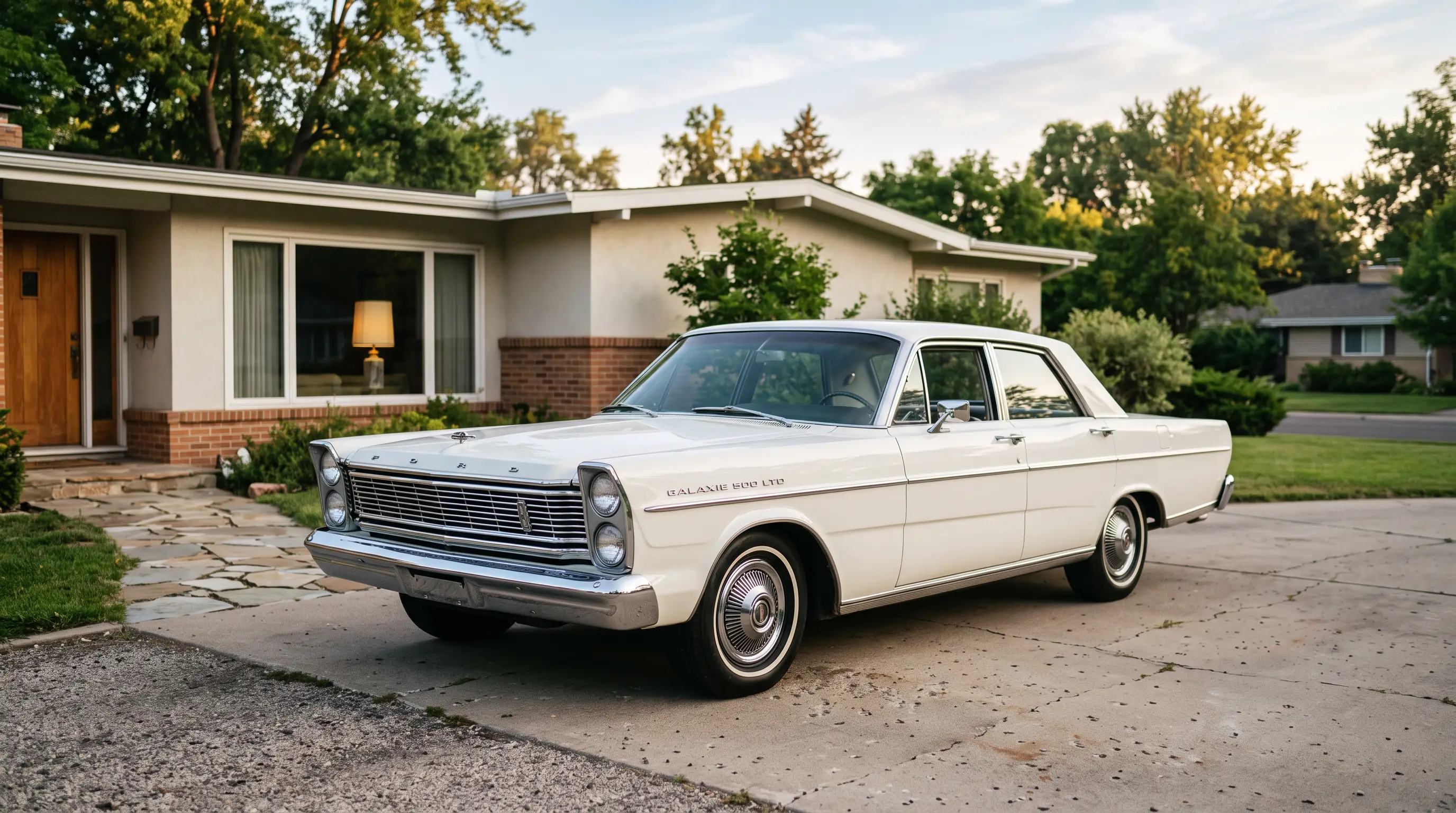
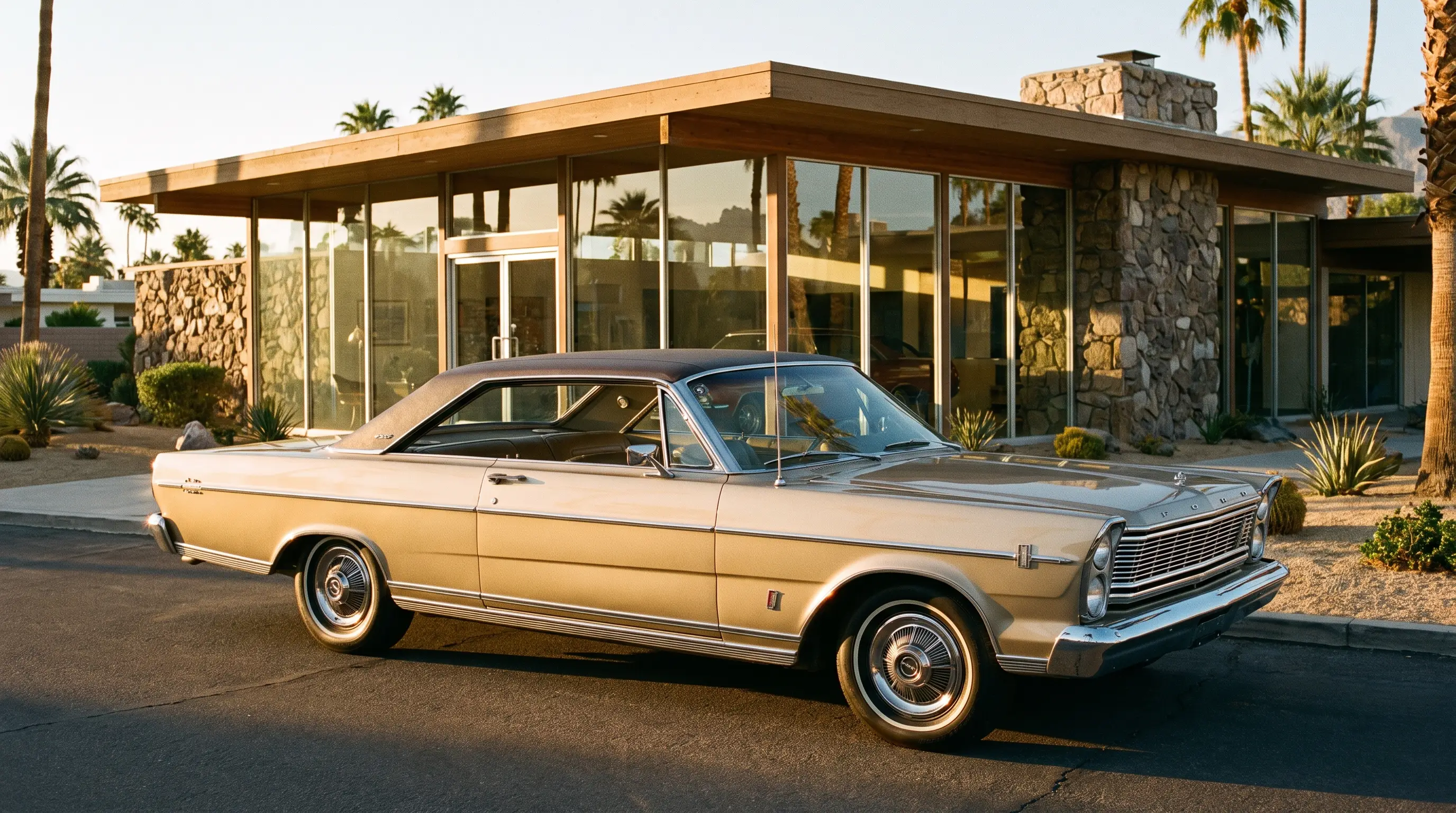
Ford introduced the LTD as an option package for the 1965 Galaxie 500, and it is worth pausing on how strange that sounds today. The LTD was not a separate model, not yet, but a trim level slotted above the Galaxie 500, and it arrived with an unmistakable goal: to make a full-size Ford feel like it belonged in the same conversation as a Buick or even a low-line Cadillac. It worked well enough that Ford turned the LTD into its own top-shelf nameplate the very next year, but in 1965 it was still, on paper, just a very well-dressed Galaxie 500.
Ford's answer to the luxury gap
By the mid-1960s, Ford's own product planners had noticed something the sales figures kept confirming: buyers who wanted a genuinely plush full-size car had reasons to look past Ford toward Buick's LeSabre or even Oldsmobile's larger offerings, cars that layered on sound insulation, soft trim, and a sense of hush that the standard Galaxie 500 did not really try to deliver. The Galaxie 500 was a good car, comfortable and well equipped, but it was still positioned and priced as a mainstream full-size Ford, not a near-luxury alternative. The LTD package existed to close that gap without forcing Ford to build an entirely new model from scratch.
What Ford did instead was layer a serious luxury treatment onto the existing Galaxie 500 body. Extra sound-deadening material went into the doors, floor, and firewall. The interior received its own upholstery patterns, more extensive brightwork, and a padded dash and door panels finished to a standard the regular Galaxie 500 did not offer. Ford wanted the LTD to be judged not on a spec sheet next to a Buick but on the same sensory terms: how quiet is the cabin, how soft is the seat, how does the door sound when it closes. Those are hard things to advertise honestly, so Ford leaned on comparison in its marketing, openly inviting shoppers to cross-shop the LTD against genuine luxury nameplates rather than against other Fords.
None of this happened by accident or by committee compromise. Ford's product planners had watched buyers walk out of Galaxie showrooms and into a Buick or Oldsmobile dealership specifically because those brands offered a hush and a softness the mainstream Ford lineup simply did not attempt to match. Rather than accept that loss as the cost of competing on price, Ford chose to build a version of its own full-size car that could compete on the softer, harder-to-quantify terms those buyers actually cared about, without asking them to pay for a completely different nameplate to get it.
Positioned above the Galaxie 500, and above the XL
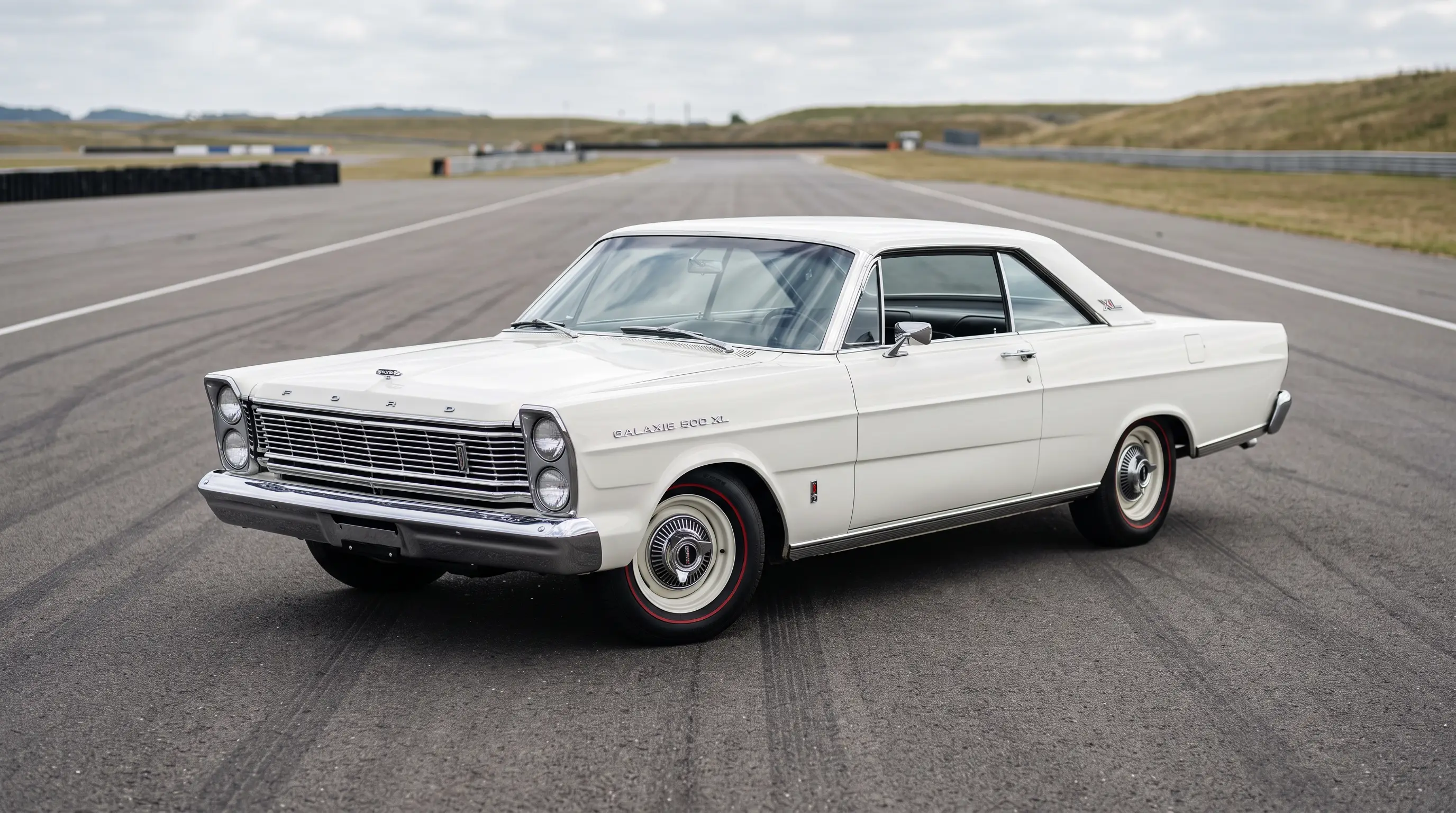
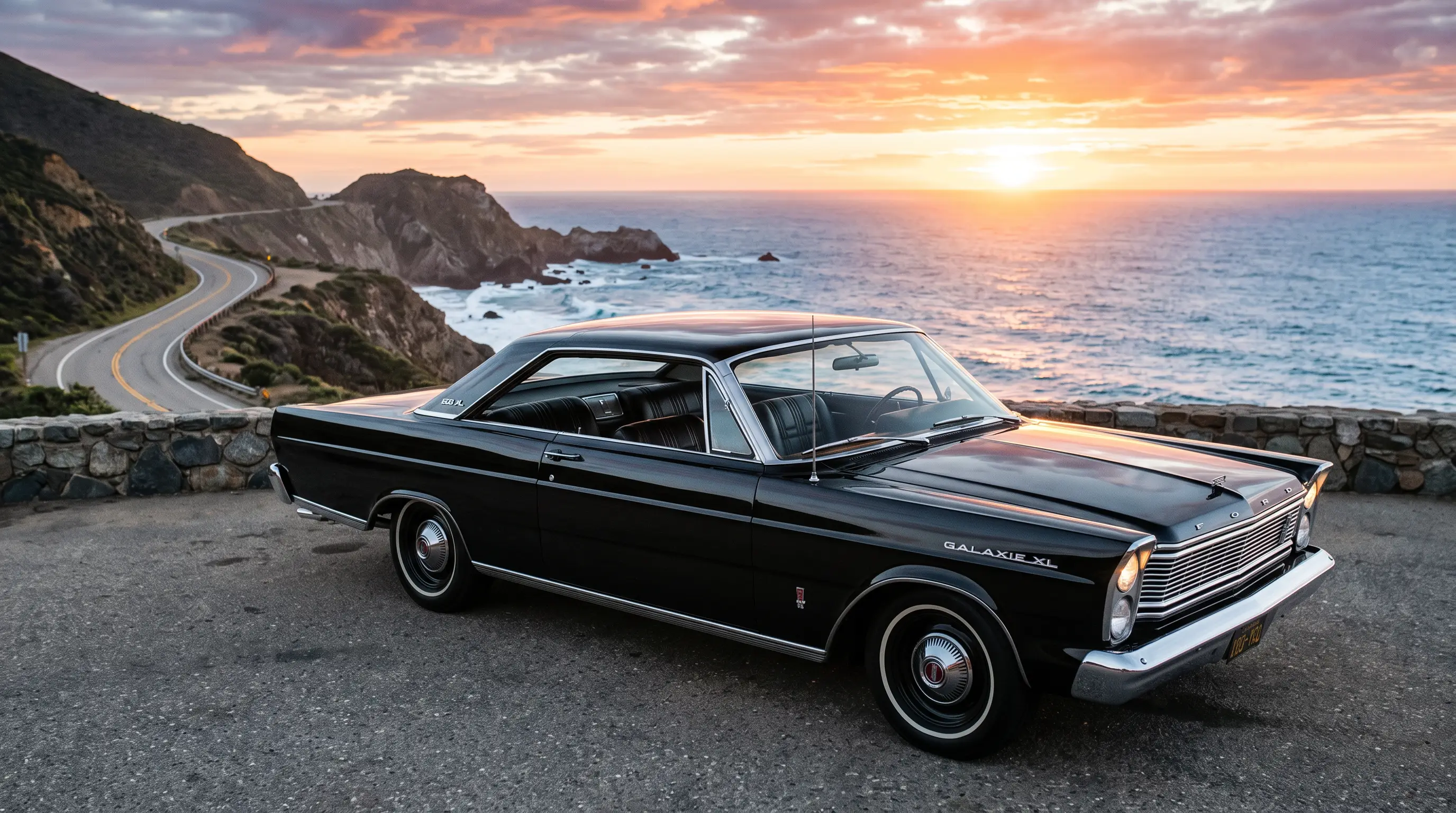
The LTD's arrival complicated Ford's own full-size lineup in an interesting way. The Galaxie 500 XL had already staked out the sportier end of the range, with bucket seats and a console aimed at buyers who wanted some performance flavor alongside their full-size comfort. The LTD went the opposite direction entirely, chasing hush and plush rather than sport, which meant Ford now had two distinct upper-trim personalities sitting above the base Galaxie 500: one built for a driver who wanted to feel sporty, one built for a passenger who wanted to feel pampered. Shoppers cross-shopping the two often ended up choosing based on how they actually planned to use the car, and dealers of the era reportedly steered younger buyers toward the XL package that is worth a look too for anyone comparing the two, while steering family buyers and older customers toward the new LTD trim.
That the LTD sat above both the base Galaxie and the sportier XL is part of what made it feel like such a decisive move. Ford was not simply adding another option box to check. It was carving out an entirely new tier at the top of the full-size range, one aimed squarely at the buyer who might otherwise have walked into a competing brand's showroom.
Why it worked, and why it stuck
The LTD package sold well enough in 1965 that Ford spun it into a standalone model for 1966, with the Galaxie name settling into the mid-level full-size spot beneath it, and from there the LTD name eventually outlived the Galaxie itself, becoming Ford's flagship full-size nameplate through the 1970s and beyond. That kind of staying power rarely happens by accident. The 1965 LTD proved there was real demand for a Ford that competed on comfort and quiet rather than price or performance, and it proved that demand was large enough to justify building an entire trim strategy, then eventually an entire model line, around it.
Looking back at the LTD's debut year also clarifies something about the whole 1965 Galaxie story: this was a model year where Ford was testing several different ideas about what a full-size car could be, all at once, under one nameplate. The LTD chased luxury. The XL chased sport. The base Galaxie 500 held down the middle. That kind of internal experimentation, three distinct personalities sold side by side on largely the same body, tells you a lot about how confident Ford felt in the platform underneath all of them.
It is worth remembering how unusual that confidence was for the period. Plenty of manufacturers would have picked one direction, either chase luxury or chase sport, and built a single coherent story around it. Ford instead let both ambitions run at once on the same basic car, trusting that the new frame and body were strong enough as a foundation to support wildly different personalities without any of them feeling like an afterthought bolted onto the wrong platform.
"Ford didn't just add a trim level in 1965, they added an argument, that a full-size Ford could be cross-shopped against a luxury car and win on its own terms."
- Tom Ramirez
What LTD buyers should know today
For collectors, a genuine 1965 LTD is a slightly different animal from a well-optioned Galaxie 500, and the differences are worth knowing before you buy. The extra sound insulation and interior trim pieces are LTD-specific, and replacing missing or damaged trim on a car this old can be more involved than sourcing parts for a standard Galaxie 500, simply because fewer LTDs were built in that first year compared to the mainstream trims. Anyone who wants to read the background on the broader 1965 model year first will have an easier time spotting a correctly equipped LTD when they see one, since the LTD's story only really makes sense in the context of everything else Ford was doing with the Galaxie that year. And for buyers ready to go looking, those who want to shop classic Galaxie listings should specify they want the LTD trim rather than just any well-equipped 1965 Galaxie, since the two are easy to conflate in a casual listing description.
The LTD's first year is a reminder that some of the most consequential decisions in a car's history do not arrive with fanfare. It slipped into the lineup as an option package, and within a few years it had quietly become one of the most important names Ford ever put on a full-size car.