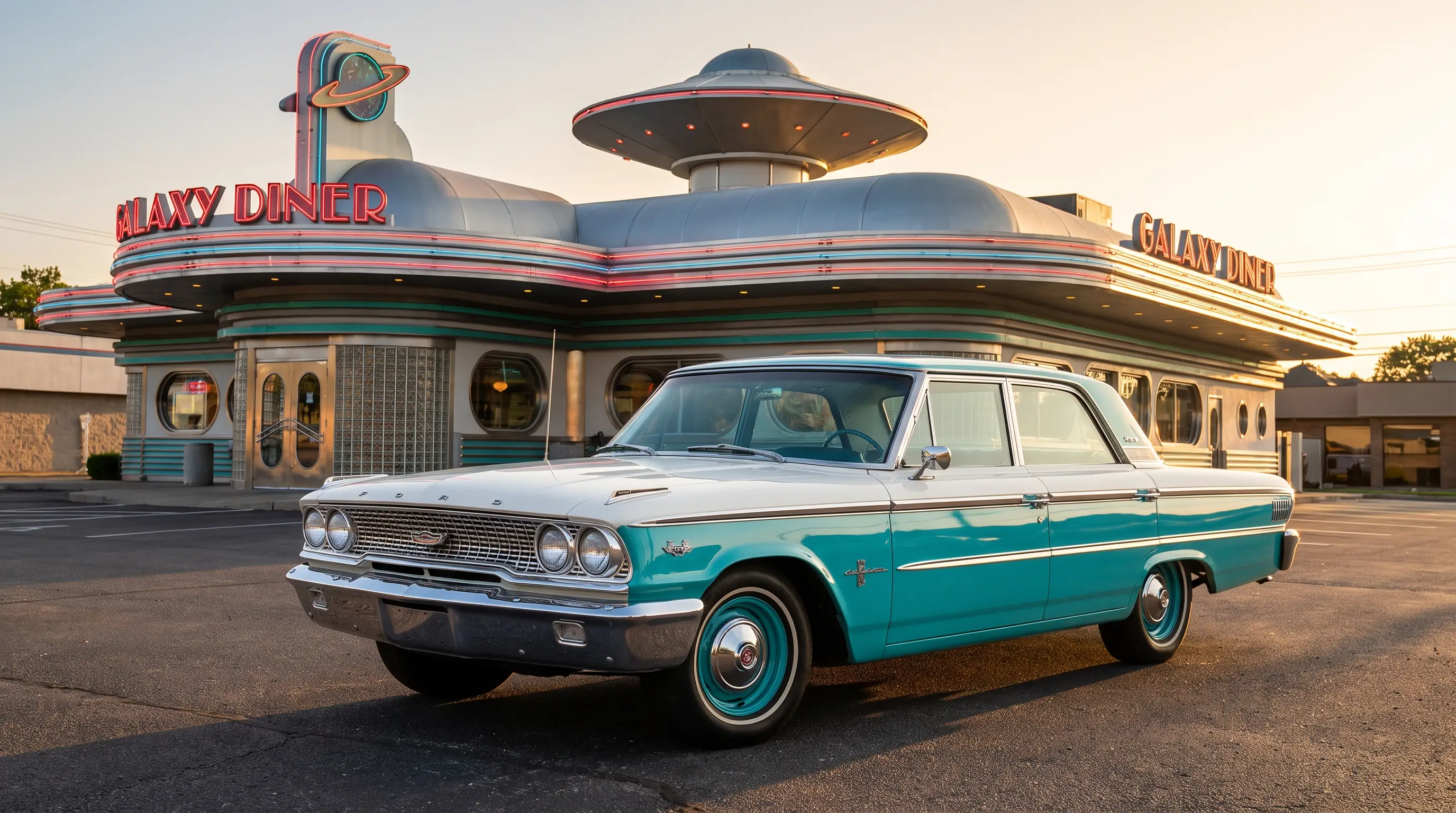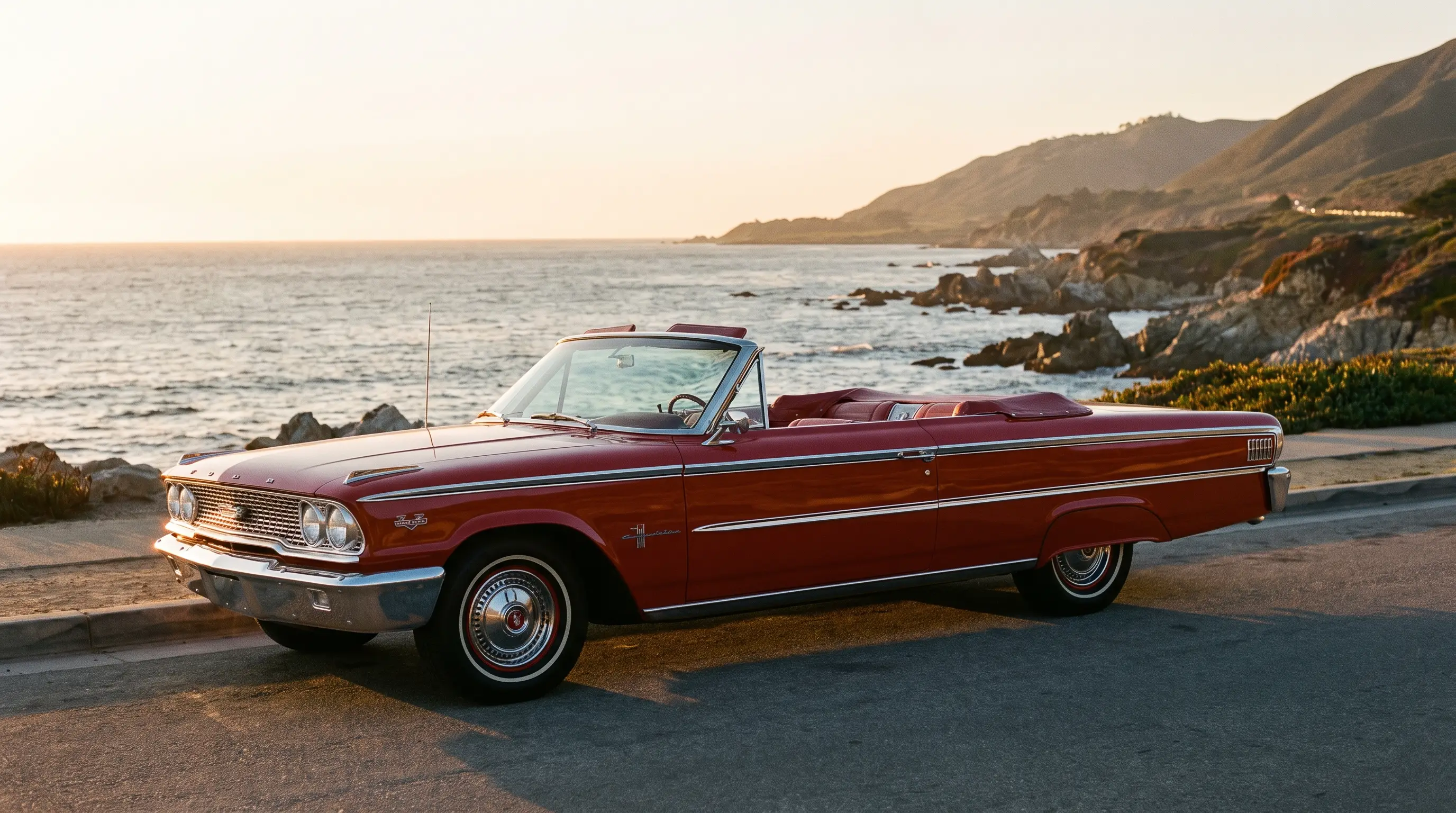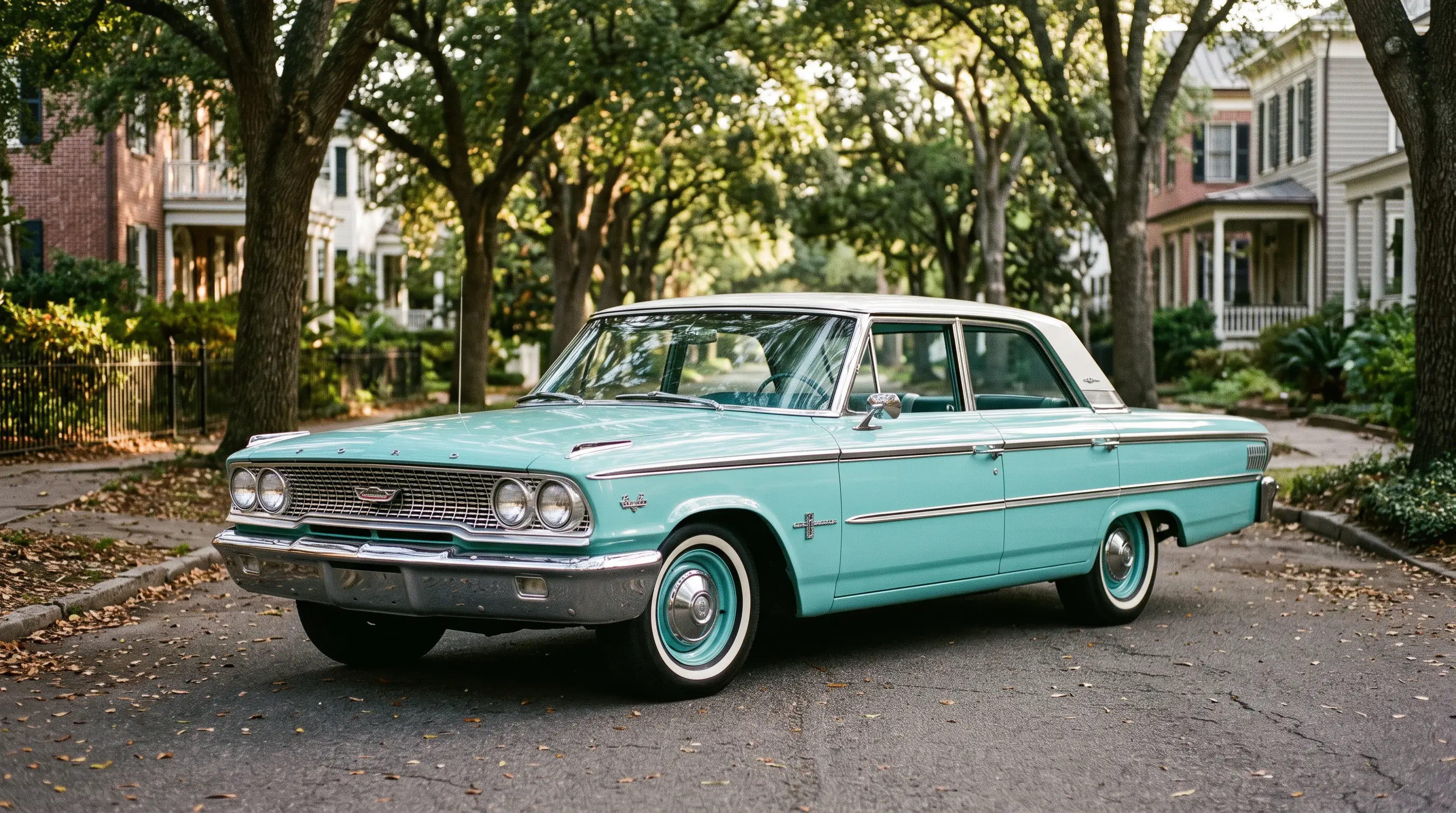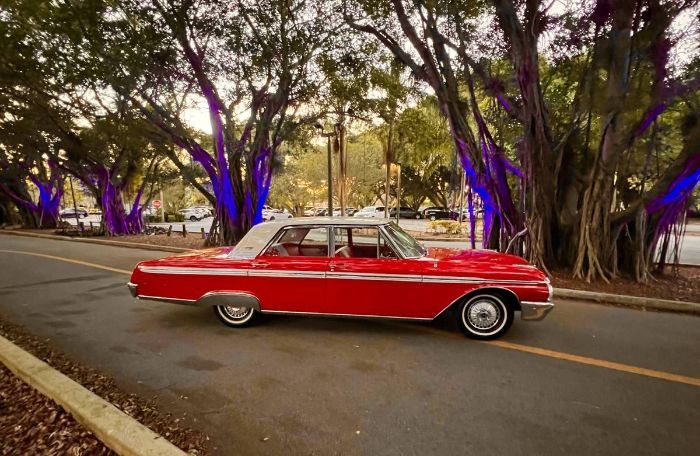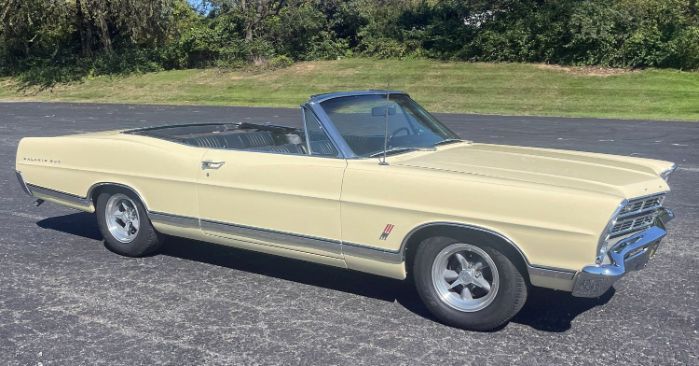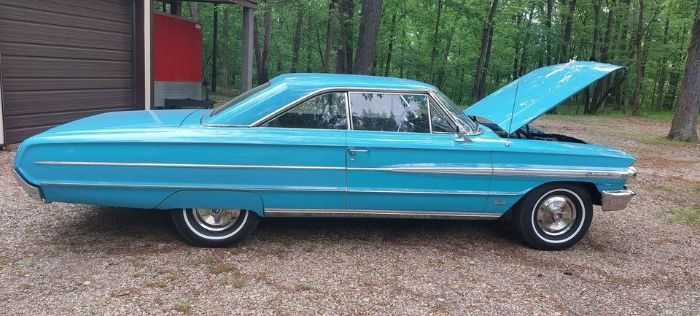
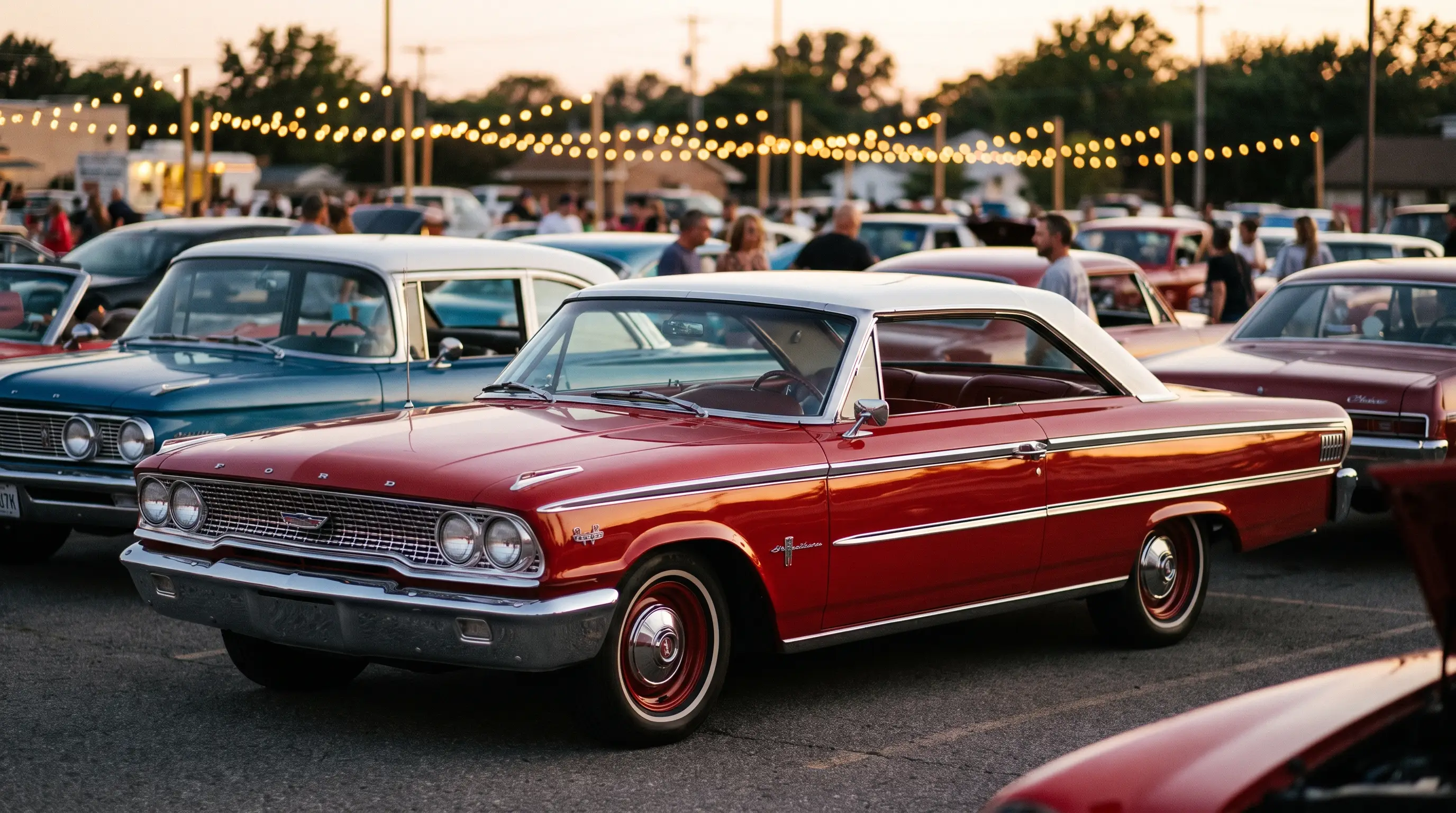
There is a guy at every Ford club meet who shows up with a coffee thermos, parks the same two-door hardtop in the same corner of the lot every single time, and eventually somebody new to the club asks him what exactly makes his car a "Club Victoria" instead of just a Galaxie 500 coupe. He usually smiles like he has been waiting all morning for that question, because the ford galaxie 500 club victoria hardtop name is one of those pieces of Ford badge trivia that sounds trivial until you actually dig into what it represents.
Where the Victoria name came from
"Victoria" had been Ford's name for its pillarless hardtop body style going back years before the Galaxie 500 existed, used across various Ford models to describe the clean, post-free roofline that hardtops were known for. When Ford applied the Galaxie 500 badge to its two-door hardtop, it carried the Victoria name forward as "Club Victoria," distinguishing the sportier two-door from the "Town Victoria" four-door hardtop sitting alongside it in the lineup. The naming logic was simple enough once you know it: "Club" implied the more social, two-door configuration, the one aimed at buyers who wanted style over back-seat practicality, while "Town" suggested the four-door's more family-oriented, everyday use case.
The pillarless roofline that made the look
What actually made the Club Victoria stand out on the road was the hardtop's signature lack of a B-pillar, giving the car an unbroken glass area from the windshield to the rear window when all the windows were rolled down. That clean, open-sided profile was the whole reason hardtops became so fashionable through the late 1950s and into the 1960s, offering a convertible's visual lightness without the folding top's complexity or expense. On a car the size of a full-size Galaxie 500, that pillarless design made the roofline look almost impossibly thin against the car's wide, heavy-shouldered body, a contrast that period photography captured better than most written descriptions ever could.
"Fellas bring their four-doors to the meet and nobody argues with them, but it is always the Club Victoria that draws a crowd around it before the coffee's even cold."
- Wayne Coburn
A body style with genuine club-circuit staying power
Ask around any long-running Ford club and you will hear the same thing repeated in different words: the Club Victoria is the body style people gravitate toward when they are shopping for a Galaxie 500 to actually show, drive to meets, and talk about at length with strangers in a parking lot. Part of that is the roofline. Part of it is that the two-door hardtop configuration simply photographs better and draws more attention at a cruise-in than a sedan will, fairly or not. Clubs built around full-size Fords of this era tend to have disproportionately more Club Victorias in their active membership than any other single body style from the Galaxie 500 lineup, which says something about which car actually gets restored, maintained, and driven rather than parked in a barn and forgotten.
How the Club Victoria stacked up against its siblings
Sitting a Club Victoria next to a Town Victoria four-door and a Sunliner convertible from the same model year tells you a lot about how Ford segmented buyer intent within a single trim badge. The Town Victoria kept the pillarless hardtop glass but wrapped it around a family-friendly four-door body, aimed at buyers who wanted the style without giving up back-seat access. The Sunliner went the other direction entirely, dropping the roof altogether for buyers chasing maximum presence. The Club Victoria sat in the middle of that spread, offering the cleanest possible expression of the hardtop look without the practicality compromise of four doors or the added cost and complexity of a folding top. That middle position is probably why it has become the default choice for club members who want one car that does everything reasonably well, rather than a car built to excel at exactly one thing.
It also helped that the two-door hardtop configuration held its value and its enthusiast interest more consistently over the decades than the four-door body style did. Four-door hardtops from this era, including the Town Victoria, have never quite caught up to their two-door siblings in collector demand, regardless of how similar the underlying mechanical specification might be. That gap between two-door and four-door interest shows up across nearly every full-size American nameplate from this period, not just Ford's, and the Club Victoria has consistently sat on the favorable side of that divide, a fact that shows up in asking prices as much as it does in who bothers to restore one in the first place.
What separates a good one from a great one
Because the Club Victoria draws so much attention at club events, condition and originality matter even more than they would on a less scrutinized body style. Roofline trim, the specific brightwork that distinguishes a given model year, and interior details all get an extra round of eyeballs from people who have looked at dozens of these cars over the years and know exactly what belongs and what does not. A Club Victoria with mismatched trim or an incorrect interior combination will get noticed at a club meet far faster than the same issue would on a sedan nobody's paying close attention to. That scrutiny is a good thing for buyers, honestly. It means the club-circuit cars tend to be better documented and more carefully maintained than the average survivor sitting in a private garage somewhere with no paper trail at all.
For the wider story of how the Galaxie 500 badge and its various body styles fit together across the model's full run, where this started lays out the background in more depth. And if that thermos-carrying regular's enthusiasm has you thinking about joining the club yourself, classic Galaxie for sale is a reasonable place to start looking for a Club Victoria of your own.
Clubs exist because somebody, somewhere, decided a car was worth defending in conversation for decades after the last one rolled off an assembly line, and the Club Victoria has more than earned that defense. It is not the rarest Galaxie 500 body style, and it is not the most powerful or the most expensive at auction. What it has instead is the kind of everyday charisma that keeps a body style relevant at every cruise-in and club meet for sixty years running, long after flashier variants have faded into occasional appearances. That is a harder thing to build than raw horsepower, and it is exactly why the thermos guy keeps parking in the same corner of the lot every single time.