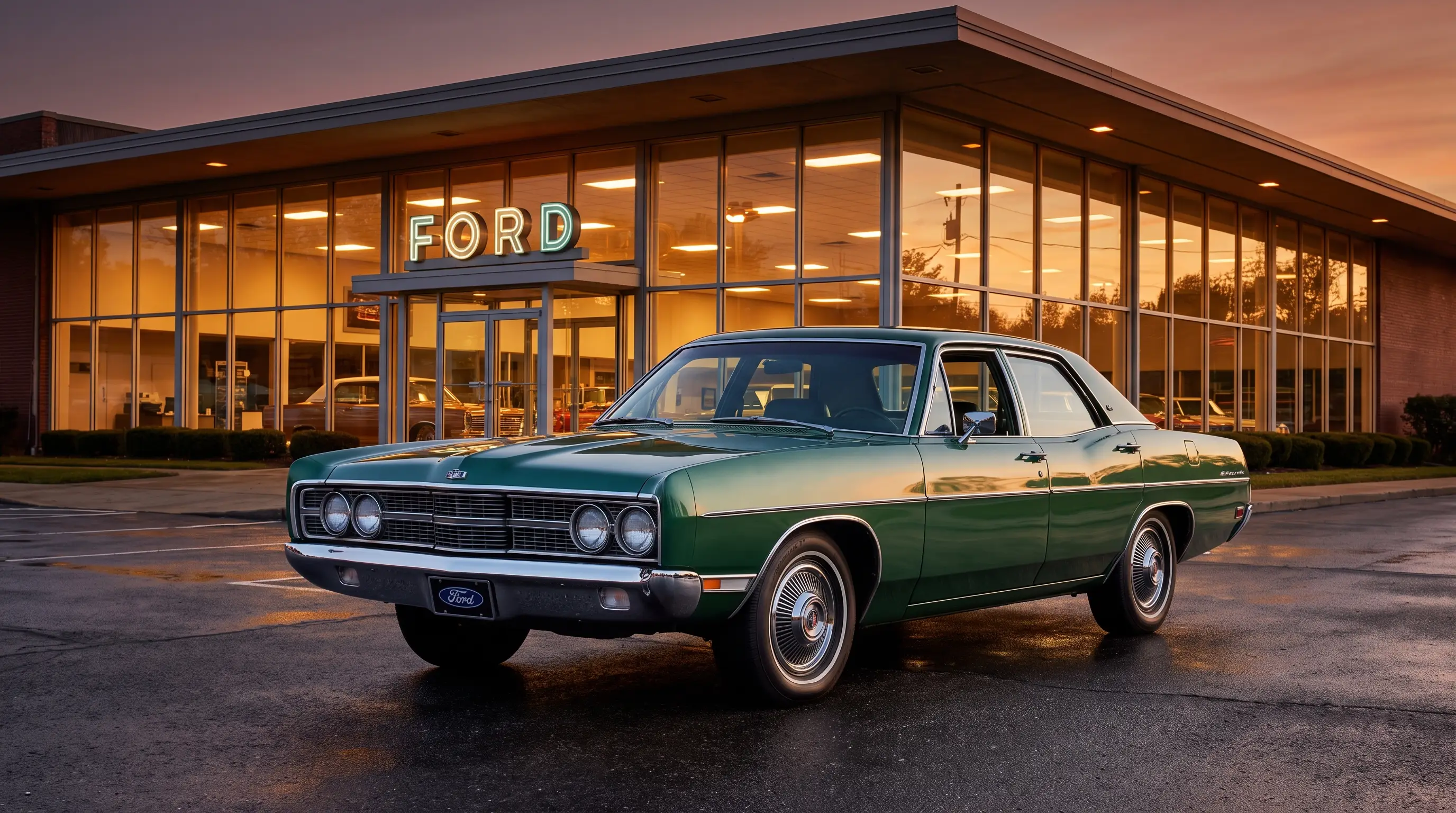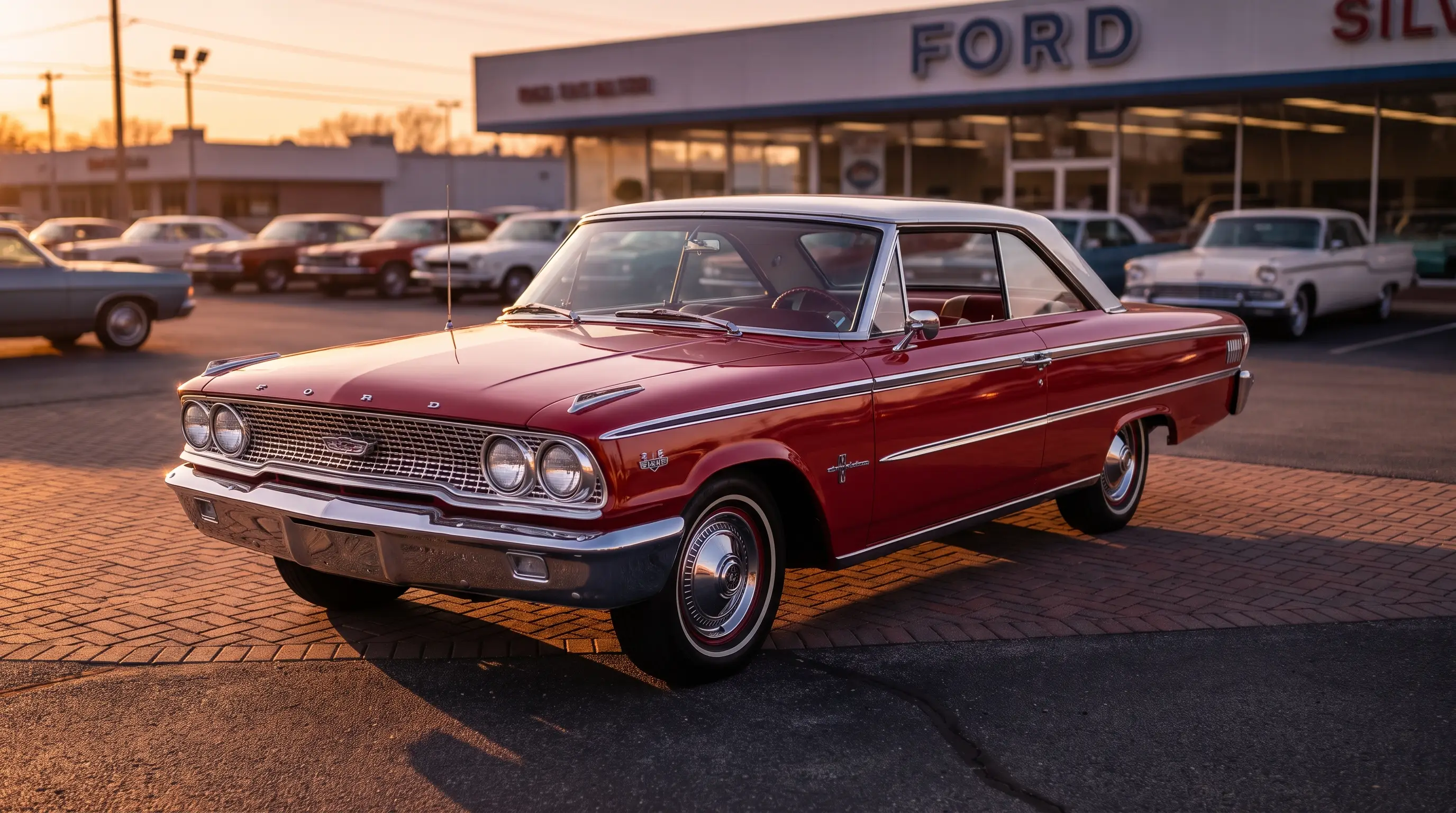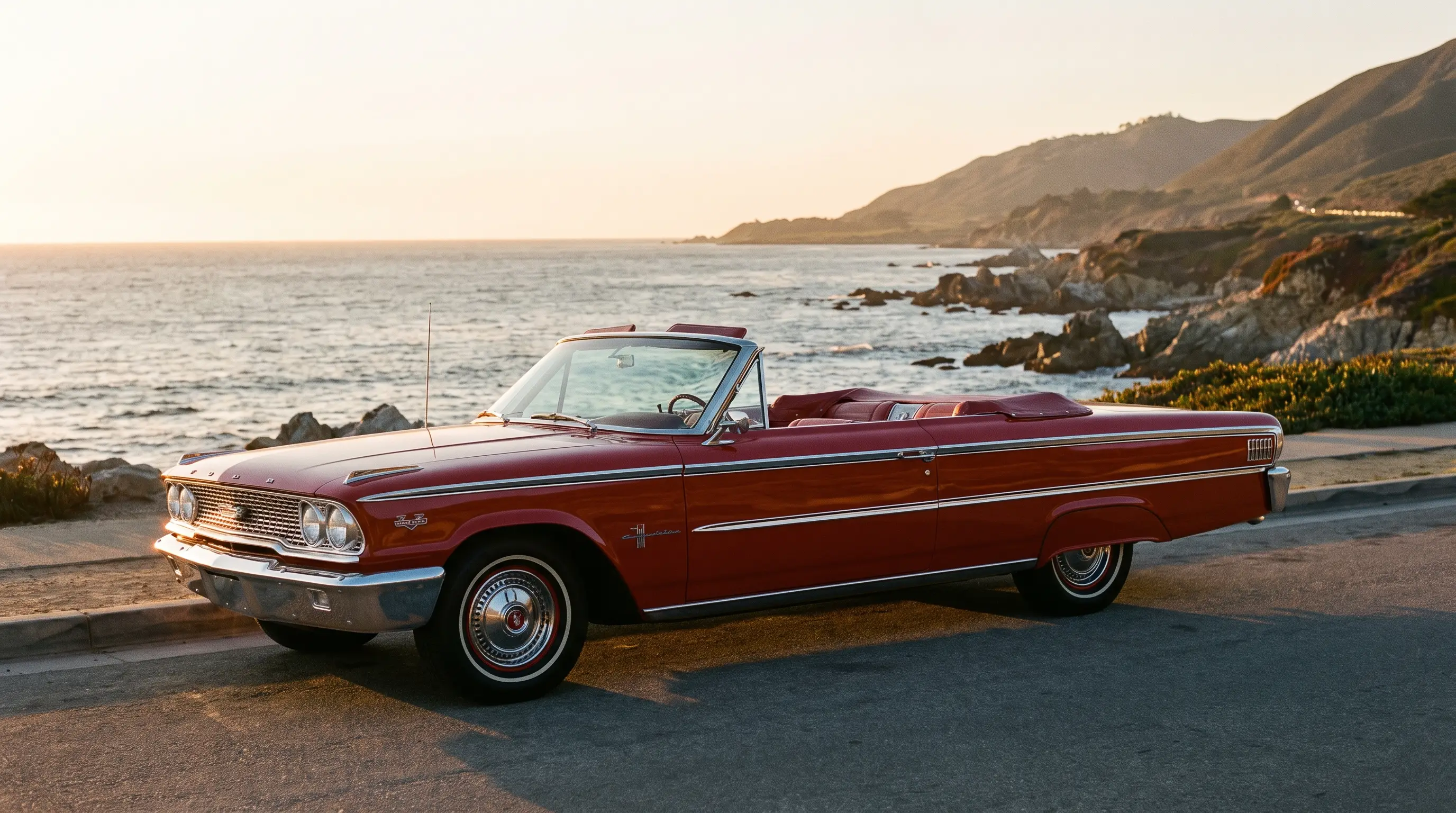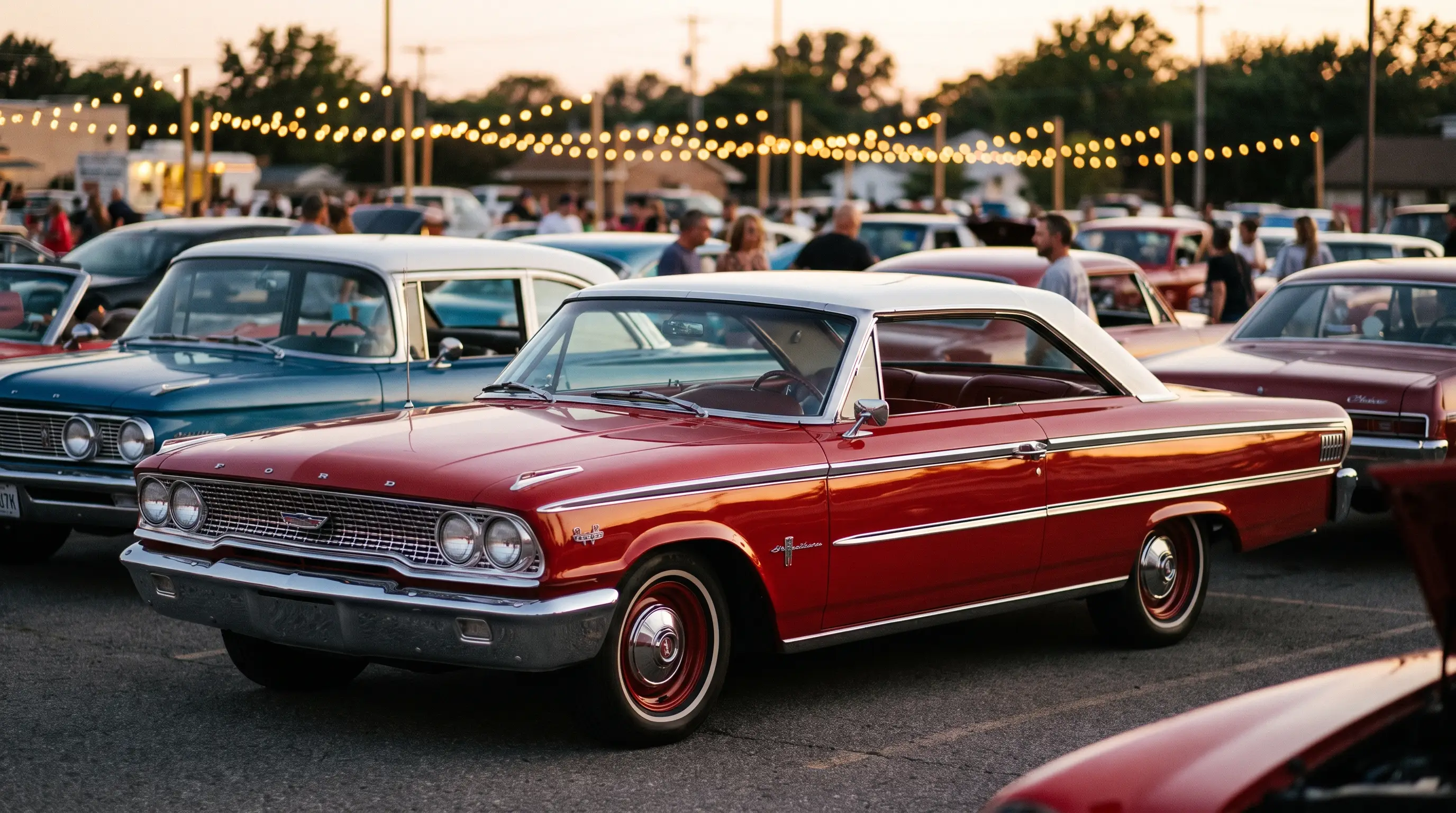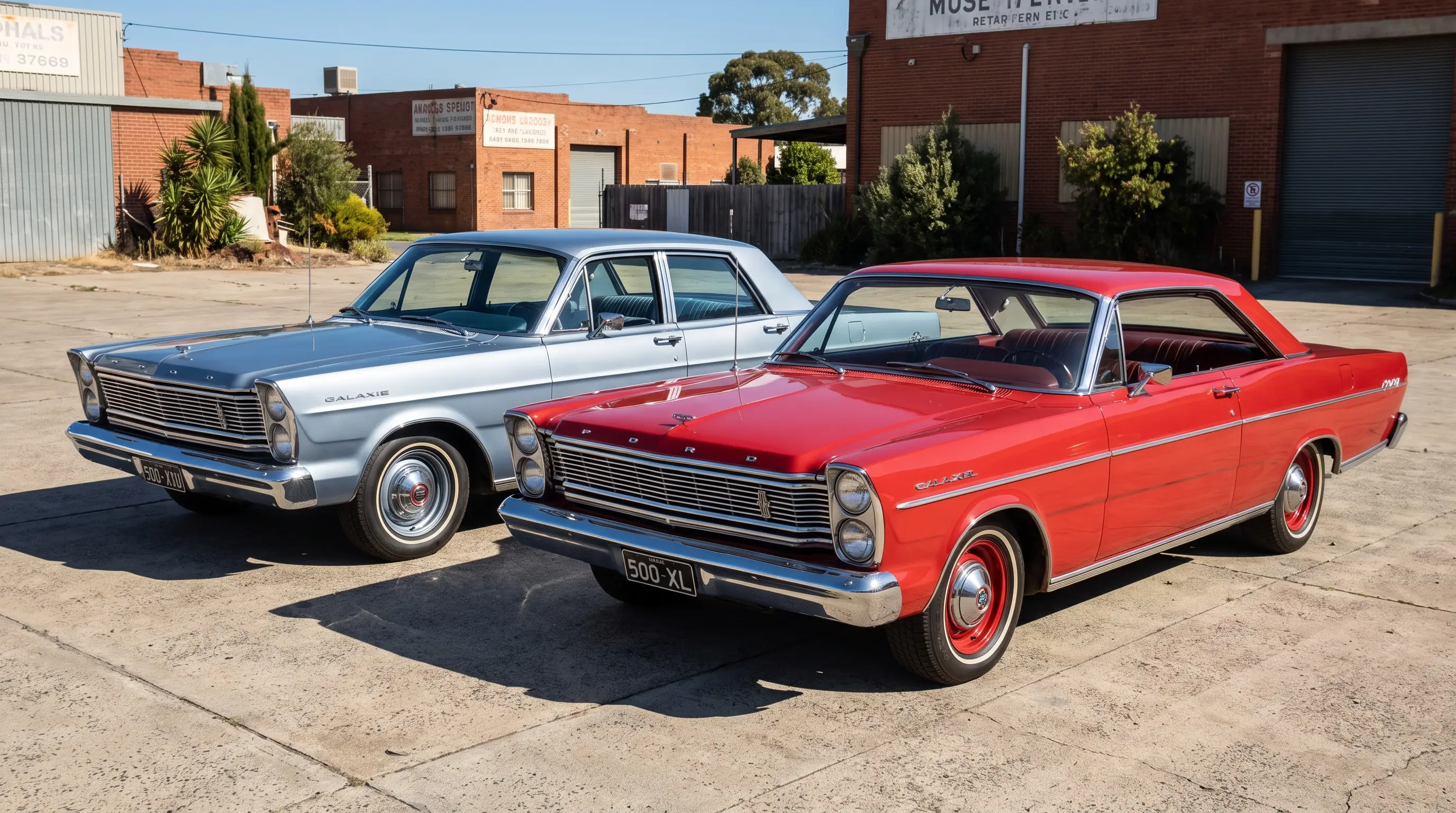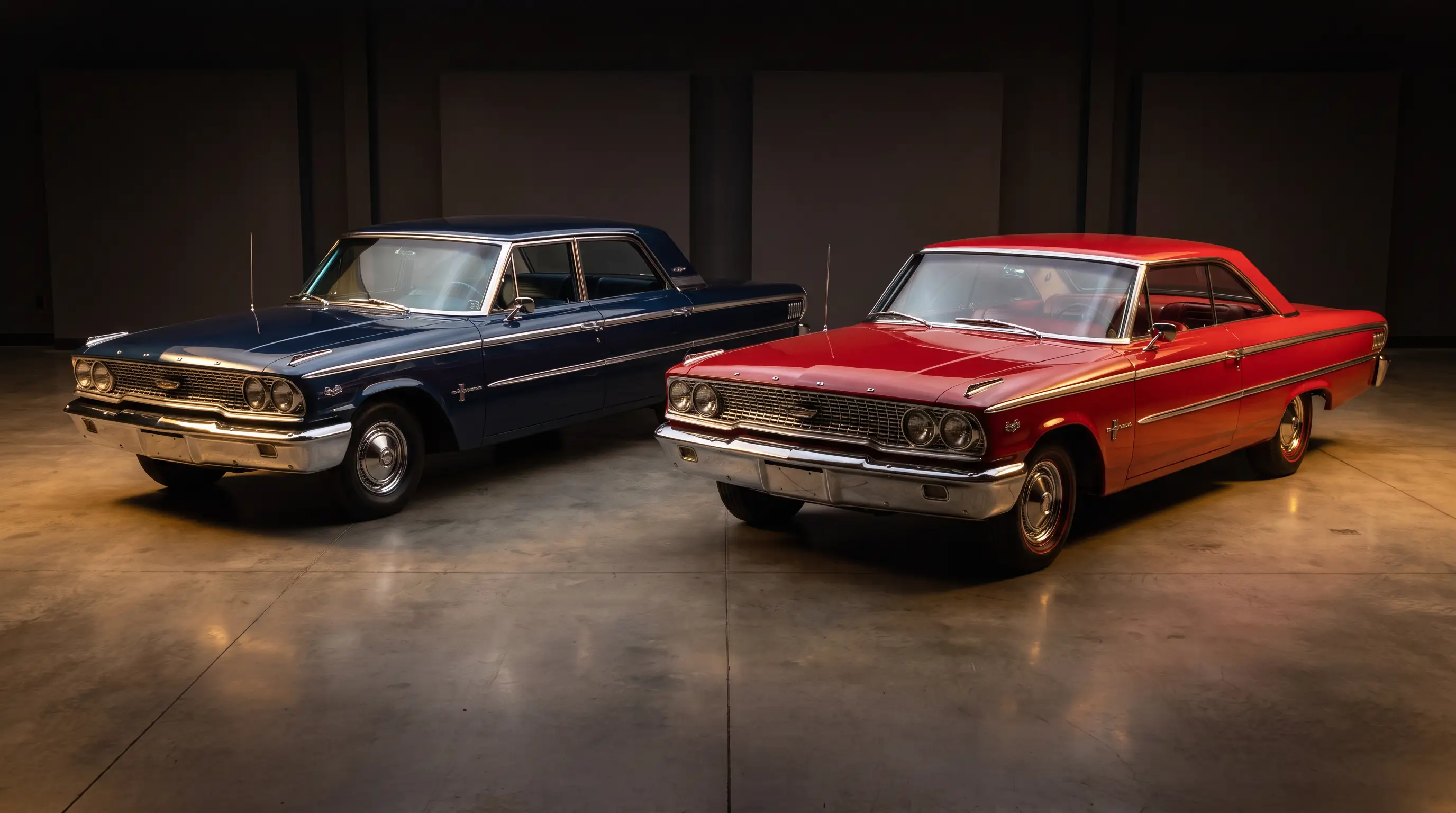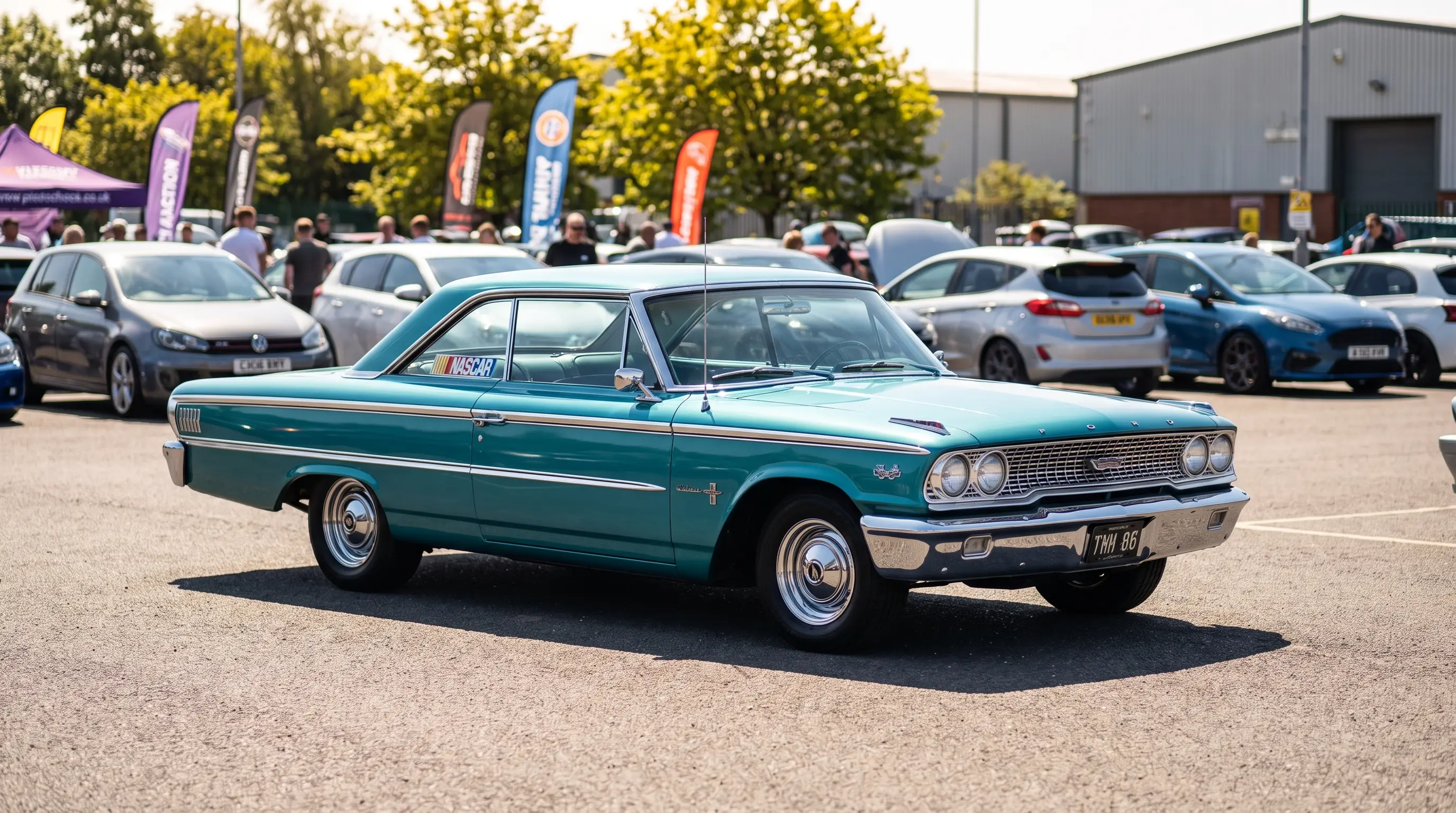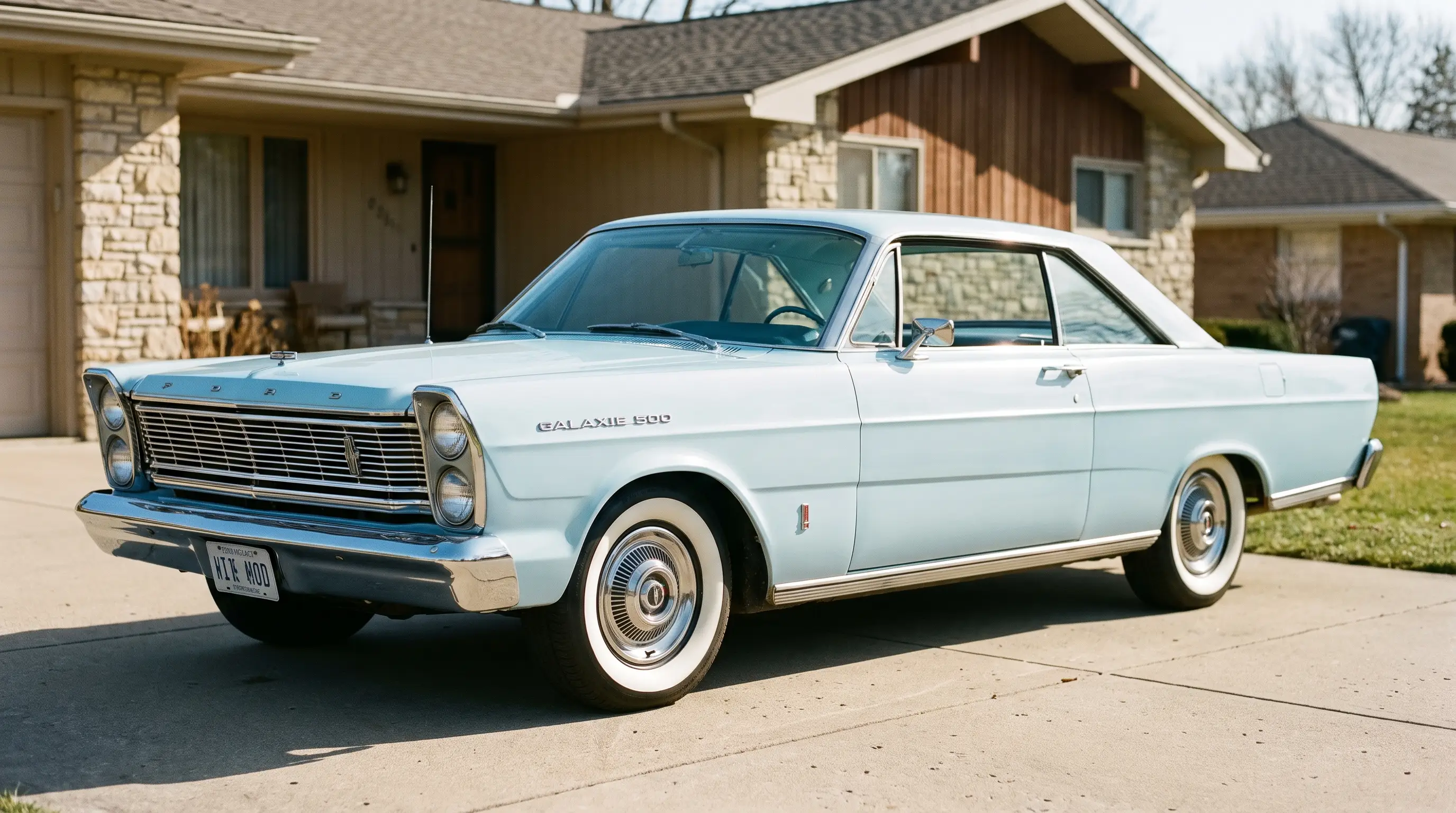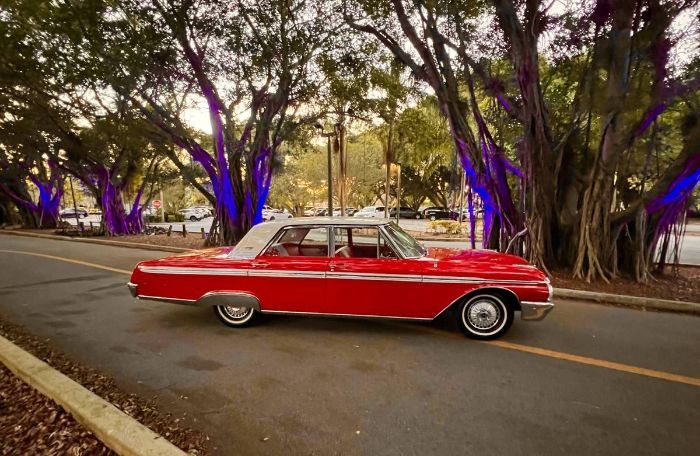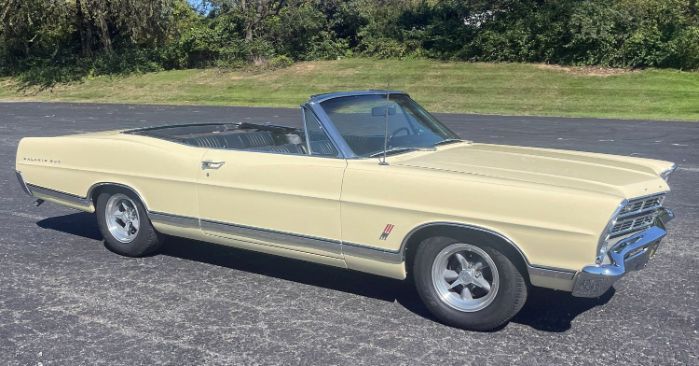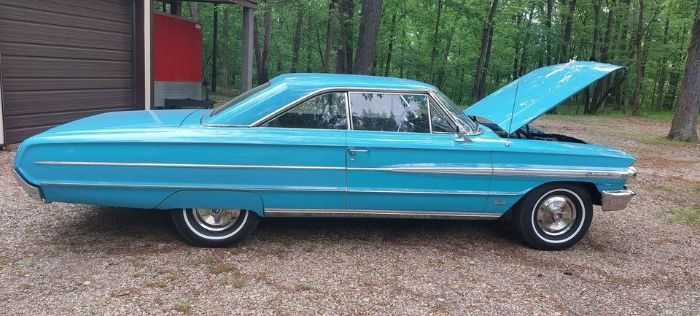
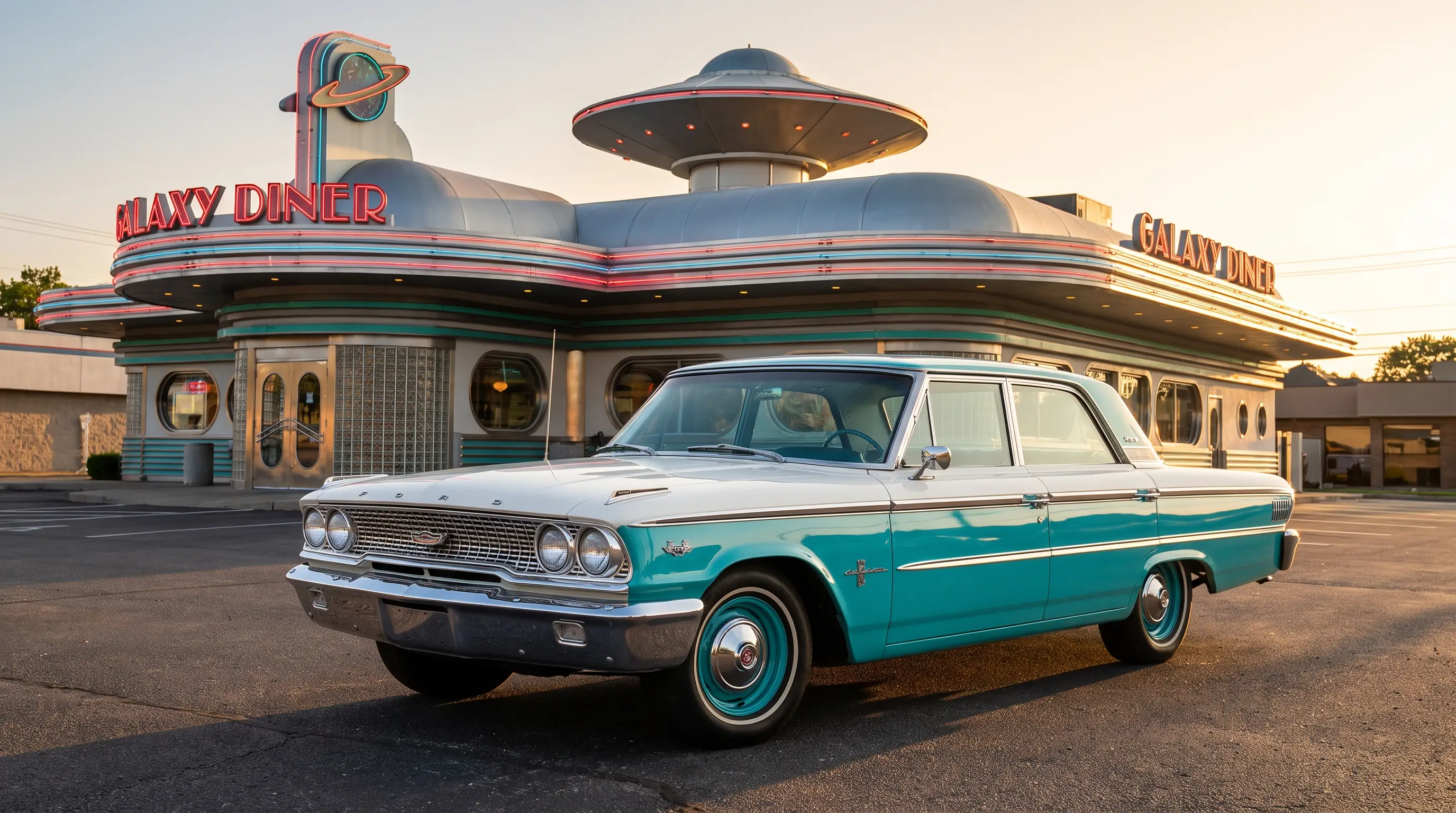
The Ford Galaxie 500 arrived at the exact moment America decided the sky was no longer the ceiling. When the badge first appeared, the country was watching rockets on television and reading about orbits in the morning paper, and Ford leaned into that mood without apology. The name was chosen to sound like the era, not to describe the car. Look at the sales literature from the period and you find stars, chrome, and a nameplate that promised more than a family sedan usually delivers. That promise is a big part of why the full-size Ford of the early 1960s still holds a room today.
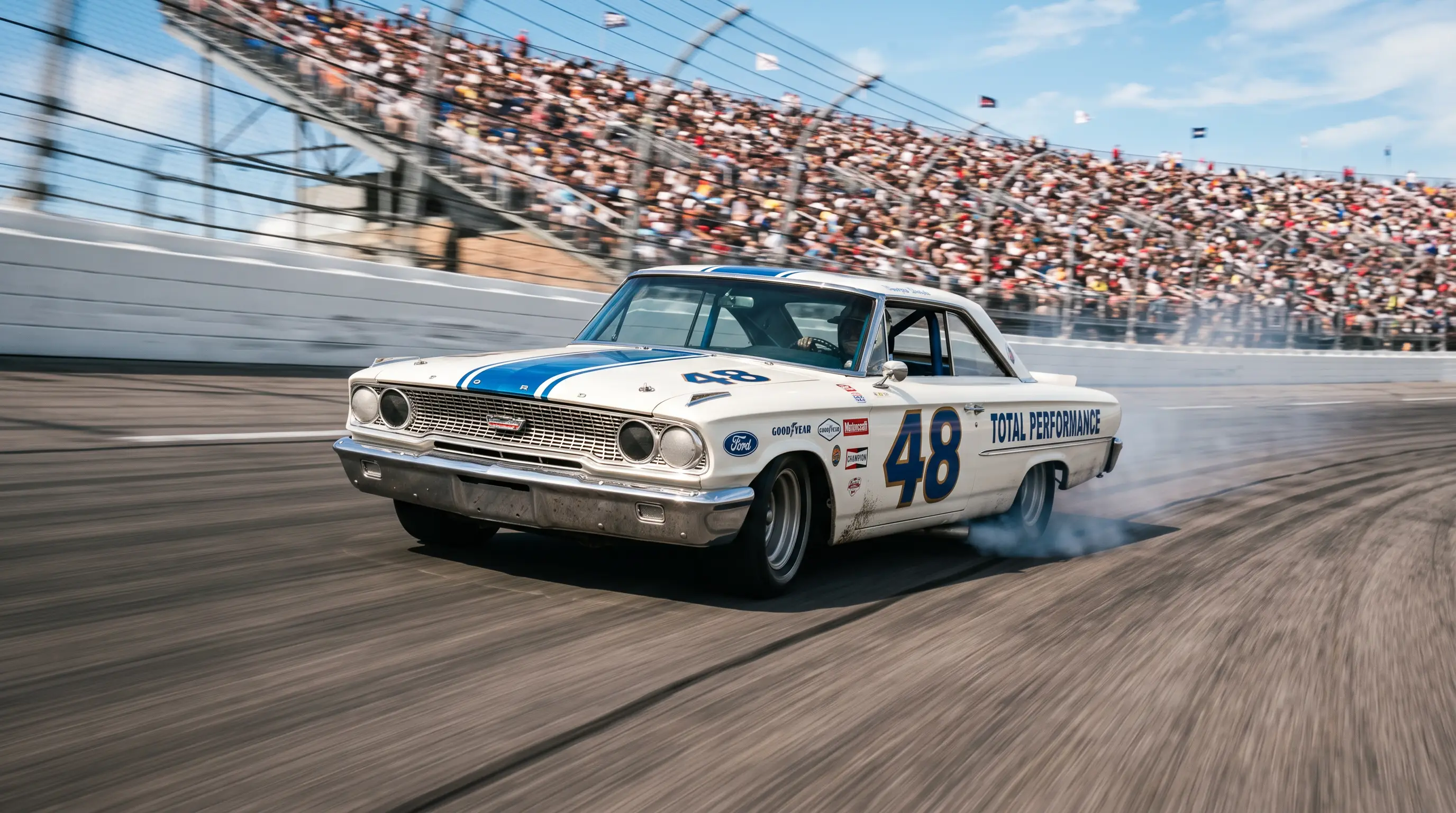
People often assume the "500" referred to horsepower, or to some engineering figure buried in a spec sheet. It did not. The number pointed at the long-distance stock car races that carried the same figure, the 500-mile events that Ford wanted its full-size cars to win. Understanding that connection is the first step to understanding why this particular Ford matters more than its plain sedan cousins.
The name that arrived with the space race
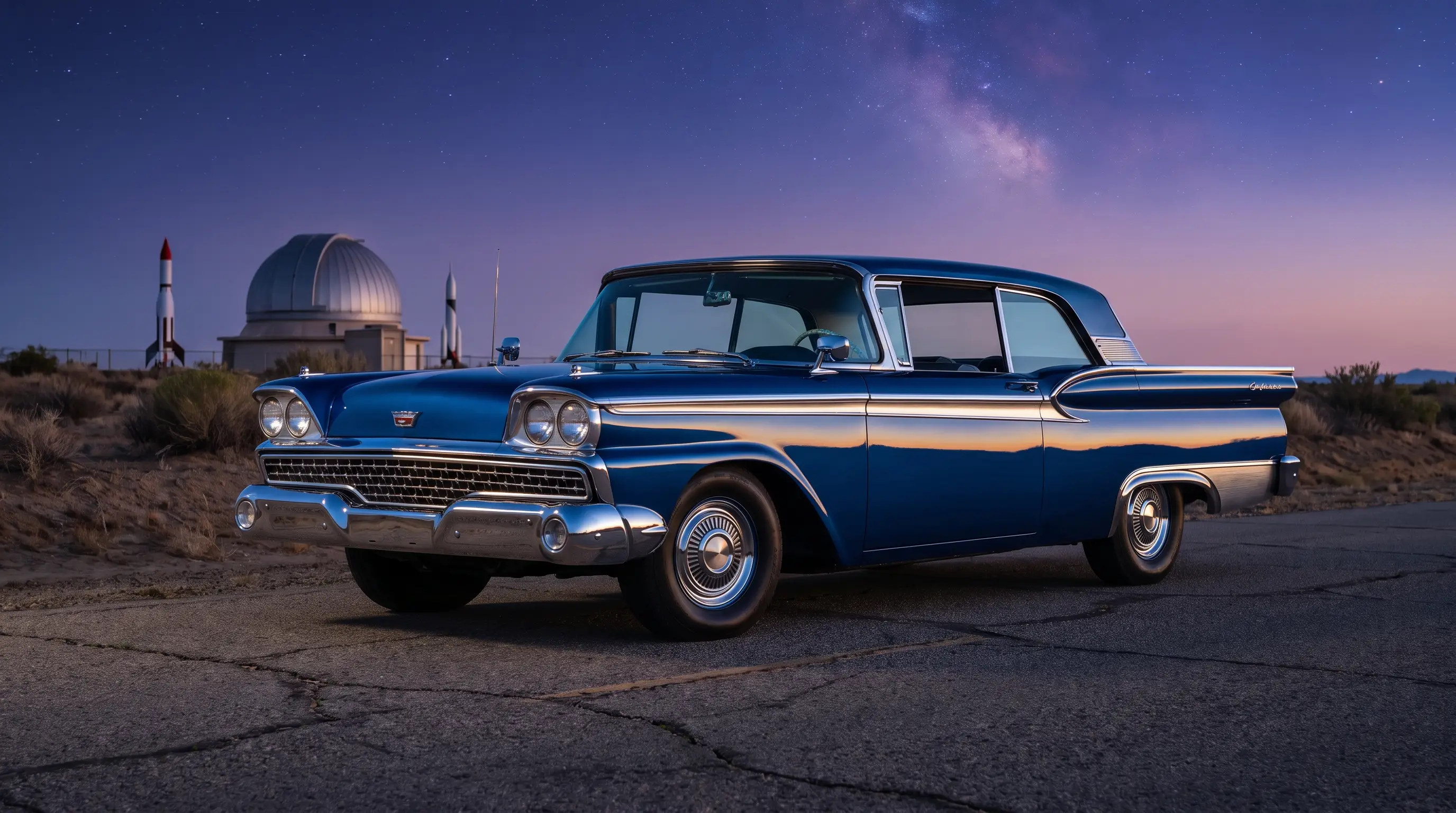
Ford introduced the Galaxie name for the 1959 model year, and the timing was not an accident. The Fairlane 500 had been the top full-size Ford, and for 1959 the company grafted a new roofline and a new name onto that platform. Early cars even wore Fairlane 500 scripts alongside Galaxie badges during the transition, which tells you the marketing department moved faster than the tooling did. That overlap is one of those small production details that gets flattened in later retellings, so it is worth stating plainly. The Galaxie began life as a trim idea, then grew into a series.
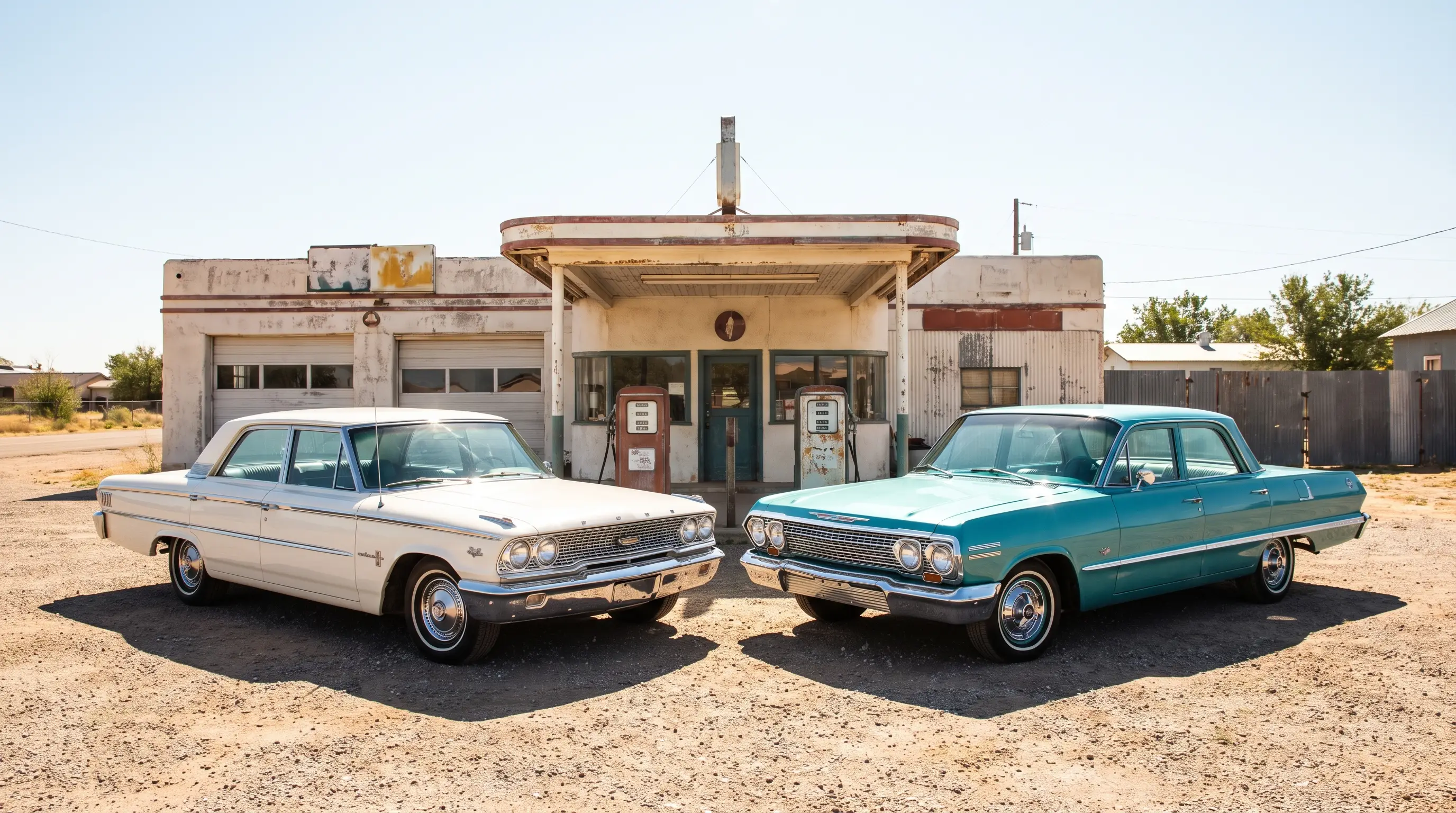
The theme was deliberate. Chevrolet had the Impala, Plymouth had the Fury, and Ford needed a full-size flagship with a name that felt current. The space program gave Detroit a vocabulary, and Ford spent it freely. Contemporary brochures described the car in terms of light and distance rather than cubic inches, and the styling followed suit with a low, wide stance and generous brightwork.
What the 500 badge actually meant
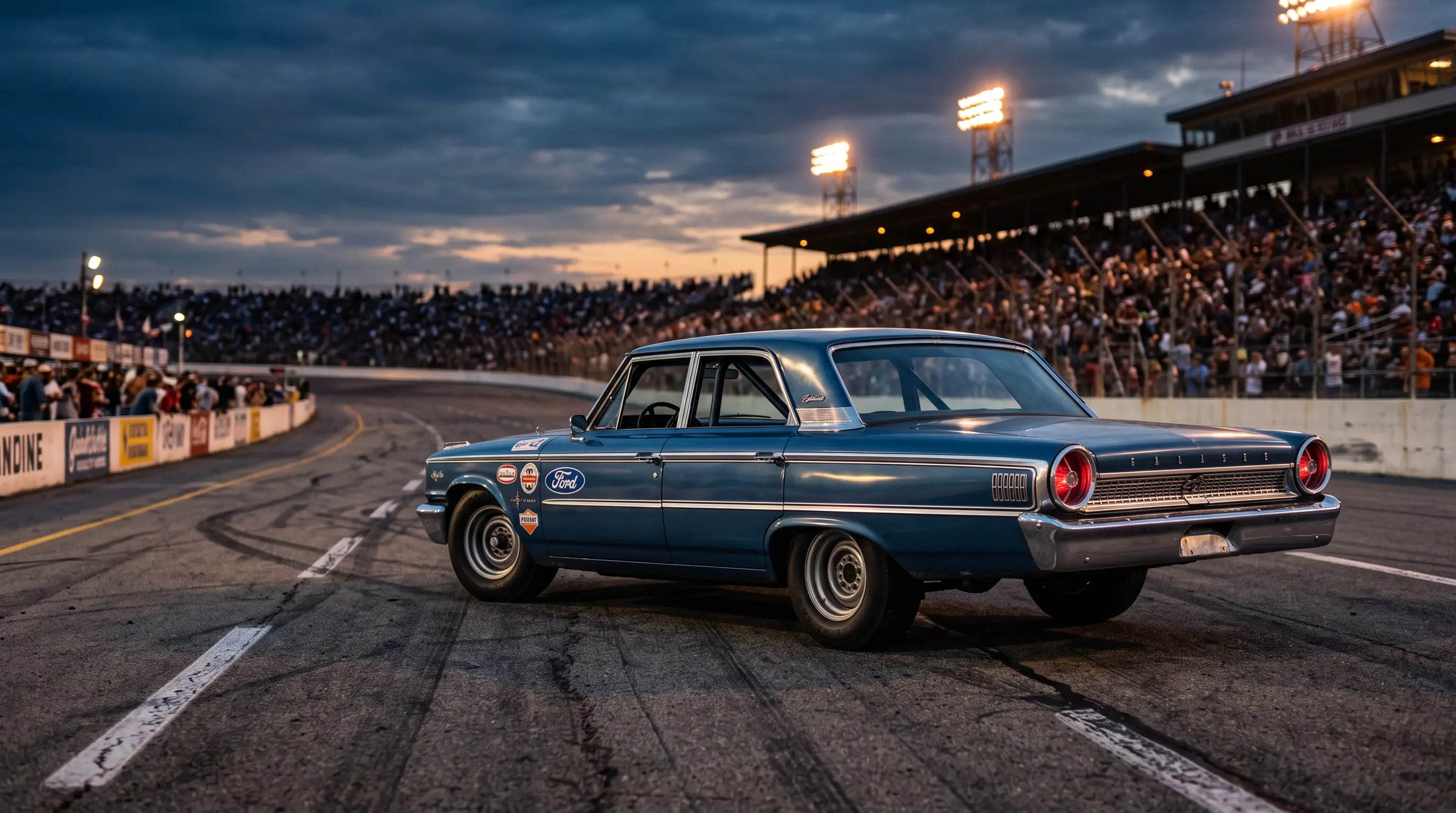
The clearest way to read the Galaxie 500 badge is as a racing reference wearing showroom clothes. Ford was serious about stock car competition, and the 500-mile races were the events that built reputations. Attaching that figure to a street car let a buyer park a piece of that ambition in the driveway. This is the sort of connection that Ford made quietly rather than loudly, and it rewards anyone who reads the period record instead of the modern summary. If you want the wider arc of how the model line developed across its full run, our ford galaxie history lays out the generations in order.
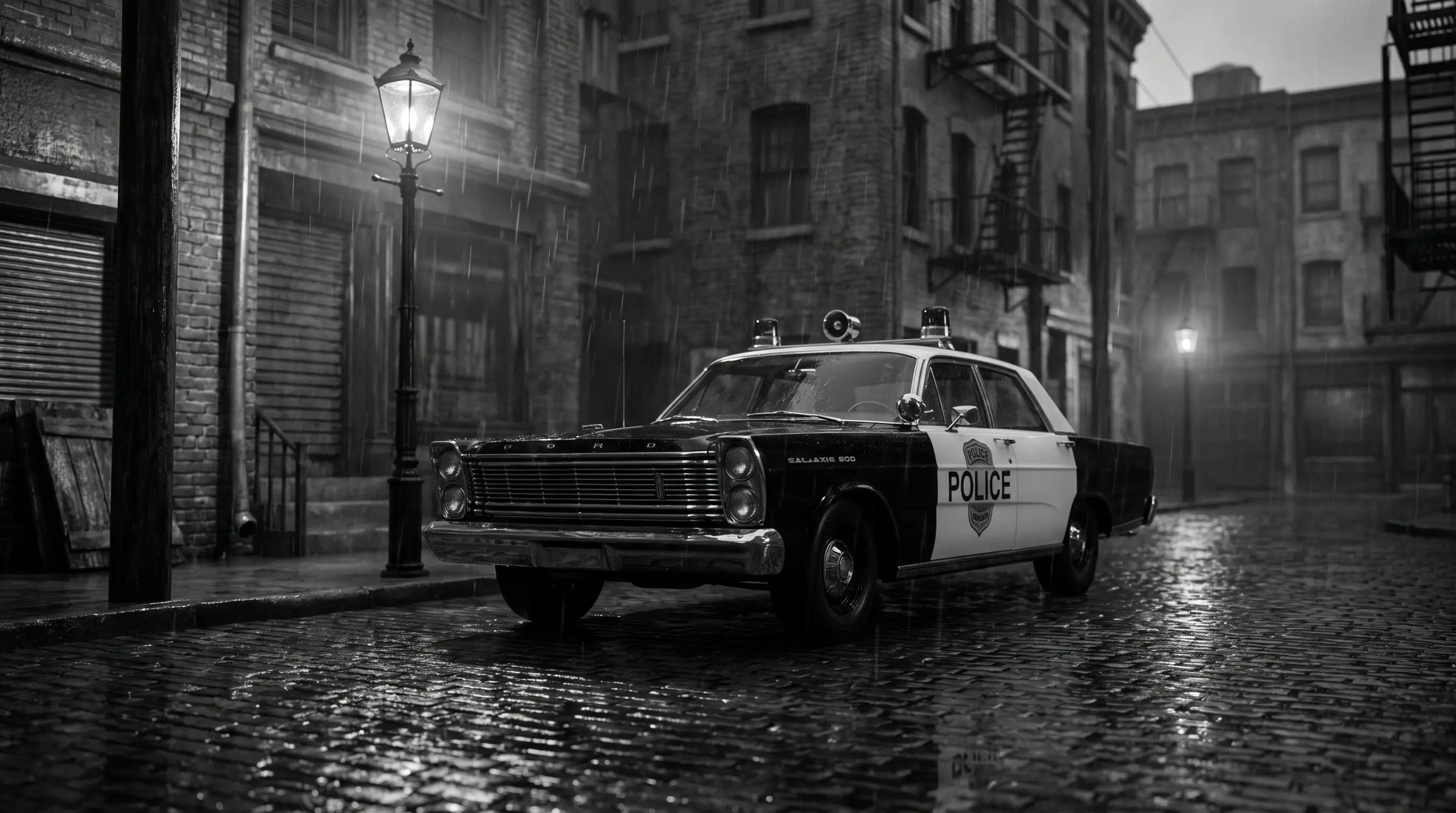
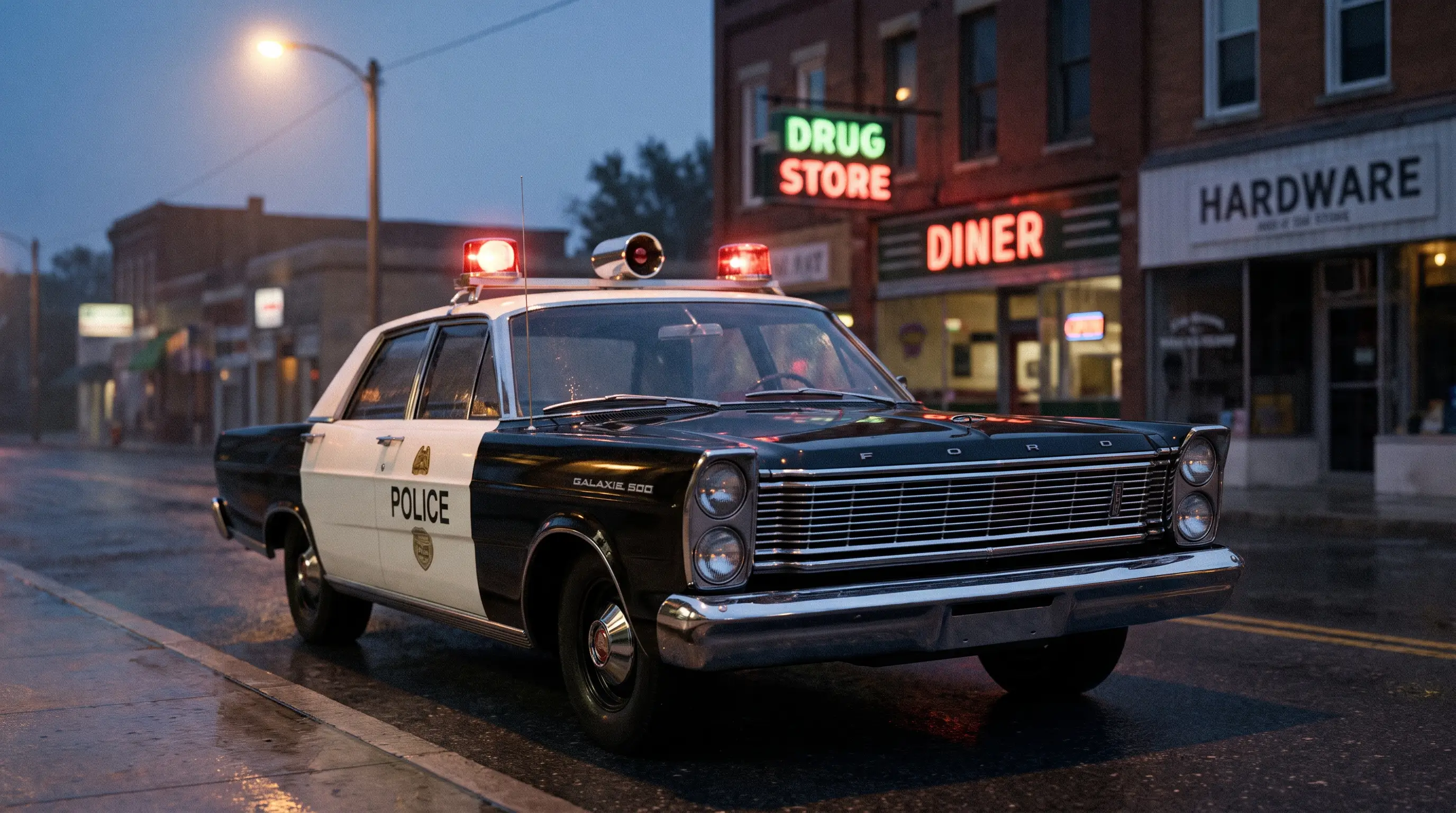
By the early 1960s the badge had a settled meaning. Galaxie was the series, 500 was the better-trimmed member of that series, and the two together signaled a full-size Ford that took itself seriously. The lettering on the flanks was not decoration alone. It placed the car within a hierarchy that buyers understood at a glance, and that clarity is one reason the nameplate stuck for so long.
The 1962 arrival of the Galaxie 500 and 500/XL
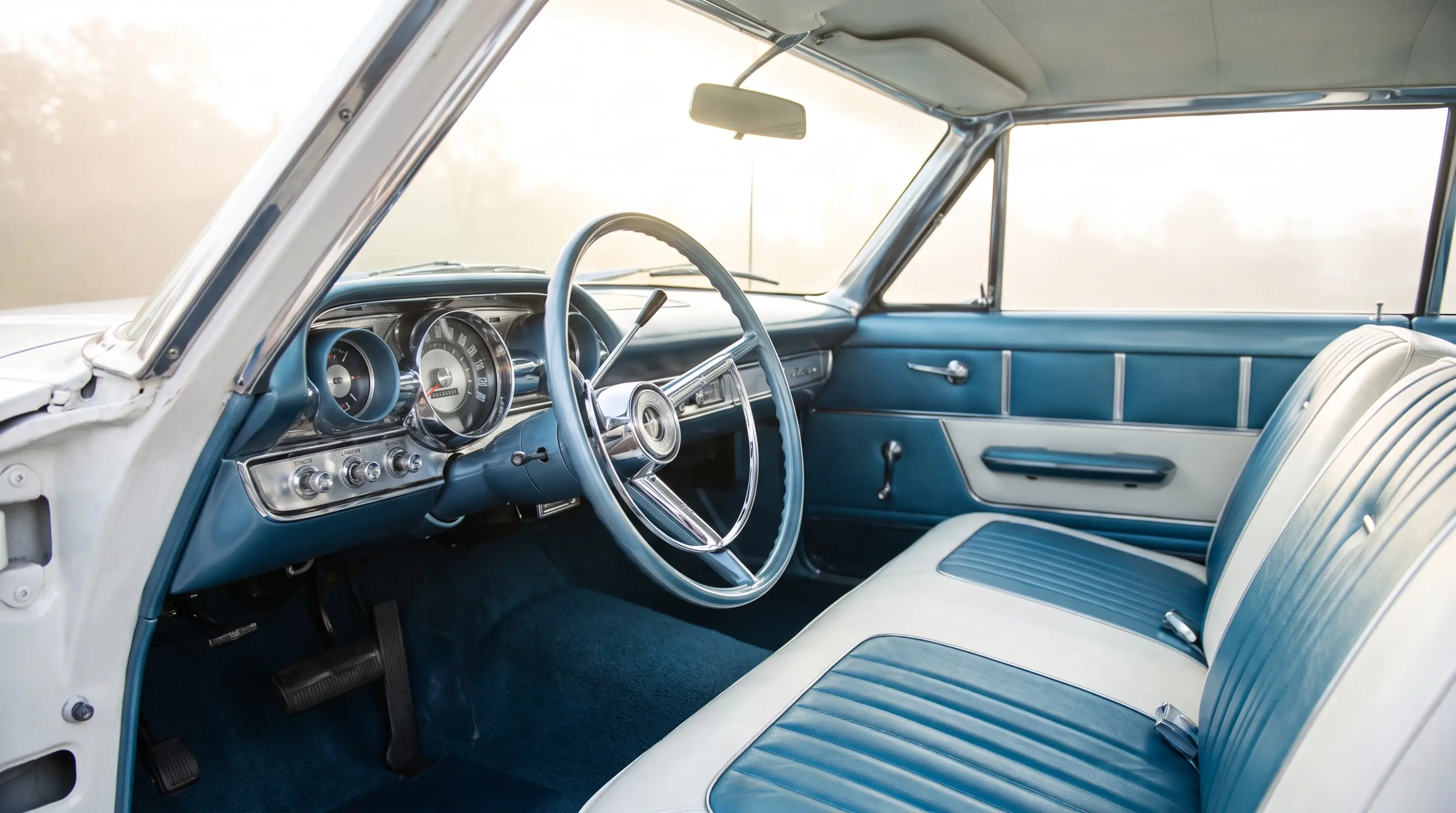
The 1962 model year is where the story sharpens. Ford formalized the Galaxie 500 as its own series and added the Galaxie 500/XL above it, a bucket-seat, console-equipped variant aimed at buyers who wanted a full-size car with a sporting posture. The XL brought a different interior treatment and a more personal feel to a body that had, until then, been sold mostly as family transport. That split matters because it created two distinct customers under one nameplate, the family buyer and the enthusiast, and both stayed loyal.
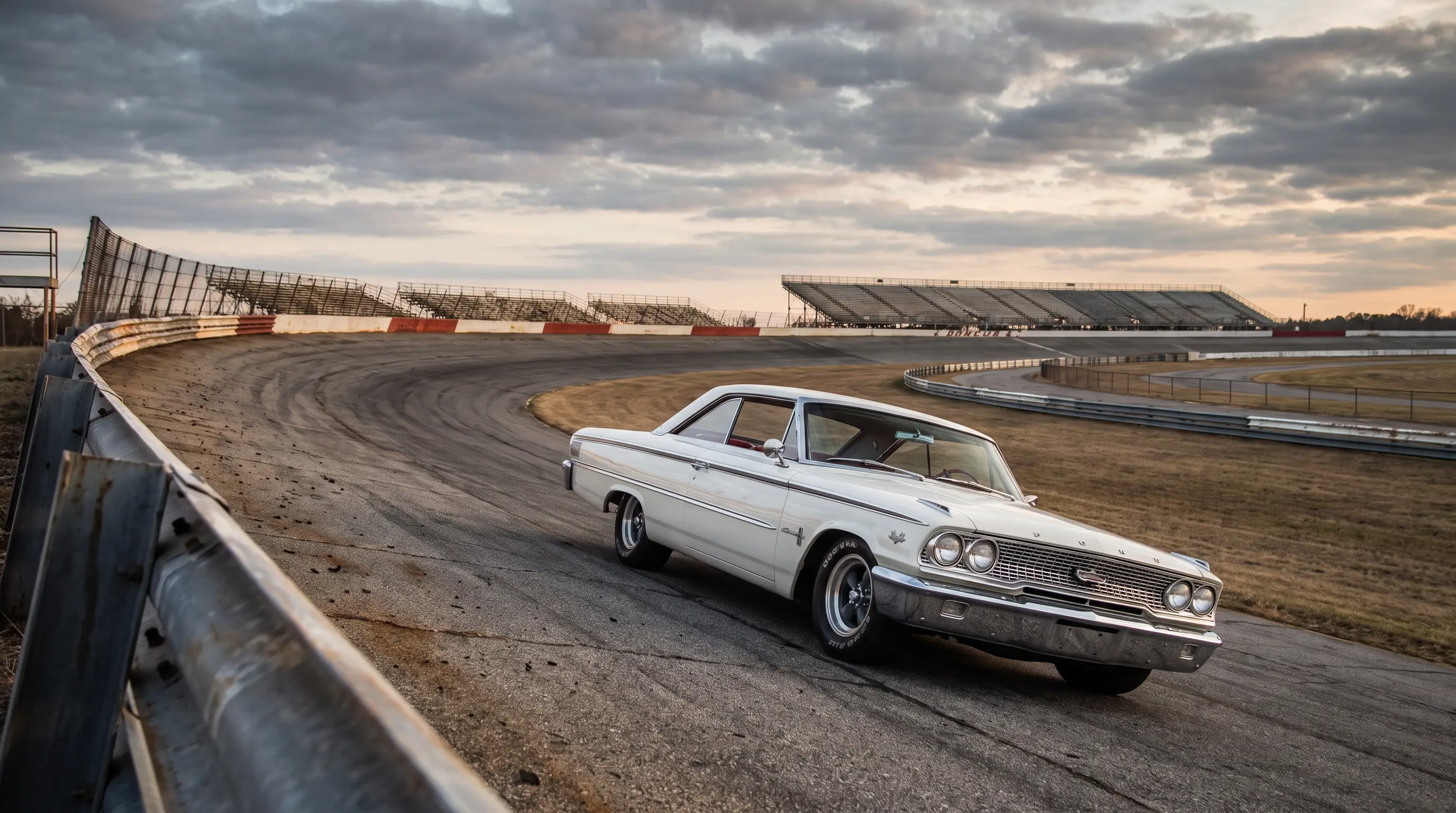
The bodystyles told the same story. Ford offered the Galaxie 500 as a two-door and four-door hardtop, a sedan, a convertible, and the tidy formal-roof coupes that period buyers favored. The convertible and the hardtops are the cars that draw collectors now, but the range was wide by design. A dealer could sell a Galaxie 500 to almost anyone who walked in, and that breadth kept production numbers high across the run.
Engines that made the badge matter
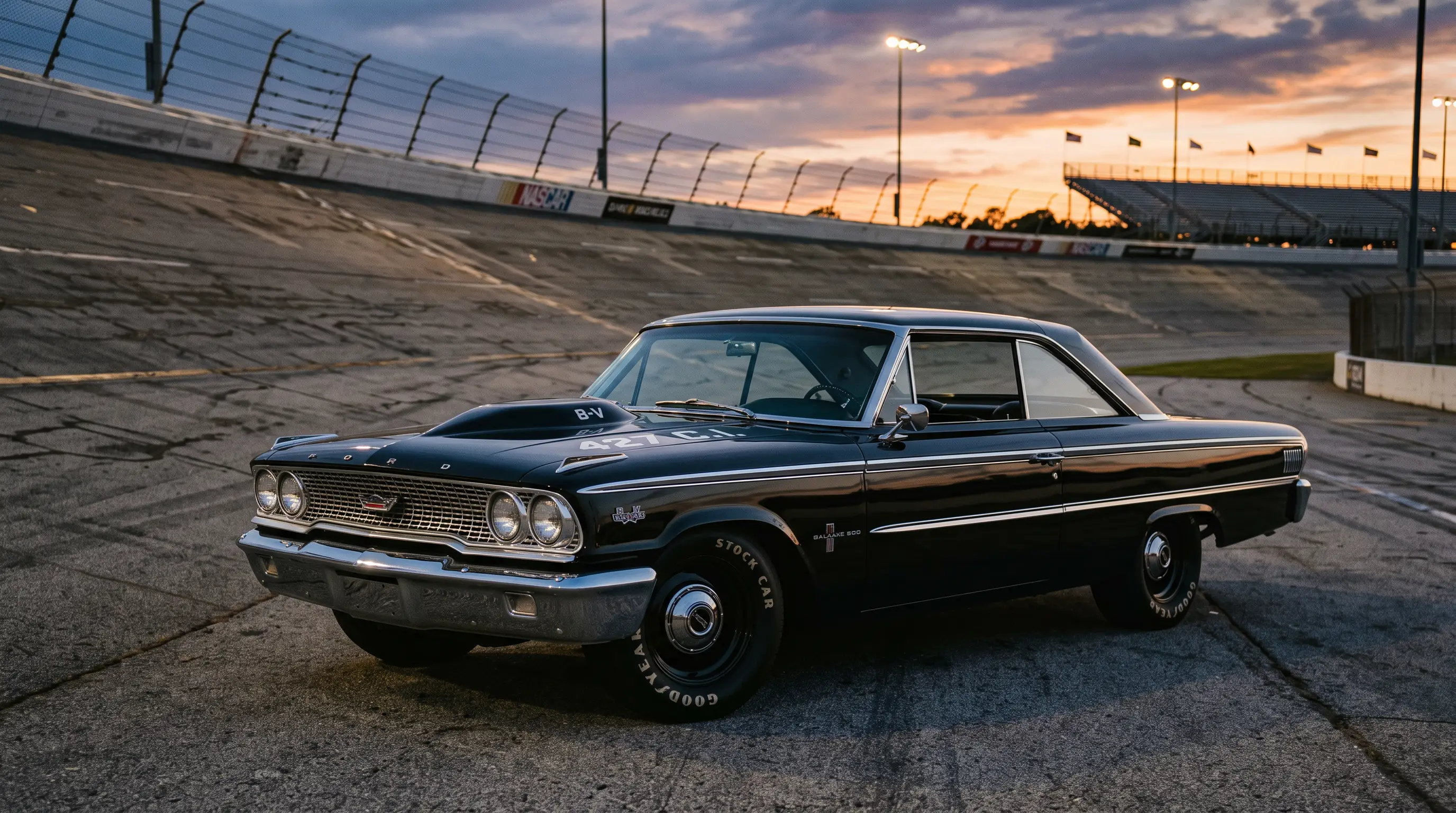
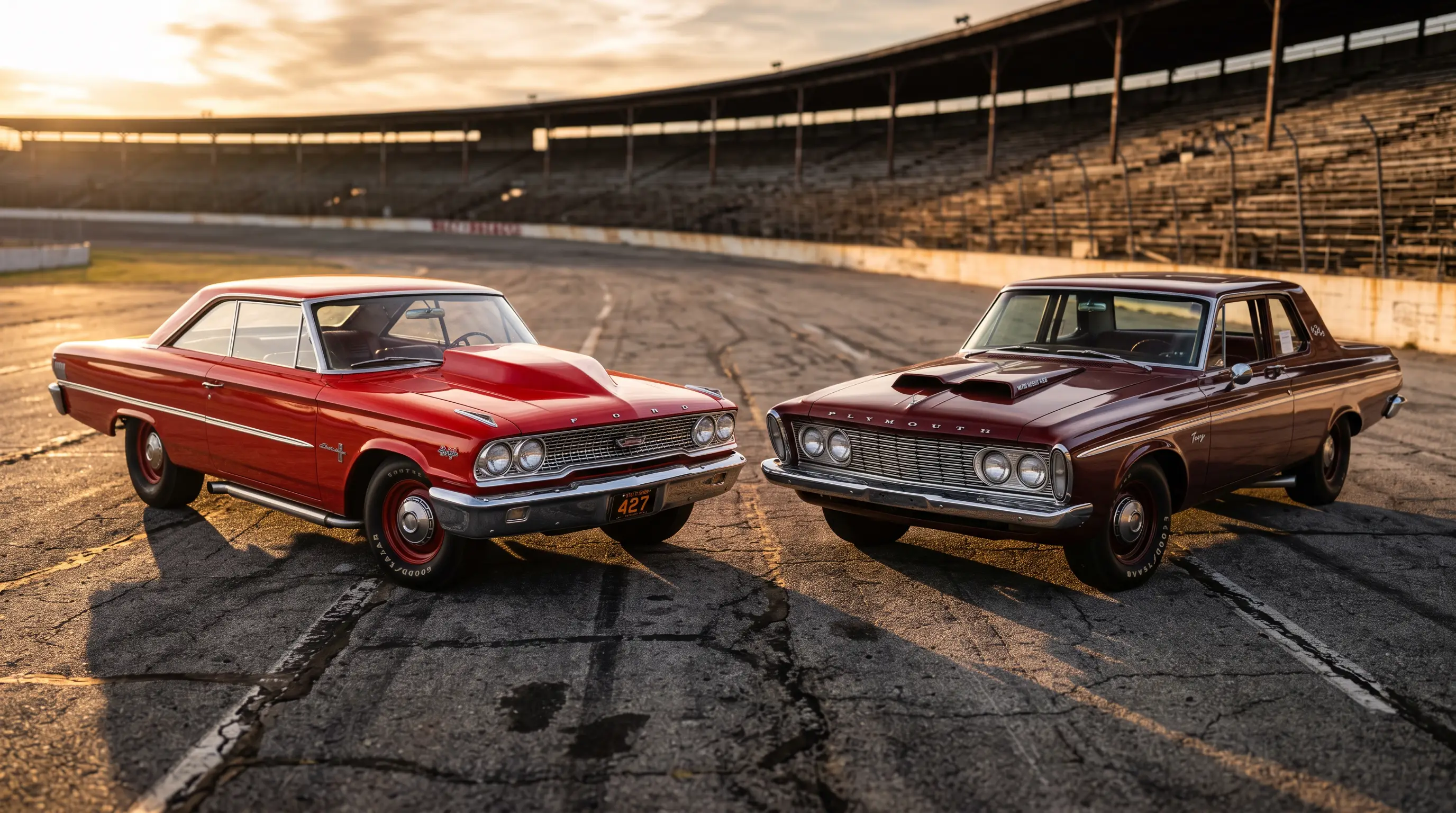
A nameplate borrowed from racing needs engines to back it up, and the Galaxie 500 had them. The FE-family big blocks carried the series through its most competitive years, with the 390 as the volume performance choice and the larger displacements reserved for buyers who wanted the full measure. The 406 cubic inch big block arrived partway into the 1962 model year, a bored-out version of the 390 built to answer Chevrolet's 409, offered in single four-barrel (385 hp) and triple two-barrel (405 hp) forms, and it set the stage for the more famous engine that followed a year later.
What separates the Galaxie 500 from an ordinary full-size car of the period is that these engines were not just options on paper. Ford built them to win, then sold them to the public so the racing versions had a production basis. The street cars benefited from that logic. A buyer who ordered a big-block Galaxie 500 got a car with genuine competition lineage under the hood, and the badge on the fender was not exaggerating.
| Attribute | Detail |
|---|---|
| Series introduced | Galaxie 500 as its own series for 1962 |
| Sporting variant | Galaxie 500/XL, bucket seats and console |
| Body layout | Full-size, body-on-frame, rear-wheel drive |
| Performance engines | FE big blocks including 390 and 406 |
| Popular bodystyles | Two-door hardtop, convertible, four-door hardtop |
Colors, trim, and the showroom story
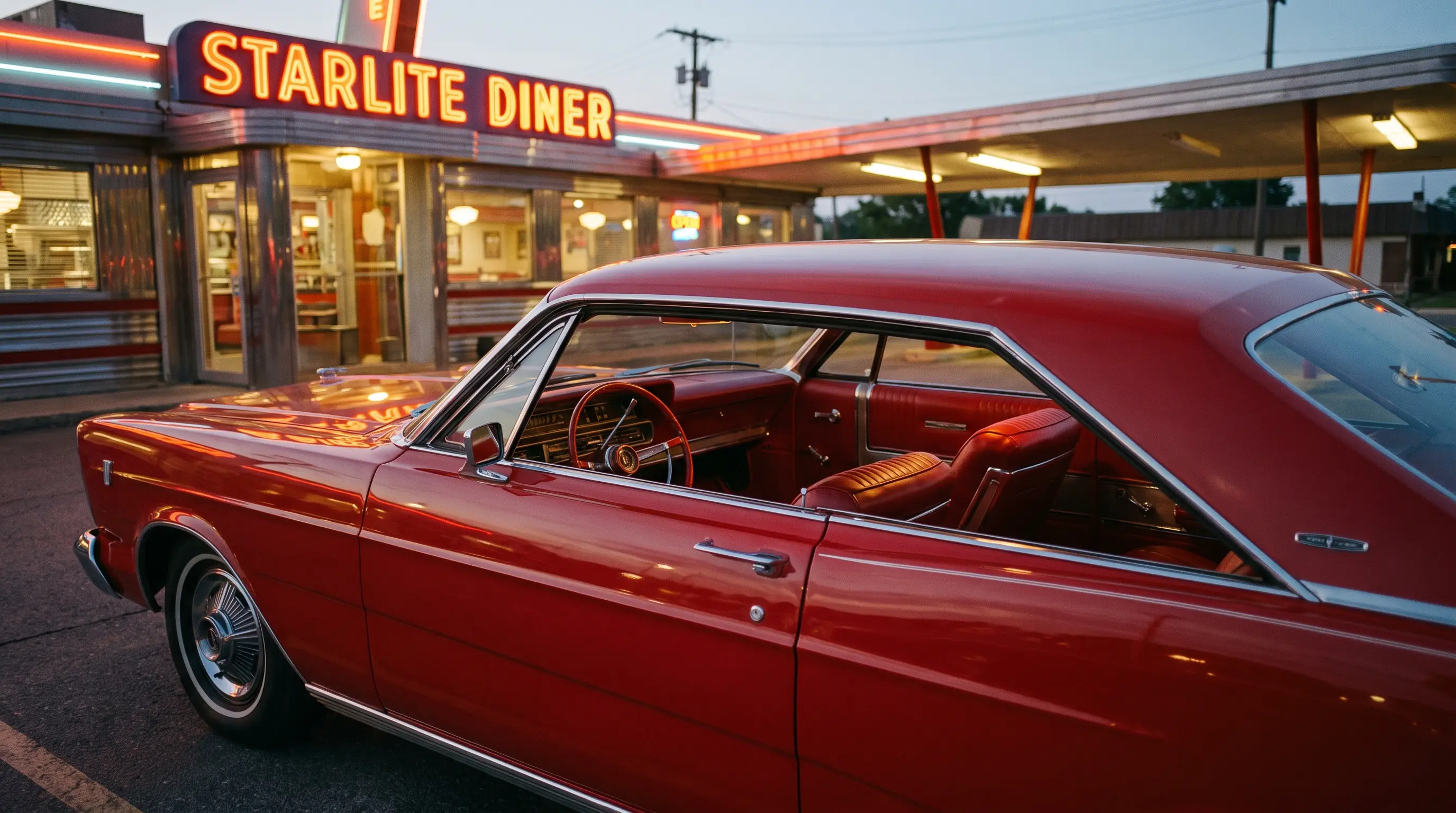
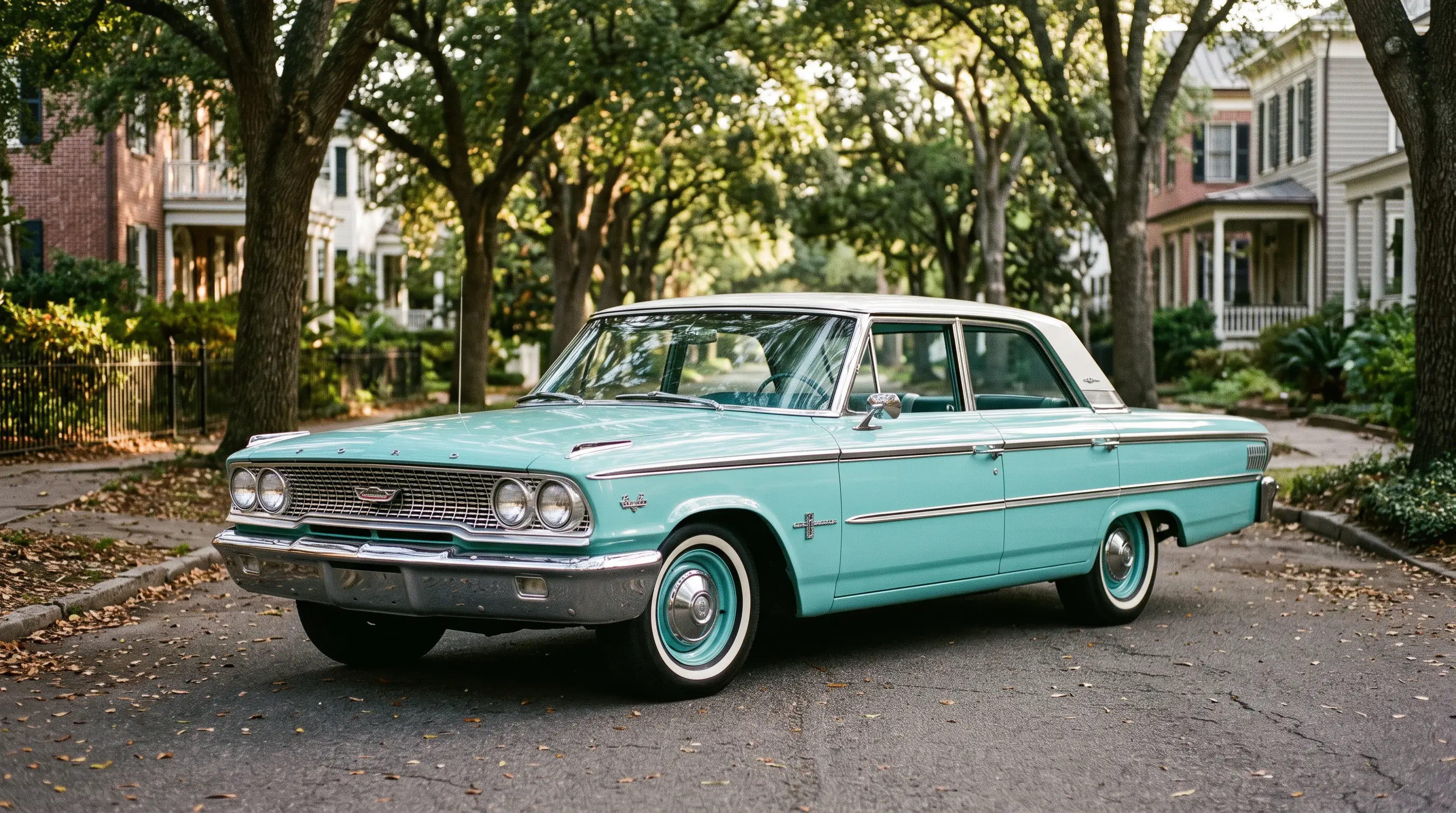
The Galaxie 500 sold on presence, and Ford dressed it accordingly. The full-size palette of the early 1960s ran to clean whites, deep blues, and the pale metallics that photographed well in brochures, with brighter choices available for buyers who wanted to be seen. Inside, the 500 trim added the brightwork and upholstery grades that separated it from the base Galaxie, and the XL pushed further with its bucket-seat cabin. This was a car meant to look like an occasion in the driveway, and the showroom presentation matched.
Trim details did real work here. The side spears, the roofline choices, and the badge placement all signaled where a given car sat in the hierarchy. Collectors now read those details closely, because a correctly trimmed 500 or 500/XL tells a truer story than a car that has been dressed up later. The factory record is the reference, and the survivors that match it are the ones that hold attention.
"The Galaxie 500 is one of those cars where the badge tells you exactly what Ford was thinking. It is a racing number stamped onto a family car, and once you know that, the whole design reads differently."
- Tom Ramirez
Correcting a few common misconceptions
A handful of ideas about the Galaxie 500 get repeated so often that they harden into fact, and they deserve a gentle correction. The first is the notion that every Galaxie 500 was a performance car. It was not. The great majority left the factory with mild engines and family-car intentions, because that is what most buyers wanted. The performance versions were a minority, and treating them as the norm distorts the record. The badge signaled trim level first and racing ambition second.
The second misconception involves the XL. People sometimes describe the 500/XL as a separate model from the Galaxie 500, when the factory literature treats it as the sporting member within the 500 series. The distinction sounds small, but it matters when you are cataloging a car or checking a claim. A correct reading keeps the XL inside the 500 family rather than floating it off on its own. Getting the hierarchy right is the difference between a description that holds up and one that quietly misleads.
The third is the assumption that production numbers were modest. They were not. Ford built full-size cars in very large volumes through these years; total Galaxie output for 1962 alone ran to roughly 575,000 cars excluding wagons, and the Galaxie 500 was a core part of that output. That scale is precisely why the model remains approachable today, and why a buyer does not need a fortune to own an honest example.
The Galaxie 500 badge carried on well past its early-1960s peak, staying on Ford's full-size cars as the model line moved toward comfort and size through the later part of the decade and into the 1970s. The character changed along the way. The racing associations faded, the cars grew heavier, and the emphasis shifted to quiet and space. That evolution is a story in itself, but it started from the confident, jet-age foundation laid when the name first appeared. The 500 that most collectors chase belongs to the earlier, sharper years, before the full-size Ford settled fully into its luxury role.
Reading the whole run in order shows how flexible the nameplate was. It began as a top trim, became a performance banner, and ended as a comfortable family standard, all under the same three-digit number. Few Detroit badges stretched that far without losing their meaning, and the Galaxie 500 managed it by always signaling the better full-size Ford, whatever that happened to mean in a given year.
Why the Galaxie 500 endures with collectors
The Galaxie 500 survives in the hobby for reasons that go beyond nostalgia. It was built in large numbers, which means parts and knowledge circulate freely, and it carries a competition story that gives even a mild-mannered example some weight. A collector can buy a straight, honest 500 without the entry price of the rarest muscle cars, and still own a car with genuine period significance. That combination of availability and lineage is rare, and it keeps demand steady.
There is also the matter of how the car photographs and drives. A full-size Ford of this era is a comfortable, imposing thing on the road, and the 500 trim gives it enough visual interest to hold its own at a show. Enthusiasts who come for the big-block cars often stay for the everyday hardtops, because the whole series shares the same honest character. If you are ready to look at what the market offers, you can browse a classic Galaxie for sale and see how the trims and bodystyles are valued today.
The nameplate's staying power is finally a matter of clarity. The Galaxie 500 knew what it was. It borrowed a racing figure, wore it with confidence, and delivered a car that lived up to the suggestion often enough to matter. That is a cleaner legacy than most Detroit names can claim, and it is why the badge still means something decades after the last one left the line. For the year that turned the racing promise into a championship-level reality, keep exploring with the story of how the 1963 cars changed the picture, and you can keep exploring from there.
Sources and notes
- Ford Galaxie - Wikipedia
- Ford's Stepping Stone: The 1962 Super High-Performance 406 V8 - Mac's Motor City Garage
- 1962 Ford Galaxie 406: A Profile of a Muscle Car - HowStuffWorks
- Ford (USA) Full-Size production numbers - Automobile Catalog
- 1962 Ford Galaxie - conceptcarz.com
- Ford Galaxie Club of America - Statistics