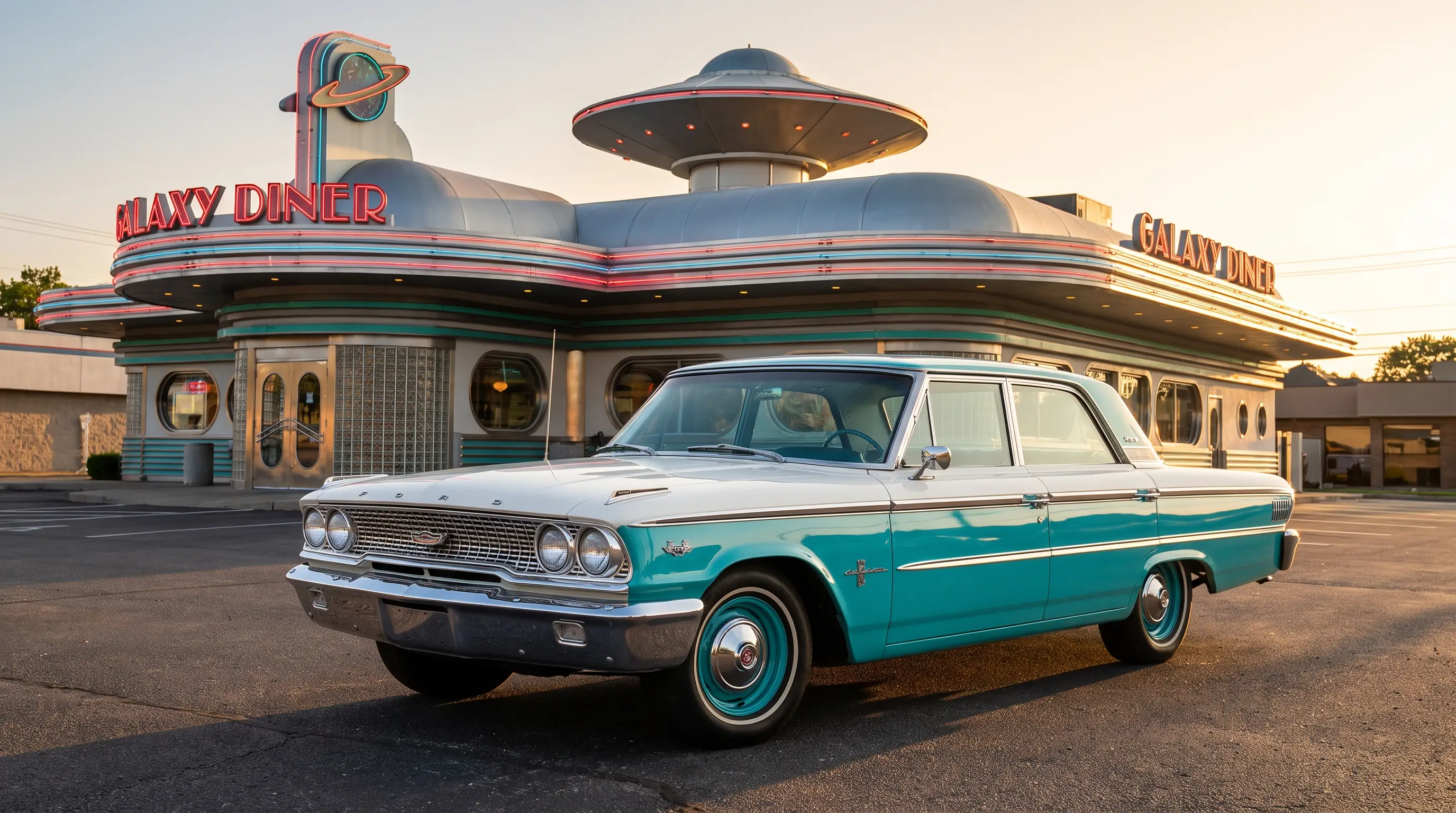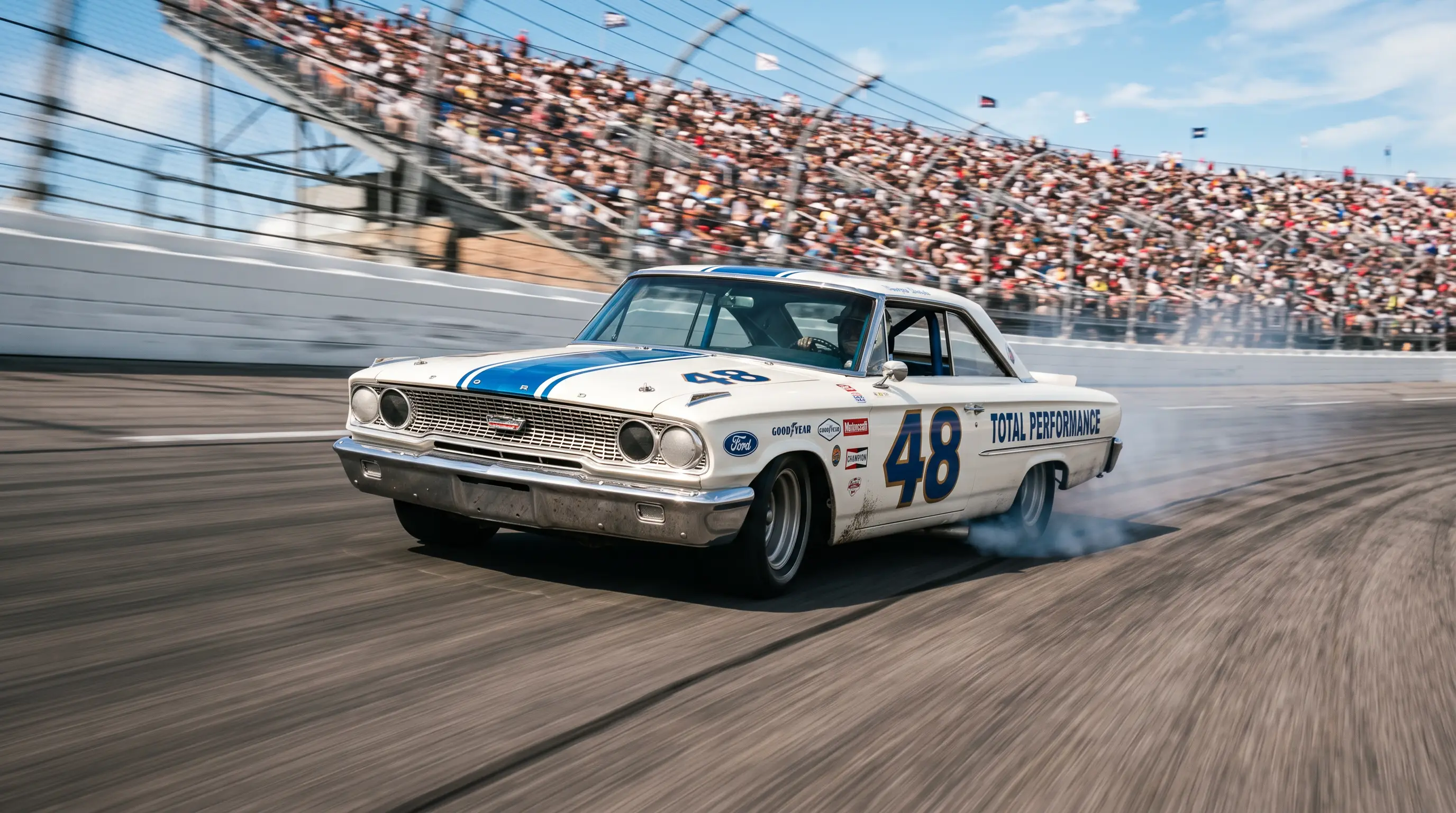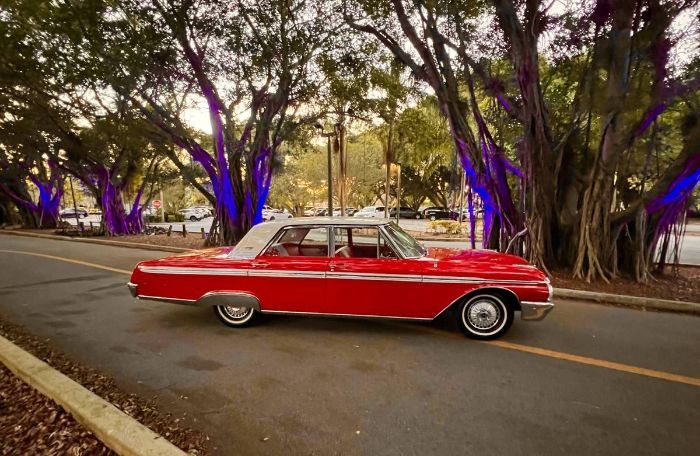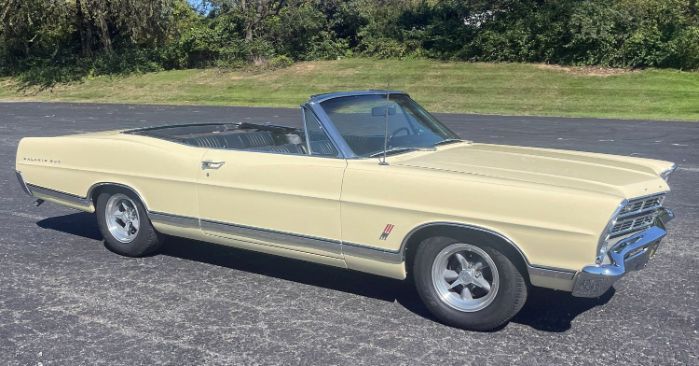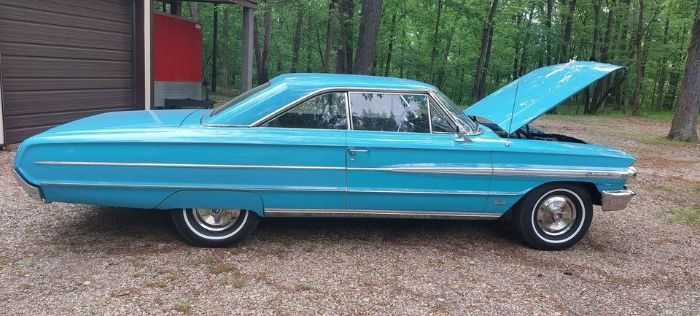
Long before anyone thought to track the ford galaxie 500 in movies and tv as its own category of car culture, the Galaxie 500 was already doing quiet, steady work on American screens simply because it was everywhere in American driveways. That is the honest starting point for this story. Hollywood did not choose the Galaxie 500 because it was exotic. Directors chose it, often without even meaning to, because it was the full-size Ford that a middle-class family, a small-town cop, or a working detective would plausibly drive.
The default background car of an entire decade
Watch enough film and television footage shot between the early 1960s and the mid 1970s and you start noticing the Galaxie 500 the way you notice a familiar face in a crowd photo. It is parked outside diners, idling at curbs, driven past storefronts in scenes that were never meant to be about the car at all. Production designers on a budget reached for whatever full-size American sedan was common, reliable, and cheap to source from a studio's fleet or a local dealer, and the Galaxie 500 fit that brief as well as anything Chevrolet or Plymouth offered.
This ubiquity is actually the most interesting part of the car's screen legacy. It was not cast for its personality. It was cast for its ordinariness, which paradoxically means the Galaxie 500 has more total screen time across film and television history than plenty of cars that got a dedicated fan following for a single iconic role.
Squad car duty and the patrol car aesthetic
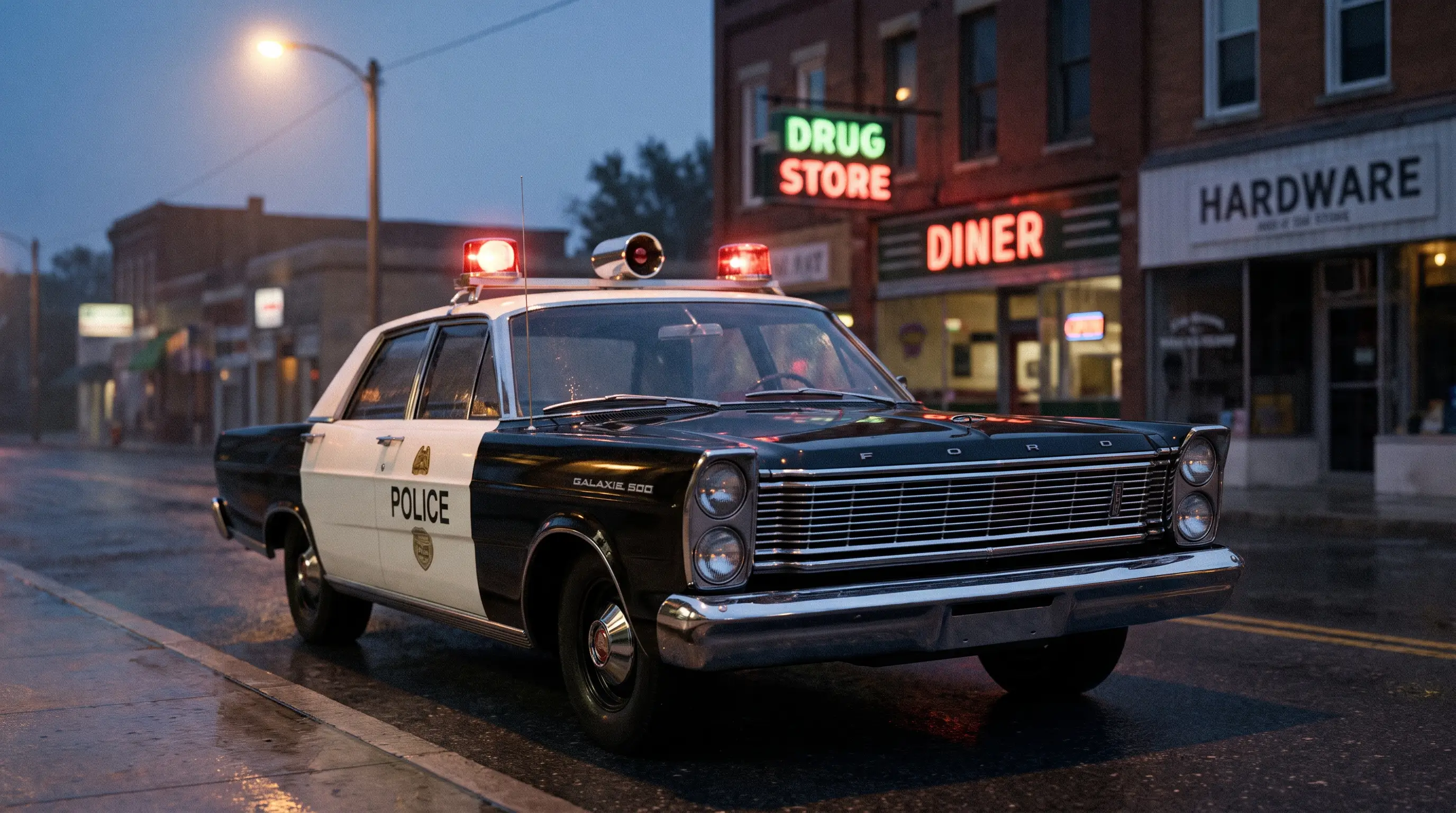
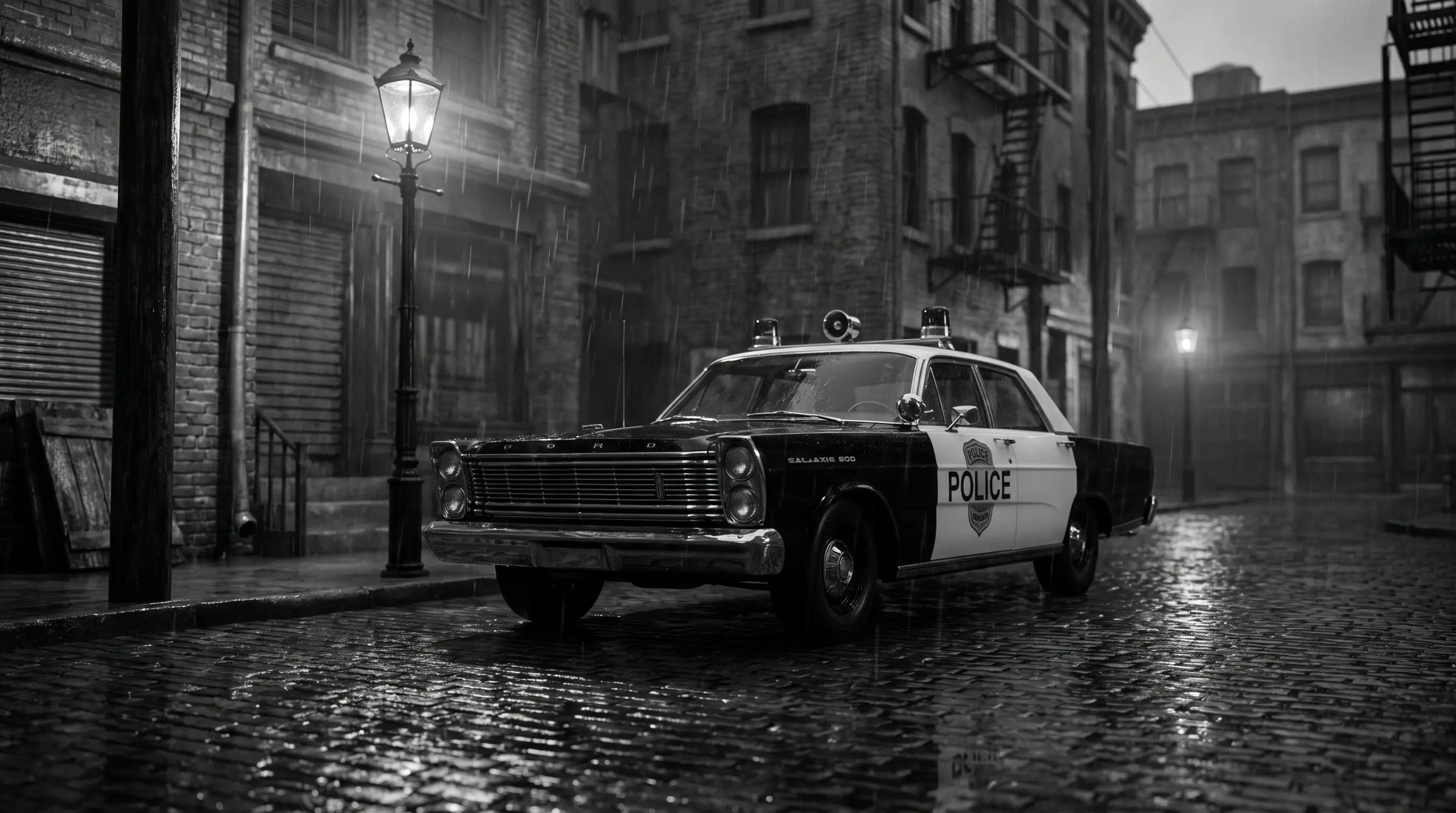
Where the Galaxie 500 earned a more deliberate casting choice was in police work, both on screen and off it. Municipal fleets across the country ran full-size Fords through this era, and television productions depicting police departments naturally reached for the same cars real departments were buying, because it read as authentic to audiences who saw these same Galaxies parked outside their local precinct. A black-and-white Galaxie 500 with a light bar and a spotlight became visual shorthand for law enforcement in an era before every department standardized on a single supplier.
This patrol car identity bled into how the public perceived the model more broadly. A civilian driving a Galaxie 500 in this period was, in a small way, driving a car that looked like it could belong to a detective on a stakeout, and some owners leaned into that association rather than shying away from it.
Named appearances that actually stuck
Beyond the anonymous background work, the Galaxie 500 has shown up in productions where the car gets a real moment, a chase scene, a memorable shot, or a line of dialogue that references the model by name. Crime dramas and detective shows set in this era frequently used Galaxies for exactly the plausibility reasons already mentioned, and film productions depicting small-town or working-class settings reached for the same car when they needed something that read as authentic rather than aspirational.
Vehicle-identification databases that catalog screen appearances frame by frame confirm the pattern: a 1964 Galaxie 500 turns up in the 1967 to 1968 series The Invaders, a Galaxie 500 XL appears in Alfred Hitchcock's Marnie from 1964, and period-set productions like Mississippi Burning lean on full-size Fords of this era for their period-correct patrol cars. These are exactly the kind of quiet, unglamorous credits that fit the car's actual role on screen, and even these databases caution that exact trim and model year on background vehicles is not always precisely documented, so treat any specific claim as a starting point for further research rather than settled fact.
"Nobody remembers the Galaxie 500 the way they remember a Mustang from a chase scene, and that is exactly the point. It was cast because it looked like your neighbor's car, not because it looked like a movie star's."
- Patrick Walsh
The stunt work nobody credited
Full-size sedans of this weight and wheelbase were also the workhorses of a lot of unglamorous stunt driving in this era, the crashes, the controlled spins, and the chase sequences that needed a car that could take a beating and keep running for another take. Studios bought used full-size Fords and Chevrolets in bulk for exactly this purpose, and the Galaxie 500's mechanical simplicity, a body-on-frame layout with a durable big-block or small-block option, made it a reasonable choice for productions that needed a car to survive multiple stunts without constant mechanical failure between setups.
None of this earned individual credit the way a hero car in a modern action film gets a dedicated press release. Stunt cars from this era were disposable by design, and most of the Galaxies used this way did not survive production intact, which is part of why genuine unmolested examples from the period carry a premium now. Every surviving, well-documented Galaxie 500 from these years is one that dodged the fate a lot of its siblings met on a studio back lot.
Why the screen legacy still shapes today's fandom
This background presence matters more to today's collector market than it might seem at first glance. Buyers who grew up watching reruns of period crime dramas and cop shows developed an emotional association with the full-size Ford silhouette long before they ever bought a classic car of their own, and that nostalgia translates directly into demand at car shows and auctions decades later. A Galaxie 500 restored in period-correct patrol trim, complete with a light bar and correct paint scheme, draws a specific and enthusiastic crowd precisely because it recreates a visual memory from television rather than just representing a spec sheet.
If you want our complete history of the Galaxie 500 beyond its screen appearances, covering its full production run, engine options, and NASCAR chapter, that gives useful context for understanding why this particular full-size Ford ended up cast so often in the first place. And if the screen nostalgia has you thinking about owning one, you can browse classic Galaxie listings and see what genuine examples are actually available today.
What makes this car's screen history worth documenting at all is precisely its lack of a single defining role. The Galaxie 500 never got its own dedicated fan movement built around one film the way some cars did. Its legacy is cumulative, built from hundreds of small, unglamorous appearances across a decade and a half, which is a more honest reflection of what the car actually was: dependable, common, and quietly present in the background of American life for longer than most people realize.
There is a case to be made that this quiet ubiquity is actually the more valuable historical record. Cars chosen deliberately as movie stars often get modified, restyled, or fitted with equipment that never existed on a production line, chasing a look rather than an accuracy. The Galaxie 500s that appear in the background of a 1965 crime drama or a small-town drama filmed on location were, in most cases, simply whatever a local dealer or a studio's prop department had on hand that week. That makes them an unintentional but genuinely useful visual record of what these cars actually looked like on real American streets, down to the correct trim levels, the common color combinations, and the wear patterns of everyday use, rather than a stylized Hollywood interpretation of the model.
Collectors and historians who study this era sometimes use exactly this kind of archival footage to settle questions about factory colors, dealer-installed accessories, or regional trim variations that period sales literature does not always document clearly. In that sense, the Galaxie 500's long, undistinguished screen career has turned into an accidental research resource decades after the fact, useful in a way none of the original production designers ever intended or even considered at the time.