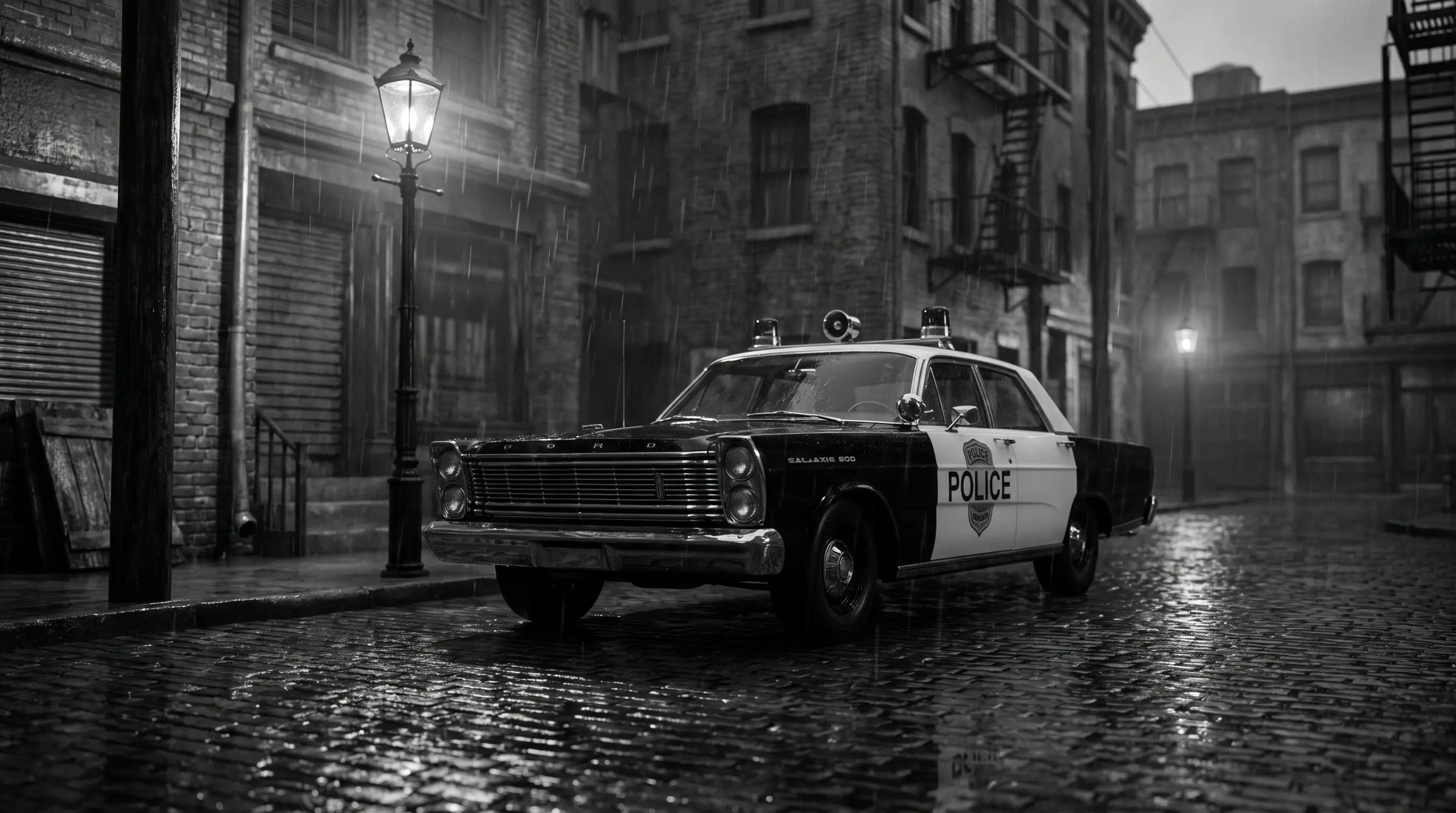
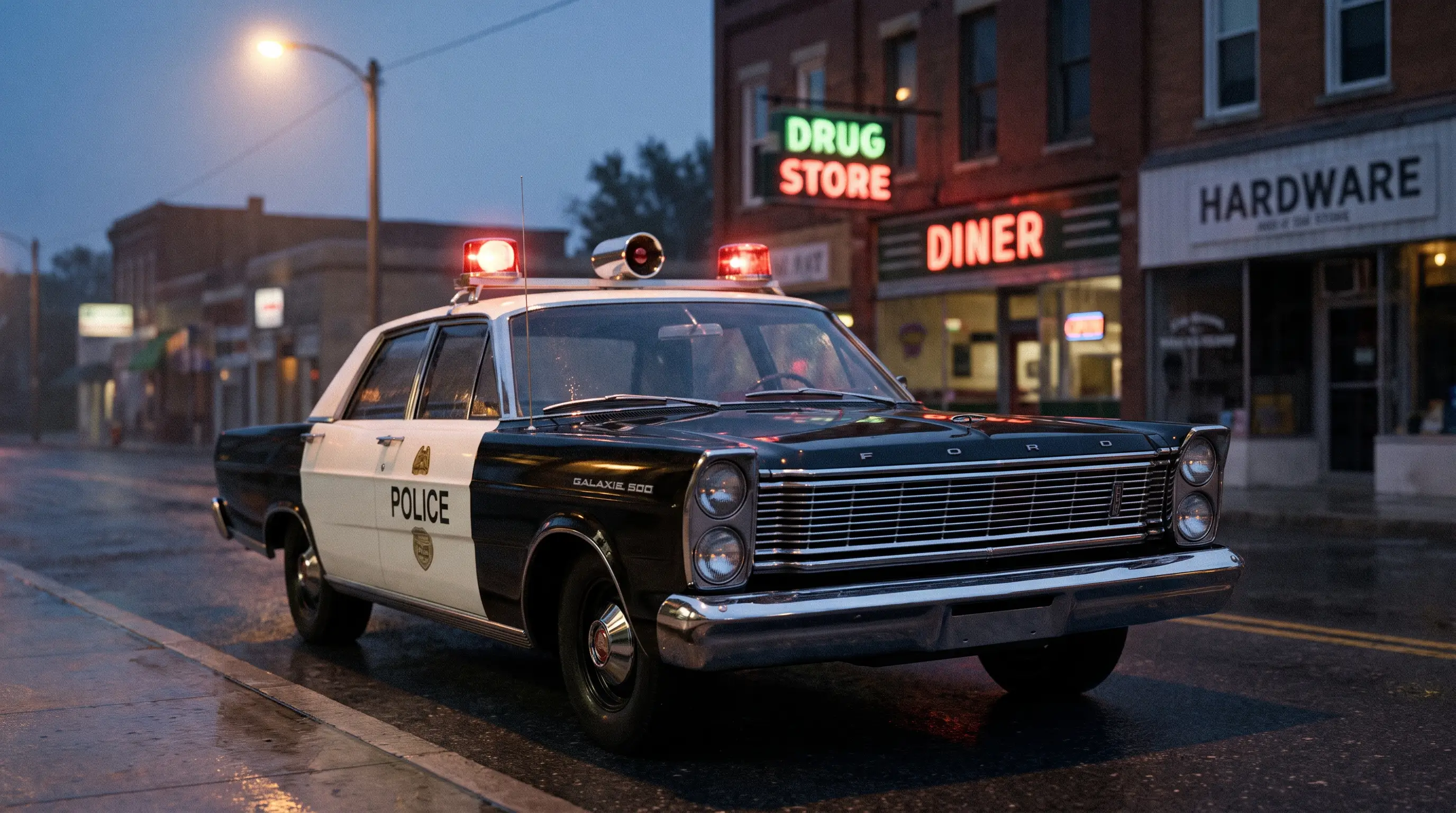
A retired sergeant in a small Midwestern town once told me he could still hear the specific idle of his old patrol car in his sleep, decades after the department retired the fleet. The car he meant was a Ford Galaxie 500, painted black and white, running the graveyard shift on roads that had no streetlights past the edge of downtown. That memory, more than any spec sheet, is the real subject of ford galaxie 500 police cruiser heritage. This was a car that spent its working life keeping people safe, one quiet shift at a time.
Why departments chose the Galaxie 500
Municipal and state fleets across the country needed something specific in the early 1960s: a full-size sedan with enough interior room for two officers, radio equipment, and whatever the shift required, built on a chassis that could handle sustained high-speed driving without falling apart. Ford answered that need with heavy-duty police package options on the Galaxie 500, reinforced suspension components, upgraded cooling, and a big-block engine option that gave patrol cars the power to actually catch what they were chasing on an open highway.
Price mattered too, in ways that get forgotten when people romanticize this era. City budgets were tight then just as they are now, and the Galaxie 500 offered departments a full-size, durable option at a price that competed directly with Chevrolet and Plymouth fleet offerings. A purchasing officer choosing between brands in 1963 was weighing the same practical questions any fleet manager weighs today: initial cost, parts availability, and how long the car would survive the abuse of daily patrol work.
Life on the road, shift after shift
What a spec sheet cannot capture is what it actually felt like to drive one of these cars for eight or ten hours at a stretch, engine running, radio crackling, eyes on empty roads that could turn dangerous without warning. Officers who worked this era describe a car that felt solid under sustained abuse, a bench seat that held up through years of use, and a big-block engine that gave them confidence they could close a gap on a fleeing vehicle if it came to that.
The Galaxie 500's size, which made it a comfortable family car for a civilian buyer, served a different purpose in patrol trim. Room in the back seat mattered for transporting a suspect. Trunk space mattered for equipment. None of this was designed with romance in mind, and that is exactly why the cars that survive from this service life carry a weight that a showroom example simply does not.
Restoring a piece of that history now
Finding a genuine, documented former patrol Galaxie 500 today is not simple. Most fleet vehicles from this era were driven hard, sold off cheaply once retired, and passed through several owners who had no reason to preserve their history or paperwork. The ones that survive with clear documentation, an original build sheet showing the police package, or a paper trail connecting the car to a specific department, are genuinely rare, and collectors who specialize in this niche will tell you the hunt for that documentation is half the appeal.
Ford marketed these fleet engines under the Police Interceptor name, identified in factory records by a P engine code, and surviving build sheets show a mid-1960s Interceptor Galaxie commonly paired a big-block V8 with solid lifters, a heavy-duty rear axle, and severe-service wheels and brakes. Even so, the exact option codes and equipment lists shifted from year to year, and Ford's fleet order paperwork from this era is not always consistently documented in publicly available references, so anyone doing serious restoration work should check specific components against an actual build sheet rather than treating any single year's spec as universal.
"People restore muscle cars to relive a feeling they remember. People restore patrol cars to honor a job that mattered, and that is a different kind of love for a machine."
- Nora Beckett
The quiet end of an era
By the late 1960s and into the early 1970s, department fleets began shifting toward newer full-size platforms as Ford refreshed its lineup and other manufacturers courted municipal buyers with their own dedicated police packages. The Galaxie 500's specific run as a front-line patrol car was, in the end, not much longer than a decade, a relatively brief service life for a vehicle that left such a lasting impression on the small towns and cities that ran them. Fleet managers moved on because that is what fleet managers do, chasing whatever combination of price, durability, and manufacturer support made sense for the next budget cycle.
What did not move on quite so easily was the memory these cars left behind in the communities they served. Ask around in enough small towns and you will still find someone, usually older now, who remembers a specific Galaxie 500 patrol car by its number, its officer, or a particular night it mattered. That kind of memory does not attach itself to most fleet vehicles. It attached itself to this one because the car did its job reliably, night after night, for long enough that it became part of the town's own history rather than just a line item in a purchasing ledger.
What this heritage means to the people who lived it
The most moving conversations I have had about this car came not from collectors but from the families of officers who drove one. A daughter who remembers waiting up for her father to come home from a shift in that car. A retired dispatcher who can still describe the specific static of the radio through the Galaxie 500's dashboard speaker. These are not stories about horsepower or trim levels. They are stories about a machine that quietly did dangerous, necessary work and asked for nothing in return except regular maintenance and a full tank of gas.
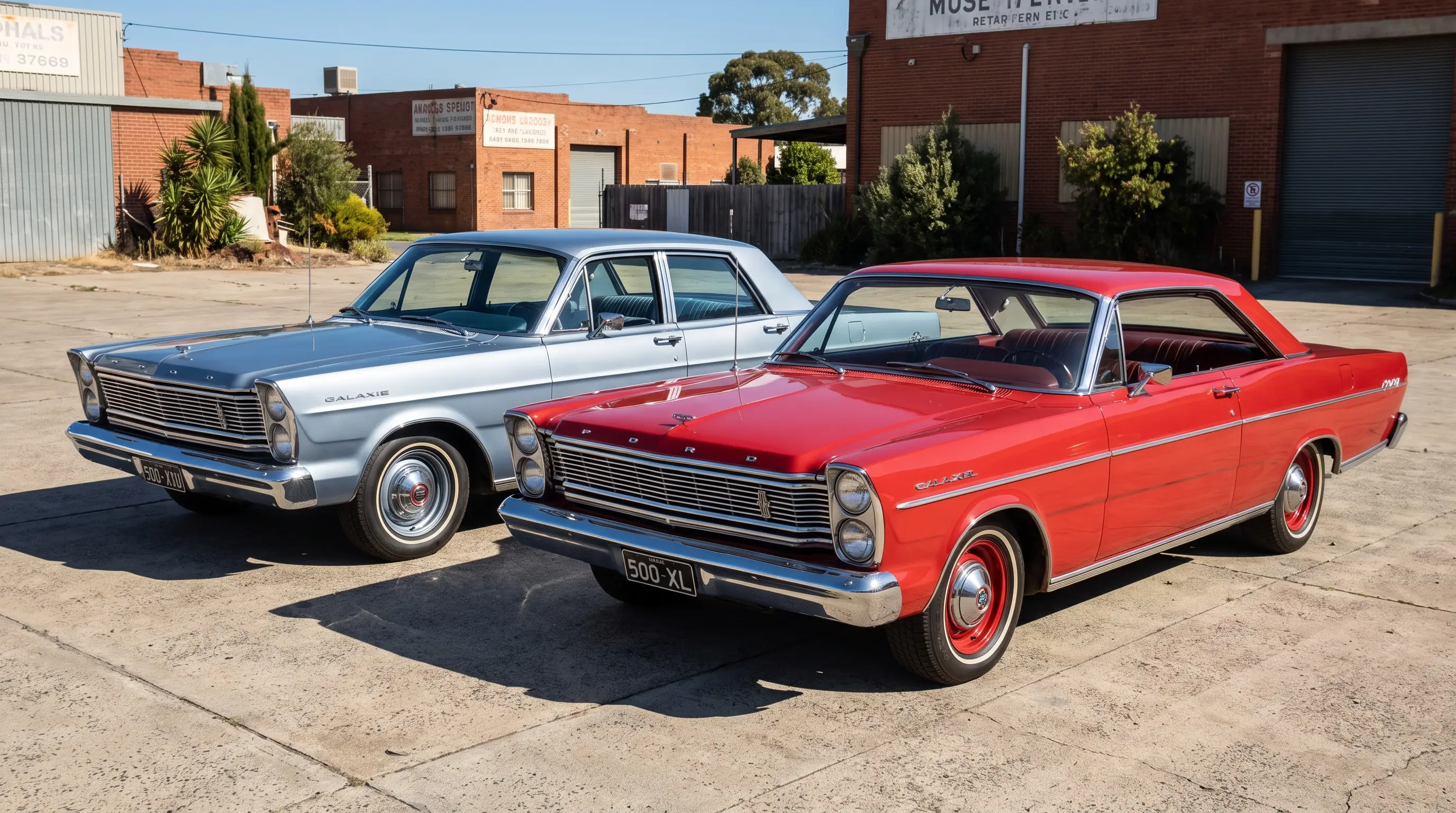
If you want the broader ford galaxie 500 history beyond its patrol service, including how it evolved through the decade and what made it a NASCAR contender in the same years it was chasing speeders on state highways, that fuller picture adds context to why this particular car ended up doing both jobs at once. There is also a related story worth reading on how the standard Galaxie 500 compared to its sportier 500 XL sibling, since departments almost universally chose the more practical trim for fleet duty rather than the upgraded version civilians wanted.
For anyone drawn to this quieter, harder-working side of the Galaxie 500's story, examples with genuine or restorable service history occasionally surface on the market, and you can look at Galaxies for sale now to see what is currently available. Buying one of these cars is not like buying a showroom-perfect XL. It is closer to adopting a piece of a town's history, one that spent its best years working nights so other people could sleep safely.
Whoever ends up with one of these cars inherits a responsibility that goes beyond ordinary ownership. A restored patrol Galaxie 500 gets invited to parades, memorial events, and department reunions in a way a standard passenger car never will, and owners who take that seriously often find themselves becoming informal historians for their town's police department, tracking down old photographs, badge numbers, and retired officers willing to share a story. That is a heavier kind of stewardship than most classic car ownership asks for, and it is also, in my experience, one of the more quietly rewarding versions of it.