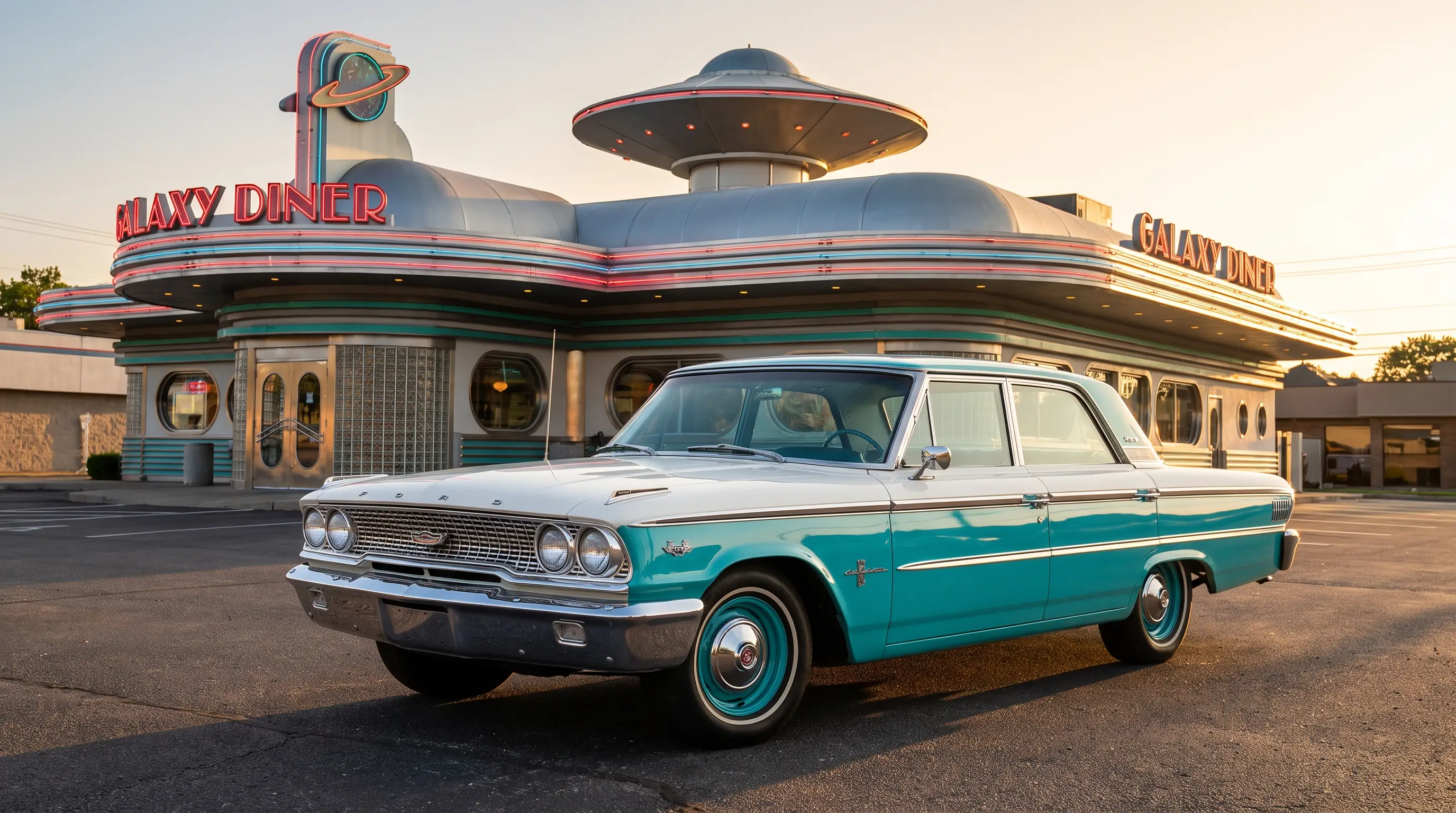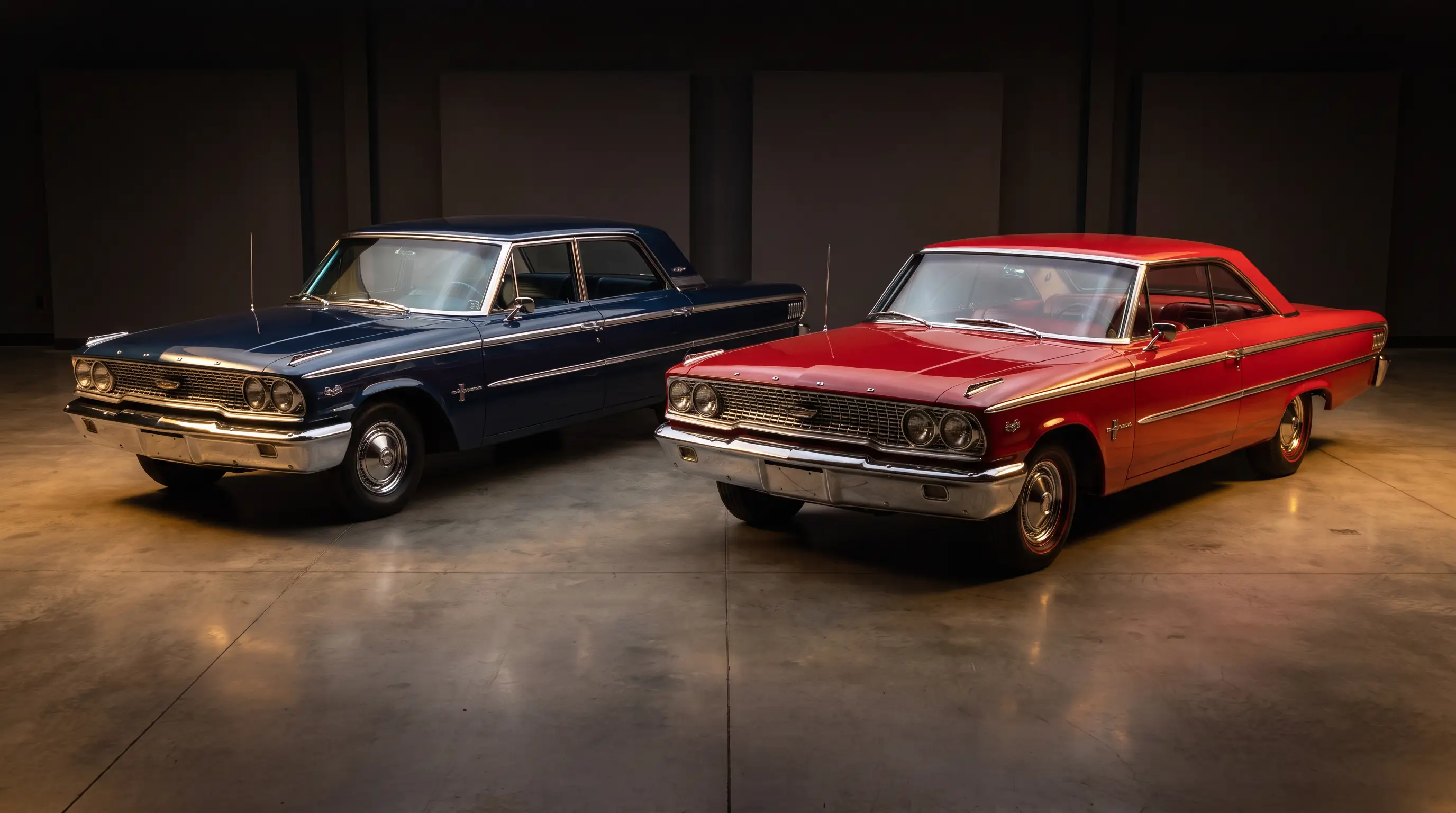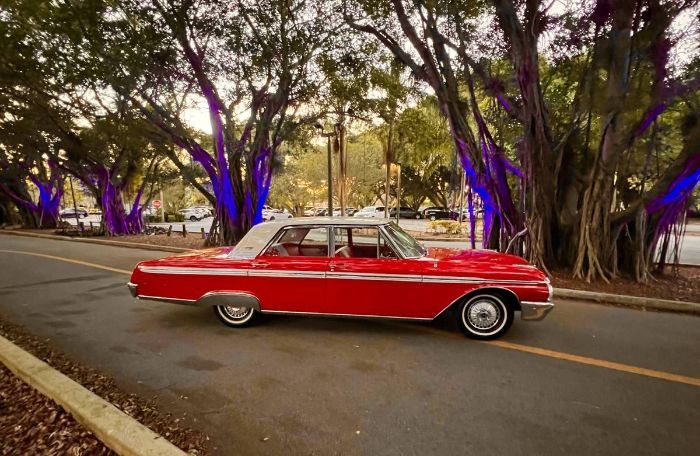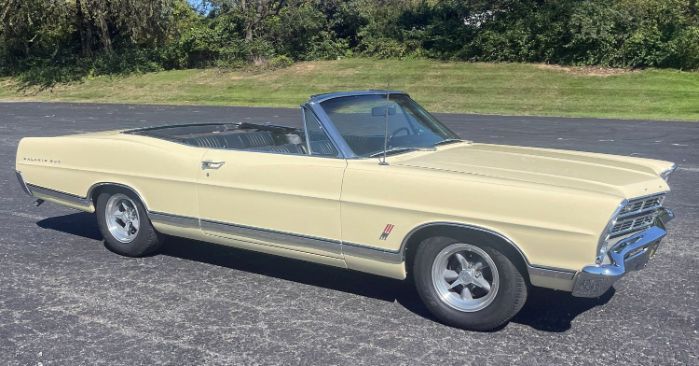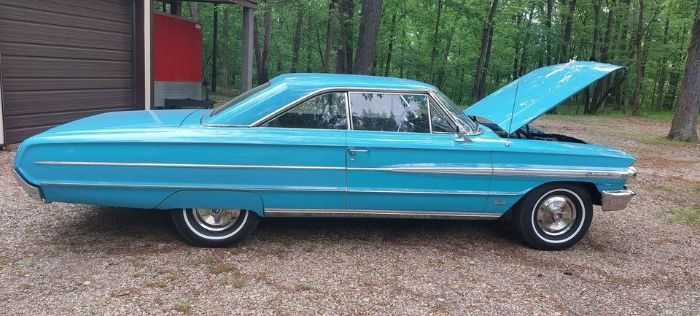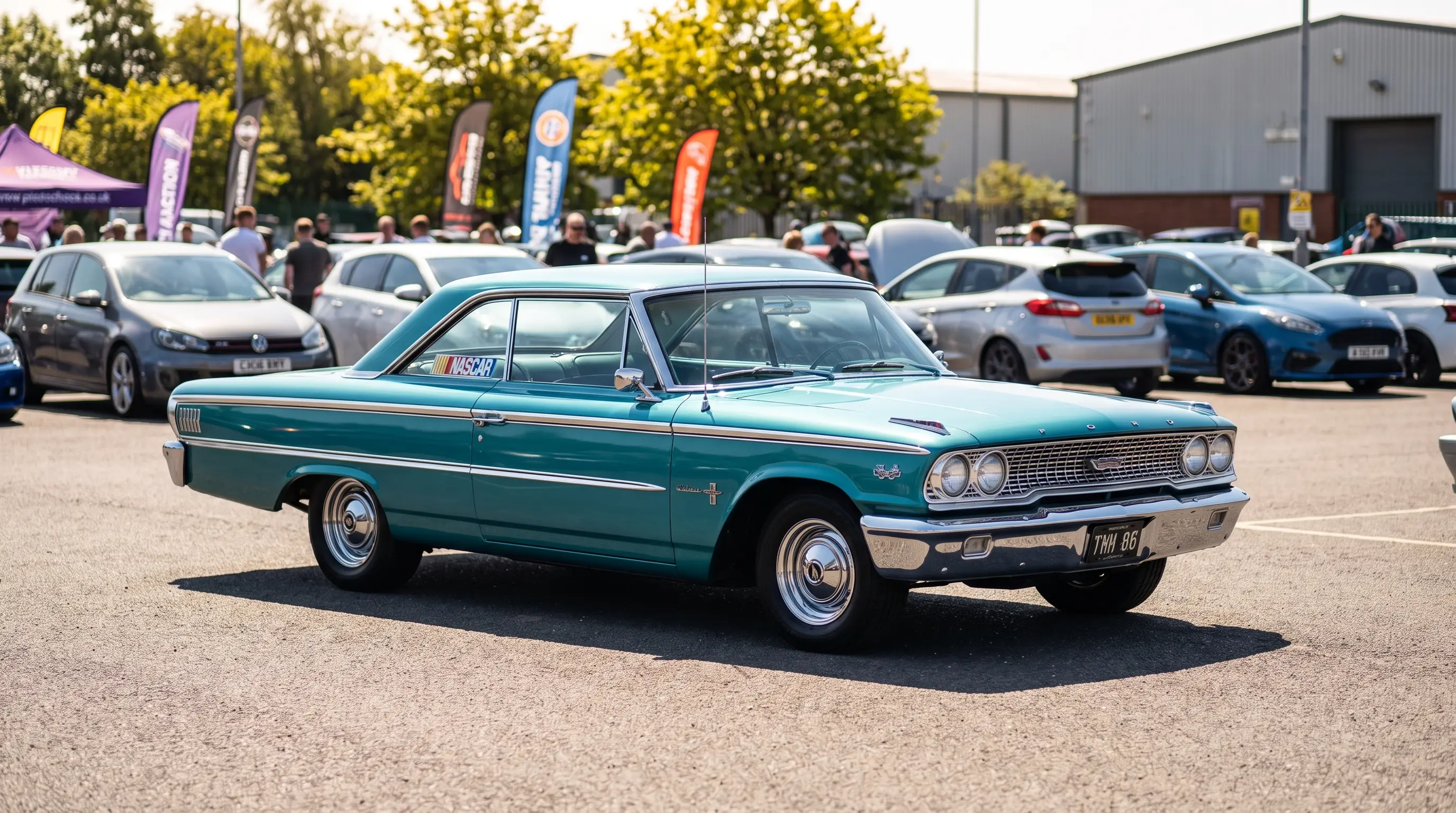
At a recent all-Ford show, I counted more Galaxie 500s in the parking lot than I expected, parked wheel to wheel with newer Mustangs and F-150s whose owners kept wandering over to ask questions about the big sedans nobody in their generation grew up driving. That curiosity is the real story of ford galaxie 500 ownership scene today. This is not a dying niche propped up by nostalgia alone. It is a genuinely active, if specialized, corner of the classic car hobby with its own economics, its own community, and its own honest challenges.
Who is actually buying these cars now
The ownership base has shifted noticeably over the last decade. Original buyers and their immediate children, the people who remembered these cars new, are aging out of active ownership, and a younger wave of buyers is stepping in, drawn by a mix of NASCAR nostalgia, genuine appreciation for full-size 1960s styling, and, frankly, better relative value compared to more famous muscle car nameplates that have gotten expensive fast. A well-sorted Galaxie 500 still offers real presence and real performance in big-block trim without the price tag that a comparable Mustang or Camaro from the same era now commands.
This shift has real consequences for the ownership scene's character. Newer owners often come to the hobby without the built-in family history that older owners carried, which means clubs and online communities are doing more of the work of transferring institutional knowledge, from where to source parts to how to spot a misrepresented trim level, than they used to.
There is also a generational split in how people find their way to this car in the first place. Older buyers often arrive through direct memory, a father's or grandfather's car remembered from childhood. Younger buyers more often arrive sideways, through a NASCAR history rabbit hole online, a photo of a period patrol car, or simply a general full-size Ford show where they saw one parked and decided to ask questions. Both paths lead to the same ownership scene, but they produce owners with noticeably different starting knowledge, which is part of why the community side of this hobby has become more important than it was a generation ago.
The parts and restoration reality
Owning one of these cars today means accepting a parts landscape that is decent but not effortless. Mechanical parts for the more common engine options are widely available through the broader Ford restoration aftermarket, but trim-specific pieces, certain interior components, and anything tied to a rarer option package can take real hunting and real patience to track down. Owners who came into this hobby expecting Mustang-level parts availability sometimes get a rude awakening the first time they need a specific piece of trim.
Current parts availability is worth flagging plainly here, since the aftermarket landscape shifts year to year as suppliers enter and exit the market. Any specific claim about what is or is not readily reproduced deserves a current check with an active supplier or club before you plan a restoration budget around it, rather than relying on outdated information repeated from an older article.
"Owning a Galaxie 500 today means you cannot just order a part number online and have it arrive tomorrow the way a Mustang owner can. You learn patience, and you learn your community, because you will need both."
- Patrick Walsh
Values, auctions, and what the market says
Auction results over the last several seasons show steady, if not explosive, appreciation for documented Galaxie 500s, particularly big-block cars with any traceable NASCAR-era connection or genuine factory 500 XL trim. Standard six-cylinder and small-block cars in good condition remain comparatively affordable entry points into full-size 1960s Ford ownership, which is exactly why they attract newer buyers testing the waters before committing to a bigger investment in a documented big-block example.
This price stratification means the ownership scene today genuinely spans two different experiences under the same nameplate. A buyer with a modest budget can find a driver-quality standard Galaxie 500 and enjoy the hobby without breaking the bank, while a buyer chasing documented performance history is competing in a smaller, pricier market against serious collectors who understand exactly what they are bidding on.
The insurance and daily-driving question
A practical concern that comes up constantly among newer owners is whether one of these cars can actually function as an occasional driver rather than a trailer queen. The honest answer is yes, with reasonable expectations. Classic car insurance policies now routinely accommodate agreed-value coverage with limited mileage allowances that suit exactly this kind of ownership pattern, driving to shows and weekend cruises rather than a daily commute, and most owners I have talked to structure their use around that model rather than trying to daily-drive a sixty-year-old sedan.
Mechanically, a well-maintained Galaxie 500 handles this kind of intermittent use without drama, provided an owner stays on top of the basics that any classic car needs regardless of make: fresh fluids, attention to a fuel system that was never designed for modern ethanol-blended gasoline, and a cooling system kept in good order for stop-and-go show traffic that a highway cruise never stresses in the same way. None of this is unique to the Galaxie 500 specifically, but it is worth saying plainly to anyone assuming ownership here is more complicated than owning any other sixty-year-old American car.
Community, shows, and the social side of ownership
What surprised me most covering this scene recently is how social it actually is. Regional Galaxie-specific clubs organize regular meets, and general full-size Ford shows consistently draw a healthy contingent of 500s and 500 XLs alongside the more commonly seen Mustangs and Thunderbirds. Owners trade stories, trade parts leads, and increasingly trade documentation research help, since verifying a car's original trim or racing history has become a genuine community project rather than something one owner tackles alone.
If you want more on the ford galaxie 500 beyond just today's ownership landscape, including the full production history and NASCAR chapter that shapes why certain examples command a premium now, that context is worth reading before you shop seriously. You can also find our complete history of the broader Galaxie nameplate for additional background on how this specific 500 trim fits into Ford's larger full-size story.
For anyone actually ready to join this ownership scene rather than just read about it, you can look at classic Galaxies on the market and see what is genuinely available right now, at price points spanning from an accessible entry-level driver to a documented, show-quality example. Whichever end of that spectrum you are shopping, you are joining a community that is smaller than the Mustang crowd but, in my experience covering both, considerably more willing to help a newcomer figure out what they actually own.
I will end with the same observation I made at that all-Ford show. The Mustang and F-150 owners wandering over to ask questions about the Galaxies were not doing so out of politeness. They were genuinely curious about a car their own hobby had somewhat overlooked, and more than one of them left the conversation talking seriously about adding a full-size Ford to their own garage. That kind of organic curiosity is exactly how a niche corner of the hobby grows rather than fades, and it is the best evidence I have seen that the Galaxie 500 ownership scene has real momentum behind it right now, not just sentimental holdouts keeping old cars running out of habit.