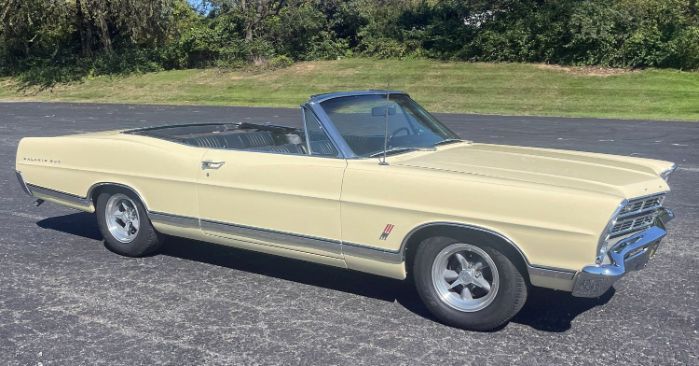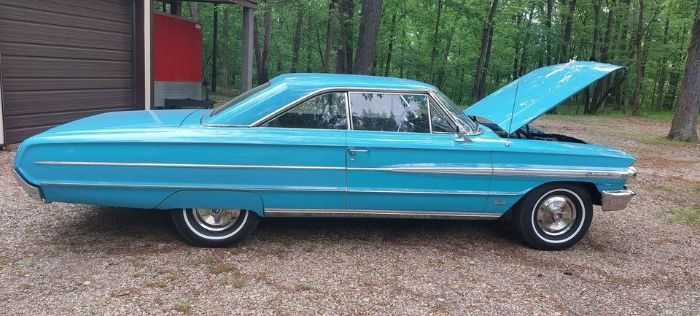
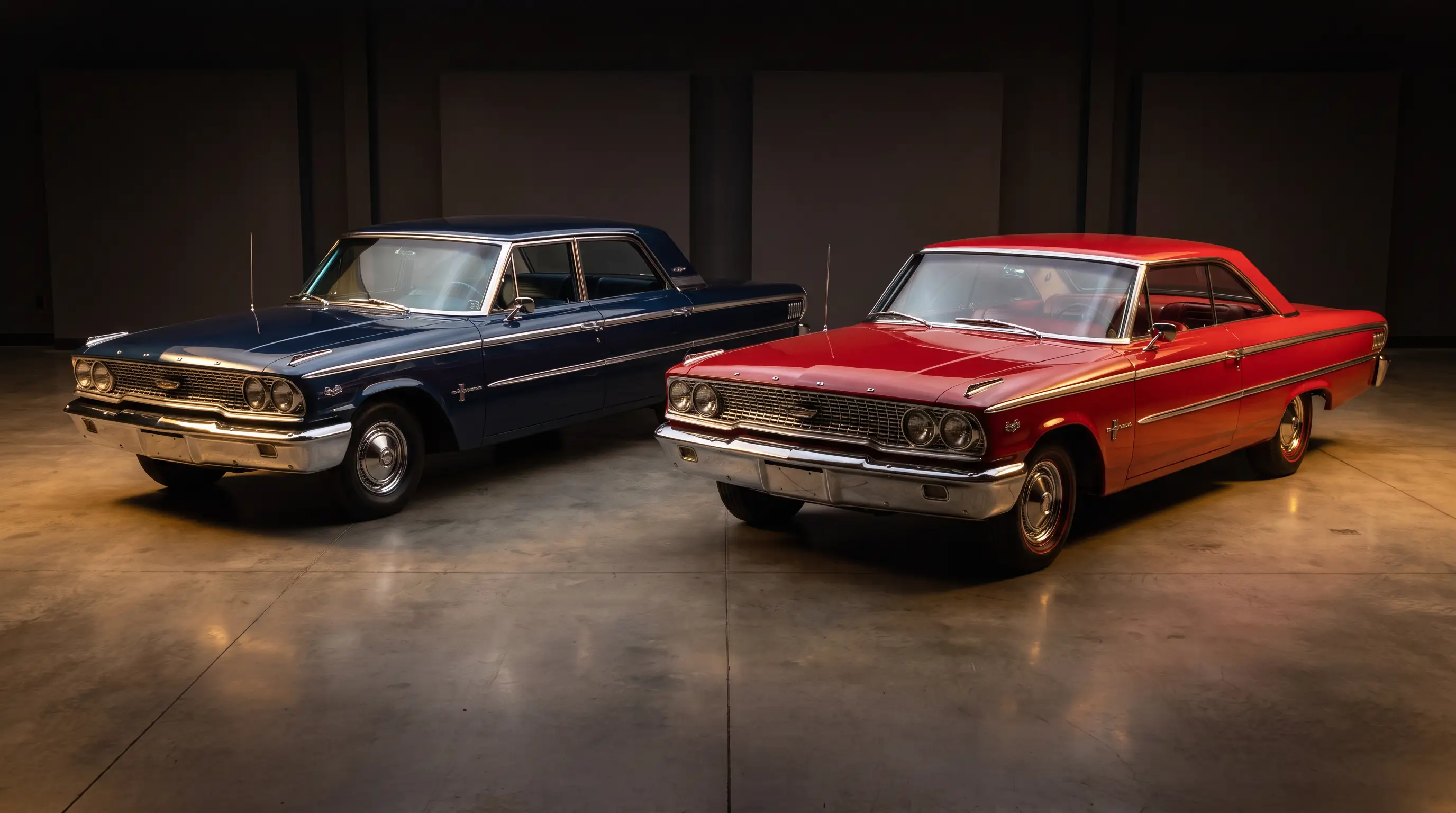
Spend enough years with a spray gun in your hand and you start reading cars the way other people read faces. Ford galaxie 500 color and styling eras is not just a design history lesson to me, it is a set of visual clues I use every day to figure out what year and trim a car actually is before I ever pop the hood or check a data plate. The body lines and the paint codes tell a story if you know how to look at them.
The formal early years, 1960 and 1961
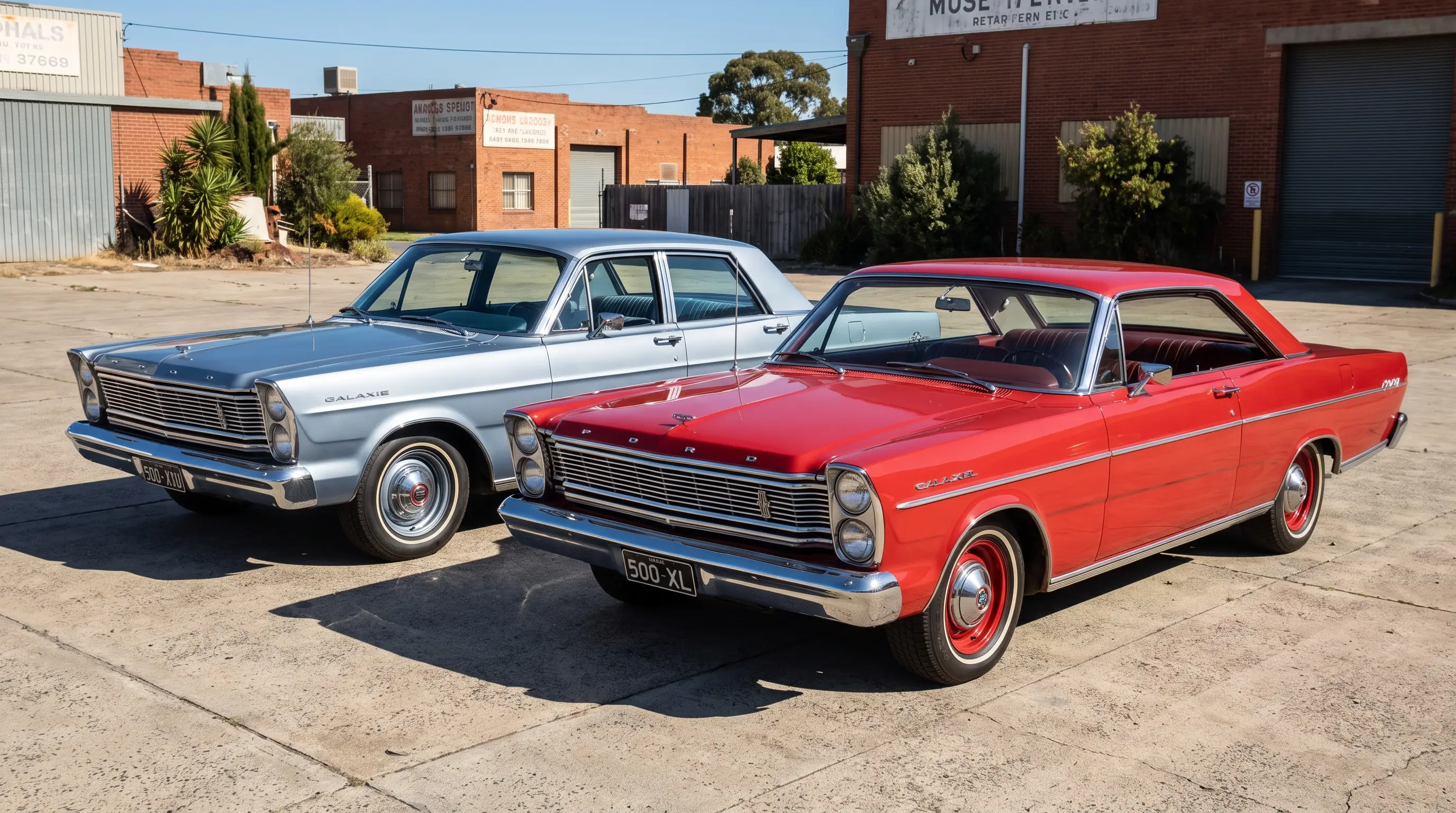
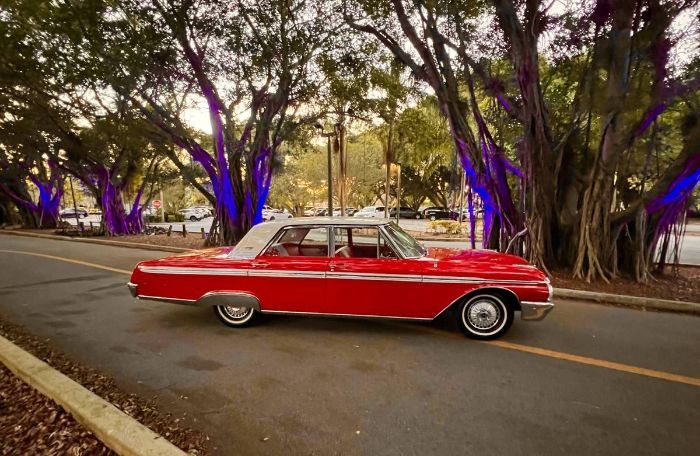
Ford's full-size lineup opened this decade with a boxier, more formal roofline, a look that read as dignified rather than sporty. The Galaxie 500 in these early years leaned on chrome trim and a fairly conservative color palette, plenty of solid tones aimed at a buyer who wanted status without flash. Working on cars from these years, you notice the body panels are simpler to match and repair than what came a few years later, fewer complex curves, more flat surfaces that a patient hand can bring back to factory-correct without fighting the metal every step of the way.
The Starliner fastback variant that ran alongside the more formal roofline in this window gets a lot of attention from collectors precisely because its swept-back roof was such a departure from the boxier body it shared a platform with. Two rooflines, same basic car, aimed at completely different buyers standing in the same showroom.
The sweep and the shift into the mid-decade look
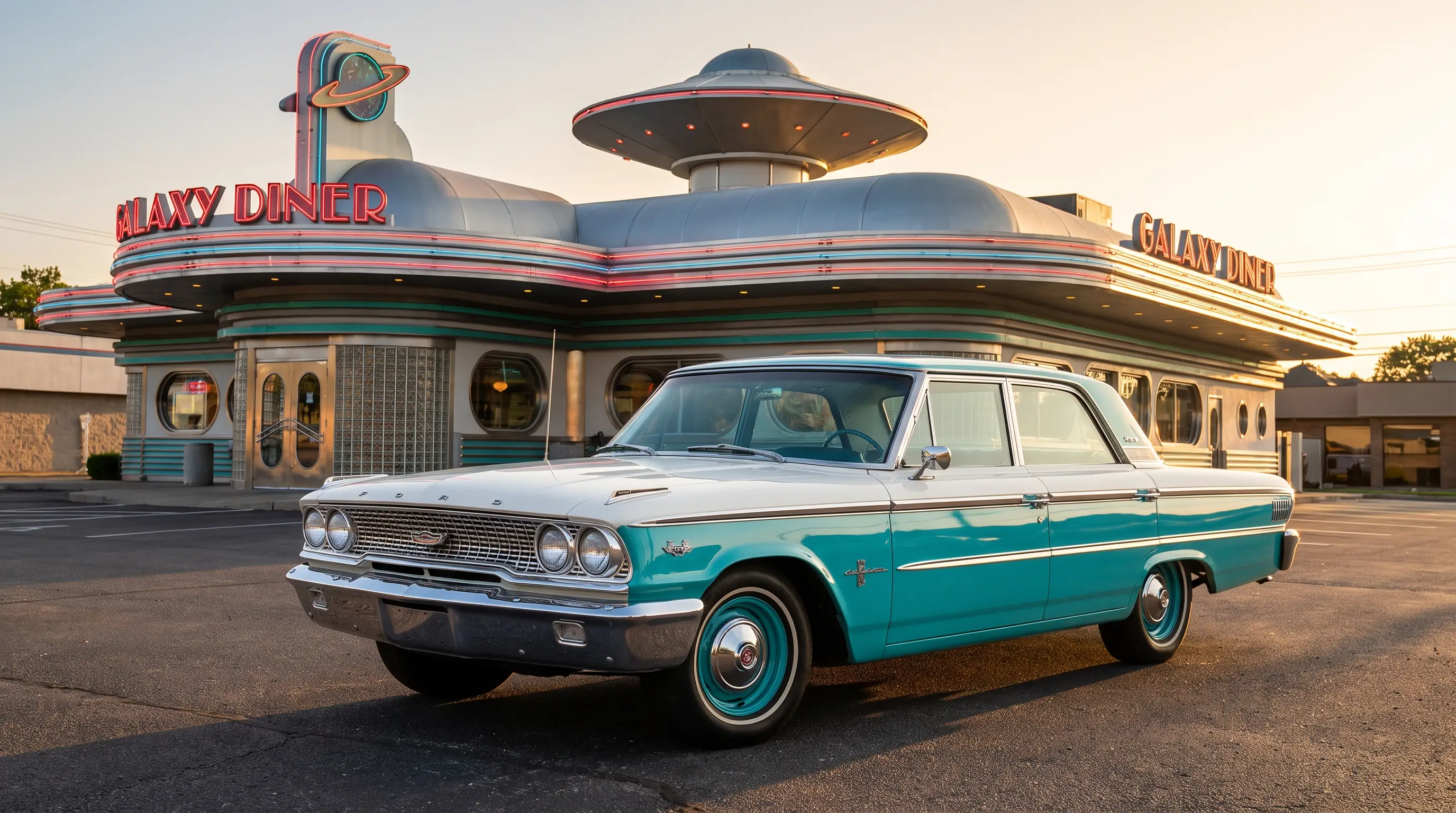
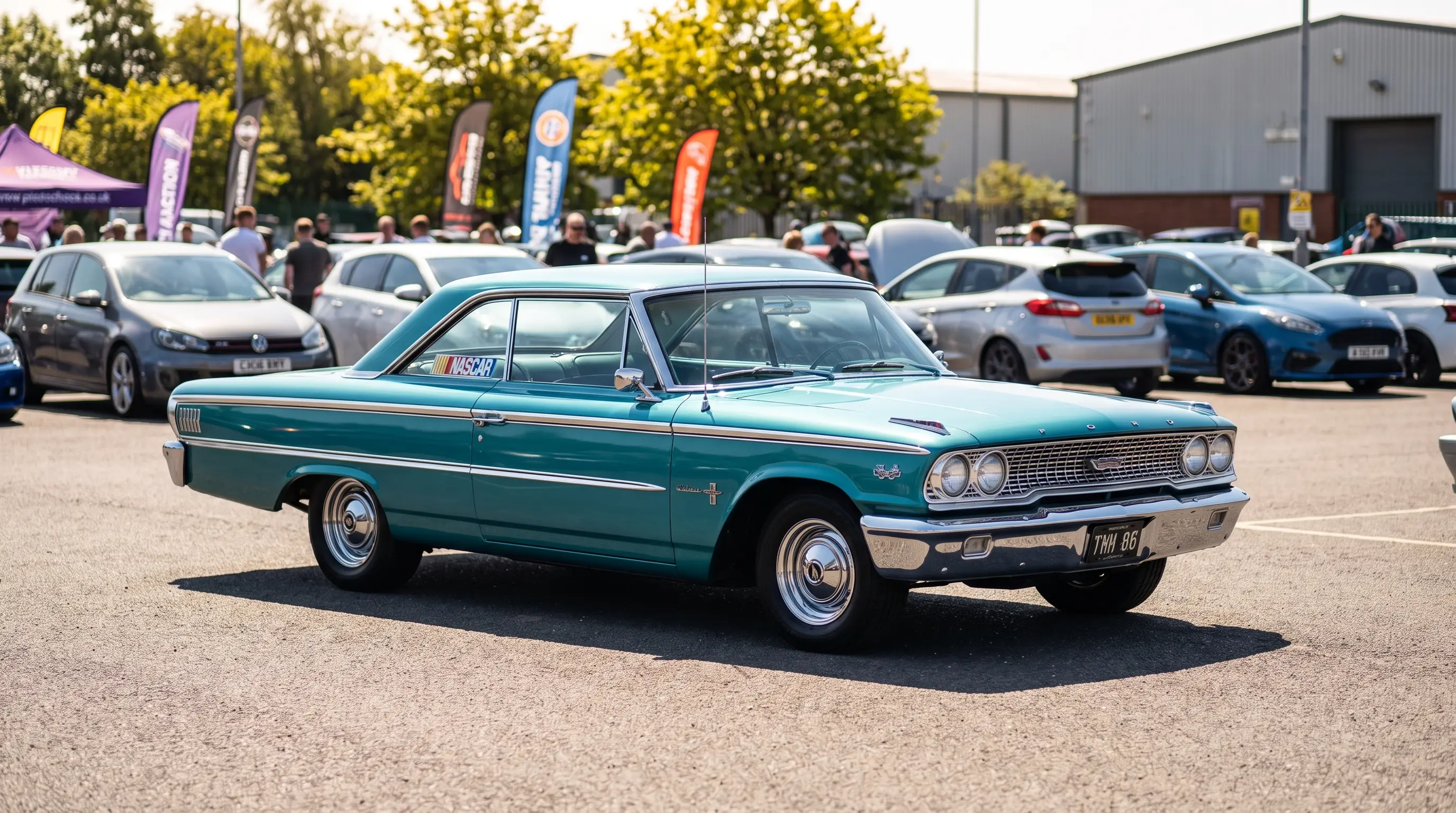
By 1962 and into 1963, Ford moved toward a longer, lower-looking flank with more sculpted side detailing, a shift that tracked what the rest of the industry was doing as tailfins faded and a cleaner, more aerodynamic sensibility took hold. The Galaxie 500's body lines in these years got more complex, more compound curves in the quarter panels and rear deck, which means more skill required to get a repair or a repaint looking factory-correct rather than slightly off in a way only a trained eye catches.
Color choices from this era leaned into a wider range of brighter tones as Ford chased a younger, more performance-minded buyer alongside its traditional family customer. You start seeing period colors that read as genuinely bold next to the more conservative palette from just two or three years earlier, a visual signal that Ford knew its buyer was changing right alongside the car.
Reading a car's true colors versus what got painted over
Here is where thirty years of bodywork experience actually matters. Plenty of Galaxie 500s on the market today have been repainted at least once, sometimes multiple times, and not always in a factory-correct color. A trained eye can spot the tells: overspray in door jambs that does not match the factory color code on the data plate, texture differences between an original panel and a replaced one, or a color that simply never appeared on Ford's period paint chip charts for that specific model year.
Specific paint code numbers changed year to year on the Galaxie 500, and it is worth flagging plainly that Ford's original code references are not always reproduced consistently across the aftermarket charts and forum posts circulating today. Anyone doing a serious factory-correct restoration should confirm the exact code against a verified period source, such as an original dealer paint chip book or a marque club's documented archive, before committing paint to metal.
"A poseur repaints a car whatever color looks good in the driveway. A builder who respects the car finds out what left the factory and matches it, even if the original color is not the one he would have picked himself."
- Jim Vasquez
Trim brightwork as its own dating tool
Beyond body lines and paint, the chrome and stainless trim on a Galaxie 500 changed enough year to year that an experienced eye can often narrow down a model year just from the taillight bezels, the side spear placement, or the grille pattern, sometimes before even checking a data plate. This matters in my shop constantly, because a customer will bring in a car with a story about what year it is, and the trim pieces on the fender tell me something slightly different before I ever look for documentation to settle the question.
This is also where I see the most amateur restoration mistakes. Reproduction trim pieces are not always faithful to the specific year's original tooling, and a builder who is not paying close attention can end up installing a piece that looks close enough at a glance but is actually wrong for that model year. It is a small detail that separates a car built by someone who respects the history from a car built by someone who just wanted it to look shiny and did not care whether the shine was correct.
Why styling era matters more than people think when buying
Buyers shopping the market today sometimes treat all Galaxie 500s from this decade as interchangeable, judging purely on condition and price without understanding which styling era they are actually looking at. That is a mistake if you care about long-term value or authenticity. A 1963 model with its later body style and a factory-correct bold color from that specific year is a meaningfully different car, historically and visually, from a 1960 model with its earlier, more formal lines, even though both wear the same Galaxie 500 badge.
For where this started, the fuller history of how the Galaxie 500 developed across its entire production run gives useful context for understanding exactly why the styling shifted the way it did year over year. If reading through these styling eras has you wanting to see real examples rather than photos in an article, you can shop classic Galaxie listings and start comparing body styles and factory colors against everything covered here.
My honest opinion, after decades of having these cars in my shop: buy the styling era you actually love looking at, not the one somebody online tells you is more valuable. I have restored formal-roofline 1960 cars for clients who could not stop smiling every time they walked into the garage, and I have done the same for buyers who wanted the swept 1963 look instead. Both are correct answers. The only wrong answer is painting either one a color it never wore from the factory and calling it original.
There is a longer-term value argument here too, one I have watched play out with my own clients over the years. Cars restored in their correct, documented factory color and trim combination consistently hold and gain value better than cars painted in a non-factory shade chosen purely for personal taste, even when the workmanship is otherwise identical. Buyers and appraisers who know this era well notice the difference immediately, and a correct color combination becomes part of the provenance story just as much as an engine code or a build sheet does. That is not me being precious about originality for its own sake. It is a straightforward observation from decades of watching what these cars actually sell for at auction and at private sale, depending on how faithfully the styling and color match what left the factory floor. That lesson applies whether you are restoring a car for yourself or buying one someone else already finished.