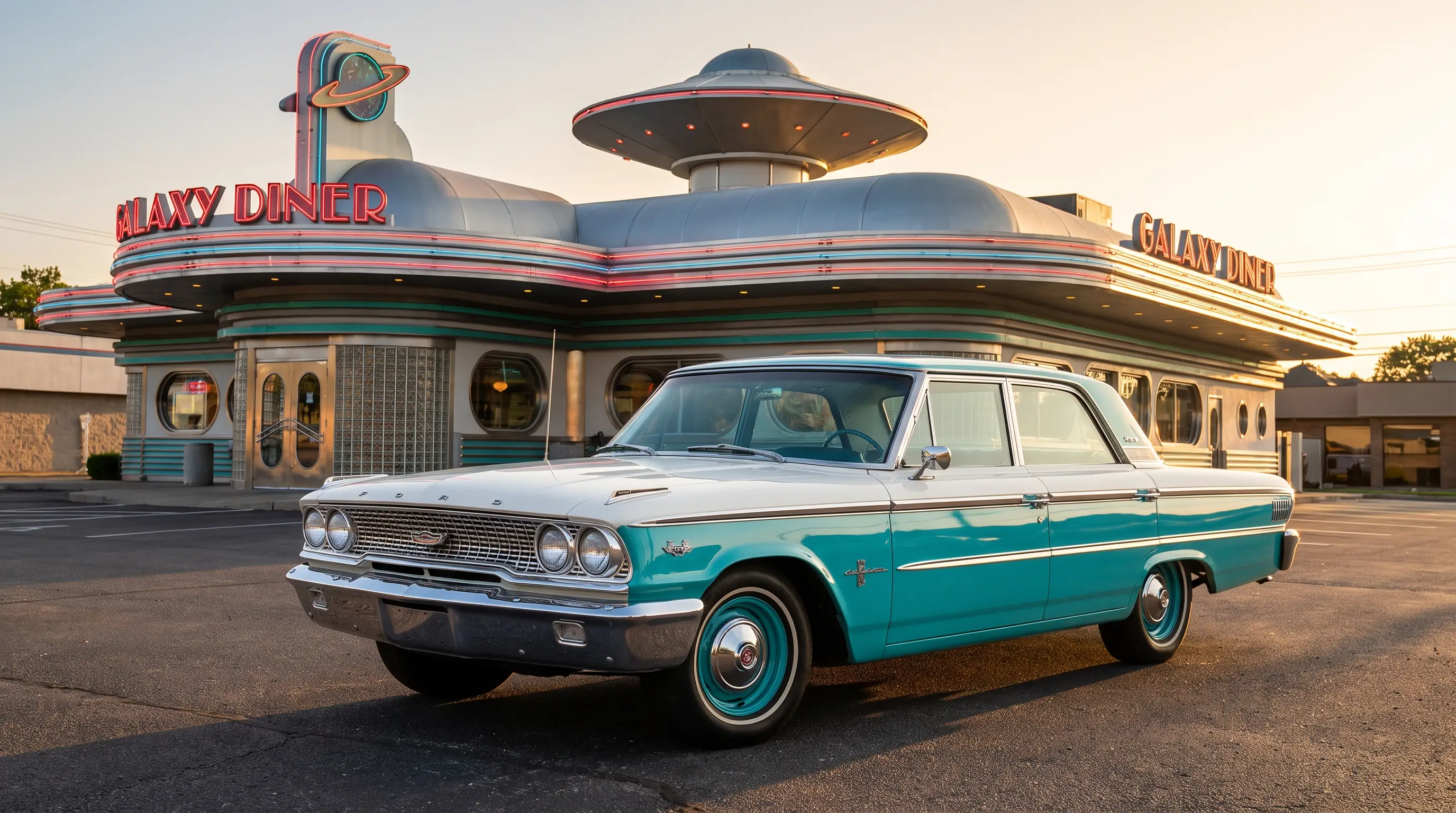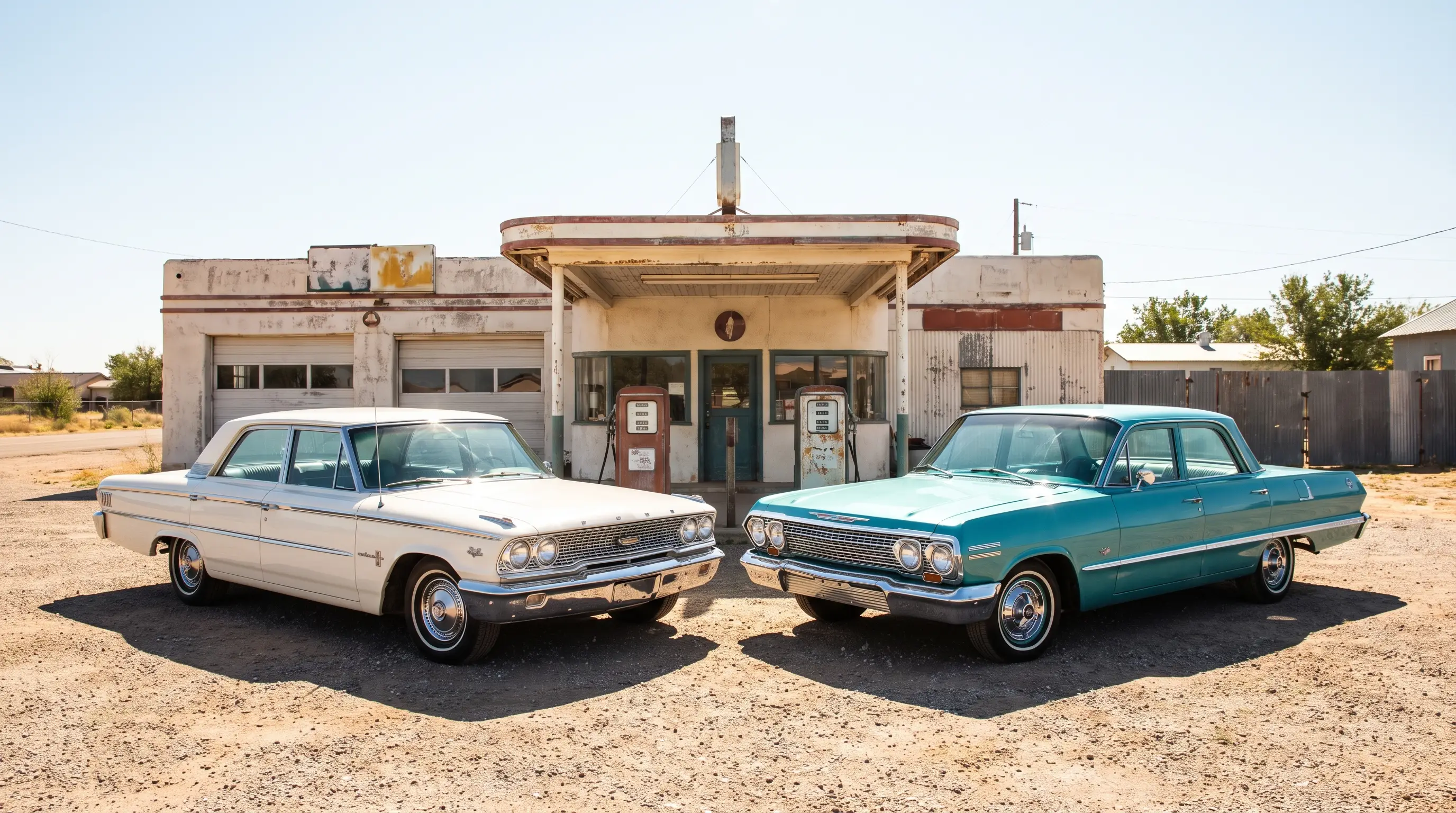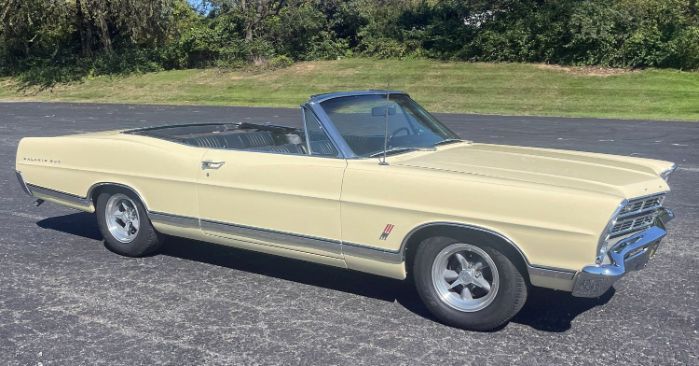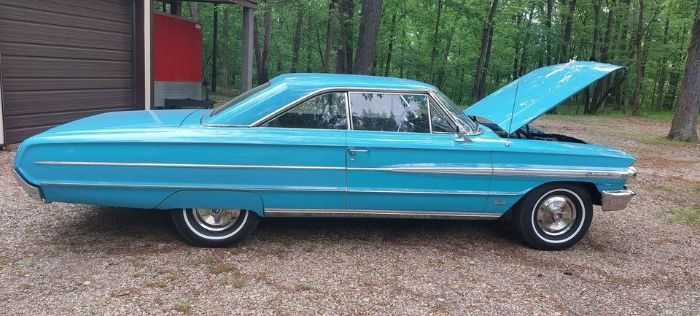
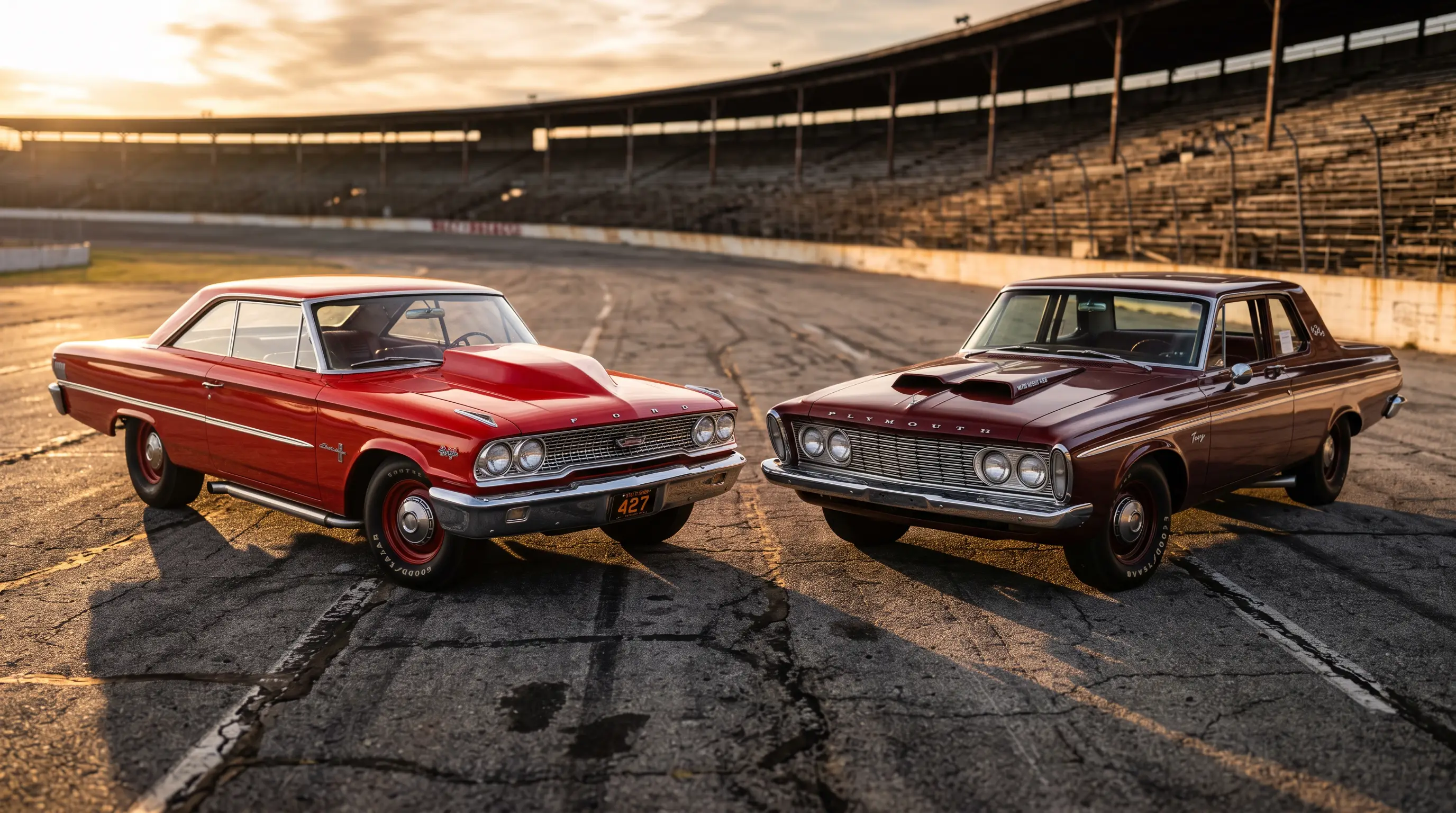
Picture a two-lane blacktop outside Detroit in 1963, two full-size sedans idling next to each other at a light, one wearing a Ford oval and the other a Plymouth badge. That scene, repeated a thousand times across the country, is the real story behind the ford galaxie 500 vs plymouth fury debate. It was never a boutique rivalry fought at a handful of road courses. It was fought in parking lots, on state highways, and in the pages of car magazines that could not stop comparing the two.
Ford's showroom champion meets Mopar's full-size answer
The Galaxie 500 was Ford's move to make its full-size line feel special without abandoning the family buyer, layering chrome, a formal roof, and eventually a genuine performance option onto what had been a fairly plain platform. Plymouth's Fury had a different heritage entirely, tracing back to a limited-run halo car in the late 1950s before becoming Plymouth's full-size flagship by the early 1960s. By the time both cars were fighting for the same driveway in 1963 and 1964, each had shed its early identity and become something more universal: a big, comfortable American sedan that could also be ordered with serious muscle under the hood.
Where the two diverged was in personality. Ford leaned into a clean-lined, almost formal look for the Galaxie 500, while Plymouth chased a more sculpted, sometimes controversial style that polarized buyers depending on the model year. Neither company was shy about advertising the difference, and dealers on both sides used the other's styling missteps as sales ammunition.
Engines: 427 R-code against the Max Wedge and 426
This is where the rivalry earned its teeth. Ford's 427 R-code, available with dual four-barrel carburetors, was built to answer any big-block on the market, full stop. Plymouth countered with the Max Wedge 413 and 426 engines, purpose-built for drag strips and straight-line speed, cars that dealers would order in configurations barely street-legal. A stock Galaxie 500 buyer in 1963 was not necessarily cross-shopping a Max Wedge Fury, since the two occupied slightly different corners of the performance market, but on NASCAR ovals and at the drag strip, these engines answered each other directly, lap after lap, run after run.
425 hp is commonly cited for the dual-quad 427, and Plymouth's factory Max Wedge ratings were similarly conservative for the era, so treat any specific horsepower figure from either brand as a starting point for research rather than gospel. What both companies proved beyond doubt is that a full-size family sedan, in the right trim, could run a quarter mile that would embarrass cars half its size.
NASCAR ovals and the fight nobody could ignore
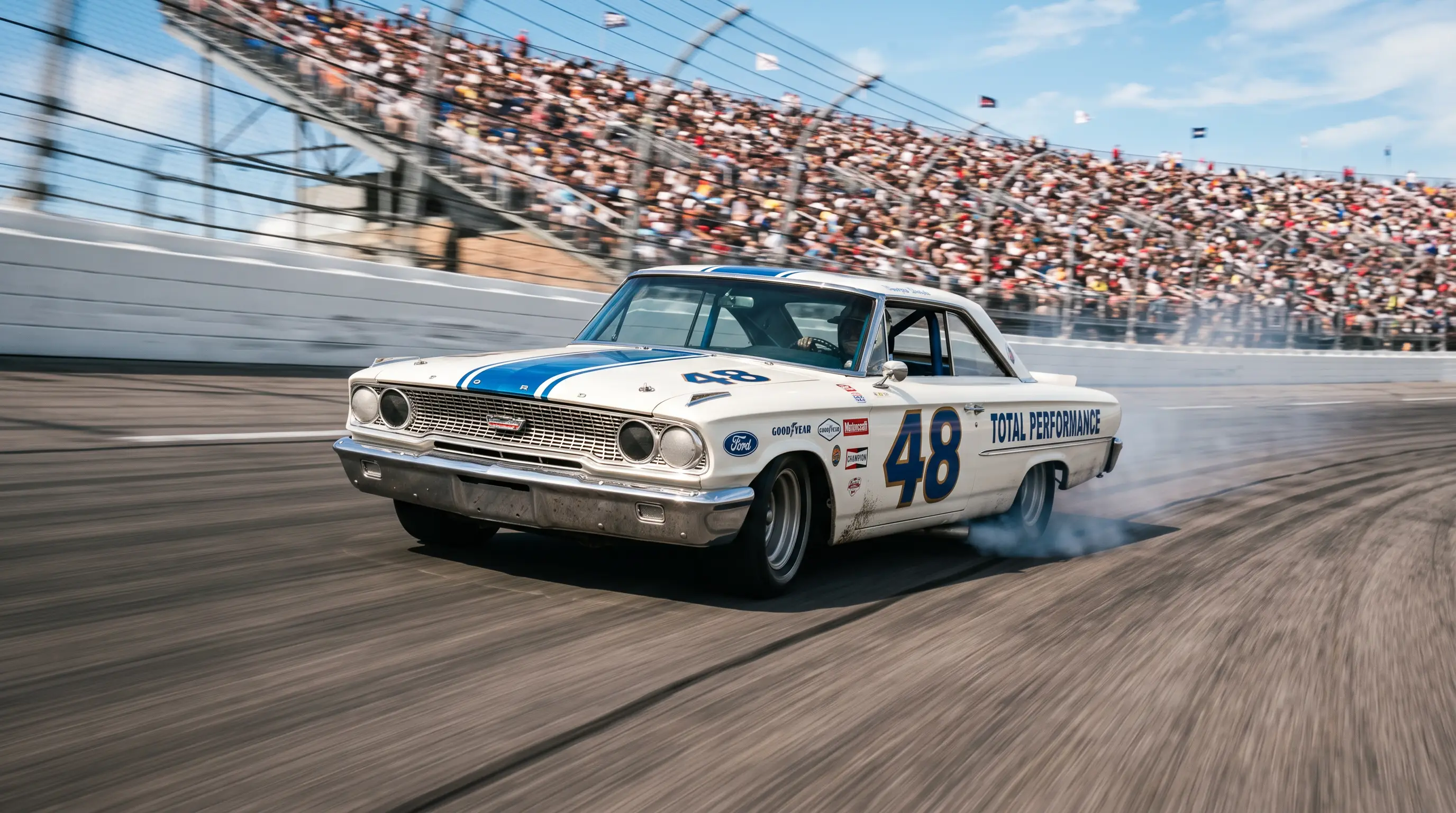
Ford's factory-backed Total Performance push put the Galaxie 500 and its 427 engine directly onto NASCAR's biggest stages in 1963 and 1964, chasing wins that would sell cars back home on Monday morning. Plymouth and the wider Chrysler camp answered with their own factory effort, and the two brands traded superspeedway wins across those seasons in a way that made the rivalry front-page news in racing magazines, not just a dealership talking point.
Drivers became minor celebrities in this era precisely because the brand loyalty ran so deep among fans watching from the infield. A win for a Ford-backed driver on Sunday translated into showroom traffic for Galaxie 500s the following week, and Plymouth's camp knew the same math applied in reverse. This is not exaggeration. Manufacturers tracked it, and it shaped how much money got poured into the following season's racing budget.
"Nobody who lived through 1963 remembers the sales brochures. They remember who won on Sunday, because that decided which showroom got the foot traffic on Monday."
- Patrick Walsh
What survives today and what it is worth chasing
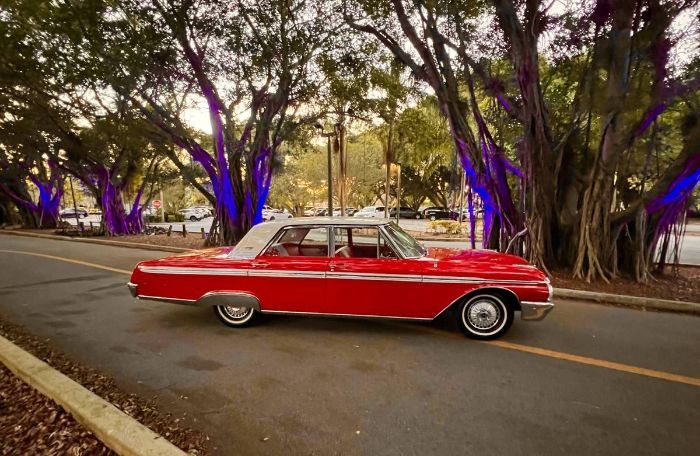
Both cars have real followings now, but they attract slightly different collectors. Galaxie 500 buyers often come from a Ford family tradition or a NASCAR history interest, drawn to the ford galaxie 500 story and the Total Performance era it represents. Fury buyers tend to skew toward Mopar loyalists who already know the Max Wedge lore cold and are hunting for a matching-numbers survivor rather than a driver-quality restoration.
Neither market is cheap anymore. Documented big-block cars from either brand have climbed steadily at auction, and a genuine NASCAR-adjacent Galaxie 500 or a verified Max Wedge Fury commands real money when the paperwork backs up the claim. If you want the full story on how the Galaxie line evolved beyond just the 500 trim, it is worth reading before you commit serious money to either side of this rivalry.
Making the call between the two
If you are choosing between a Galaxie 500 and a Fury from this era today, the honest answer is that you are choosing a personality, not just a spec sheet. The Galaxie 500 feels like the buttoned-up choice, the one that photographs well next to a period NASCAR poster. The Fury feels like the one with something to prove, a car built by a company that never quite got the credit it deserved for how hard it fought in this fight.
My own bias leans Ford, and I will admit that plainly rather than pretend at false balance. But I have ridden in both, and a well-sorted Fury will humble anyone who dismisses it as the also-ran of this rivalry. If either has you shopping seriously, you can look at classic Galaxies on the market right now and compare what is actually available against the history you have just read.
There is also a practical case for leaning Galaxie 500 if you are new to this era of full-size performance cars. Parts support tends to be a little more forgiving on the Ford side, since Ford built and sold more full-size cars overall during these years, which means salvage yards and reproduction catalogs skew in the Galaxie's favor more often than not. That does not make the Fury a bad buy. It just means you should budget more patience, and possibly more money, for sourcing trim pieces and interior parts if you go the Mopar route. Owners who have lived with both tell me the Fury rewards that patience with a car that turns heads precisely because it is rarer at a show field dominated by Impalas, Galaxies, and the occasional Bel Air.
The other factor worth weighing is community. Ford's full-size scene, and the Galaxie 500 in particular, has a deep and organized enthusiast base built up over decades of NASCAR nostalgia and Total Performance appreciation. Mopar's Fury crowd is smaller but arguably more devoted, the kind of owners who will talk your ear off about a Max Wedge intake manifold at a swap meet until the sun goes down. Neither community is wrong to be proud of what they drive. They are just proud in different registers, one loud and mainstream, the other quieter and more specialized.
If I had to leave you with one piece of advice, it would be this: do not buy either car purely for the rivalry story. Buy the specific example in front of you, with its specific history, its specific mechanical condition, and its specific price. The rivalry makes for a great story at a car show. It should never be the deciding factor when you are signing a check.