
The 4th gen Camaro SS vs Z28 question is, at bottom, a pricing question. From 1996 to 2002 the SS was not a separate model. It was a package added to the price of a Z28, and it cost between $3,500 and $3,999 depending on the year. The buyer got 15 to 20 more rated horsepower, a different hood, bigger wheels and firmer suspension. Whether that was worth the money in the showroom is one question. Whether it is worth the premium a seller asks today is another, and the answer depends on what can be proven about the car.
Car Features
7 min read
Fourth-Gen SS vs Z28: What the Extra Money Bought
The fourth-gen SS cost $3,500 to $3,999 over a Z28. What it bought in hardware and horsepower, how many were built, and what an SS is worth without paper.
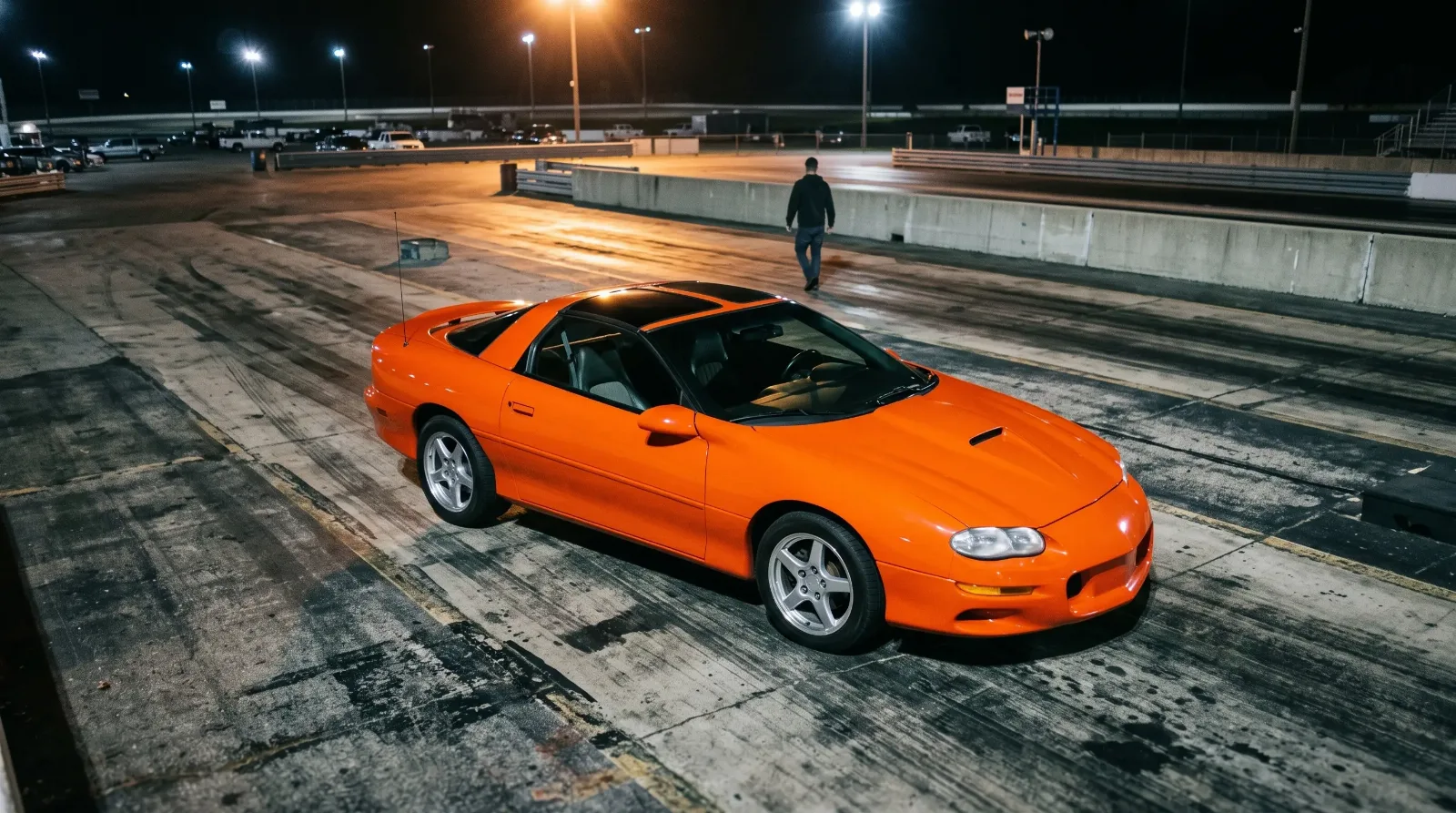
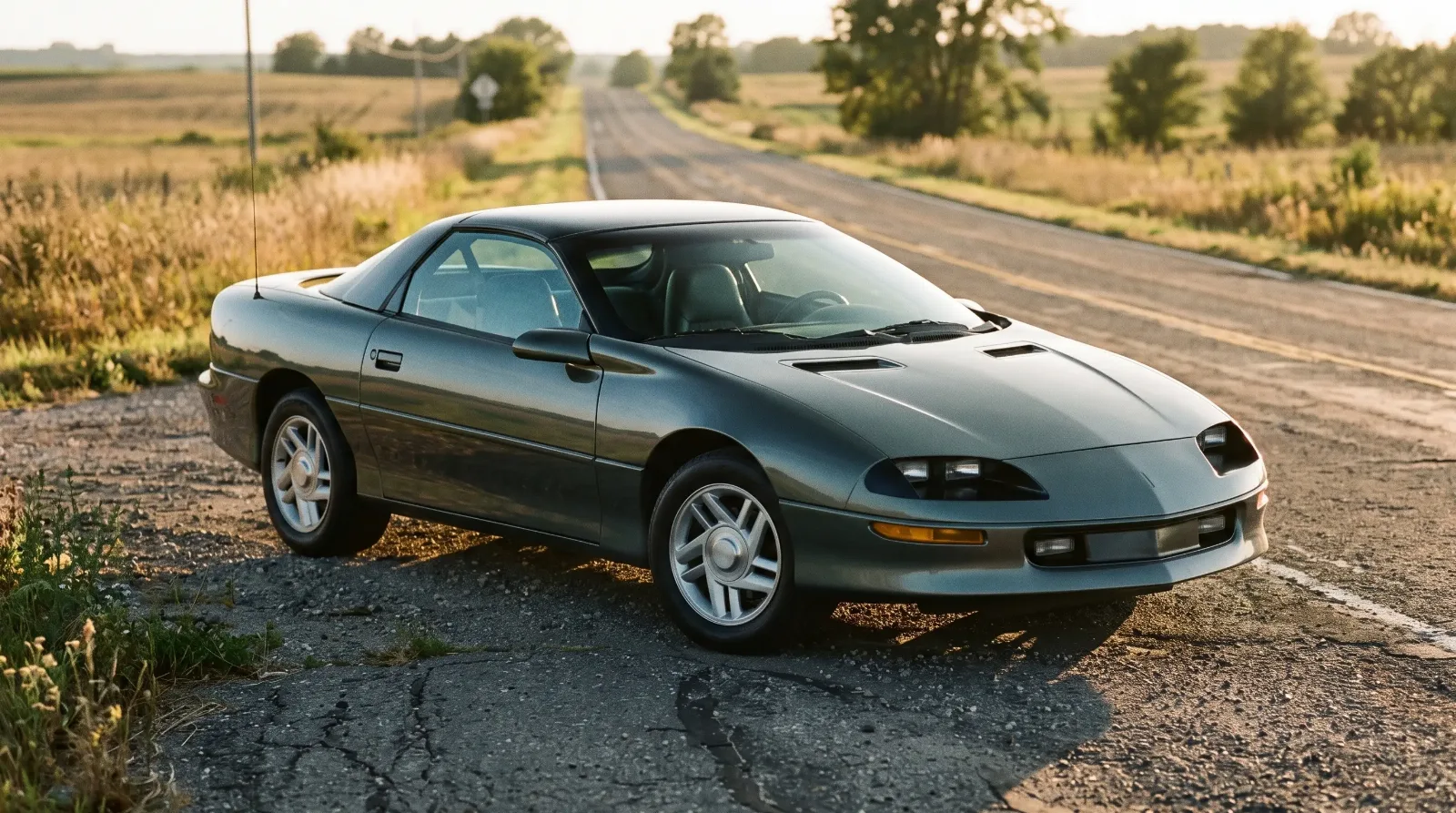
For the full run of the generation, from the 1993 launch to the end in 2002, see our account of the fourth-gen Camaro era. This piece compares the two V8 cars only, and treats each claim the way a valuation should: what the record says, and then where the record is thin.
What the SS package cost, year by year
The cleanest way to compare the two cars is to put the money and the ratings side by side. The Z28 price below is the base coupe. The SS figure is what the package added on top of it.
| Model year | Z28 coupe base | SS package | SS vs Z28 rating | SS built |
|---|---|---|---|---|
| 1996 | $19,390 | $3,999 | 305 vs 285 hp | 2,257 or 2,410 (disputed) |
| 1997 | $20,115 | $3,999 | 305 vs 285 hp | 3,137 |
| 1998 | $20,995 | $3,500 | 320 vs 305 hp | 3,025 |
| 1999 | $21,485 | $3,700 | 320 vs 305 hp | 4,829 |
| 2000 | $21,800 | $3,950 | 320 vs 305 hp | 8,913 |
| 2001 | $22,200 | $3,950 | 325 vs 310 hp | 6,332 |
| 2002 | $22,870 | $3,625 | 325 vs 310 hp | 11,191 |
Two patterns stand out. The gap in rated output was 20 hp in the LT1 years and 15 hp in the LS1 years. And the SS went from a rare car to a common one. In 2002 Chevrolet built 11,191 SS cars out of 24,805 Z28-based cars, about 45 percent. Rarity is part of value, and it is not evenly spread across these seven years.
The 1996 count is unresolved. Hagerty's valuation tool prints 2,257 and a Hagerty Marketplace listing says 2,410. The difference may be US against total production, or conversions against orders. Until a registry settles it, any seller quoting a precise 1996 number is quoting one of two sources.
What the extra money bought under the skin
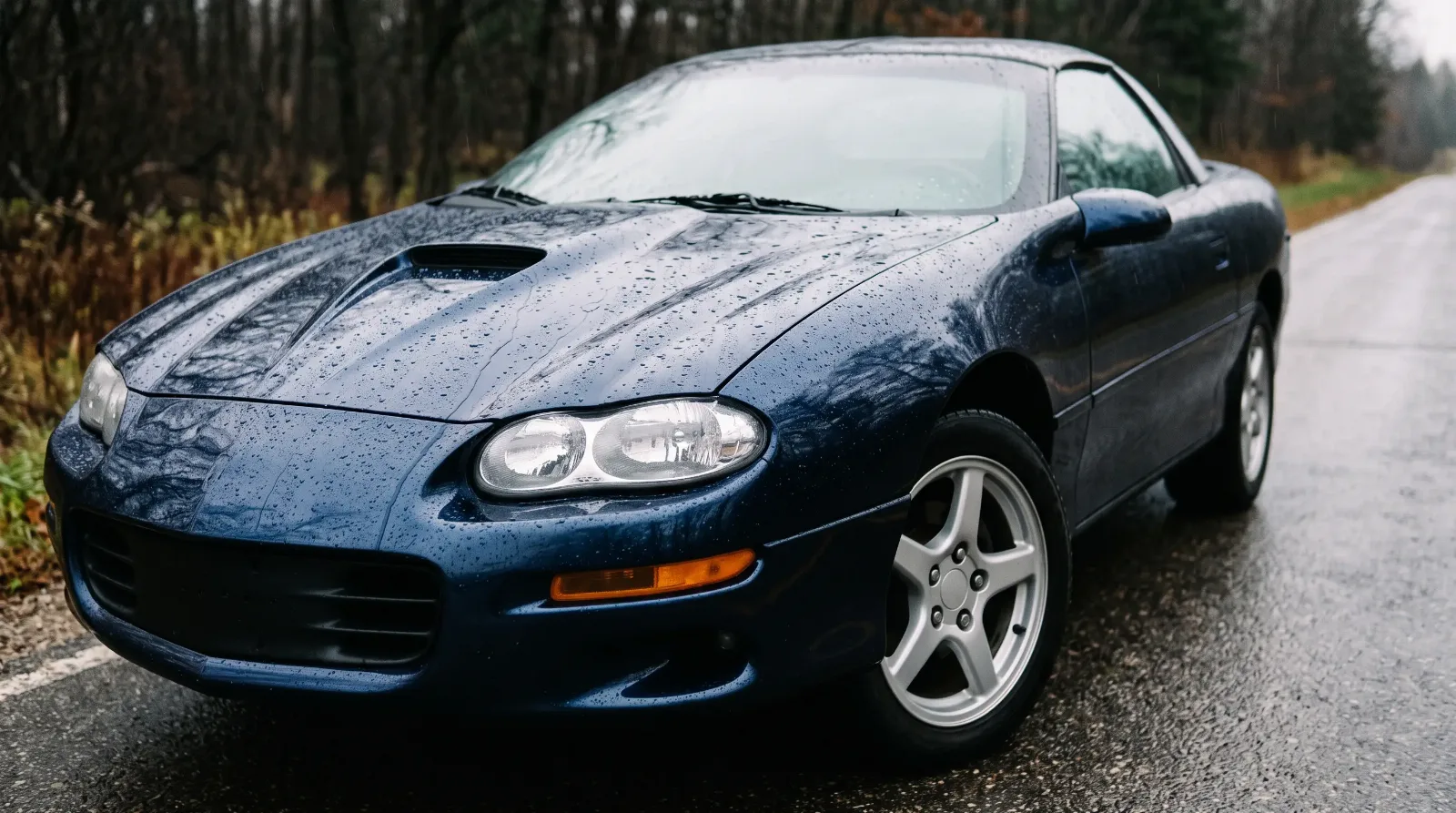
The 1996 and 1997 SS was developed with SLP Engineering. The package added a composite hood with a functional scoop and cold-air induction, a new decklid spoiler, 17x9 ZR-1-style five-spoke wheels, a larger front anti-roll bar, revised rear track, synthetic oil and a console plaque carrying the car's production number. The engine was the same LT1 as the Z28. The extra 20 hp came from the cold-air intake and a freer exhaust.
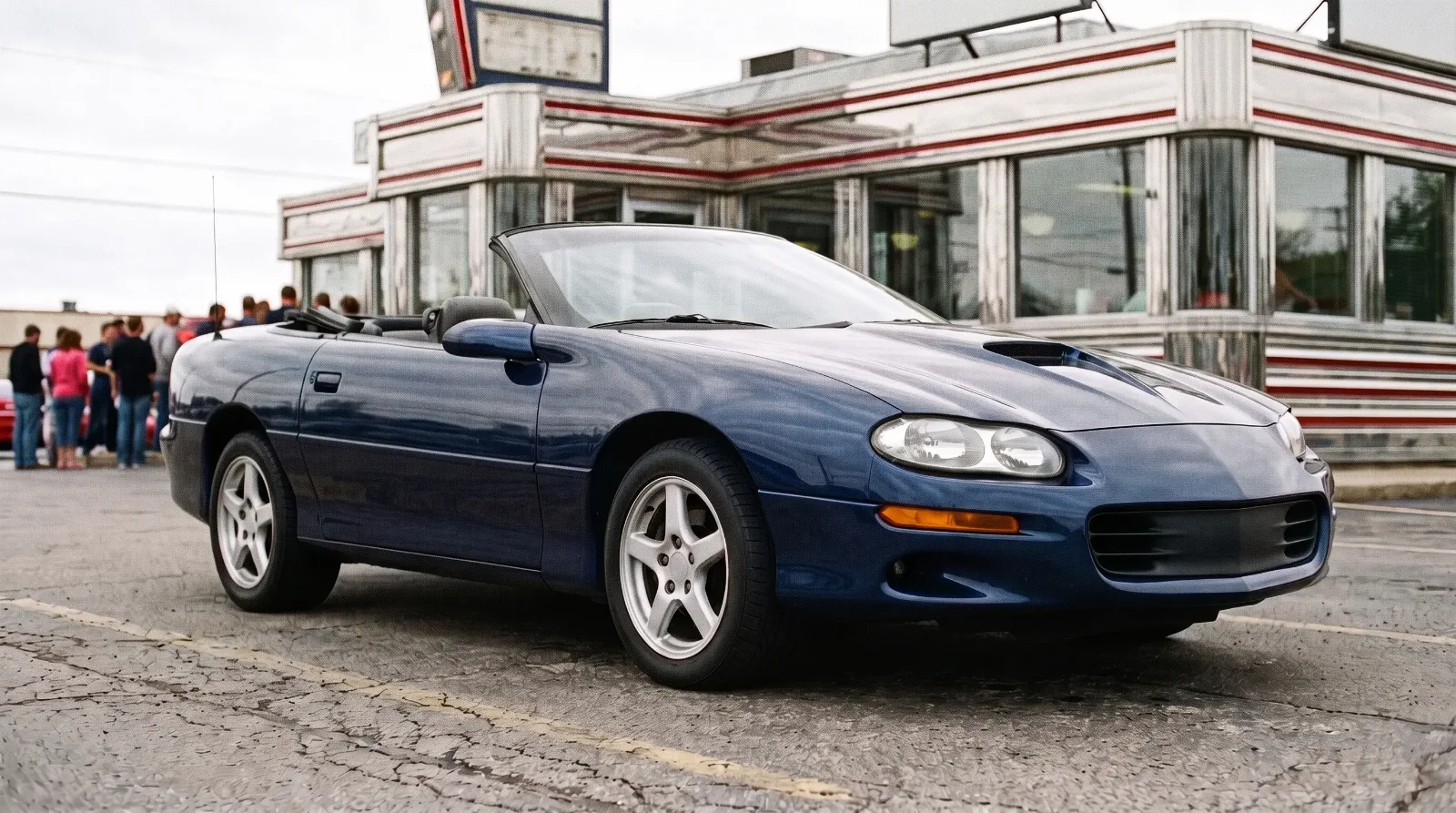
For 1998 the SS became an in-house option, RPO WU8, built around the 320 hp LS1. The cars were assembled at Ste-Thérèse and shipped to SLP in nearby LaSalle, Quebec, for the forced-air hood, spoiler, wheels and suspension. By 2001 the package description listed a cold-air induction hood, special suspension, a power steering cooler, a different rear spoiler, 17-inch wheels and SS trim. A 2002 Z28, for comparison, came on P245/50ZR16 tires.
So the honest summary is this. The SS did not get a different engine. It got a better-breathing version of the same engine, a wider wheel and tire, and suspension that suited the extra grip. The hood is the part everyone sees. The wheels and suspension are the parts you feel.
The 4th gen Camaro SS vs Z28 at the test track
Period tests favor the SS, with caveats. Car and Driver's December 1995 comparison of the SS, the Mustang Cobra and the Firebird Formula WS6 called the SS "the quickest, the fastest, and the best handler." The often repeated 4.9-second 0 to 60 mph time for the 1996 SS comes to us second-hand, quoted from Car and Driver in sale listings with no issue named. Another Hagerty Marketplace listing for a 1996 SS claims just under six seconds instead, so treat 4.9 as the best case rather than the norm.
For the LS1 cars, Car and Driver recorded 5.3 seconds to 60 mph, 12.8 seconds to 100 mph and a 160 mph top speed for a 1999 SS. MotorWeek ran a 2002 SS 35th Anniversary with a manual to 60 mph in 5.2 seconds and through the quarter mile in 13.5 seconds at 108 mph.
Now the caveat. Car and Driver also timed a 1993 Z28 at 5.3 seconds to 60 mph, on 275 hp. Different years, different cars, different days. There is no clean same-day test of an SS against a Z28 of the same year in the published record, and anyone who tells you the SS is half a second quicker is guessing. The rating gap of 15 to 20 hp is small enough that driver, gearing and tires decide most street comparisons.
"In the showroom the SS premium was a few thousand dollars of hardware. Today the premium is mostly paperwork. An SS you can't document is a Z28 with an expensive hood."
Marcus Feld
Which one holds its value, and what to check
The market has a view. In 2018 Hagerty's Greg Ingold rated the 1996 to 2002 SS as having the best collectibility outlook of the standard fourth-gen cars, and said "any SLP car is significant and desirable." He also noted that more low-mile collector-grade cars survive with the LS than with the LT. That cuts both ways. LS1 cars are easier to find in good condition, which supports liquidity, but it also means a clean LS1 car is less of an event.
The top of the generation sits above both. The 1997 LT4 SS, 108 cars converted by SLP with 330 hp, cost about $40,000 new, and Hagerty placed it with the 2002 ZL1 at the top of fourth-gen collectibility. Those are separate markets and should be valued separately.
For an ordinary SS, the risk is a clone. SS hoods, spoilers and wheels are easy to buy and bolt onto a Z28. The value is in the proof: build documentation showing the package, the console plaque on a 1996 or 1997 car, and an LS1 SS showing WU8 on its option list. Be careful with code claims too. Sources disagree about what RPO R7T refers to, so don't accept R7T as proof of anything without a registry check.
My conclusion is narrow. If you want to drive the car, a well-kept Z28 gives you most of the SS experience for less money, and the gap in rated output is modest. If you are buying with resale in mind, the SS is the stronger asset, but only with documentation, and the rarer early years carry the most upside and the most risk of fakery. Before you choose a year, read through the year-by-year changes, because the engine, the ratings and the supply all shift under the same SS badge.
Sources and notes
Related Reading
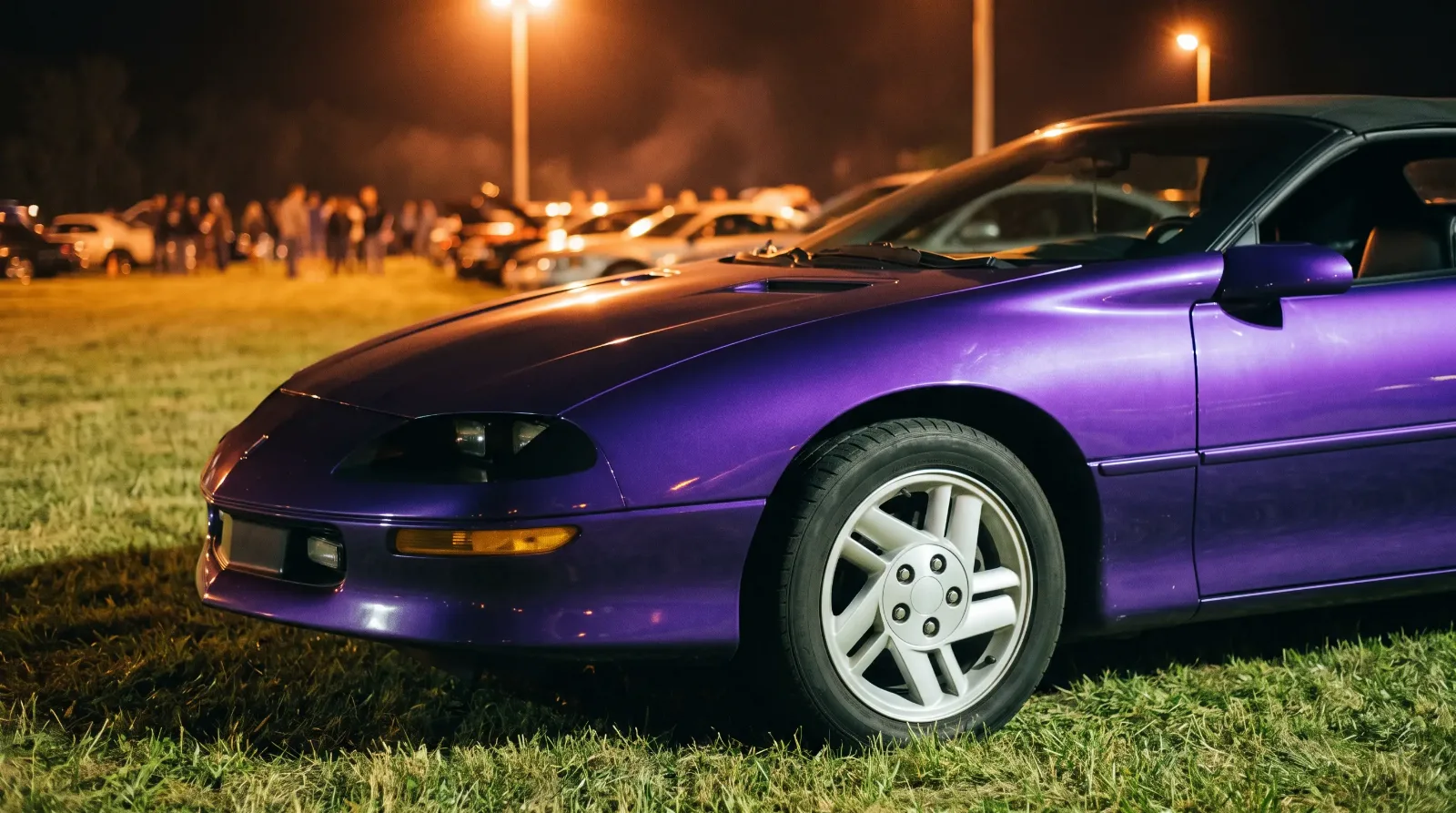
Have a
Chevrolet Camaro
for Sale?
Reach thousands of serious classic car collectors across the US.
Sell It Here →
Selling a classic? Here's how: sell my classic car
Are You a Classic Car Dealer?
List your full inventory and connect with targeted classic car buyers.
Join as a Dealer →

About the author
Marcus Feld
Accredited collector-car appraiser who reads the market through hammer prices, condition tiers and risk.
Related Listings - Chevrolet Camaro




Comments
Be the first to comment on this article.