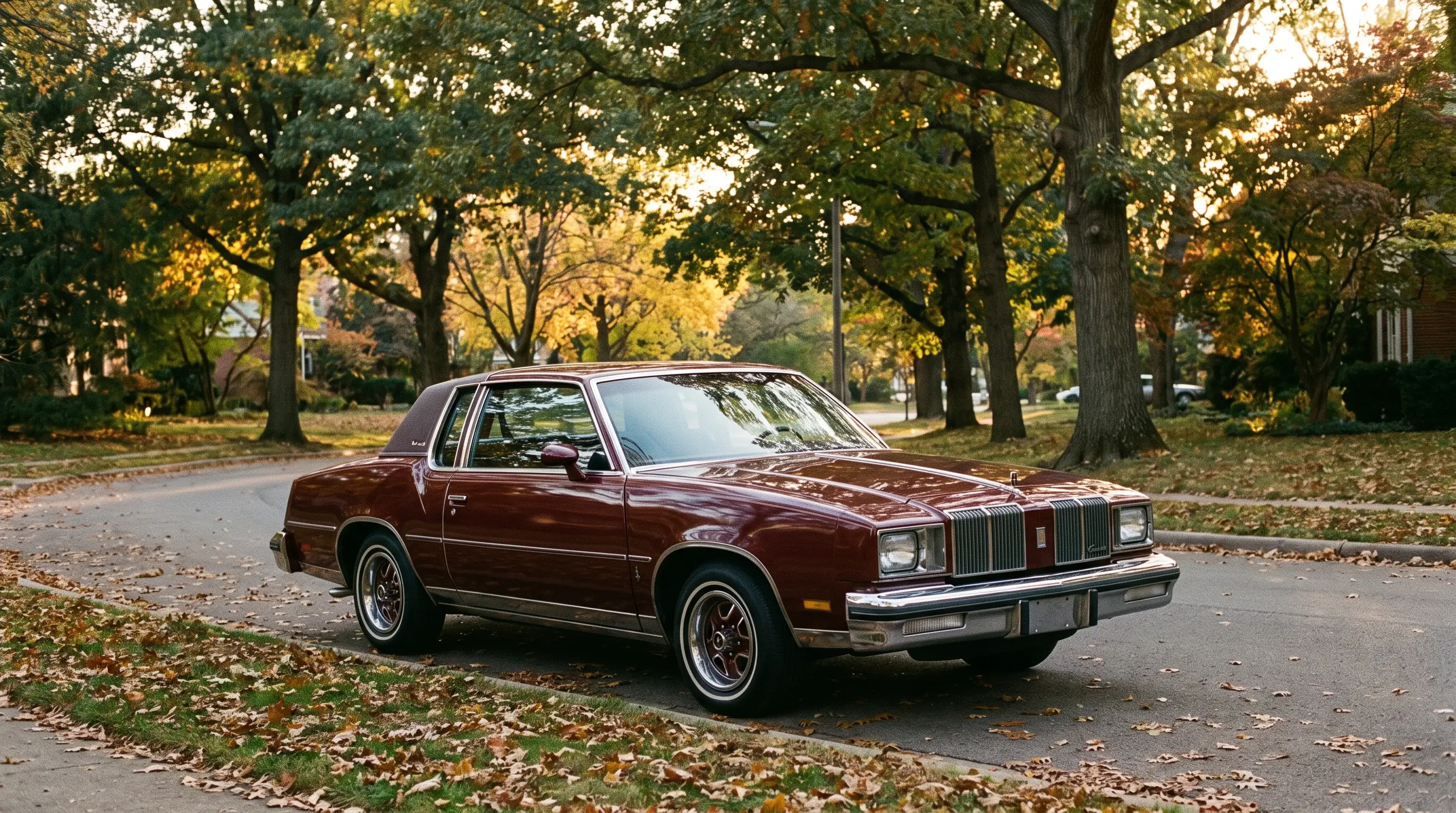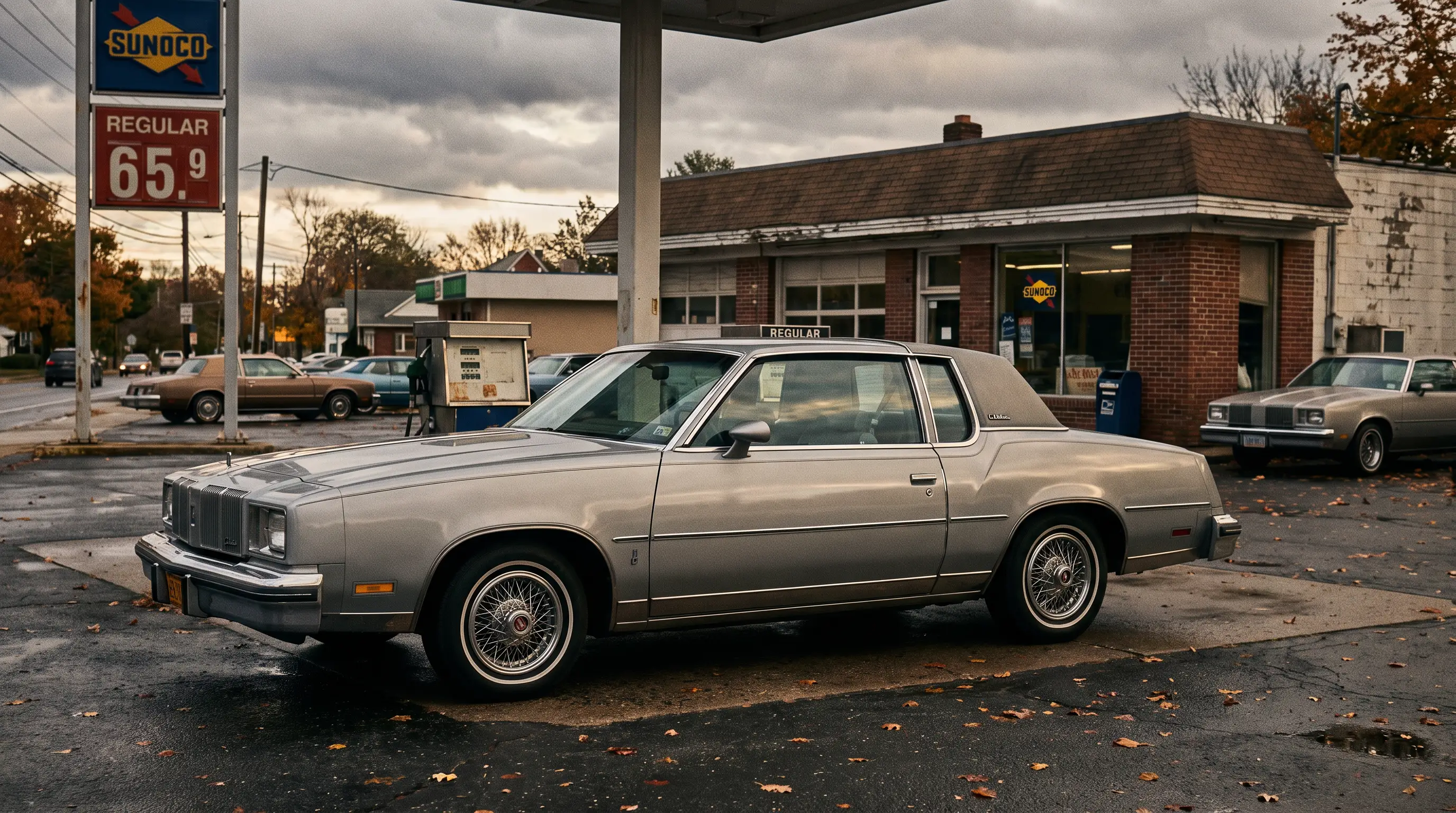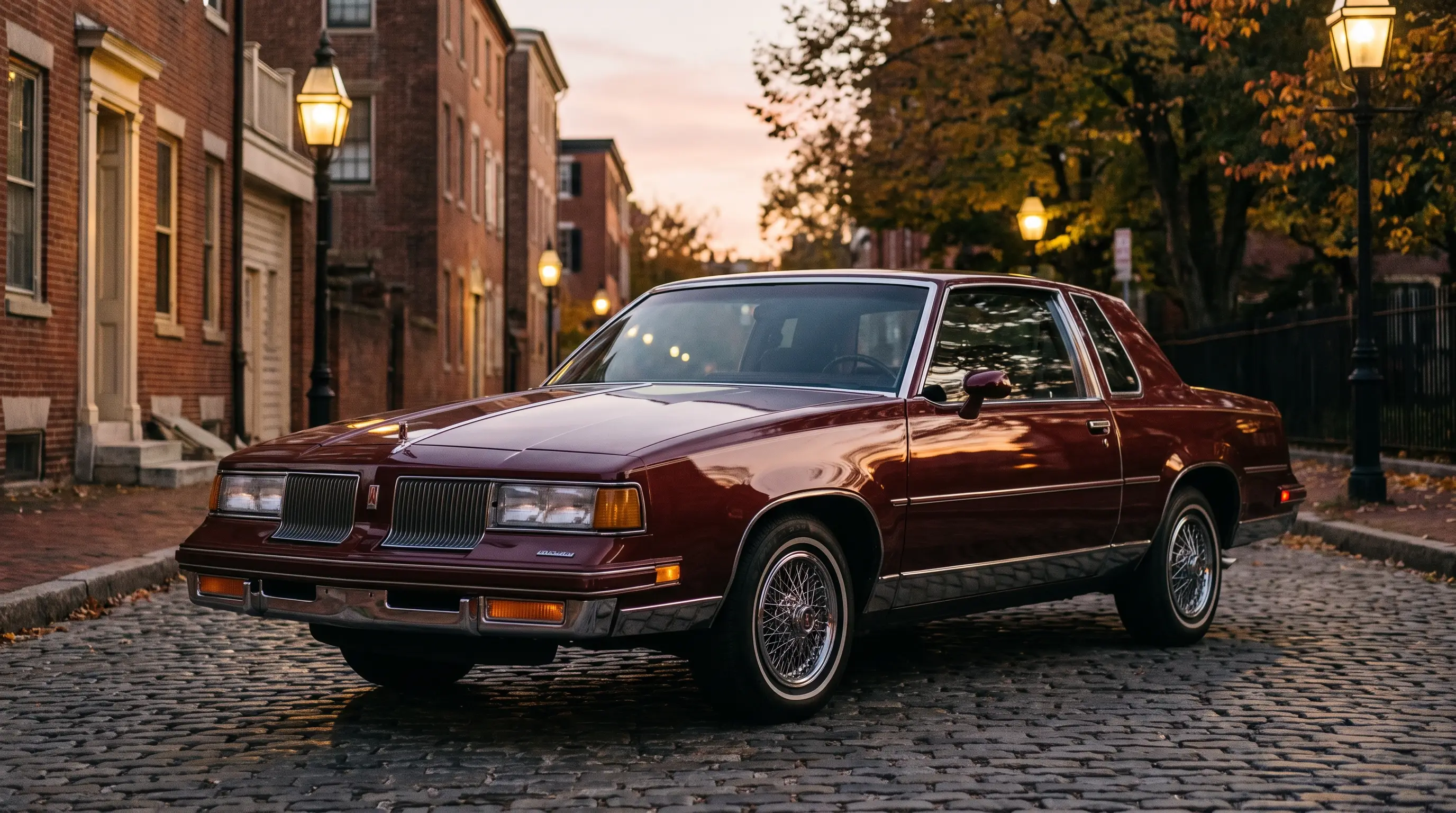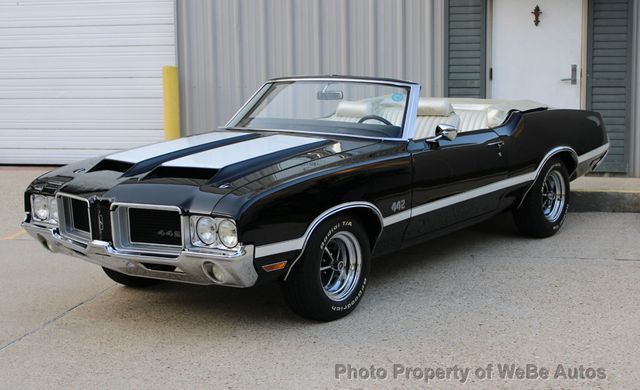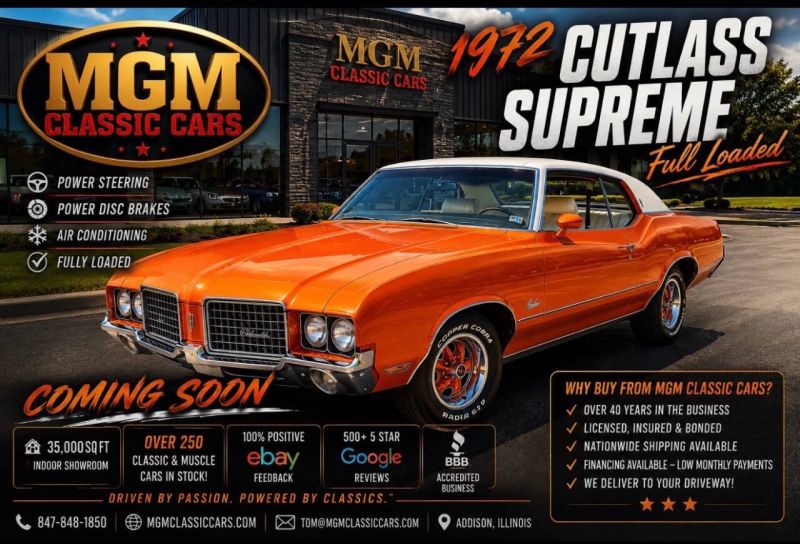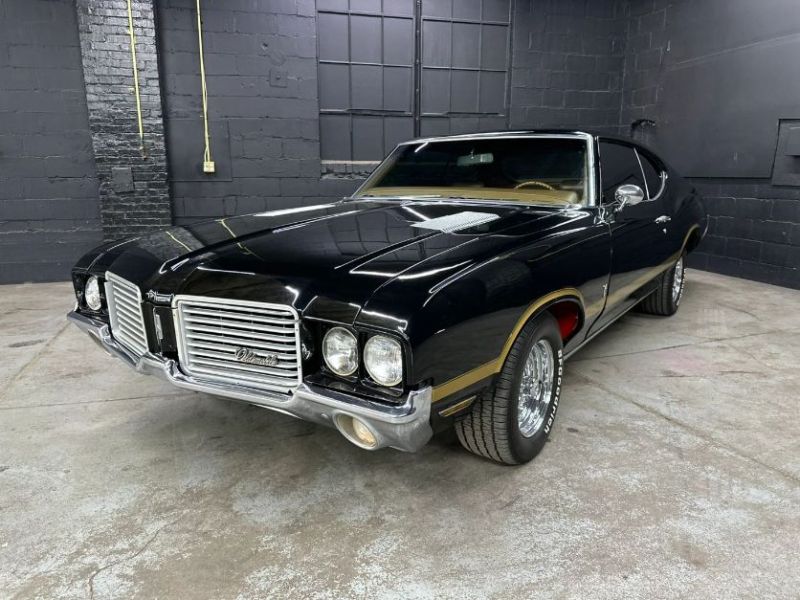
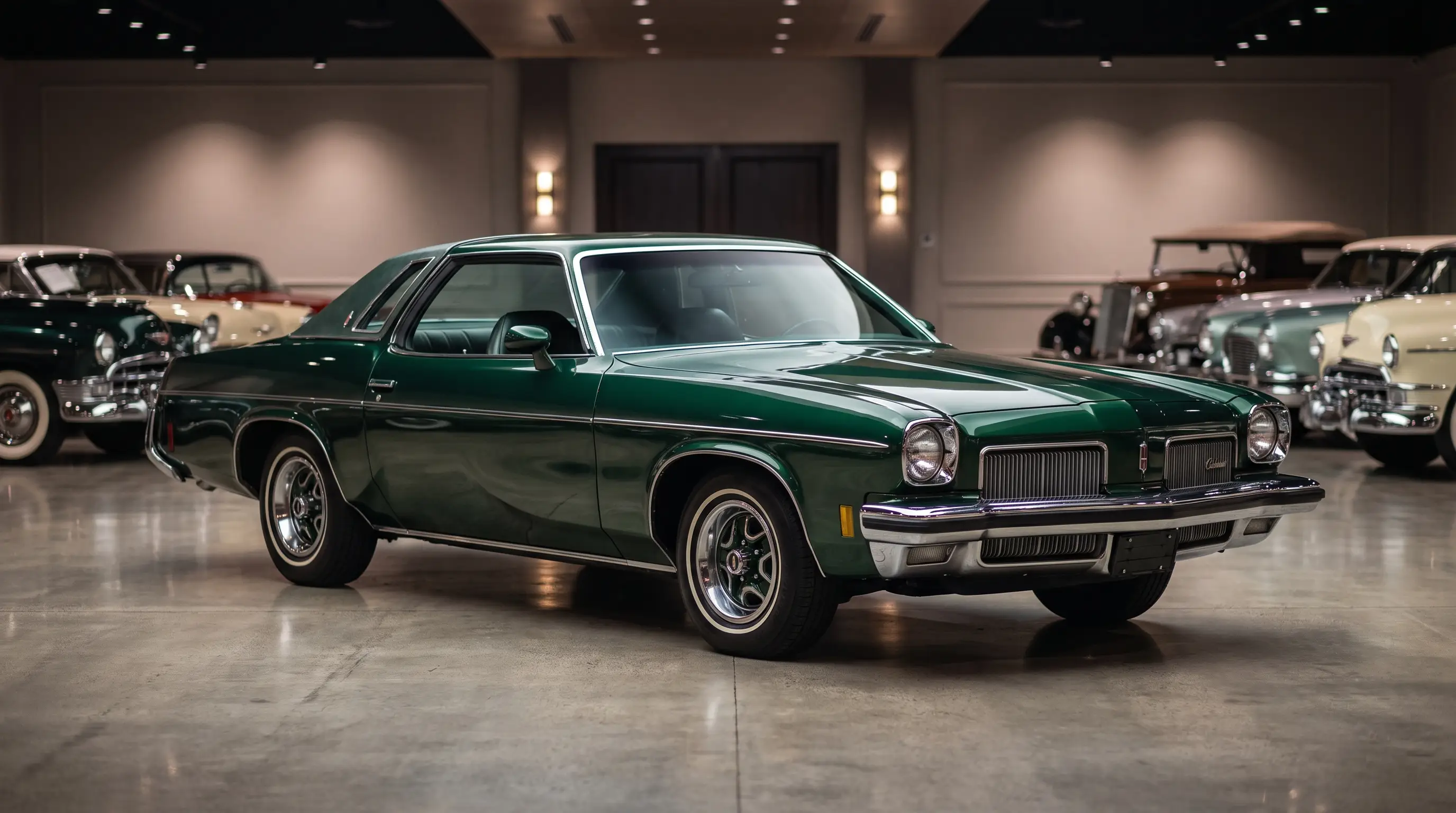
We've watched the G-body Cutlass Supreme go from a car you could find parked behind a shop for parts money to a car that people fly across the country to buy. Anyone who's spent time around the lowrider community, or just around backyard mechanics who grew up with these Oldsmobiles, saw the values start climbing years before the big auction houses caught on. The Cutlass Supreme was never a rare car. Oldsmobile built hundreds of thousands of them through the 1980s. What's changed is who wants one now, and how many of those original cars are actually still around to buy.
Part of what we love about this story is that it isn't just nostalgia from people who owned one new. A huge amount of the demand is coming from a generation that grew up seeing G-body Cutlass Supremes and Buick Regals built up in driveways, at cruise nights, and in music videos, then went looking for the real thing once they had the money to actually buy one. That's a different kind of demand than a typical muscle car market, and it's part of why values on clean G-body Cutlass Supremes have climbed steadily rather than spiking and cooling the way some collector segments do.
The custom culture connection nobody can ignore
You can't talk honestly about G-body Cutlass Supreme values without talking about lowrider culture, because that community has been protecting, restoring, and building on these cars since long before the mainstream collector world paid attention. Hydraulics, wire wheels, and deep candy paint became as much a part of the Cutlass Supreme's identity in certain communities as the factory Brougham trim ever was, and that dedicated ownership base kept a lot of clean, low-mileage examples out of scrap yards during the years when nobody else wanted them. We owe a real debt to those builders and clubs. They're a big reason there are still good, straight G-body cars left to buy today.
That craftsmanship runs both directions too. A tastefully built custom Cutlass Supreme, done right with real skill and patience, commands genuine respect and real money at this point, right alongside a numbers-matching factory original. The two paths, stock preservation and custom building, aren't in competition here. They're both proof of the same underlying truth: people care enough about this car to put serious time and money into it, and that care is exactly what drives values up across the board.
We also see a lot of value in what these cars represent to families who lived through that era. A Cutlass Supreme Brougham might have been a grandparent's daily driver, then sat in a garage for a decade before a grandchild pulled the cover off it and realized what they actually had. Those family-preserved cars, with real documentation and honest miles, are some of the best examples coming to market right now, and they carry a story that a random auction find simply can't match.
Supply is the other half of the equation
Oldsmobile built these cars by the hundreds of thousands, but decades of daily driving, rust, cheap parts prices, and simple neglect thinned the herd hard. A car that cost a few hundred dollars in the 1990s wasn't worth restoring to most owners back then, so plenty of Cutlass Supremes got parted out, crushed, or left to rot rather than saved. The ones that survived in good shape, especially unmolested originals with intact interiors and straight rust-free bodies, are genuinely scarce now, and scarcity plus rising demand is a simple formula that always ends the same way.
Which G-body Cutlass Supremes bring real money
Not every G-body Cutlass Supreme is chasing the same buyer. A documented, low-mileage Hurst/Olds sits in its own category entirely, trading for serious money because it combines factory rarity with genuine performance credibility. A clean, straight Brougham with a strong original interior appeals to a different buyer who wants the formal, comfortable side of the nameplate. And a well-executed custom build, whether that's a mild lowrider or a full show car, taps into yet another market that judges the car on craftsmanship rather than originality.
| Category | What drives the value |
|---|---|
| Factory Hurst/Olds | Documented rarity, performance history |
| Original Brougham coupe | Unmolested interior, straight body, low miles |
| Custom / lowrider build | Quality of craftsmanship, hydraulics, paint work |
| Base coupe, driver quality | Mechanical condition, honest rust history |
"Every time somebody tells me the G-body Cutlass Supreme is 'just an old grandpa car,' I tell them to go find one for sale near them and see what it actually costs now. These cars earned their value the hard way, through decades of people caring about them when nobody else did."
— Hector Morales
Where the market goes from here
We don't think the climb is over, and we don't think it's a bubble either. Bubbles happen when speculation outruns genuine interest, and what we're seeing with G-body Cutlass Supremes is the opposite: a broad, durable base of people who actually use, drive, show, and build these cars, rather than a small group of investors flipping them for a quick profit. That's a healthier foundation for rising values, and it's part of why we expect the trend to keep holding rather than correcting hard the way some speculative collector segments eventually do.
We don't think the climb is over. As the pool of unmolested original G-body Cutlass Supremes keeps shrinking and the buyer base keeps growing across both the traditional collector world and the custom culture community, the math only points one direction. What we'd tell anyone looking to buy right now is simple: buy the straightest, most honest example you can find, whether that's a bone-stock Brougham or a well-built custom, because the days of finding a genuinely clean G-body Cutlass Supreme cheap are already behind us.
None of this happened by accident. It's the direct result of decades of people, from backyard builders to concours-level restorers, refusing to let the cult-classic Cutlass disappear. For another angle on how this platform earned its lasting following, keep reading.