
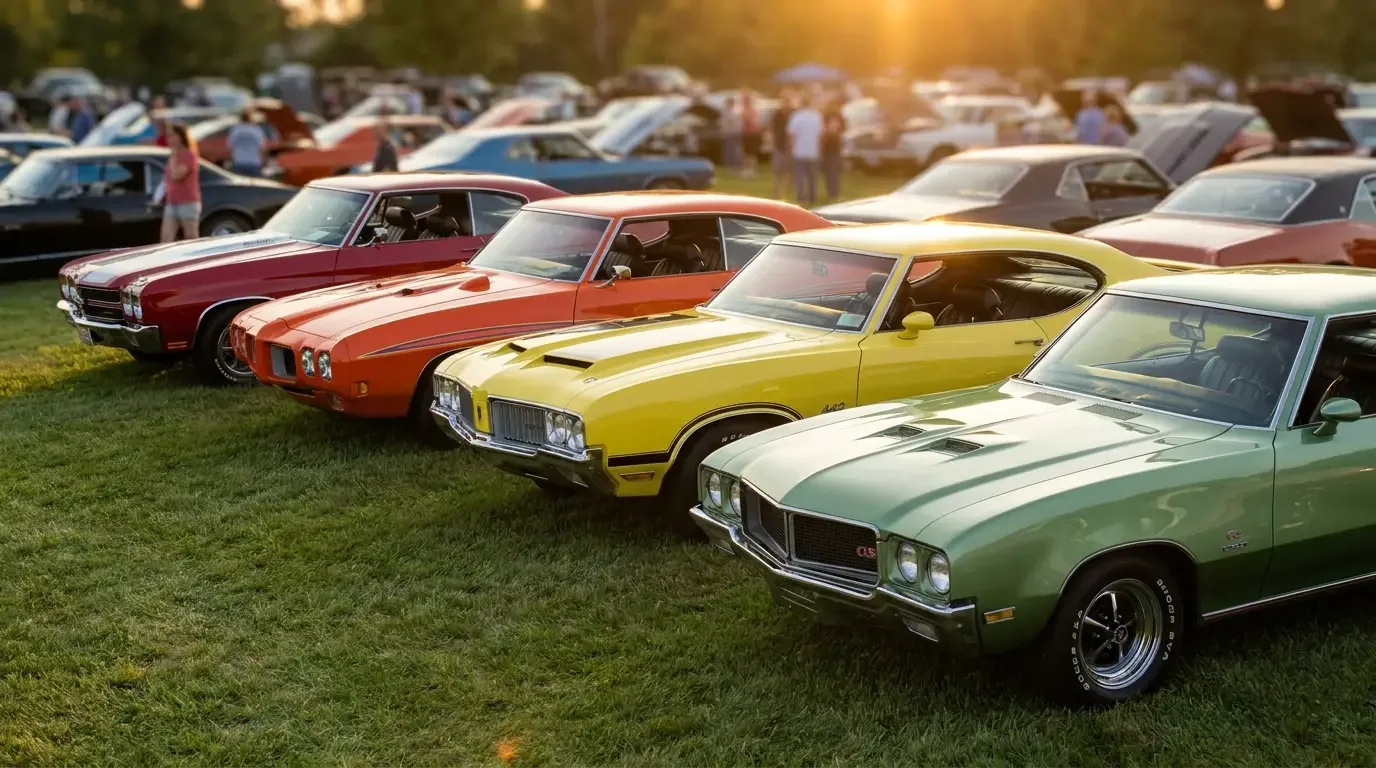
From 1965 through 1969, GM had a rule that kept its intermediate cars, the A-body Chevelle, GTO, 442, and GS, capped at 400 cubic inches. Corporate policy, not an engineering limit. The block castings existed. The bigger engines existed. GM just wouldn't let its own divisions put them in a mid-size car. Then, for 1970, the rule disappeared, and four different GM divisions dropped big-inch engines into their A-bodies within the same model year. That's not a coincidence. That's a company changing its mind on purpose, and the numbers from that one model year still define this segment.
Car Features
7 min read
GM's 400-Cubic-Inch Ban and the SS454 Loophole
How GM's corporate cap on intermediate-car displacement held back the Chevelle, GTO, 442, and GS, until 1970 opened the door to big-inch power.
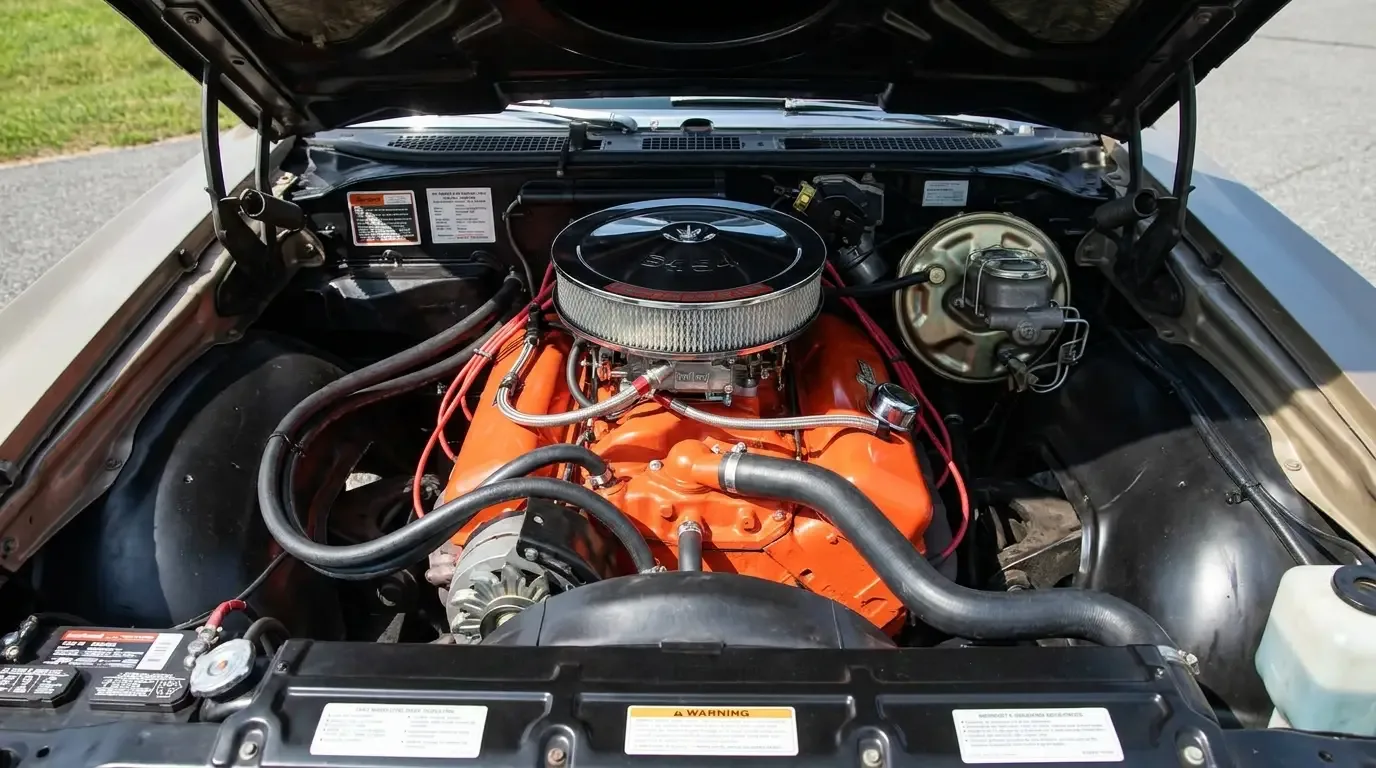
I build engines for a living. I care about what actually made power, not what the rulebook said should be allowed. This is the story of both.
Why the cap existed in the first place
GM's internal policy actually started tighter than 400 cubic inches. In 1963, the corporate edict capped intermediate cars at 330 cubic inches, largely to protect the Corvette's halo status and keep GM's cheaper mid-size cars from stepping on the full-size and sports-car performance hierarchy. Pontiac's John DeLorean and his team found the loophole almost immediately: the rule only governed standard engines, not options. For 1964, Pontiac made the 326 the Tempest's listed engine, then offered the full-size division's 389 as a GTO option package on top of it. Technically legal. Practically, it launched the muscle car era, and the GTO's runaway sales success made the 330-cubic-inch line look foolish almost overnight.
GM's response wasn't to close the loophole tighter. It was to concede the point: for 1965, the corporation raised the intermediate displacement ceiling to 400 cubic inches, which is what let Chevelle, GTO, 442, and GS all field genuine big-block muscle cars for the rest of the decade. That 400-cubic-inch line held through 1969, and it's the ceiling most people mean when they talk about GM's displacement cap, even though the original 1963 number was smaller. Insurance-industry pressure on horsepower was already building in the background by the late 1960s, but the 400-cube figure itself was a product concession to the GTO, not a safety-driven number.
The result: through the late 1960s, Chevelle SS, GTO, 442, and GS buyers were stuck under 400 cubic inches while Chrysler and Ford had no equivalent internal ceiling on their own mid-size performance cars. Mopar's 440 and Ford's 429 were already in showrooms. GM's own divisions were playing with one hand behind their back, and every engine builder in Detroit knew it.
1970: the rule goes away
For the 1970 model year, GM lifted the cap. Four divisions moved fast. Chevrolet dropped the LS5 and LS6 454 into the Chevelle SS. Buick put the Stage 1 455 into the GSX. Oldsmobile built the 442 W-30 around a 455. Pontiac put a 455 into the GTO lineup as well, alongside the existing Ram Air engines. One policy change, four big-inch engines hitting showrooms in the same twelve months. That's not gradual product development. That's four teams that had engines ready to go the moment corporate said yes.
The number that actually matters here: the LS6 454 carried a factory rating of 450 horsepower, the highest factory horsepower rating GM put on a production engine up to that point. Whether every LS6 actually made 450 at the flywheel is a different question than what the factory printed, some estimates put real output closer to 500, and dyno results on restored LS6 cars have shown real variance depending on tune, exhaust, and how conservative the factory rating actually was to begin with.
The full arc of this fight is covered in the full muscle-war story, and the 1970 rule change is the single biggest turning point in that whole timeline.
What the loophole actually meant on the street
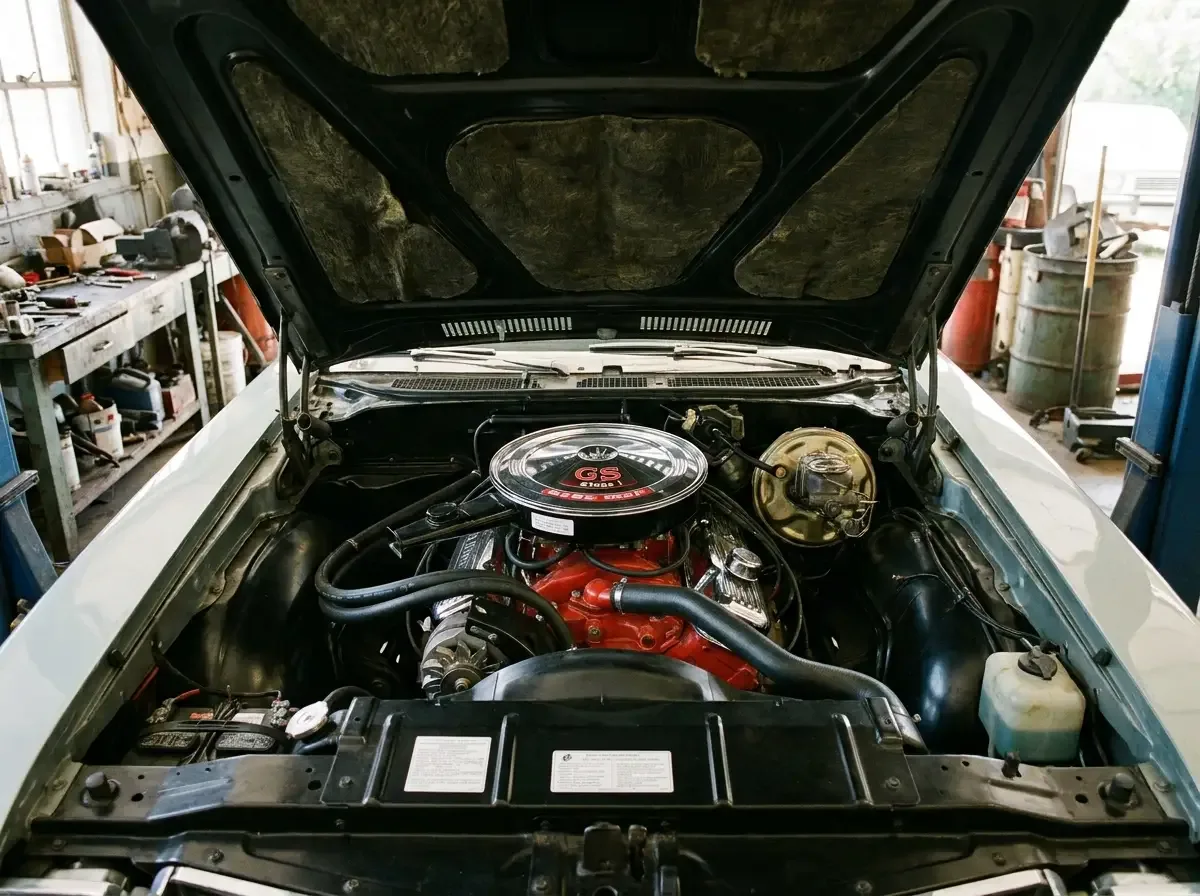
Here's the part that matters if you're the guy actually building or buying one of these cars. The 1970 big-inch engines weren't just bigger numbers on paper. The LS6 454 with its solid-lifter cam and 800 cfm Holley made real torque low in the RPM range, the kind that moves a 3,800-pound car off the line without needing a lot of RPM to get there. That's a different driving experience than the 396 it replaced. More cubic inches at moderate compression beats fewer cubic inches spun harder, in terms of what a street car actually feels like to drive.
Buick's Stage 1 455 told a similar story, big torque number, factory rated at 510 lb-ft at just 2,800 rpm, more than anything else GM built that year including the LS6. The horsepower numbers get the headlines. The torque numbers are what actually launched these cars.
| Division | 1970 big-inch engine | Displacement | Factory hp rating |
|---|---|---|---|
| Chevrolet | LS6 454 | 454 cu in | 450 hp |
| Buick | Stage 1 455 | 455 cu in | 360 hp |
| Oldsmobile | W-30 455 | 455 cu in | 370 hp |
| Pontiac | 455 H.O. | 455 cu in | 360 hp |
Why the window closed almost immediately
The same forces GM had been trying to avoid by keeping the cap in place through the 1960s caught up with the entire industry within a couple years anyway. Insurance surcharges on high-performance cars kept climbing. Tightening emissions standards started forcing compression ratios down across every manufacturer's lineup starting with the 1971 model year. By 1972, GM's own big-inch A-body engines were making noticeably less power than their 1970 counterparts, not because the engineering got worse, but because the regulatory and insurance environment made the 1970 numbers impossible to sustain. The loophole that opened in 1970 was already closing by the time most buyers had finished their first oil change.
That's the real lesson in these numbers. GM held the line on displacement for years, then opened the door for exactly one full model year of unrestricted big-inch performance before outside pressure shut it again from a different direction. If you want the deeper background on how this fits into the Chevelle's complete history, the SS454 sits right at the peak of that curve.
"Everybody talks about the horsepower rating on that LS6 like it's the whole story. The number that actually matters is the torque curve. That's what moves a heavy car off the line, and that's what four different GM divisions all figured out the same year, right after they were finally allowed to build it."
Dan Reeves
One model year, four answers
What makes 1970 worth studying isn't just the horsepower figures, it's how fast four separate GM divisions moved once the corporate restriction lifted. That's not a coincidence of timing. That's proof the engineering had been sitting ready for years, waiting on a policy decision that had nothing to do with what the engines could actually do. The moment the rule changed, GM stopped holding itself back and let its own divisions compete against the cars Chrysler and Ford had already been selling for years.
For how this whole story eventually got settled on the track and at the dealership, next: The A-Body Muscle War covers the verdict.
Sources and notes
- Displacement unleashed: 1970 brought several flavors of GM 455 - Hagerty Media
- The GTO Origin Story - Hagerty Media
- The Ultimate Muscle Car - The 1970 LS6 Chevelle - Heacock Classic
- 1970 Buick GSX Stage 1 455: Ten Things To Know - GM Powerhouses
- The Oldsmobile 442 Had A More Powerful V8 Than The Company Claimed - CarBuzz
- Rare Muscle: 1970 Pontiac GTO 455 H.O. - Barn Finds
Related Reading
Have a
Chevrolet Chevelle
for Sale?
Reach thousands of serious classic car collectors across the US.
Sell It Here →
Are You a Classic Car Dealer?
List your full inventory and connect with targeted classic car buyers.
Join as a Dealer →

About the author
Dan Reeves
Performance engine builder from North Carolina's motorsports corridor, focused on swaps, forced induction and making real, repeatable power.
Related Listings - Chevrolet Chevelle

Comments
Be the first to comment on this article.