
Park a Chevelle SS, a GTO, a 442 and a GS side by side at a show today and you will hear the same argument that has been running since 1966, usually started by four different owners who all think they already won it. I have covered enough of these shows to know the debate never actually resolves. Everybody has a number that proves their case, and everybody ignores the numbers that do not.
Car Features
6 min read
The A-Body Muscle War: Which Car Actually Won
Chevelle SS, GTO, 442 and GS: sales, performance and today's market decide who really won the A-body muscle war.
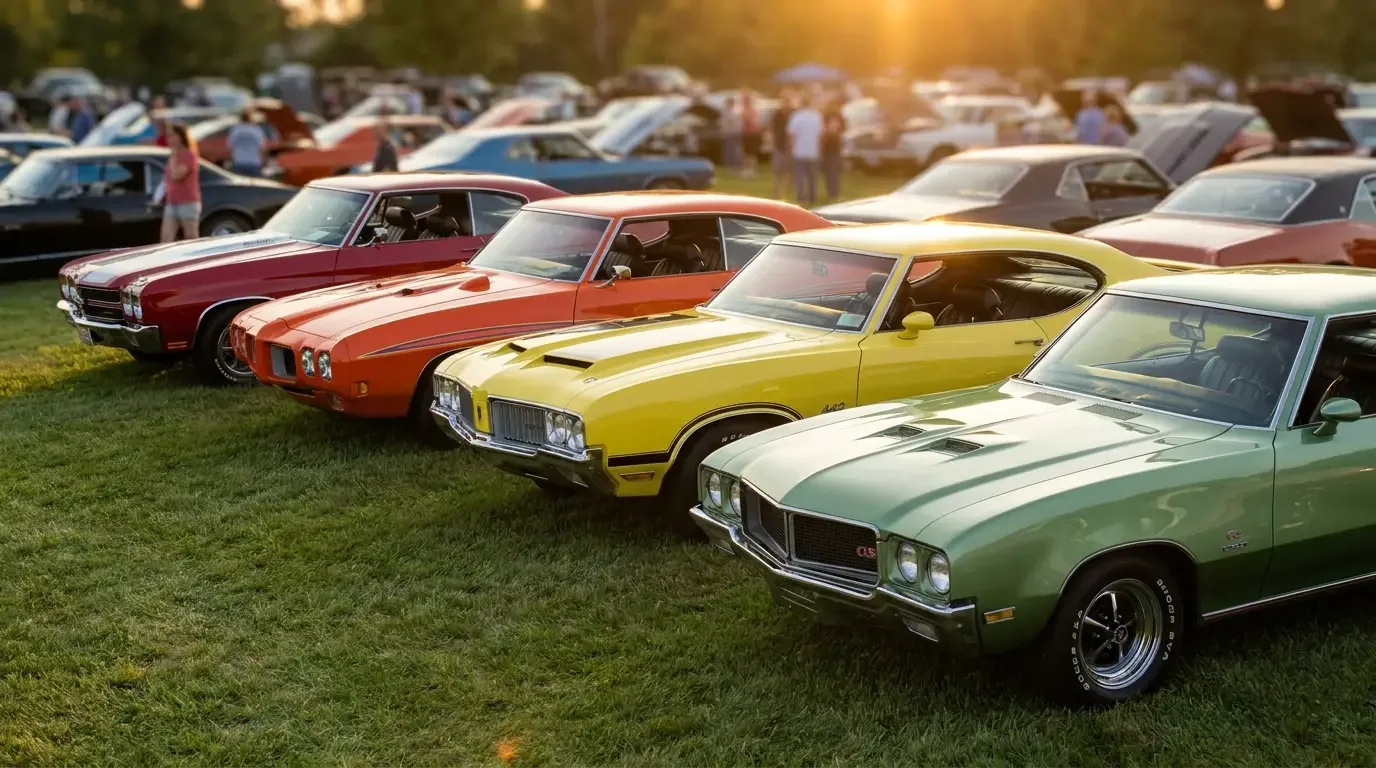
So here is an attempt at an honest answer to the A-body muscle war, looking at what each of these cars actually did, not just what their fans say they did.
Four cars, one argument, no referee
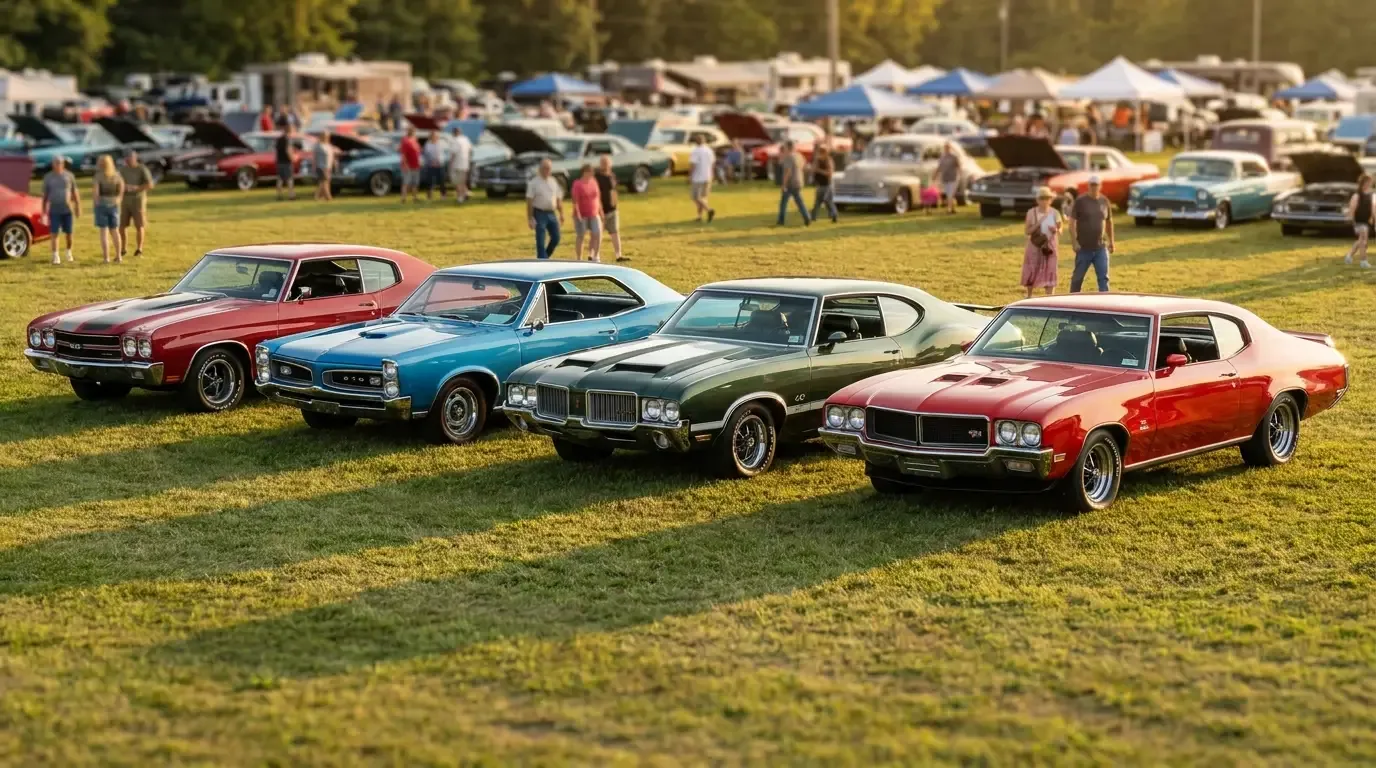
The Pontiac GTO started it in 1964, technically before the true A-body war even began, by stuffing a big engine into a mid-size car and giving Detroit a new category to fight over. Oldsmobile answered with the 442 in the same window. Buick came in with the Gran Sport a season later, and Chevrolet, characteristically late but backed by the largest dealer network in the country, brought the Chevelle SS 396 in 1965 and then widened the gap with the SS 454 in 1970.
Each division had a different reason to be there. Pontiac needed an image. Oldsmobile needed to shake its reputation as the car your dentist drove. Buick needed anything that wasn't a Roadmaster. Chevrolet needed volume, and got it, because Chevrolet always got it.
If winning means sales, it is not close
Chevrolet built and sold more SS-badged Chevelles between 1964 and 1972, nearly a million of them, than Pontiac sold GTOs across its entire run, and by a wide margin over what Oldsmobile moved in 442s or Buick moved in GS models individually. Stack the GTO, 442 and GS totals together and the combined number closes in on the Chevelle SS figure, but Chevrolet still comes out ahead, and it did it while also outselling every one of the three on its own. Chevrolet dealers were everywhere, the base car was cheap to option up, and the SS package could be had on a car a young buyer's father would actually co-sign for. That is not a small factor. A GTO carried a performance-first, higher-insurance reputation from day one. The Chevelle SS could hide in plain sight as a family sedan with a big engine underneath, and a lot of buyers used exactly that cover story.
The GTO still gets credit, correctly, for opening the category. But credit for starting something and credit for winning it are two different trophies, and on raw volume, Chevrolet took the second one.
If winning means performance, the argument gets louder
On paper, the biggest-engine Chevelle, the SS 454 with the LS6 option, out-muscled the field once it arrived for 1970, with a factory rating of 450 horsepower at 5,600 rpm and 500 lb-ft of torque. The 442 W-30 and the GS Stage 1 both had passionate, credible arguments for being the best all-around street car of the group, especially the Stage 1, which built its reputation on real-world torque rather than a magazine dyno number, its 455 rated at 510 lb-ft against a comparatively modest 360-horsepower headline figure that nobody who drove one believed. The GTO Judge and Ram Air IV cars had the styling and the marketing behind them, even when the numbers on the sheet did not always back up the reputation.
None of this settles cleanly, because "fastest" depends on which magazine test you trust, which rear gear was in the car that day, and whether the car on the track was actually as stock as the factory sheet claimed. Anyone who tells you they have the definitive quarter-mile ranking across all four cars is telling you they have a favorite, not a fact.
| Car | Signature engine | Reputation strength |
|---|---|---|
| Chevelle SS 454 LS6 | 454 cubic inch big block | Sales volume, straight-line muscle |
| Pontiac GTO Judge | Ram Air III/IV 400 | Category creator, marketing icon |
| Oldsmobile 442 W-30 | 455 cubic inch big block | Balanced handling, underrated street car |
| Buick GS Stage 1 | 455 cubic inch Stage 1 | Torque, sleeper reputation |
What the survivor market says now
Fifty-plus years later, the collector market has its own opinion, and it does not fully match either the sales chart or the dragstrip. GTO Judges and LS6 Chevelles both command serious money at auction, while GS Stage 1 cars, long undervalued because Buick's image never carried the same swagger, have crept up hard in the last decade as buyers finally noticed the torque numbers were real. The 442, ironically the most well-rounded car of the four for someone who wanted to drive it every day, still trades for less than its performance would suggest, mostly because Oldsmobile's overall brand pull faded faster than the other three.
Rarity plays into this more than raw performance does now. A documented, numbers-matching Stage 1 GSX is scarcer than a GTO Judge, and that scarcity has started to move the needle on price in a way it never moved the needle in period.
"Ask four owners which car won and you'll get four different answers and four different definitions of the word won. That's not a dodge, that's the honest answer. Chevrolet won the showroom. Pontiac won the moment. Oldsmobile won the daily-driver argument nobody wanted to have. And Buick is still winning the argument it started too quietly to get credit for at the time."
Patrick Walsh
So who actually won
If the question is which car moved the most units and built the category into something permanent, the Chevelle SS wins, decisively, on Chevrolet's dealer reach and price accessibility alone. If the question is which car deserves credit for the whole thing existing, the GTO wins, because none of the other three get built without Pontiac forcing GM's hand first. If the question is which car is the best all-around machine to actually own and drive today, that argument still belongs to whoever is standing closest to their own car at the show, and probably always will.
What is not in dispute is that this four-way fight, argued out on Woodward Avenue and in dealer showrooms across the country, is the reason the A-body muscle car exists as a category people still care about. You can go shop the survivors today and feel exactly why the argument never really ended, because these cars still deliver on the promise that started it.
The story does not stop with a verdict on which car won. It stops when the entire fight got shut down by forces none of these divisions controlled, which is where the story goes next: 1972.
Sources and notes
- Pontiac GTO, production figures by year, 1964-1974
- Chevrolet Chevelle: SS production history and LS6 figures
- Buick Gran Sport: Stage 1 output and torque rating
- Hagerty: definitive 1968-72 Chevelle SS buyer's guide
- GM Powerhouses: 1970 Buick GSX Stage 1 455, ten things to know
- Old Car Memories: 1970 Oldsmobile 442 W-30 rating and real-world output
Related Reading
Have a
Chevrolet Chevelle
for Sale?
Reach thousands of serious classic car collectors across the US.
Sell It Here →
Are You a Classic Car Dealer?
List your full inventory and connect with targeted classic car buyers.
Join as a Dealer →

About the author
Patrick Walsh
Automotive journalist covering classic car shows, events, and the enthusiast community across North America.
Related Listings - Chevrolet Chevelle
Comments
Be the first to comment on this article.