
Of all the option boxes you could check on a mid-60s GTO order form, the hood-mounted tachometer is the one that makes the least practical sense and the most emotional sense. Mounting a gauge on the hood, in the driver's direct sightline over the steering wheel, sounds like something a hot rodder would bolt on in a garage, not something a factory would engineer, test, and warranty. Pontiac did it anyway, and it's one of my favorite pieces of period GTO engineering to actually work on.
Car Features
6 min read
The Hood-Mounted Tach: Pontiac's Coolest Gimmick Explained
A gauge mounted right on the hood sounds like a garage hack, not a factory option. Pontiac built it anyway, and it's still a headache to keep alive.
Why put a gauge on the hood at all
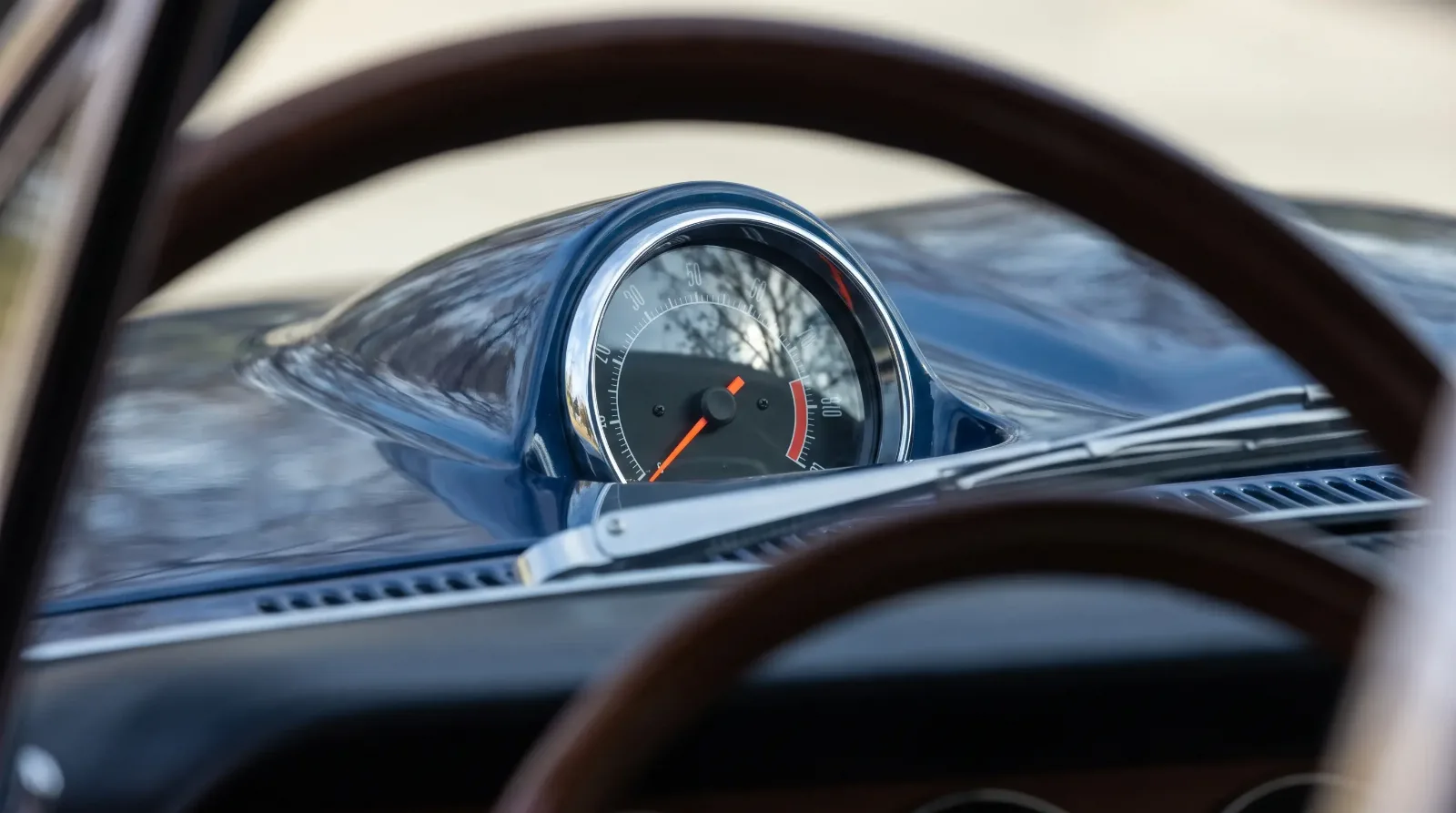
The pitch behind the hood tach was simple: keep the driver's eyes closer to the road. A conventional dash-mounted tachometer requires a glance down and to the side, a small but real distraction at speed. Pontiac's engineers reasoned that mounting the tach on the hood, directly ahead of the driver's normal line of sight, let a driver watch engine rpm with only the smallest eye movement away from the road ahead, almost like a modern heads-up display decades before that technology existed in production cars.
It was introduced as a factory option starting with the 1967 model year, and Pontiac kept refining the concept in the years that followed. The unit sat inside a clear plastic lens set into the hood itself, illuminated for night driving, with a needle sweep visible through the hood surface from the driver's seat.
How the mechanism actually works
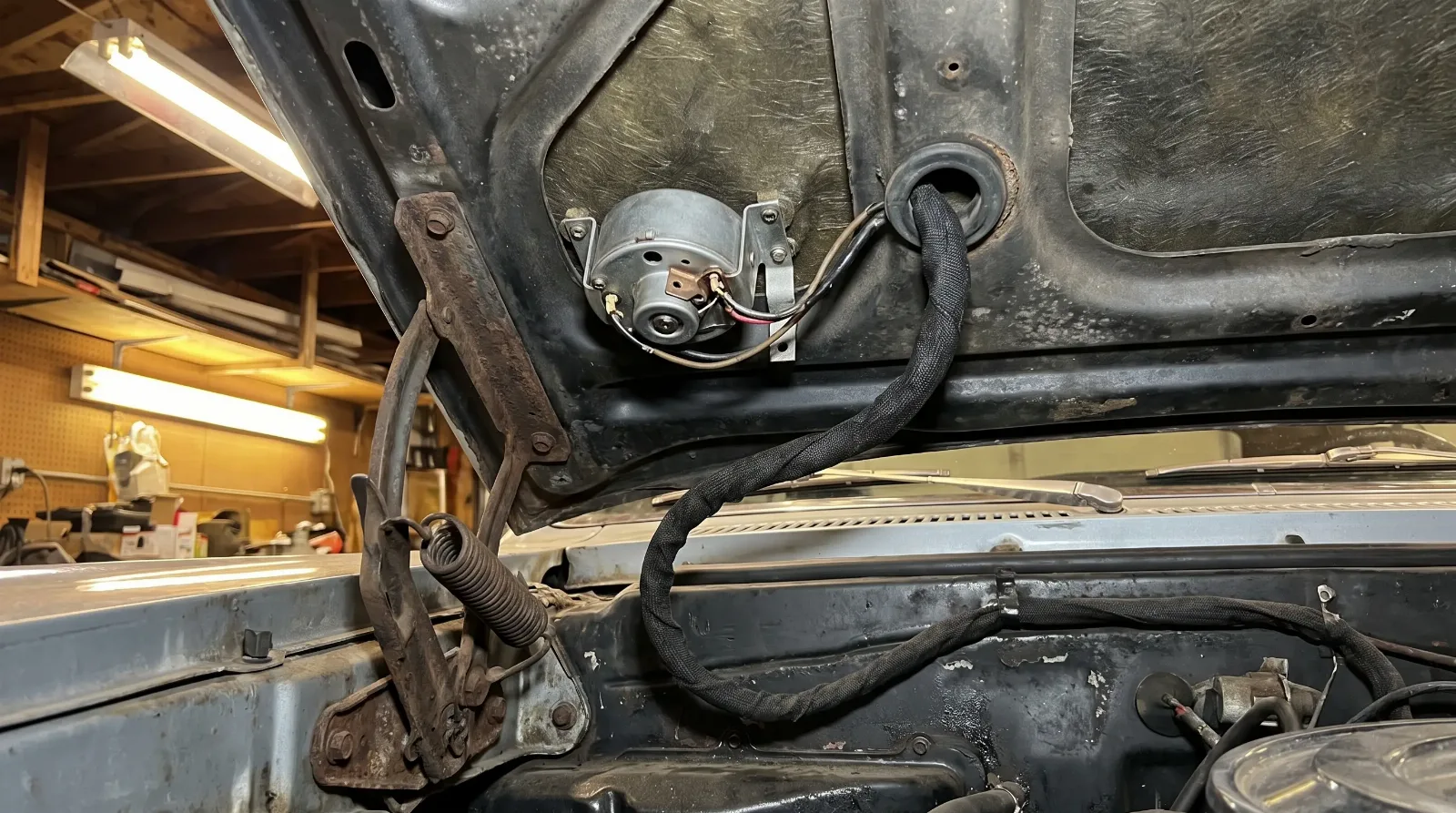
Underneath the lens, the hood tach isn't fundamentally different from a dash-mounted unit in terms of how it reads rpm, it's an electrical tachometer wired into the ignition system the same way any period gauge would be. What's different is the housing and the mounting. The whole assembly is built to survive being bolted to a moving panel that opens and closes, sees direct sun and rain, and flexes slightly every time the hood is slammed shut. Pontiac's engineers had to design a wiring path flexible enough to handle that motion for years without failing, routed through a grommet at the hinge point down to the firewall.
The needle and internal mechanism sit in a small housing recessed into the hood's underside, with the clear lens forming the visible face a driver actually sees. Night illumination came from a small bulb wired into the dash lighting circuit, so the gauge lit up along with the rest of the instrument cluster rather than needing a separate switch. It's a genuinely clever piece of packaging for the era, even if living with it long-term reveals exactly why most manufacturers never chased the idea seriously again.
What it's actually like to own one
Here's the part the brochures don't tell you: living with a hood tach is a genuine commitment. The unit is exposed to sun, weather, and road debris in a way a dash gauge never is, and the plastic lens yellows and clouds with age and UV exposure. Wiring runs from the hood down to the firewall through a flexible conduit that has to survive the hood opening and closing thousands of times over a car's life without chafing through. When these units fail, and many eventually do, sourcing a correct replacement lens and mechanism isn't as simple as ordering a common dash gauge.
On a car I worked on with a numbers-matching hood tach, the biggest issue wasn't the gauge itself, it was the mounting grommets and hood-to-tach seal drying out and letting water intrude underneath. If you're buying a GTO with this option, check that seal and check that the needle sweeps smoothly through its full range before you assume the whole assembly is healthy.
Reproduction lenses and mechanisms exist now, and they've gotten better over the years, but a numbers-matching original unit still commands a real premium among buyers chasing full factory-correct restorations. If you're doing a resto on a hood tach car, decide early whether you're chasing originality or reliability, because those two goals pull in slightly different directions with this particular option.
🔧 Inspection Priorities
- Lens clarity and cracking. Sun exposure clouds and crazes the plastic lens over decades. A hazy lens usually means a full replacement, and correct reproduction units aren't cheap.
- Wiring conduit at the hood hinge. Repeated hood opening flexes this wiring run. Chafed insulation here can cause intermittent tach readings or a dead gauge.
- Mounting seal condition. A dried-out or missing seal lets water into the hood cavity around the tach housing, which can lead to corrosion you won't see until you pull the unit.
"I love this option because it tells you exactly what kind of company Pontiac was in this era. Nobody needed a hood tach. They built it because it looked incredible and made the car feel like a race car you drove to work, and that's a pretty good summary of the GTO's whole personality."
Mike Sullivan
How it compares to a dash-mounted swap
Plenty of GTO owners over the decades have debated whether it's worth converting a hood tach car back to a standard dash unit for reliability's sake, and I generally talk people out of it if the car is otherwise numbers-matching. You lose real collector value pulling a factory hood tach and its wiring out permanently, even if the daily driving experience improves slightly. If reliability is the actual goal, rebuilding the original unit with fresh seals and a new lens gets you most of the way there without touching the car's factory-correct status.
For buyers cross-shopping a hood tach car against an otherwise identical GTO without the option, the hood tach usually adds real money to the asking price, assuming the unit is functional and the lens is clear. A clouded, non-functional hood tach on a car for sale is a negotiating point, not a bonus, since the repair isn't cheap and the parts aren't as plentiful as common dash gauges. Ask any seller directly whether the unit sweeps and lights up before you factor its presence into your offer.
A gimmick that became a signature
Calling it a gimmick isn't an insult. It's exactly what Pontiac intended it to be, a piece of showmanship layered onto the mid-60s GTO that had real function behind the flash. Decades later, a correct, working hood tach is one of the details serious GTO buyers specifically hunt for, and its rarity on surviving cars only adds to that appeal, since so many original units got swapped out or simply gave up over sixty years of sun and vibration.
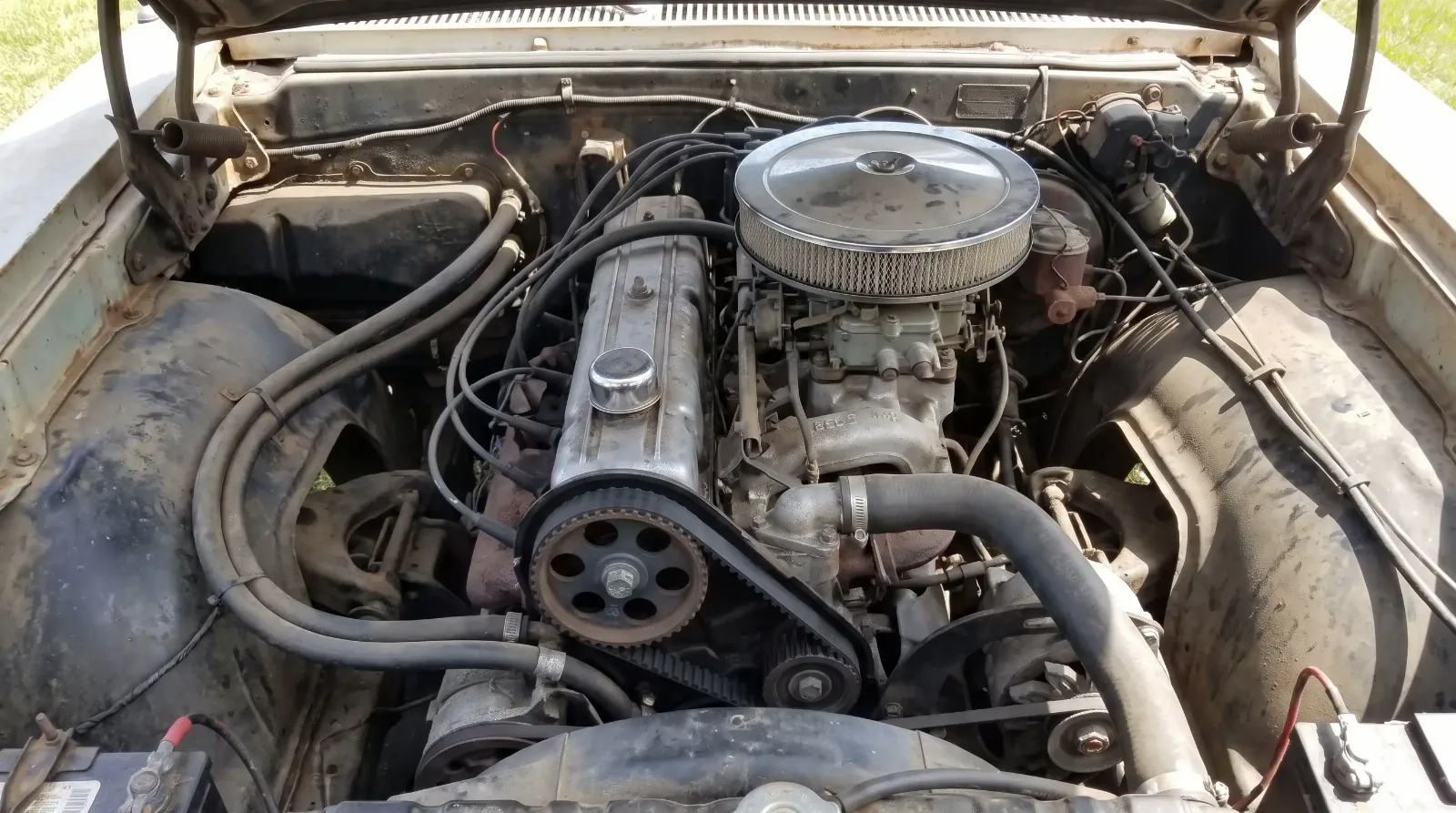
Pontiac wasn't shy about unconventional engineering ideas in this era generally, and one of the stranger threads running alongside the V8-powered GTO was an entirely different engine philosophy the division was experimenting with at the same time. Read on for how Pontiac's overhead-cam six compares to the GTO's V8 approach.
Sources and notes
Related Reading

Have a
Pontiac GTO
for Sale?
Reach thousands of serious classic car collectors across the US.
Sell It Here →
Are You a Classic Car Dealer?
List your full inventory and connect with targeted classic car buyers.
Join as a Dealer →
#classic muscle car
#gto hood tachometer
#pontiac gto options
#gto inspection tips
#classic gto gauges
#pontiac gto restoration

About the author
Mike Sullivan
Detroit-area muscle car enthusiast and restoration specialist with three decades of hands-on experience working on American iron.
Related Listings - Pontiac GTO




Comments
Be the first to comment on this article.