
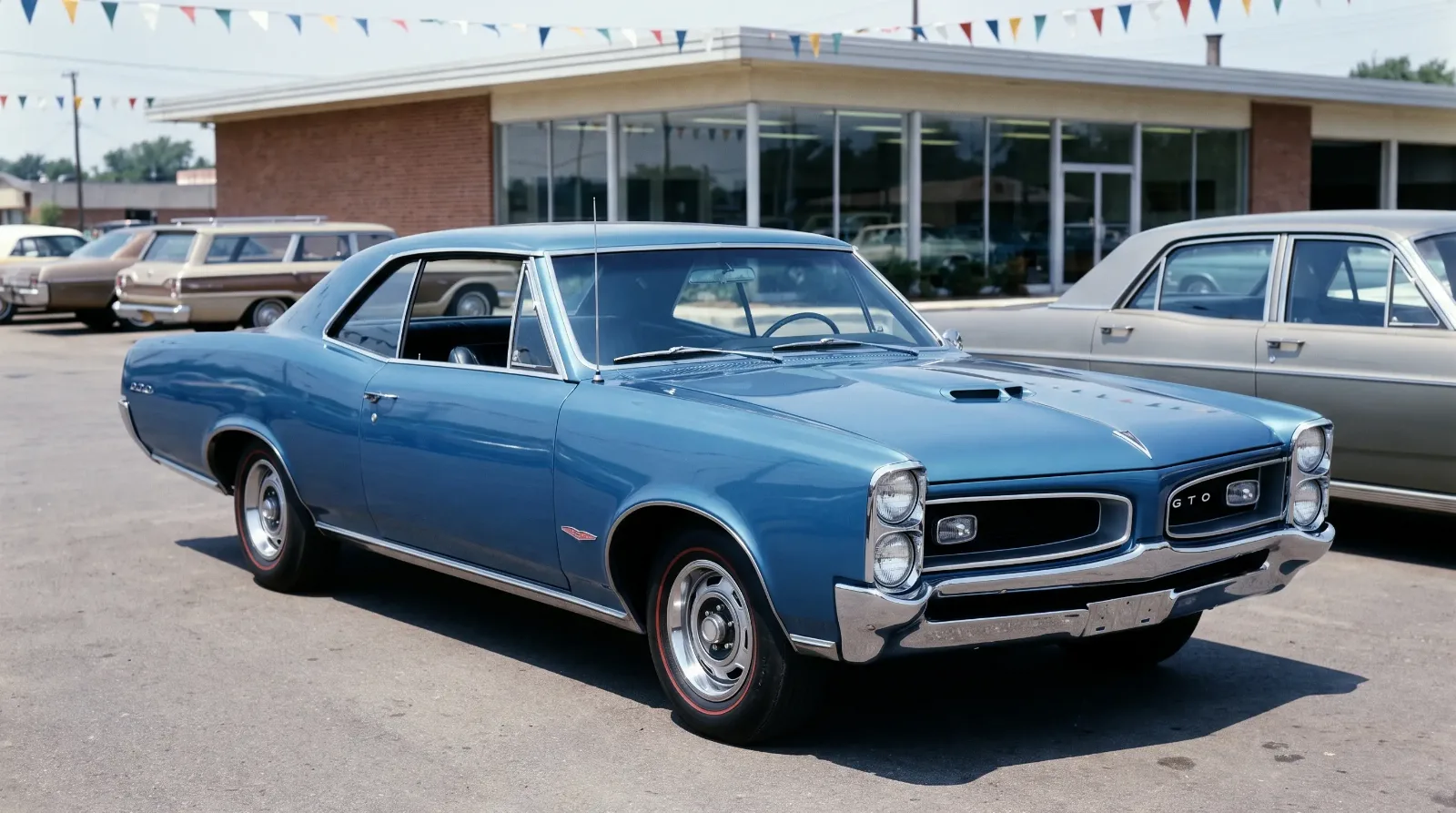
By the 1966 model year the GTO had earned something it did not have at launch: a line of its own in the Pontiac catalog. For 1964 and 1965 the GTO was an option package layered onto the LeMans. For 1966 Pontiac promoted it to a distinct series. That change in the paperwork matters more than it sounds, because it marks the moment the division stopped treating the car as a clever loophole and started treating it as a franchise. It also lines up with the restyle that gave these years their nickname, the Coke-bottle body.
Car Features
10 min read
1966-1967 Pontiac GTO: The Coke-Bottle Years That Made It a Bestseller
The 1966-1967 Pontiac GTO became a standalone model, got the Coke-bottle body, and moved from the 389 to the 400 as sales hit their peak.
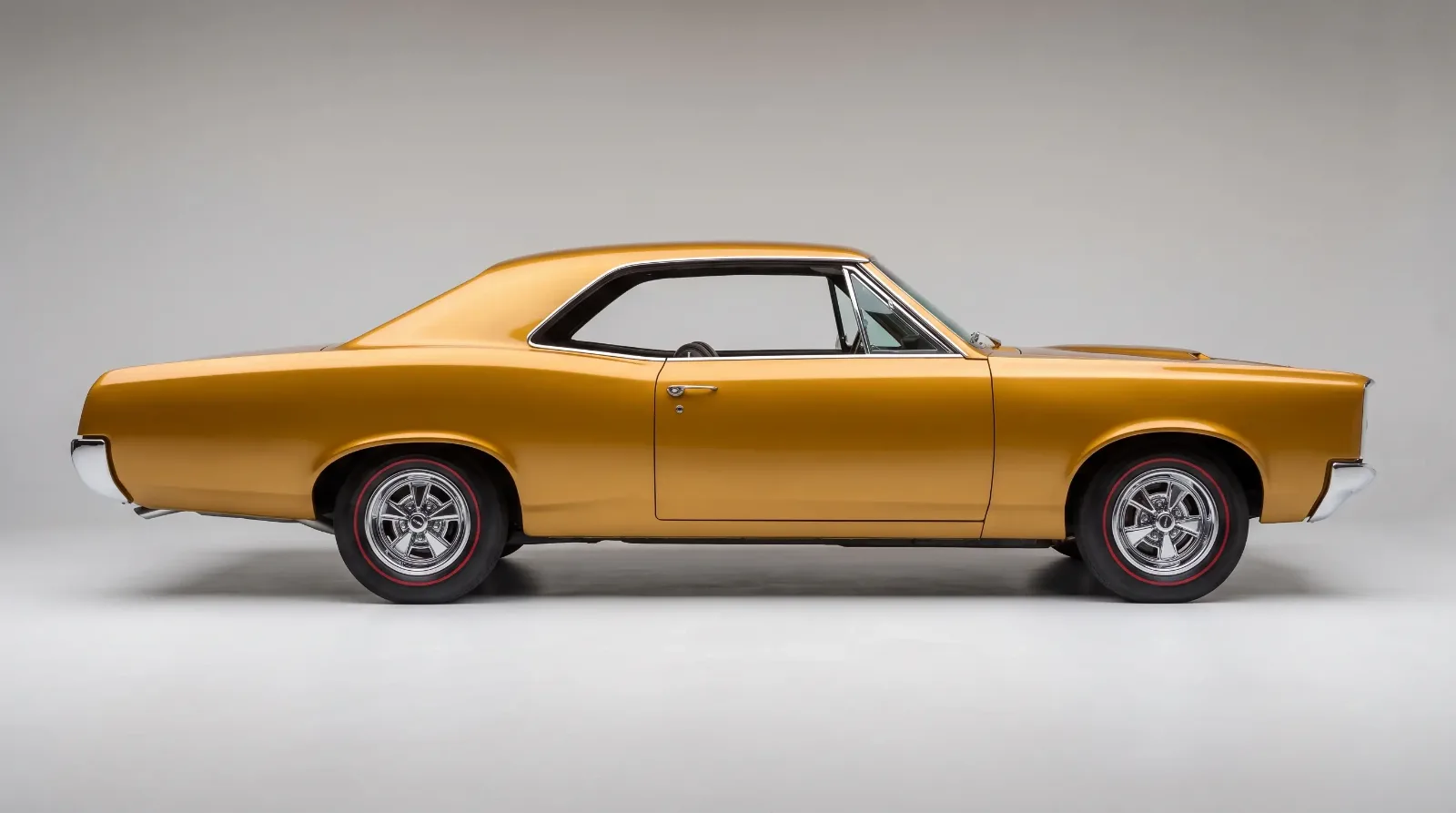
The 1966 and 1967 cars are frequently cited as the high-water mark for GTO sales, and the record supports it. What follows is what actually changed, engine by engine and option by option, drawn from the way Pontiac documented these cars rather than the way memory reshapes them. For the origin that set this up, there is how the GTO legend began.
From option package to its own model
The distinction people miss is that the 1964 and 1965 GTO shared its bones with the LeMans as an add-on. For 1966 the GTO appears as its own series in Pontiac's model hierarchy. The car was still built on the A-body intermediate platform it shared with the LeMans and Tempest, but it now carried its own identity in the order guide and the sales literature. This is a factory-record fact, not a styling opinion, and it is the correct answer to the common question of when the GTO "became its own model."
"People argue about which GTO is best looking, and that is fair. But the more useful question is when it became a model instead of an option, and the records are clear on that. It was 1966. Everything before was a box you checked on a LeMans."
Tom Ramirez
The Coke-bottle body
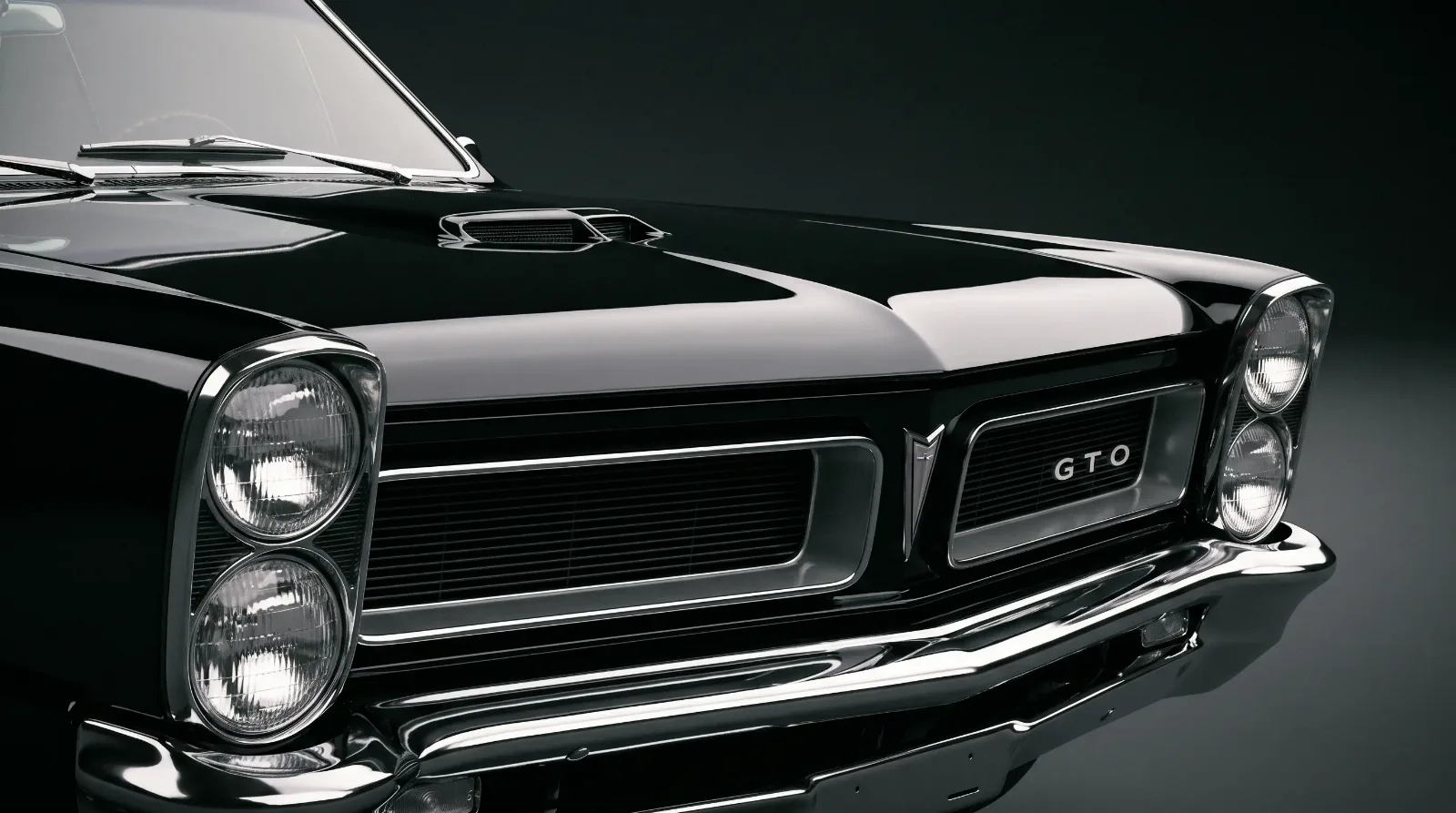
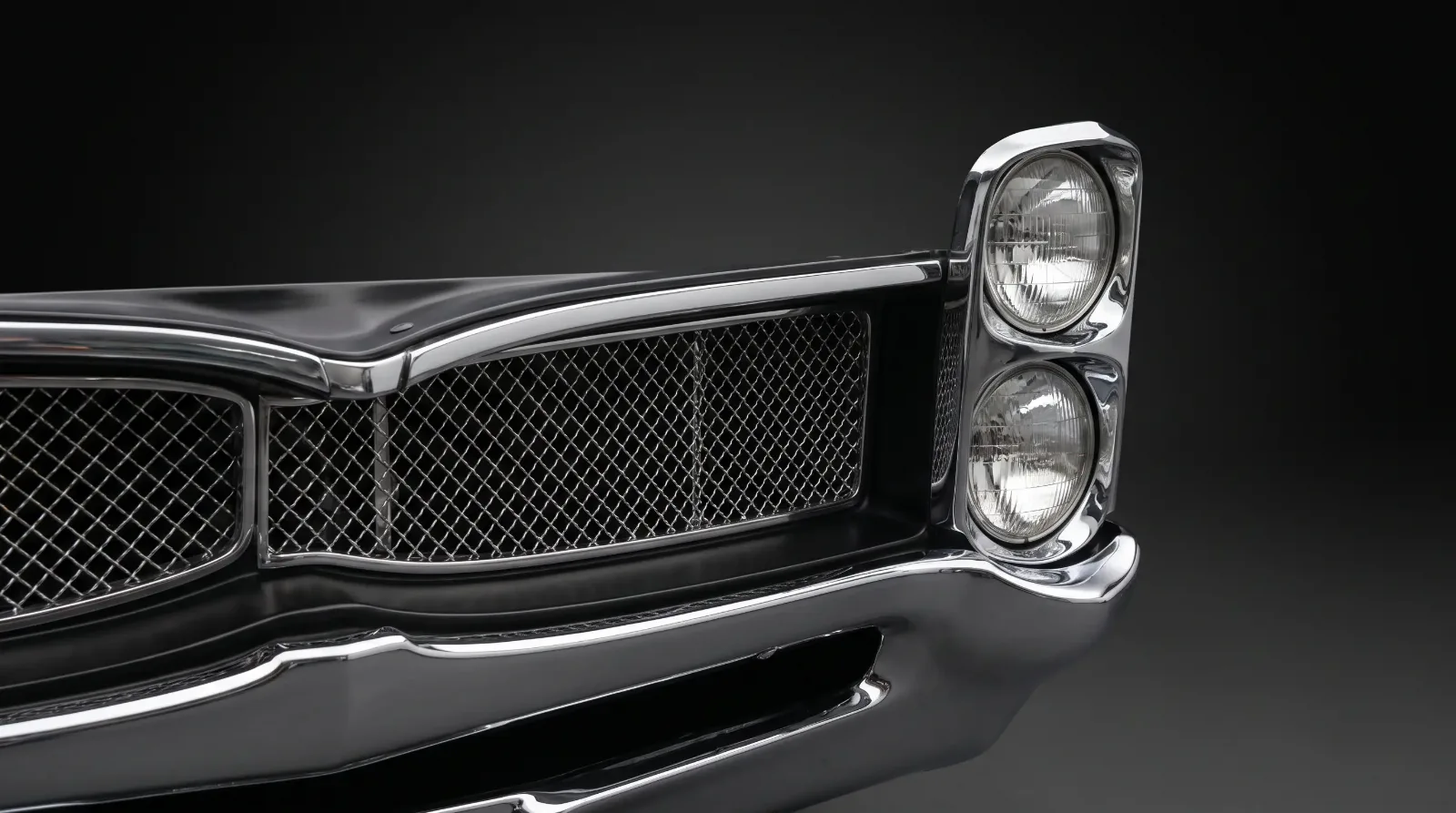
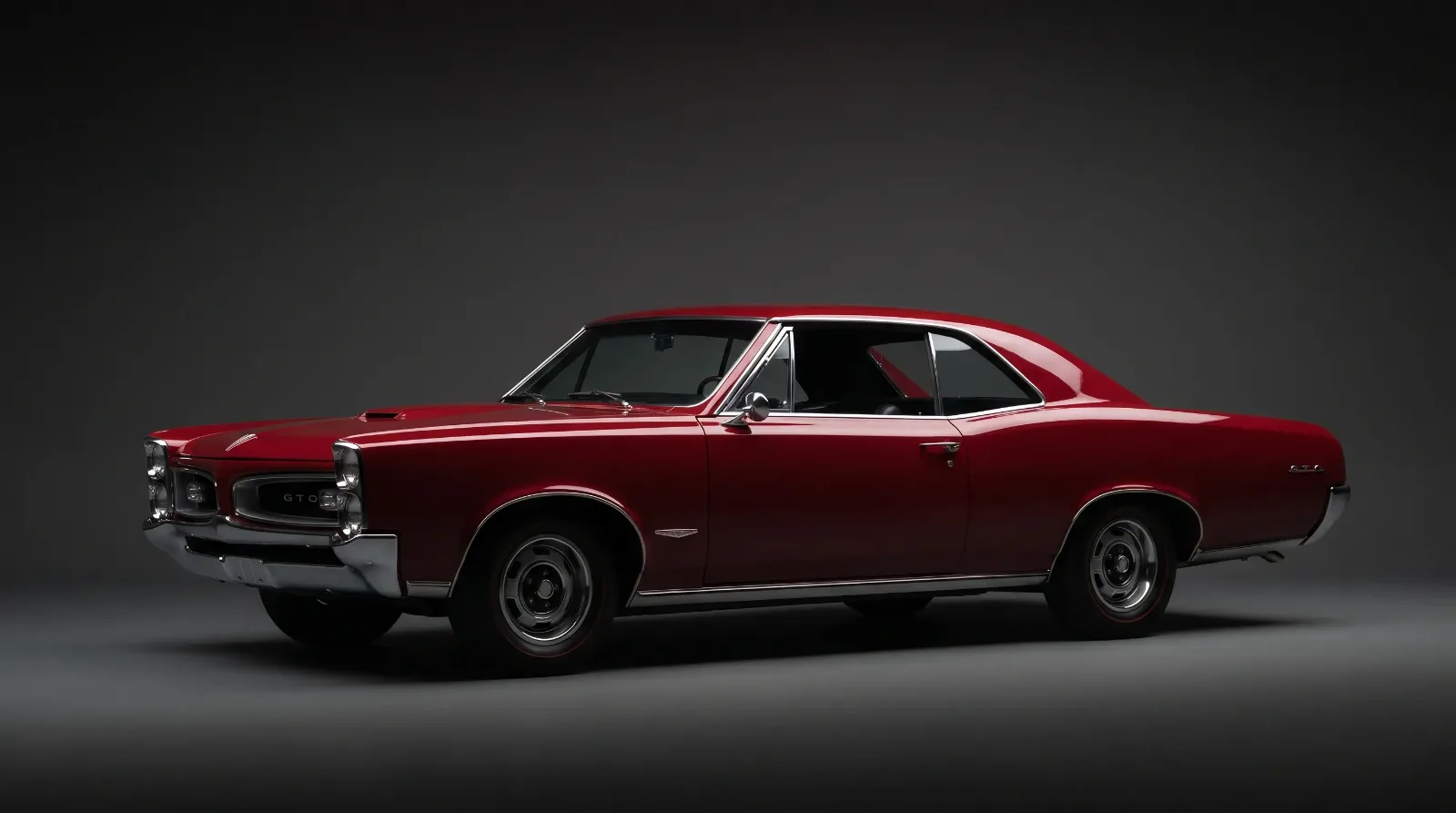
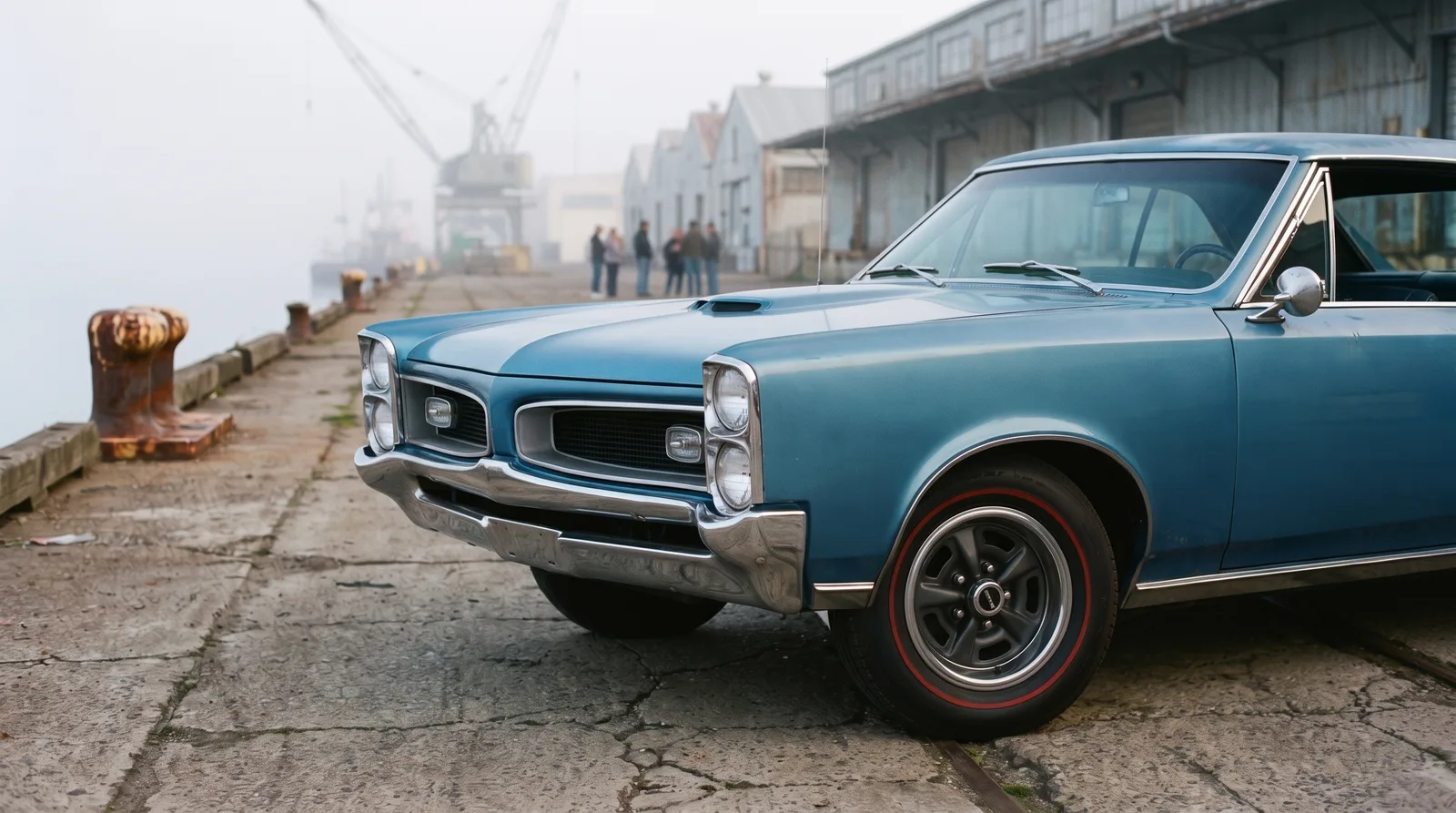
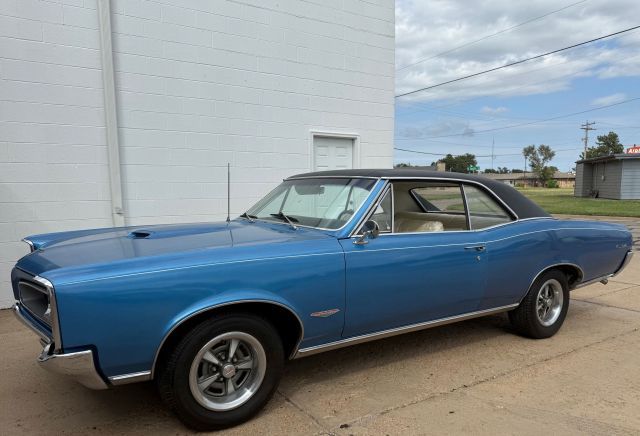
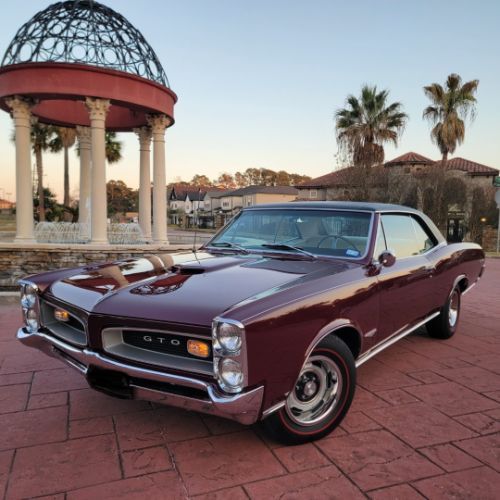
The 1966 restyle gave the A-body a flowing shape with a pinched waist and swelling rear quarters, the profile that earned the "Coke-bottle" name across the GM intermediate line. The GTO wore it well. The 1966 and 1967 cars are close in silhouette, with the 1967 distinguished by revised grille and taillight detailing and trim changes rather than a full sheet-metal redesign. To a lot of collectors this generation is the styling sweet spot, sitting between the boxier first cars and the heavier bodies that came at the decade's end.
Hardtop, coupe, and convertible body styles were offered. The hardtop is the volume car and the one most people picture when they think of a mid-1960s GTO.
The engine story: 389 gives way to 400
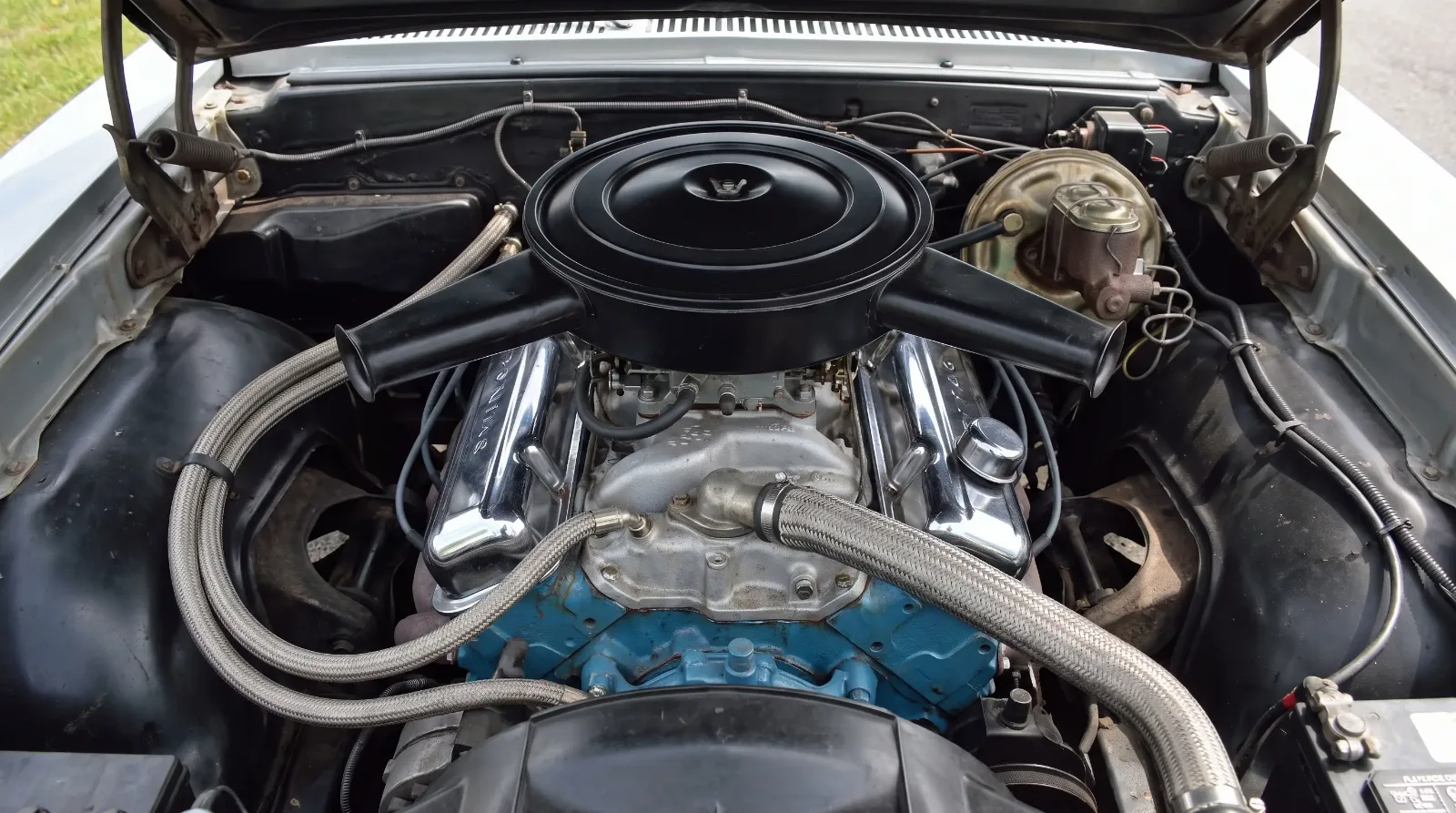
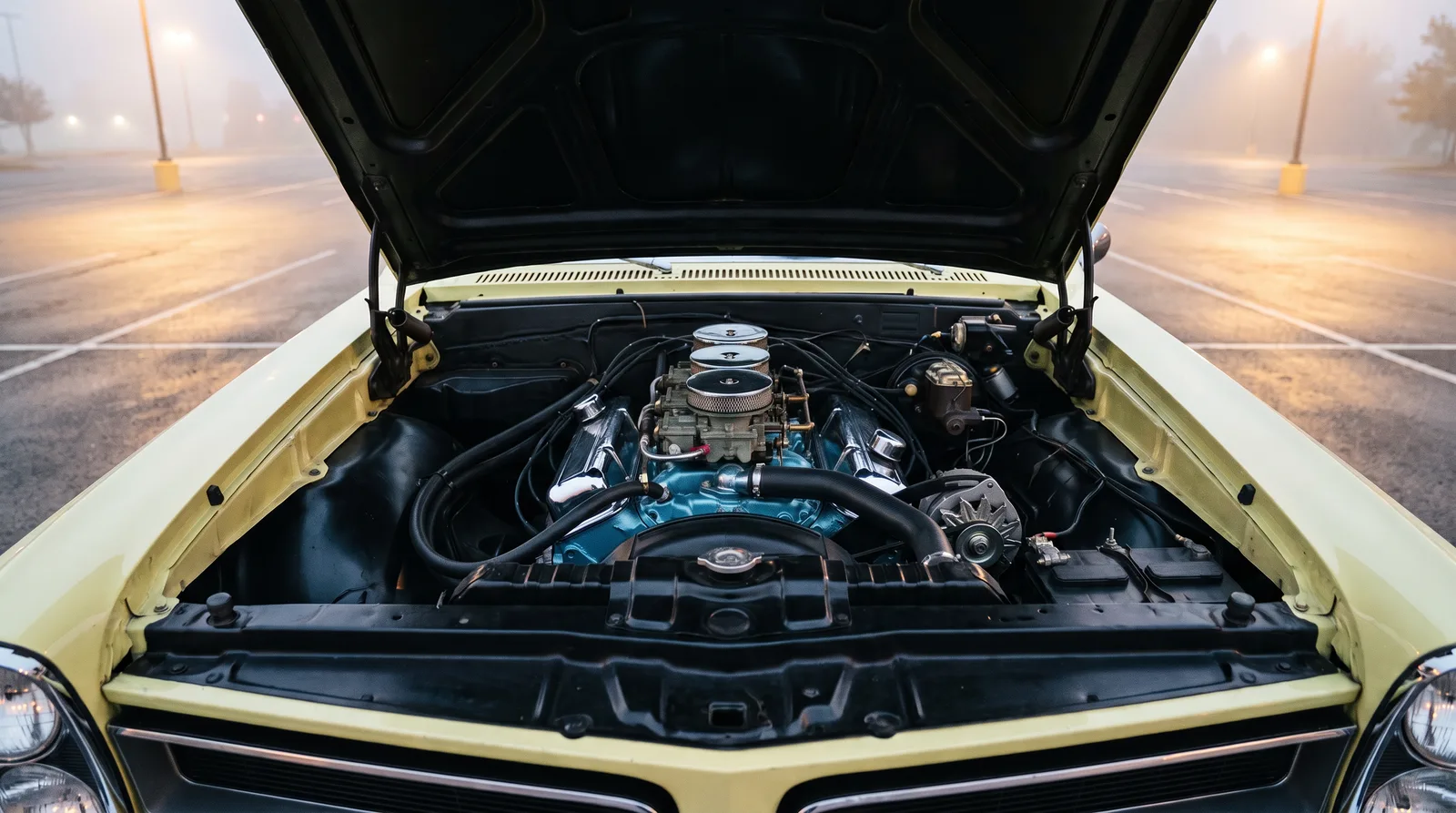
The most important mechanical fact of this generation is the engine change between the two years. For 1966 the GTO carried the 389 cubic inch V8, the same displacement it launched with, available with a single four-barrel or the Tri-Power three-carburetor setup. For 1967 Pontiac bored the engine to 400 cubic inches, and the 400 became the standard GTO engine from that point forward.
The other significant change is that Tri-Power ended after the 1966 model year. A General Motors corporate decision restricted multiple-carburetor setups on most of its cars, so the 1967 GTO replaced the three two-barrels with a single large four-barrel across the range. In practice the four-barrel 400 was easier to keep in tune and made power comparable to the Tri-Power it replaced, though the multi-carb cars carry a collector premium today precisely because 1966 was the last year to get one.
| Item | 1966 | 1967 |
|---|---|---|
| Displacement | 389 cubic inches | 400 cubic inches |
| Multi-carb option | Tri-Power available | Discontinued (four-barrel only) |
| Body | Coke-bottle restyle | Revised trim, grille, taillights |
| Series status | Own model | Own model |
The 1967 range also introduced additional four-barrel tunes and a lower-output economy version alongside the standard and high-output engines. The standard 400 was rated at 335 hp and the High Output version at 360 hp, with a milder economy 400 rated at 265 hp below both, but as with all engines of the era these are gross ratings and should be read as such.
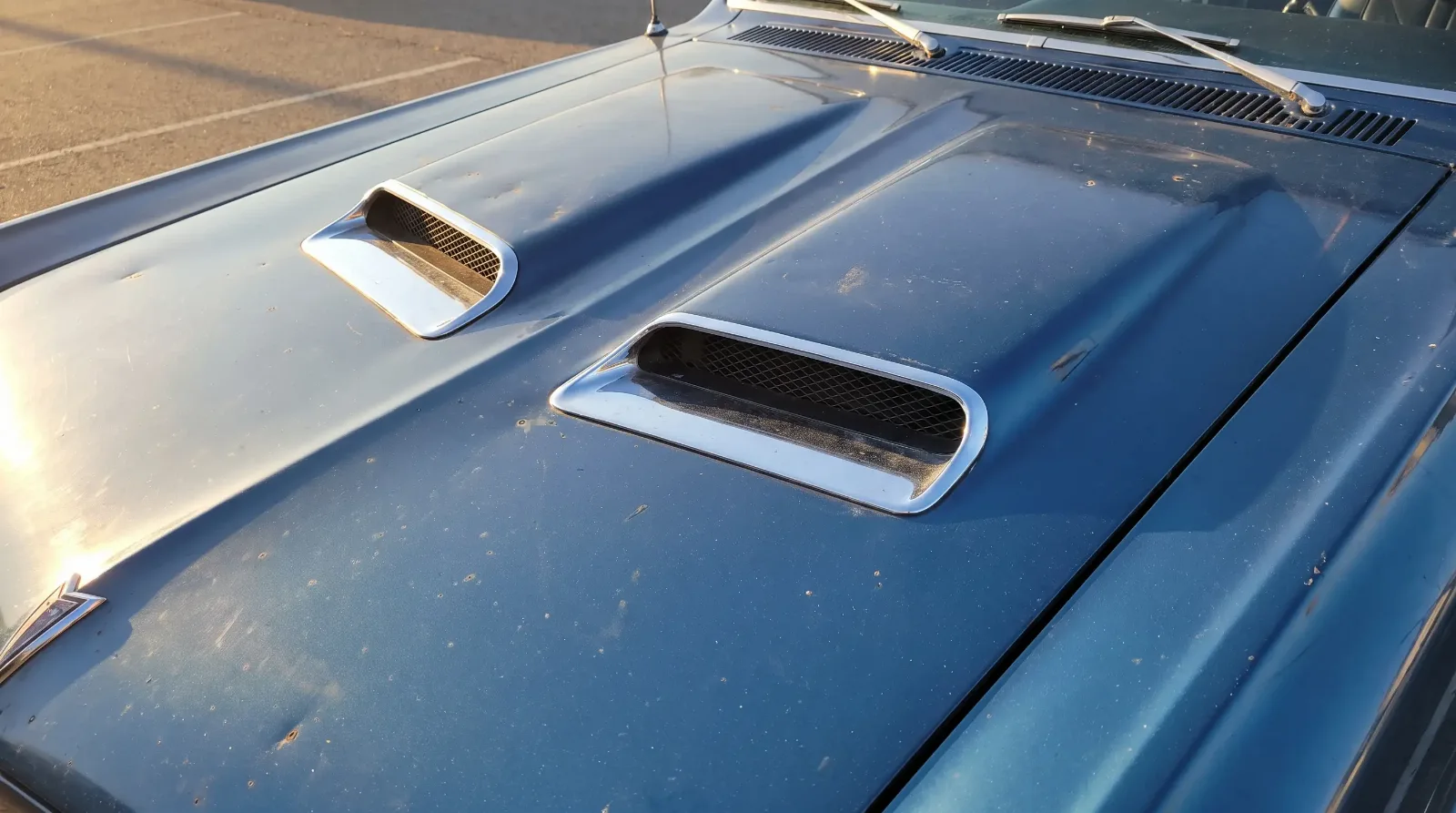
There is one more 1967 engine worth naming, because the paperwork on it is easy to misread. Late in the model year Pontiac offered a Ram Air version of the 400, a cold-air setup with a hotter cam that was the ancestor of the more famous Ram Air engines of the following years. It was a low-volume option and it left the factory rated at 360 hp, the same figure as the High Output 400 it was based on, which is the first appearance of a pattern that runs through the whole GTO engine story: the hottest engine and a tamer one sharing a suspiciously similar published figure. A documented 1967 Ram Air car is a rare thing, and the documentation is the only way to prove it, because the induction hardware can be added to any 400.
The options that separate one car from another
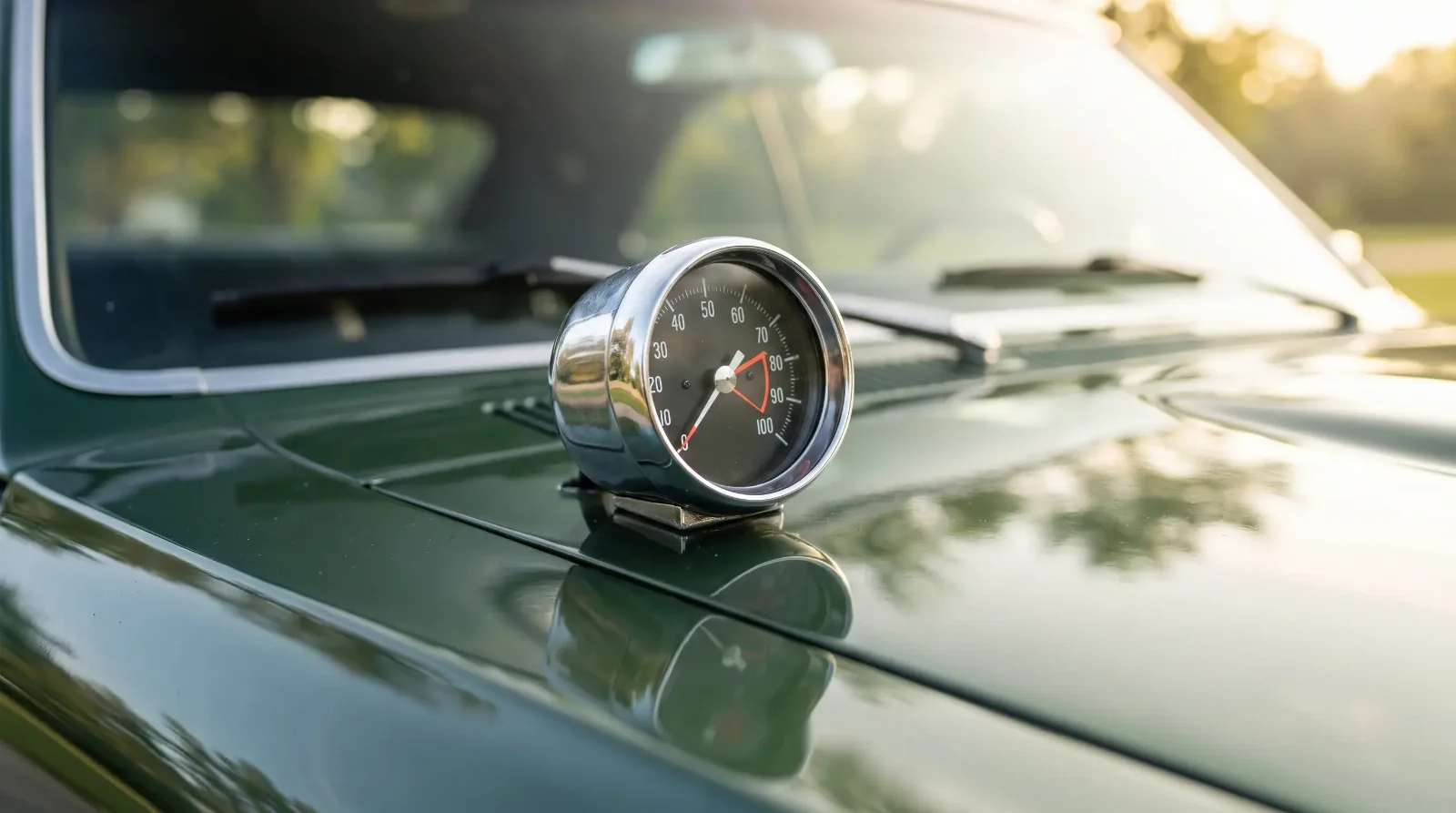
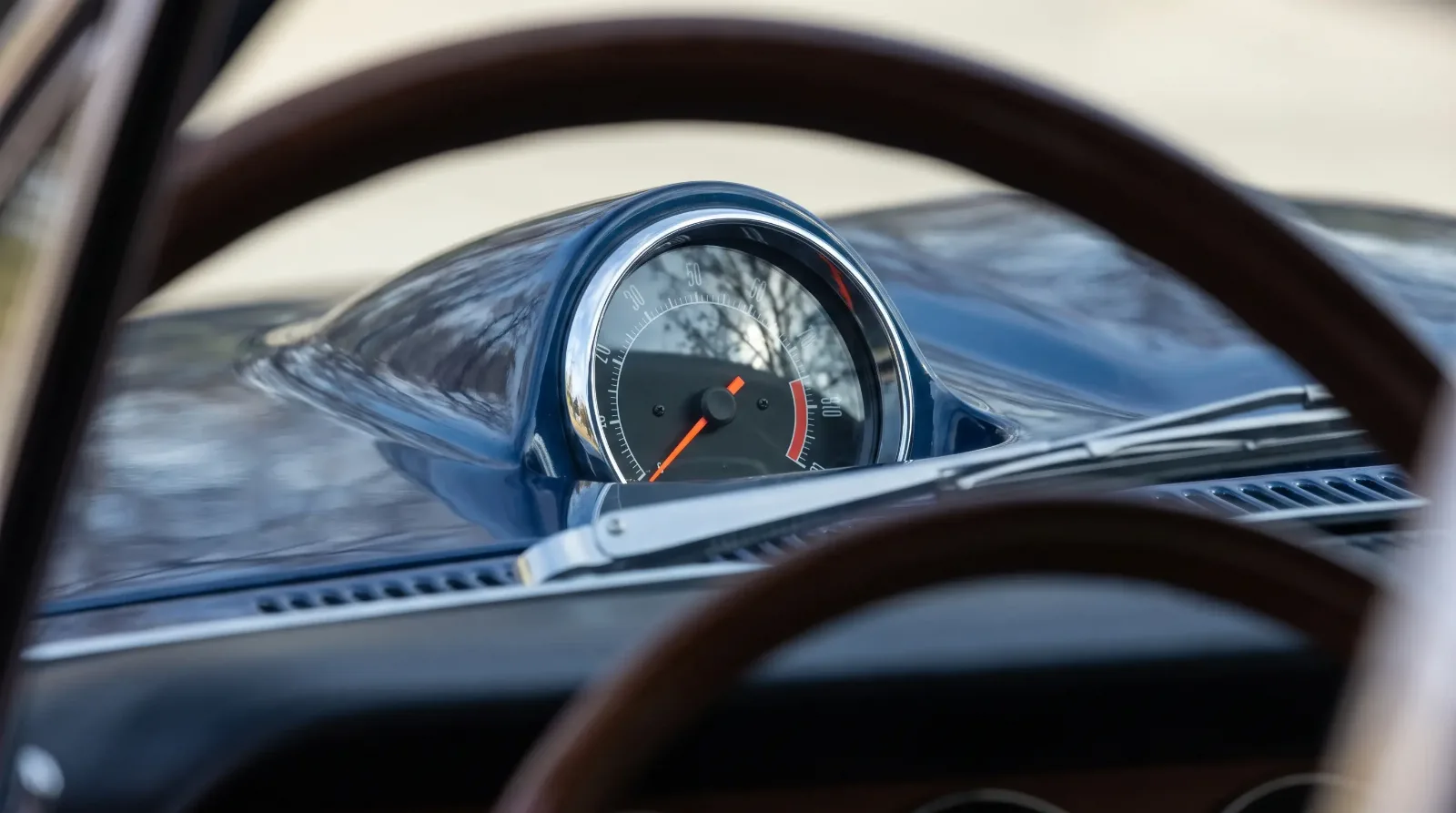
Two GTOs of the same year and engine can be very different cars once you read the order guide, and this is where the factory record earns its keep. The Rally II wheel, a styled steel wheel with bright trim rings and lug covers, arrived in this window and became the look most people picture on a period GTO. Inside, a buyer could add a Rally gauge cluster that put proper instruments in front of the driver instead of idiot lights, and for 1967 a hood-mounted tachometer that sat out on the cowl in the driver's line of sight. The hood tach is a signature period option and a frequently reproduced one, so on a car that has it, the question is whether it is a factory installation or a later addition.
The bigger mechanical option story for 1967 is brakes. Front disc brakes became available on the GTO that year, a real improvement over the four-wheel drums that came before, and a desirable box to find checked on a car you intend to drive. The 1967 automatic buyers also got access to the console-mounted "His and Hers" Hurst dual-gate shifter, which allowed manual control of the automatic. None of these change what the car is, but each one changes what a specific example is worth and how it drives, and each one is confirmable against the build documentation rather than the seller's memory.
Where the volume went
The mid-1960s sales peak was not spread evenly across the body styles. The hardtop coupe carried the overwhelming majority of production in both years, the convertible was a smaller slice, and the pillared coupe was the least common of the three. When people say the 1966 and 1967 cars were the GTO's best sellers, the total is dominated by that hardtop figure. First-year-of-its-own-model 1966 was the single highest-volume year of the classic run at 96,946 cars, with 1967 close behind at 81,722. Those are the figures the production records support, and they are the reason this generation is remembered as the GTO's commercial peak.
For the buyer, the practical effect of that volume is parts and knowledge. These are among the best-supported GTOs to own precisely because Pontiac built so many of them, and because the mechanical simplicity of the pre-1968 body means most work is within reach of a competent home mechanic. The scarce and valuable examples are the documented Tri-Power 1966 cars and the low-production combinations, convertibles, four-speeds, and the late Ram Air 1967s, where the paperwork does the talking.
Transmissions and the axle
Buyers could pair the engine with a three-speed or four-speed manual or an automatic. For 1967 Pontiac introduced its three-speed Turbo Hydra-Matic automatic to the GTO, a stronger and more modern unit than the two-speed automatic offered before. A range of rear axle ratios was available to tailor the car for the strip or the street, and the axle ratio on a given car is one of the details a build sheet or documentation can confirm.
Why these years sold
The sales peak of the mid-1960s came from a car that was still mechanically simple, newly handsome, and backed by a marketing effort that had found its stride. The GTO was no longer an experiment. It was an established name with its own model line, and the competition from other divisions and makers had not yet caught up in image, even where it matched on paper. The result was the strongest sales of the classic run landing in this window.
The competition Pontiac had invented
By 1966 the GTO was no longer alone in the segment it had created two years earlier. The other GM divisions had their own intermediate performance cars in the market, and Ford and the Chrysler brands were fielding answers of their own. On paper several of these rivals matched or beat the GTO in displacement or rated output. The record still shows the GTO leading the field in sales through this window, which tells you the car was winning on something the spec sheet does not capture: name, image, and a two-year head start in the buyer's mind.
That is the useful factory-record point about these years. The GTO's peak did not come because it was mechanically untouchable, because it was not. It came because Pontiac had defined the category, named it, and built an audience before anyone else arrived, and the mid-1960s cars cashed in that lead before the competition's marketing caught up. When the field did close the image gap later in the decade, the GTO's sales advantage narrowed with it, which makes 1966 and 1967 the clearest years of daylight the model ever had.
What came next
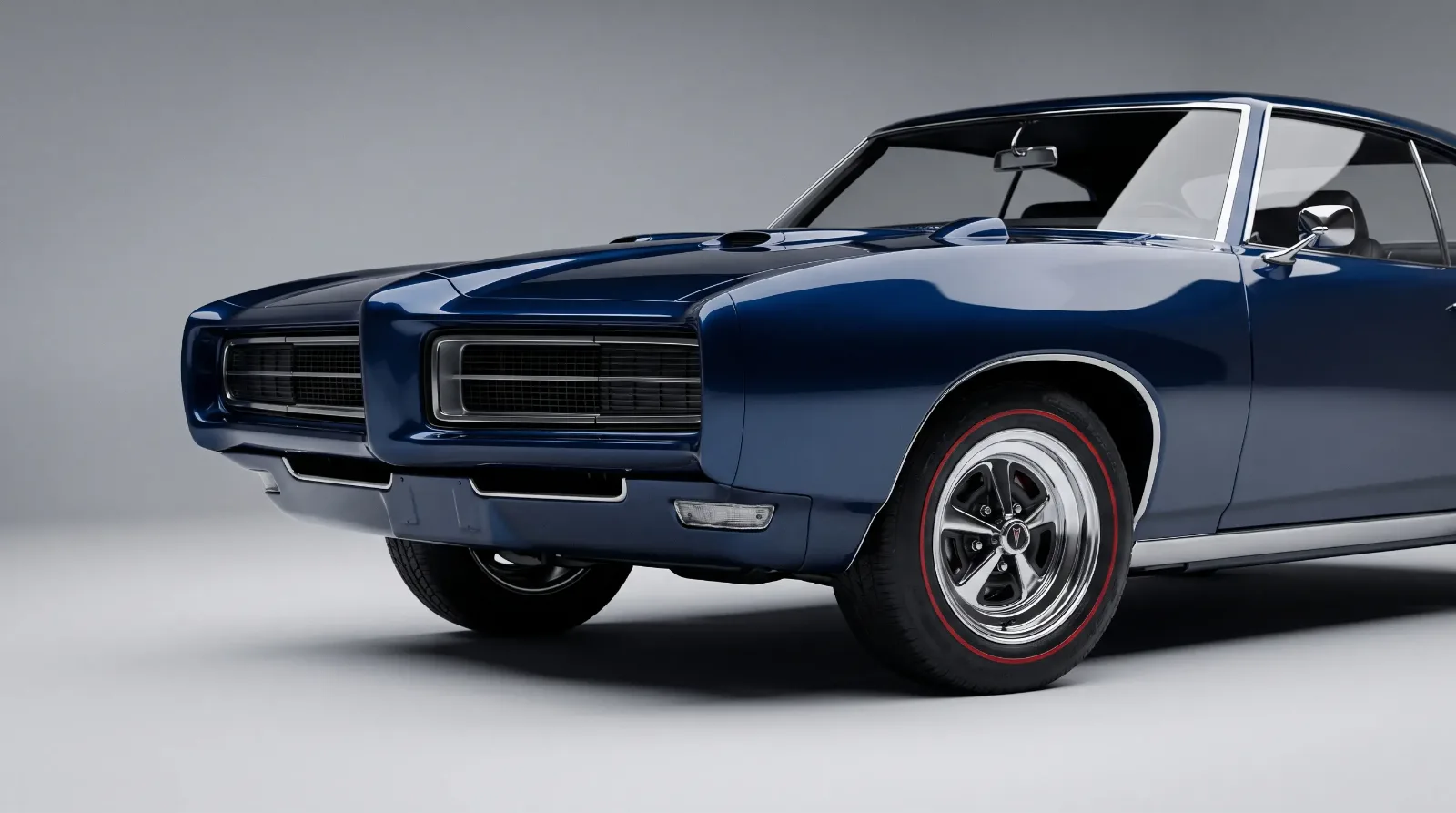
The Coke-bottle cars set up the styling and engineering leap that followed. For 1968 Pontiac shortened the wheelbase, curved the body further, and introduced the body-color Endura front bumper, a genuine step change in how the car looked and how it took a hit. That next chapter is covered in the 1968-69 GTO.
For the buyer today, the 1966 and 1967 cars offer the mid-1960s look with straightforward mechanicals and strong parts support. A genuine 1966 Tri-Power car documented as such is the prize of the pair. If you want to see how these years are trading and what the paperwork looks like on the good ones, browse the GTOs for sale. As always with a Pontiac of this era, the documentation confirms what the badges only claim.
Sources and notes
- Wikipedia: Pontiac GTO production and 400 engine ratings
- Over-Drive Magazine: 1967 Pontiac mid-size fact sheet
- HowStuffWorks: 1967 Pontiac GTO profile
- Muscle Car Club: Pontiac GTO year-by-year production
- Supercars.net: 1967 Pontiac GTO specifications
- Pontiac GTO Forum: 1967 standard 335 hp 400 discussion
Related Reading
Article
The Pontiac GTO Story: How One Car Invented the Muscle Car Era
Article
The 1964 Pontiac GTO: Birth of the Muscle Car
Article
1965 GTO: Stacked Headlights and the First Big Refresh
Article
1966 GTO: The Year It Became Its Own Model
Article
1967 GTO: 400 Cubic Inches and the End of Tri-Power
Article
Hidden Differences Between the 1966 and 1967 GTO
Article
The Rare 1967 GTO Ram Air (XS): Pontiac's Under-the-Counter Racer
Article
Why the Coke-Bottle GTO Is the Prettiest Goat of All
Article
The Pontiac Tiger: How a Mascot Sold a Generation of GTOs
Article
The Hood-Mounted Tach: Pontiac's Coolest Gimmick Explained
Article
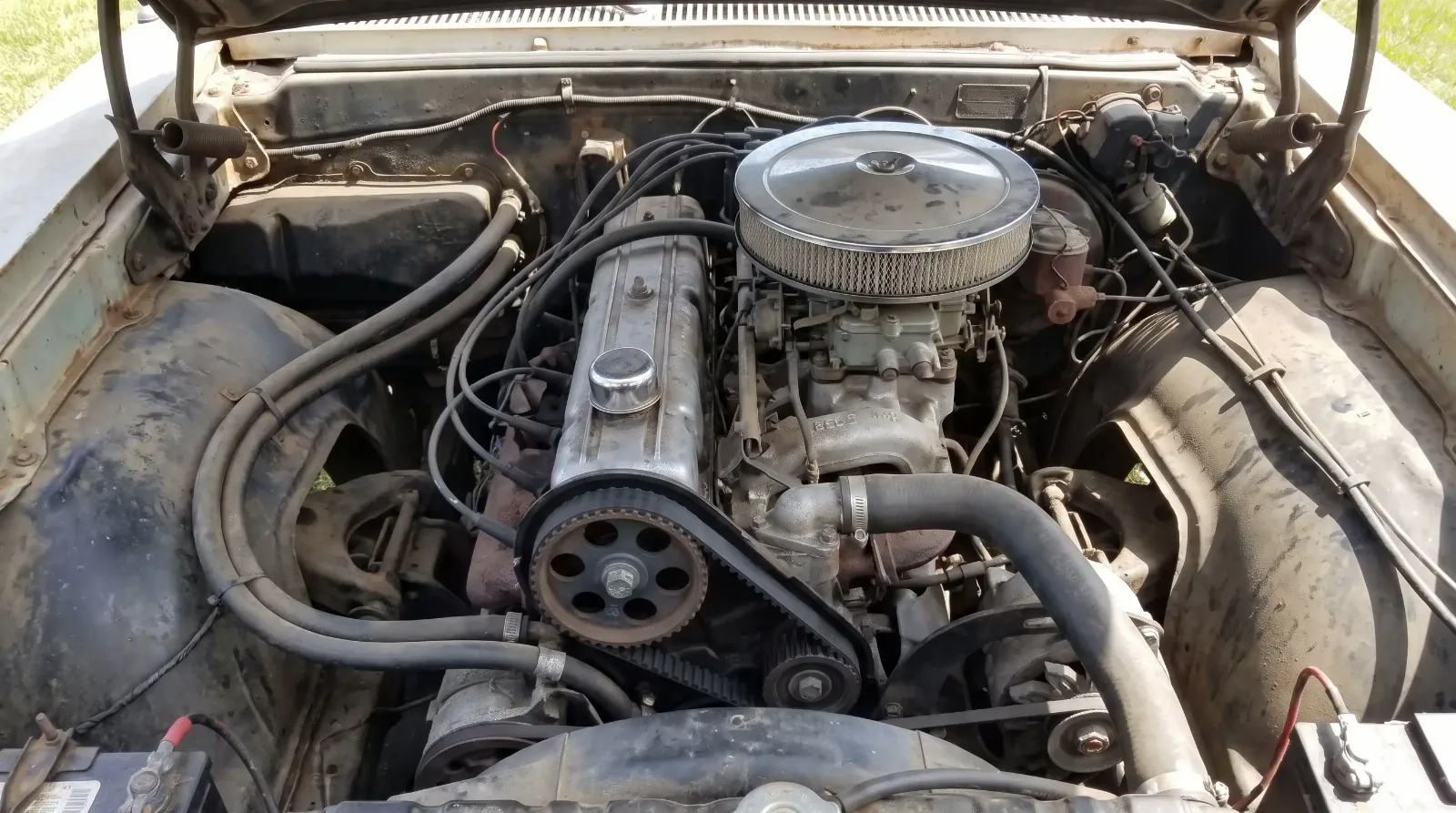
1966 GTO and the Overhead-Cam Sprint Six Sibling
Article
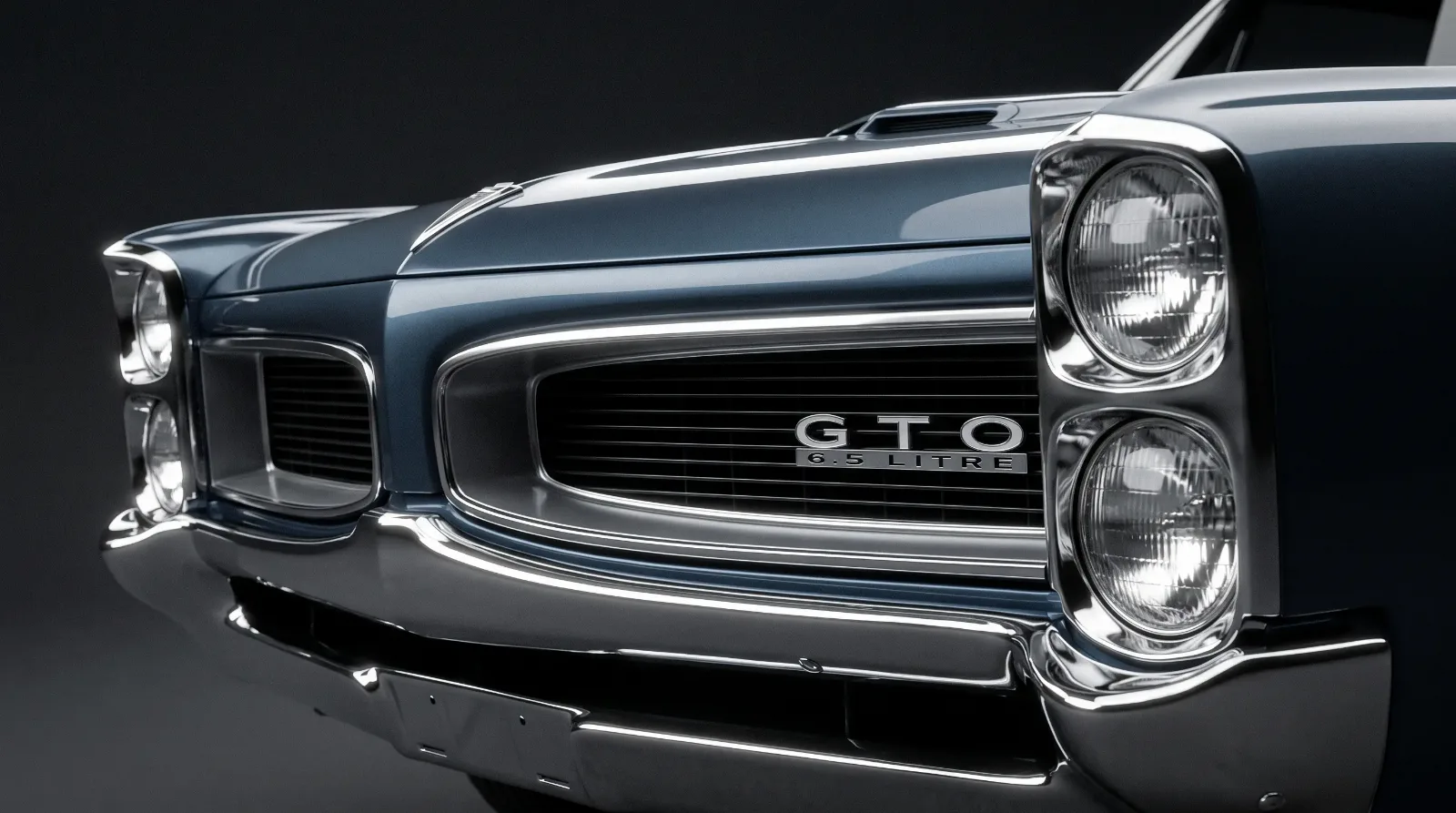
Every GTO Grille from 1964 to 1967, Decoded
Article
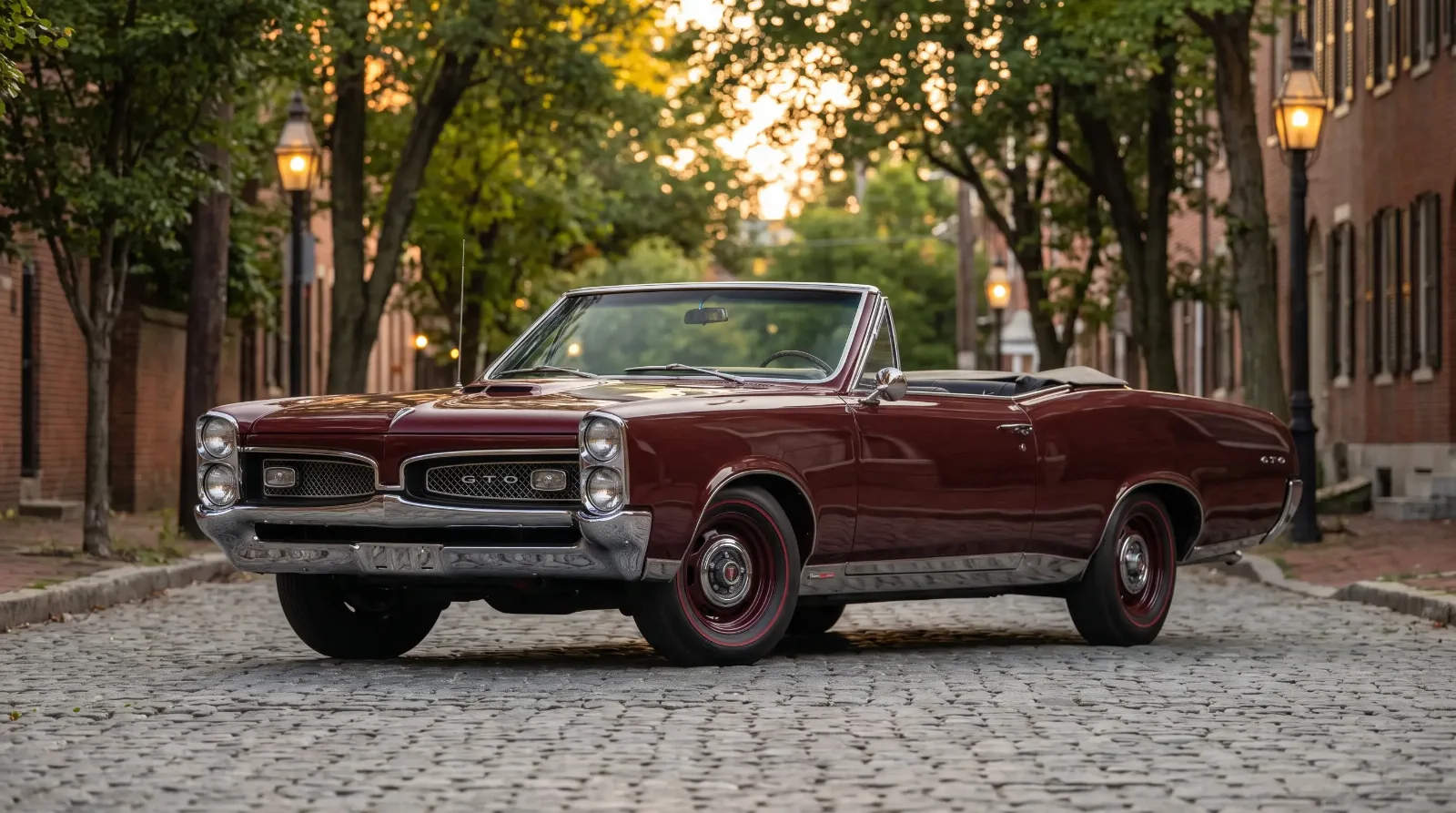
The 1967 GTO Convertible: Open-Air Muscle at Its Peak
Article
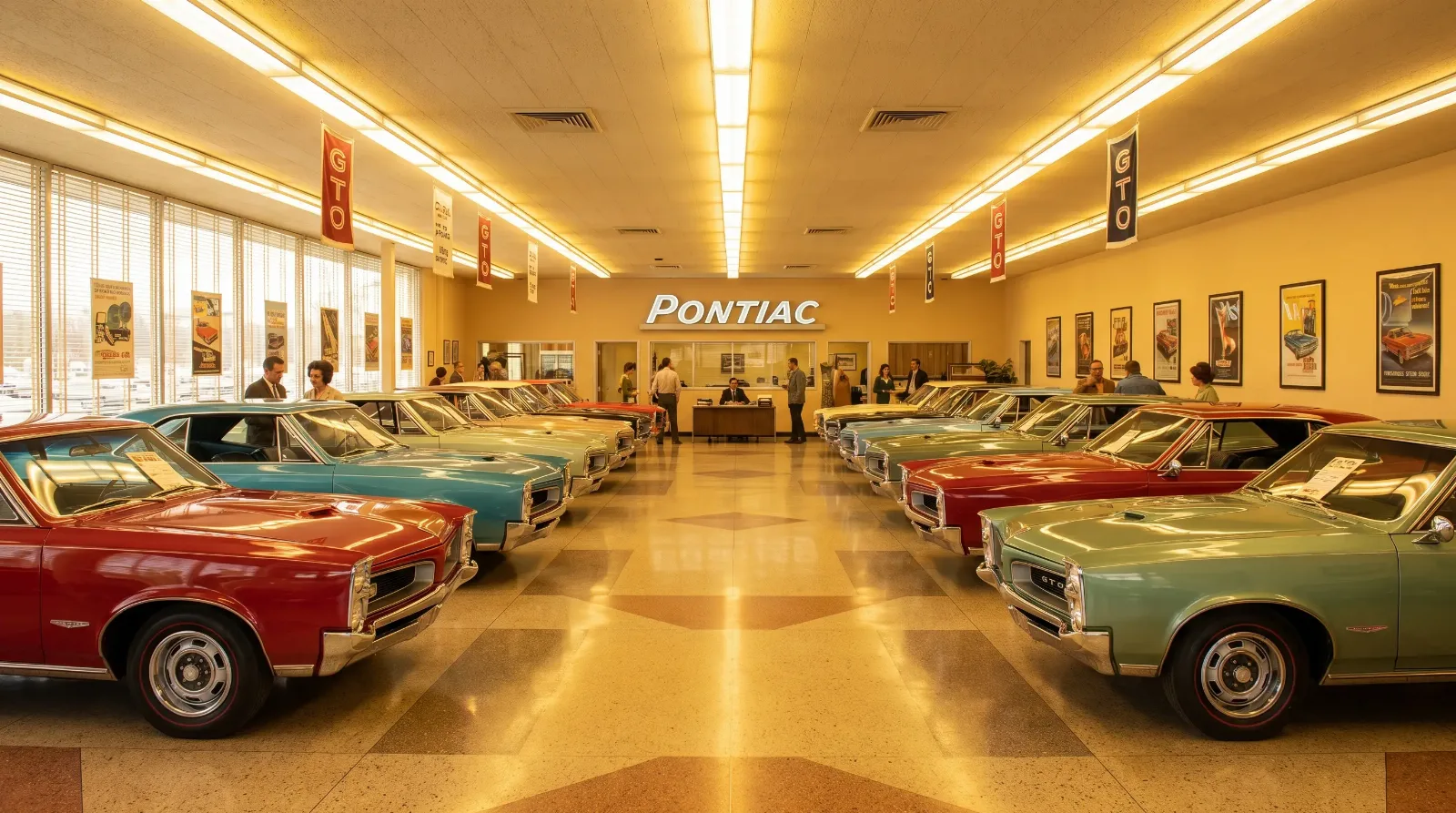
How the 1966 GTO Broke Muscle Car Sales Records
Article
The Redline Tires and Rally I Wheels That Defined the Look
Article
1965 GTO: The 360-HP Tri-Power That Rewrote the Rules
Article
1968-1969 Pontiac GTO: The Endura Nose and the Hidden-Headlight Peak
Have a
Pontiac GTO
for Sale?
Reach thousands of serious classic car collectors across the US.
Sell It Here →
Are You a Classic Car Dealer?
List your full inventory and connect with targeted classic car buyers.
Join as a Dealer →

About the author
Tom Ramirez
Corvette researcher and historian based in Bowling Green, Kentucky. Two decades documenting Corvette production history from original factory records.
Related Listings - Pontiac GTO




Comments
Be the first to comment on this article.