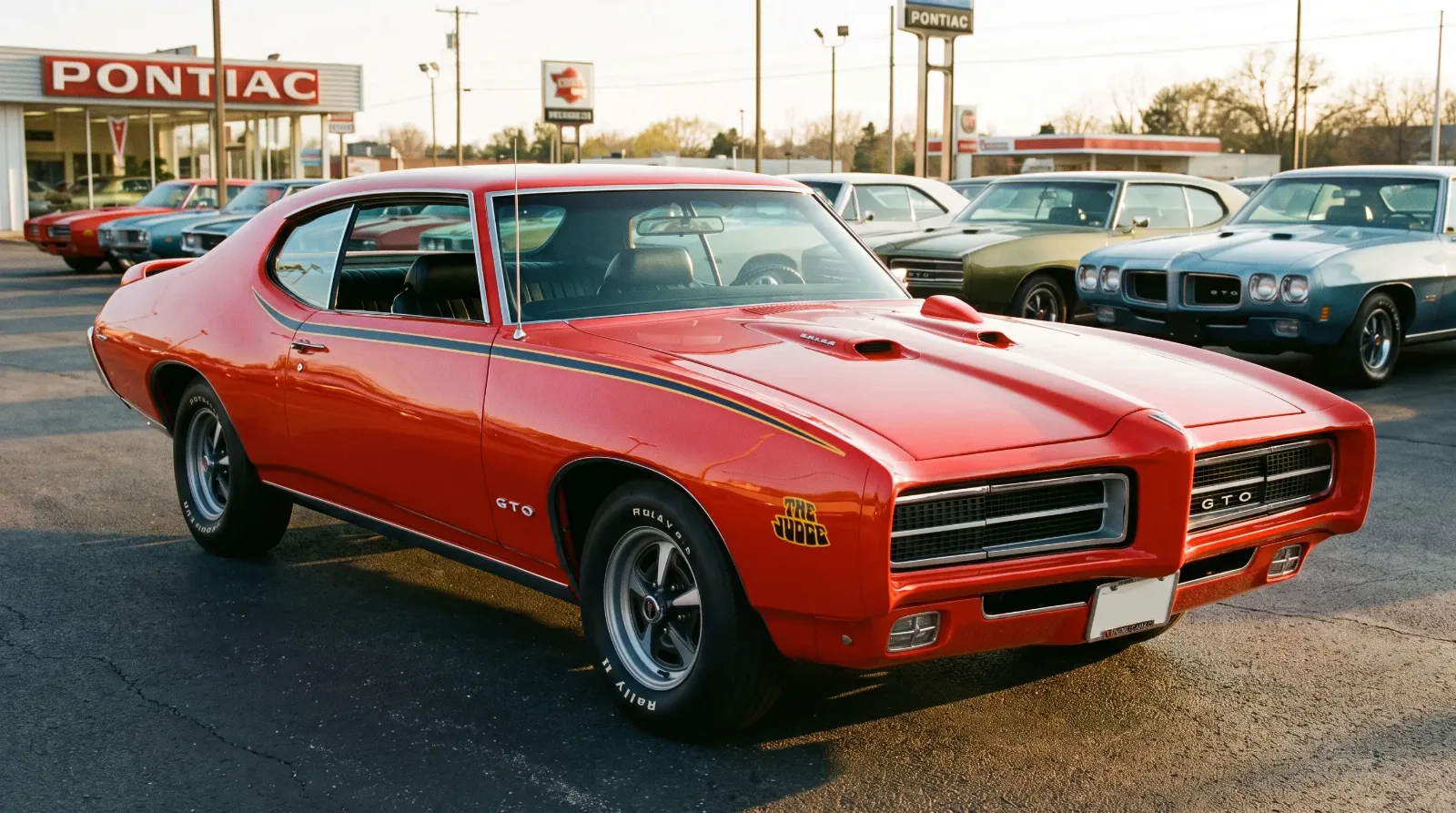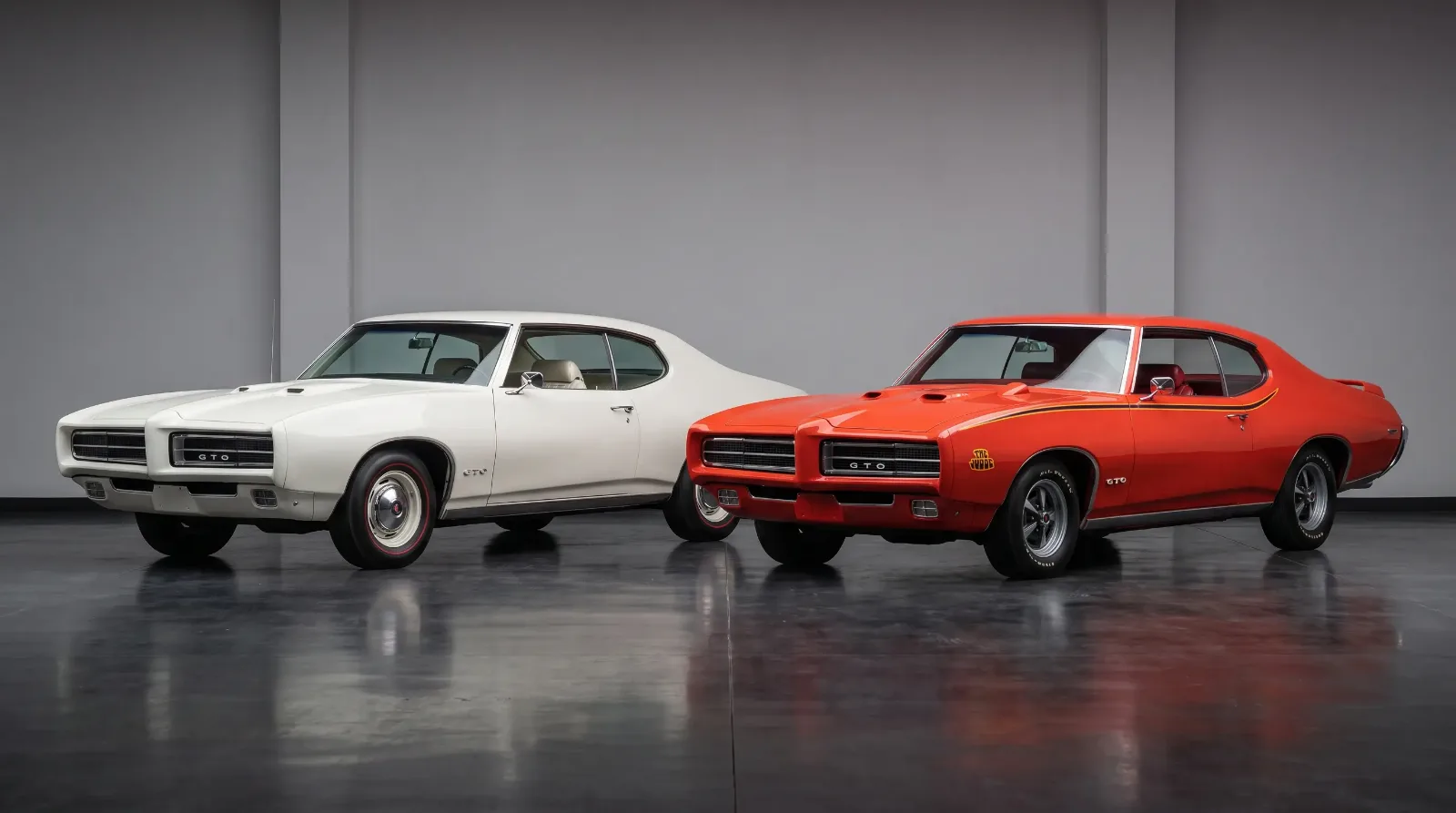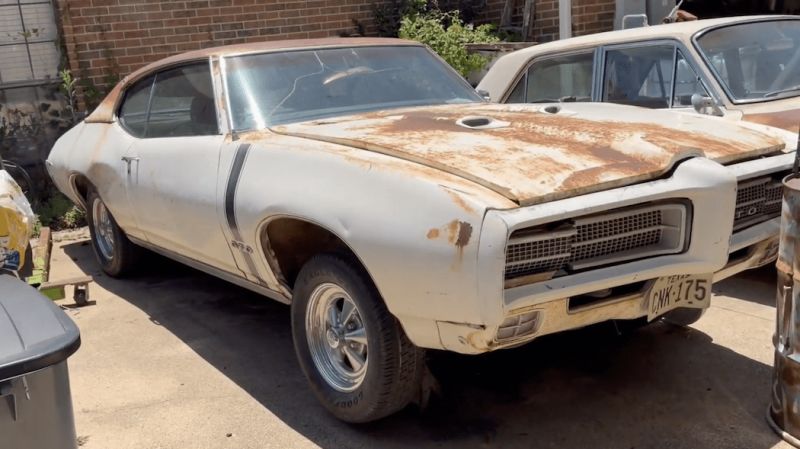
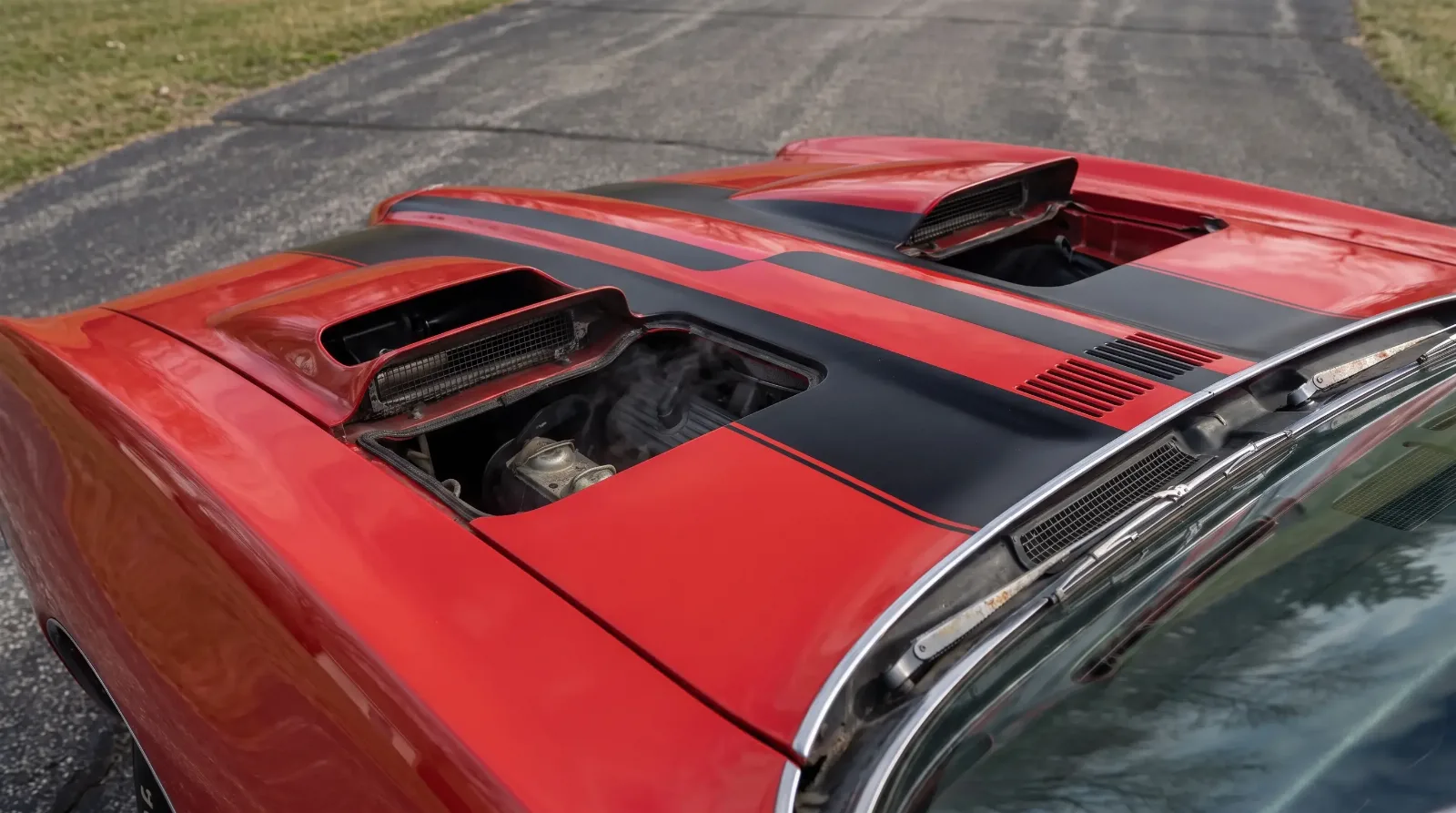
Ask a room full of GTO owners whether every Judge came with functional Ram Air induction and most hands will go up without hesitation. The scoops are right there on the hood, after all, and Pontiac's own advertising leaned hard on the performance image. The record from the factory paperwork tells a more careful story than the folklore. Understanding Pontiac's Judge option correctly means separating what was standard equipment from what buyers actually experienced once the car left the assembly line, and the two are not quite the same thing.
What was actually standard on the Judge order form
The Judge package, from its 1969 introduction onward, did specify Ram Air induction as standard equipment rather than an extra-cost option a buyer had to select separately. That much is accurate and worth stating plainly, because it is the part of the myth that holds up. A buyer ordering the Judge package received the Ram Air III engine and the functional hood scoop setup as part of the bundled price, without needing to check an additional option box the way a standard GTO buyer would have.
Where the myth drifts from documented fact is in the assumption that "Ram Air standard" meant every single Judge that reached a customer's driveway had a fully functional, correctly plumbed Ram Air system performing exactly as designed. Factory paperwork tells us what left the assembly plant on the build sheet. It does not always tell us what survived dealer prep, what a service department may have altered under warranty, or what an early owner disconnected for daily-driving convenience.
The dealer-prep and service record gap
This is a detail that gets lost when people talk about muscle cars purely from brochure specifications. Dealers in 1969 were not curators preserving factory intent for future collectors. They were selling cars to buyers who mostly wanted reliable transportation with a strong image, and service departments made adjustments that period paperwork rarely documented in detail. A Ram Air system that hooted at idle or drew in more cold weather air than a buyer wanted was exactly the kind of thing a dealer might quietly address without it ever showing up in a factory record.
None of this means Ram Air was rare or unusual on Judge cars. It means the chain from "standard equipment on the order form" to "functioning exactly as designed on every single surviving example" has gaps that a careful researcher has to account for rather than assume away. Primary sources describe intent and initial build configuration. They describe it accurately. They do not describe fifty-plus years of ownership history.
| Claim | What the record supports |
|---|---|
| Ram Air was standard equipment on the Judge package | Accurate, documented on factory build sheets |
| Every Judge functioned with correctly operating Ram Air from new | Not fully verifiable; dealer/service alterations undocumented |
| Ram Air IV was standard on the Judge | Inaccurate; Ram Air IV was an extra-cost upgrade over the standard Ram Air III |
The Ram Air III versus Ram Air IV confusion
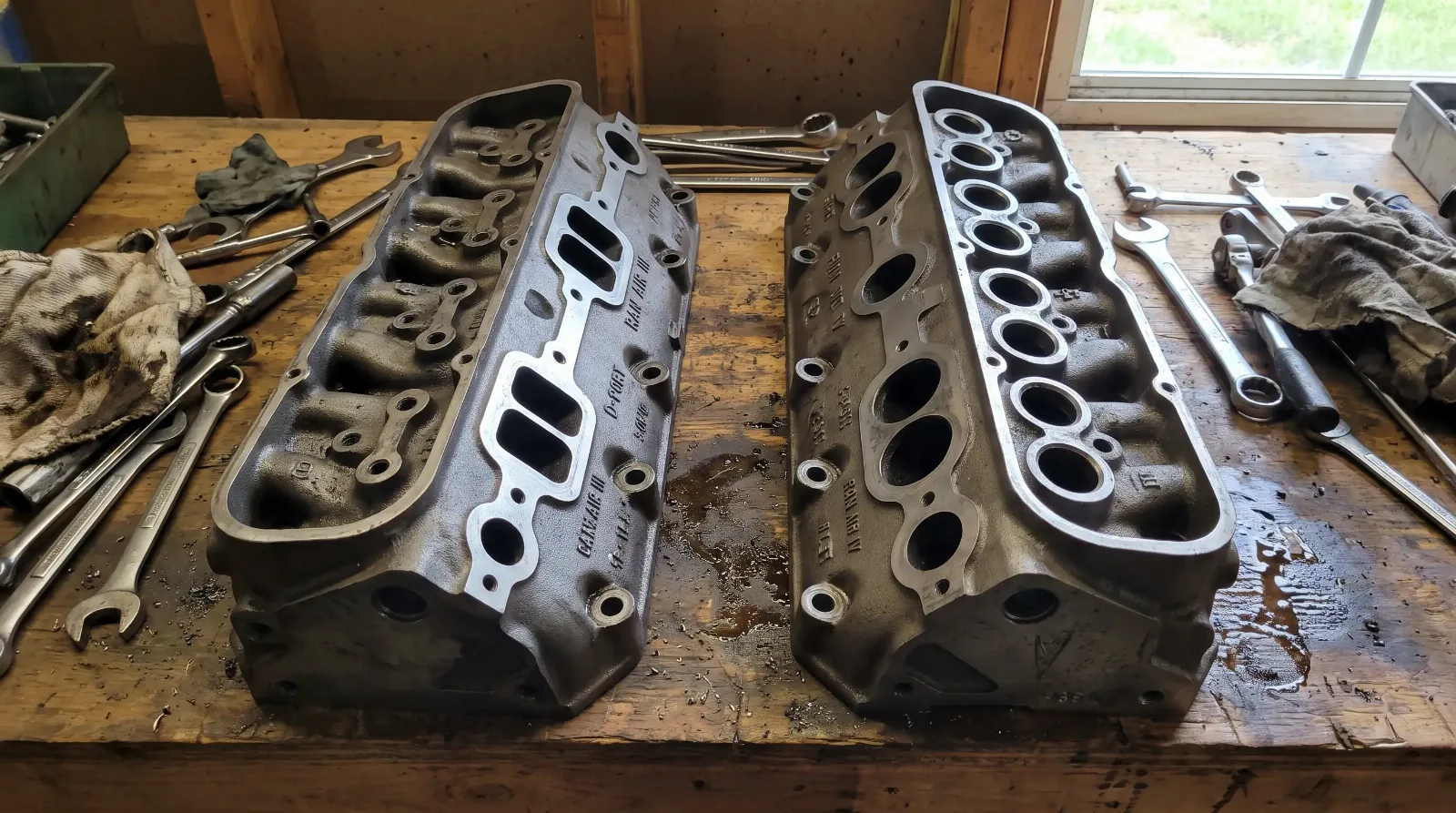
A second, related myth compounds the first. Some sellers and even some published references conflate "Ram Air standard on the Judge" with "the top Ram Air IV engine standard on the Judge." That is a step too far. The Ram Air III was the standard engine specification bundled into the Judge package. The Ram Air IV, generally regarded as the more aggressive of the two specifications, was available as an additional-cost option on the Judge, the same as it was on a standard GTO ordered the right way. A Judge with the base Ram Air III engine is not a lesser or incorrectly specified car. It is the standard car exactly as Pontiac intended it, and the majority of Judges built likely carried that specification rather than the upgraded one.
I bring this up because I have seen restoration shops correct perfectly original Ram Air III Judges toward Ram Air IV specification under the mistaken belief they were "completing" the car to its proper form. That is not a correction. That is an alteration away from how the car actually left the factory, and it can hurt both the historical accuracy and the value of a numbers-matching example.
Where the myth actually came from
Myths like this one rarely appear out of nowhere, and this one traces back to Pontiac's own marketing rather than any deliberate deception. The advertising for the Judge leaned heavily on performance imagery, with the hood scoops photographed prominently and copy that emphasized the car's straight-line credentials over its trim levels. A reader in 1969 flipping through a magazine ad came away with the impression that the Judge was defined entirely by its performance hardware, and that impression calcified into hobby folklore over the following decades as fewer people had access to the actual build sheets and RPO documentation.
Enthusiast magazines through the 1980s and 1990s, working with limited archival access compared to what researchers have today, sometimes repeated simplified versions of the Judge's specification without the caveats a factory document would include. Once a claim like "every Judge had Ram Air IV" or "Ram Air was flawless on every car" appears in enough print articles, it becomes accepted wisdom regardless of what the underlying paperwork actually supports. Correcting it now is less about catching anyone in a lie and more about going back to primary sources instead of secondhand summaries.
How to verify what your own car actually has
If you own or are considering a Judge and want to know its true specification rather than repeat the folklore, the process is straightforward but requires patience. Start with the VIN and the cowl tag, which will typically decode to the engine specification the car left the factory with. Cross-reference that against any surviving PHS documentation, which draws from Pontiac's original shipping records rather than dealer or aftermarket claims. From there, inspect the engine block casting numbers and date codes against what the documentation says should be present, since a numbers-matching Ram Air III or Ram Air IV block tells you far more than the presence or absence of functioning scoops on the hood.
"The brochure tells you what Pontiac wanted to sell. The build sheet tells you what they actually built. I trust the second document every time, and so should you."
— Tom Ramirez
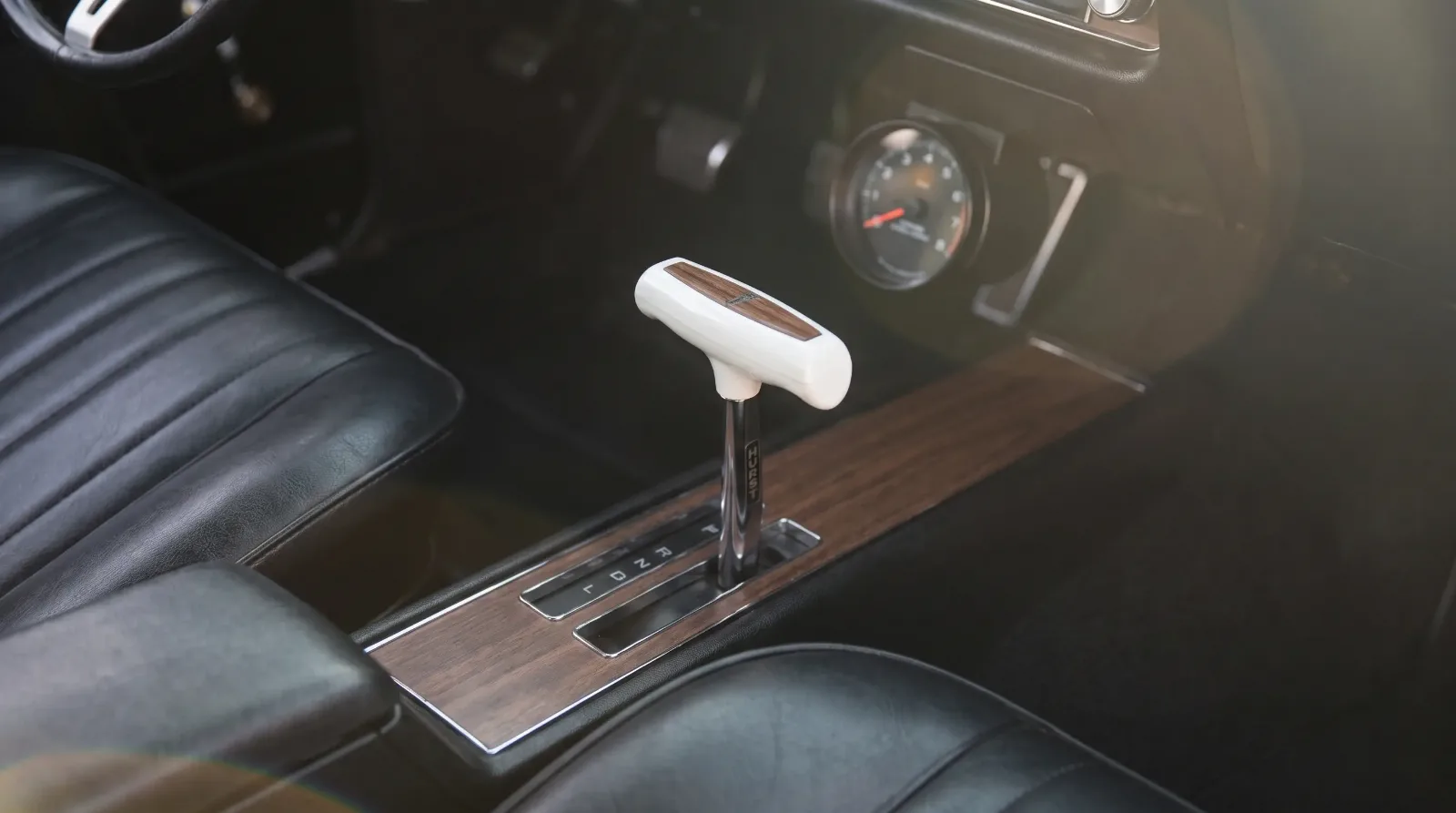
The short version of all this: yes, Ram Air induction was genuinely standard equipment on the Judge package from the start, so the myth is not baseless. But "standard equipment" is a narrower and more precise claim than "every surviving example functions identically to factory spec today," and conflating the two leads buyers to overpay for assumed originality that the paperwork alone cannot confirm. Once you have the engine specification sorted out, the next detail worth understanding is what sat between the front seats. Read on for the story of the Judge's Hurst shifter.