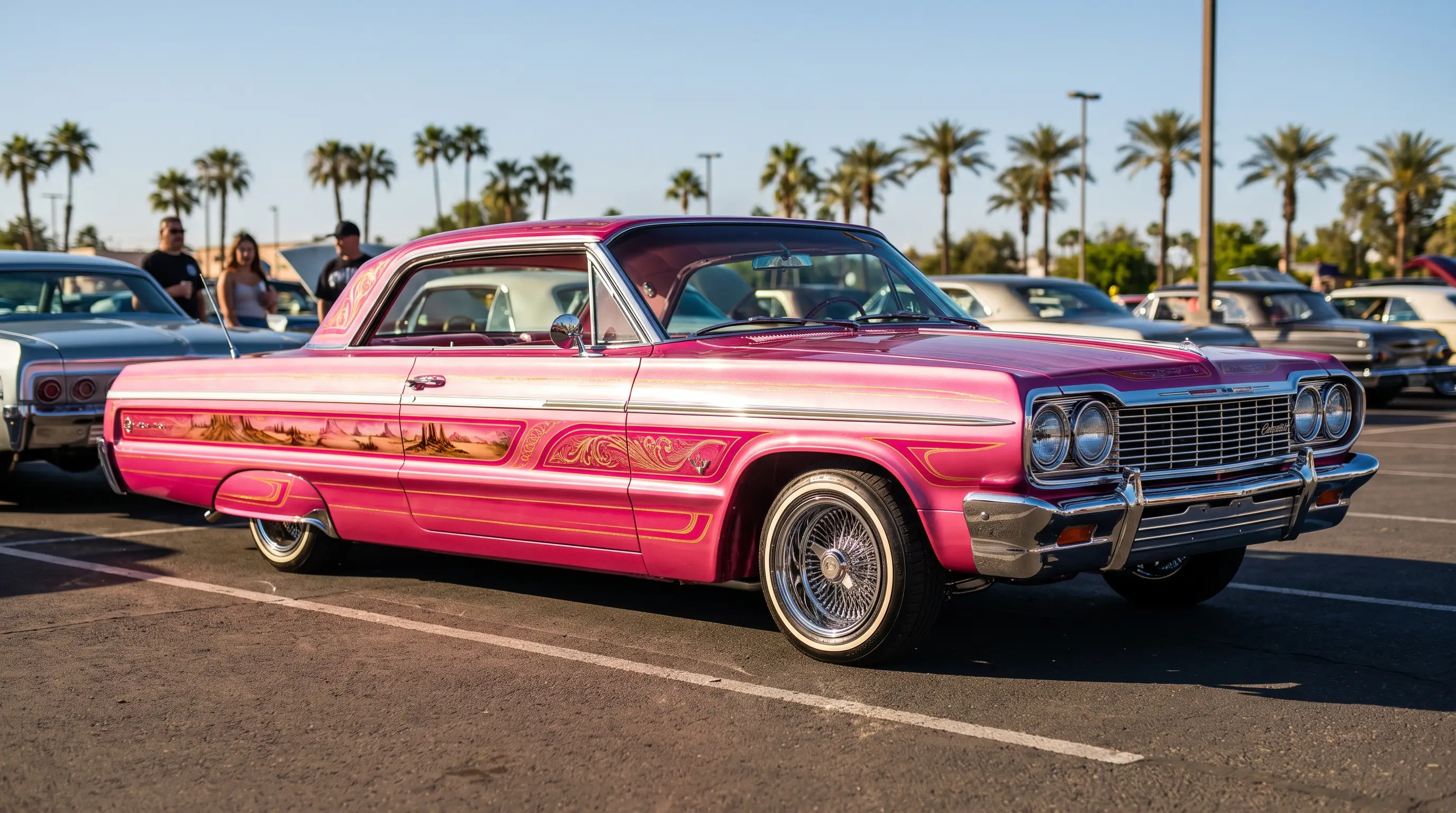
Jesse Valadez was standing in his family's East LA shop in the early 1970s when he decided his 1964 Impala needed to look nothing like anyone else's. What came out of that decision, painted in layers of candy pink and covered in hand-rendered roses, became Gypsy Rose, the single most recognized lowrider in American history. Decades later, people who have never set foot at a car show can still describe the car from a two second clip that opened a television show. That is the kind of reach few classic cars ever achieve, and this Impala earned every bit of it.
A Chevrolet built for a car show, not a highway
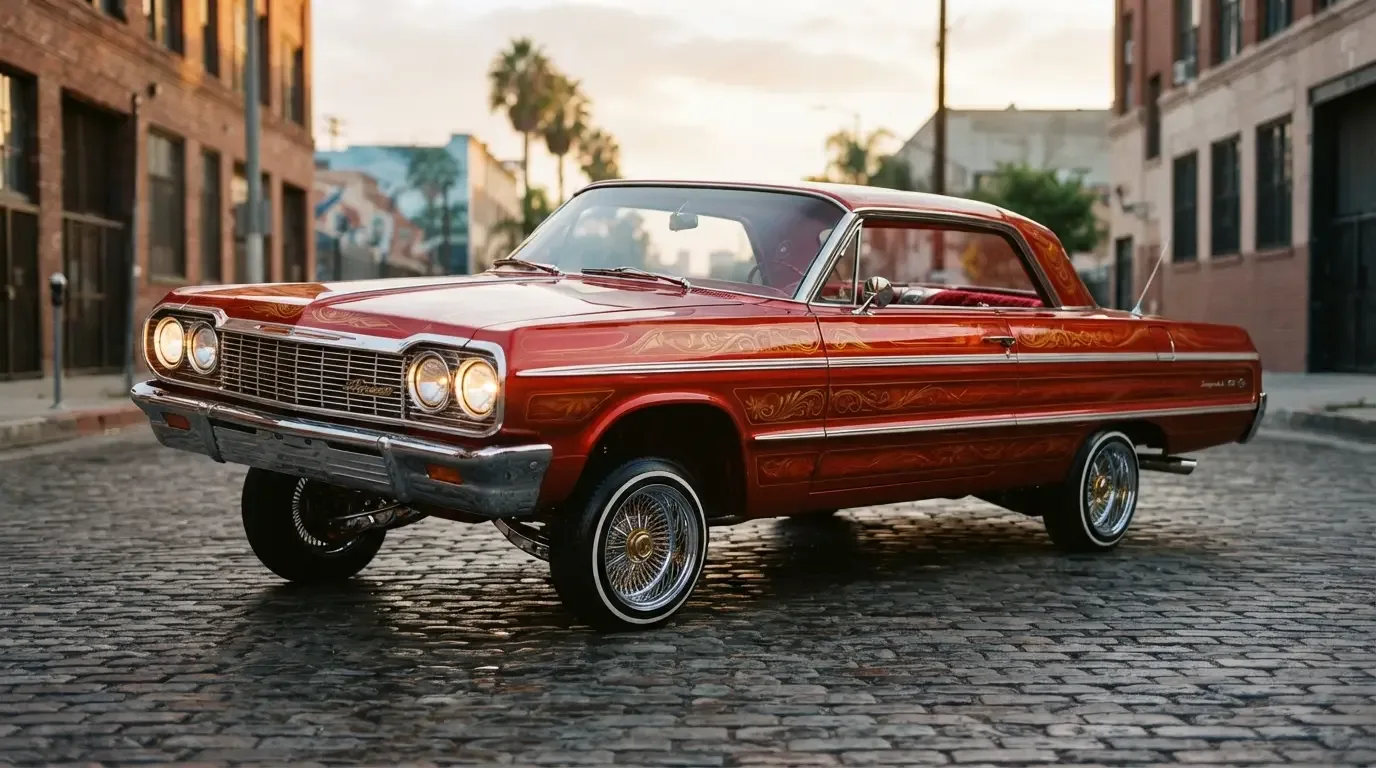
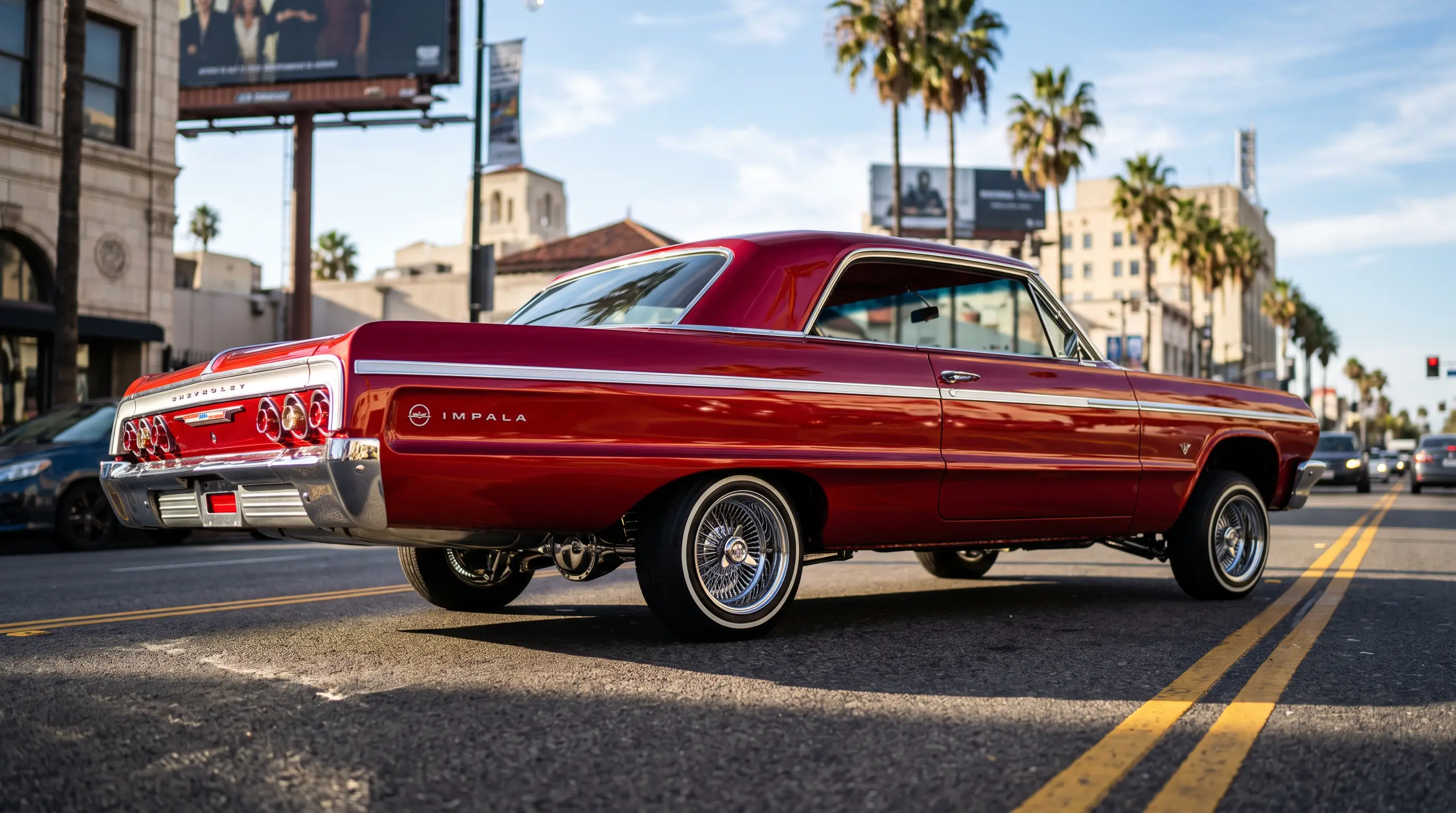
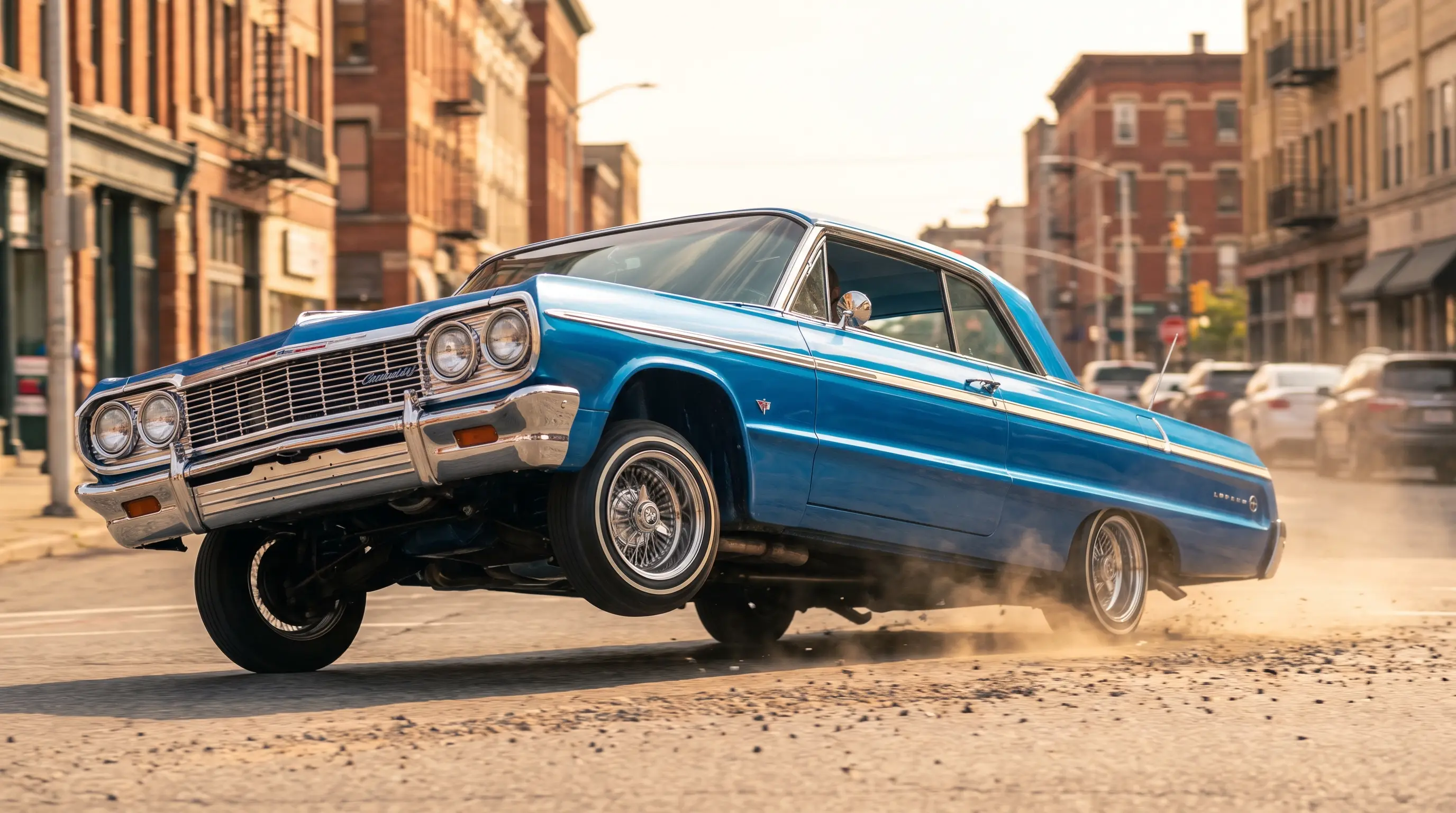
Valadez commissioned the build with a specific goal, to create something that stopped people cold at a show rather than just another clean cruiser. The rose motif came from his mother's garden, a detail that turns a custom paint job into something personal rather than decorative. Artist Walt Prey handled the rose murals, and the combination of that artwork with the deep pink and burgundy candy paint gave the car a look that photographed like nothing else on the circuit. Under all that surface work sat a 1964 Impala chassis and hydraulics setup, built to dance as well as it posed, because a show car in this world has to do both or it does not really count.
What made Gypsy Rose different from other showpieces of the era was consistency. Valadez kept building on the car and its later versions for years rather than moving on to the next project, refining the paint, the murals, and the hydraulics as trends and techniques evolved. That long term commitment is part of why the car became a reference point instead of a one-season sensation.
The moment that took it national
Gypsy Rose crossed over from car show fame into mainstream recognition when it appeared in the opening credits of the television show Chico and the Man in the mid 1970s. That brief appearance put the car in front of millions of viewers who had never been to a lowrider show and had no context for the culture behind it, and for a lot of those viewers it became their first image of what a lowrider actually was. Television exposure like that was rare for any custom car in this era, let alone one built entirely within the East LA lowrider scene rather than a Detroit studio or a national magazine feature.
Why one car came to represent an entire movement
Plenty of builders in the 1970s produced show quality lowriders, and plenty of clubs had cars that could hold their own against Gypsy Rose on a technical level. What set this one apart was the combination of a distinctive, personal design concept with the right exposure at the right time. The rose theme was instantly identifiable even to people with zero knowledge of custom cars, which made it stick in memory in a way that a purely technical showpiece rarely does. A car needs to be more than well built to become a cultural symbol, it needs a hook, and the roses were that hook.
Valadez understood this instinctively. He talked about the car in interviews not as a modified Chevrolet but as a piece of his family's story, and that framing mattered as much as the paint booth work. People remember stories, and a car with a story behind the chrome travels further than one that is just well executed metal and paint.
"Gypsy Rose is proof that a single build can outgrow its own garage and become shorthand for an entire culture, not because it was the fastest or the most expensive, but because it had a story nobody else was telling."
- Patrick Walsh
The craftsmanship behind the roses
Painting a car so that murals read cleanly on curved sheet metal is a skill few painters ever fully master, and the rose work on Gypsy Rose required layering technique that took real patience to execute correctly. Each panel had to be planned so the flowers appeared to wrap naturally around the body rather than sitting flat on top of it, a trick that separates a genuinely skilled muralist from someone simply copying a reference photo onto a hood. The candy paint underneath demanded its own discipline, with color depth built up through multiple clear coats that needed to cure properly between passes or the whole finish would crack under California heat.
None of that work would have mattered if the mechanical side of the build had been an afterthought. Valadez insisted the car perform as well as it looked, which meant the hydraulics had to be tuned specifically to complement the body rather than fight against its added weight from the paint and interior work. That balance between show and function is exactly what separates a true showpiece from a car that only looks the part in photographs, and it is a big part of why builders still study this specific car when they talk about what a complete build actually requires.
The legacy that outlasted the original build
The car went through multiple versions over the years as Valadez and later his family refined the build, and examples of Gypsy Rose have appeared in museum exhibitions dedicated to lowrider culture, a level of institutional recognition few custom cars from any era receive. That museum placement matters because it signals something beyond nostalgia, it is a formal acknowledgment that this particular 1964 Impala earned a place in American automotive history rather than just custom car folklore.
The Valadez family name stayed attached to the car's legacy long after the original television appearance faded from casual memory, with later generations continuing to show versions of the build and keep the story circulating within the community and beyond it. That kind of multigenerational stewardship is uncommon even among famous show cars, most of which get sold, parted out, or forgotten once the original builder moves on.
Where this fits in the bigger picture
Gypsy Rose did not appear out of nowhere. It sits inside a much longer story about how the Impala became the default canvas for lowrider culture in the first place, and our complete history traces that arc from the earliest hydraulic experiments through the clubs and builders who set the standards this car eventually exceeded. Understanding that broader context makes it clearer why a single pink Impala with hand-painted roses became the image most people picture when they hear the word lowrider at all.
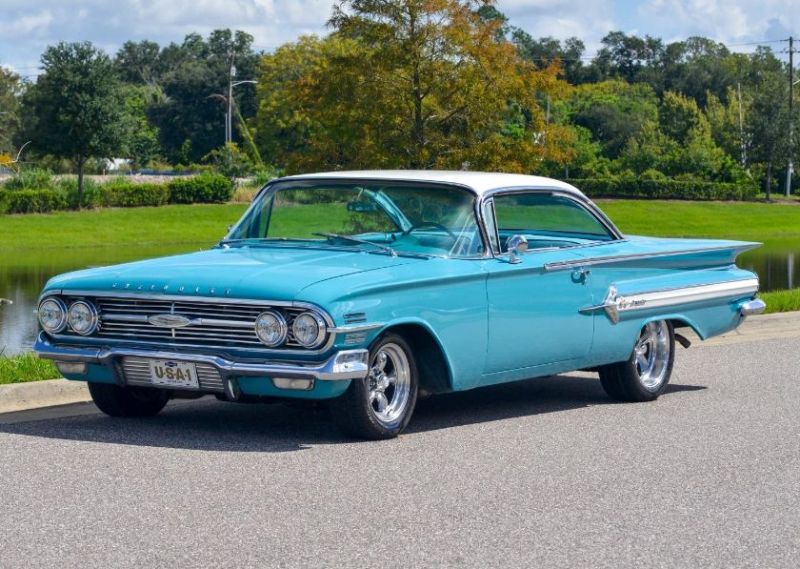
If a car with this kind of story has you thinking about the platform underneath it, it is worth remembering that the 1964 Impala remains one of the most sought after bodies in the entire lowrider world for exactly the reasons Valadez chose it decades ago. Anyone looking to find a classic Impala of their own is chasing the same combination of proportions and presence that made Gypsy Rose possible in the first place, even if very few builds will ever reach the cultural weight this one carries.