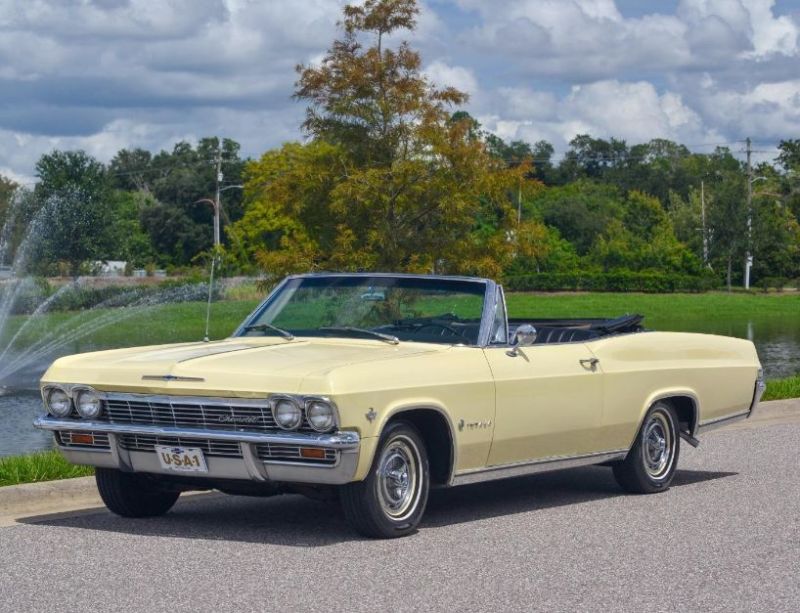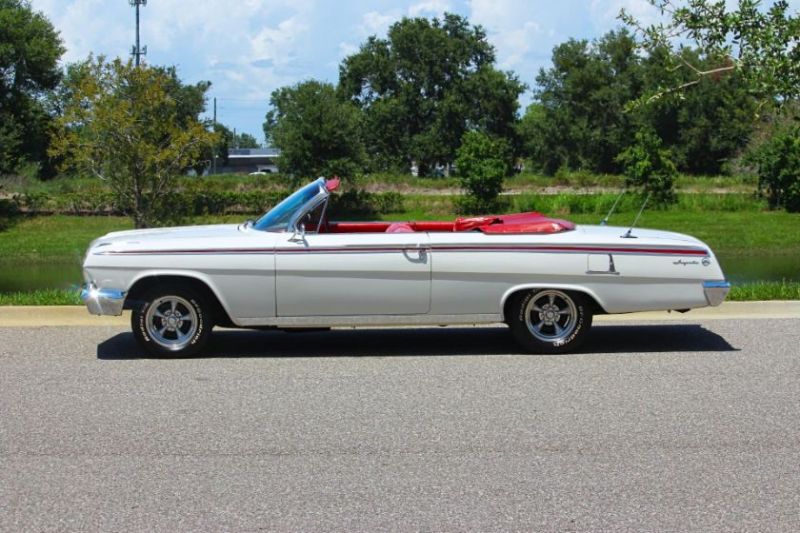
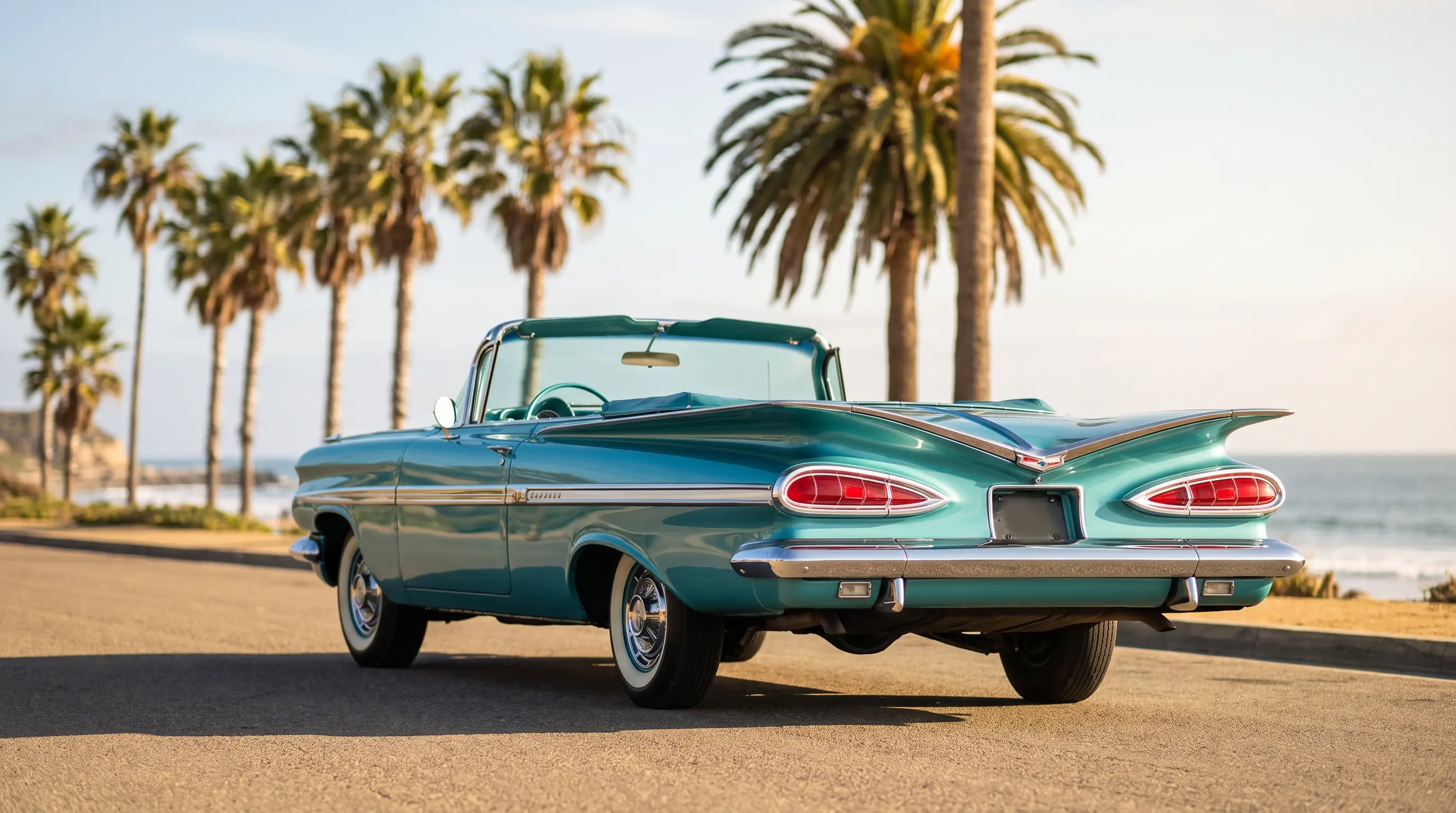
When Chevrolet elevated Impala to its own series for 1959, the lineup was not a single car with minor trim variations. It was four distinct body styles built on the same new full-size platform, each aimed at a different kind of buyer, and understanding the 1959 Impala body styles is the fastest way to make sense of why the model became such an immediate sales success. The same basic spread carried into 1960 with only cosmetic changes, so the two years are best understood together.
The four-door sedan
The plainest of the group, the four-door sedan, carried a fixed B-pillar and a conventional roofline, aimed at family buyers who wanted Impala's extra trim and status without paying for the more expensive hardtop bodies. It was never the glamour model in Chevrolet's brochures, but it likely accounted for a meaningful share of total Impala production in both years, since sedans historically outsold flashier body styles across the entire American industry in this period. Anyone assembling a full picture of the era needs to include the sedan rather than focusing only on the show-stopping convertibles and hardtops that dominate car show lawns today.
The Sport Sedan: a four-door hardtop
The Sport Sedan was Chevrolet's four-door pillarless hardtop, a body style that let a family-sized car keep the open, airy greenhouse of a two-door hardtop while still offering rear doors for practical access. This body style was something of a status symbol in its own right during the late 1950s, since the tooling and structural engineering required to build a pillarless four-door was more expensive than a conventional sedan, and buyers who chose it were often making a deliberate statement about wanting the best available trim without sacrificing family practicality.
The Sport Coupe: the image leader
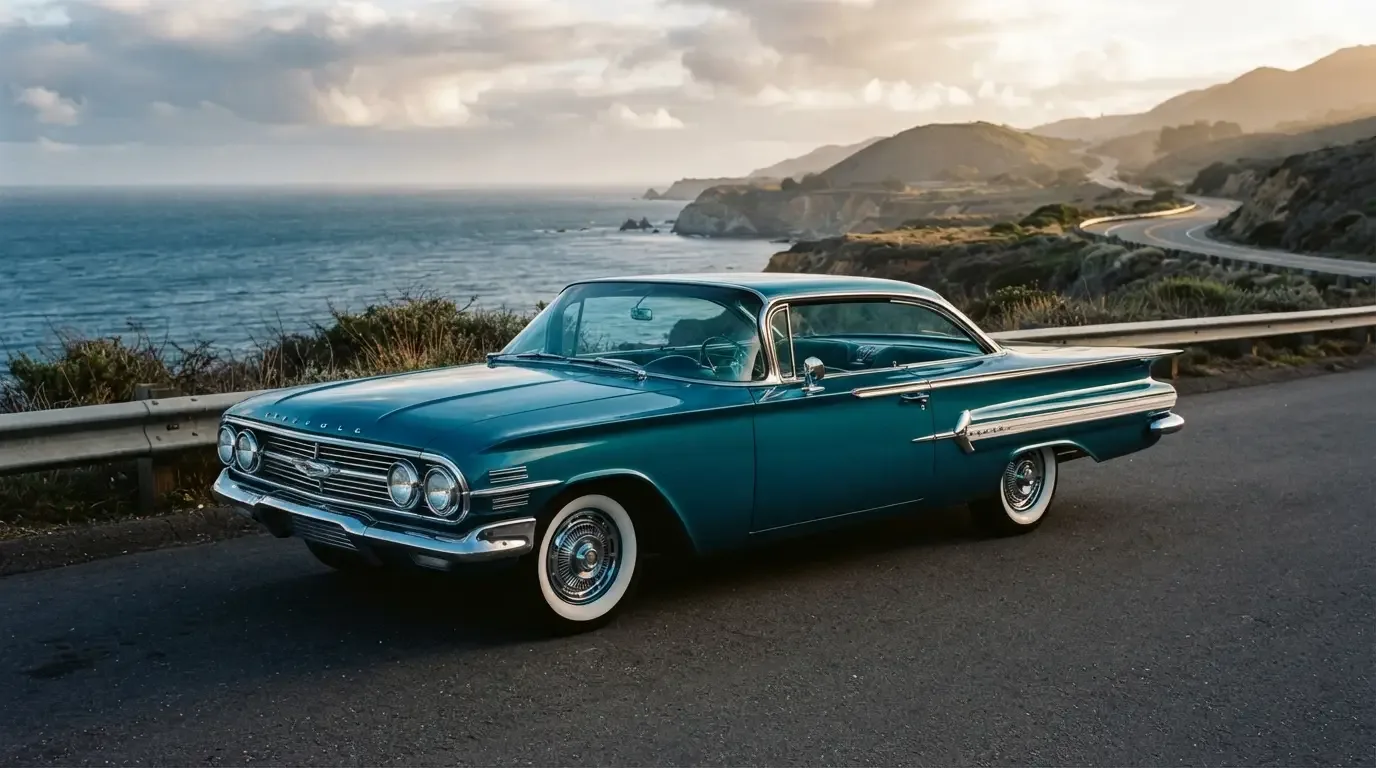
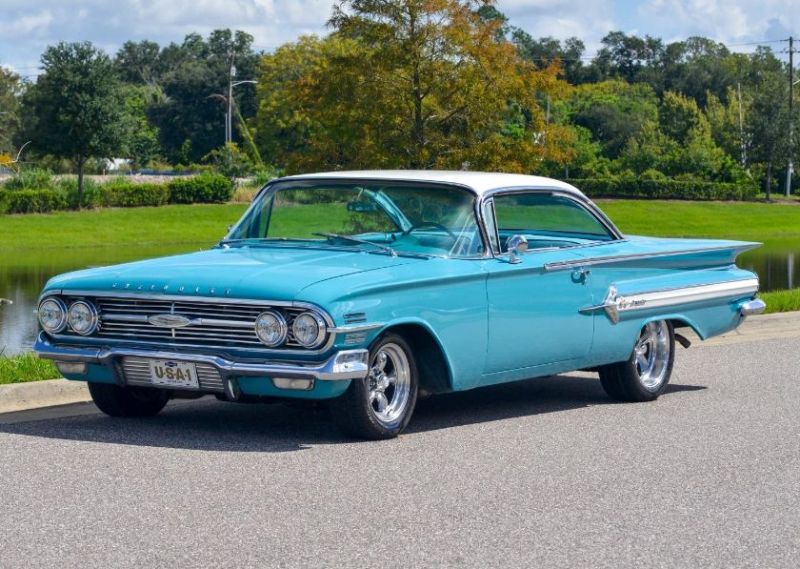
The two-door Sport Coupe hardtop is the body style most associated with 1959 and 1960 Impala in period advertising, and it remains the body style most collectors chase today. Its flat-topped roofline with slim pillars gave it the cleanest, most modern-looking cabin in the lineup, and Chevrolet's marketing consistently positioned the Sport Coupe as the car for a buyer who wanted to be noticed. Two-tone paint combinations were especially common on Sport Coupe orders, reinforcing its role as the image leader of the series.
The convertible: rarest and most collected
Impala's convertible sat at the top of the body style hierarchy in terms of both price and desirability, and it was built in the smallest numbers of the four body styles in both 1959 and 1960. Power tops, wide two-tone interiors, and the visual drama of the car with the top down made it the halo of the lineup, and that combination of low production and high visibility is exactly why convertibles command the strongest prices among collectors today.
| Body style | Doors | Roof type | Typical buyer |
|---|---|---|---|
| Four-door sedan | 4 | Fixed B-pillar | Family, value-focused |
| Sport Sedan | 4 | Pillarless hardtop | Family wanting top trim |
| Sport Coupe | 2 | Pillarless hardtop | Style-focused buyer |
| Convertible | 2 | Power soft top | Halo, image buyer |
How buyers chose between the four
Price separated the four body styles clearly enough that a period buyer rarely confused what they were shopping for. The four-door sedan sat at the bottom of the price ladder within the Impala series, still carrying every piece of Impala-specific trim and brightwork but without the added engineering cost of a pillarless roof or a folding top. Moving up to the Sport Sedan or Sport Coupe meant paying for the more complex hardtop body structure, and the convertible sat furthest above all three, priced closer to a specialty purchase than a family car decision.
Dealers used this spread deliberately, often steering budget-conscious shoppers toward the sedan while displaying Sport Coupes and convertibles prominently on the showroom floor to draw attention. That marketing pattern, common across the industry in this period, is part of why the flashier body styles dominate period photography and advertising even though the sedan and Sport Sedan hardtop made up a large share of actual sales volume, with the convertible built in the smallest numbers of the four body styles both years.
How the two model years compare
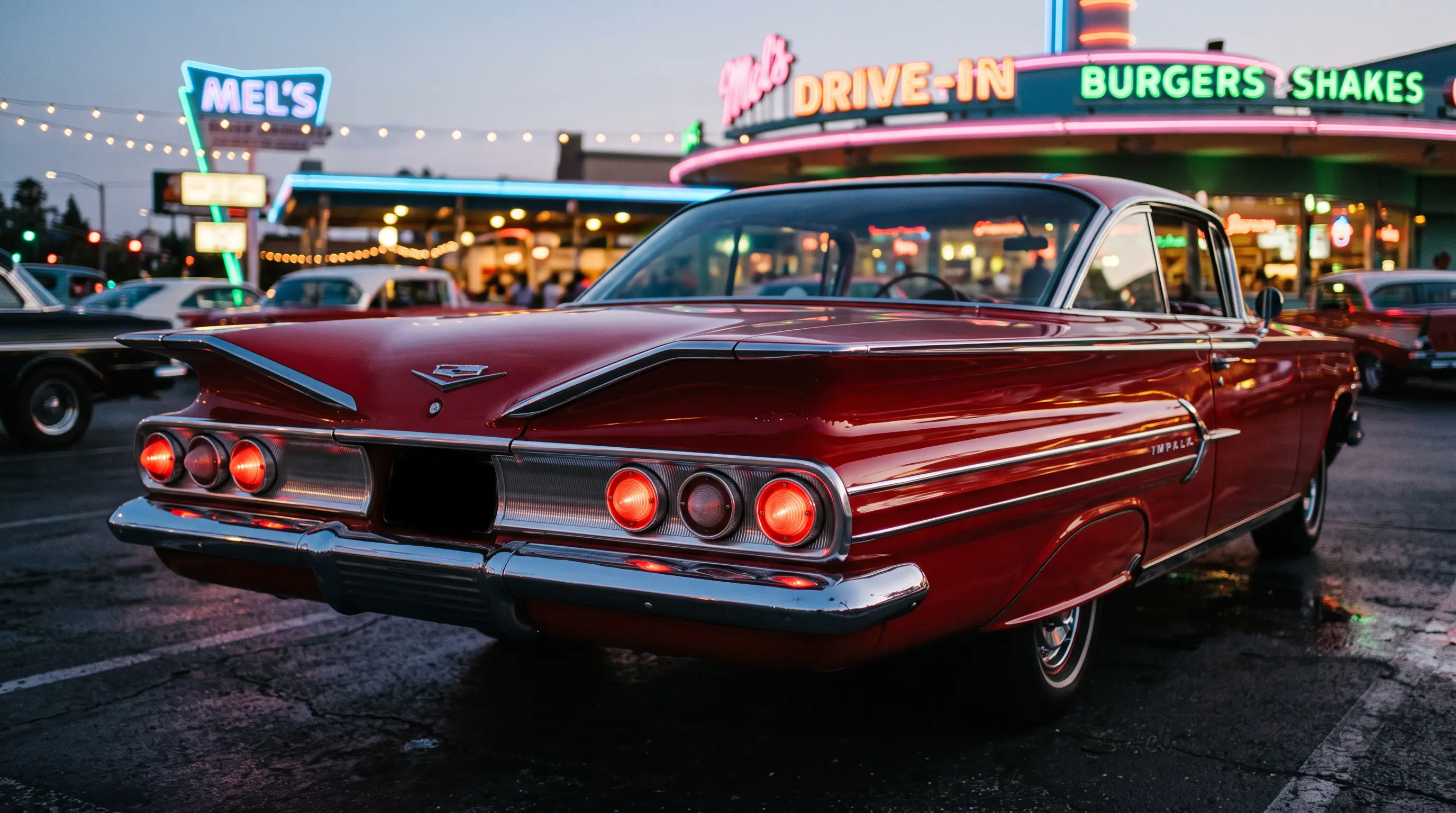
The 1960 lineup kept the same four body styles with only the expected cosmetic revisions: the flattened rear fin, the new triple taillight, and a toned-down two-tone palette on several trims. Structurally the cars are close enough that a restorer working on either year is dealing with largely the same engineering underneath a different skin, which is one reason enthusiasts often research the two years as a single topic. You can read the full story on how the 1959 and 1960 model years connect mechanically and historically, and the body style spread is one of the clearest throughlines between them.
"People assume a convertible is automatically the best example of the year, and often it is the most valuable, but the Sport Coupe is the one that actually defined how people pictured this car in their heads. That flat roofline did more for Impala's reputation than the drop top ever did."
- Sarah Whitfield
Interior differences across the body styles
Interior treatment varied with body style as much as exterior trim did. Convertible interiors tended to use the boldest color combinations, since the open cabin made the upholstery a visible part of the car's presentation even with the top raised. Sport Coupe cabins emphasized the flat roofline and slim pillars with a wraparound rear window that gave rear-seat passengers unusually good visibility for a two-door car of the period. The Sport Sedan carried a similar airy feel into a four-door package, while the standard sedan's fixed B-pillar meant a more conventional, upright cabin that prioritized headroom and shoulder room for family use over the open, hardtop-style greenhouse the other three styles offered.
None of these interior differences changed the mechanical layout underneath. All four body styles shared the same basic dashboard architecture and control layout, with only upholstery pattern, trim material, and small ornamental details shifting between them, which is consistent with how Chevrolet handled the rest of the lineup: differentiate through trim and presentation, keep the expensive engineering common across the range.
What this means for buyers today
Knowing the body style hierarchy matters when you are shopping, because pricing, parts availability, and restoration cost diverge sharply between a plain sedan and a convertible built the same model year on the same basic chassis. A buyer chasing rarity should understand that the convertible commands a premium specifically because so few were built relative to the other three styles, while a buyer who simply wants an honest driver from the era may find far better value in a Sport Sedan or four-door, which turn up less often at shows but far more often at reasonable prices. Whichever body style appeals to you, it is worth taking the time to browse classic Impala listings across all four configurations before deciding which one actually suits how you plan to use the car.