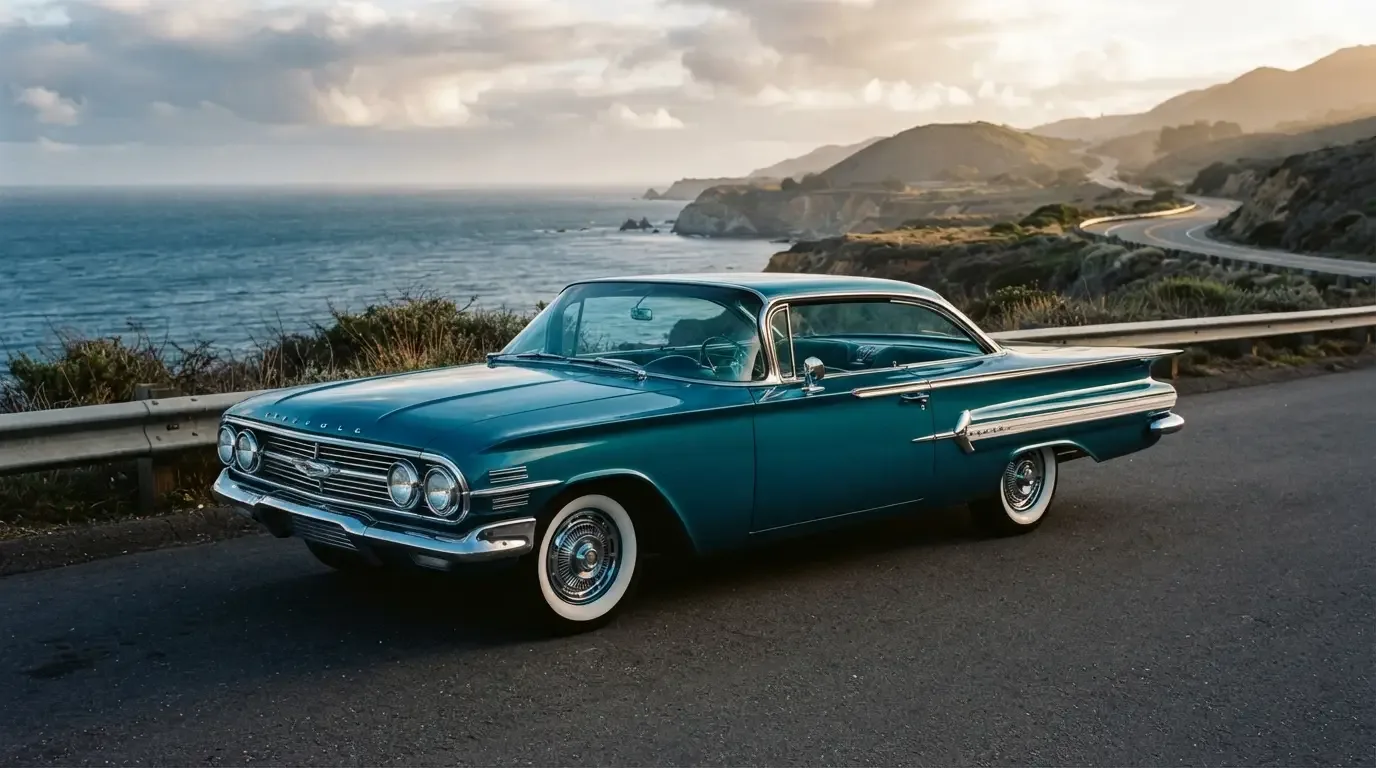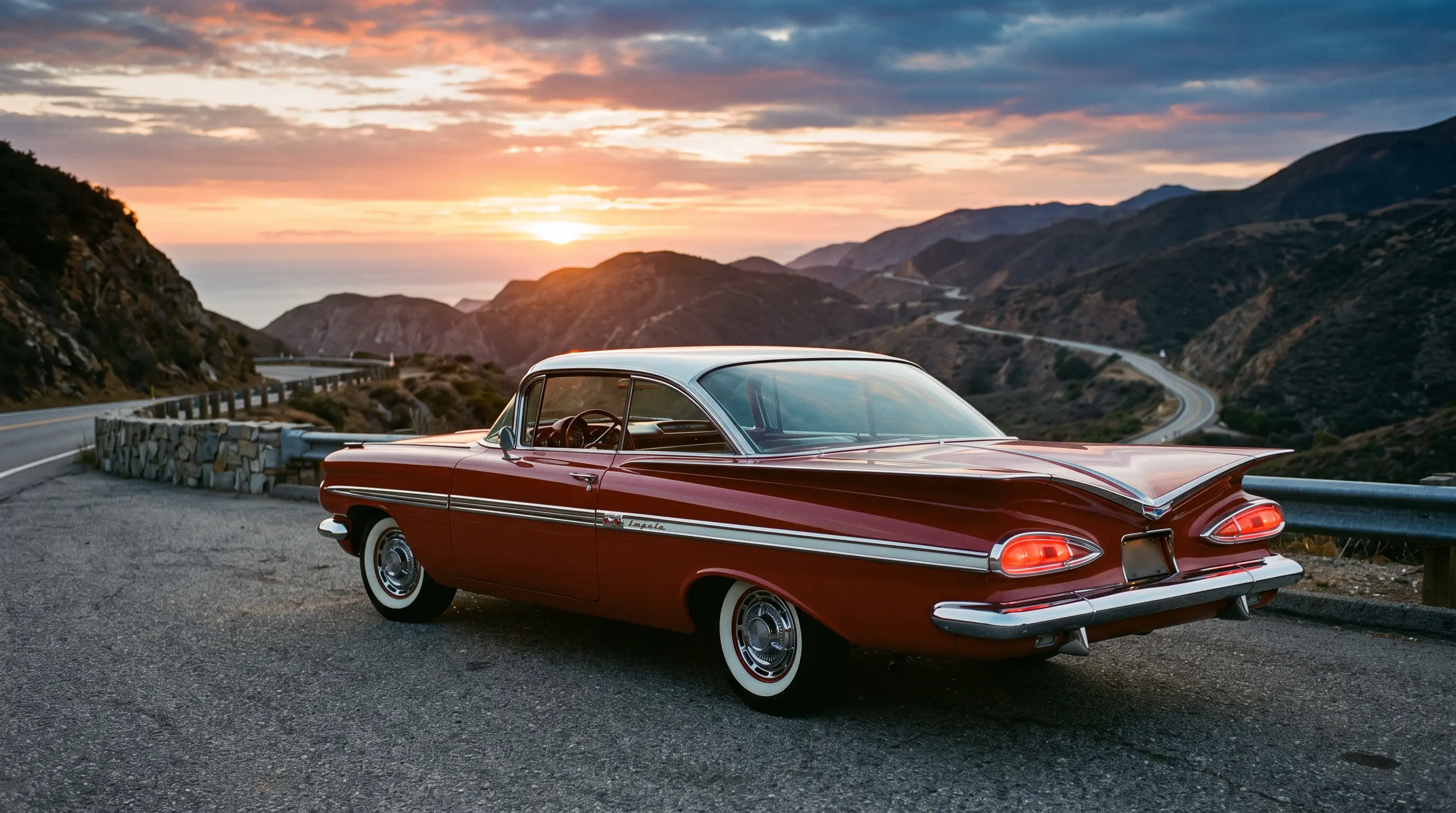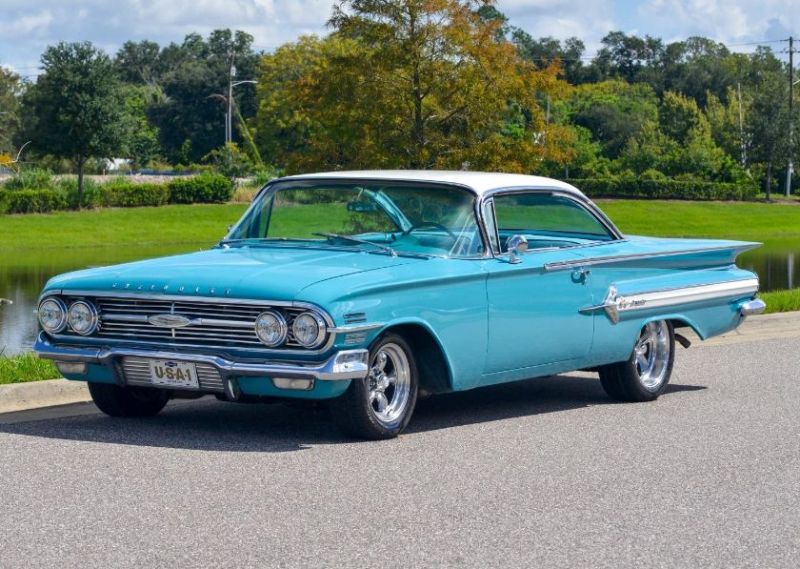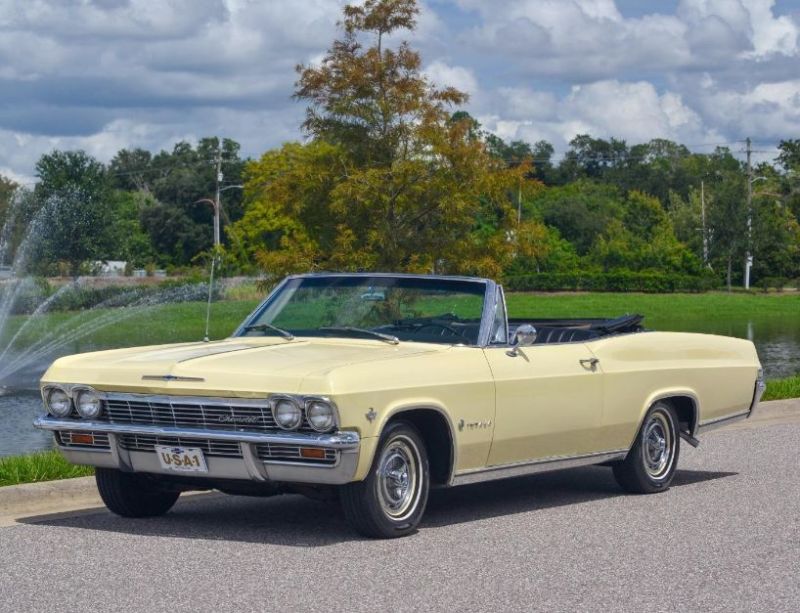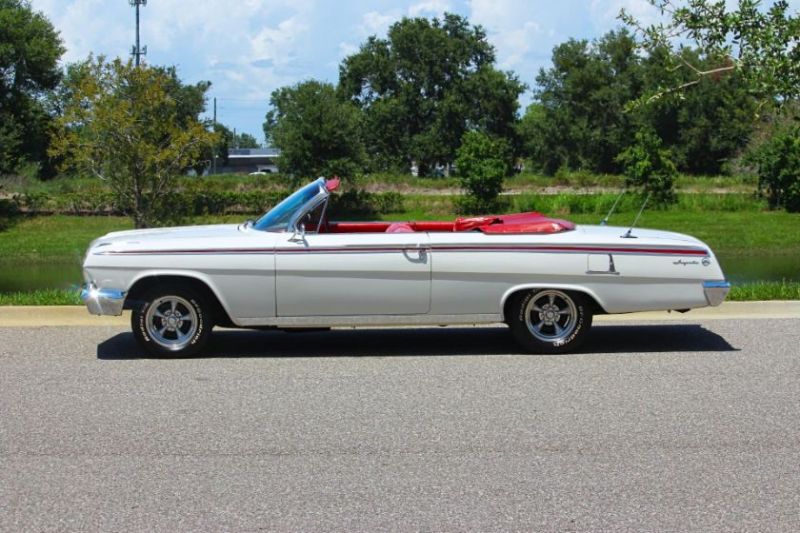
Chevrolet had barely finished celebrating the sales success of the 1959 Impala before its designers were back at the drawing board, and the 1960 Impala restyle shows exactly how fast automotive fashion moved at the end of the 1950s. The bat-wing fin that made the 1959 car so distinctive was toned down within a single model year, the cat's-eye taillights disappeared entirely, and Chevrolet settled on a look that, in several ways, proved far more durable than the design it replaced.
This is not a story of a company losing confidence in its own styling. It is a story of a company recalibrating after making the most extreme styling statement in its history, and choosing to walk part of that statement back while keeping the parts that worked.
What changed and what stayed
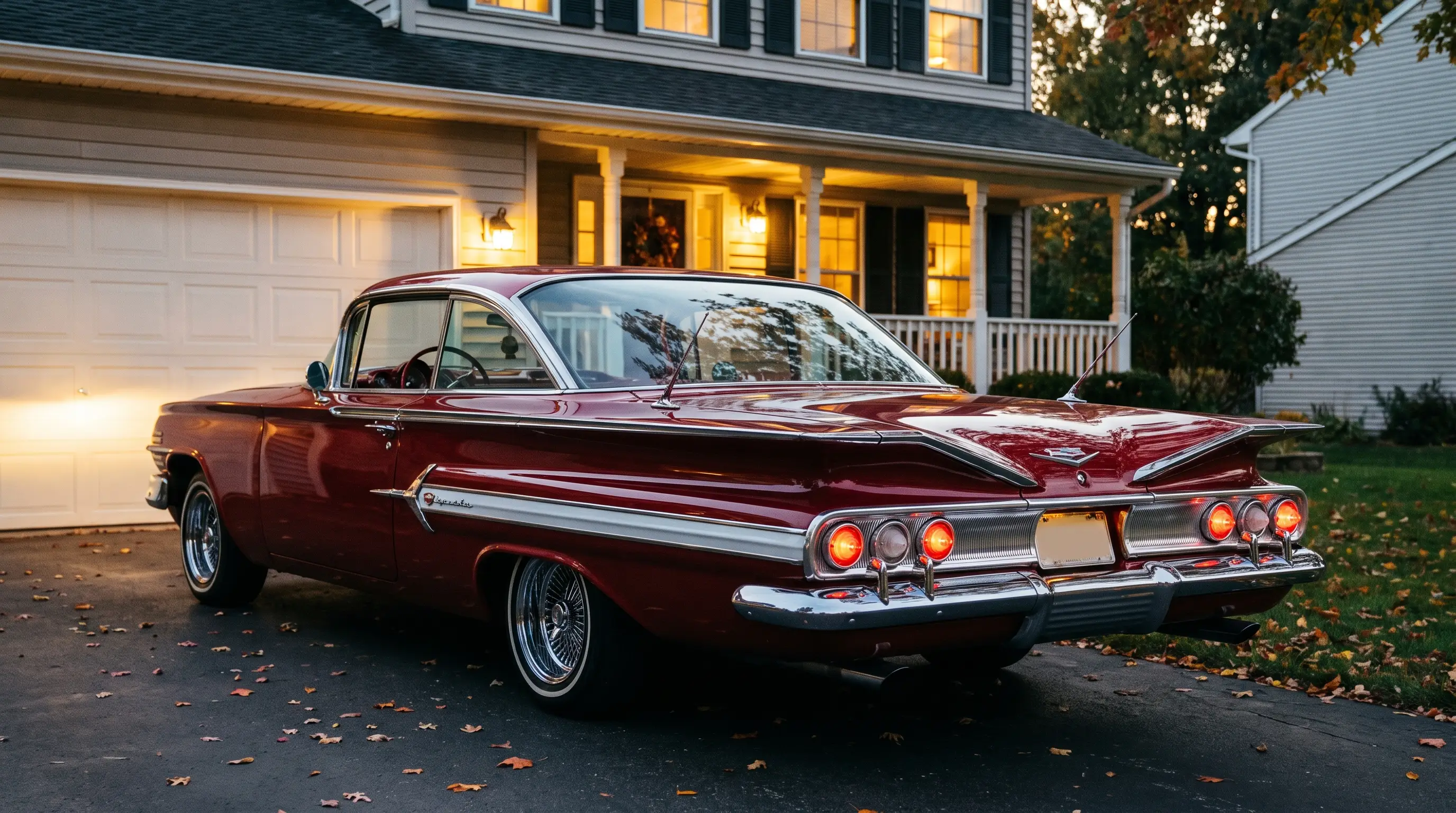
The basic body shell carried over from 1959, along with the wheelbase and much of the greenhouse structure, so the 1960 Impala restyle was a surface-level revision rather than an all-new platform. Chevrolet flattened the rear fin considerably, trimming away the dramatic horizontal sweep that had defined the 1959 car and replacing it with a lower, more restrained fender line. The front end received a new grille treatment, and the two-tone paint schemes so common in 1959 were pared back on many trim levels, reflecting an industry-wide retreat from the most flamboyant color combinations of the decade.
Underneath, engine choices and drivetrain options for 1960 tracked closely with the prior year's lineup, which is one reason mechanics and restorers treat 1959 and 1960 as close cousins even though the sheet metal tells a different story from ten feet away. If you want more on the 1959 impala and how its underpinnings connect to the following year, the family resemblance runs deeper than the visible styling suggests.
The taillight change that stuck
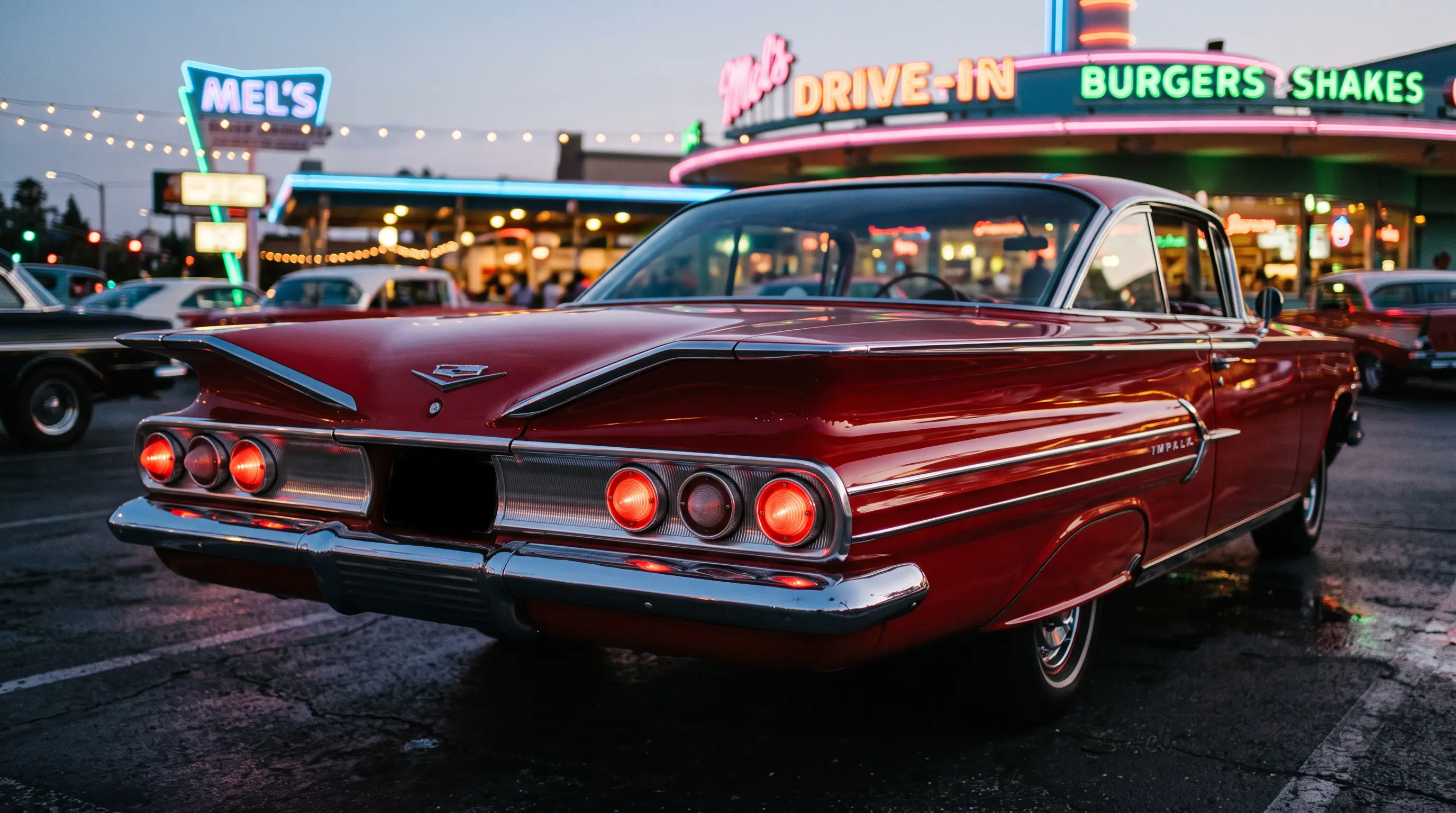
The single most consequential styling decision Chevrolet made for 1960 was replacing the one-year-only cat's-eye taillight with a cluster of three round lamps per side. That triple-lamp arrangement, unremarkable as it might have seemed to a 1960 shopper walking a showroom floor, went on to become one of the longest-running design signatures in Chevrolet's history, appearing in one form or another on full-size models for decades afterward. It is a rare case of a company trying something dramatic, backing away from it after a single year, and landing on the replacement almost by accident on something that outlasted the original by a wide margin.
Sales performance and market reception
Impala had become Chevrolet's flagship series only the year before, a status worth understanding from where this started, and the division had every incentive to protect that momentum rather than risk another radical departure. The more restrained 1960 restyle appears to have been a deliberate hedge: enough visual change to look current against 1959, without repeating the compressed, reactive design process that produced the bat-wing body in the first place. Buyers responded well, and Impala continued to anchor the top of Chevrolet's full-size range through the new decade, a position it had only just claimed as its own for 1959.
Body styles and trim continuity
The 1960 Impala continued to offer the same broad spread of body styles as its predecessor: a four-door sedan, the pillarless Sport Sedan hardtop, the two-door Sport Coupe hardtop, and a convertible, all wearing Impala's characteristic extra brightwork over the lesser Biscayne and Bel Air trims. Interior trim followed a similar pattern of continuity, with revised upholstery patterns and dashboard details replacing rather than reinventing what 1959 buyers had found inside the car.
"People assume the 1960 car is just a toned-down 1959, and mechanically that is close to true. But stand behind one and look at where those three round lights sit. Chevrolet was quietly inventing a signature that would still be on their cars when today's collectors were children. That is not a toned-down anything. That is a company quietly building the identity it would wear for the next twenty years."
- Sarah Whitfield
Why Chevrolet chose evolution over revolution
It is worth asking why Chevrolet did not simply push the 1959 styling theme further for 1960, doubling down on the fin and the two-tone drama that had generated so much attention. The likely answer sits in how quickly automotive fashion moved industry-wide at the turn of the decade. Fins across the American market, from every manufacturer, had peaked and were already retreating by 1960, and a company that had just spent enormous engineering effort on the most extreme fin in its own history was not well positioned to lead a second wave of the same trend. Toning the shape down let Chevrolet claim it was ahead of a changing market rather than stubbornly repeating a look that competitors and customers alike were starting to move past.
There is also a simpler commercial logic at play. Impala had just become Chevrolet's best-selling full-size series in its first year as a standalone model. A design team in that position has every incentive to protect the win rather than gamble on an even bigger swing, and the 1960 restyle reads exactly like that kind of protective, confidence-building move rather than a retreat born out of failure.
The grille, the deck, and the details nobody notices first
Beyond the fin and the taillights, the 1960 restyle touched almost every panel on the car in some small way. The grille lost the concave, insect-like character of the 1959 front end in favor of a flatter, wider treatment with a simpler horizontal bar pattern. The hood ornament and front badging shifted position slightly to suit the new grille proportions. Rear deck lid stamping changed to accommodate the new triple taillight housings, which meant the trunk lid itself is not interchangeable between the two model years despite how similar the cars look from a distance in a parking lot.
Bumpers, front and rear, were reshaped to follow the flatter fender lines, losing some of the heavier, more sculpted look the 1959 bumpers carried. None of these changes individually reads as dramatic. Together, they add up to a car that a period buyer would have recognized instantly as new for 1960 while still clearly related to the model they might have cross-shopped the year before.
What buyers should know today
Because the 1960 restyle shares so much structure with the 1959 car, parts interchange between the two years is common in areas that were not visibly restyled, which can complicate identifying an unmolested 1960 example. Correct 1960-specific trim, the triple taillight housings, and the flattened rear fin panels are the details worth checking closely, since a car assembled from mixed-year parts loses the specific character that separates one model year from the other. For anyone shopping the era, you can find classic Impalas on the market from both years regularly, and knowing which visual cues belong to which year makes the difference between buying a correct car and buying an approximation of one.