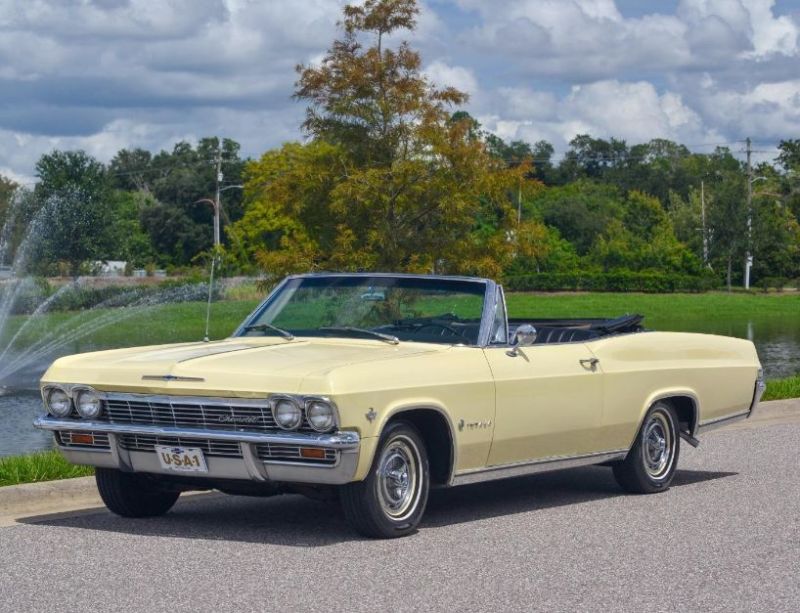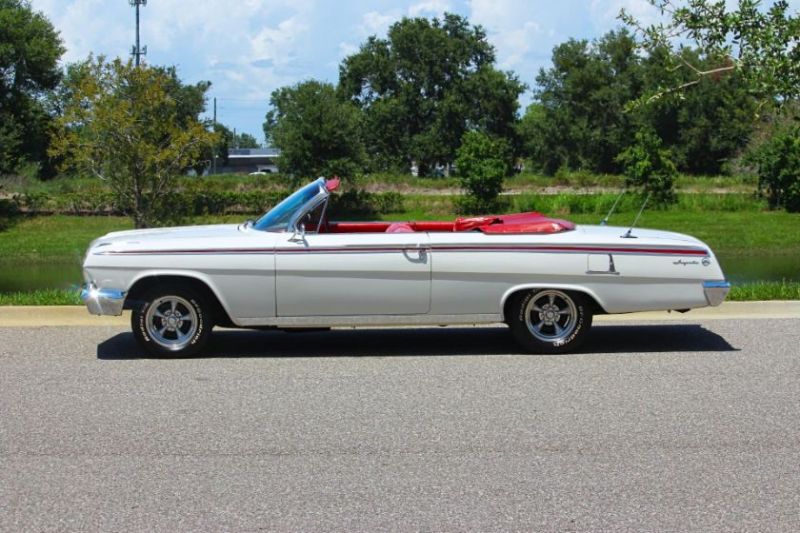
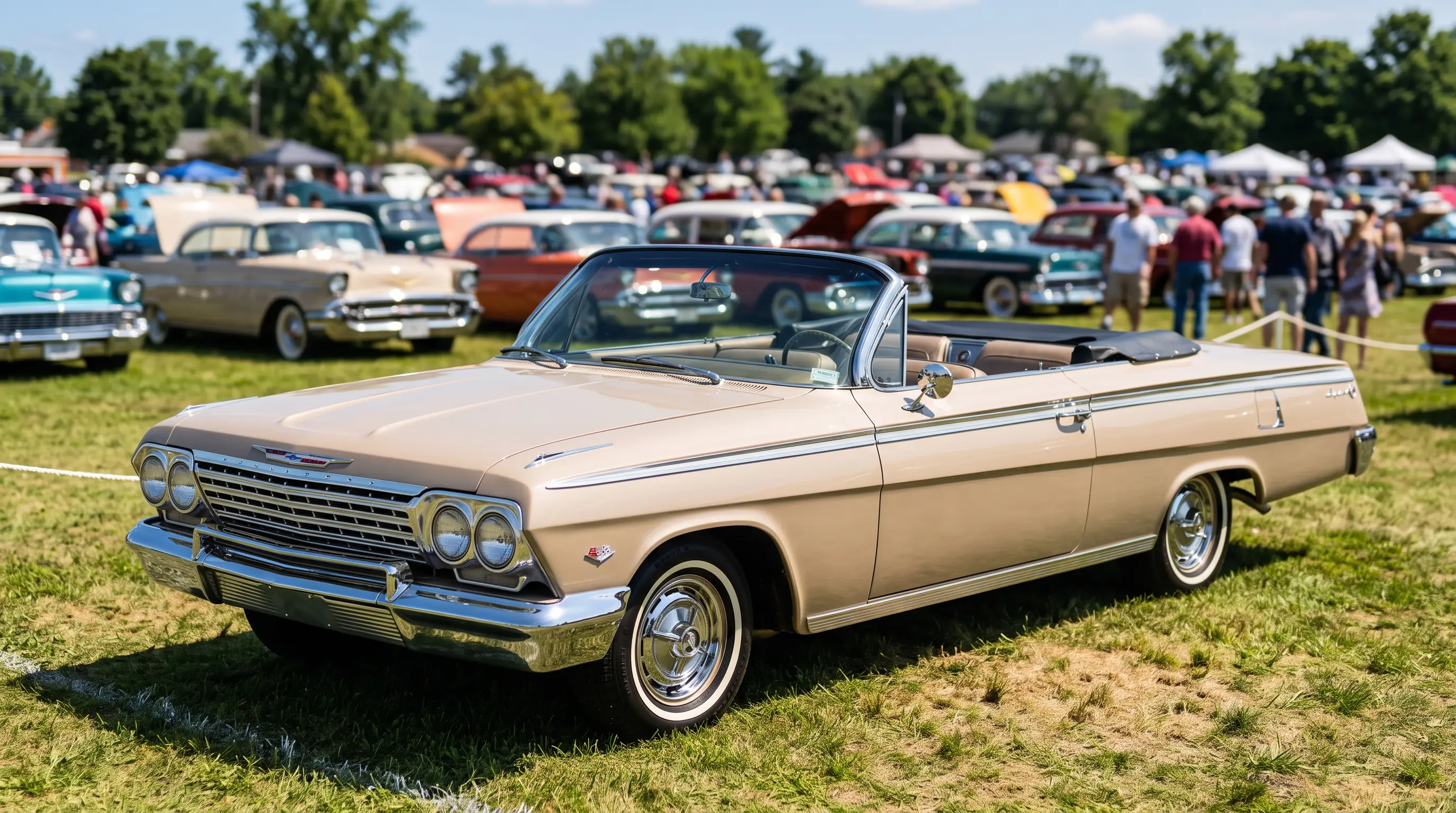
Cataloguing a 1962 Impala means starting with the body style, because Chevrolet's top trim that year came in more configurations than most people remember. There was a four-door sedan, a four-door hardtop without a center pillar, a two-door Sport Coupe with a new formal roof, and a convertible. Four silhouettes under one nameplate is a lot of variety for a single model year, and each one occupied a different place in the showroom and, decades later, a different place in the collector market.
The four-door sedan: the volume seller nobody chases
The Impala four-door sedan was the highest-volume body style in 1962, and it is also the one with the least collector interest today. It carried a conventional B-pillar, a formal roofline, and the same trim level as its flashier siblings, but the shape did little to distinguish it visually from the Bel Air sedan beneath it. Original survivors are not scarce, but they are also not in demand the way the two-door cars are. For a period family that needed four doors and Impala-level upholstery, this was the practical choice, and it sold in huge numbers precisely because it was practical rather than aspirational.
The four-door hardtop: pillarless elegance
More interesting to collectors is the four-door hardtop, sold under the Sport Sedan name, which dropped the center B-pillar entirely. Roll down all four windows and the entire side of the car opens up, a styling trick General Motors used across its full-size lines in this era to suggest open-air motoring without giving up rear-seat doors. It cost more to engineer and more to buy than the plain sedan, and it required extra structural reinforcement lower in the body to compensate for the missing pillar. Buyers who wanted four-door practicality but did not want to look like they were driving a taxi gravitated toward this body style, and it remains a more sought-after variant than the standard sedan today.
The Sport Coupe: a new, more formal roof
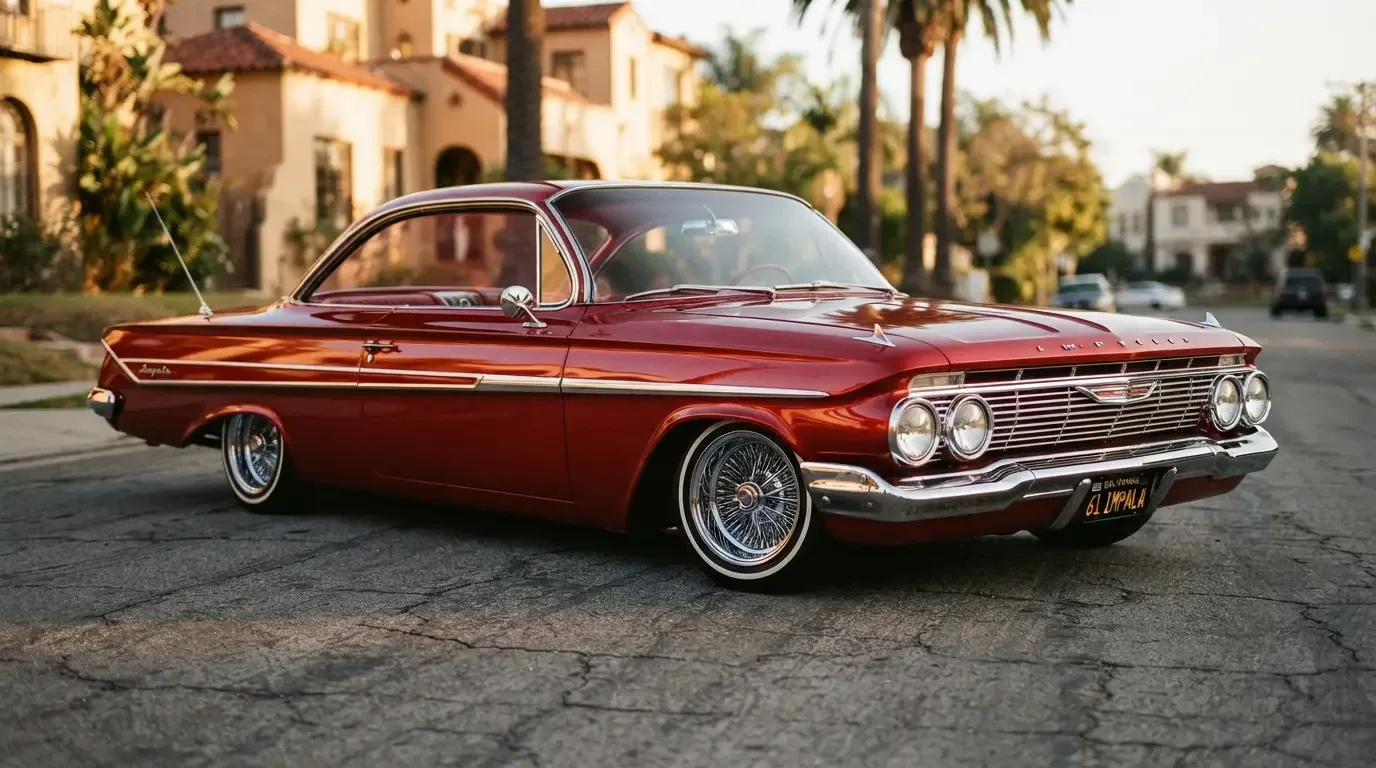
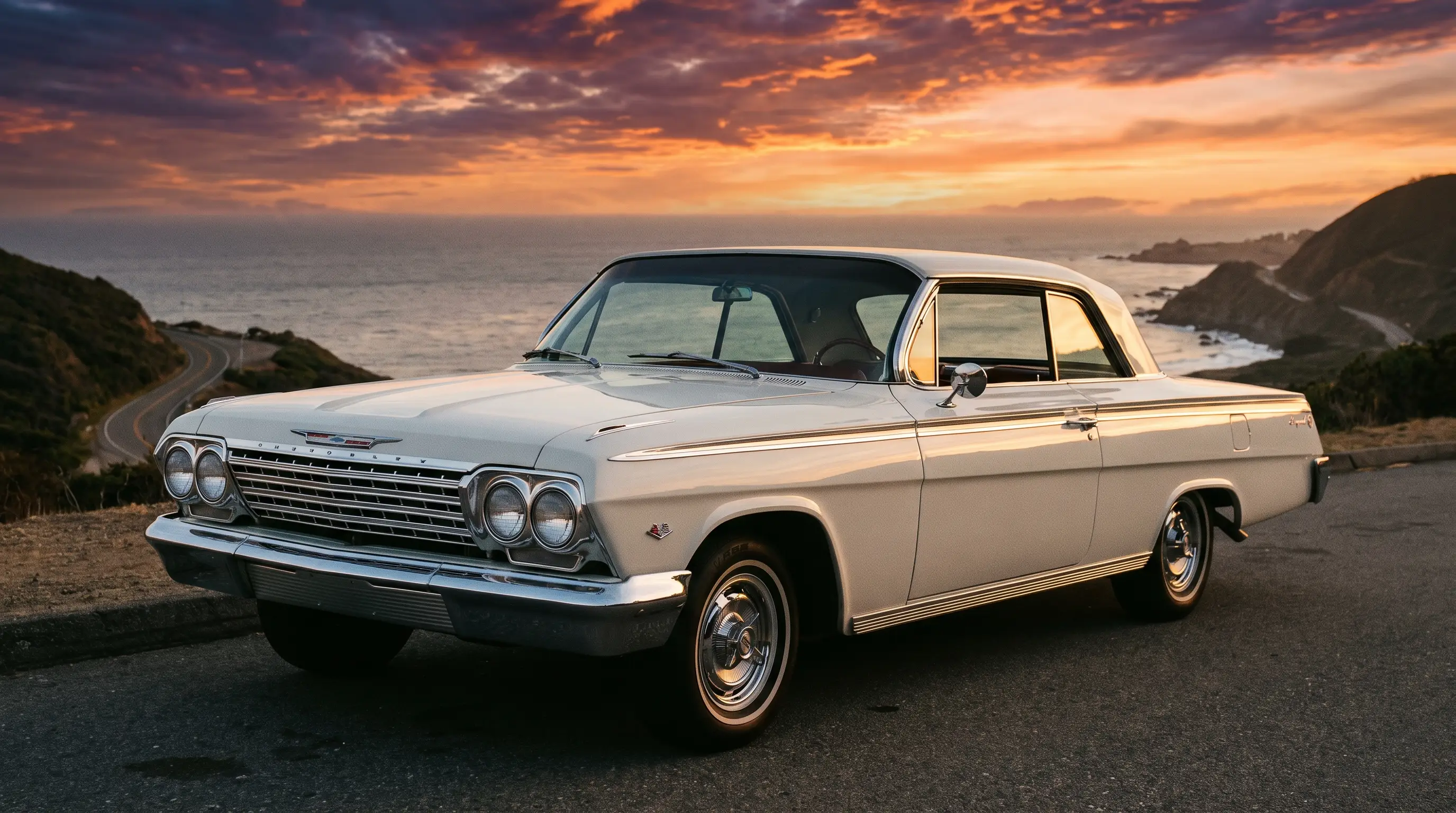
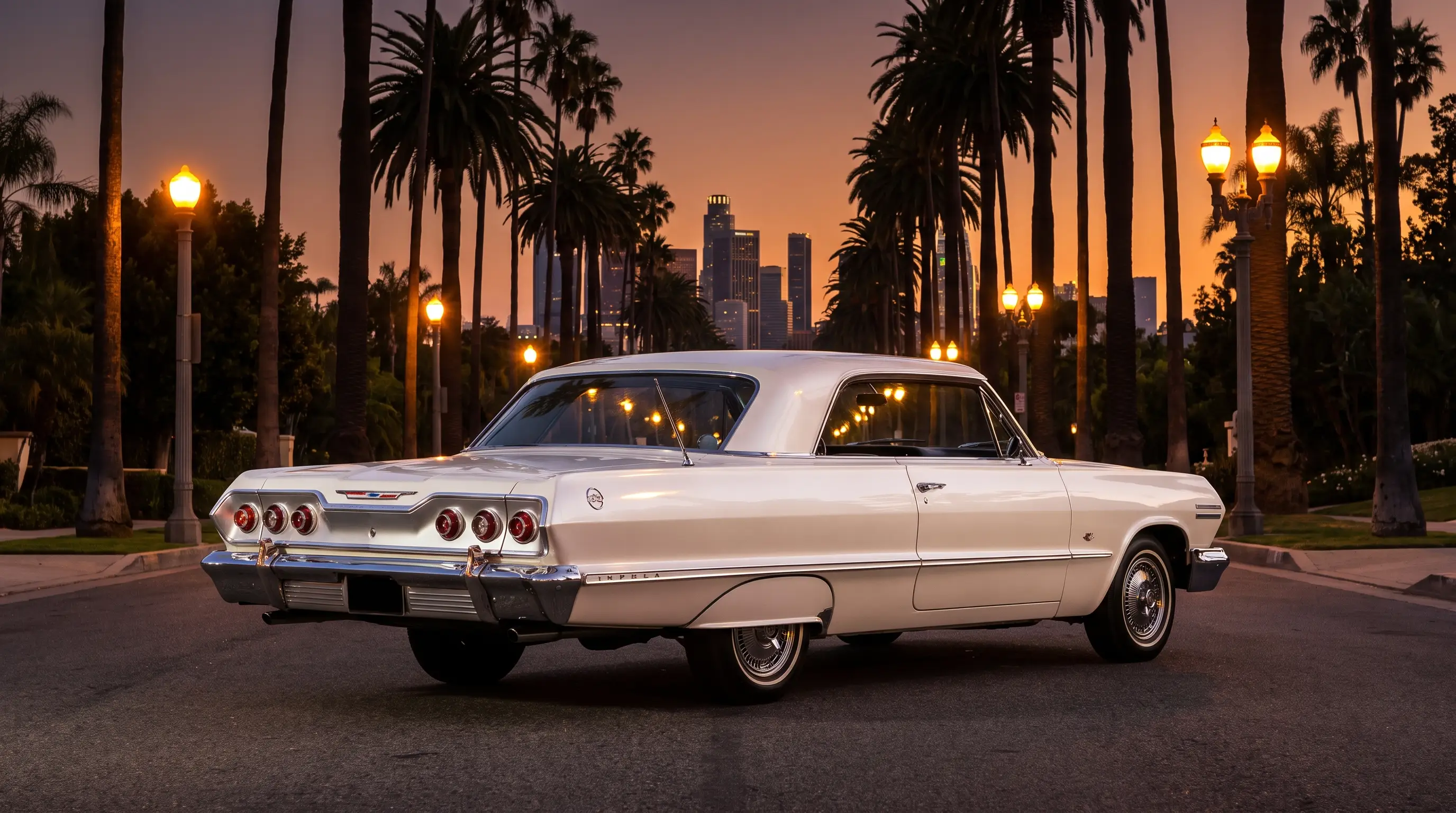
The two-door Sport Coupe is where the 1962 lineup gets interesting, because the Impala's roofline changed even though the rest of the full-size body carried over. The bubble top roofline, with its thin pillars and heavily curved backlight, had been the Impala Sport Coupe's signature look in 1961, but for 1962 that curved roof moved down to the Bel Air Sport Coupe for one more season while the Impala switched to a new formal notchback, with a more upright rear window and a sharper deck line, styled to echo a folding convertible top in the up position. The Impala Sport Coupe used only this notchback roof in 1962; it was not offered with the old bubble top that year. The formal roof sold close to 400,000 units across the Impala Sport Coupe line in 1962 and would carry the Impala coupe's look through 1964, which makes 1962 something of a hinge point in the body's design history.
The convertible: the body style that ages best
The Impala convertible sat at the top of the range in both price and collector appeal, then and now. It shared its running gear with every other 1962 Impala, but the folding top and the reinforced structure underneath it made it the most expensive body style to buy new and, generations later, the most expensive to buy as a restored example. Convertibles were built in smaller numbers than the closed body styles, and a disproportionate share of the ones that survive have been through at least one full restoration, since soft tops and their supporting structure do not hold up to decades of weather the way a hardtop roof does.
| Body style | Doors | Notable trait |
|---|---|---|
| Sedan | 4 | Highest volume, least collector demand |
| Sport Sedan (hardtop) | 4 | Pillarless, open-air look with four doors |
| Sport Coupe, notchback | 2 | New formal roof exclusive to Impala for 1962; bubble top moved to Bel Air |
| Convertible | 2 | Top of the price range, scarcest survivor |
What this means for buyers today
Body style is the single biggest driver of value across the 1962 lineup once you control for condition and engine. A well-kept sedan and a well-kept convertible can differ in price by a wide margin despite sharing a chassis, a dashboard, and often an engine. Anyone assembling a picture of the whole Impala story, from its 1958 debut through this generation, should start with the fuller history to understand why the nameplate carried so much weight by 1962; that context is where this started. And for the specific stretch this car belongs to, there is more on the 1964 impala and how the body styles carried forward and changed through the rest of the generation.
"Four body styles under one badge in a single year is unusual even for this era. The notchback Sport Coupe is the one to watch closely, because it marks the moment Chevrolet gave the Impala a roofline the Bel Air and Biscayne did not share."
- Sarah Whitfield
Sourcing the right example
Because trim, upholstery, and small brightwork details differ across body styles and were not always cross-compatible, a buyer chasing a specific configuration should be precise about what they want before they start looking. A Sport Coupe with the original two-tone paint scheme, for instance, is a different animal from a plain sedan even though both wear the same Impala badges. Serious shoppers comparing body styles side by side will get more out of looking at several cars in person than at photographs alone, since catalog descriptions do not always spell out condition-critical details. Sellers themselves are sometimes loose with roofline terminology, calling a 1962 Impala Sport Coupe a "bubble top" out of habit even though the curved roof had moved to the Bel Air that year, so a buyer who cares about the distinction has to verify the actual roofline in person rather than trust the listing copy.
Interior trim is another area where body style creates real differences. The Sport Sedan's four-window arrangement changes the proportions of the rear door panels compared to the two-door cars, and reproduction upholstery kits are not always cut identically for both configurations. Buyers restoring a car to original specification should confirm which body style a given trim kit is designed for before ordering, since a kit meant for the sedan will not sit correctly in the coupe's shorter rear doors. It is worth taking time to browse classic Impalas on the market to see how body style, originality, and price actually correlate in current listings.