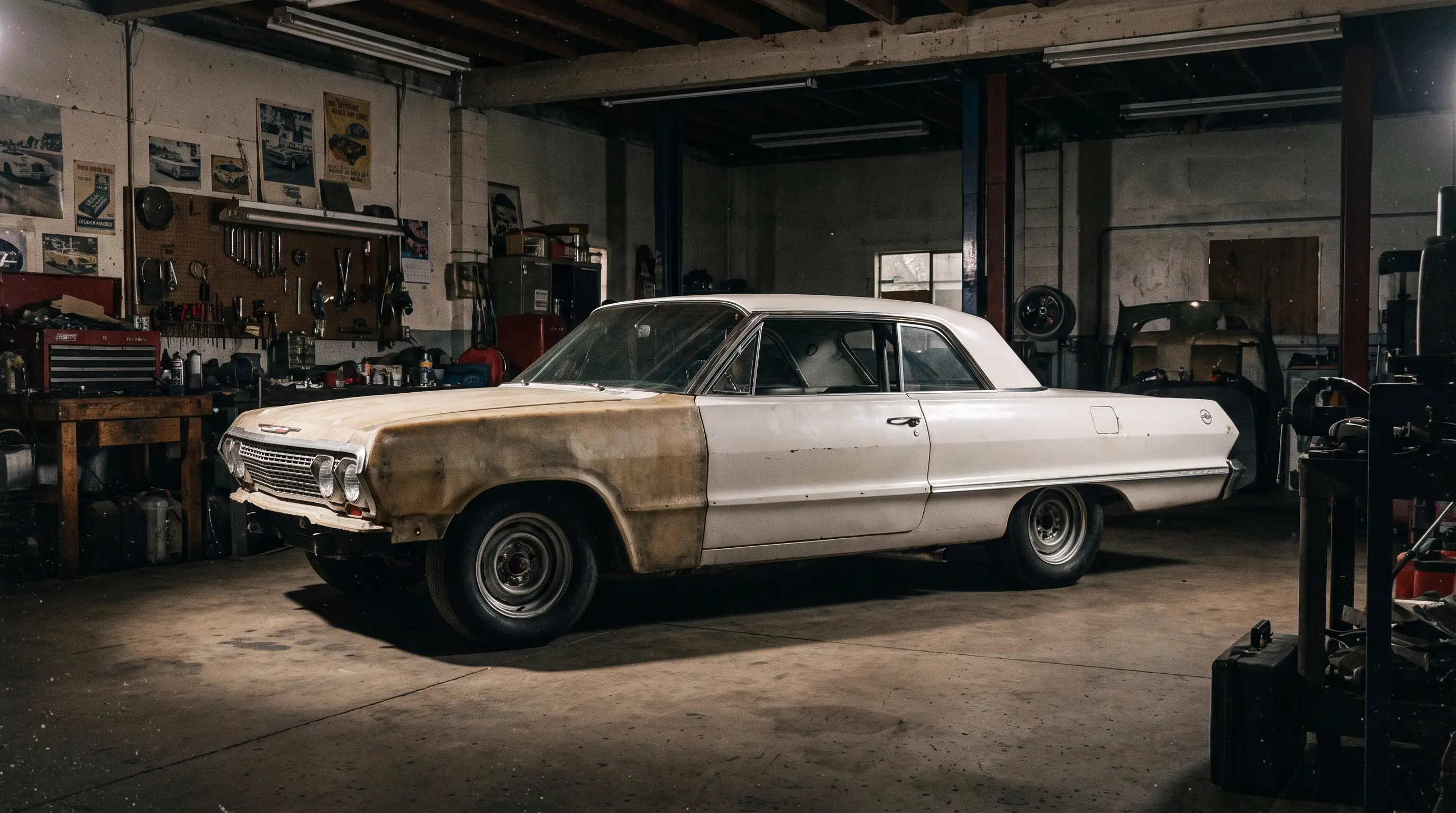
Somewhere around 57 examples of the 1963 Impala Z11 were built, one of the smallest production runs of any factory Chevrolet performance package. What is not in dispute is what the car represented: General Motors, officially withdrawn from factory-backed racing since a 1957 industry agreement, quietly building a purpose-made drag package anyway and selling it through Chevrolet dealers to a handful of buyers who knew exactly what they were asking for. The Z11 is not really a trim level. It is a loophole with a body on it.
A racing program that officially did not exist
By the early 1960s, the 1957 Automobile Manufacturers Association resolution against factory racing involvement had become something every manufacturer observed on paper and undermined in practice. Chevrolet's answer was to route serious competition hardware through a regular production option code, letting dealers order cars built for the drag strip without the corporation putting its name on a racing effort. The Z11 option was Chevrolet's cleanest execution of that trick for 1963, a package aimed squarely at NHRA Super Stock competition and sold to a small circle of buyers connected to drag racing rather than to the general public.
What made the Z11 different from a regular 409 car
The Z11 started from a 427 cubic inch version of the big block V8, a displacement Chevrolet did not otherwise offer that year in a full-size car, built with two Carter carburetors on an aluminum intake and topped by unique cast iron cylinder heads designed for the package. Chevrolet paired the engine with aggressive weight reduction throughout the body: aluminum front sheet metal in place of steel, and in some cases deleted sound deadening and other non-essential trim. The combination of a purpose-built big block and a lightened body was aimed at one thing, quarter-mile elapsed time, and had almost nothing to do with the comfort and trim priorities that shaped every other Impala on the lot that year. The factory rated the Z11 engine at 430 horsepower, a figure widely considered conservative given how the cars actually performed at the strip.
Notchback body, drag strip intentions
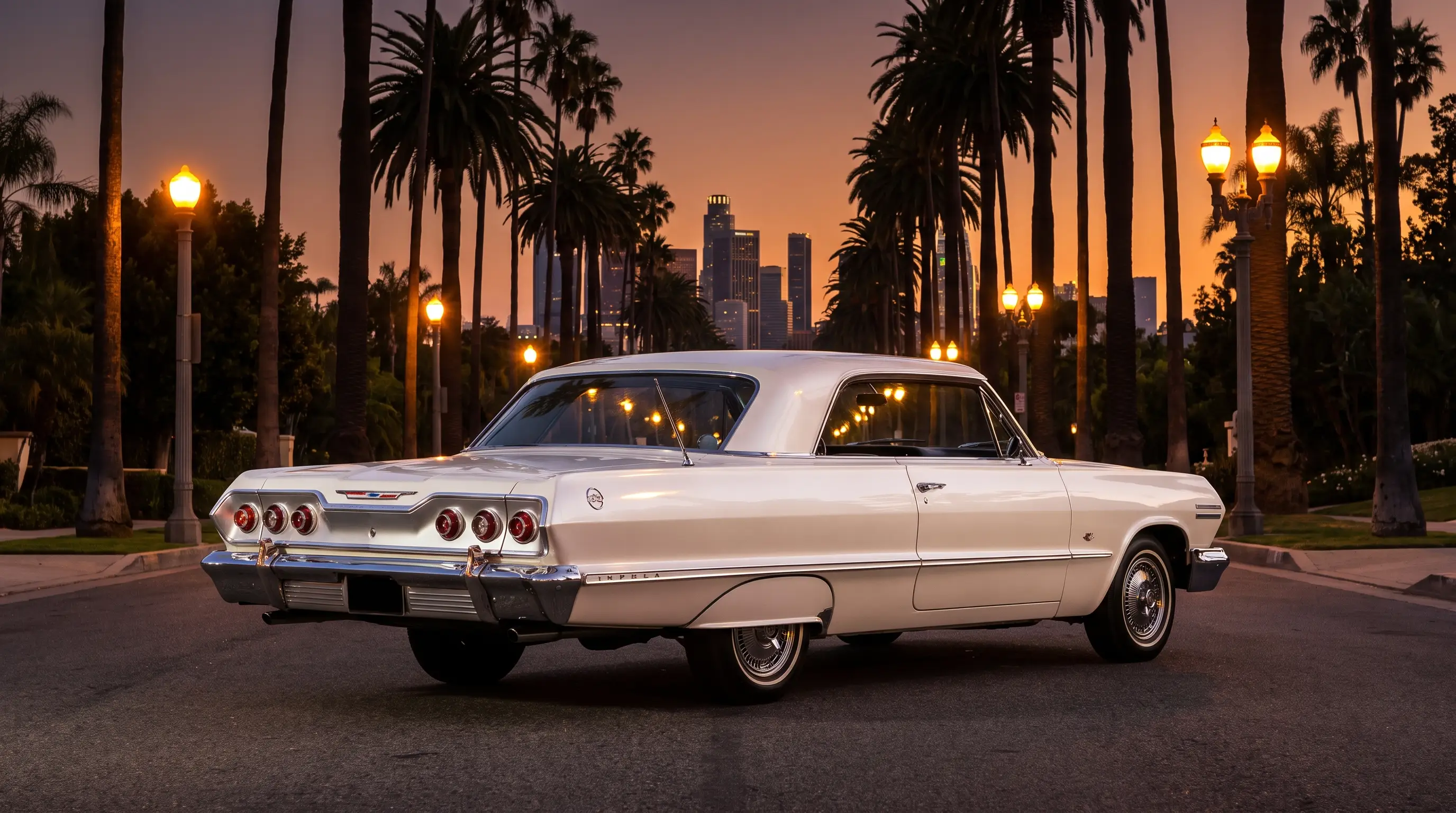
Most Z11 cars were built on the two-door Sport Coupe body, the same shape that carried the last of the notchback roofline changes across the 1963 lineup. From the outside, a Z11 could look deceptively close to an ordinary Impala hardtop, aside from a careful eye noticing the absence of certain trim pieces removed to save weight. That similarity was part of the point. NHRA Super Stock classes were built around production-based cars, and Chevrolet's approach was to make a factory drag car that still technically qualified as a stock Impala, even though almost nothing about its actual purpose matched what a typical buyer walking onto a dealer lot was shopping for.
Why so few were built, and why that matters now
The Z11 was never meant to be a volume product. It was expensive, mechanically specialized, and sold almost entirely to buyers already embedded in organized drag racing who understood what they were ordering. Chevrolet built the package for a single racing season before broader corporate pressure and shifting internal racing politics pushed the division's competition efforts toward other programs. That short window is a large part of why surviving, documented Z11 cars are treated as some of the most significant Chevrolets of the entire decade. A car built in such small numbers, for such a specific purpose, that also happens to carry real motorsport results, occupies rarefied territory that ordinary production Impalas, however desirable, simply cannot reach.
| Detail | Z11 package |
|---|---|
| Engine | 427 cid big block, aluminum intake, unique heads |
| Body | Impala Sport Coupe with aluminum front sheet metal |
| Intended use | NHRA Super Stock drag racing |
| Estimated production | Approximately 57 units |
| Sales channel | Select Chevrolet dealers connected to racing programs |
"What makes the Z11 remarkable is not just the engine. It is that General Motors built a car specifically to skirt its own official ban on factory racing, and did it through the most ordinary sounding mechanism the company had, a regular production option code."
- Sarah Whitfield
The drivers and teams behind the cars
Z11 Impalas found their way into the hands of some of the era's more serious Super Stock competitors, drivers who understood that a car this specialized needed a chassis setup and driving technique that had nothing in common with street use. Traction was a constant fight, since a lightweight nose over a big engine and skinny period tires made launching the car a genuine skill rather than a matter of just flooring the throttle. Teams running these cars spent as much time on suspension tuning and weight distribution as they did on the engine itself, because a 427 with aluminum heads meant nothing if the car could not put power down consistently at the strip. Results from the handful of seasons the Z11 competed in Super Stock classes are part of why the car carries the reputation it does, even among people who have never seen one in person.
Authenticity and the modern market
Because so few were built and the cars have been valuable enough for decades to attract attention, documentation matters enormously for anyone evaluating a claimed Z11. Verified build sheets, original engine casting numbers, and a traceable ownership history separate a genuine example from a well-executed tribute car built later using period-correct parts. Buyers and researchers alike treat provenance as the deciding factor, since the engineering itself, however distinctive, can be replicated by a skilled builder decades after the fact. For collectors and historians tracking how this fits into the broader 1961 through 1964 Impala story, the full story covers how a specialty package like the Z11 emerged from an otherwise conventional family car lineup.
Genuine Z11 cars rarely change hands in public listings, and when they do the transactions draw attention well beyond the usual classic Chevrolet market. Auction houses that have handled confirmed examples typically bring in independent experts to verify casting numbers and cross-reference whatever factory paperwork survives before a sale, because the financial stakes on a misattributed car are high enough to justify the extra scrutiny. Restoration shops that specialize in this era treat a Z11 project differently from a standard Impala rebuild as well, sourcing period-correct aluminum body panels and unique engine components that were never mass produced and are not available as generic reproduction parts the way trim for a standard 409 car might be.
For buyers more interested in the everyday side of this generation, whether a documented 409 Sport Coupe or a well-kept convertible, it is worth taking time to browse classic Impala listings and see what is realistically available without chasing a package built in numbers this small. The Z11 remains more of a museum piece and a benchmark for what the full-size Chevrolet platform was capable of than something most collectors will ever actually own, but understanding it changes how the rest of the 1963 lineup reads. Every ordinary Sport Coupe on a dealer lot that year was built on the same basic architecture that, in a handful of cases, Chevrolet pushed to genuinely extreme ends.