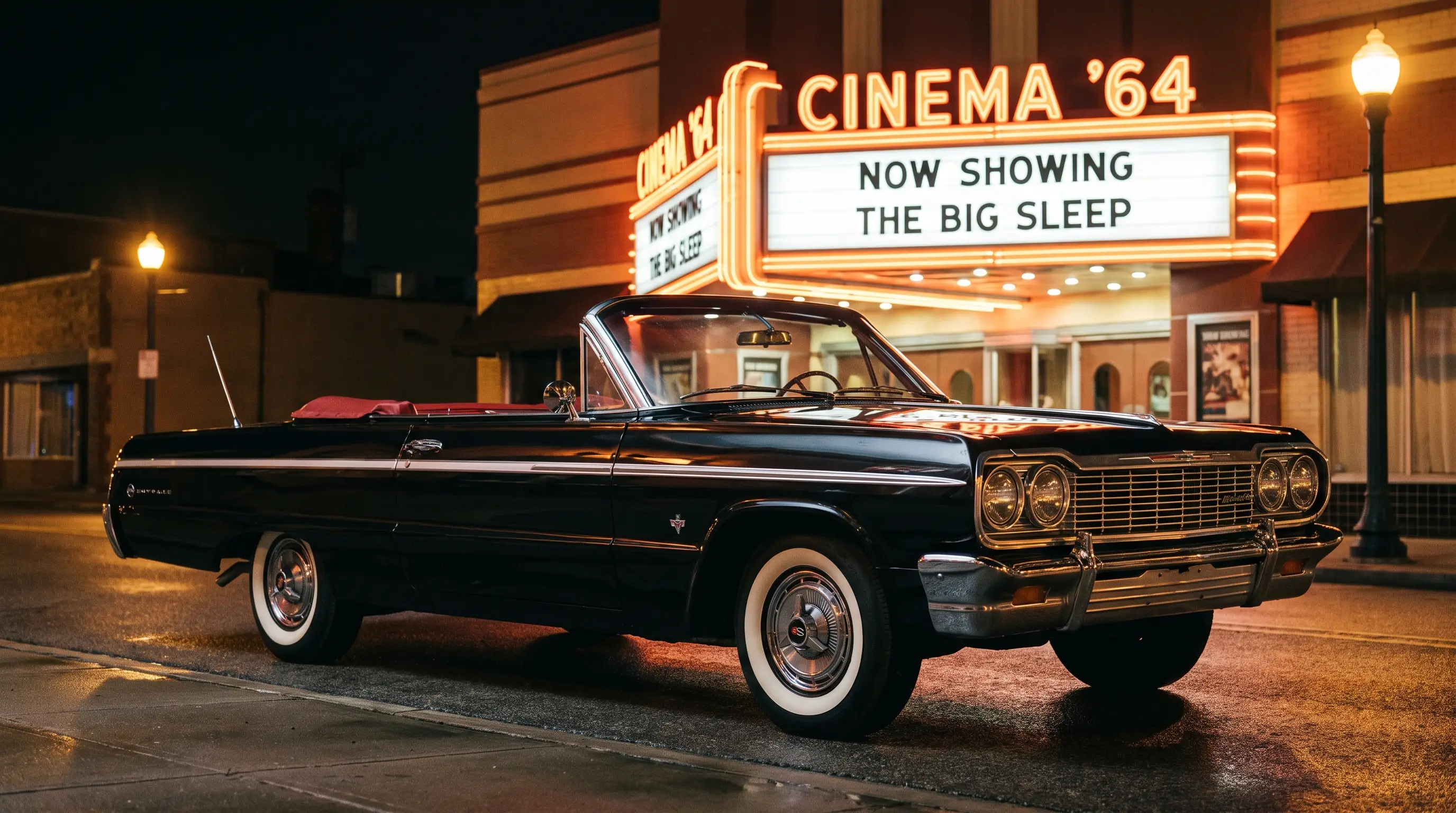
Ask a handful of Impala collectors which model year they consider the most iconic and 1964 comes up more often than any other. That is a claim worth testing rather than accepting at face value, because "iconic" gets used loosely in this hobby. For the 1964 Impala, the case rests on something more concrete than nostalgia: sales numbers, cultural reach, and a design that arrived fully resolved after three years of refinement rather than as a first attempt.
The numbers behind the reputation
Chevrolet sold Impalas in extraordinary volume in 1964, enough to make it one of the best-selling individual car nameplates in the United States that year. That scale matters for how a car becomes iconic decades later. A model built and sold in huge numbers ends up embedded in more families' memories, more regional car culture, and more period photography than a low-volume specialty car ever could, regardless of how well engineered the rarer car might be. The 1964 Impala's ubiquity when new is directly connected to its visibility now, in film, in music references, and in the sheer number of surviving examples that keep the car in front of new generations of buyers.
A design that had nothing left to prove
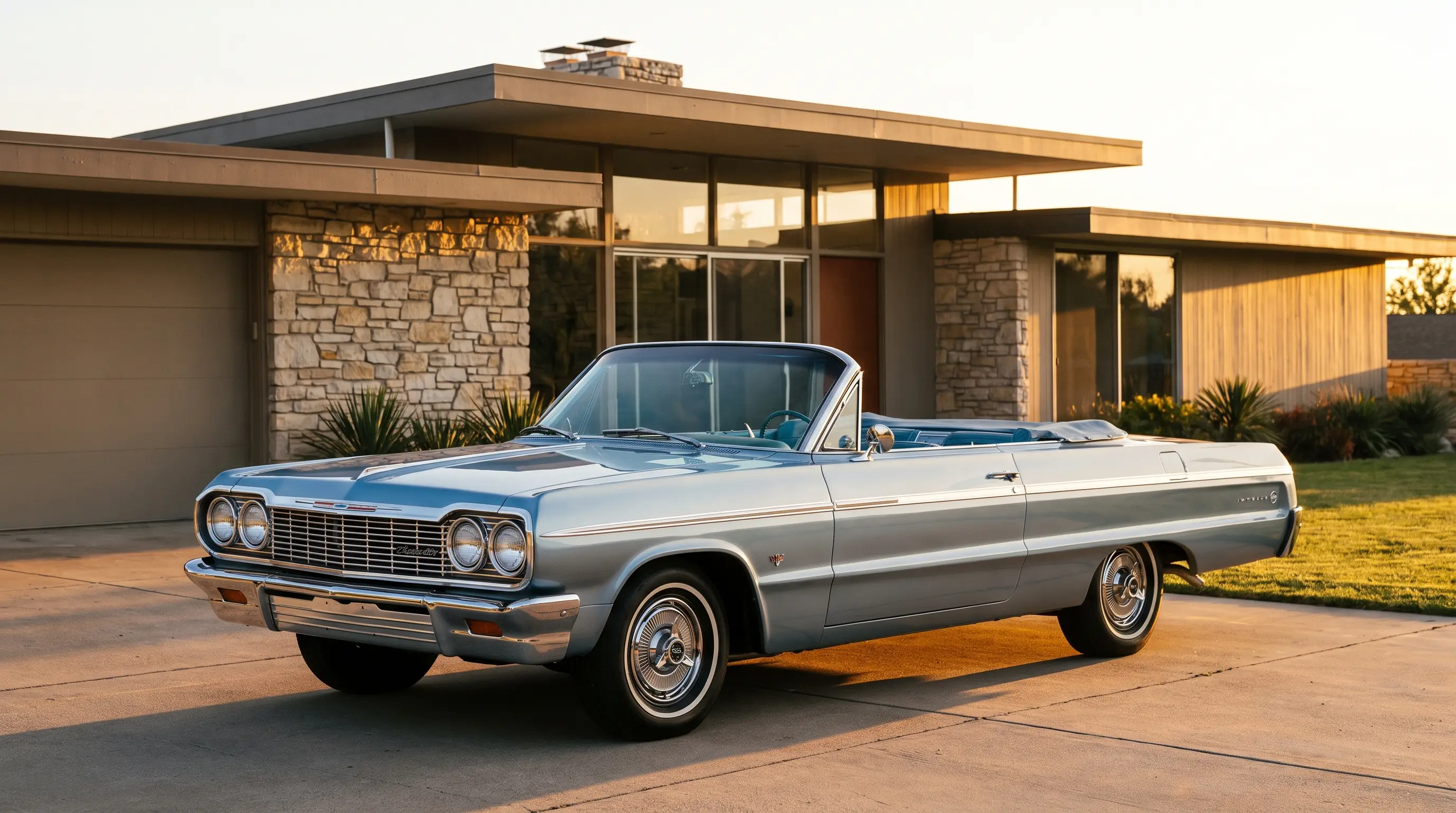
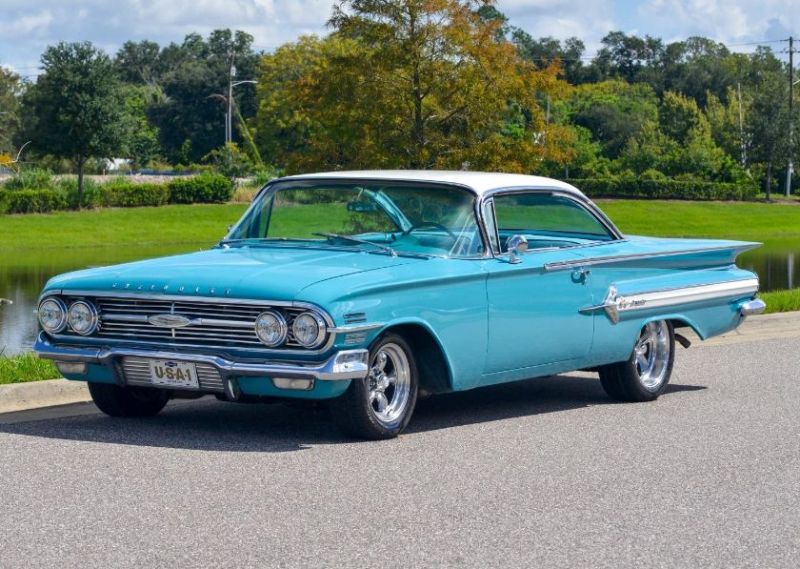
By 1964, Chevrolet's stylists had worked through every major roofline and trim experiment the full-size lineup would see in this design generation. The bubble top had come and gone, the notchback Sport Coupe roof had been standardized, and the sheet metal had been smoothed and squared off across three prior seasons of adjustment. The 1964 facelift was subtle by comparison to what preceded it, and that restraint is part of the point. The car did not need a dramatic redesign because the previous three years had already done the hard work of finding the right proportions. What buyers got in 1964 was the version of the shape with the fewest compromises left in it.
A cultural fixture beyond the car world
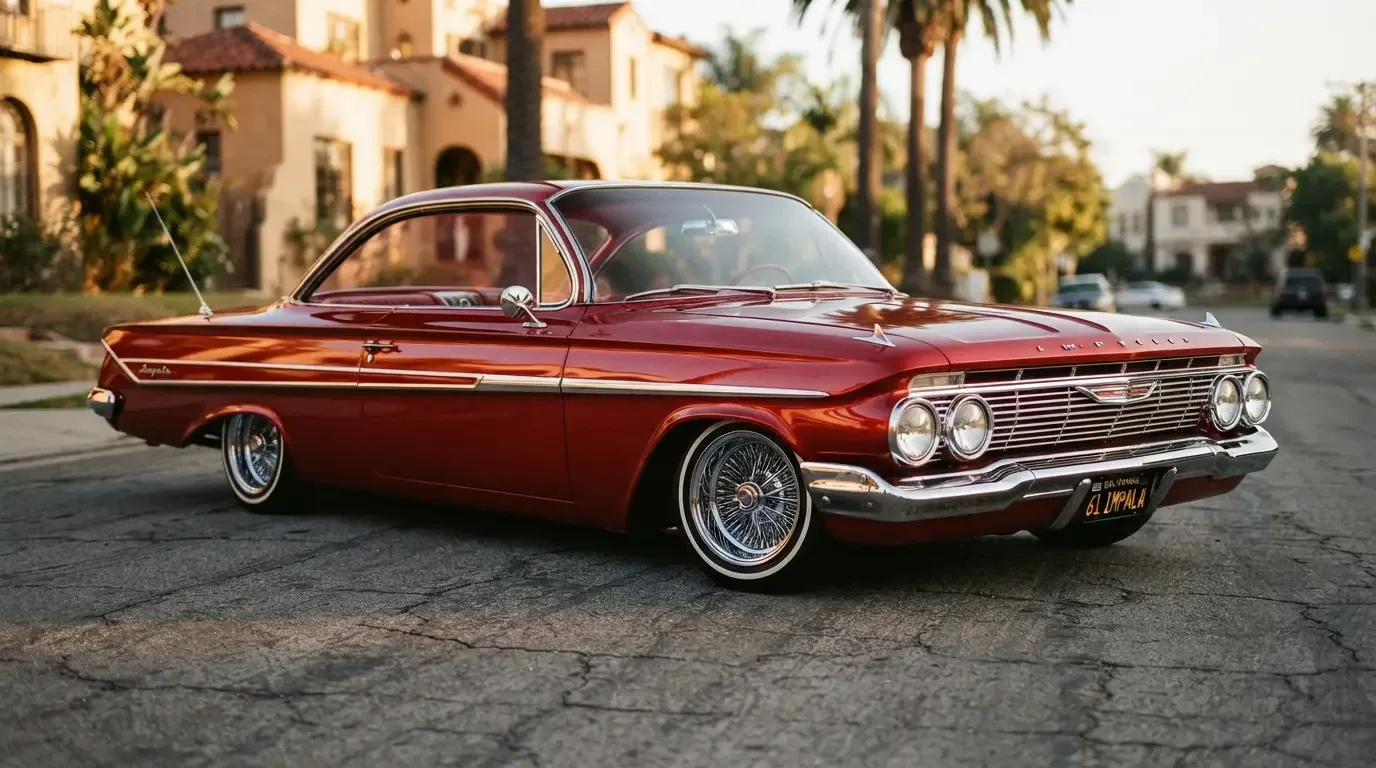
The 1964 Impala's reach extends well past traditional car culture. It became a recurring reference point in music, particularly within lowrider culture on the West Coast, where the model's proportions and roofline made it a favored canvas for custom work that continues today. It has appeared in film and television as shorthand for a particular era of American life, often standing in for the mid-1960s more broadly rather than being singled out as a specific model. Few cars from this period carry that dual identity, recognized both by dedicated collectors chasing factory-original examples and by a much wider audience who know the shape without necessarily knowing the model year.
What separates iconic from merely popular
Plenty of cars sold well in a given year without becoming lasting cultural touchstones. What sets the 1964 Impala apart is the combination of volume, design maturity, and the fact that it arrived at the exact midpoint between the more ornate late-1950s style Chevrolet had been moving away from and the more aggressive muscle car era that followed a couple of years later. It captures a specific, brief equilibrium in American car design, restrained enough to age gracefully, substantial enough to still command attention on the road today. That balance is harder to manufacture on purpose than raw sales figures might suggest, and it is a large part of why the 1964 continues to headline retrospectives on this generation more than any single year around it. Readers wanting the fuller four-year arc that led to this moment should read the background on how the 1961 redesign evolved step by step into the 1964 model.
| Factor | Why it matters for 1964's reputation |
|---|---|
| Sales volume | One of the best-selling nameplates in the US that year |
| Design maturity | Final refinement of a four-year styling cycle |
| Cultural reach | Lowrider culture, music, film references |
| Timing | Sits between late-1950s ornament and mid-decade muscle era |
"Iconic status usually gets awarded after the fact to whichever car was simply everywhere. The 1964 Impala earned that ubiquity honestly, by being the best version of a shape Chevrolet had spent three years getting right."
- Sarah Whitfield
Standing next to its own siblings
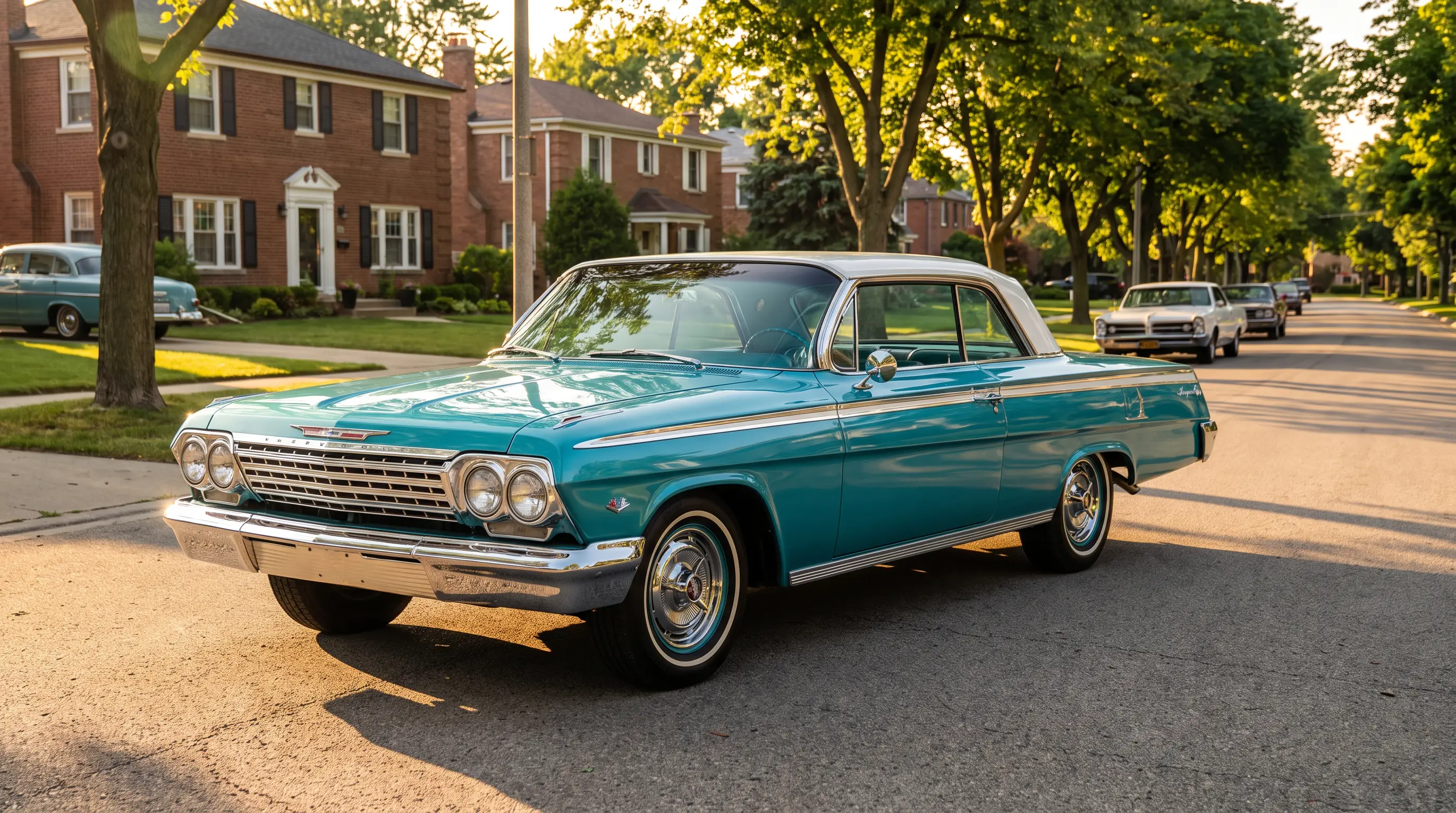
Part of what makes the "most iconic" claim interesting is that it has to hold up against genuinely strong competition from within the same four-year generation. The 1962 gave the world the 409 and its Beach Boys tie-in. The 1963 dropped the bubble top and matured the SS package. Even the ultra-rare Z11 built that same year carries a mystique the standard 1964 cannot match on rarity alone. What the 1964 has that none of those years can claim is the combination of all that accumulated history landing in a single, fully resolved package sold at massive scale. It did not need a gimmick or a headline-grabbing engine option to become the year people default to when picturing this generation. It simply arrived last, benefited from everything Chevrolet had learned, and sold better than any of the years before it.
What this means for today's buyers
Reputation has a real effect on the market. Because the 1964 Impala carries this level of recognition, demand for well-preserved examples, especially Sport Coupes and convertibles with SS trim, tends to run ahead of some other years in the same generation even when the underlying car is mechanically similar. That premium is not irrational; it reflects genuine scarcity of clean, documented survivors relative to how many people want one specifically because of the model's cultural standing. Buyers who are drawn to the reputation as much as the car itself should still evaluate condition and documentation carefully rather than paying simply for the year on the title. For anyone ready to see what is actually available, it is worth taking time to find a classic Impala and compare real listings against the reputation before deciding what a fair price looks like.
Condition assessment matters even more on a reputation-driven year, since sellers know the name carries weight and will price accordingly whether or not the car underneath the label backs it up. A verified numbers-matching drivetrain, original paint and interior codes that align with the build, and a documented ownership history are worth more on a 1964 than a sales pitch built entirely around the model's cultural standing. Buyers who separate the reputation from the specific car in front of them tend to make better purchases, and often end up with just as much of the iconic status they were chasing at a more honest price. The car's own history rewards that kind of patience. It did not become the year people default to overnight, and a buyer who takes the same unhurried approach to sourcing one usually ends up happier with the result than someone who bought on reputation alone.