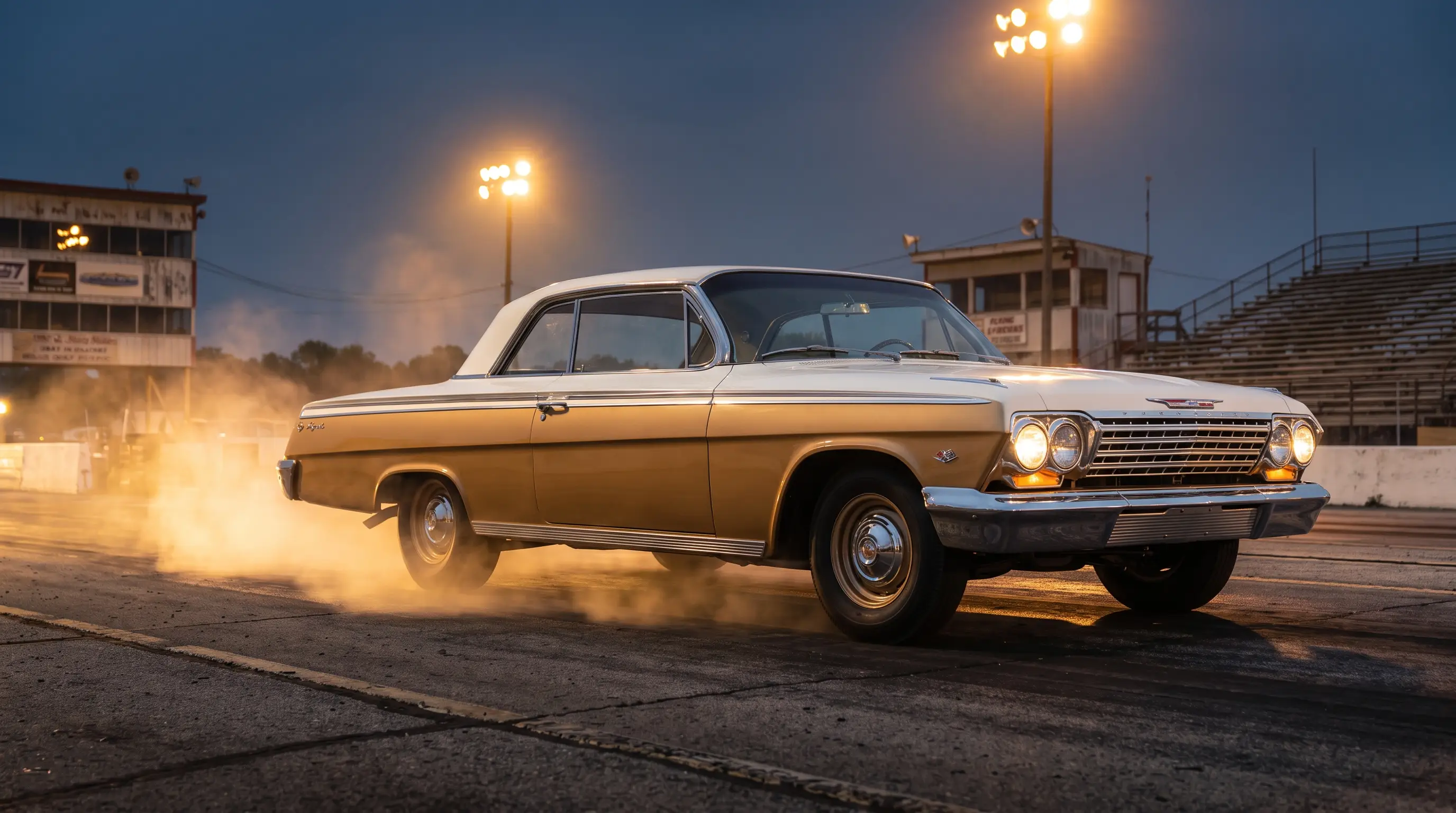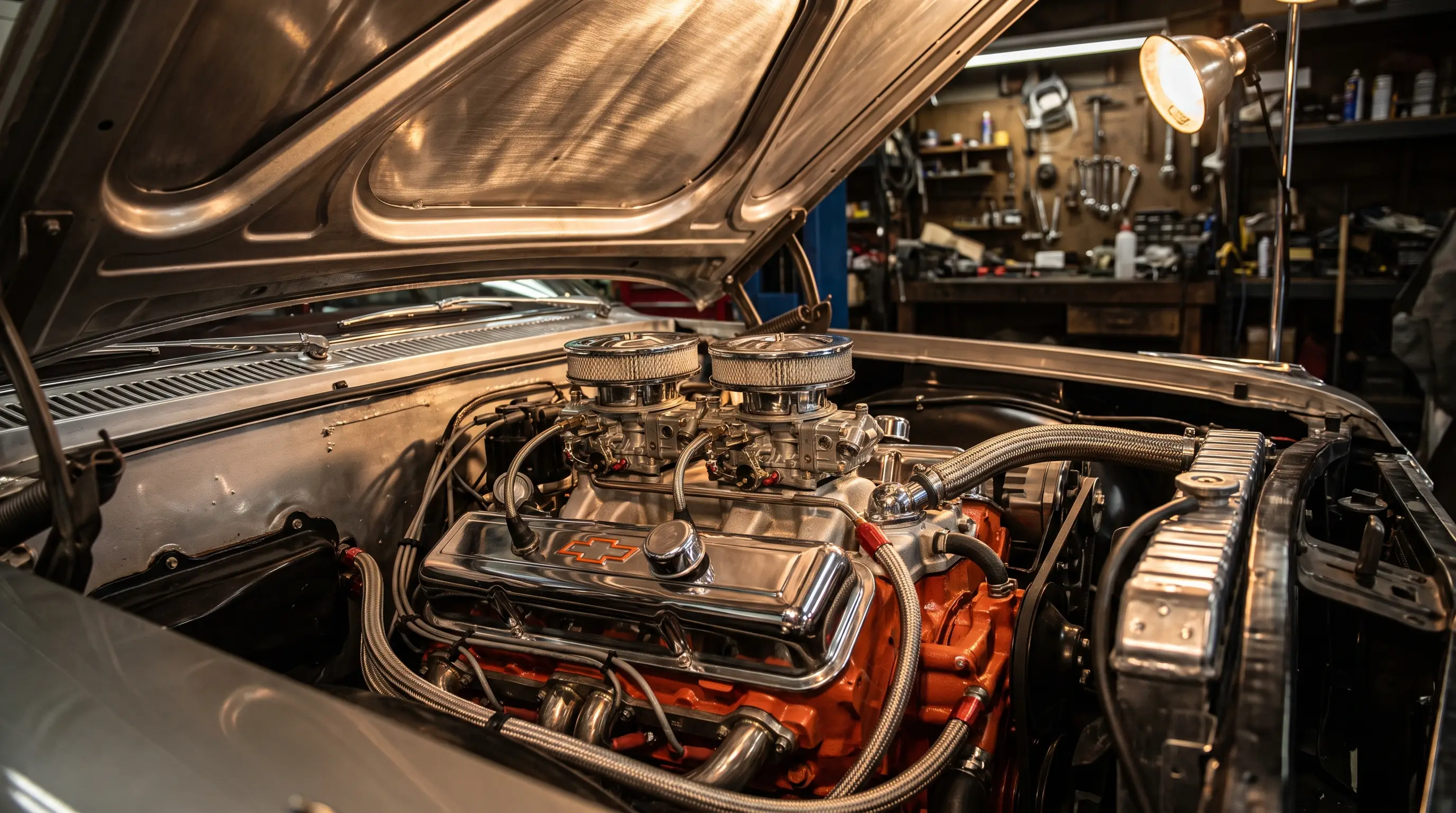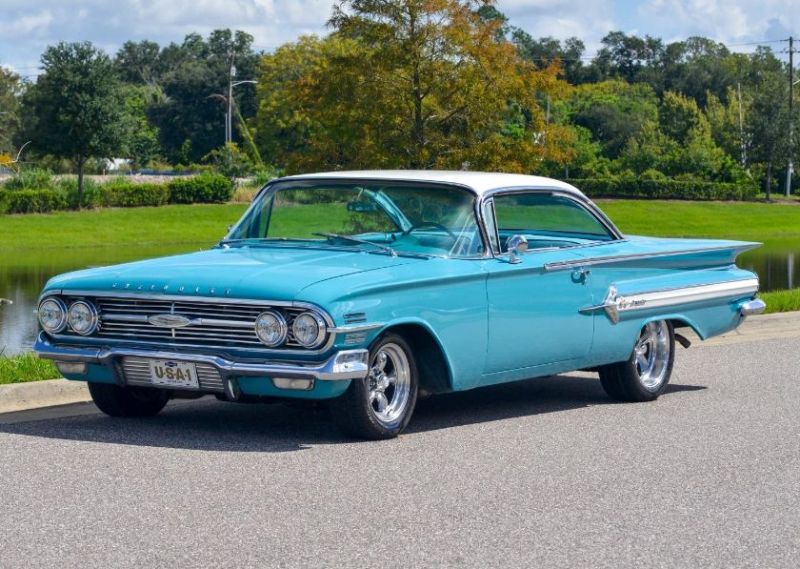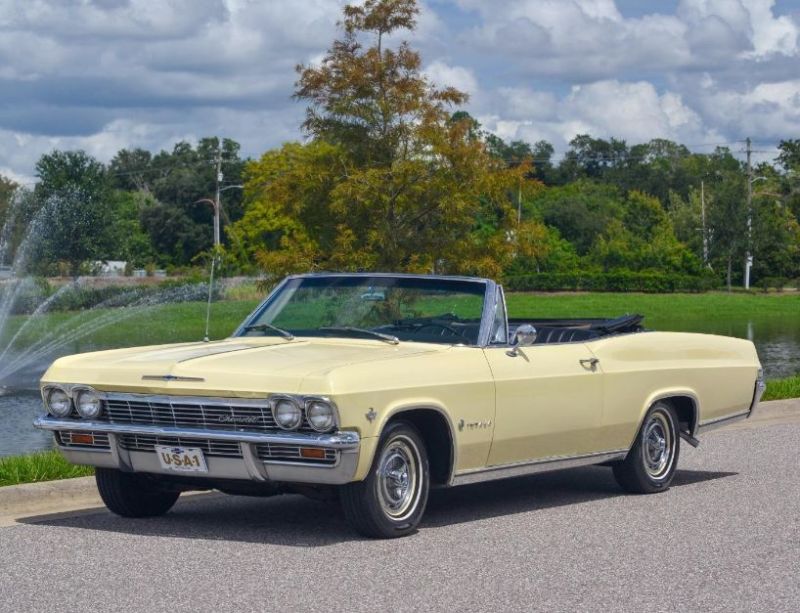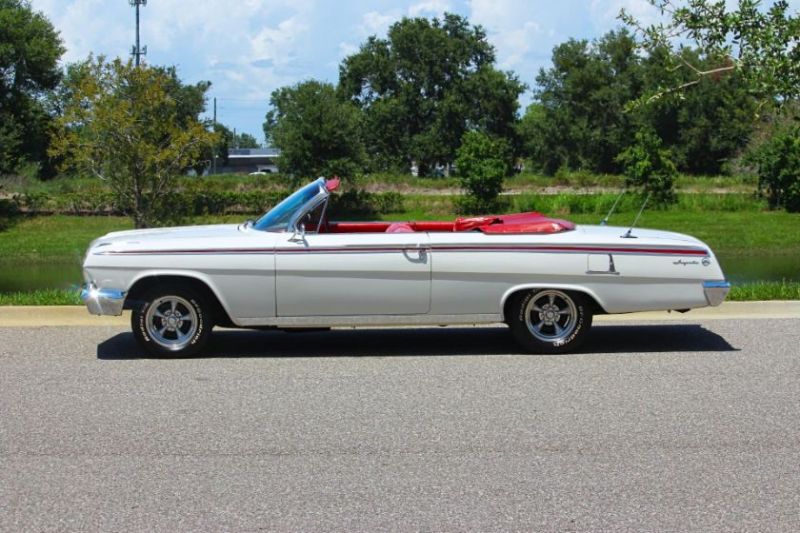
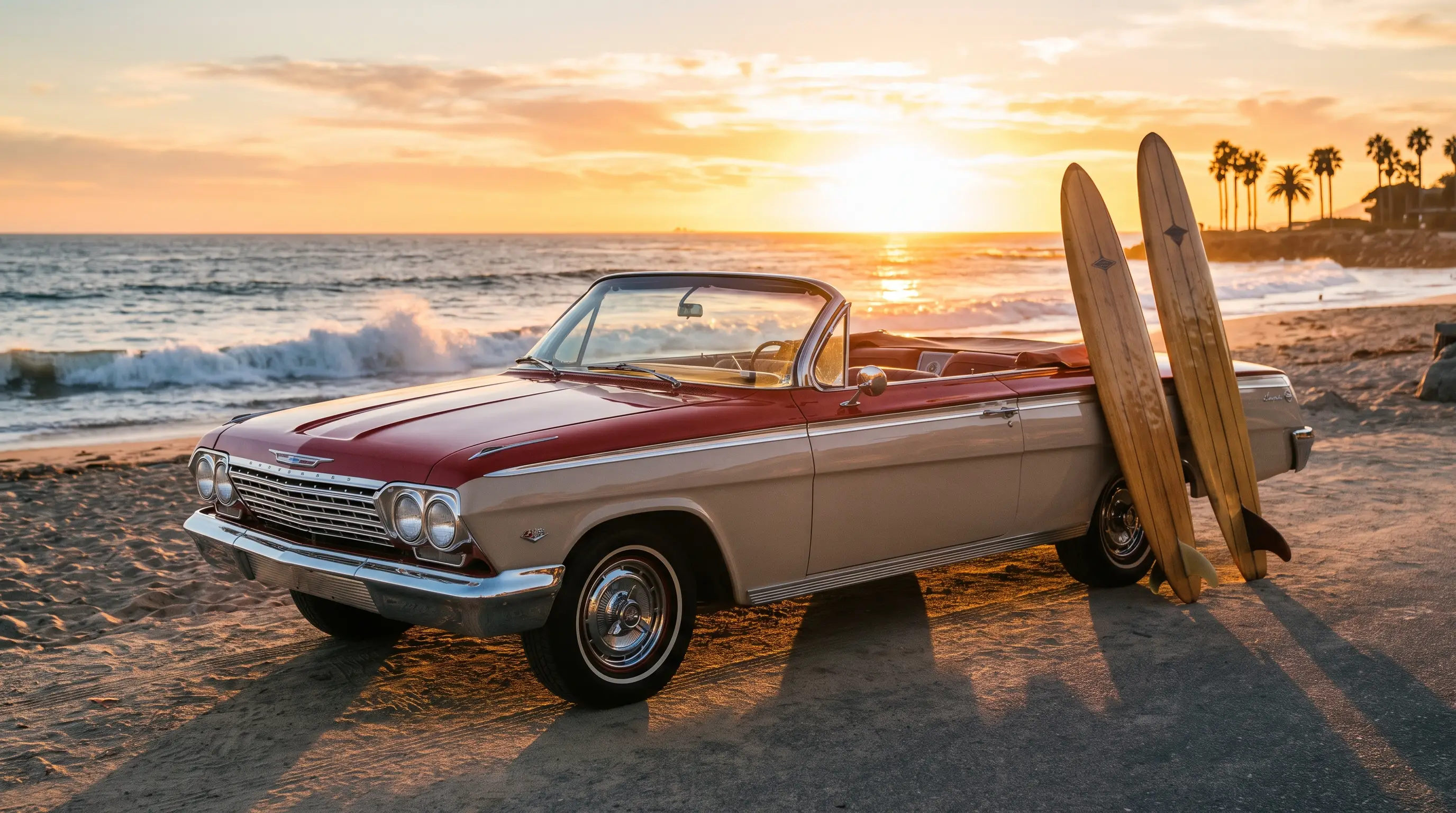
A pop song about a Chevrolet engine reaching the national charts is not something that happens by accident, and looking at the actual mechanics of how "409" became a hit tells you more about the relationship between Detroit and youth culture in the early sixties than most history books manage in a full chapter. The Impala's big block V8 did not just power a car. It powered a soundtrack.
How a car engine ends up as a lyric
The song came together because its writers had direct access to the drag strip and street racing scene where the 409 already carried weight before radio ever touched it. That is worth sitting with for a moment. The engine's reputation existed first, built by actual racers and actual buyers, and the song followed the reputation rather than creating it from nothing. Advertising people would call this an earned narrative rather than a manufactured one, and the distinction matters if you want to understand why the song worked instead of falling flat the way manufactured car tie ins usually do.
From an engineering standpoint, what the song's writers latched onto was simple and correct. The number itself, four hundred nine cubic inches, was distinctive enough to say out loud and repeat as a hook, and the engine backed the claim with genuine drag strip performance. The song came out in June 1962 as the B-side to "Surfin' Safari," and it climbed onto the national charts that fall, a modest showing on paper that undersells how far the song's reach actually went through car culture and radio play. A song built around a mediocre engine would not have survived contact with the car culture the writers were actually part of. This one did, because the underlying hardware held up its end of the bargain.
The band's own connection to car culture
It is worth remembering that the group behind the song was not distant from the culture they were describing. Southern California in the early sixties had a genuine, lived in car scene, with drag strips, street racing, and a whole vocabulary of engines and configurations that regular radio listeners outside that world would not have understood without a song translating it for them. The band members and their collaborators moved through that world, which is part of why the song reads as documentary rather than invention to anyone who actually knew the cars of the era. A songwriter with no connection to the scene picking a random engine number would have produced something hollow. This one did not feel hollow to the people who actually owned 409s at the time, and that authenticity is part of why the song outlasted its own chart run.
The broader surf and car song genre that emerged around the same period leaned heavily on real vehicles and real performance claims rather than invented ones, which set it apart from more generic music about cars and racing. Listeners who actually cared about engines could tell the difference between a song written by someone who understood the subject and one written by someone chasing a trend, and the 409 song fell clearly into the first category for anyone paying attention at the time.
What the marketing effect actually looked like
Once the song reached national radio, Chevrolet dealers reported a measurable jump in interest around 409 equipped Impalas, and the car's reputation moved from regional drag strip circles into mainstream awareness almost overnight. This is the part that interests me most as an engineer by training. The physical engine did not change at all. Its displacement, its output, its actual performance envelope stayed exactly the same before and after the song charted. What changed was entirely perceptual, and that perceptual shift still shapes how collectors and buyers value these cars six decades later.
That is a genuinely unusual case study in how a technical product acquires cultural meaning disconnected from any change in the product itself. Most engineering stories involve a real design change driving a market shift. This one involved zero design change and an enormous market shift, driven entirely by a three minute song getting airplay at the right cultural moment.
"The engine did not get any faster the week the song hit the radio. Only the number of people who wanted one did."
- Emily Chen
A useful comparison from outside the car world
As an engineer, I find it useful to compare this pattern to other products that acquired outsized cultural meaning through a single external event rather than a design change. A watch worn in a famous photograph, a guitar model favored by one influential musician, a sneaker associated with one specific athletic moment. In every case, the underlying object did not improve the day the cultural event happened. Demand and perceived value did. The 409 fits this pattern almost perfectly, and it is one of the cleanest automotive examples of it precisely because the causal chain is so well documented. The engine existed, the reputation existed among racers, then the song arrived and broadcast that existing reputation to an audience many times larger than the drag strip crowd ever was.
What makes this case particularly interesting to study is how measurable the effect actually was. Chevrolet dealers at the time could track showroom interest and sales inquiries before and after the song's release, giving historians an unusually clear before and after picture of a cultural event moving demand for a specific mechanical product. Most cases of culture influencing car value are harder to isolate this cleanly, with multiple factors overlapping in ways that resist simple before and after comparison.
Why this still matters for buyers today
Anyone shopping for a 409 equipped Impala today is buying into a value proposition partly created by that song, whether they realize it consciously or not. The premium these cars command over comparably equipped Impalas with other engines reflects genuine mechanical merit, but it also reflects six decades of cultural reinforcement that started with three minutes of radio airplay. Understanding that split helps a buyer separate what they are actually paying for.
- The engine's drag strip reputation existed before the song and was not invented by it
- Cultural reinforcement, not mechanical change, drove the post-song value increase
- Buyers today are paying for both genuine performance and six decades of cultural weight
For the mechanical and production history behind the engine this song made famous, our complete history covers the technical side in detail. And if the song has you wanting to see one of these cars in person, you can find a classic Impala and compare what documented 409 examples are asking today.
Few engines get a hit song written about them, and fewer still deserve it on the merits the way the 409 did. The Beach Boys did not invent this car's reputation. They just made sure everyone else heard about it too.