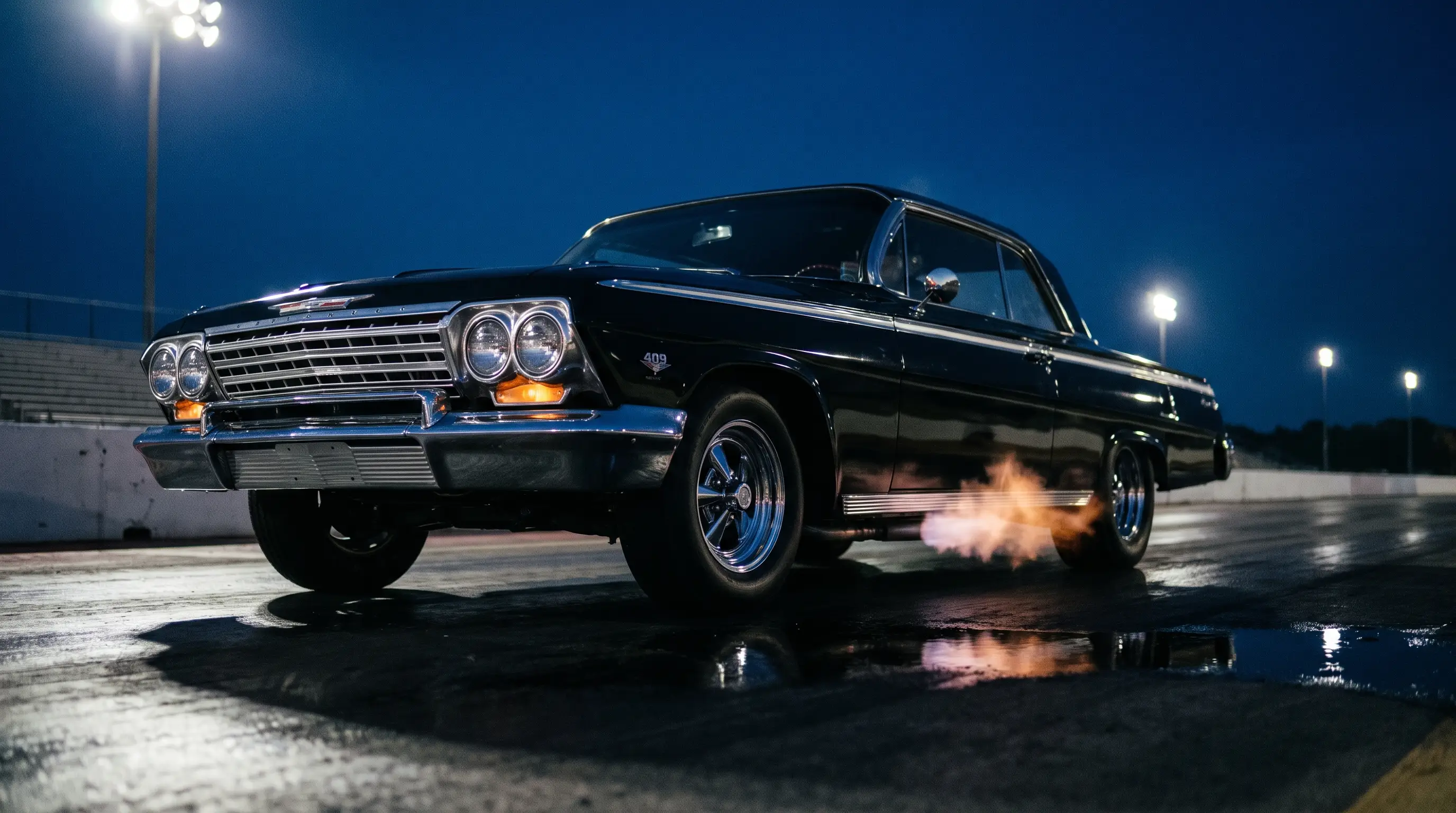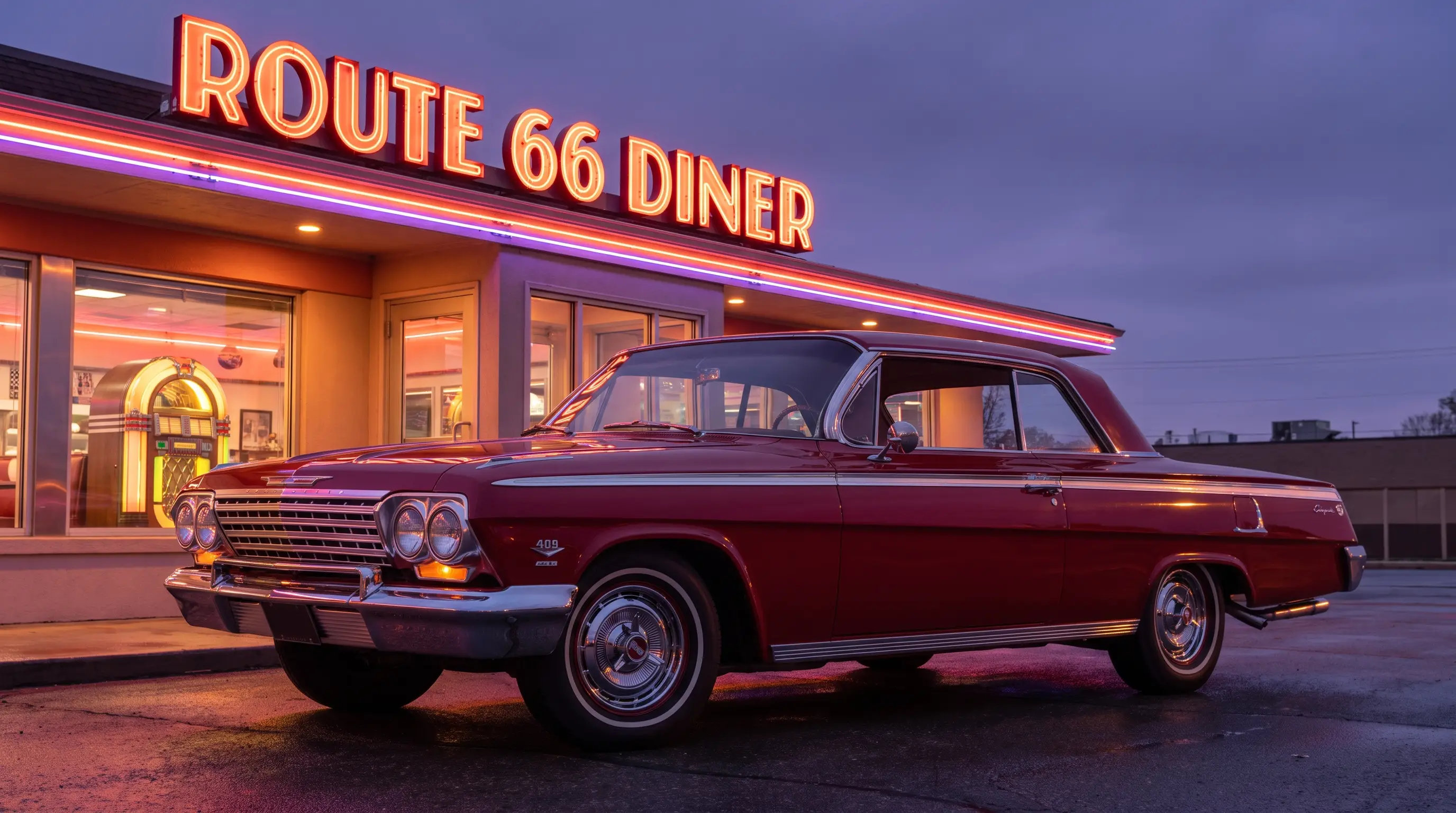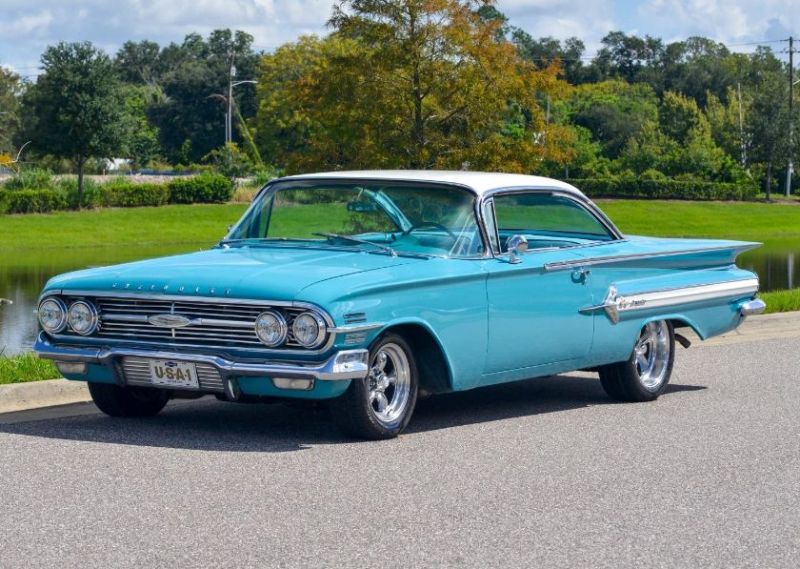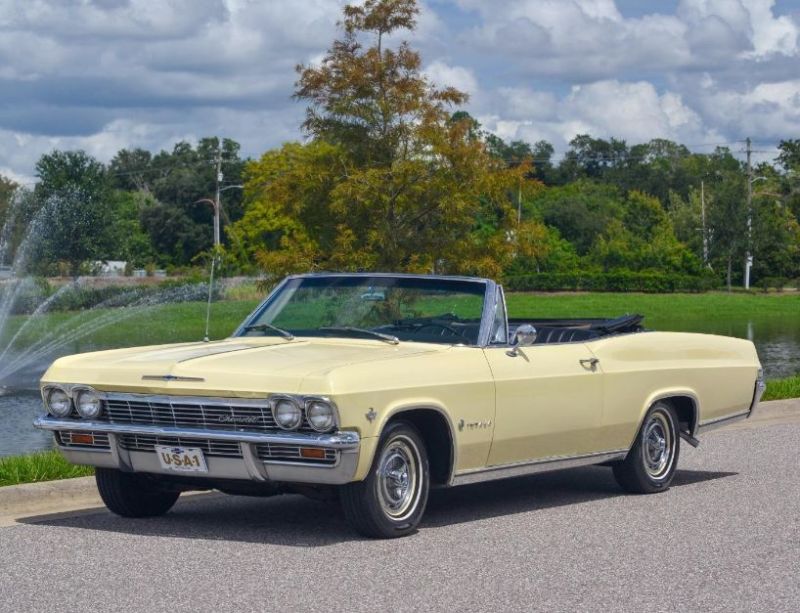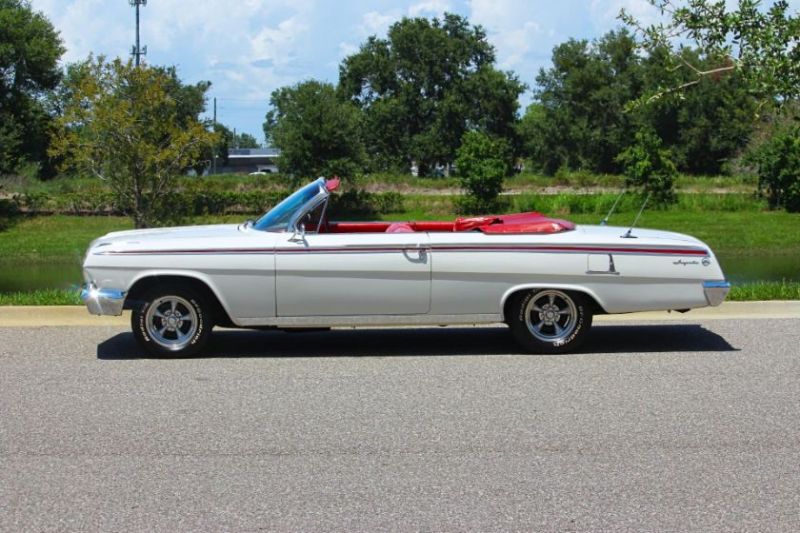
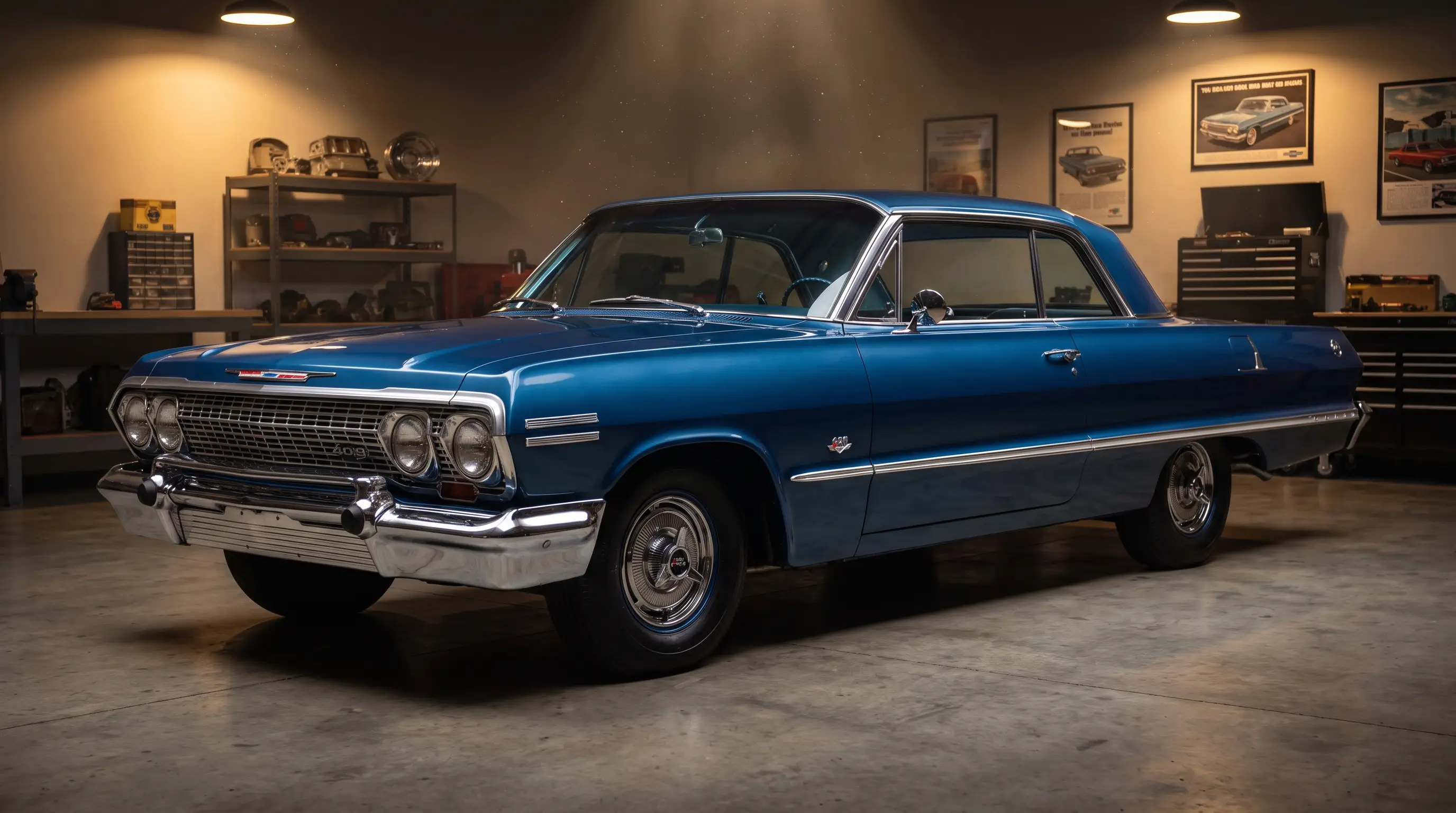
Every 409 collector I have appraised for eventually asks the same question in different words: is this car actually worth what I am about to pay, or am I paying for a song. Fair question. The Chevrolet 409 built its reputation on a hit record and a short, scarce production run, and those two facts create exactly the kind of environment where price and value can drift apart if a buyer is not careful.
The four things that actually move value
I appraise these cars the same way I appraise anything else with a mythology problem: condition, documentation, liquidity, and downside risk. Condition is the physical car in front of you, panel gaps, frame integrity, whether the drivetrain is original or a later transplant. Documentation is the paper trail, build sheet, Protect-O-Plate, factory invoice, anything that proves the 409 badge on the fender matches what left the factory. Liquidity is how fast you could sell this specific car if you needed to. Downside risk is what happens to value if the market cools or the story around the engine loses steam.
A 409 collector who only looks at condition is missing half the picture. I have seen beautifully restored cars with no documentation sell for a third less than a rougher, honest survivor with a full paper trail, because buyers at the top of this market are paying for certainty as much as they are paying for shine.
Where the risk actually sits
The biggest risk in this corner of the market is not fraud, though that exists too. It is unverifiable claims stacking up quietly over decades of ownership changes. A car gets sold as "believed to be numbers matching" in one transaction, and by the third or fourth owner, that qualifier has quietly disappeared from the listing copy. A 409 collector buying today needs to trace that chain themselves rather than trusting the most recent seller's description, because reputational drift happens gradually and nobody along the way is necessarily lying, just repeating what they were told.
Engine swaps present a similar problem, and a real one. A correctly built 409 clone in a genuine Impala body can look identical to a numbers-matching original in every photo. The difference only shows up in casting numbers, date codes, and documentation, and that difference is worth a five or six figure swing depending on the specific car and year.
| Value factor | What it protects against |
|---|---|
| Numbers-matching drivetrain | Engine swap discount risk |
| Protect-O-Plate / build sheet | Unverifiable ownership claims |
| Documented ownership chain | Reputational drift over decades |
| Recent comparable sales | Overpaying against a cooling market |
Liquidity is not the same as popularity
Here is where I differ from a lot of enthusiast commentary. A 409 being famous does not automatically mean it is liquid. Fame drives interest and interest drives bidding at the very top of the market, at major auctions with wide reach. But a mid-condition 409 without a strong story or full documentation can sit for months in a private sale, because the buyer pool for cars at that specific price and condition point is much thinner than headline auction results suggest. A 409 collector selling five years from now needs to think about who the next buyer actually is, not just who bid at the last big sale everyone remembers.
That gap between headline fame and actual liquidity is one of the more common mistakes I see. People extrapolate from a record-setting auction result to assume every 409 in reasonable shape commands similar attention. It does not. The cars that hit big numbers usually have a combination of rare options, documented history, and exceptional condition that most examples on the market simply do not match.
Regional market differences add another layer most buyers underestimate. A 409 collector shopping in the Southwest, where dry climates mean less rust risk, is often looking at a different pool of survivors than a buyer working the Rust Belt or the Northeast. Cars that spent their life in humid, salted-road climates carry a structural risk that no amount of cosmetic restoration fully erases, and appraisers who ignore climate history when valuing a car are skipping a factor that shows up eventually, usually during a pre-purchase inspection that finds patched frame rails under fresh undercoating.
My actual buy or pass framework
For a 409 collector asking me directly whether to buy a specific car, I run through the same short list every time. First, does the paperwork match the car in front of you, not just the seller's story. Second, is the price anchored to recent comparable sales of similarly documented cars, not the single record result everyone quotes. Third, what is your exit plan if you need to sell in a down market. If a car fails more than one of those checks, I tell people to walk, regardless of how good the story sounds.
None of this means the 409 is a bad collector car. It means it is a mythology-heavy category where price and value can separate more easily than in categories without a hit song attached to the engine code. Buyers who do the documentation work upfront tend to do fine. Buyers who buy the story without checking the paper trail are the ones who call me later asking why their appraisal came in lower than they expected.
For the broader history behind why this engine commands the attention it does, where this started lays out the production numbers and cultural context that set up everything discussed here.
"A 409 collector who skips the documentation step is not buying an engine, they are buying a story with a price tag attached. Sometimes that works out. I would rather see the paperwork first."
- Marcus Feld
Insurance and financing considerations matter too, and they get overlooked in most collector conversations. Agreed-value policies for a documented, numbers-matching 409 typically require a professional appraisal on file, updated periodically as the market moves. A 409 collector who skips this step and insures a six-figure car under a standard policy is taking on risk that has nothing to do with the car's mechanical condition and everything to do with paperwork nobody wanted to deal with at purchase time.
Estate sales and long-held family cars deserve a special note here too. Some of the most honest, best-documented 409 cars I have appraised came out of single-family ownership stretching back decades, precisely because nobody in that chain had a reason to embellish the story. A 409 collector willing to do the legwork of tracking down these quieter, less-marketed sales often finds better value than chasing the headline auction cars everyone else is already bidding on.
Shopping the current market
If you are in the market right now and want to see what is actually available across engine options and price points in this era, you can shop classic Impala listings and compare documentation quality across multiple cars before committing to any single purchase. That comparison, more than any single appraisal, is usually what separates a good buy from a regretted one.