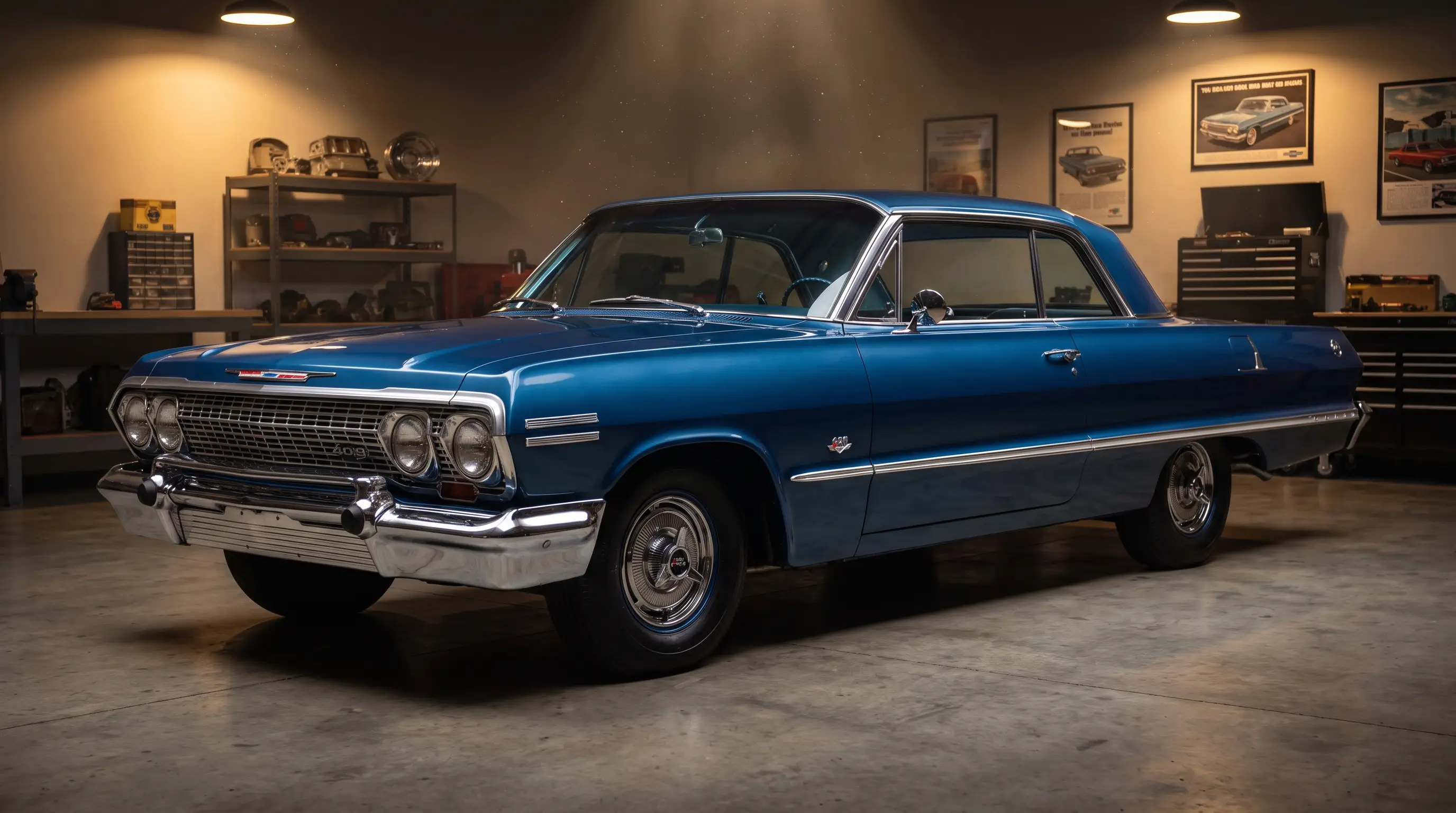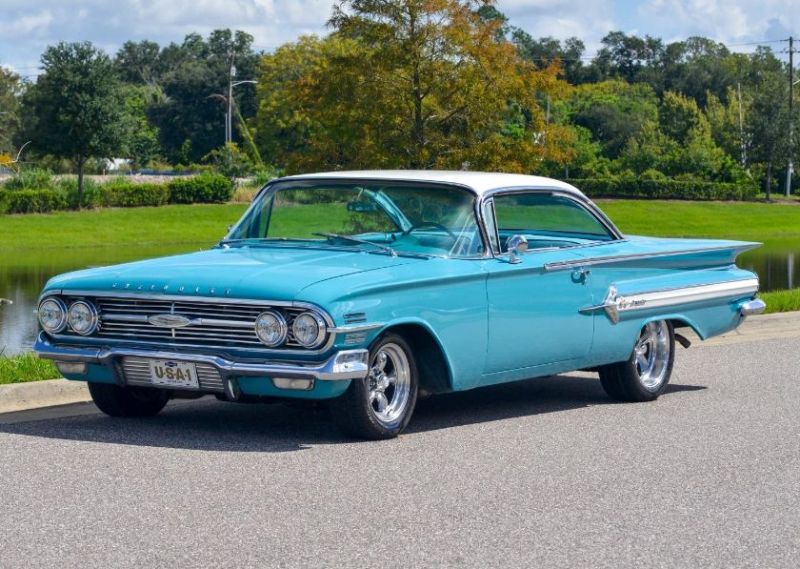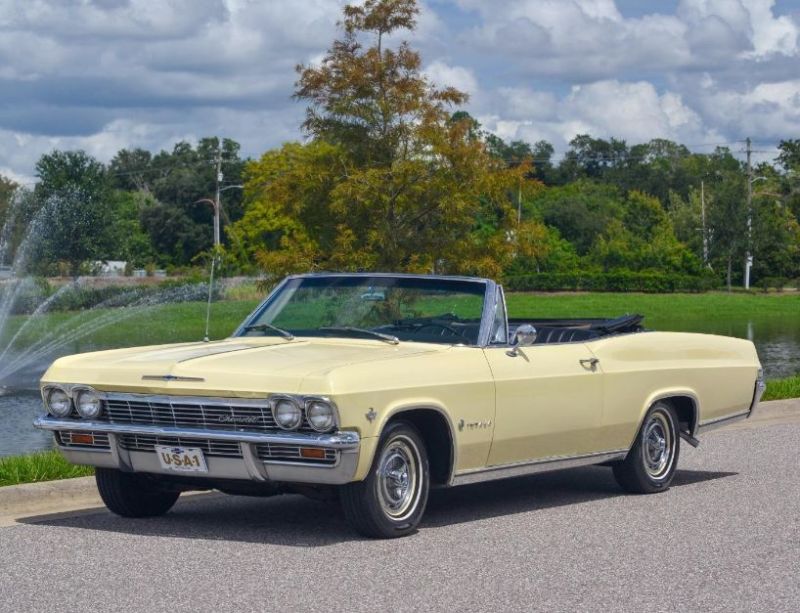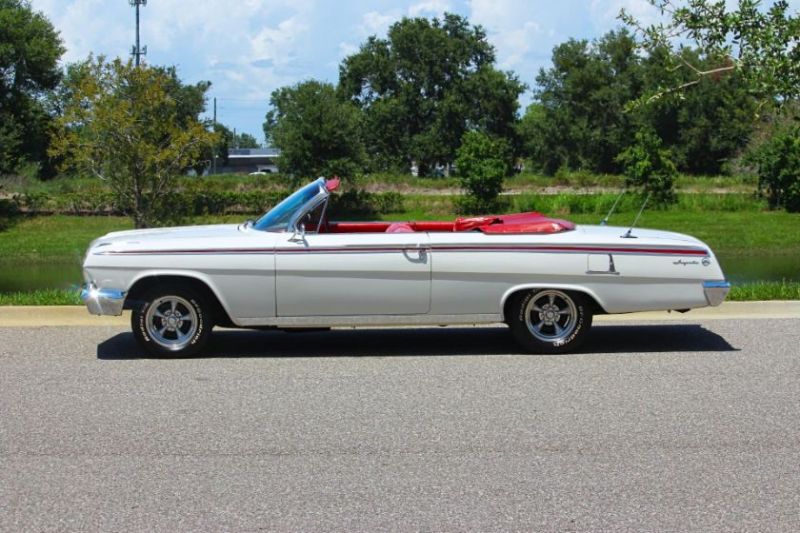
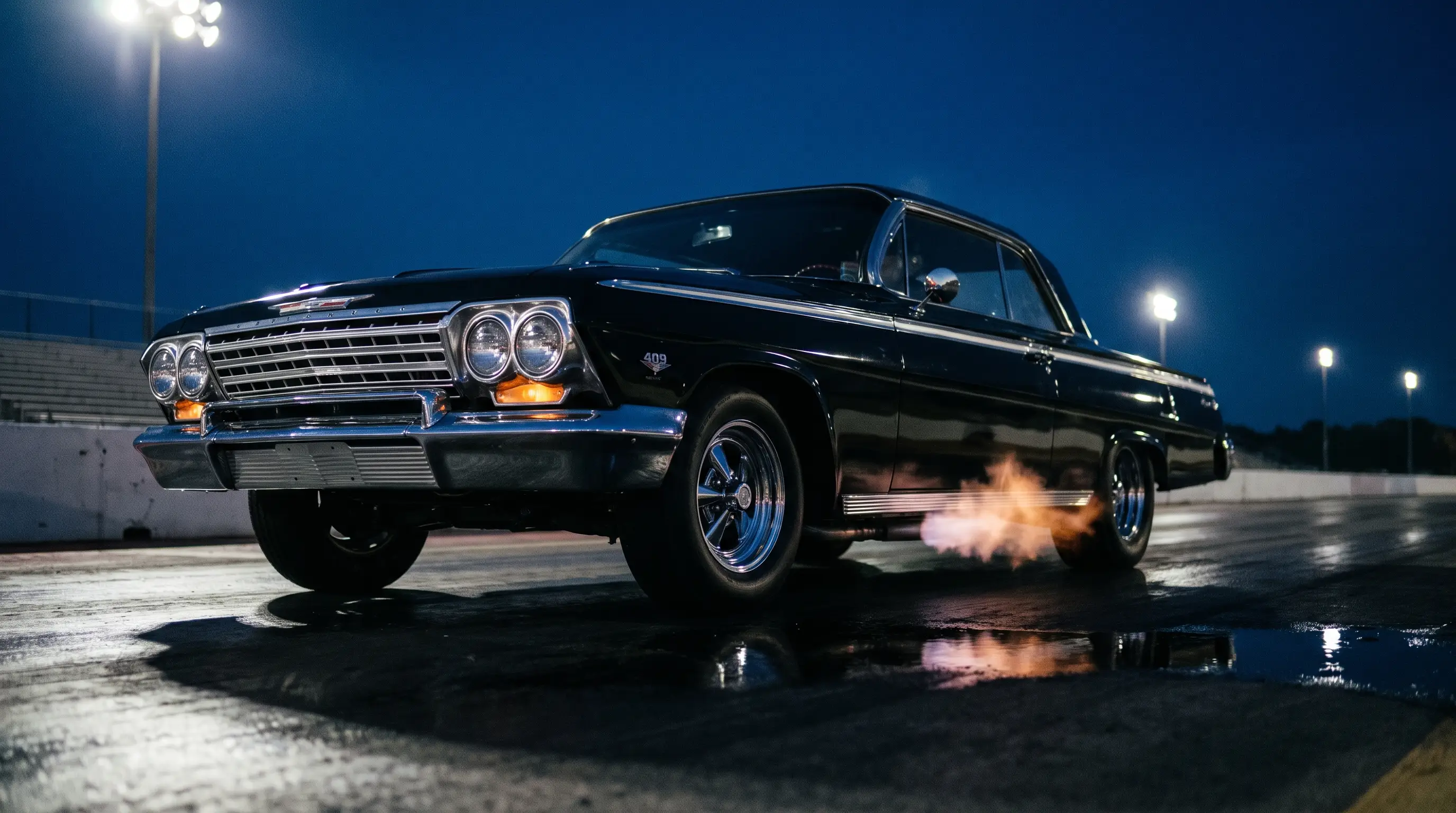
Ask ten people what makes the Chevrolet 409 special and at least six will describe the sound before they mention the horsepower. That is worth pausing on. The 409 sound, that specific burbling idle that opens into a hard-edged snarl above 3,000 rpm, became part of the engine's identity almost independent of what it actually produced on paper. As someone who likes to check the math behind the mythology, I wanted to look at why this particular engine earned that reputation and whether the acoustics track with the engineering.
The mechanical reasons behind the noise
Start with displacement and cylinder count. A 409 cubic inch V8 with a relatively short stroke and big bores produces a deeper resonance than the small block Chevys most drivers were used to hearing at the time. Add a factory dual exhaust system with minimal restriction, and you get a car that sounds louder at idle than its actual decibel output would suggest, purely because of where the sound energy sits in the frequency range. Low frequency noise reads as more aggressive to the human ear even at the same measured volume as a higher-pitched engine.
The dual-quad carburetor setup on the top-spec 409 builds also changes the sound character under load. Two four-barrel carburetors opening in sequence create an audible shift as the secondary barrels come in, a two-stage roar that single-carb engines of the same era simply do not replicate. That mechanical detail, more than any single spec on a build sheet, is what makes a 409 sound different from a same-year 327 under acceleration.
Compression ratio plays a role too. The high-compression dual-quad 409 builds ran tighter tolerances than the base single-carb version, and higher compression generally sharpens the transient response you hear when the throttle opens. That is a measurable, repeatable effect across engines of this design, not something specific to Chevrolet's marketing. It just happened that Chevrolet's marketing arrived at the same time as an engine that already had the mechanical ingredients to sound aggressive.
Why the Beach Boys mattered to the acoustics story
None of this happens in a vacuum. The Beach Boys song "409" primed an entire generation of buyers to listen for a specific sound before they ever sat in the car. That kind of cultural pre-loading changes perception. People walked into Chevrolet showrooms in 1962 expecting the engine to sound a certain way, and dealers who understood that used it, letting engines idle in the service bay where customers could hear them before a test drive even started.
This is where I have to be honest about the limits of nostalgia as data. Plenty of engines from the same era, including some from Ford and Mopar with comparable displacement, produce a similar tonal signature. The 409 was not acoustically unique in an engineering sense. What it had was a three-minute song that told an entire country what to listen for, and that cultural signal did more to fix the 409 sound in memory than any measurable difference in exhaust note.
There is also a recording quality problem that skews modern perception. Most period footage of 409 Impalas comes from low-fidelity film audio or AM radio broadcasts, both of which compress and color low frequency sound in ways that make the engine seem even deeper and rougher than it likely sounded in person. Anyone forming an opinion of the 409 sound purely from old film clips is hearing a distorted version of the real thing, filtered through equipment that was never designed to capture engine acoustics accurately.
What owners actually report today
Talk to people who own running 409 Impalas now and the descriptions get specific fast: a lopey idle from factory cam timing, a hard transition into a flatter, more mechanical roar past 4,000 rpm, and an exhaust note that carries further than a comparable small block at the same rpm. None of that is imagination. Cam profile, exhaust design, and displacement all measurably affect sound signature, and the 409's factory specification produces a distinct one.
What varies enormously between cars is exhaust condition. A 409 running through decades-old mufflers sounds nothing like one with a fresh, correctly sized system. Buyers chasing that specific 409 sound should factor exhaust originality and condition into their evaluation just as heavily as they weigh the engine's numbers-matching status, because a mismatched or deteriorated exhaust system changes the acoustic signature more than most people expect.
| Factor | Effect on sound character |
|---|---|
| Displacement (409 cid) | Deeper base resonance versus small block |
| Dual-quad carburetion | Two-stage roar under acceleration |
| Dual exhaust, low restriction | Louder, more direct exhaust note |
| Cam timing | Lopey idle characteristic |
None of this means the 409 sound is overrated. It means the honest version of the story has two parts working together: a genuine mechanical basis in displacement, carburetion, and compression, plus a cultural amplifier that told an entire generation exactly what to expect before they ever heard the real thing. Most legendary engine sounds work this way. The 409 is just an unusually clean example because the timeline between the song and the sales spike is so tight and so well documented.
Separating engineering from mythology
My honest read after going through the specs: the 409 sound is real and measurable, built from genuine mechanical choices Chevrolet made in exhaust design and carburetion. But its reputation as uniquely aggressive owes a huge amount to marketing and pop culture timing rather than any acoustic property no other engine of the period shared. That does not make the sound less enjoyable. It just means the 409's audio legend is a case study in how culture and engineering reinforce each other until they become inseparable in people's memory.
For the full context on where this engine sits in the broader Impala story, including its production numbers and eventual replacement by the 396 Turbo-Jet, the whole picture covers the details this piece does not.
"The 409 sound holds up under actual analysis. What does not hold up is the idea that no other engine of the era sounded similar. Culture picked a winner, and the winner happened to also be a good engine."
- Emily Chen
What this means for buyers
If the sound is the reason you want a 409, insist on hearing the actual car before you commit to anything. Recordings and dealer descriptions cannot substitute for standing next to the exhaust tips while the engine cycles through idle, a light throttle blip, and a real pull through the gears. Originality of the exhaust system, correct carburetor jetting, and cam condition all affect what you will actually hear, and those details vary more between individual cars than any spec sheet will tell you.
Buyers who want to compare that sound against other era-correct big blocks in person have options across the current market. You can find a classic Impala with a range of engine configurations and hear the differences for yourself rather than relying on secondhand descriptions of what a 409 is supposed to sound like.