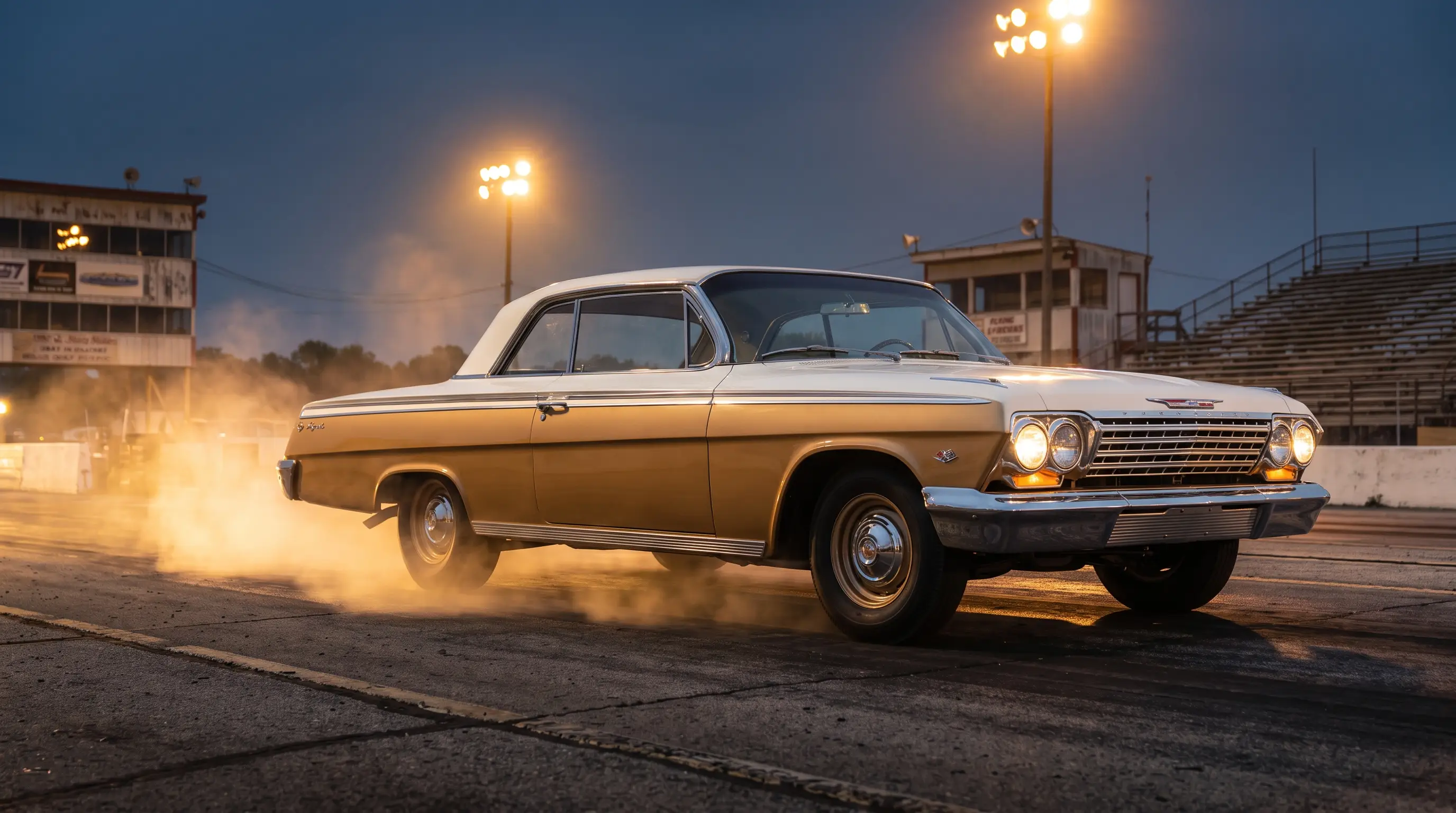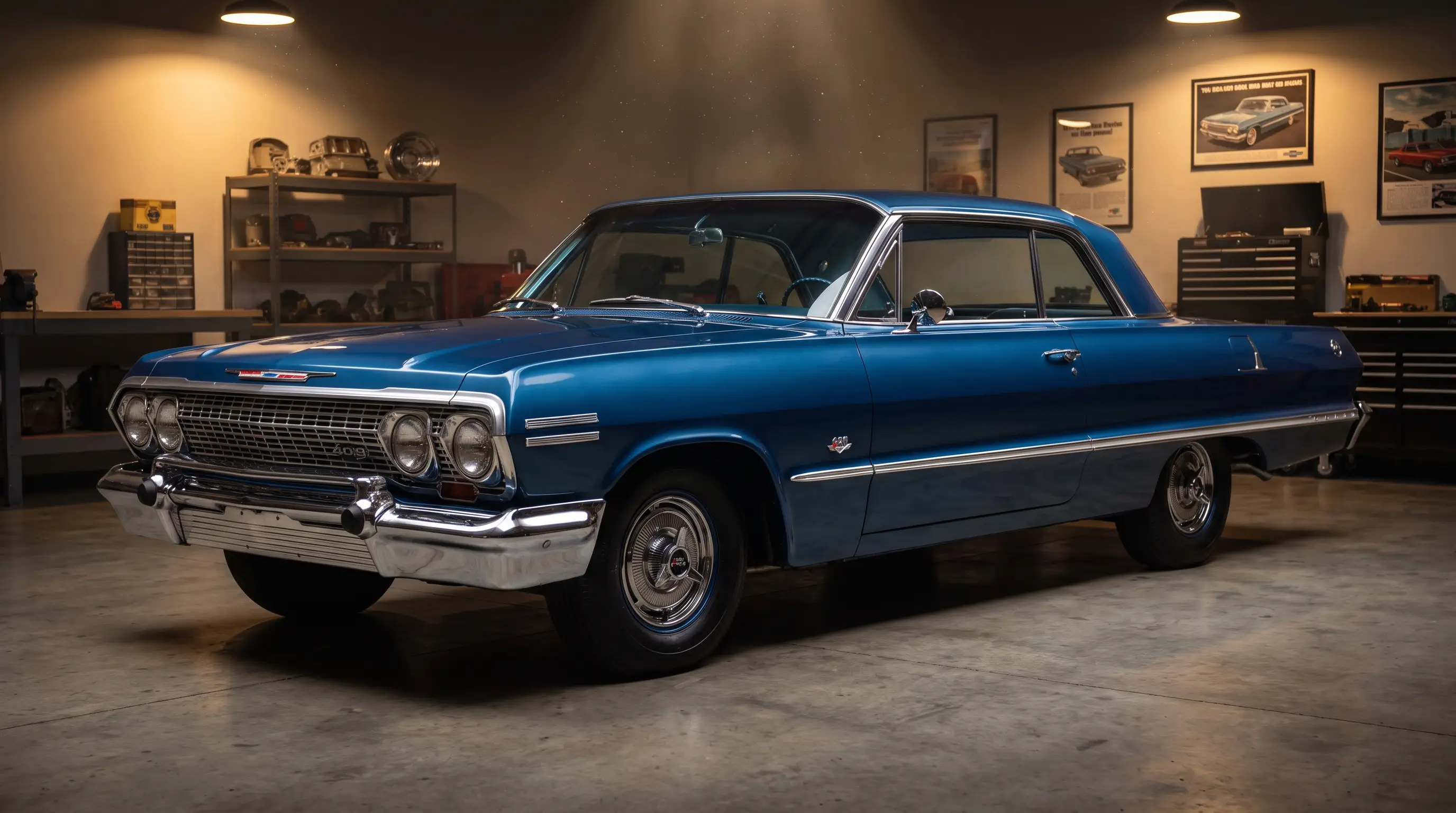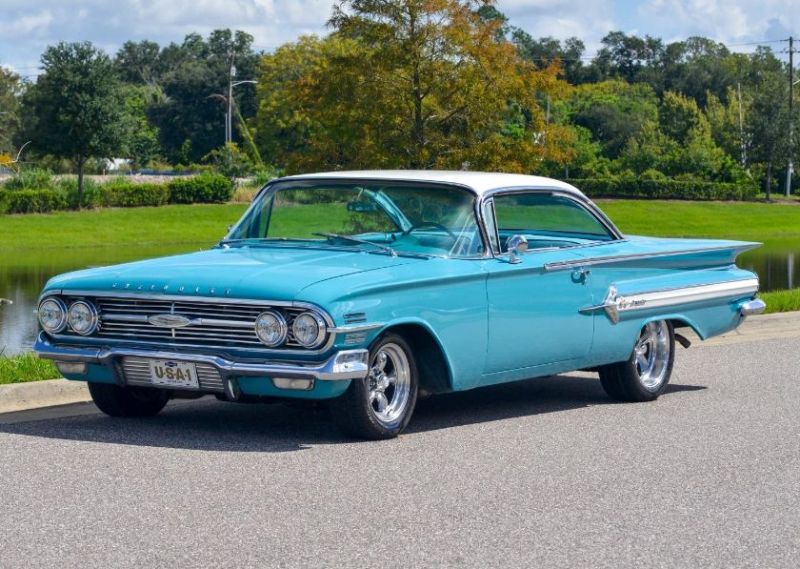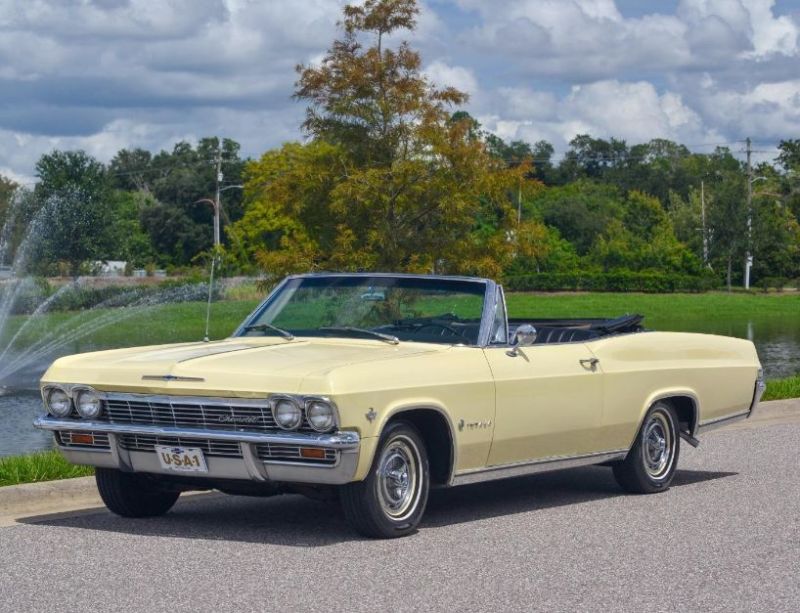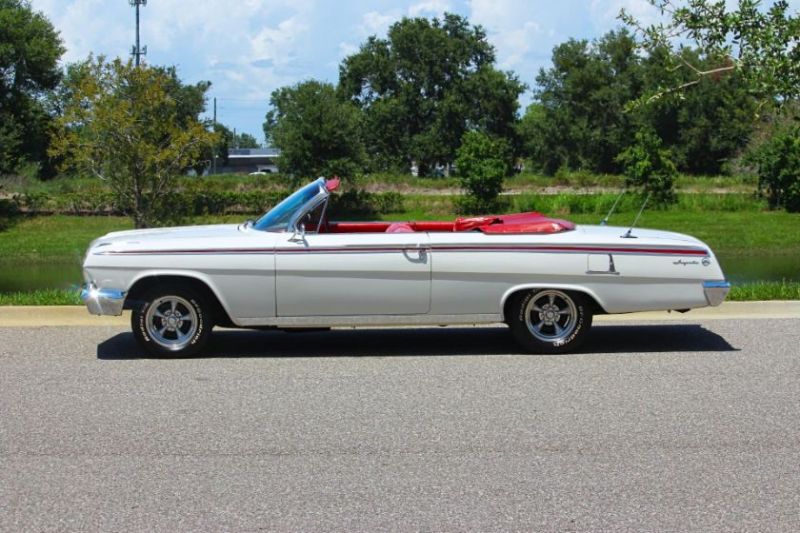
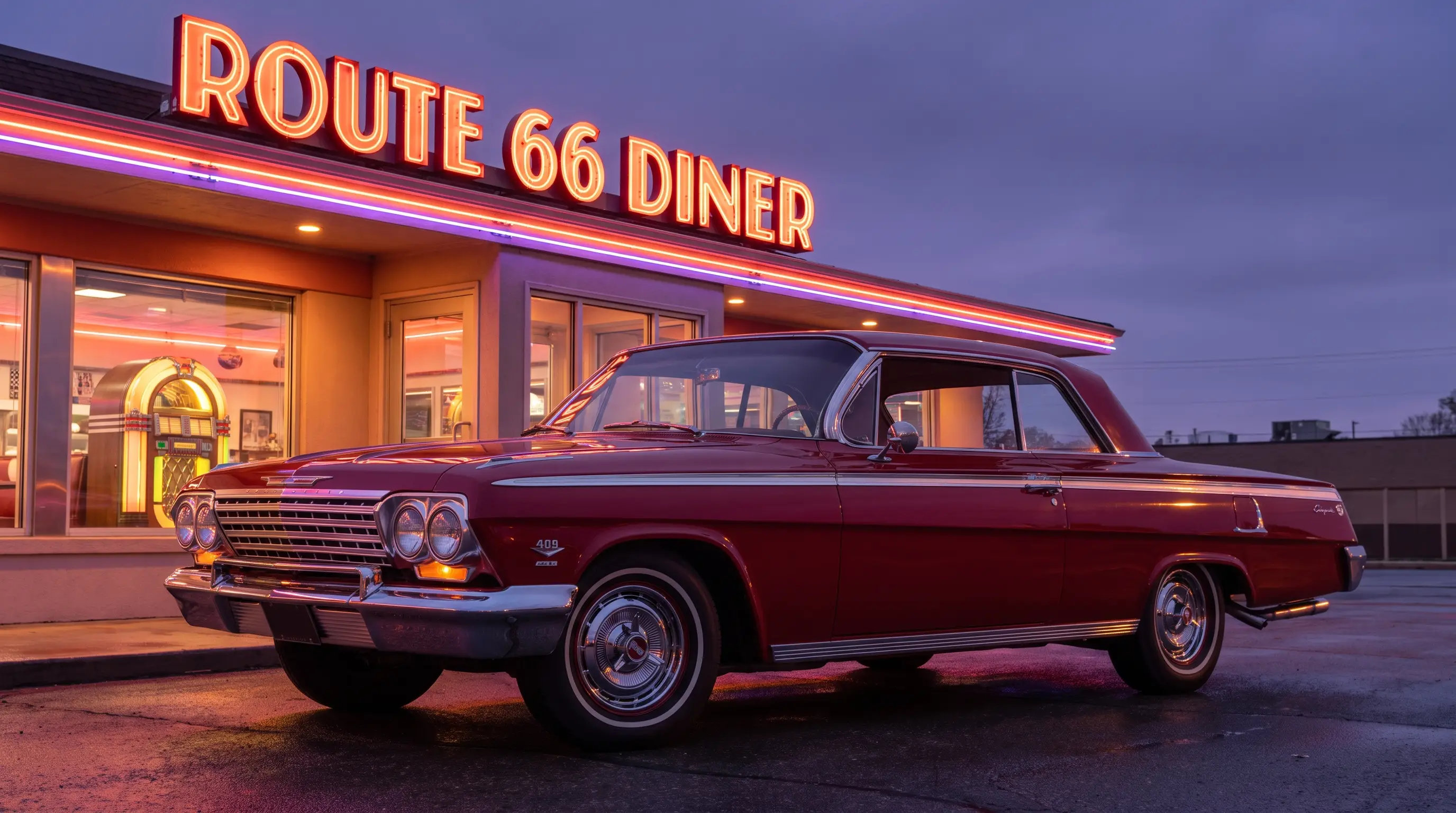
Here is the blunt version of 409 chevrolet performance history. The 409 was never Chevrolet's most powerful engine. It was not even the most powerful big block the company built in the 1960s. What it had was timing, a song, and a reputation that outran the actual numbers on the dyno sheet. That gap between myth and spec sheet is the real story, and it is worth separating the two.
What the 409 actually delivered
The 409 cubic inch V8 debuted for 1961, rated at 360 horsepower in its first year. By 1962 Chevrolet pushed a dual-quad version to 409 horsepower, a number that made for an easy marketing line but was not, by itself, class-leading. Ford and Chrysler both had big blocks in the same window putting up comparable or higher output on paper. The 409 held its own. It did not dominate. Anyone claiming otherwise is selling nostalgia, not data.
| Year | 409 rated output | Notable configuration |
|---|---|---|
| 1961 | 360 hp | Single four-barrel, first year of the 409 |
| 1962 | 409 hp | Dual four-barrel, the number that matched the name |
| 1963 | 425 hp | Highest rated 409 output, dual quads |
| 1965 | Replaced by 396 big block | End of the 409's factory run |
Why the song mattered more than the spec sheet
The Beach Boys released "409" in 1962. That single did more for the engine's reputation than any dealership brochure. A three-minute pop song put the number 409 into households that never cross-shopped a Chevrolet. The engine became a cultural shorthand for American muscle before muscle cars, as a category, even existed in the way people use the term today. That is unusual. Most engines get remembered for what they did on a track. The 409 got remembered partly for what it sounded like in a chorus.
Where it actually sat against the competition
Put the 409 next to Ford's 406 and 427 FE engines from the same period, or Chrysler's 413 and early 426 wedge motors, and the picture gets less flattering for Chevrolet. Those engines matched or beat the 409's output in several configurations. The 409 was competitive, not dominant. Chevrolet's real advantage was not raw power, it was packaging the engine into a full-size Impala body that looked good, sold well, and gave buyers a genuinely usable car alongside the performance claim. Ford and Chrysler buyers got comparable numbers. Chevrolet buyers got a nameplate people still recognize six decades later.
The full breakdown of how the 409 performed inside the Impala specifically, including the documented output figures across each model year, is covered in more on the 409 chevrolet performance story.
"The 409 was a good engine wearing a great song. Take the song away and it is a competitive big block from 1962. Nothing more, nothing less."
- Dan Reeves
What replaced it, and why that matters
Chevrolet moved on from the 409 by the middle of the decade, replacing it with the 396 cubic inch big block that offered better breathing and more room to grow displacement later. That transition tells you something the marketing never will. Chevrolet's engineers were already looking past the 409 before public nostalgia for the engine had even peaked. The company built what sold and then built what worked better, and those were not always the same engine at the same time. The 409's cultural life outlasted its position on Chevrolet's own engineering roadmap by a wide margin.
For a closer look at where the 409 actually ranked among Chevrolet's most powerful factory offerings of the era, keep exploring lays out the comparison with harder numbers.
The bottom line on 409 chevrolet performance
Strip away the song, the movie references, and decades of enthusiast retelling, and the 409 was a solid, competitive big block that Chevrolet sold for a few years before replacing it with something better. That is not an insult. Most engines never get remembered at all. The 409 got a permanent spot in the culture despite being outgunned on paper by rivals most people have forgotten. That is not a story about horsepower. It is a story about timing, marketing, and a song that outlived the engine it described.
Buyers chasing an original 409-powered Impala today should expect a premium tied directly to that reputation, deserved or not. Anyone shopping that market can start with classic Impala for sale listings and judge the asking prices against the actual documented output, not the legend built around it.
How the 409 shaped Chevrolet's next moves
Give the engine credit where it is actually due. The 409's commercial success, driven as much by culture as by output, proved to Chevrolet that a full-size performance package could sell in real volume, not just as a halo car for enthusiasts. That lesson carried directly into how the company approached the 396 and later the 427, both of which arrived with a clearer eye toward balancing usable street power against outright racing numbers. The 409 was not the engineering peak of Chevrolet's big block era. It was the proof of concept that convinced the company the market wanted more of this kind of car, built at scale rather than as a limited run.
That distinction matters for anyone trying to place the 409 accurately in Chevrolet history. It was not the fastest answer to the muscle car question. It was the answer that taught Chevrolet how big that question actually was, and that lesson shaped every performance big block the company built for the rest of the decade.
Reading a 409 claim with a skeptical eye
Sellers and old magazine reprints still throw around 409 horsepower numbers loosely, sometimes citing gross ratings from the era as though they translate directly to modern net figures. They do not. Gross ratings from the early 1960s were measured without accessories, exhaust restriction, or a full drivetrain load, which inflates the number compared to how an engine performs installed in a running car. A buyer comparing a 409 spec sheet against a modern engine, or even against a later Chevrolet big block rated under different testing standards, needs to account for that gap before drawing any real conclusion about which engine was actually stronger on the road.
The lesson here is simple. Treat any 409 number you read as a starting point for questions, not a final answer. Ask what testing method produced it, ask what year and configuration it applies to, and ask whether the seller citing it actually has documentation or is just repeating a figure they picked up from a forum post. The 409's reputation has survived on repetition as much as on fact, and repetition is not the same thing as verification.