
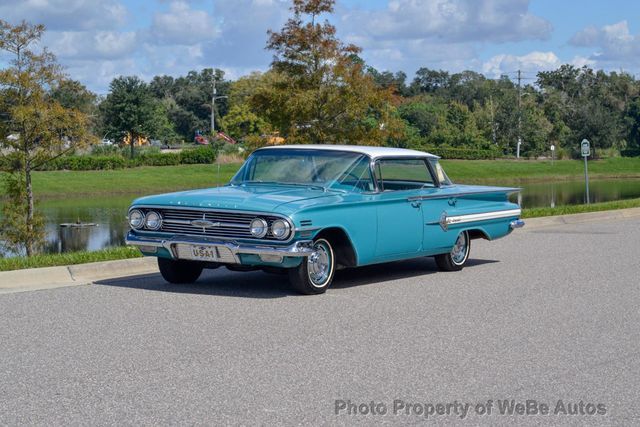
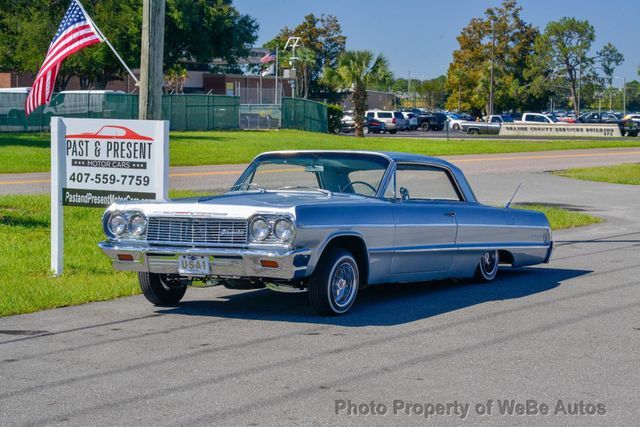
The Chevrolet 409 lasted five model years, from 1961 to 1965, and it never sold in huge numbers. Most Impalas that left the factory in those years carried a 283 or a 327, engines built for commuting and grocery runs, not stoplight drama. But the 409 legacy is not measured in production totals. It is measured in how loud the myth got compared to how few cars actually earned it.
Car Features
7 min read
The 409's Legacy
The Chevrolet 409 never sold in huge numbers, but a Beach Boys song and a five year production run turned it into one of the most talked about engines Detroit ever built.
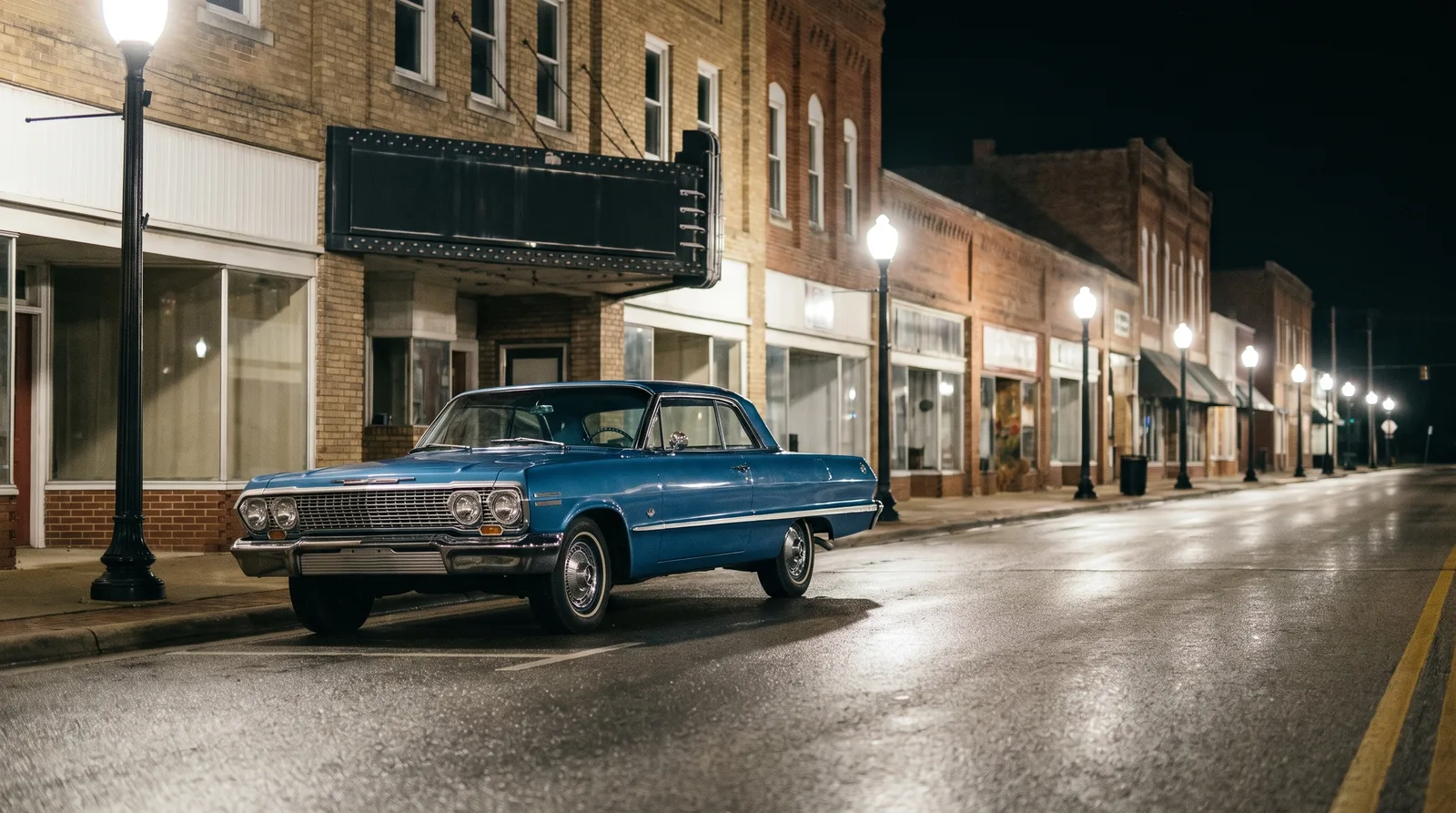
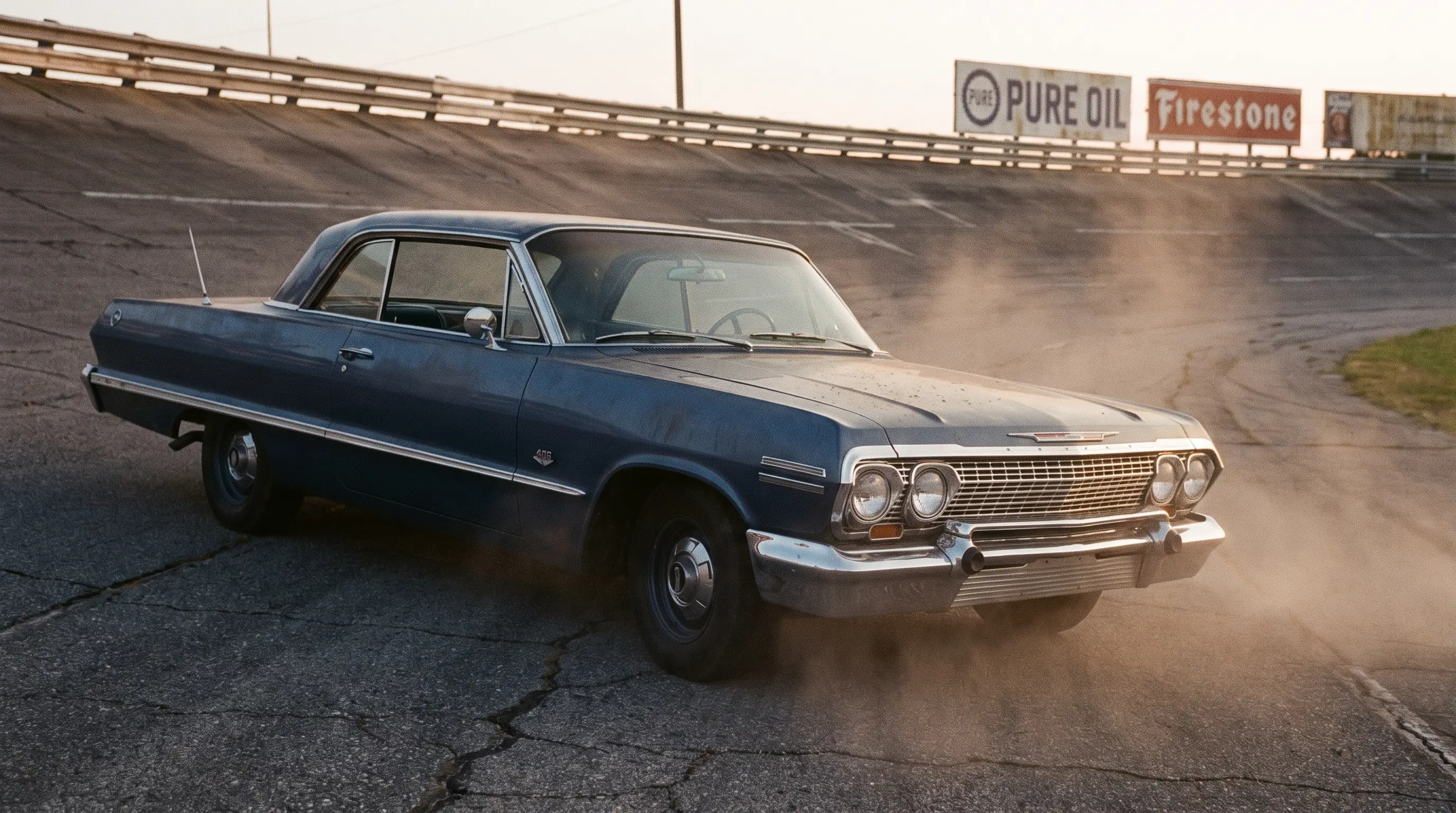
Start with the number itself. 409 cubic inches, built off the W-series big block architecture Chevrolet had introduced for trucks and full-size cars a few years earlier. In its hottest 1963 and 1964 dual-quad tune, factory ratings landed at 425 horsepower, though anyone who has spent time around these engines will tell you the real output depended heavily on which dyno you trusted and how generous the factory felt that year. By 1965, the last year of production, the 409 had actually been detuned to 340 and 400 horsepower ratings as Chevrolet shifted its performance focus to the newer 396 Turbo-Jet.
Why the song mattered more than the spec sheet
Here is the honest math on the 409 legacy: the Beach Boys' 1962 single "409" did more for the engine's reputation than any dealership brochure. Brian Wilson and Mike Love wrote it after riding along in a friend's 409 Impala, and the song hit the charts before most of the country had ever heard the engine idle in person. That is the pattern with the 409. Cultural reach outran sales volume by a wide margin.
Compare that to a 283 small block Impala from the same showroom floor. Nobody wrote a song about the 283. It was a fine engine, reliable and cheap to run, and it moved the vast majority of Impala volume through the early 1960s. The 409 sat at the top of the order sheet as the expensive, loud option that buyers talked about far more than they bought.
There is also a generational split in how the 409 legacy gets talked about. Guys who bought these cars new in the early 1960s remember the 409 as an expensive option that made the salesman raise an eyebrow, not a legend. It was the collector market of the 1980s and 1990s, chasing anything tied to a hit song and a straight-line reputation, that turned the 409 into shorthand for an entire era. The engine did not get more powerful with age. Its story just got bigger.
What the numbers actually say
Total 409-equipped full-size Chevrolets across all five years are estimated at roughly 15,000 engines built, including factory installations and over-the-counter crate motors, a fraction of overall Impala production for the same period. That scarcity is exactly why surviving, numbers-matching cars carry the premiums they do today. A 409 legacy built on rarity plus a hit song is a specific kind of value driver, and it does not always match what the underlying engineering would justify on its own.
I have looked at plenty of muscle-era big blocks that outperform the 409 on paper and sell for less at auction. The 409 wins on story. It loses, sometimes, on raw numbers if you strip the name off the deal and just look at what the engine does. That is not a knock. It is a fact worth knowing before you pay a premium for the badge alone.
| Year | Configuration | Rated Output |
|---|---|---|
| 1961 | Single 4-barrel | 360 hp |
| 1962 | Single or dual 4-barrel | 380-409 hp |
| 1963-1964 | Dual 4-barrel, peak tune | Up to 425 hp |
Parts availability tells a similar story. Reproduction pieces for a 409 build, from the dual-quad intake to the correct air cleaner decal, cost real money precisely because demand has stayed steady for sixty years while original tooling has long since vanished. That is the practical, unglamorous side of the 409 legacy: a restoration budget that reflects the same scarcity driving the auction prices.
Where the 409 fits against what came after
By 1965, Chevrolet had the 396 Turbo-Jet ready to take over as the flagship big block, and the 409 quietly exited without much fanfare. That handoff matters for anyone tracing the full 409 impala history, because the 409's exit was less about failure and more about the factory moving to a newer, more modern architecture that could grow further down the line. The 409 had already done its job. It put Chevrolet's big block ambitions on the map and gave the brand a reputation for straight-line performance it would spend the rest of the decade building on.
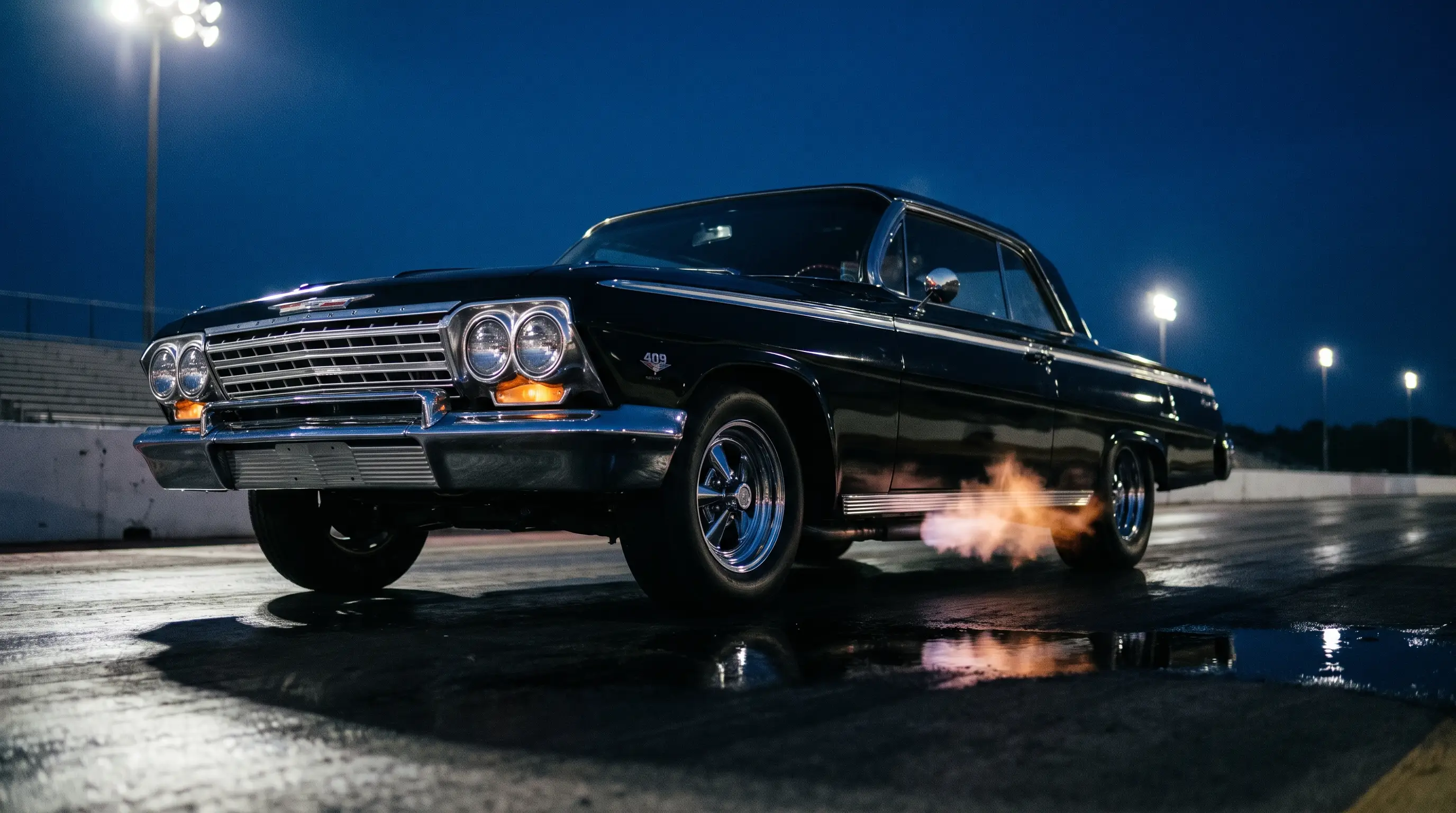
If you want the full arc of how that engine sounded, revved, and cracked off the line, there is a related story that gets into exactly that. The engine's exhaust note became almost as famous as its displacement, and that is not something you can say about most engines from this era.
It also helps to remember what else Chevrolet was building at the same moment. The 409 shared a showroom with small block Impalas, six-cylinder base models, and the early stirrings of what would become the Super Sport package. It was never the volume seller and was never meant to be. It was the halo option, the one that got the magazine ink and the radio play, while the actual sales charts were dominated by cars nobody remembers by engine code today.
The buy-side reality today
Anyone shopping a real 409 Impala in 2026 needs to separate three things: the car, the engine, and the documentation. A numbers-matching 409 with build sheet and Protect-O-Plate is a different animal from a car with a 409 dropped in later, even if both look identical from the curb. Values diverge hard between those two categories, and the gap keeps widening as fewer original cars come to market.
For buyers who want a full-size Chevrolet from this window without chasing 409 documentation specifically, the broader market still has plenty to offer. Impalas for sale now span every engine option from this era, and a clean 283 or 327 car can deliver most of the same styling and presence for a fraction of the cost.
"The 409 legacy is a song that outran a spec sheet. Doesn't make the engine less real, just means you're paying for two different things when you buy one: the iron, and the story."
- Dan Reeves
None of this needs to feel like a warning label. A 409 legacy purchase made with clear eyes, documentation checked, price anchored to what similar documented cars have actually sold for, is a genuinely satisfying piece of American automotive history to own. The point is only that the badge alone should never be the reason a number on a price tag makes sense.
The bottom line
The 409 was never the biggest number Chevrolet ever built, and it was never the best-selling option on the Impala order form. What it became was a shorthand for an entire era of Detroit performance, condensed into three digits that still mean something to people who were not alive when the last one rolled off the line. That is a rare kind of durability, and it is the real reason the 409 legacy holds up decades later.
Sources and notes
Related Reading

Have a
Chevrolet Impala
for Sale?
Reach thousands of serious classic car collectors across the US.
Sell It Here →
Are You a Classic Car Dealer?
List your full inventory and connect with targeted classic car buyers.
Join as a Dealer →

About the author
Dan Reeves
Performance engine builder from North Carolina's motorsports corridor, focused on swaps, forced induction and making real, repeatable power.
Related Listings - Chevrolet Impala
Comments (1)
H
Hugo R.
4 days ago
how do you tell a factory 409 from an over the counter block? seen a hundred w-motors, never knew where to look.