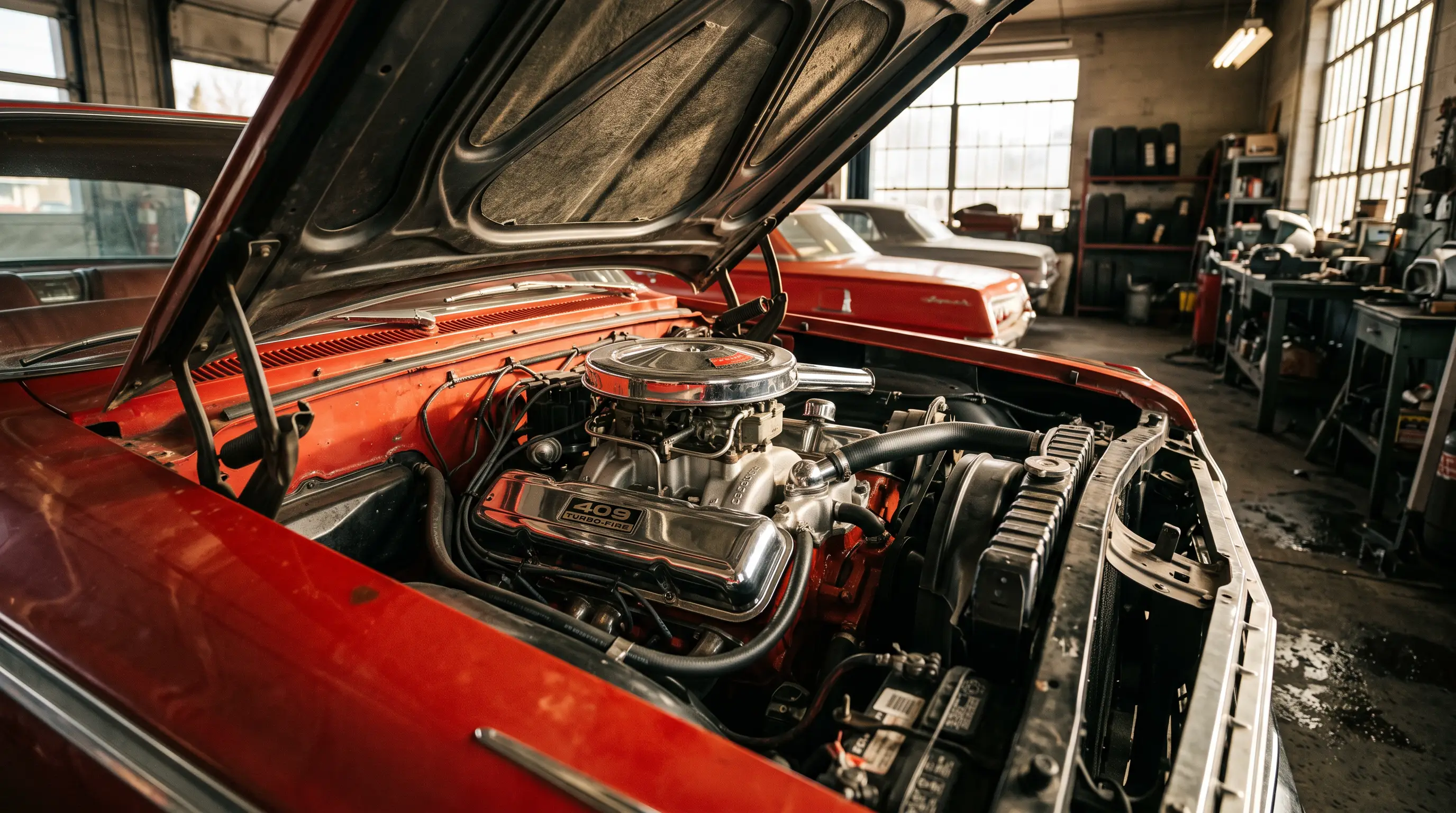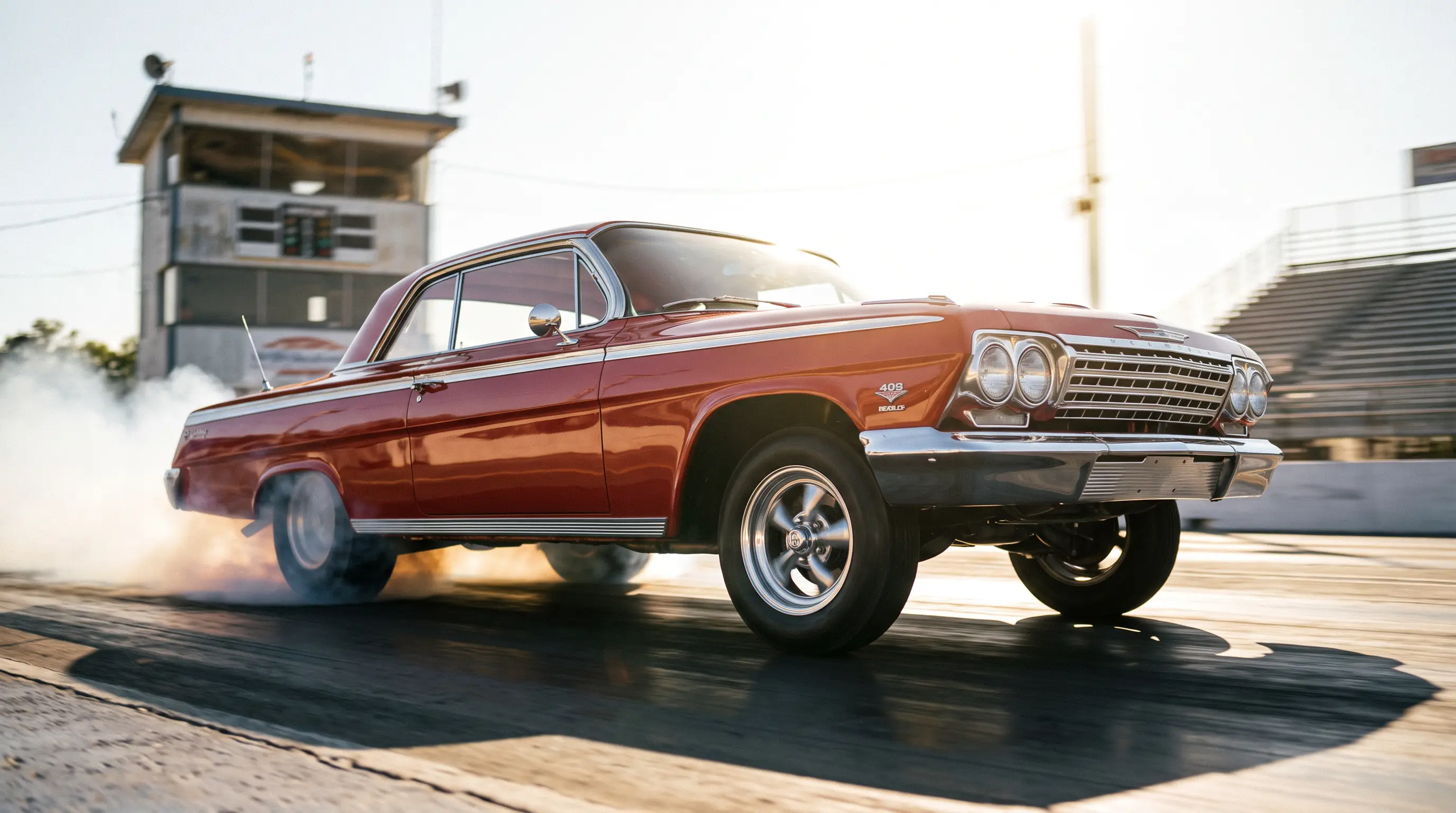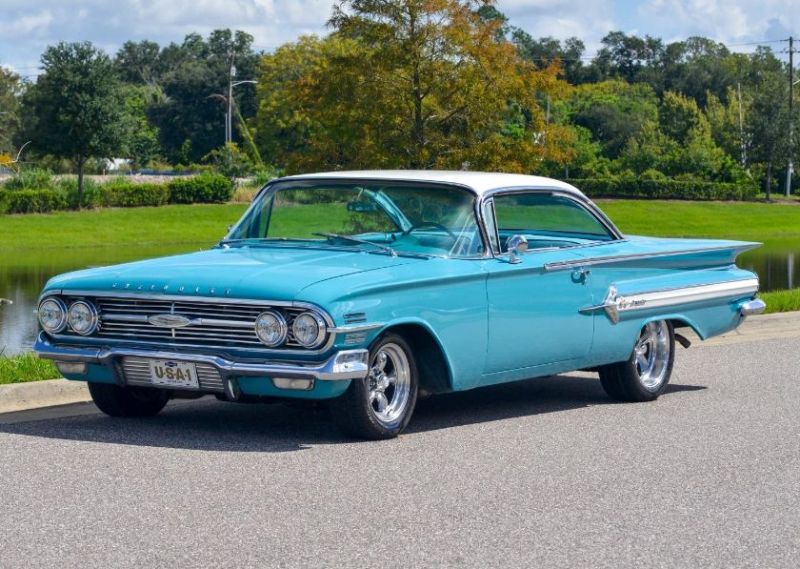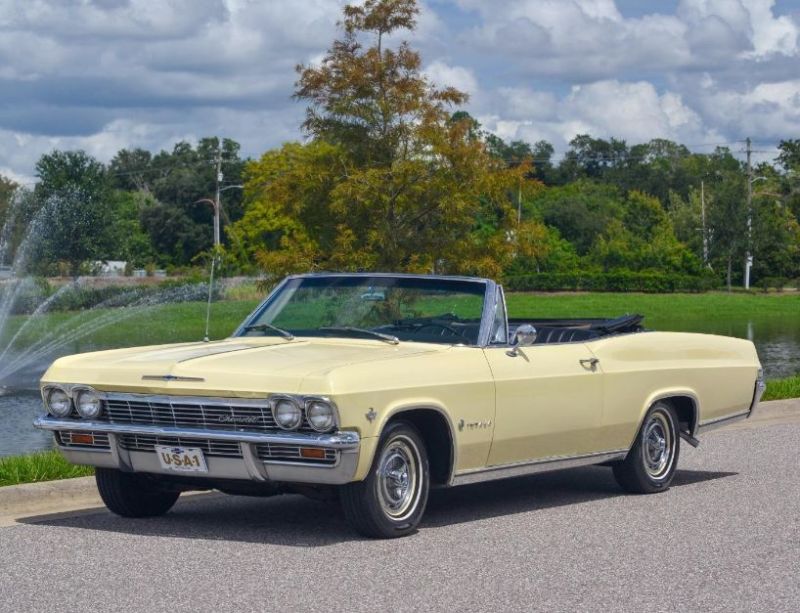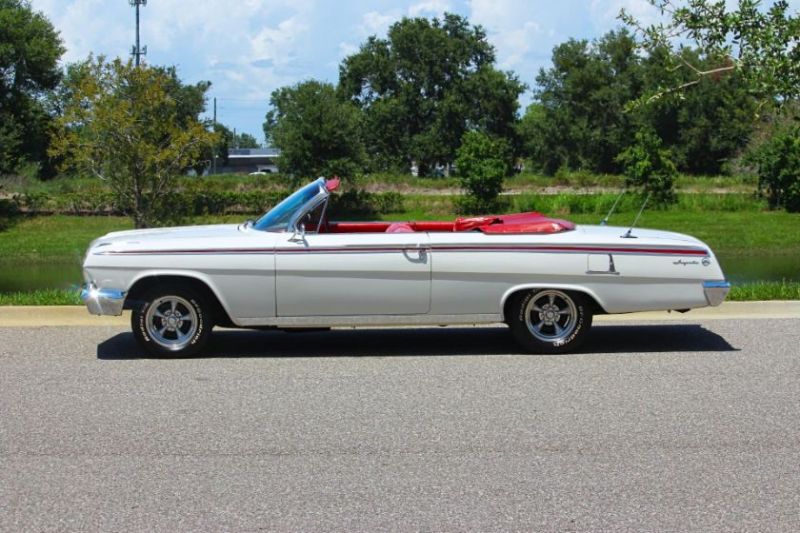
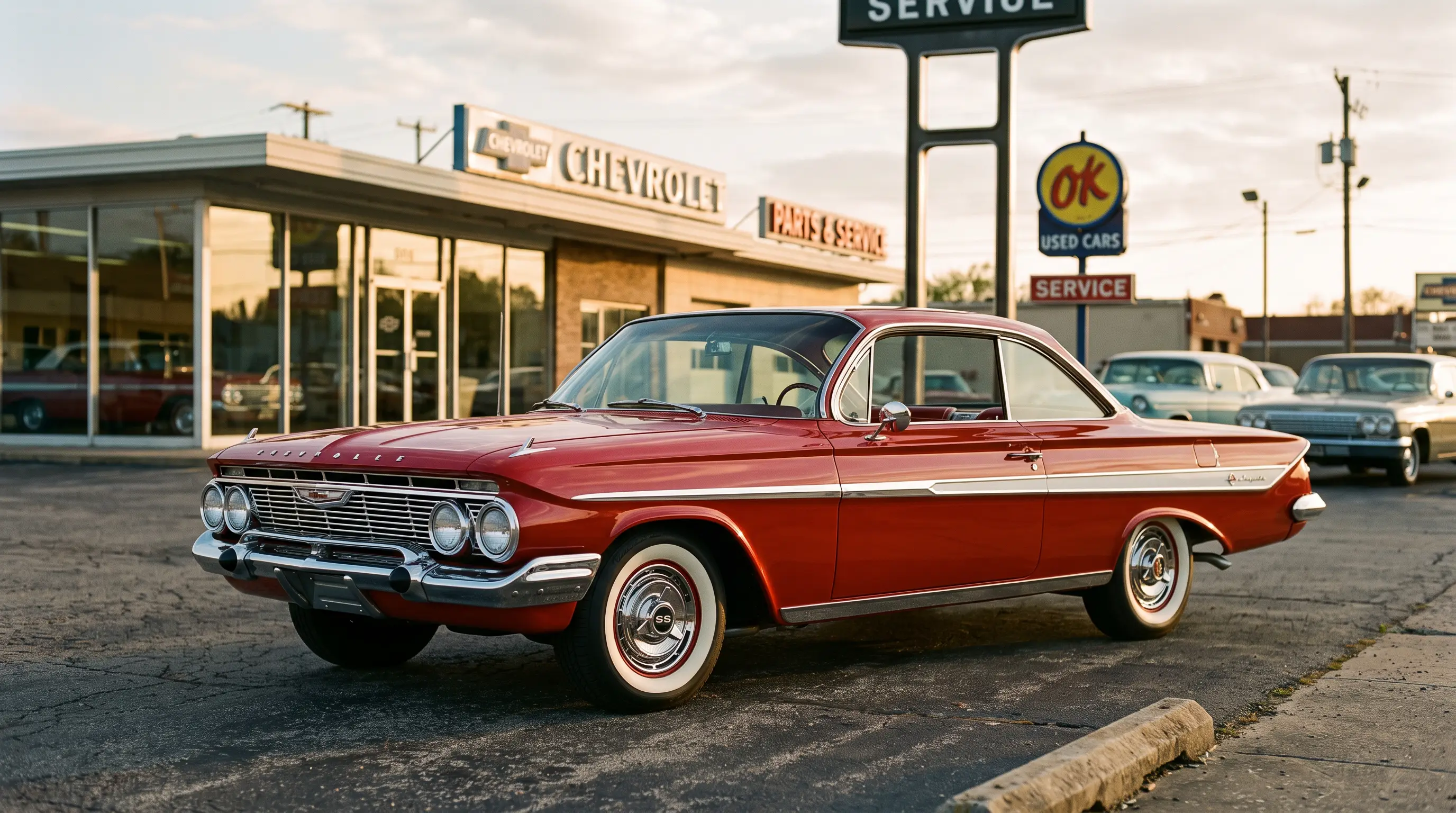
409 impala production numbers get thrown around casually at car shows, and most of them are wrong, or at least unverifiable. Chevrolet did not break out 409 installations by body style and trim in the tidy way modern enthusiasts want, which means most of the "only X built" claims attached to a 1961 or 1962 409 Impala should be treated as estimates, not facts.
Why the exact count is so hard to pin down
Chevrolet's production records from the early 1960s tracked engine codes and option codes, but the way that data survives today is incomplete and inconsistently documented compared to how meticulously later muscle car production got tracked. Researchers and marque historians have spent decades trying to reconstruct 409 build numbers from dealer invoices, Protect-O-Plates, and surviving factory paperwork, and the resulting figures are best described as informed estimates rather than certified totals. One number that is well documented is the 1961 total: Chevrolet built only 142 cars with the RPO 580 409 option that first year, across the full-size line, not broken out by Impala versus Bel Air or Biscayne body. No comparably solid factory total has surfaced for how many 1962 dual-quad 409 Impalas specifically left the line, and any figure quoted for that year should be treated as an estimate rather than a certified count.
This matters because a seller who quotes an exact number, down to the last unit, for how many dual-quad 409 Impalas were built in 1962 is usually quoting a figure that has been repeated so many times it has taken on the appearance of fact without ever being confirmed against primary Chevrolet documentation.
Part of the problem is structural. Chevrolet in this era built full-size cars on a scale that made granular record keeping by engine and body style combination impractical for the company's own purposes, let alone useful for a researcher decades later trying to reconstruct it. Dealers ordered cars by option code, factories built to order sheets, and nobody at the time thought to preserve that data with an eye toward historians who would want it sixty years on. What survives today is a patchwork of dealer records, individual owner documentation, and secondary sources, not a single authoritative ledger anyone can simply consult.
What we can say with more confidence
- The 409 was a low-volume option relative to total Impala production in any given year it was offered.
- Dual-quad, four-speed cars were a smaller slice still of an already small 409 population.
- Survival rates are lower than production numbers suggest, since many 409 cars were used hard, raced, and eventually parted out or wrecked rather than preserved.
How this plays out at auction and in private sales
| Documentation level | What it typically means | Effect on value |
|---|---|---|
| Factory build sheet or Protect-O-Plate present | Engine and options traceable to original order | Strongest premium |
| Casting numbers match era, no paperwork | Consistent but not conclusively proven | Moderate premium, more buyer caution |
| Claimed 409 with no supporting documentation | Could be original, could be a later swap | Priced as a driver, not a numbers-matching car |
A car with paperwork will always outsell an identical-looking car without it, regardless of what production estimate either seller quotes. The number on a forum post does not move a sale price. A Protect-O-Plate does.
Why this matters more than the mythology
Buyers get hung up on rarity claims because rarity sounds like value, and in a general sense it is related to value. But an unverifiable production estimate is not the same thing as documented scarcity. Two cars can both be described as "one of a handful known to survive," and only one of them can actually back that claim up with anything beyond a story. The gap between those two cars, in both authenticity and price, is enormous.
Registries maintained by marque clubs help close some of that gap, since dedicated researchers within those organizations have spent years cross-referencing known surviving cars against whatever paperwork owners can produce. These registries are not perfect either, and they rely on owners voluntarily coming forward with their cars, but they represent a more disciplined effort than a casual production estimate repeated online. A buyer serious about verifying a 409's history should check whether a car appears in one of these registries before relying on a seller's claim alone. That single extra step, a phone call or an email to the right club, has saved more than one buyer from paying numbers-matching money for a car that turned out to be something else entirely.
Anyone wanting the fuller narrative behind why the 409 became such a sought-after option in the first place should read the background on how the engine built its reputation.
"Production numbers get repeated until they sound like fact. I want to see the paperwork, not the paragraph."
- Emily Chen
The honest answer
Nobody today can hand you a confirmed, factory-sourced count of exactly how many 1962 dual-quad 409 Impalas Chevrolet built, and anyone claiming otherwise should be asked where that number comes from. What is confirmed is that the 409 was always a minority option on an already large Impala production run, and that surviving, documented examples are genuinely scarce regardless of the exact total. That scarcity, not a precise headline number, is what actually drives the market.
What buyers should actually do about it
Rather than chasing a precise production number that nobody can confirm, a buyer's time is better spent on the specific car in front of them. Pull whatever paperwork the seller has. Check casting numbers against known date codes for the claimed engine. Ask directly whether the engine is original to the car or was installed later, and expect a straight answer rather than a vague reassurance. None of this requires access to some hidden master production list. It just requires patience and a willingness to verify rather than accept a story at face value.
It also helps to talk to people who have spent years around these specific cars, whether through a marque club, a knowledgeable independent appraiser, or a specialist restoration shop that has seen dozens of 409s come through the door. Pattern recognition built from handling many real examples is worth more than any single quoted production figure, since it lets an experienced eye spot inconsistencies that a spreadsheet number never could.
The takeaway is not that production numbers do not matter at all. It is that they matter far less than most buyers assume, and that leaning on an unverified figure as a substitute for actually checking a specific car's documentation is exactly the kind of shortcut that costs people money in this market. A patient buyer who checks the paperwork on one specific car will always end up better informed than one who memorized a number from a decades-old forum thread.
If you want to compare what documentation real sellers are offering right now, you can find a classic Impala and see how provenance claims hold up across current listings, one seller at a time.