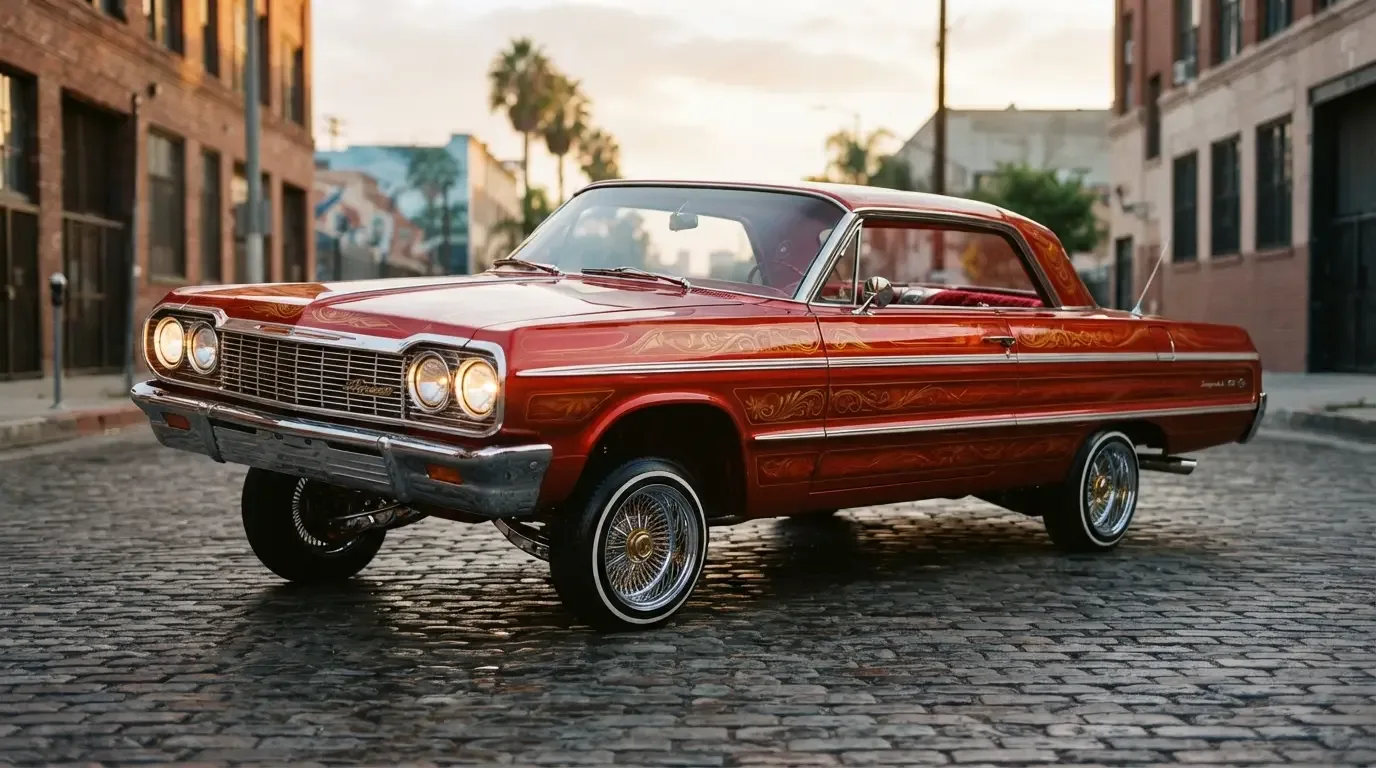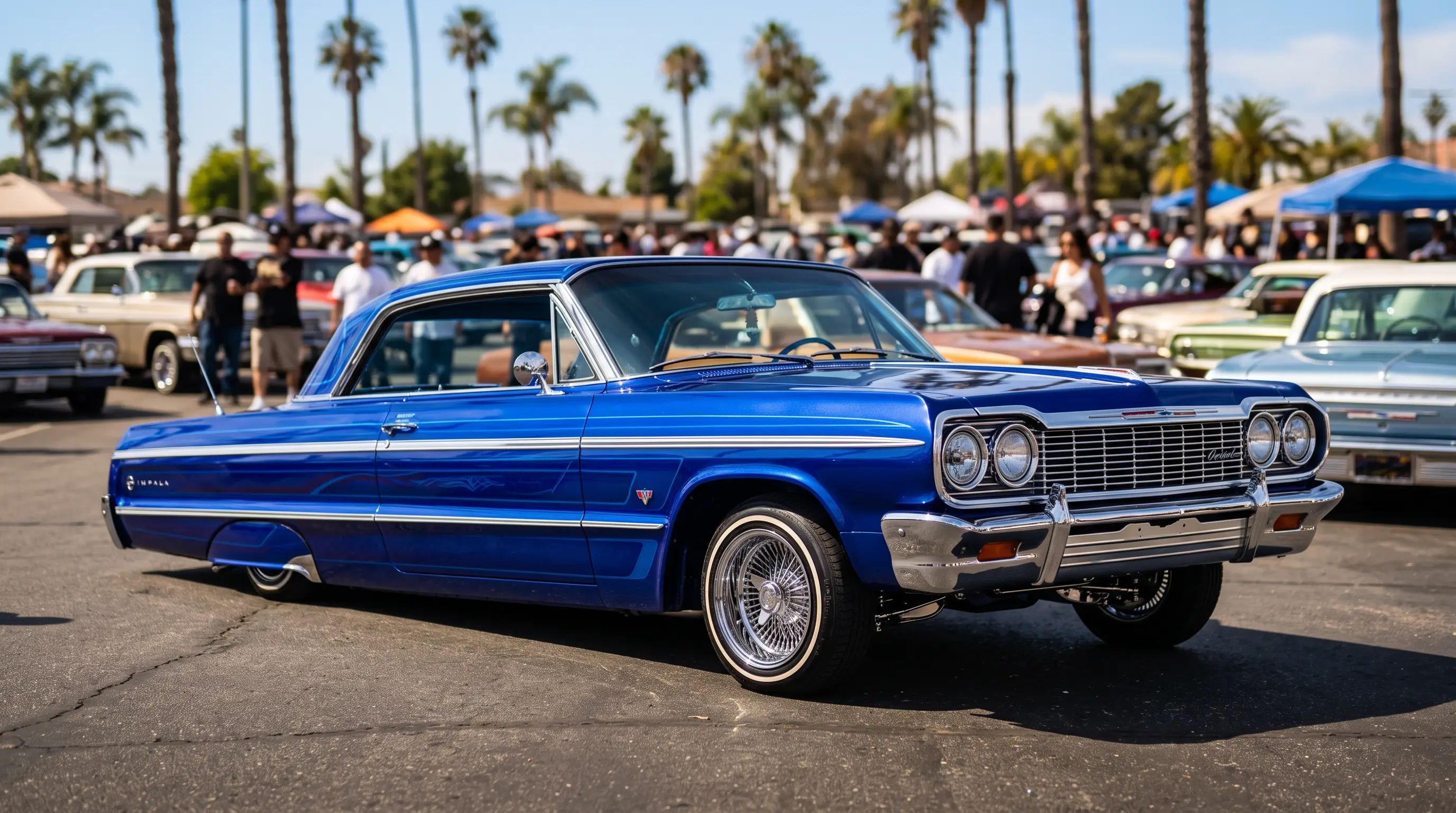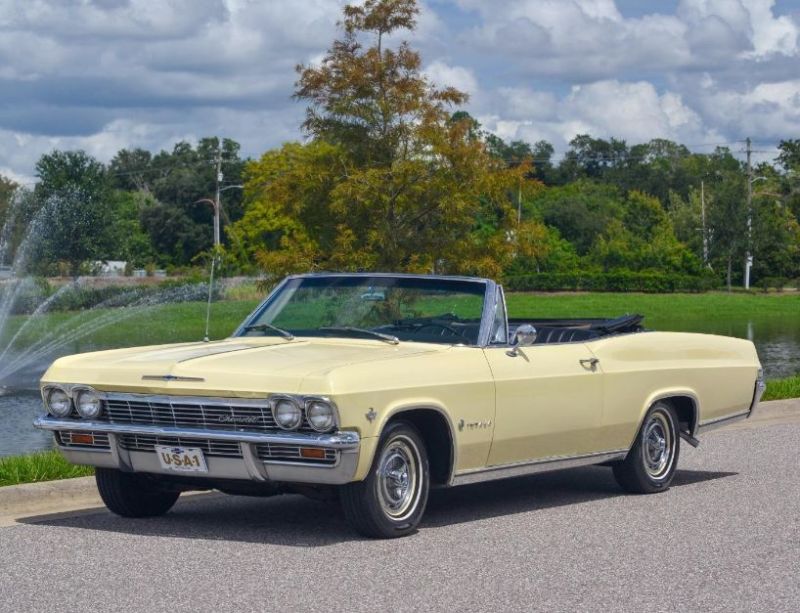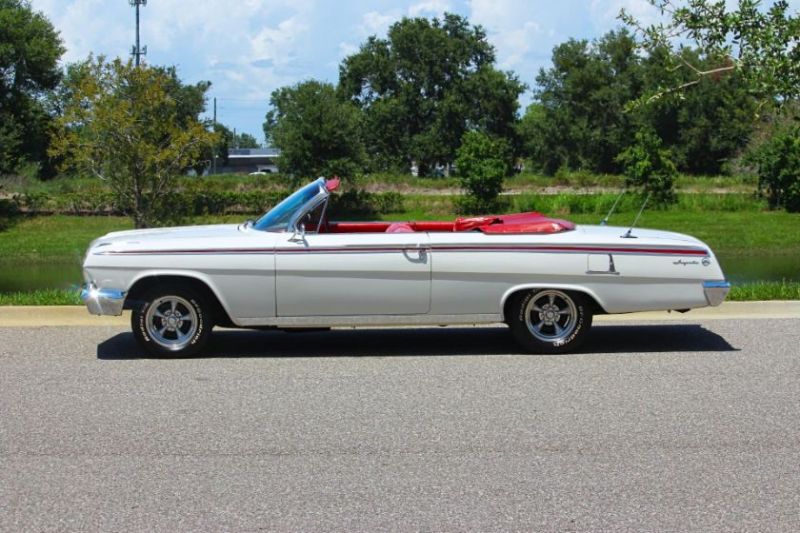
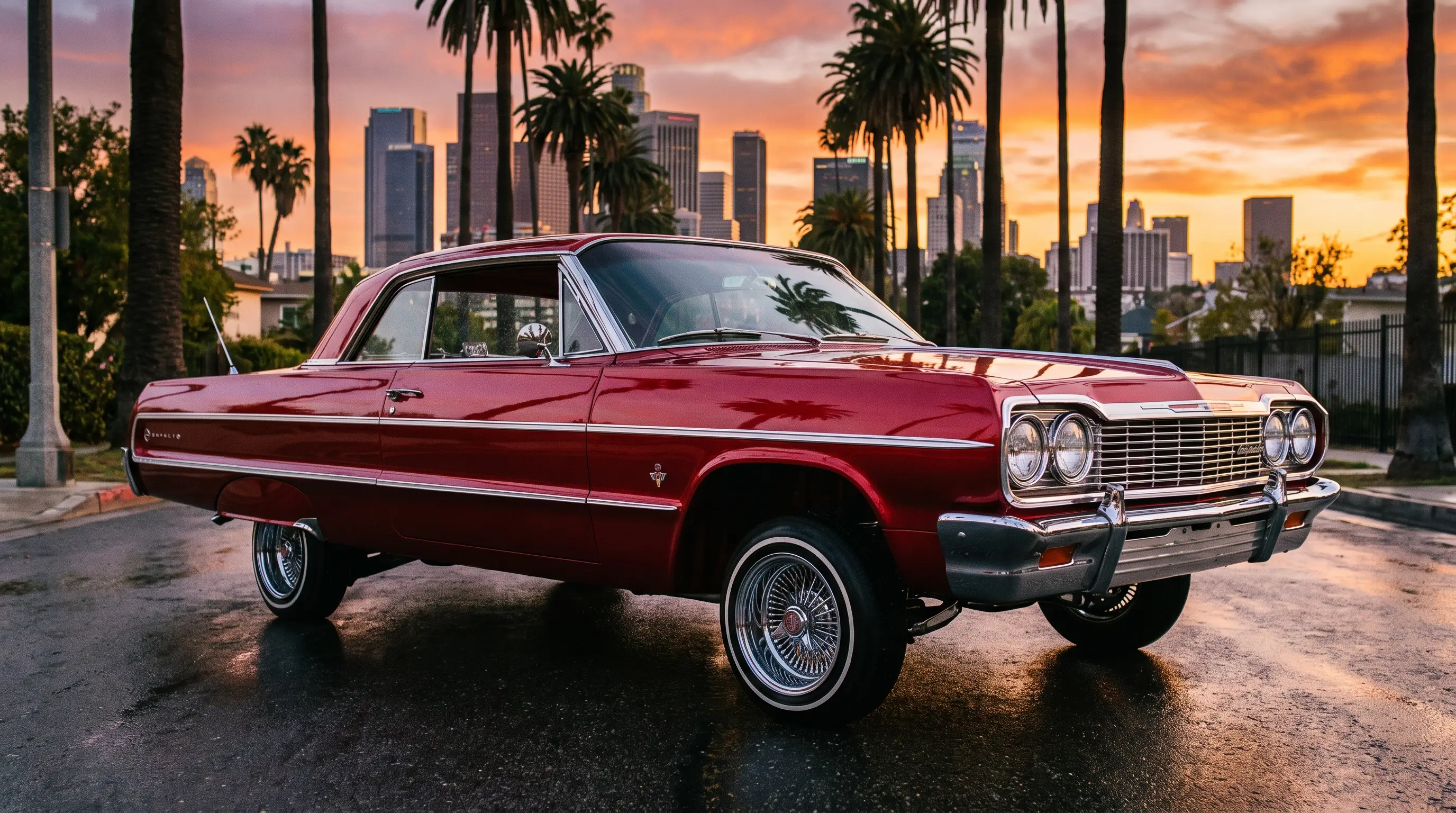
A candy painted Impala rolling low through a music video says something a stylist could never fake with a rented sports car. By the late 1980s and into the 1990s, hip hop artists on the West Coast started reaching for a very specific image, a car that already carried decades of meaning before a single frame of footage was shot, and the Impala in hip hop videos became shorthand for a whole world of neighborhood pride, family history, and hard-earned craftsmanship.
Why this particular car, not a Cadillac or a Mercedes
Rap videos of that era were full of expensive cars meant to signal success, but the Impala carried a different kind of weight. It was not aspirational the way a brand new luxury sedan was. It was inherited, built by hand, tied to a specific culture that predated the music itself by decades. Artists who grew up around lowrider culture in Los Angeles and Compton were not borrowing an image from somewhere else, they were showing the world something that had been part of their neighborhoods since before they were born. That authenticity is what separated the Impala from a car chosen purely for its price tag.
The visual language mattered too. A slow hop, a candy paint job catching afternoon light, chrome underneath a car that is barely off the ground, these are images that work on camera in a way few other cars can match. Directors and artists both understood that the Impala did the visual storytelling for them. You did not need a lyric explaining where someone came from if the car in the shot already told half the story.
The artists who made this pairing permanent
West Coast artists working through the early 1990s leaned into this imagery deliberately, using lowrider Impalas in videos and album art as a direct visual link to the neighborhoods and the culture their music came from. This was not incidental set dressing. The car choice was as intentional as any lyric, meant to root the music in a specific place and a specific history that listeners outside California might not fully understand without the visual cue.
That pairing did something lasting. It introduced lowrider culture and the Impala specifically to audiences who had never been near a car show or a Sunday cruise, carrying the image of this car into homes across the country and eventually around the world through the reach that music video television gave artists in that era.
How the imagery traveled beyond California
Music video distribution in the early nineties reached households in cities that had no lowrider scene of their own, no cruise nights, no clubs, nothing beyond the television screen connecting them to this culture. That distance is exactly what made the imagery so striking to a lot of first time viewers. A kid in a city with no connection to Southern California car culture could still recognize a lowered, candy painted Impala on sight within a few years of this imagery spreading through mainstream music channels, a level of visual recognition most regional subcultures never achieve on that kind of timeline.
That reach also created new pockets of interest in lowrider building far from the culture's original home. Builders in cities across the country started their own version of the scene after seeing it depicted in music, some with genuine respect for the craft behind what they were imitating, others treating it as pure aesthetic without understanding the history. Both responses happened simultaneously, and both are part of how this car's story kept expanding well past the neighborhoods where it started.
What got carried forward and what got lost
The exposure hip hop gave the Impala was a double edged moment for the culture that had built the car's reputation over the previous three decades. On one hand, it introduced millions of new people to lowrider aesthetics, growing appreciation for the craftsmanship behind these builds well beyond the communities that originated the culture. On the other hand, the imagery sometimes got flattened into a symbol, stripped of the specific history, the club structures, and the decades of accumulated technique that actually built the culture in the first place.
The people who lived the culture rather than just referenced it in a video understood the difference. A real lowrider build carries a history of family, neighborhood, and craft. A car used purely as a backdrop for a few seconds of footage carries none of that unless the artist and the builders genuinely came from that world, which many of the most memorable examples actually did.
"There is something quietly moving about watching a car that took a family years to build show up in a video and suddenly belong to a much bigger audience, even if that audience never learns the whole story behind the paint."
- Nora Beckett
The artists who came from the culture rather than borrowed from it
The distinction critics inside the culture always drew was between artists who grew up around lowrider clubs and cruises and artists who simply hired a car for a shoot because the aesthetic looked right. Musicians who had actual family or neighborhood ties to lowrider building tended to feature the cars with more specificity, showing hydraulics work, club plaques, and paint details that only make sense to someone who understood what they were looking at. That specificity mattered to audiences who recognized the culture from the inside, even if casual viewers absorbed the imagery on a purely aesthetic level.
This is part of why certain videos and album covers still get referenced decades later within the lowrider community itself, not just by music fans. When the imagery came from genuine roots rather than a stylist's mood board, the culture recognized it as legitimate representation rather than borrowed scenery, and that recognition carried its own kind of respect that outlasted whatever chart position the song itself reached.
A legacy that outlasted the trend cycle
Music trends move fast, but the connection between the Impala and hip hop culture never fully faded the way a passing visual trend might. Decades later, artists across genres still reach for the same imagery when they want to signal roots, history, and authenticity rather than manufactured luxury. That staying power says something about how deeply the original pairing resonated, not just as a stylistic choice but as a genuine expression of where certain artists and their communities came from.
The car itself never needed the music to matter. Lowrider culture was decades deep before hip hop discovered it, built by clubs and families who had no interest in mainstream recognition and plenty of interest in getting the craft right. What the music did was widen the lens, giving a much larger audience a glimpse of something that had been quietly thriving in Southern California neighborhoods for generations.
For anyone who wants to understand the fuller arc behind this image, from the earliest custom builds through the clubs and the hydraulics era, where this started covers the whole history that made a single shot of an Impala carry so much meaning on screen. And if seeing these cars in videos has you curious about owning a piece of that same story, it is worth browsing classic Impala for sale and seeing what is available today, decades after these cars first found their way in front of a camera and into a much wider cultural memory.